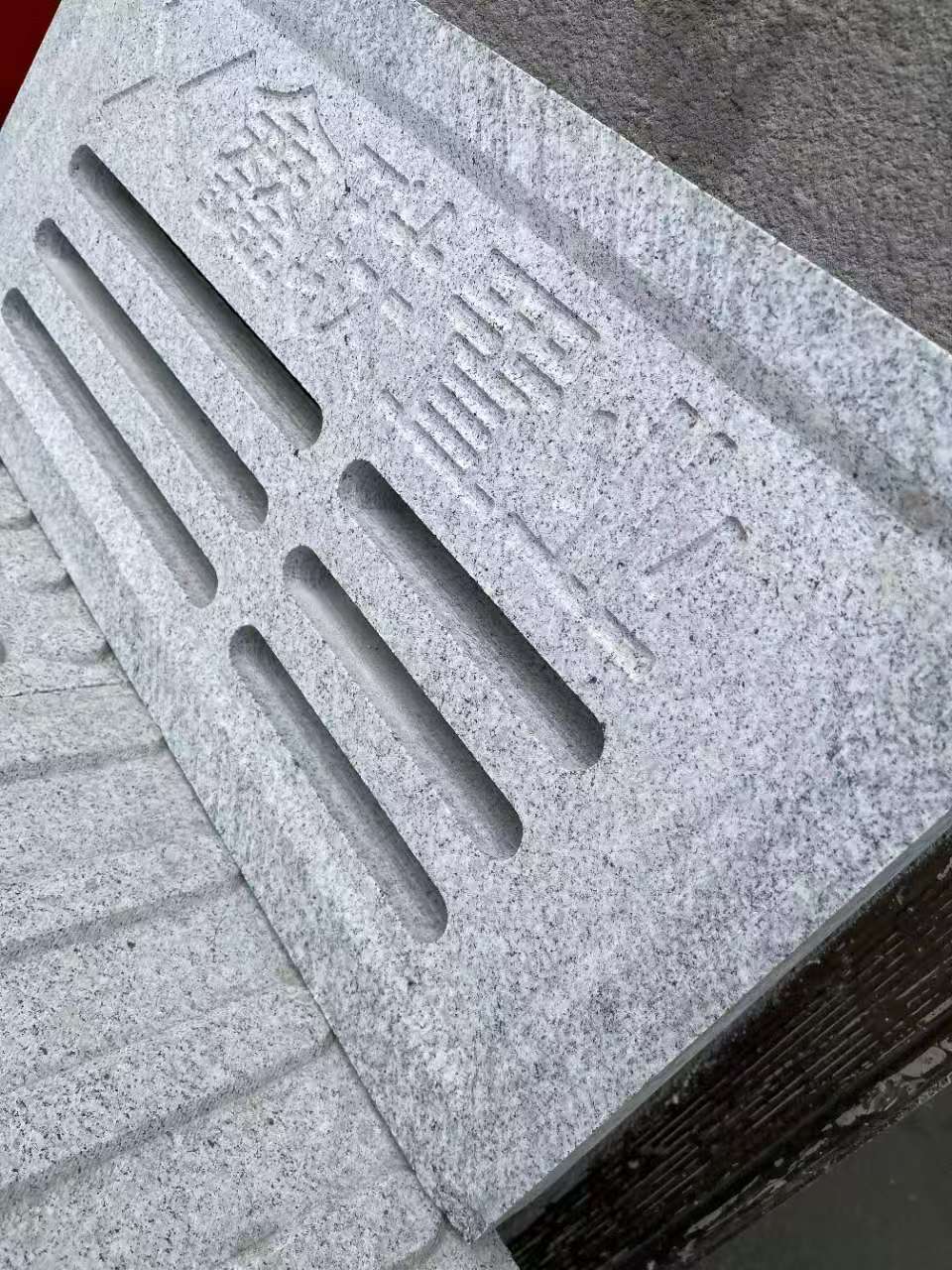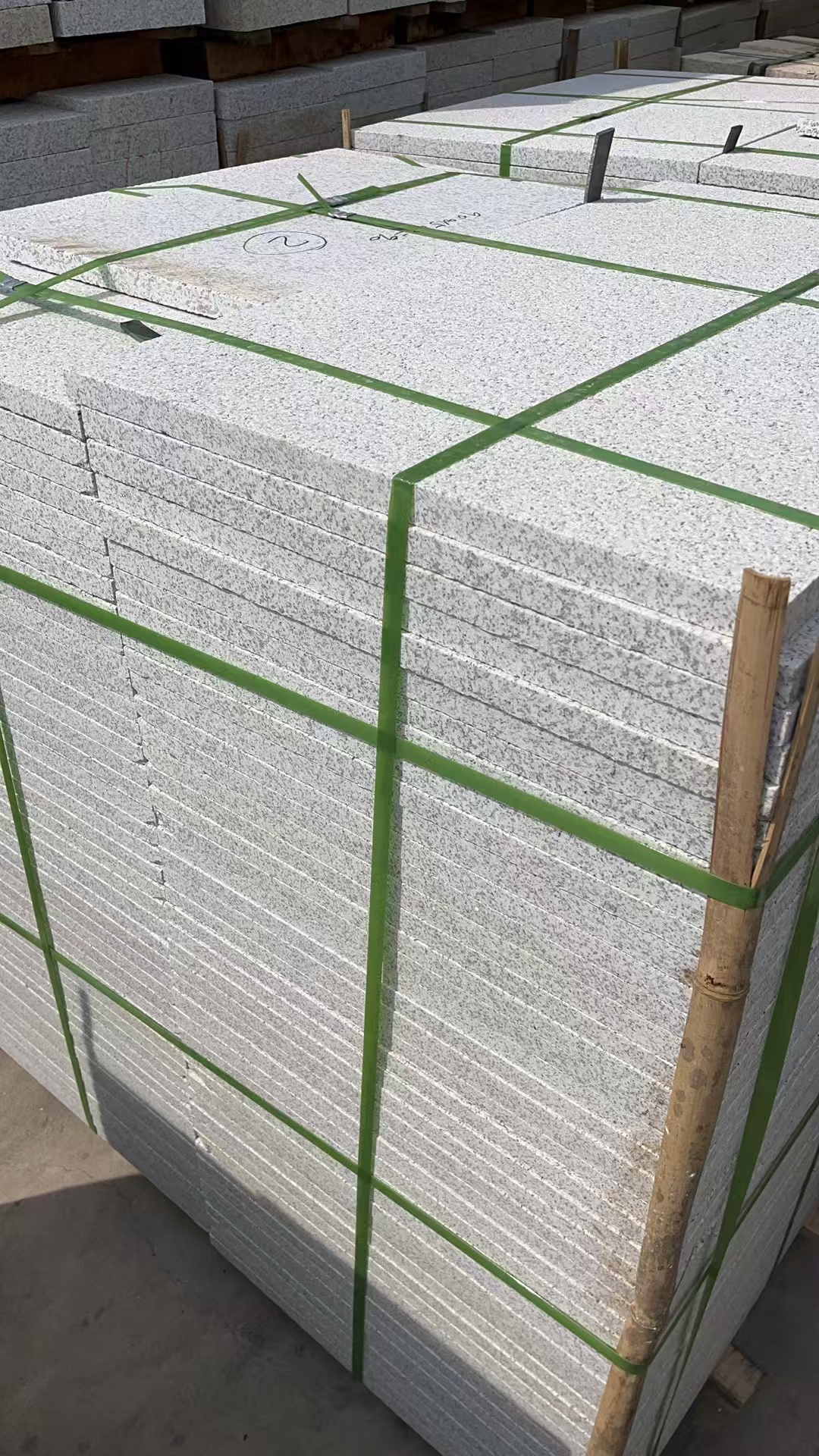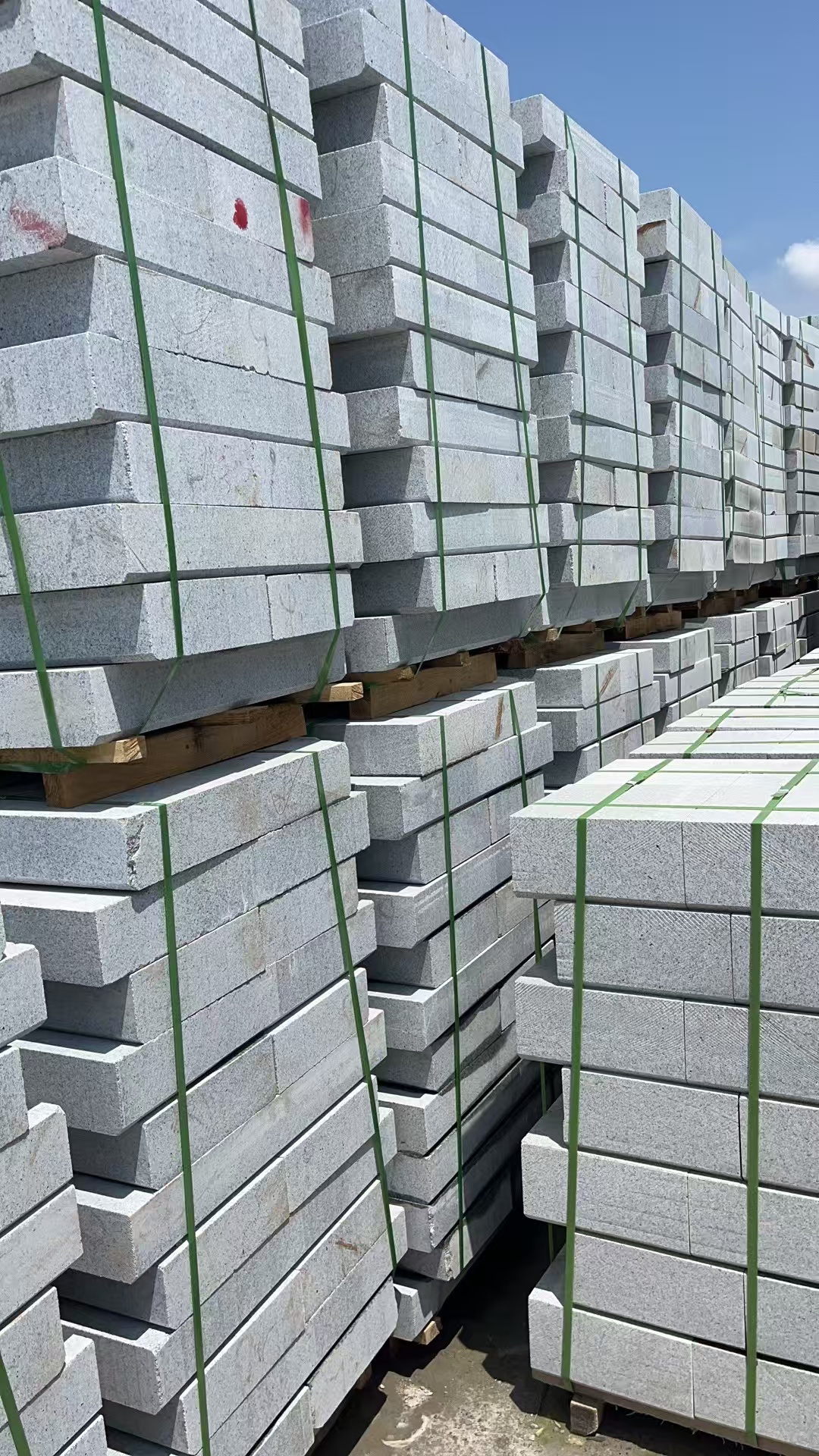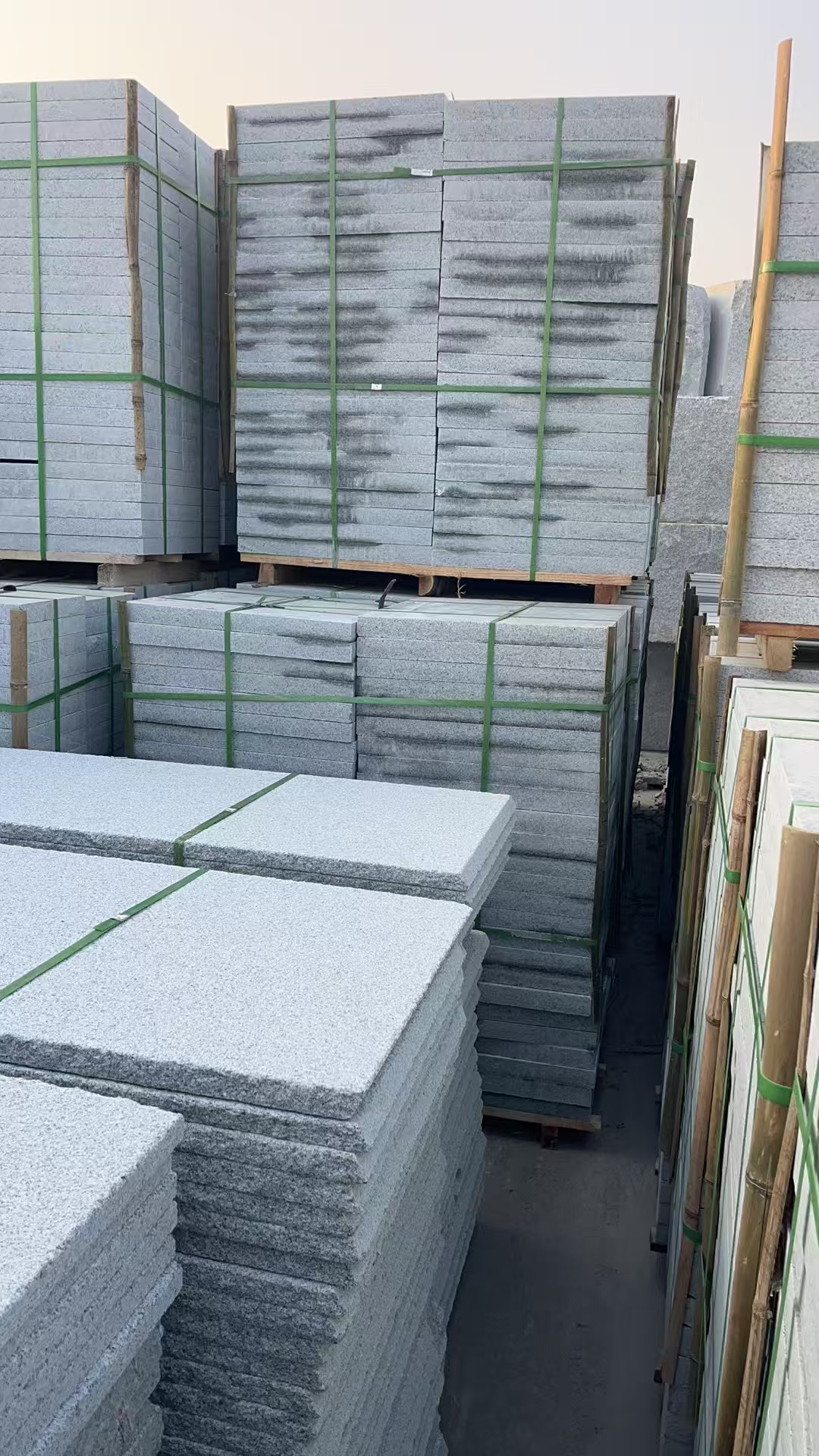







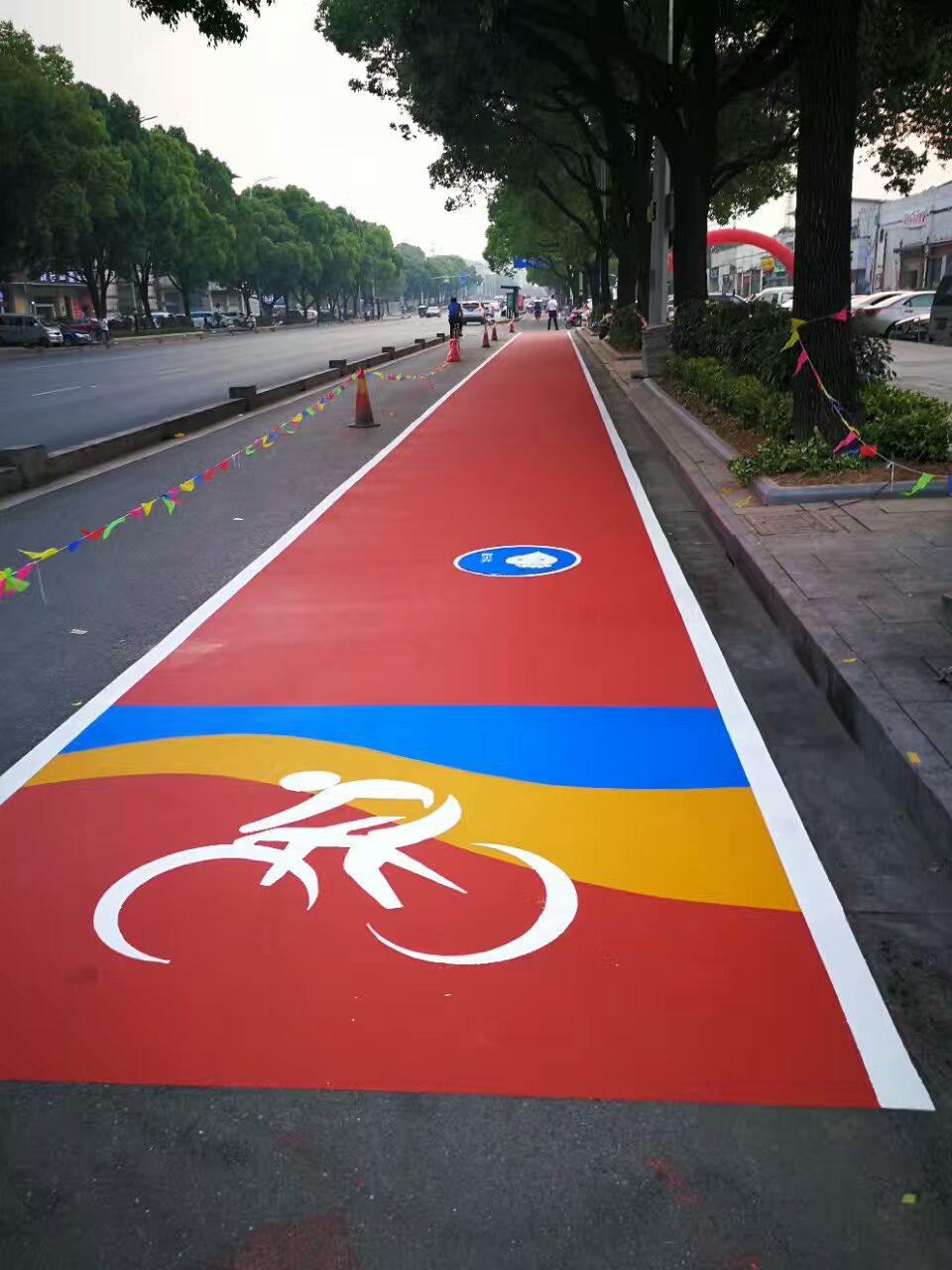
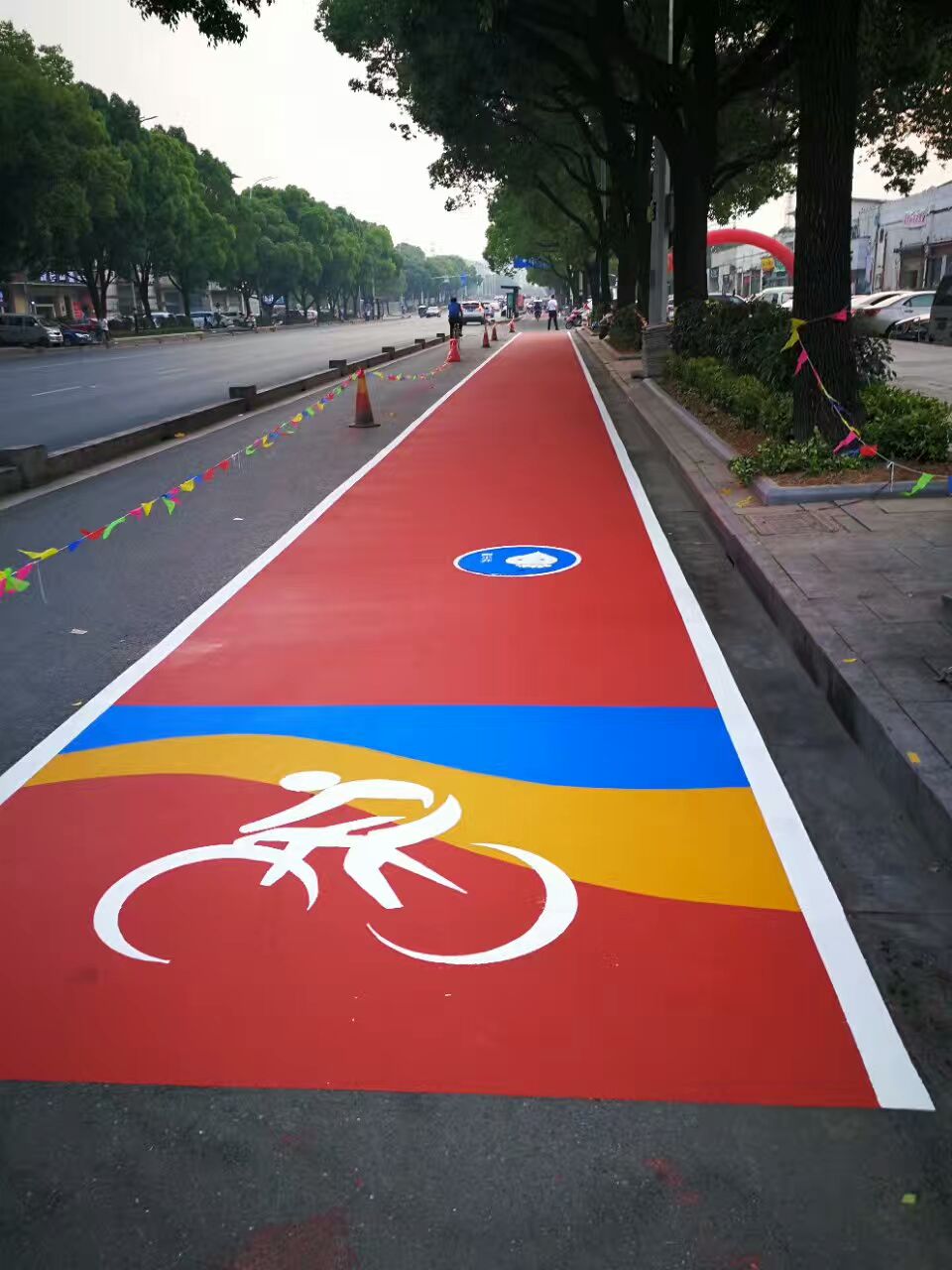
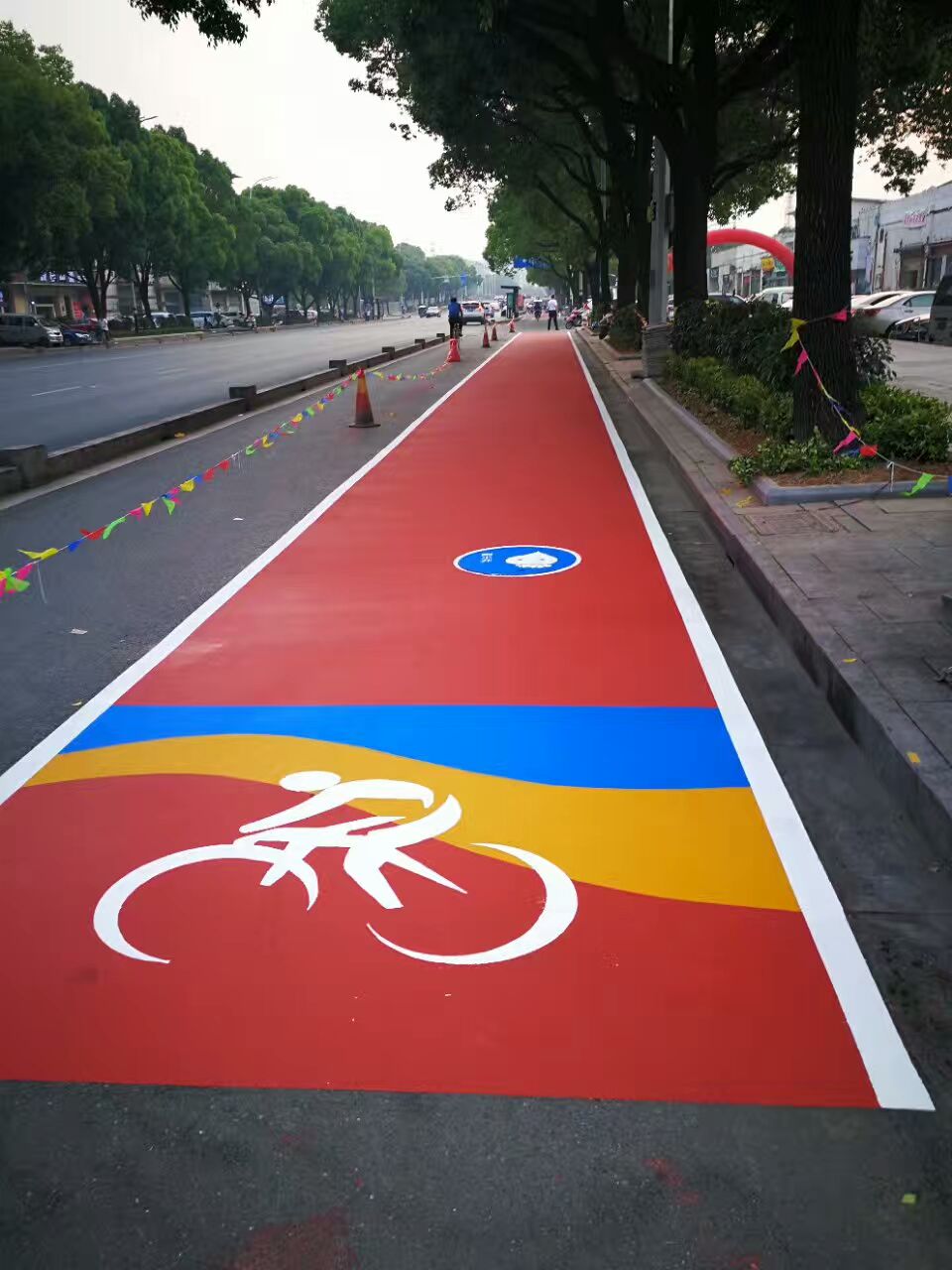
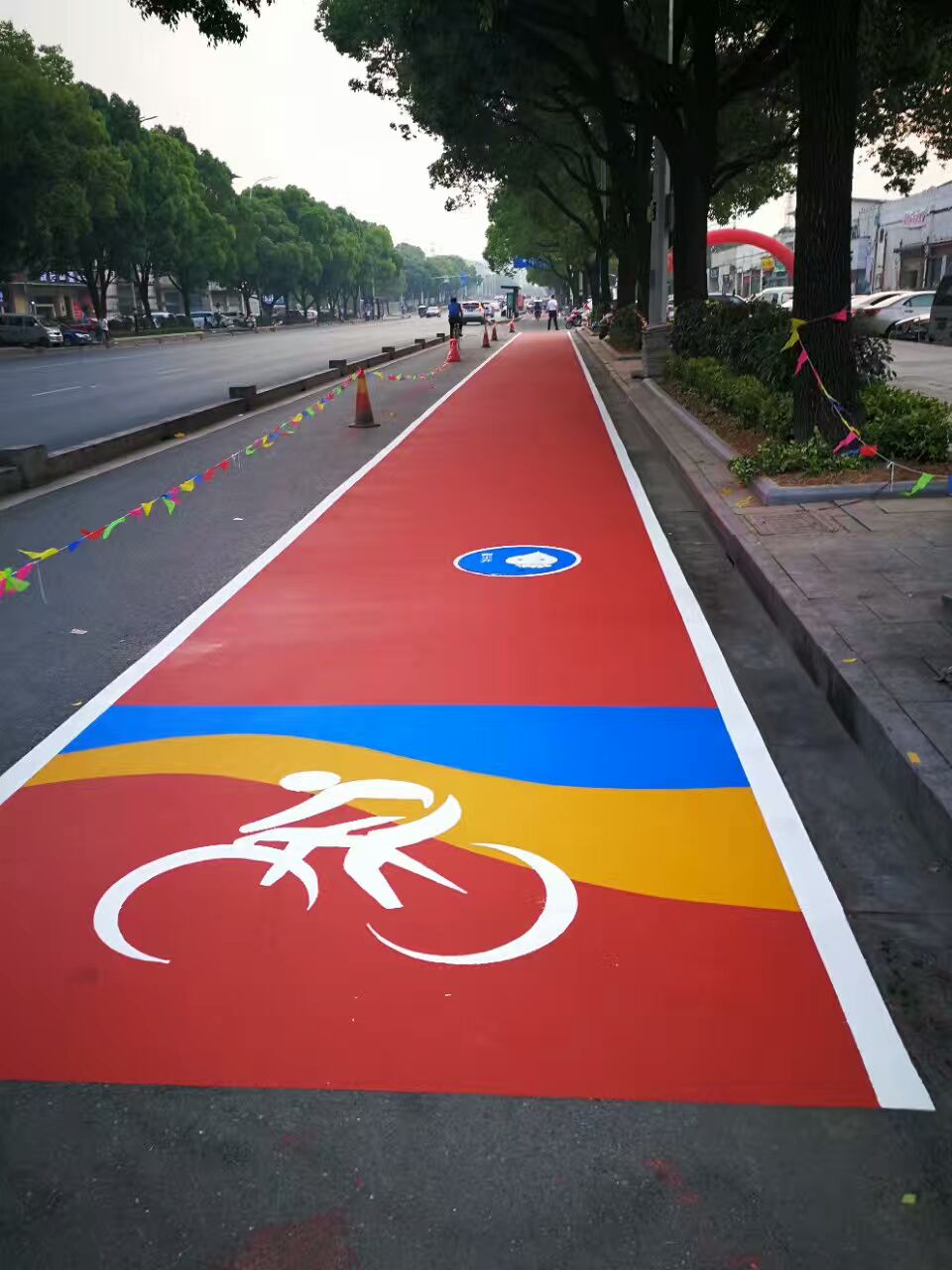
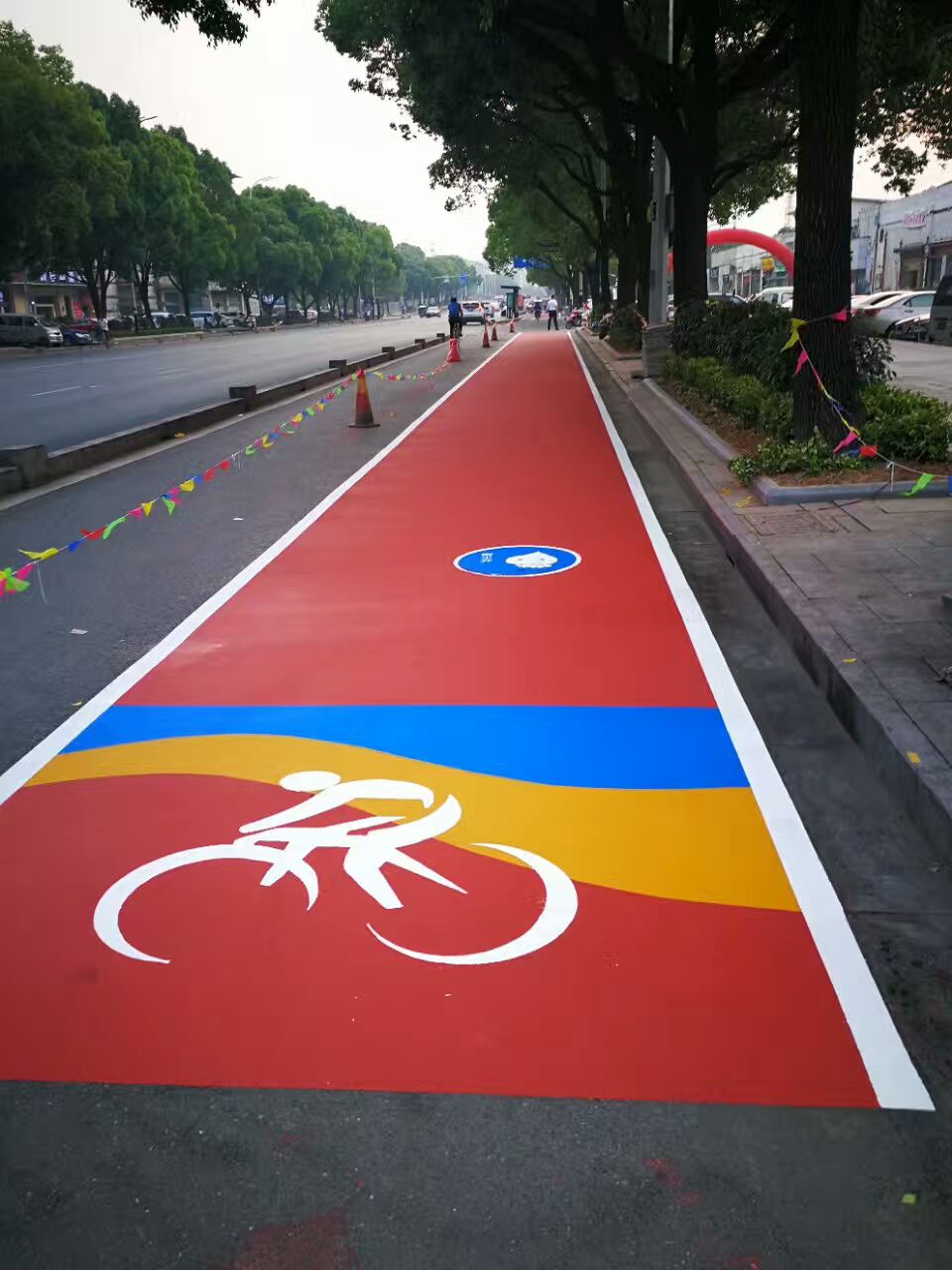
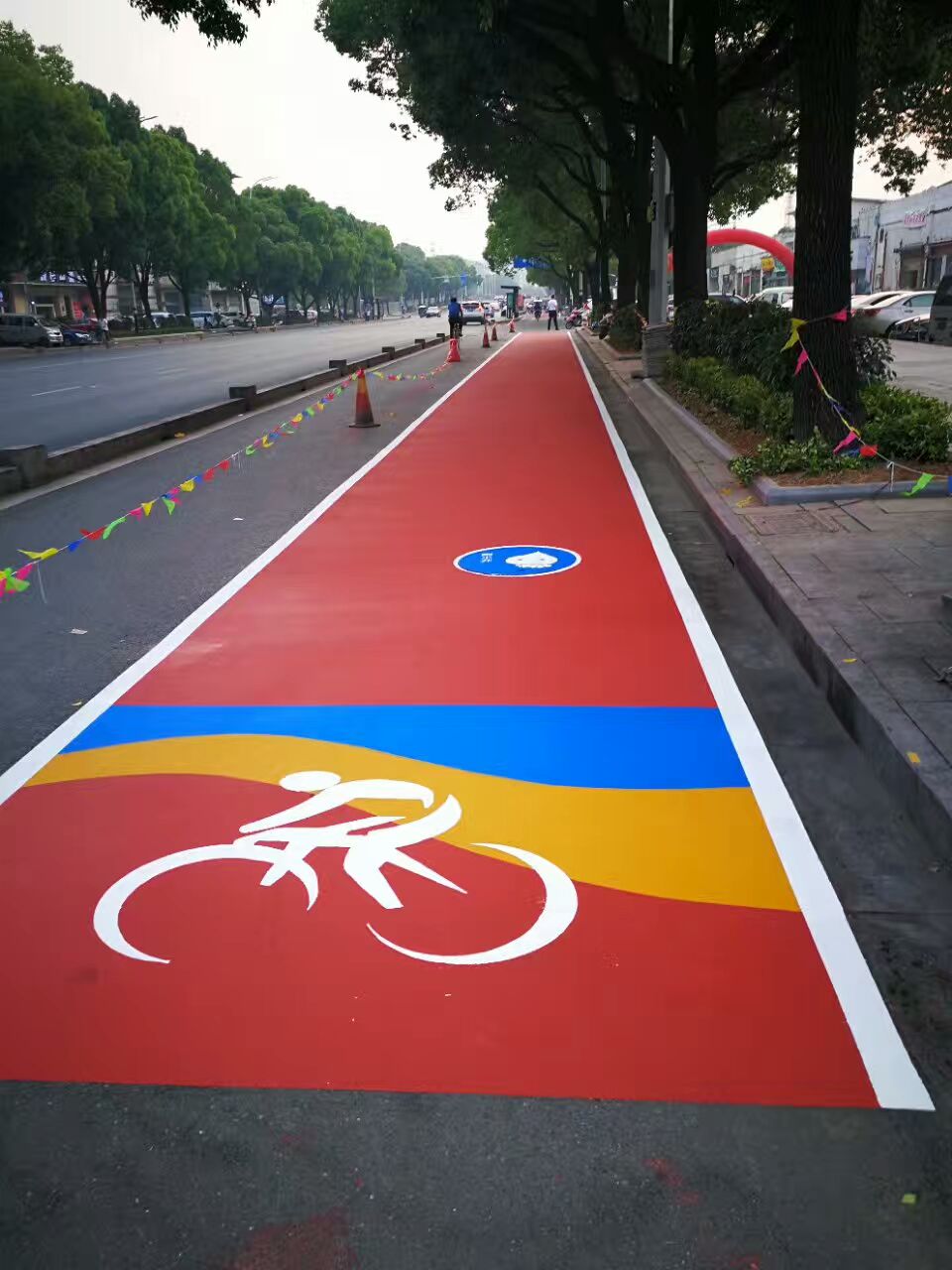
Floor design styles have distinct characteristics across different eras, serving as a mark of the times. Through creative conception and expression, they gradually evolve into representative ground design forms. The formation of a typical style requires both external and internal factors.
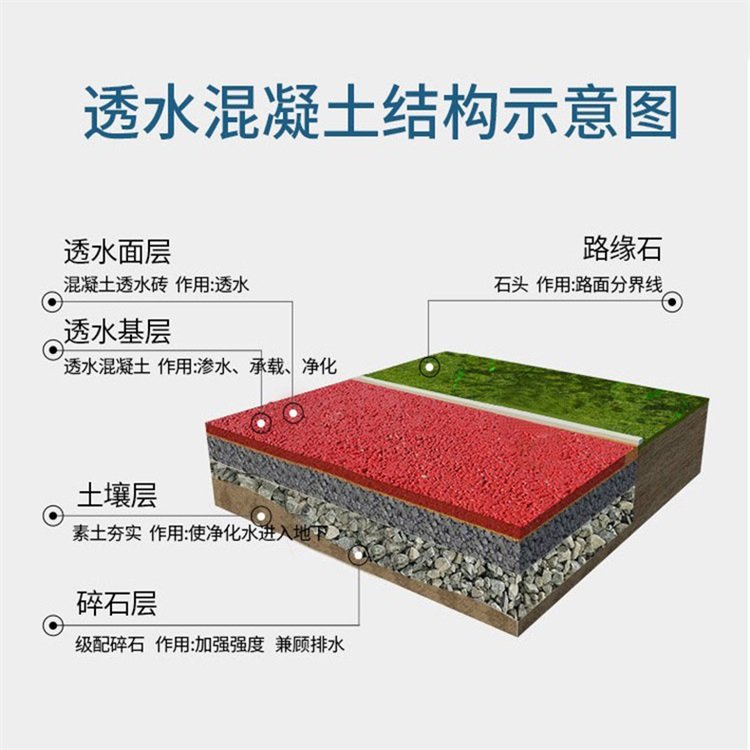
External factors are influenced by the overall atmosphere of nature, society, technology, and culture; internal factors are influenced by the user's lifestyle, personality preferences, and the designer's creative approach and professional level. These internal and external factors interact, driving the development of flooring styles.
Permeable paving surface material
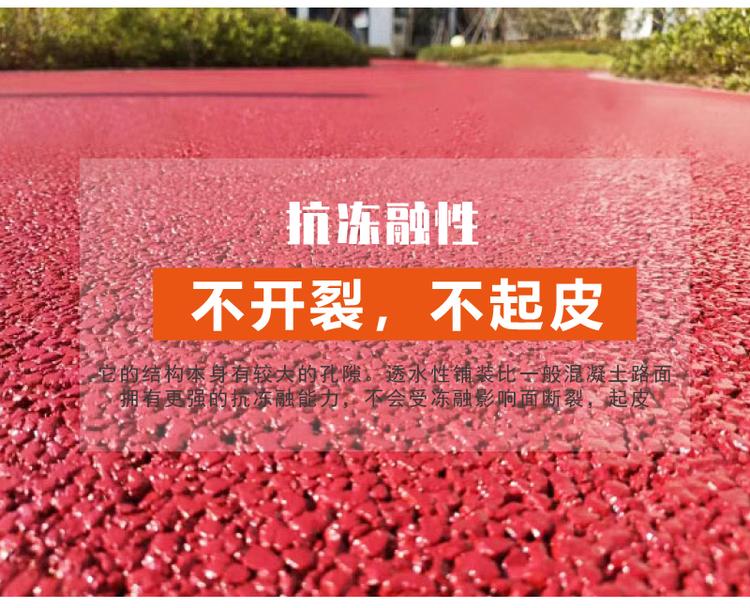
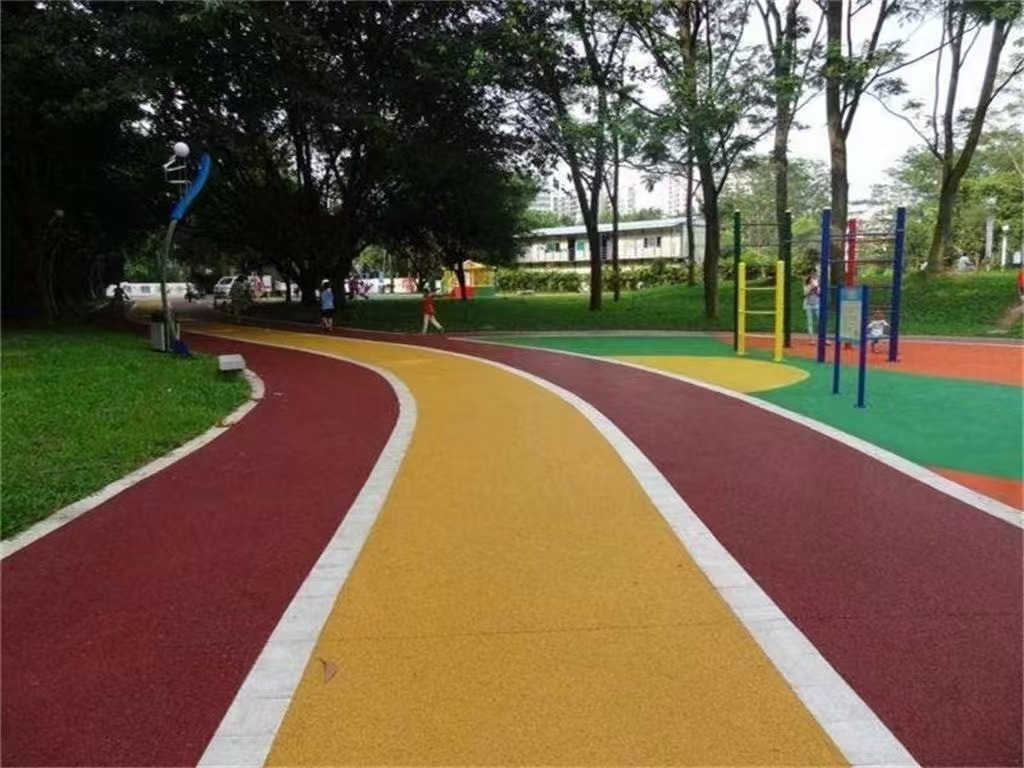
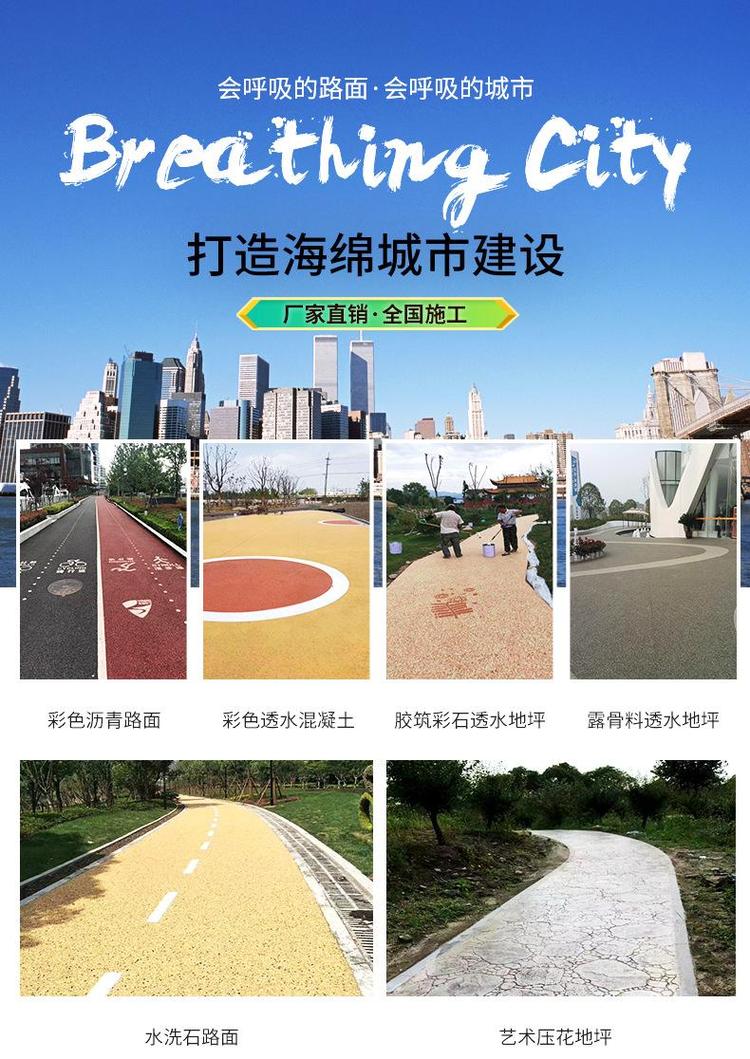
1) Integrated permeable paving surface
By utilizing a special grading of materials, the surface layer is designed to have a porous structure interconnected, providing pathways for rainwater infiltration and subgrade water storage and evaporation. However, due to the porous nature, it reduces the bonding strength of aggregates, thereby decreasing the road strength and durability. Consequently, additives are commonly used to enhance the strength of the surface layer's bonding material.
2) Permeable subbase with high water storage capacity
Generally composed of a leveling layer, a water-retaining base layer, and geotextile. The water-retaining layer is thick with a low porosity, so when heavy rainfall occurs and cannot be drained promptly, some rainwater is stored in the base layer, preventing water accumulation on the road surface. This base layer is suitable for areas with heavy rainfall, providing both water retention and drainage. Below the water-retaining layer is the geotextile, which serves to maintain the bearing capacity of the cushion layer.