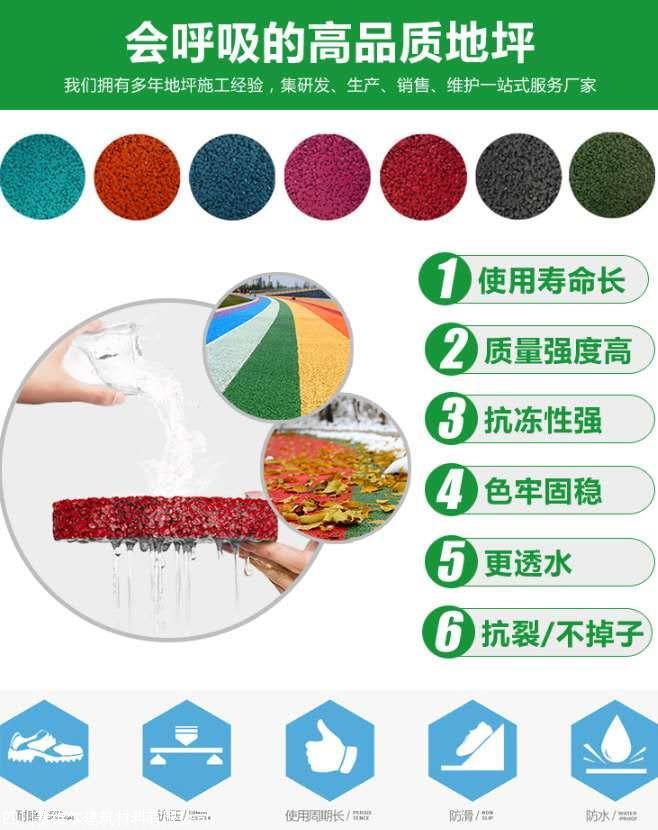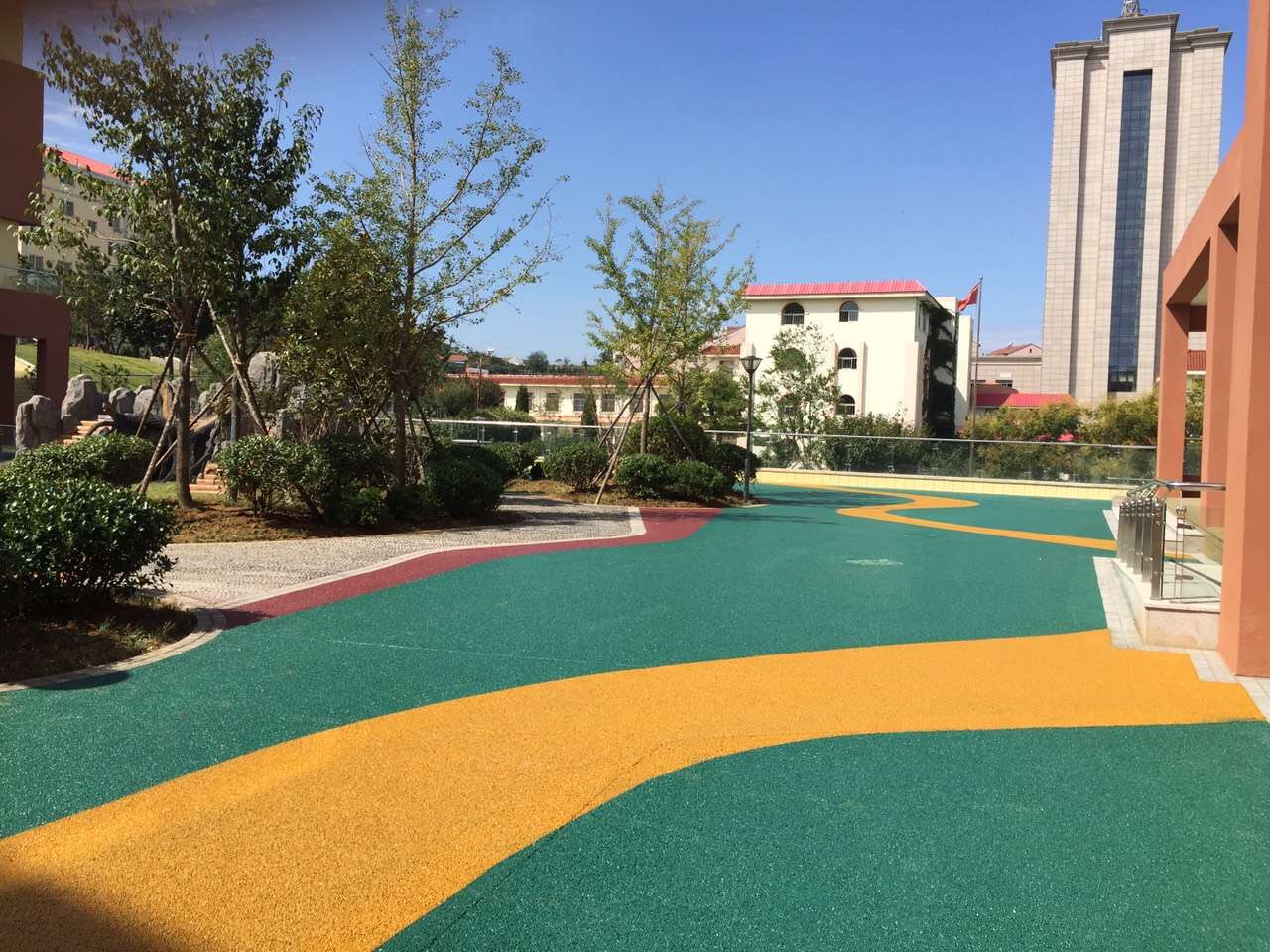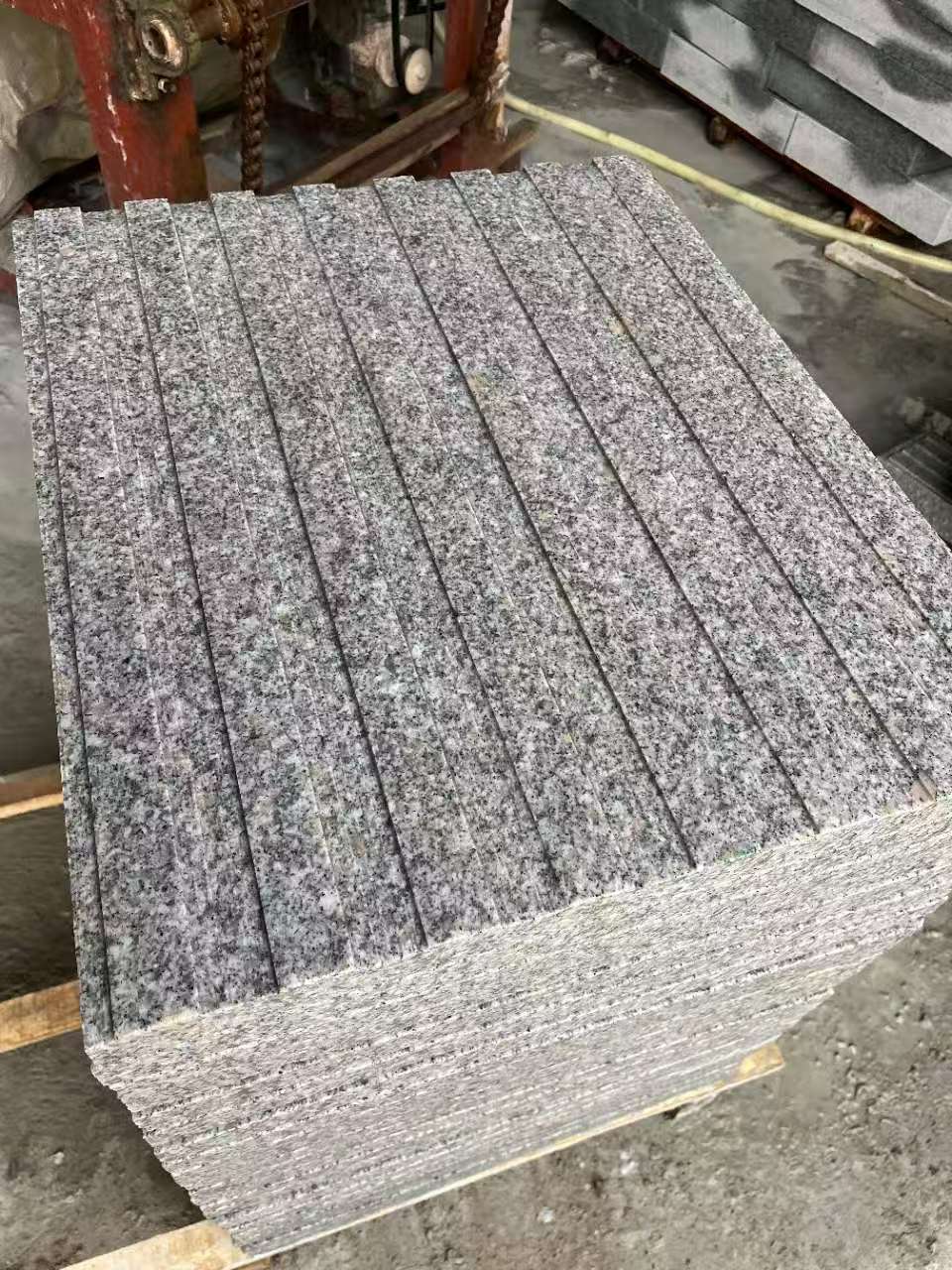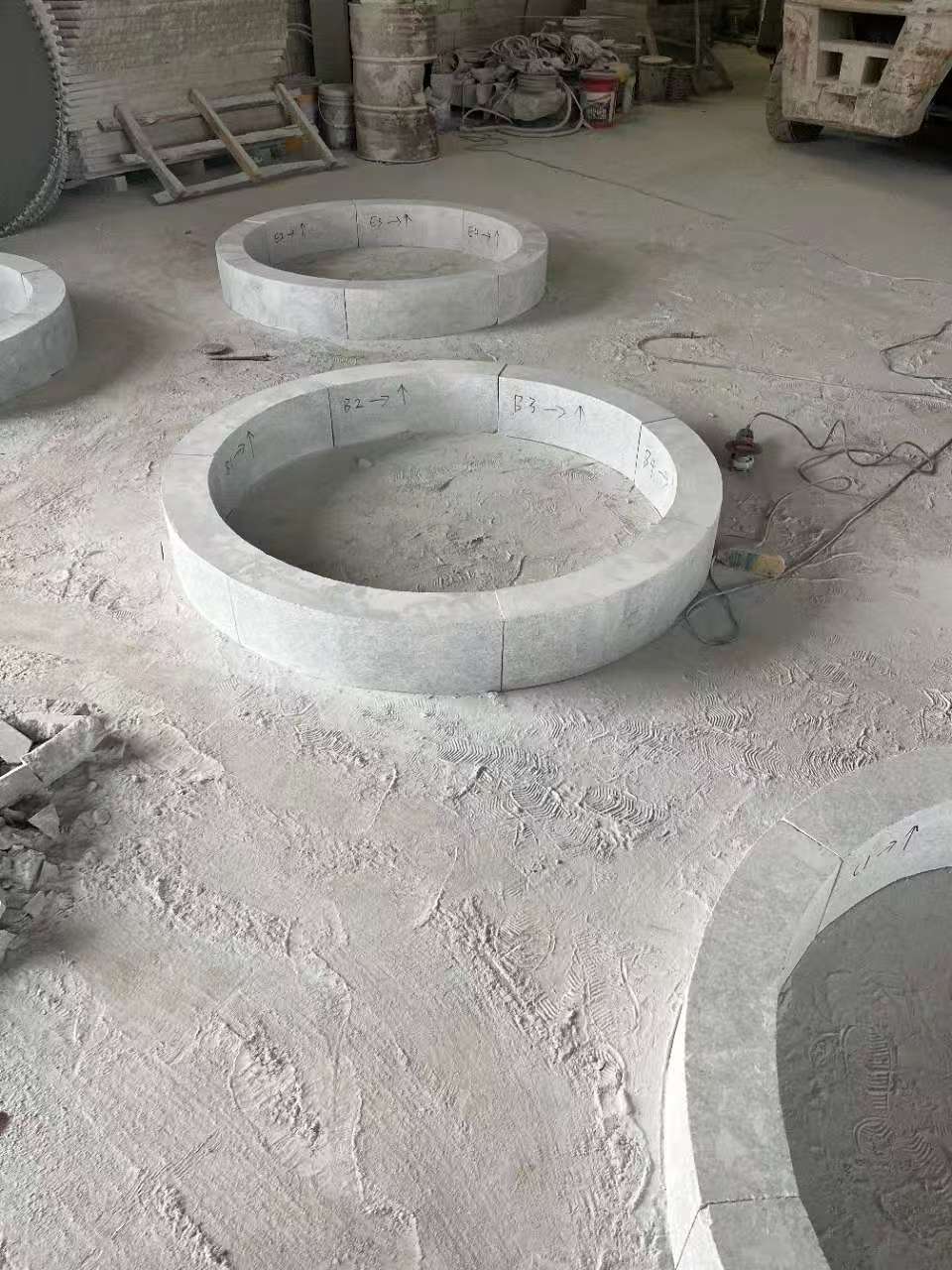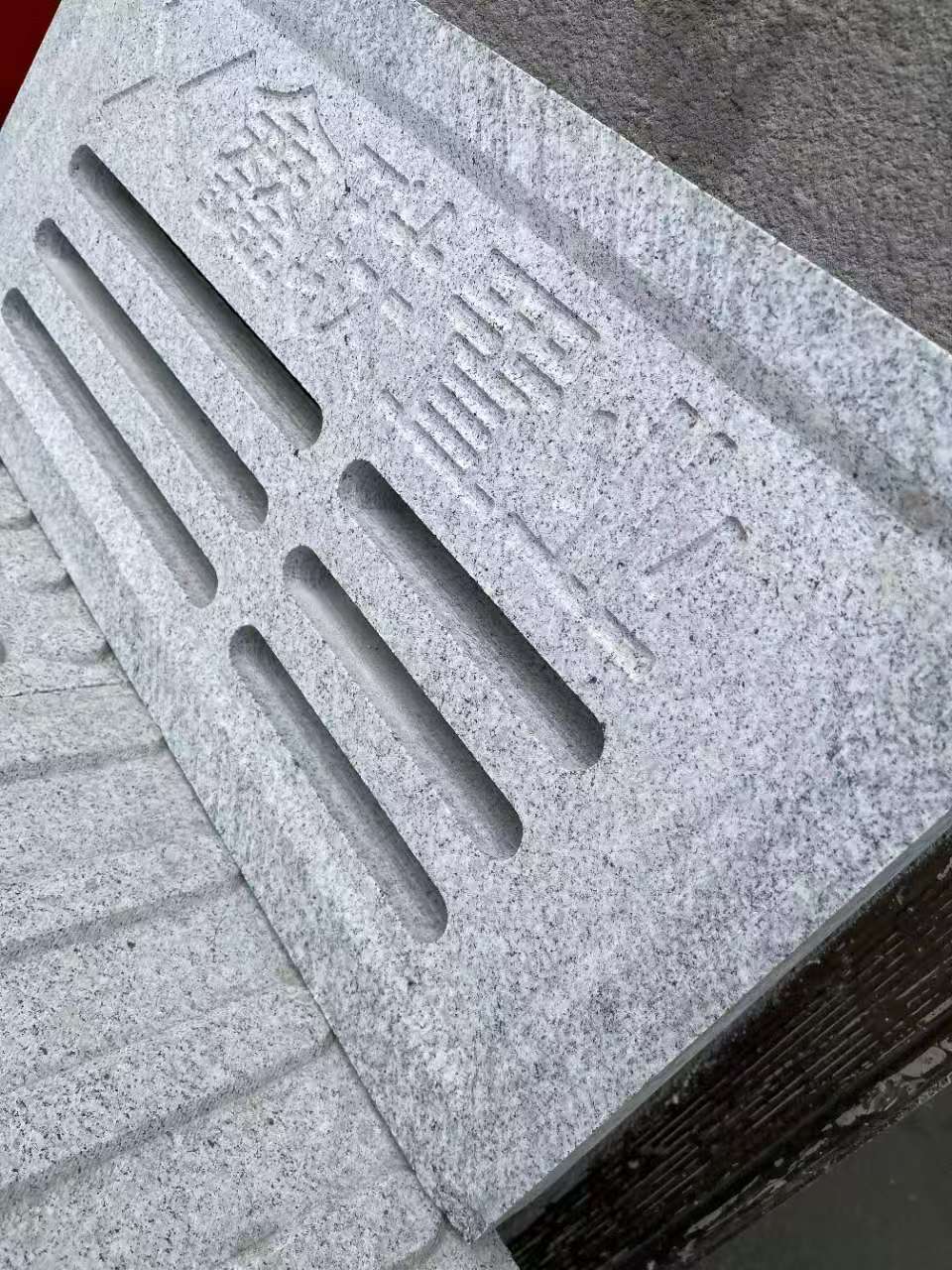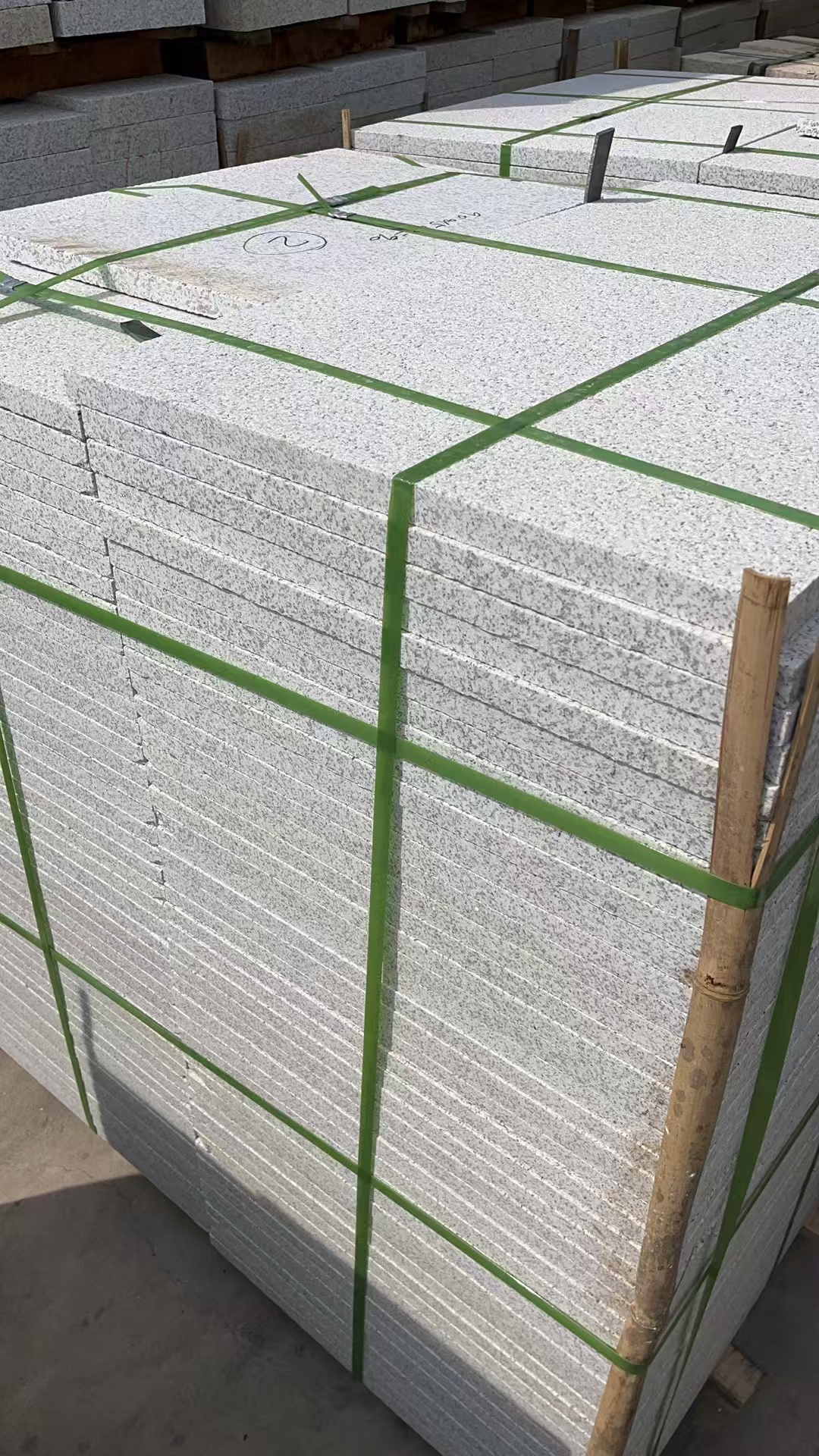
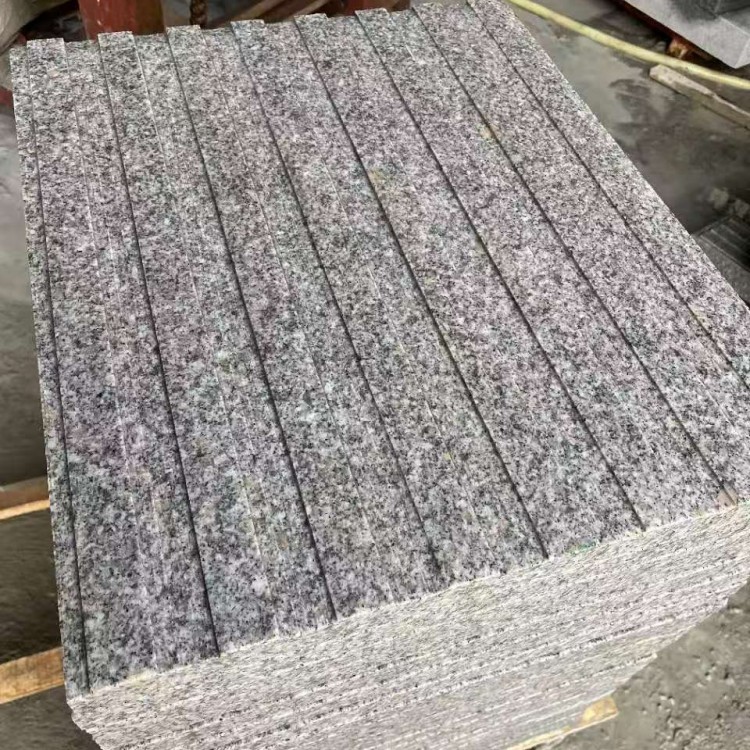







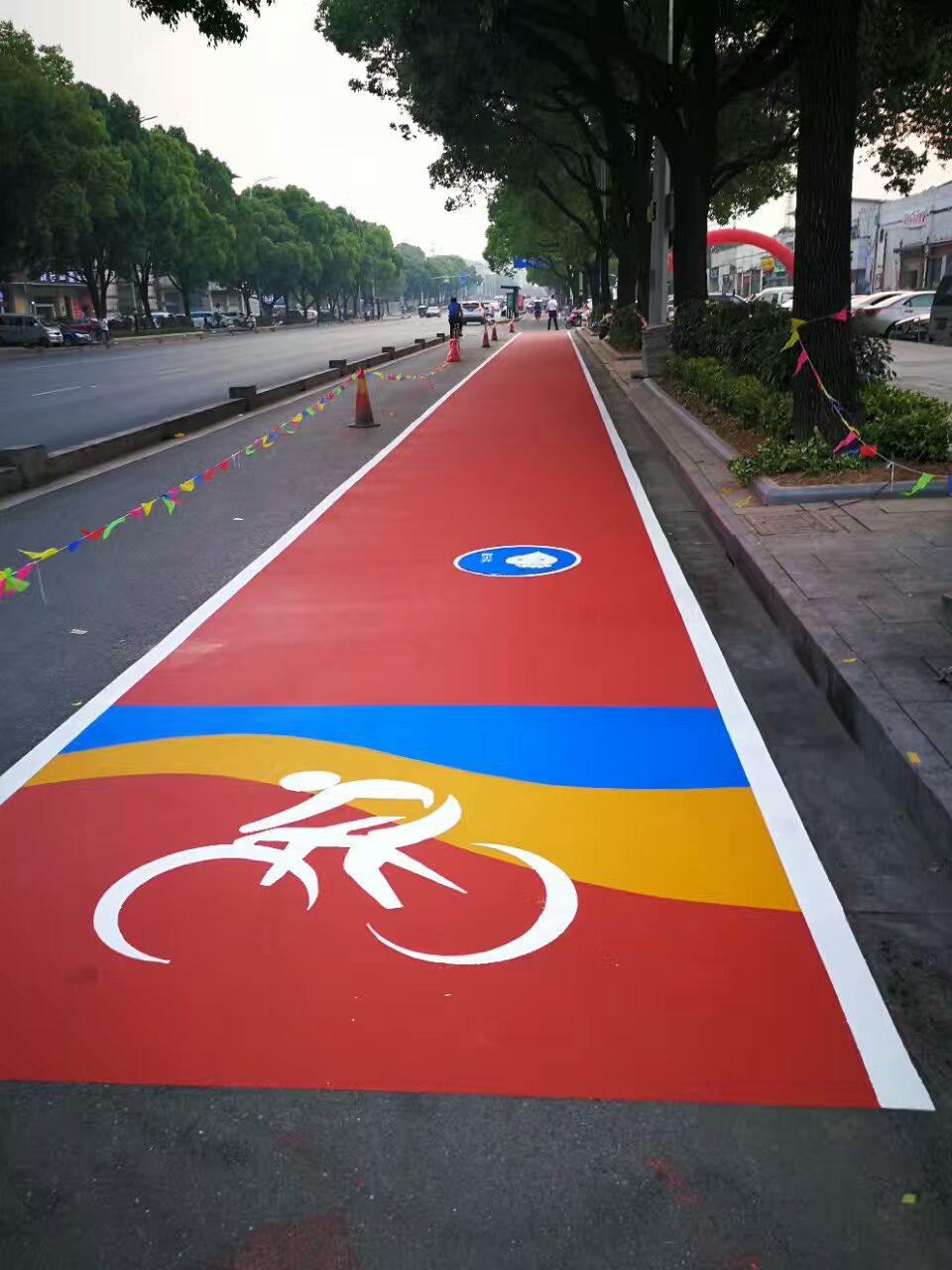
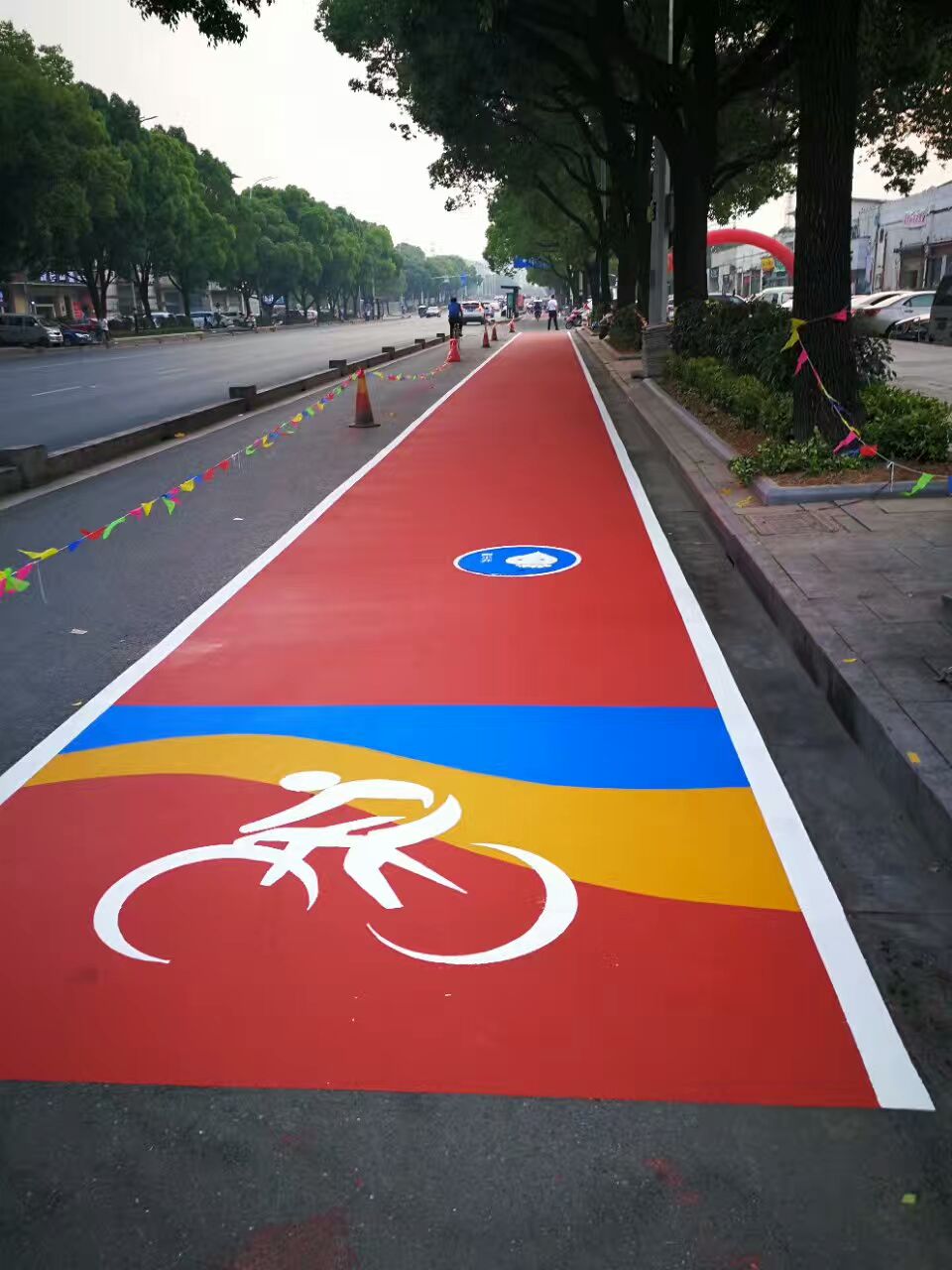
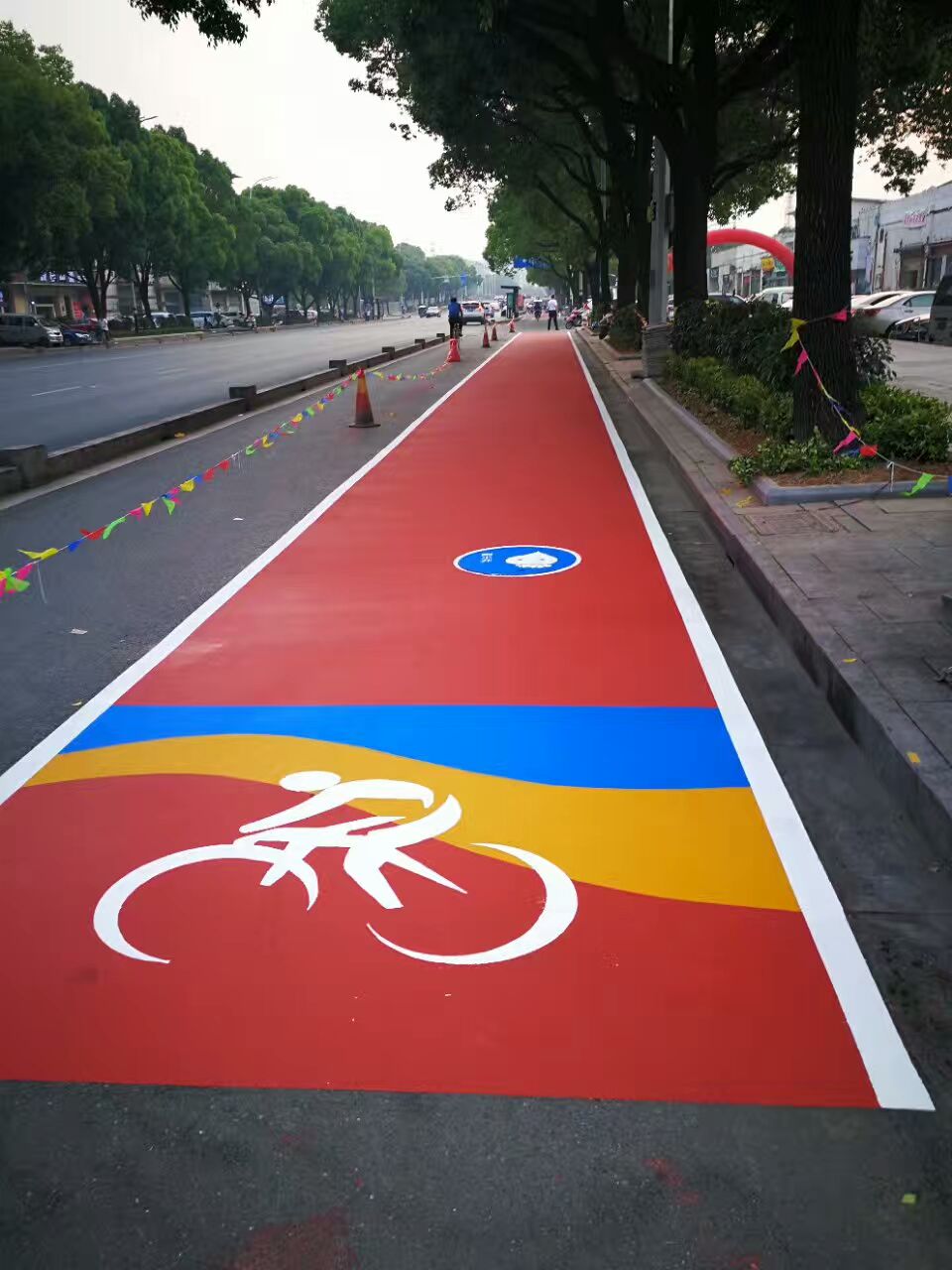
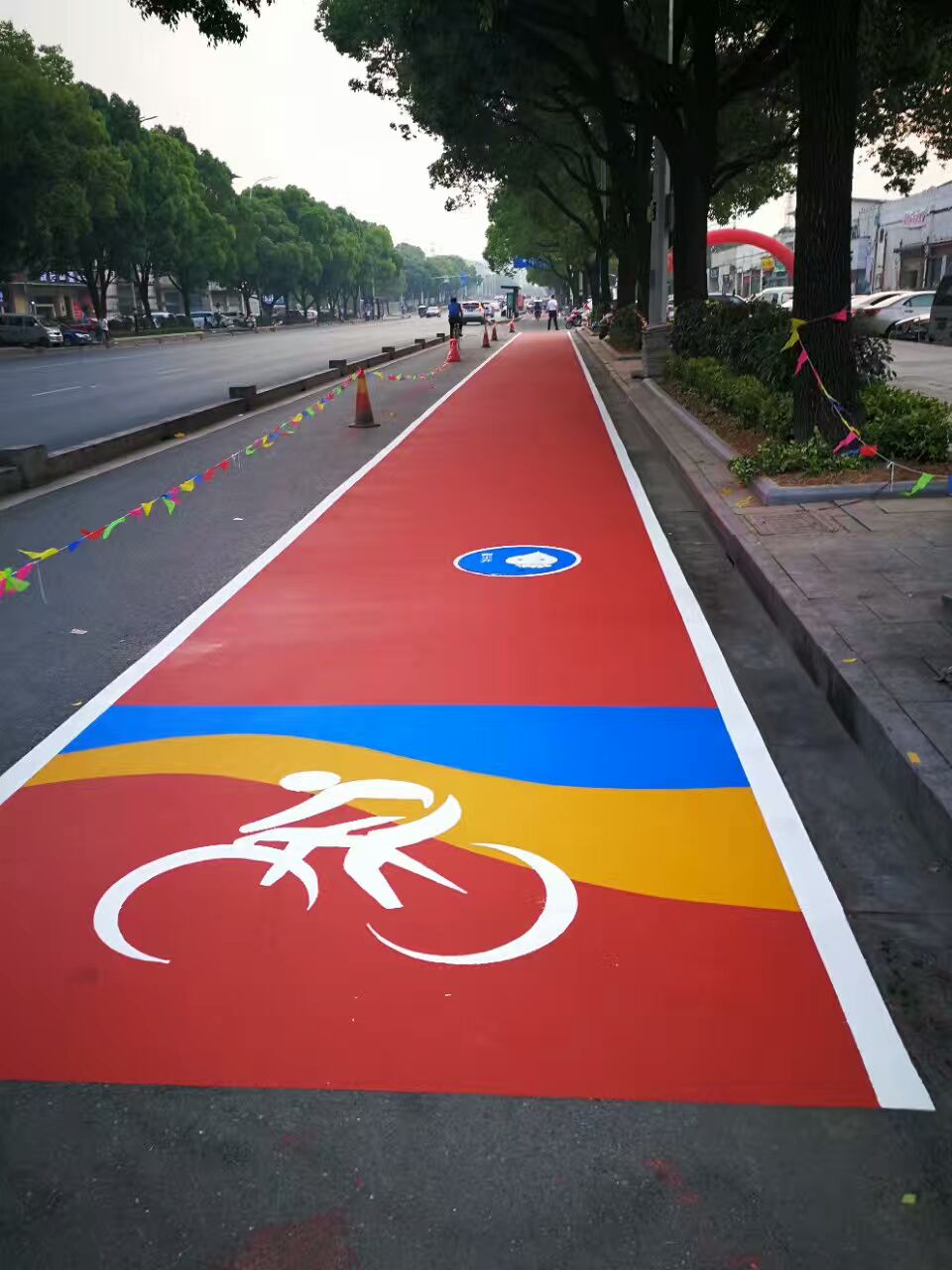
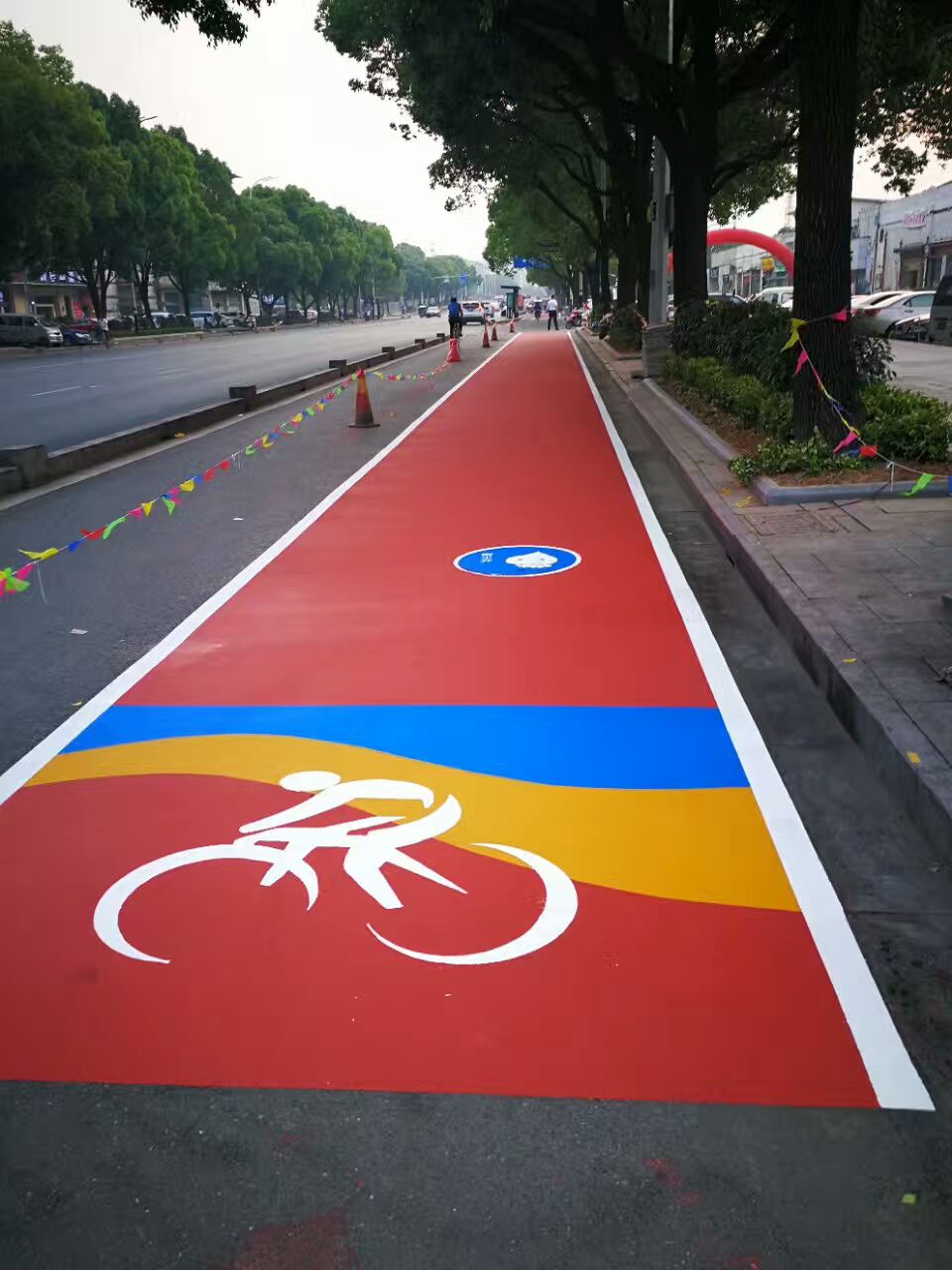
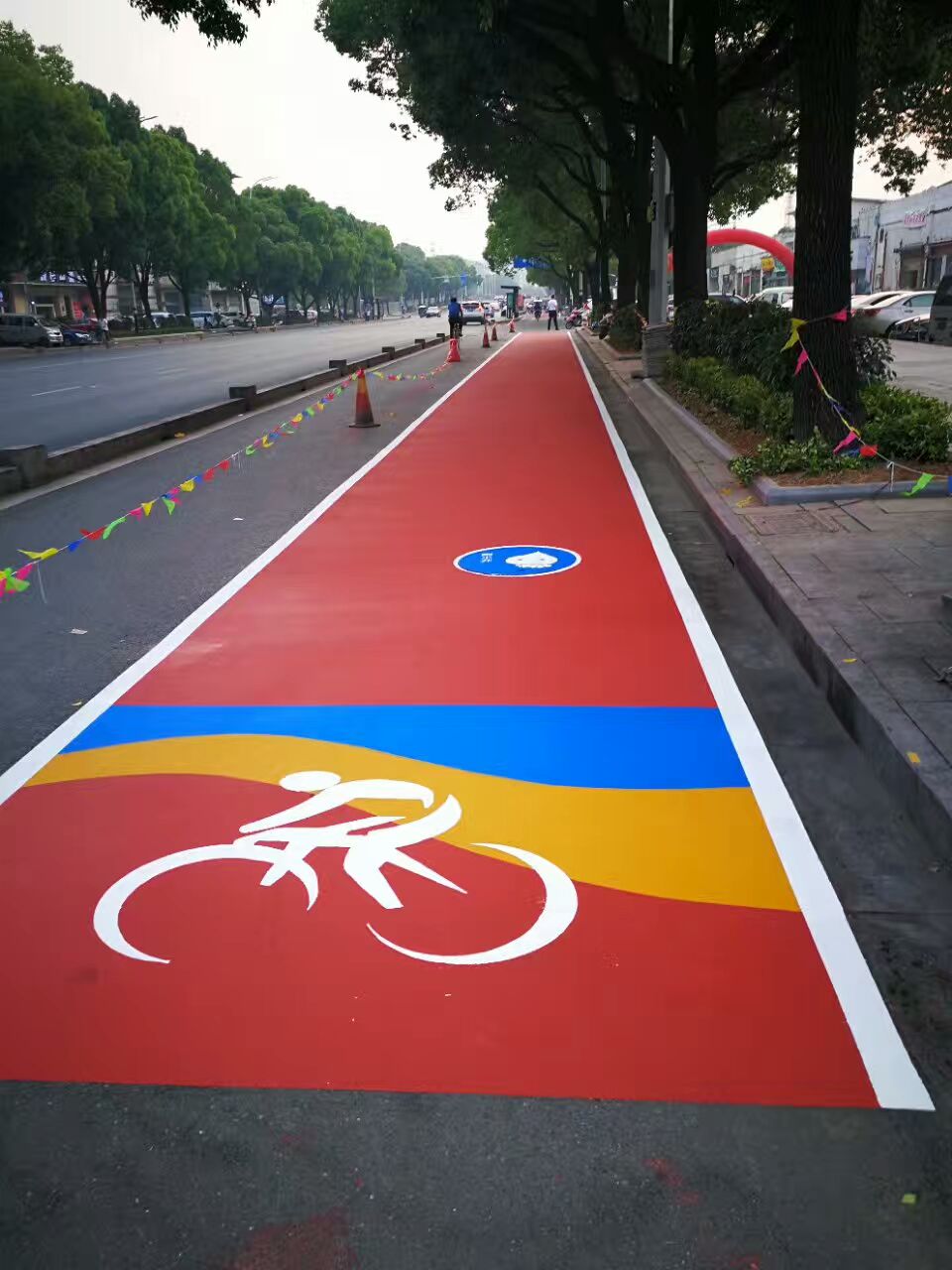
Porous pavement allows rainwater to quickly infiltrate the ground surface, effectively replenishing groundwater, alleviating the urban heat island effect, and protecting the city's natural water systems from damage, making it highly valuable for environmental protection. Additionally, it solves the problem of waterlogging on ordinary pavements, enhancing safety and comfort for pedestrians, and is of great significance for improving the living environment.
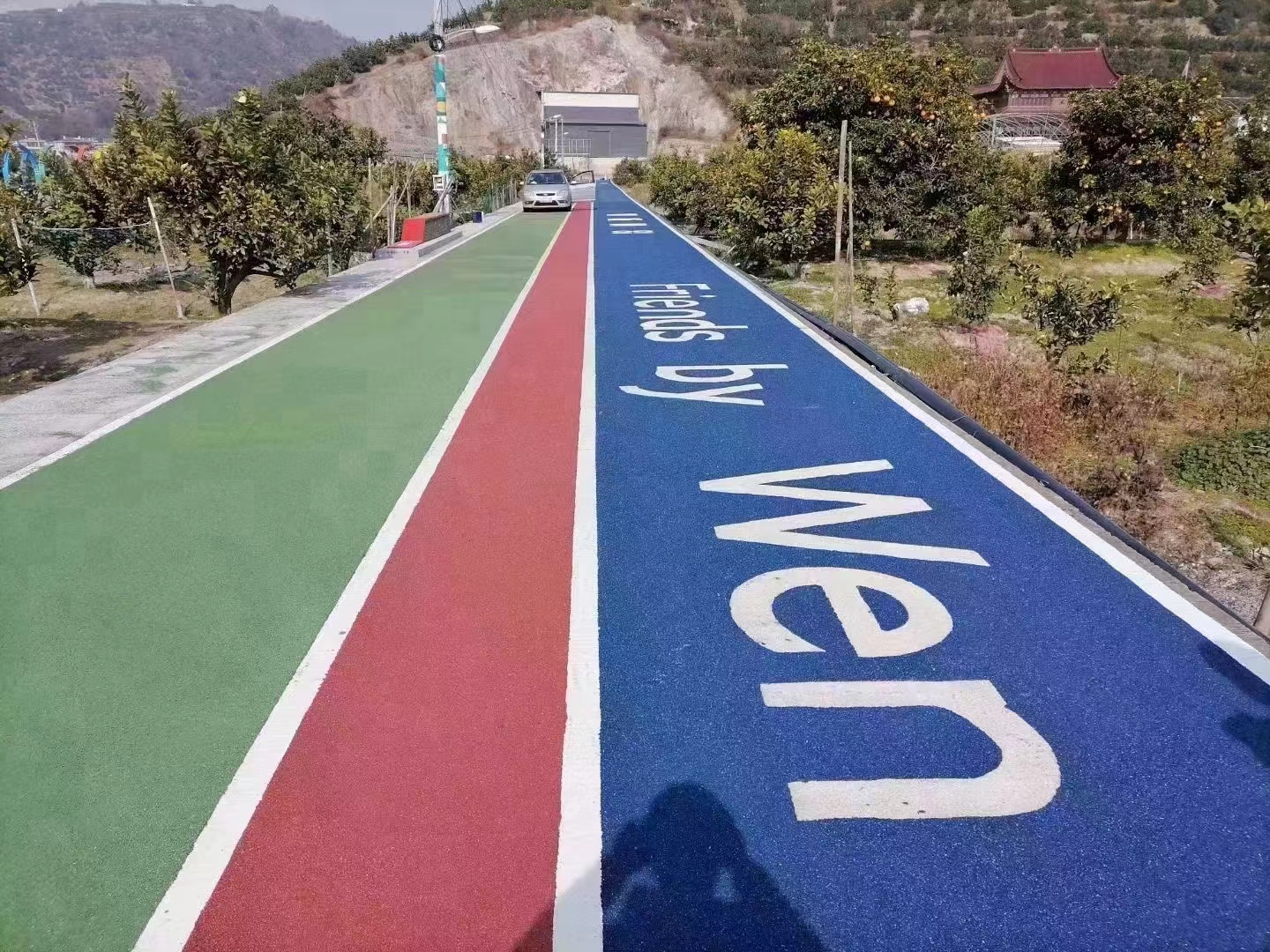
Porous concrete surface
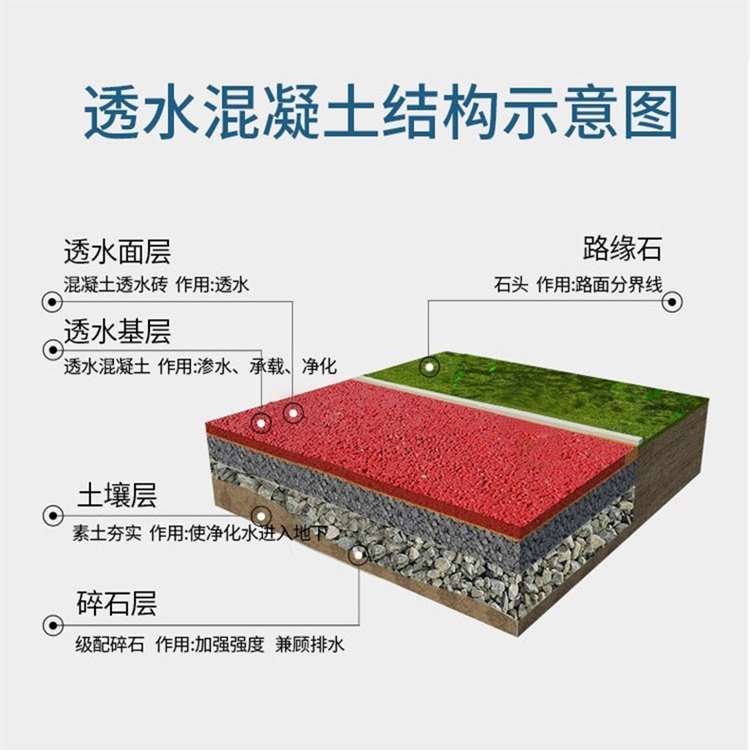
1. Design of permeable concrete surface layer structure, featuring single-color and dual-color combination layer designs. When using the dual-color combination layer, the surface layer thickness should be no less than 30mm.
2. Select permeable concrete with varying strength grades and permeability coefficients based on the load, function, and topography of the permeable concrete pavement.
3. When designing the base full-permeable structure, the strength grade of the permeable concrete surface layer should not be less than C20, and the thickness (h1) should not be less than 60mm. When designing the base semi-permeable and non-permeable structures, the strength grade of the permeable concrete surface layer should not be less than C30, with the thickness (h1) being no less than 100mm and 150mm, respectively. If a concrete structure with a thickness greater than 150mm is used for the base, the thickness of the permeable concrete surface layer (h1) can be appropriately reduced, but it should not be less than 120mm.
4. When designing the permeable concrete surface, both longitudinal and transverse joints should be incorporated. The spacing of longitudinal joints should be determined within a range of 3.0 to 4.5 meters based on the road width, while the spacing of transverse joints is generally 4 to 6 meters. The area of the square should not exceed 25 square meters, and the length ratio of the surface panels should not exceed 1.30. If the subgrade has structural joints, the surface contraction joints should align with the corresponding structural joint positions, and should be filled with flexible material.
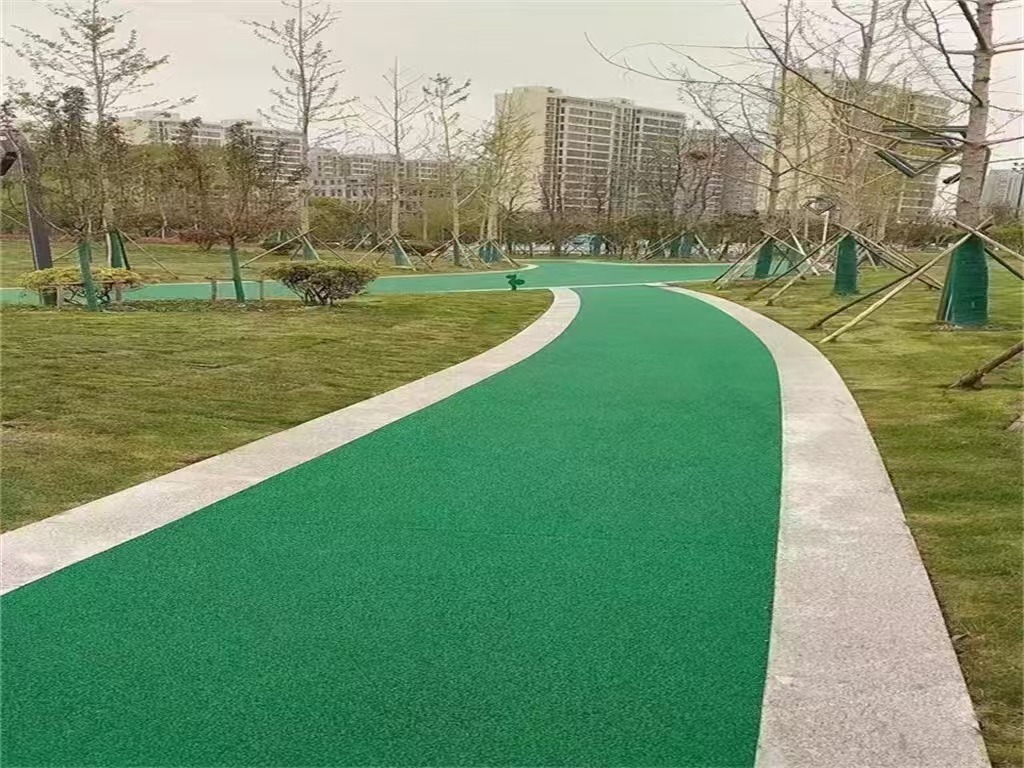
Permeable paving construction highlights
1.Poured-in-place colored pervious base for design construction.
2.Colorful porous pavement permeable material poured into the mixer,Absolutely dry mixing required.3-5Minutes later,Every50Kilogram per meter of permeable material2.2Kilogram water mixture,Until the aggregates shine, the machine is stopped.
3.Pour the evenly mixed colored permeable material onto the prepared sub-base.,Level with a flat vibratory plate machine,Level after flattening,Smooth with a heavy-duty iron roller or grind flat with a mill equipped with stainless steel grinding disks.,Secure the edges with small tools promptly.
4.Apply surface care agent to maintain the surface.
5.5-7Queen,Apply surface protective coating.