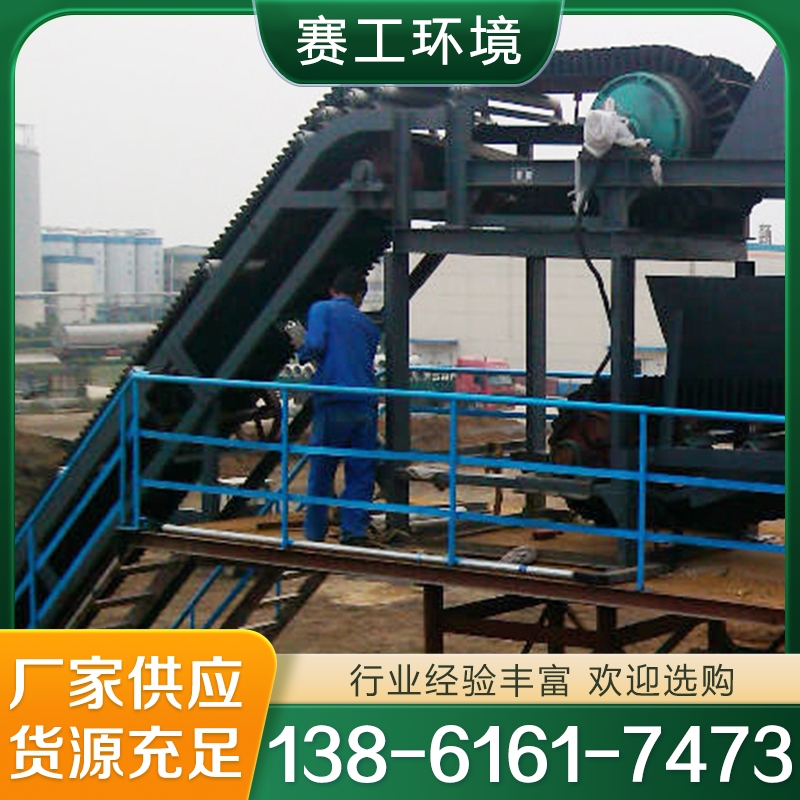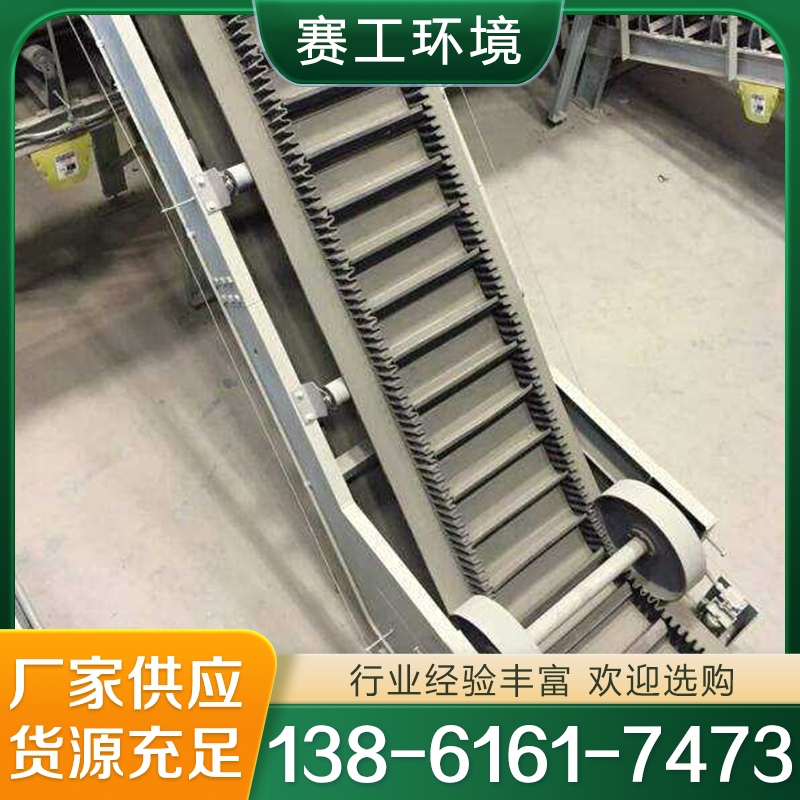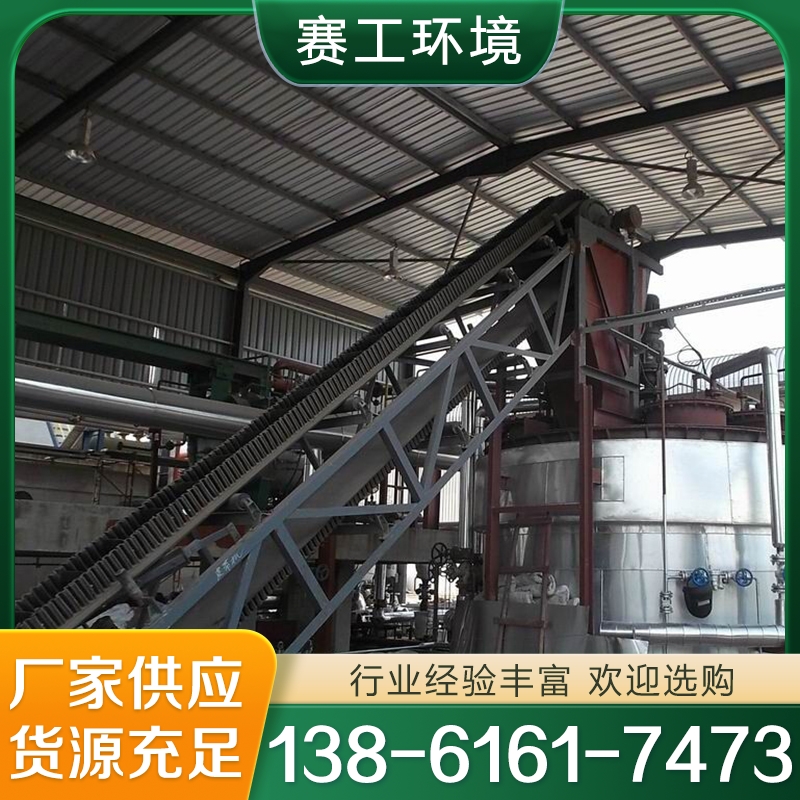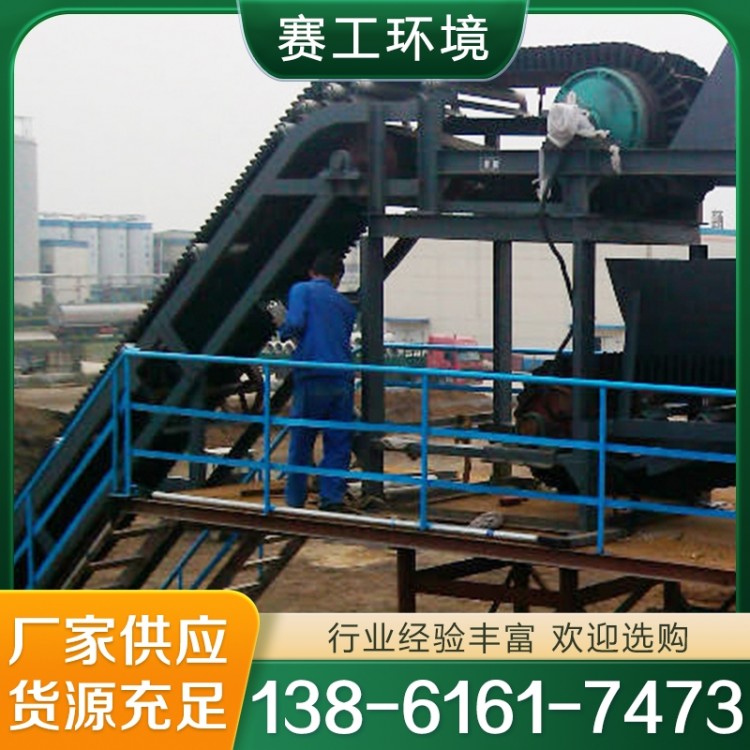
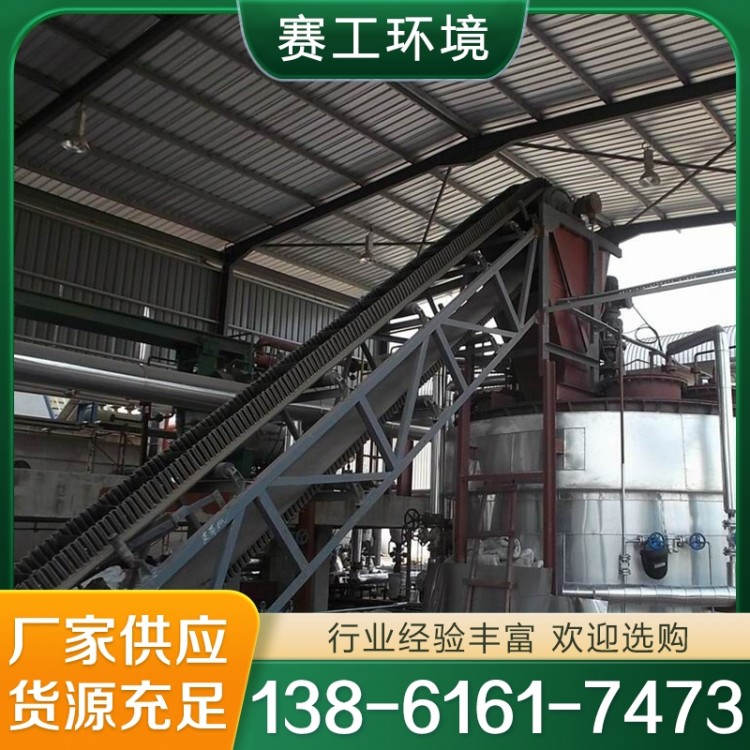







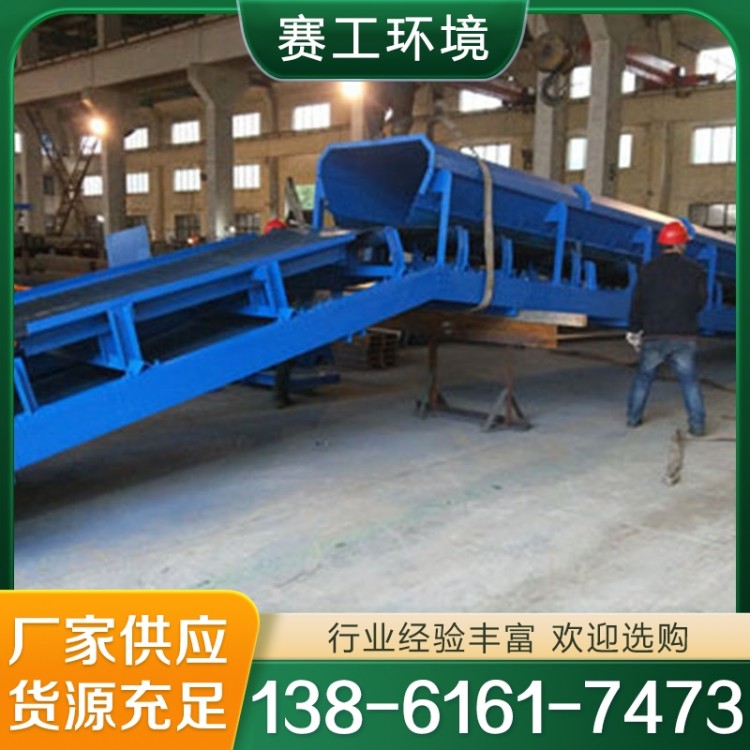
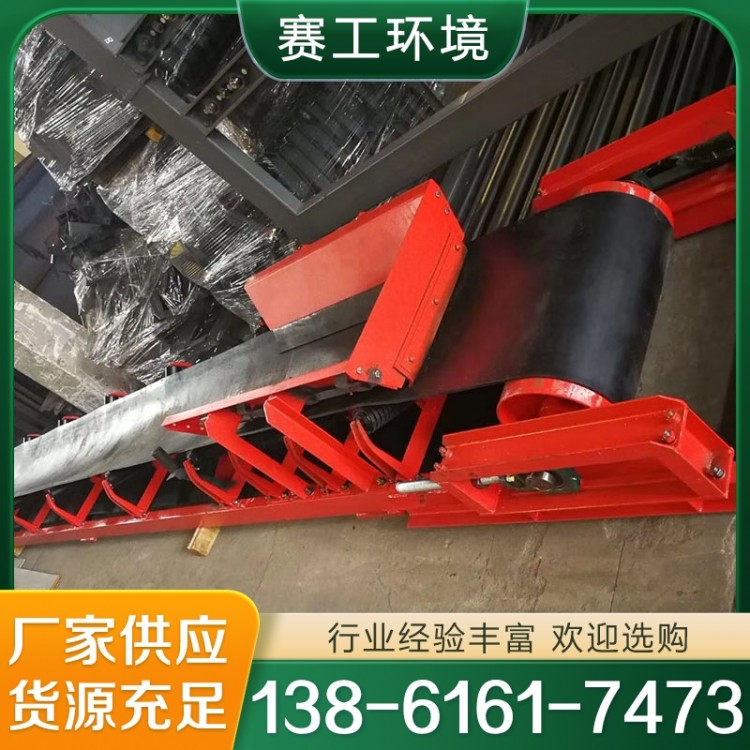
High Inclination Belt ConveyorSignificantly reduces conveyor line length compared to conventional belt conveyors, minimizing land usage; height capability up to 200 meters; energy consumption per unit weight of material transported is reduced by 30% compared to conventional belt conveyors; higher reliability than bucket elevators with lower maintenance costs; service life is comparable to conventional belt conveyors; operating conditions and material types compatible with conventional belt conveyors.
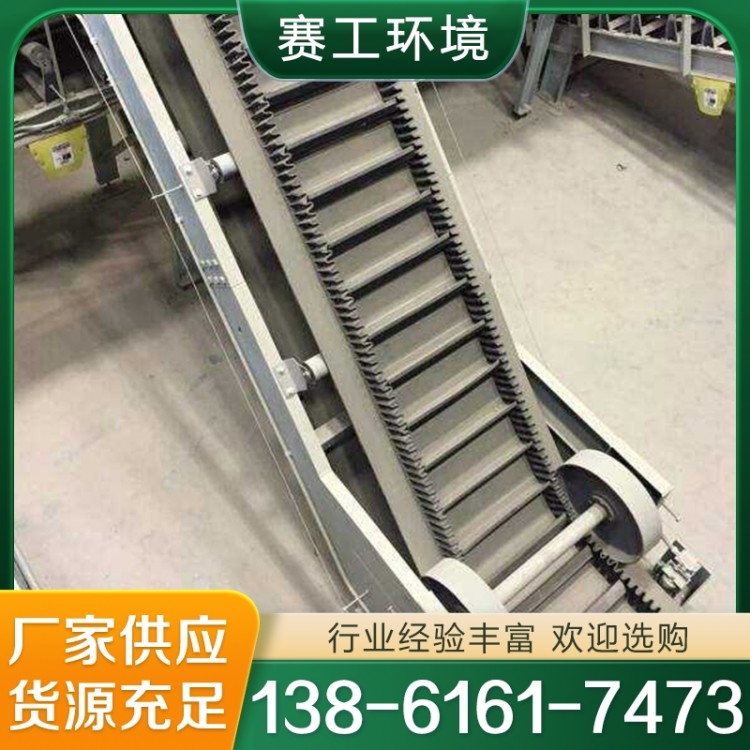
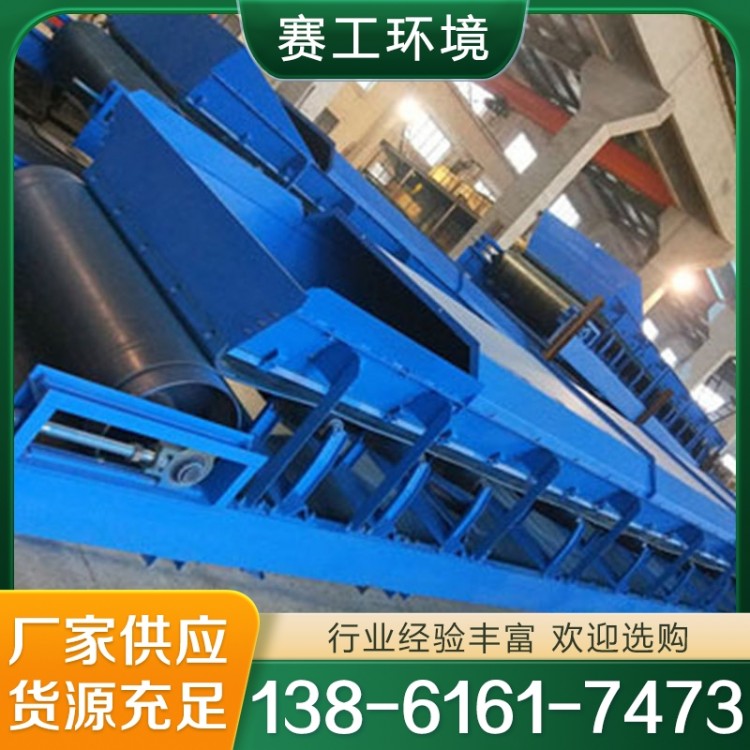
Structure: The wave edge conveyor belt is composed of a base belt, wave edge, and crossbar, which are connected to the base belt via secondary vulcanization.
(1) Rubber conveyor belts with cotton canvas core, chemical fabric core, steel wire rope core, or belts with added transverse rigid layers.
(2) The wavy edge types are divided into light (N), medium (S), and heavy (ES), with shapes categorized into S-type and W-type.
(3) The bulkheads are made of fiber composite materials, offering strong load-bearing capacity, shock resistance, and excellent rigidity. The models include T-type, TS-type, C-type, TC-type, and TCS-type.
When the inclination angle of conveying is less than 40°, the transverse plate is selected as T-type or TS-type; when the inclination angle of conveying is greater than 40°, the transverse plate is selected as C-type, TC-type, or TCS-type.
Drive Unit: The power section of the conveyor. Composed of Y series motors, ZJ type shaft-mounted reducers, and wedge-type reverse brakes.
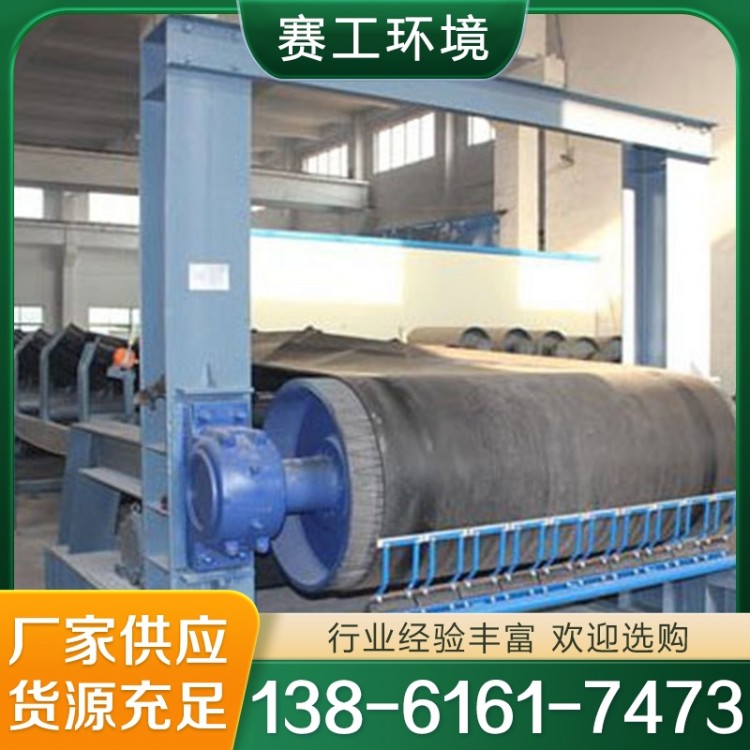
Transmission Drum: A key component for power transmission, the conveyor belt operates through friction with the transmission drum. This series features both rubber-coated and smooth drums, with the rubber-coated drums designed to enhance the adhesion between the drum and the conveyor belt.
Directional Drum: Used to change the running direction of the conveyor belt. Directional drums are used for the lower surface (non-carrying surface) of the conveyor belt.
Belt tensioner: Used to change the running direction of the conveyor belt; the belt tensioner is applied to the upper surface (carrier surface) of the conveyor belt.
Rollers: Rollers are used to support the conveyor belt and the materials on it, ensuring stable operation. This series includes two types: upper parallel rollers and lower flat rollers.
Traction Roller: The traction roller supports the lower branch of the conveyor belt on the arc section machine frame, resting on the free edges of the conveyor belt flanks. Multiple sets of traction rollers form an arc section to redirect the conveyor belt. The traction roller is supported by an overhanging arm.
Vertical Rollers: Used to restrict the deviation of the conveying belt and mounted on the upper and lower transition frame. Each filter section frame is equipped with 4, two on top and two below.
Tapping wheel cleaning device: Used to tap the backside of the conveying belt to dislodge materials stuck on the belt.
Tensioning Device: Its functions include:
Ensure the conveyor belt has sufficient tension to prevent slippage between the belt and the drive roller.
2. Limit the sag between the conveyor's supports to ensure smooth operation of the conveyor.
This series features a spiral tensioning device.
Rack, head funnel, head guard, material guide slot, intermediate shelf, intermediate shelf leg, etc.: Serve as support, dust prevention, and material guidance functions in the conveyor.
This series features three types of intermediate shelf legs: low, medium, and high.
Lower and inclined sections are compatible only with low-level intermediate shelf legs, while the upper and lower horizontal sections are paired with different intermediate shelf legs depending on the type of head架 (low-level, Chinese-style, and high-level head架) - specifically, low-level, Chinese-style, and high-level intermediate shelf legs, respectively.
Application Range:
① Suitable for coal, food, construction materials, construction, metallurgy, power, chemical industry, and light industry, etc.
② Capable of conveying various bulk materials with a stacking density of 0.5-2.5 t/m³ within an environmental temperature range of -25~40℃.
③ The conveying angle reaches 90°, and the conveying material can be up to 550mm in size.