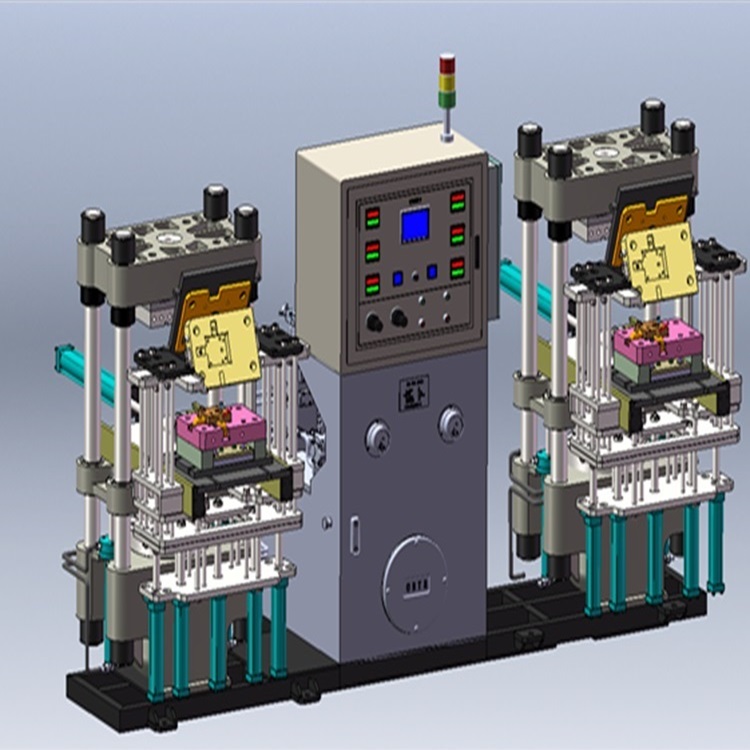

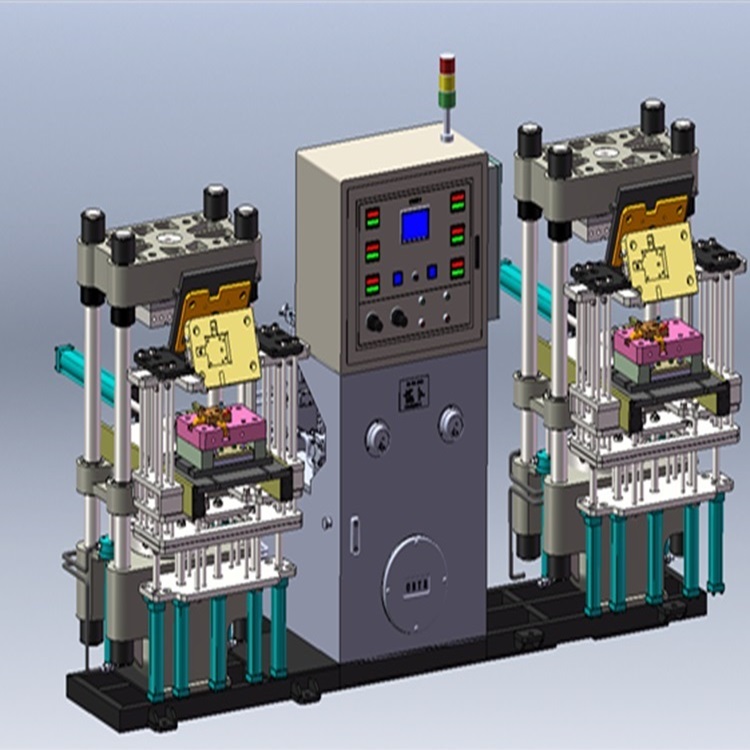








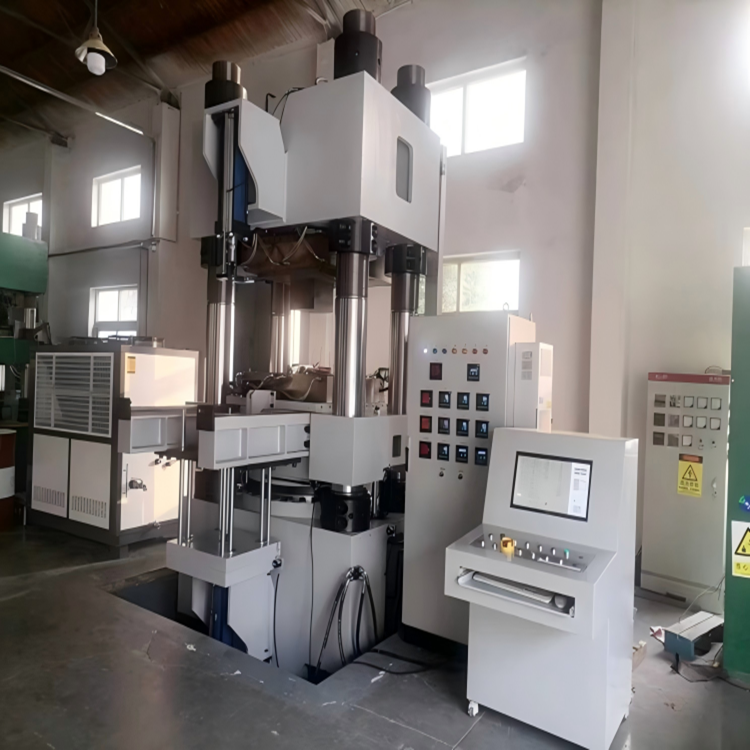
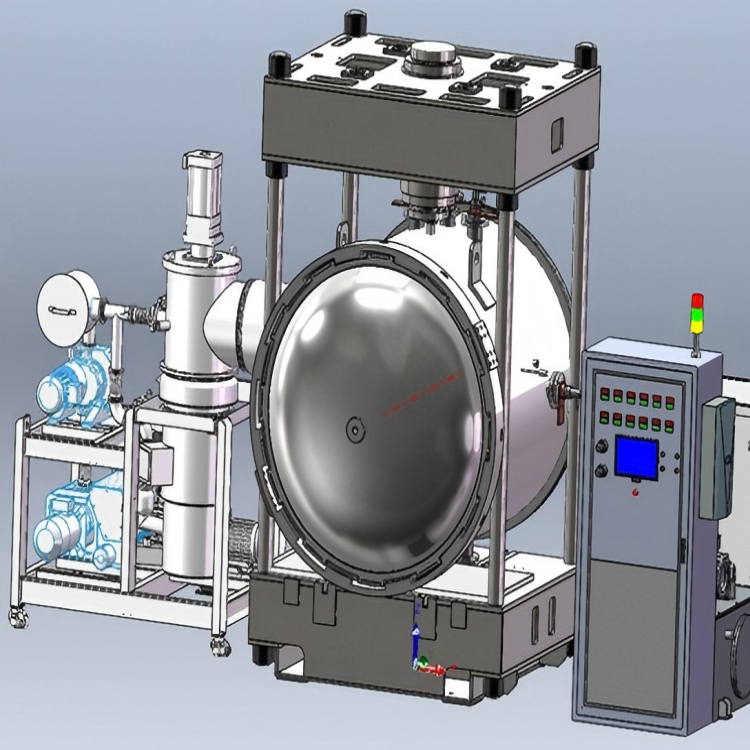
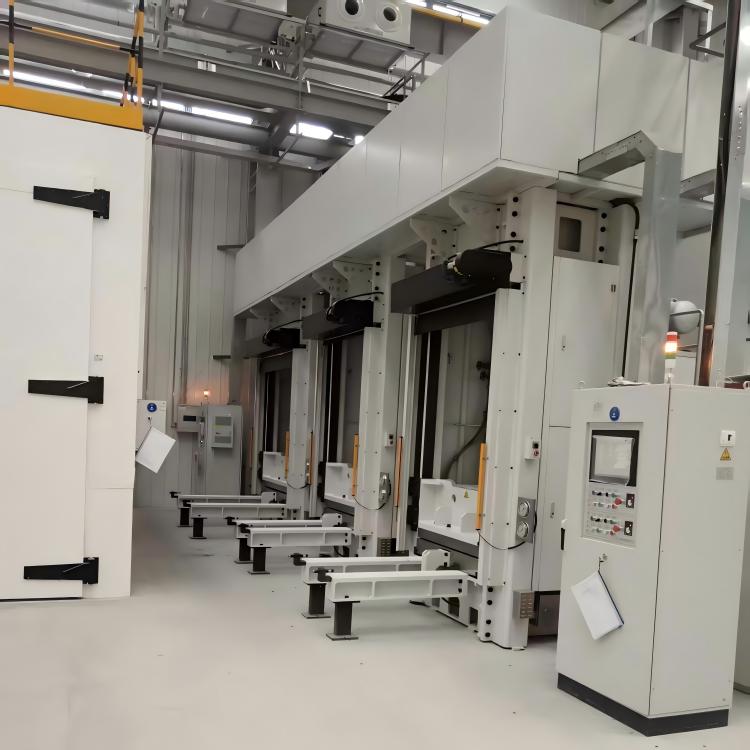
Purpose: The flat vulcanizing machine is primarily used in the vulcanization and curing process of rubber products, enabling the rubber material to possess certain elasticity and wear resistance, thus suitable for manufacturing tires, rubber hoses, rubber plates, and other products.
2. Belt conveyor flat curing machine is mainly used for the curing and shaping of flat rubber belts, rubber plates, high polymers, and other flat products.
3. Parameters:
Technical Specifications Technical parameters | |
CapacityCapacity | 30 T-1500T(Custom orders supported) |
Heating MethodHeating | Electric Heating/Oil heatingElectric heating |
Temperature RangeTemp range | Room Temperature RT ~ 300℃ |
Temperature AccuracyAccuracy temp | ±1.0℃ |
Heating PlateSize heating board | Custom orders supported |
Cooling plateSize cooling board | Custom orders supported |
Number of working layersWorking floors | Custom orders supported |
Total PowerTotal power | Custom orders supported |
Operation MethodOperation model | Fully Automatic, Manual Auto |
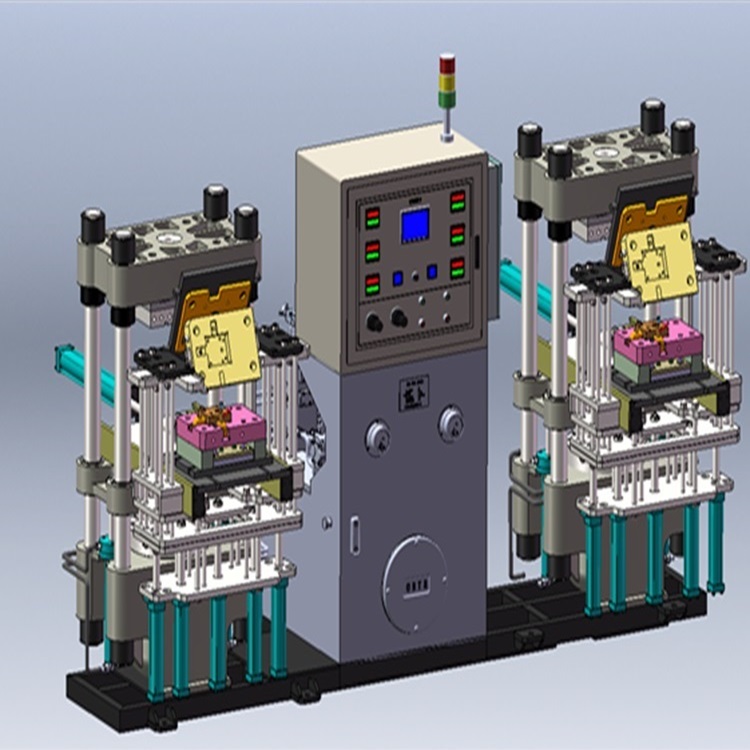
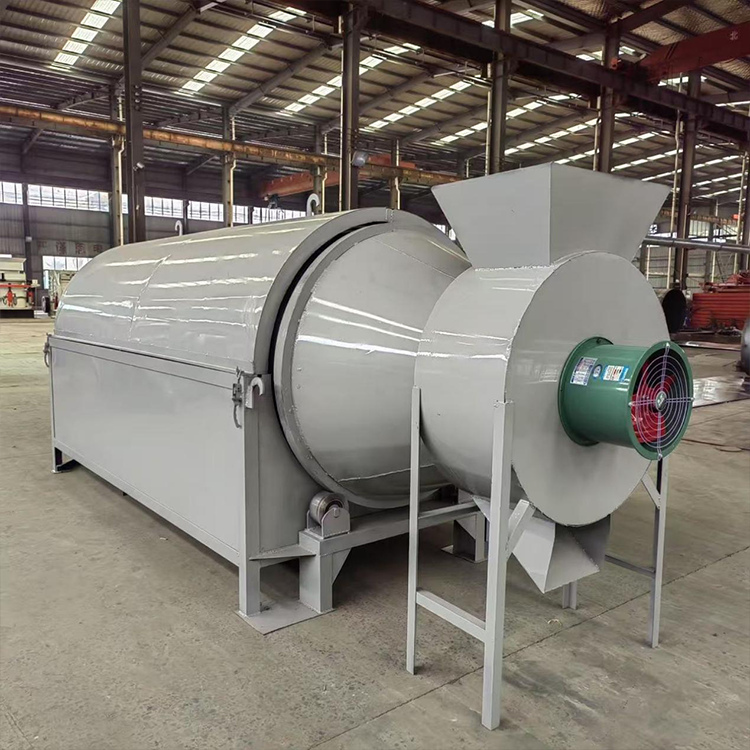
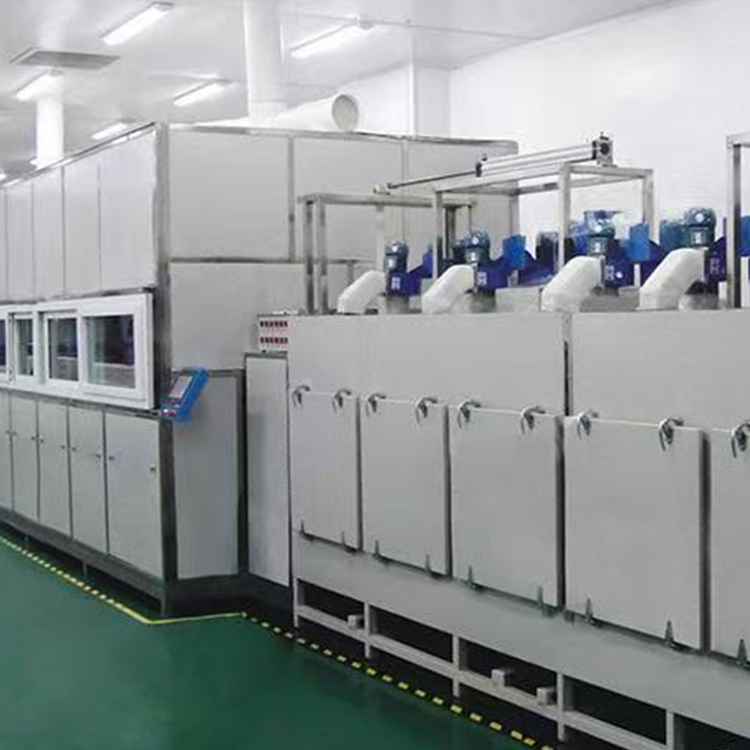
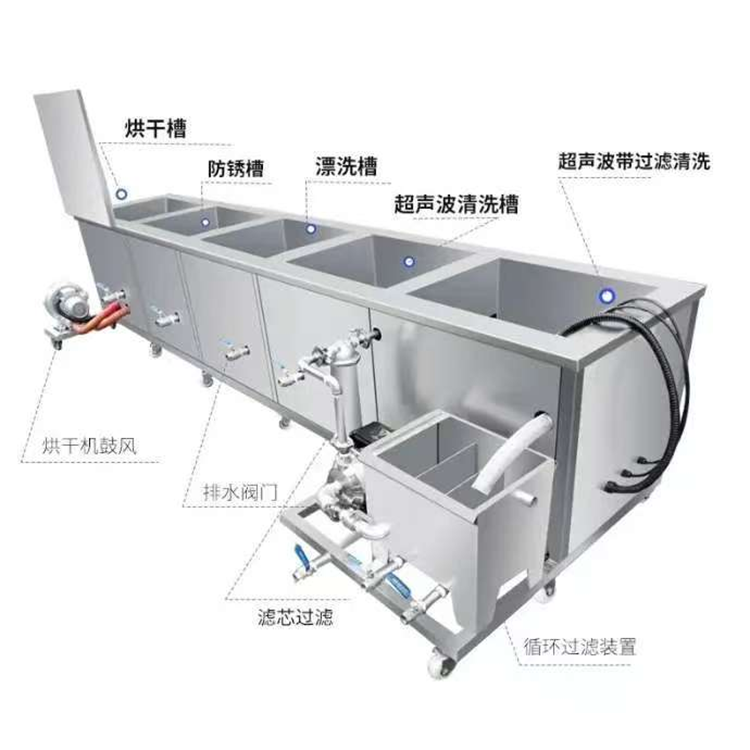
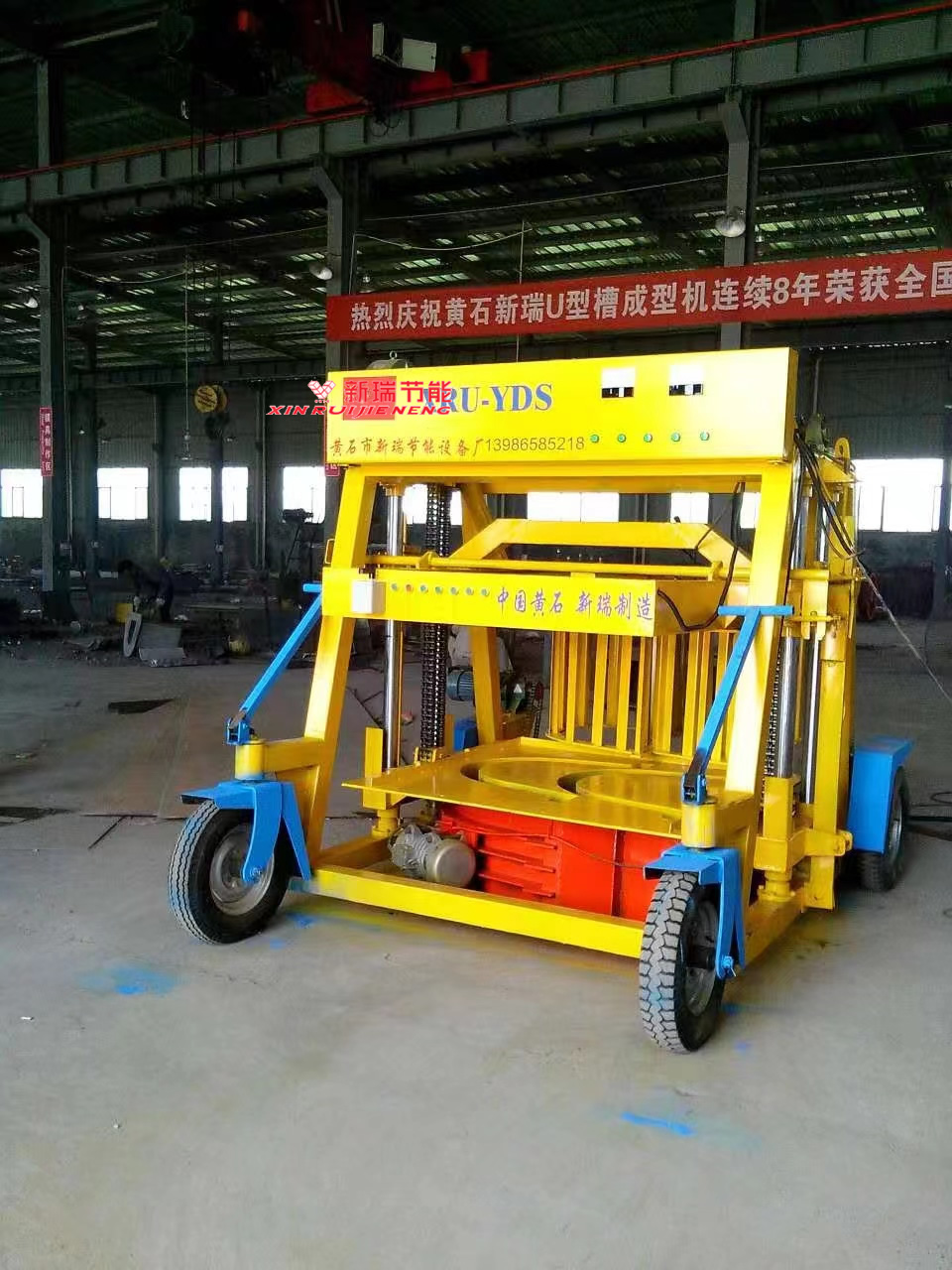
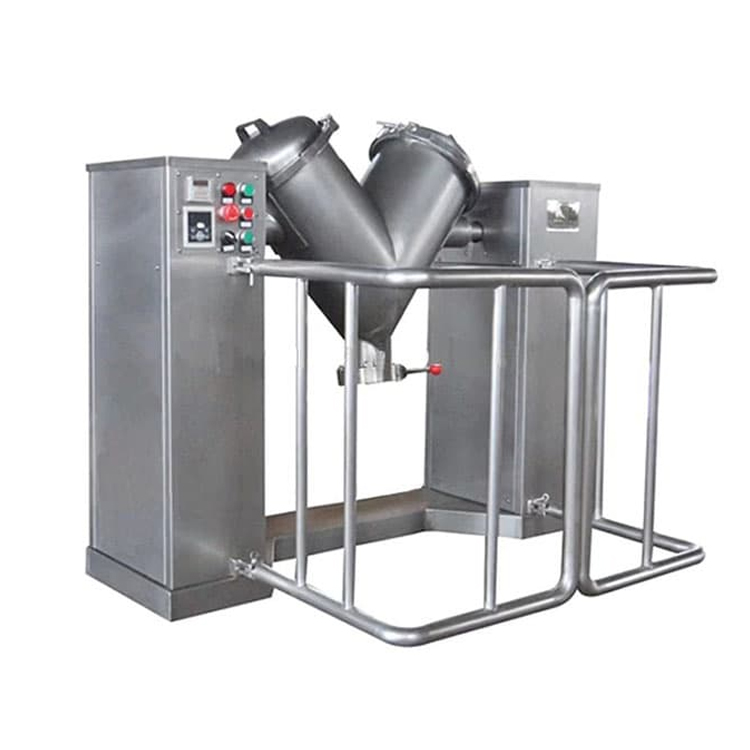
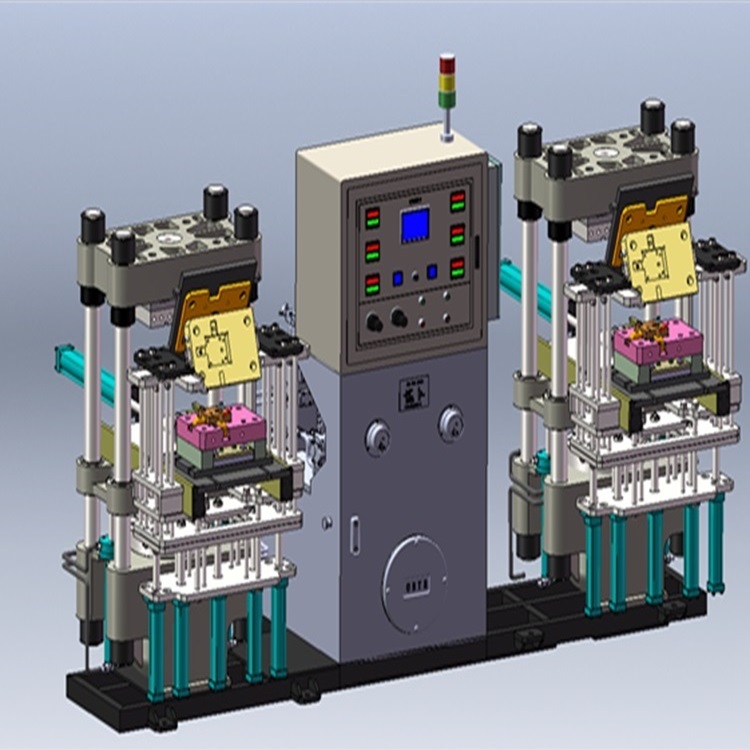
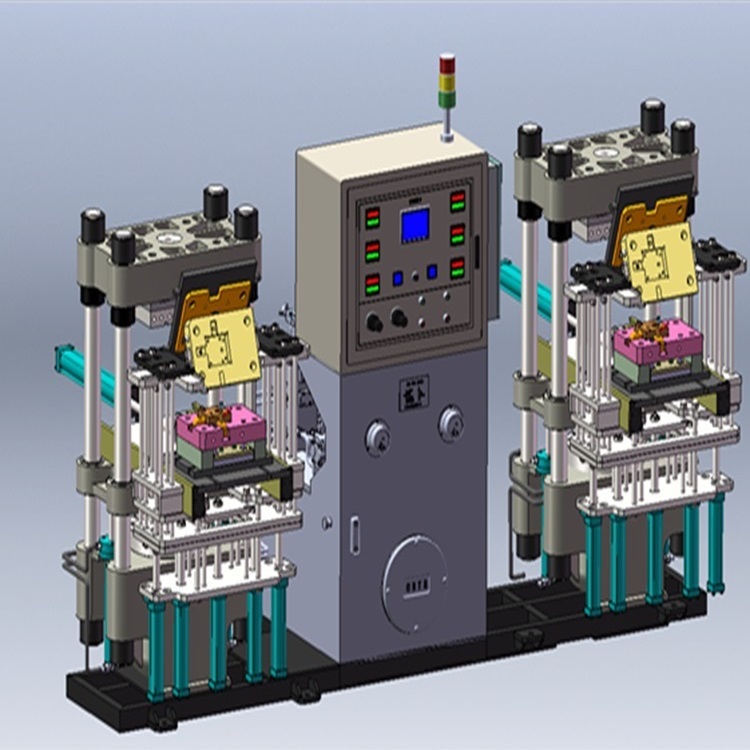
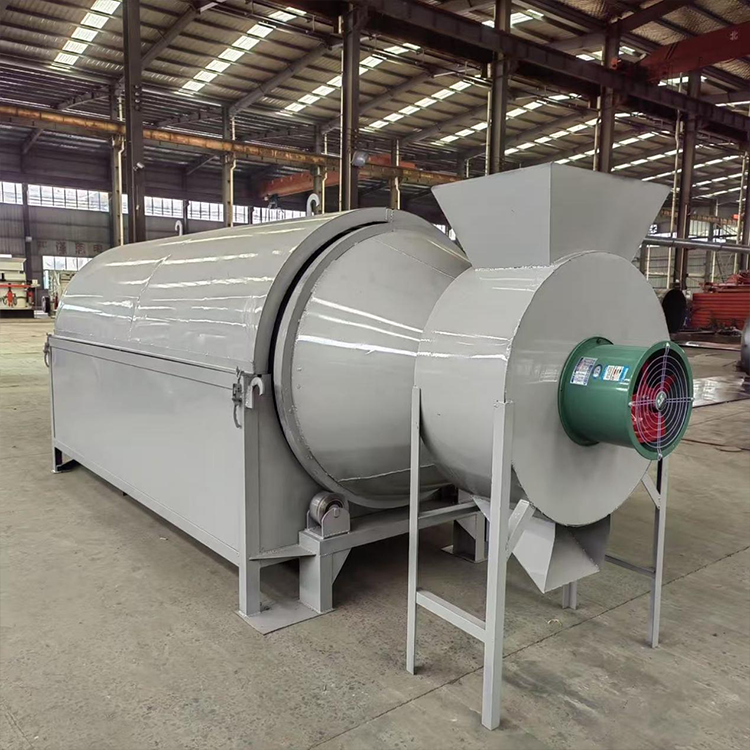
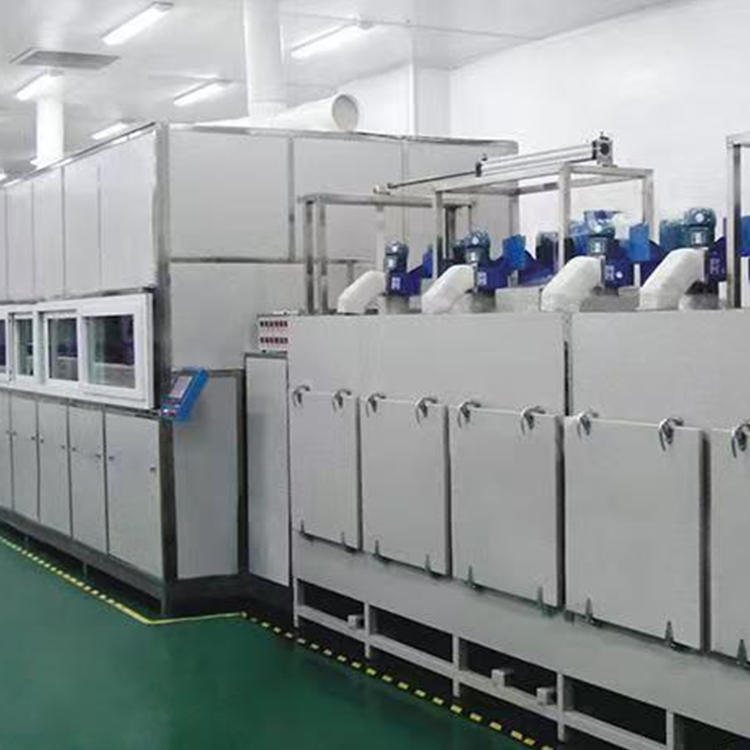
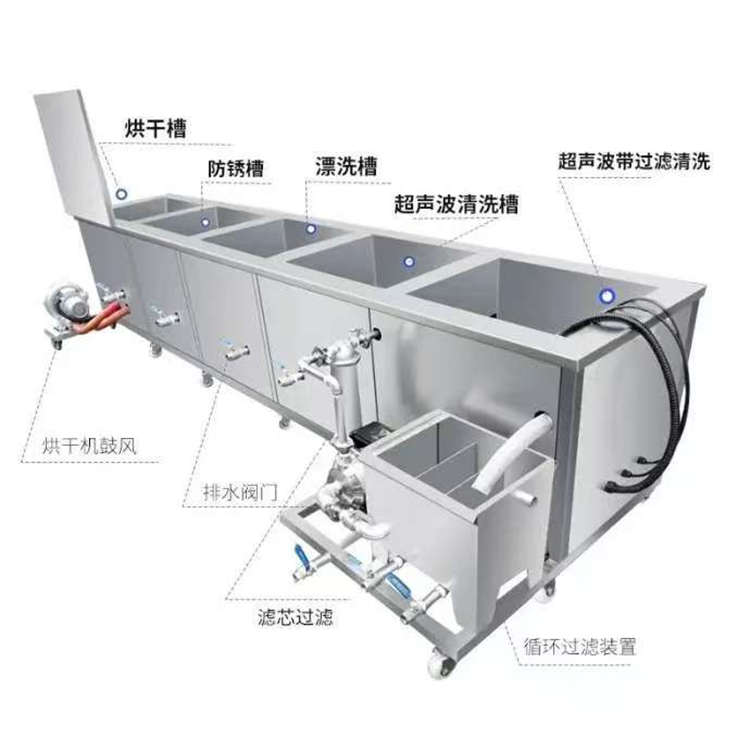
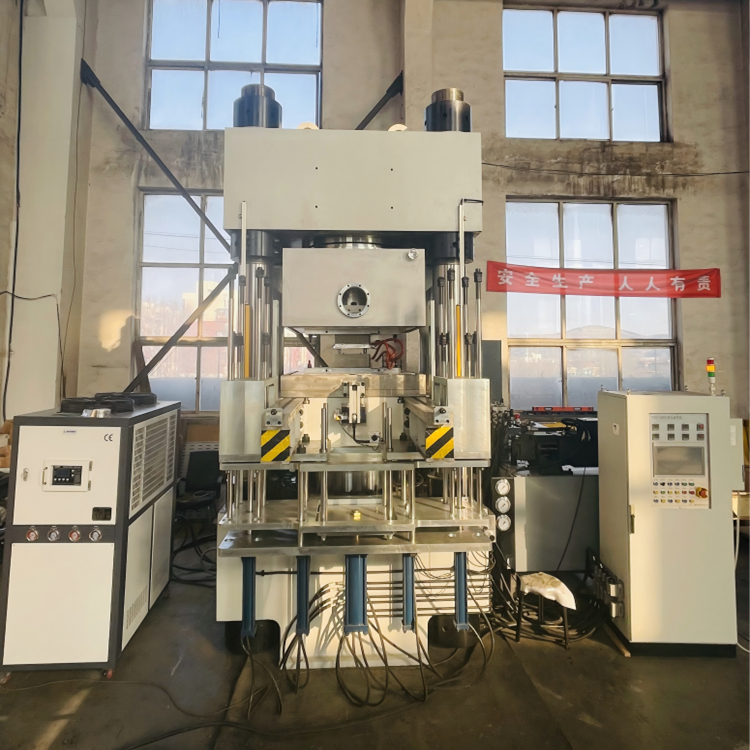
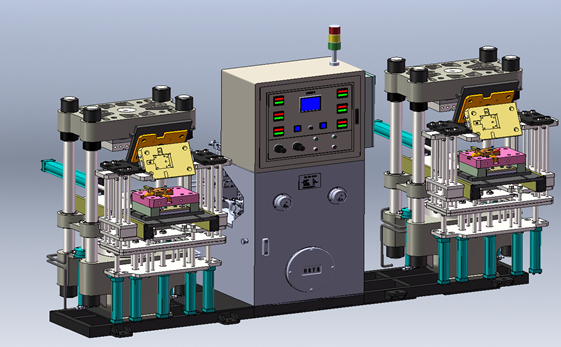
4. Equipment Images:

5. Technology:
(1The flat vulcanization technology primarily involves placing rubber materials in molds, which undergo a chemical vulcanization process under high temperature and high-pressure conditions. This results in rubber products with specific properties and shapes. The high pressure is generated by a hydraulic system via hydraulic cylinders, while the high temperature is provided by heating mediums such as steam, thermal oil, or superheated water. Flat vulcanizing machines are mainly used for vulcanizing flat belts (such as conveyor belts, transmission belts, commonly referred to as flat belts), as well as for the molding of flat products like rubber plates and high polymers.
(2Platen vulcanizing machines typically consist of components such as frames, hydraulic cylinders, heating plates, and vulcanization molds. According to the structure of the frame, flat belt platen vulcanizing machines can mainly be divided into column-type and frame-type flat belt vulcanizing machines. They can be single-layer or multi-layer based on the number of working layers, and can be oil pressure or water pressure depending on the hydraulic system's working medium.