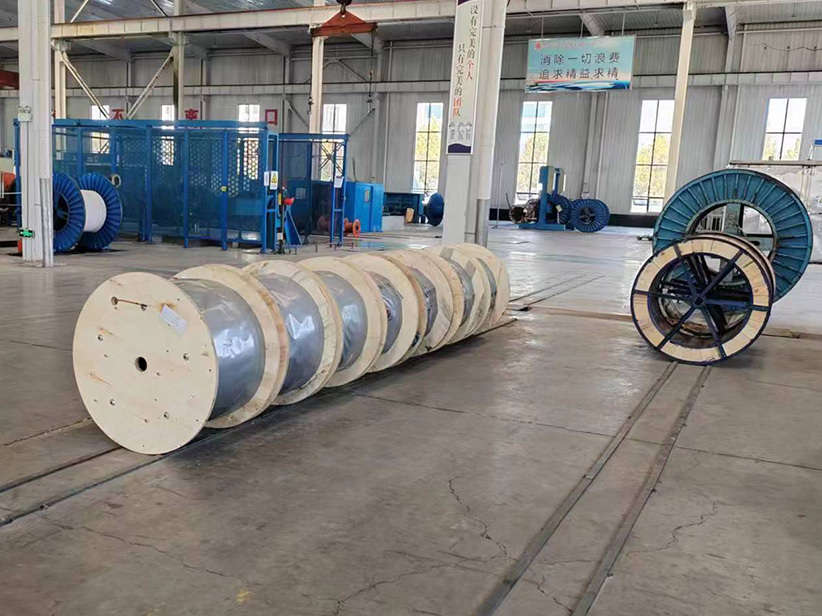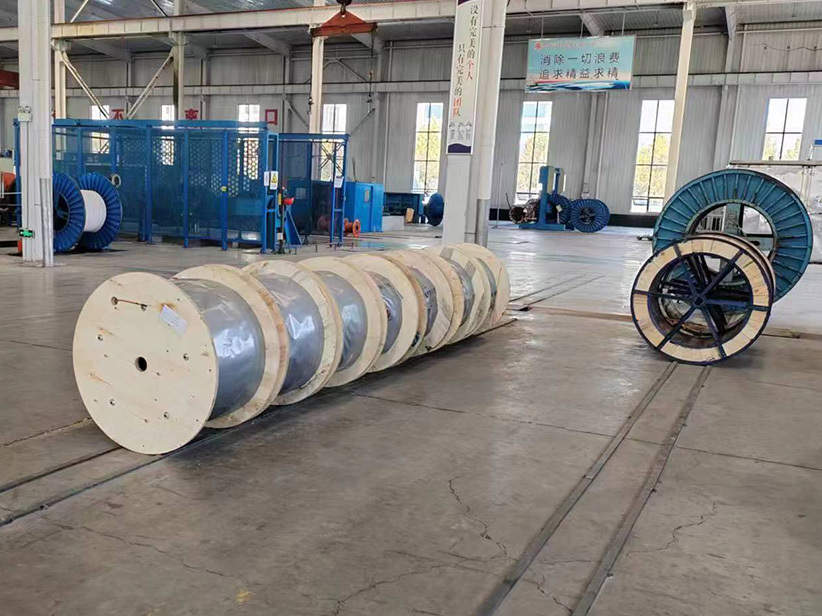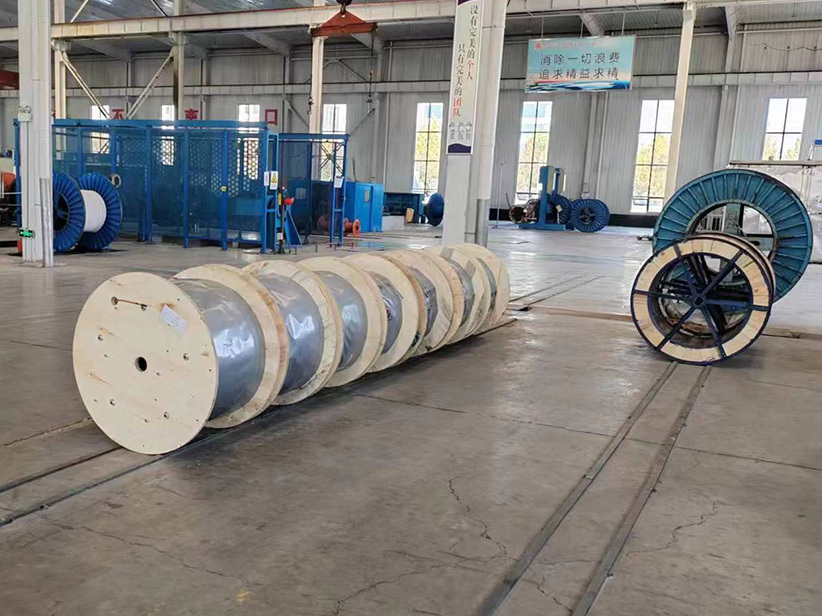













The S-DH Railway Throughground Wire (hereinafter referred to as the Throughground Wire) is suitable for railway comprehensive grounding systems. This product is a grounding conductor that connects the traction power return, power supply, signaling, communication, and other electronic information systems along the railway, as well as various equipment. It forms an equipotential connection, achieving functions such as preventing electromagnetic induction interference, static interference, and lightning intrusion along the railway equipment.
The alloy sheath of this product boasts excellent corrosion resistance and environmental performance, making it suitable for installation and use in the complex soil environments of our country. A through-ground wire is a type of comprehensive grounding in railway systems, buried in the cable trays on both sides of the railway tracks (one through-ground wire is buried on each side), and connects all professional equipment such as signals, communications, electrification, and power, as well as other metallic objects on both sides of the railway tracks to this comprehensive through-ground wire, ensuring that all systems and equipment in the railway are connected at the same potential.
The method of unified grounding throughout the entire circuit reduces potential differences between different equipment and systems, as well as potential hazards to personnel and equipment. It also minimizes the damage caused by individual grounding lines for specialized equipment to the stability of the subgrade. A comprehensive overview of integrated grounding engineering is a complex, comprehensive, and systematic project.
The primary purpose of grounding: to ensure equipment. The comprehensive nature of this system is evident in its provision of lightning protection grounding for buildings and structures along the railway, working grounding for both low-voltage and high-voltage equipment, protective grounding, overvoltage protection grounding, static electricity protection grounding, and shielding grounding, covering nearly the entire railway沿线 area. 1. Characteristics of S-DHDH railway through grounding wire: 1. The operational temperature range for the through grounding wire is -40℃ to +70℃, and the laying temperature should not be lower than -10℃. 2. The allowable bending radius of the through grounding wire should not be less than 15 times the outer diameter of the grounding wire.
Product Name & Voltage Application
Name: S-DH Rail Through Ground Wire
Rated Voltage:
Model, Specifications Range

Model Descriptions and Product Examples
Technical Specifications
1. Conductors in the grounded wire are made of TR-type soft round copper wire as specified in GB/T3953. The volume resistivity of the soft round copper wire does not exceed 0.017241 Ω.mm²/m (at 20℃), and the testing method conforms to the provisions of GB/T3048.2-2007. The elongation at break of the soft round copper wire is not less than 25%, and the testing method complies with GB/T4909.3-2009.
2. The structure and appearance of the conductor comply with the requirements of the second type of conductor in GB/T3956. The conductor surface should be smooth, free of oil stains, burrs, and single wires that are raised or broken. The testing method should adhere to the provisions of GB/T4909.2-2009.
3. The outer sheath of the conductive ground wire should be made of environmentally friendly metal or alloy material, and should be tightly and seamless wrapped around the conductor. The surface of the sheath should be smooth and free of oxidation.
4. Conduit Grounding Structure Dimensions

5. Basic Performance of the Ground Wire Conduit

Product Name and Voltage Compatibility
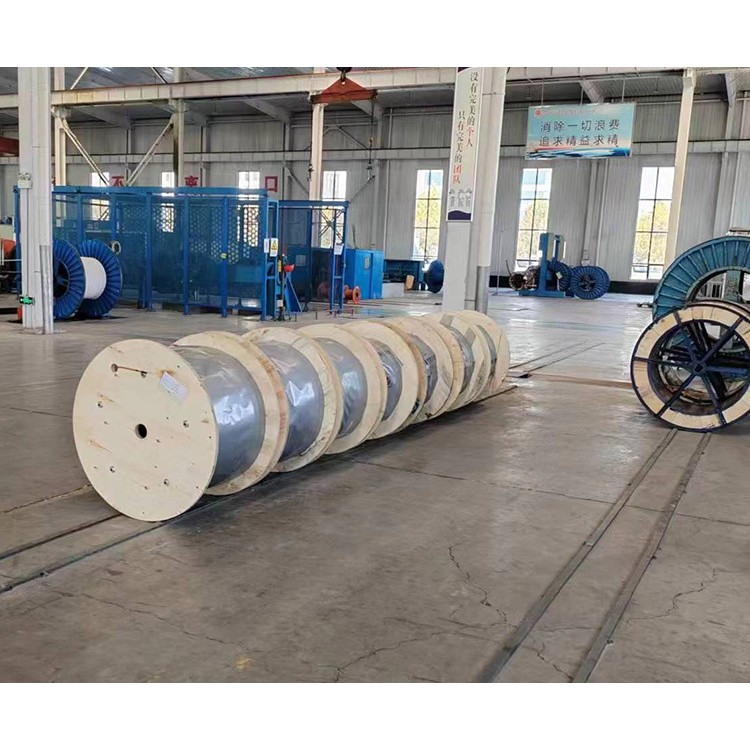
Piping ground structure diagram and physical photos