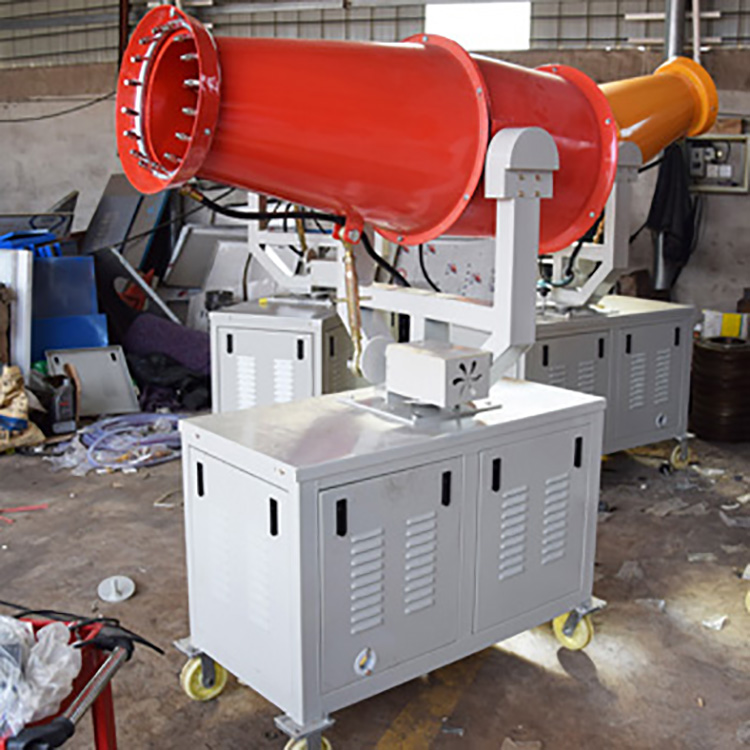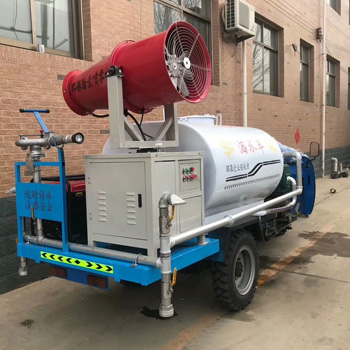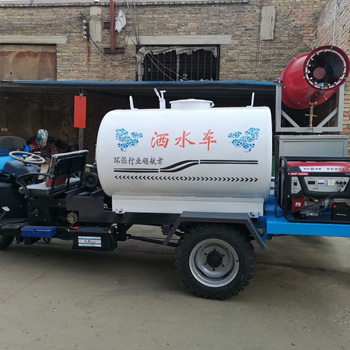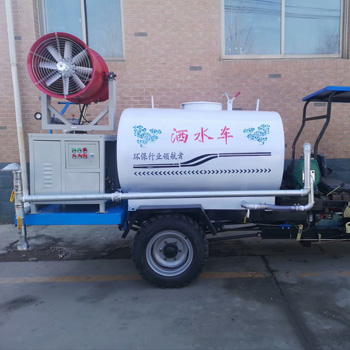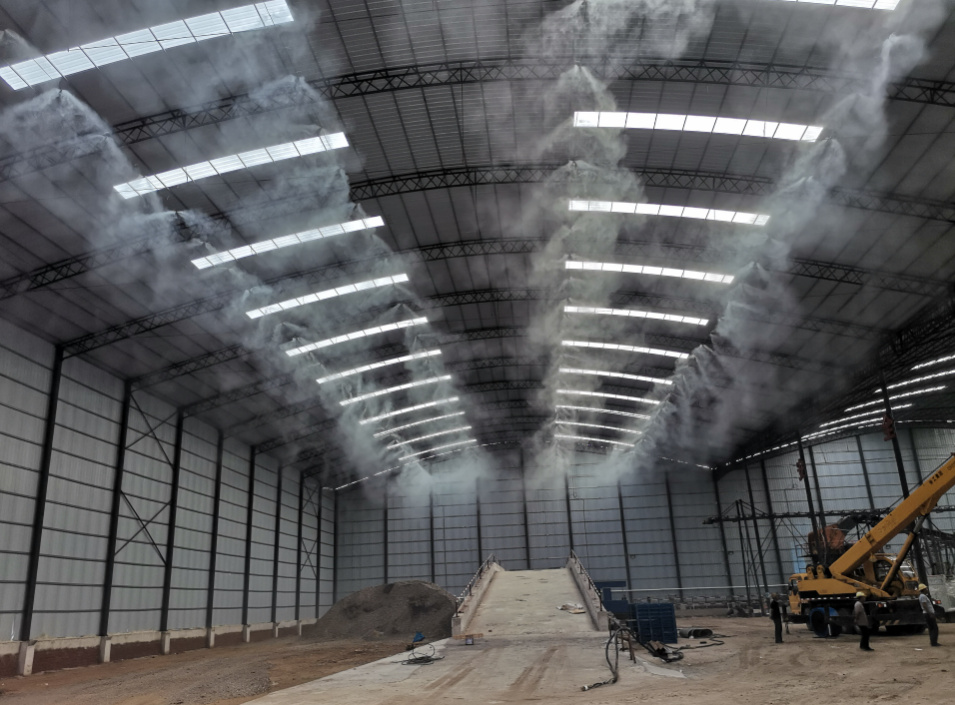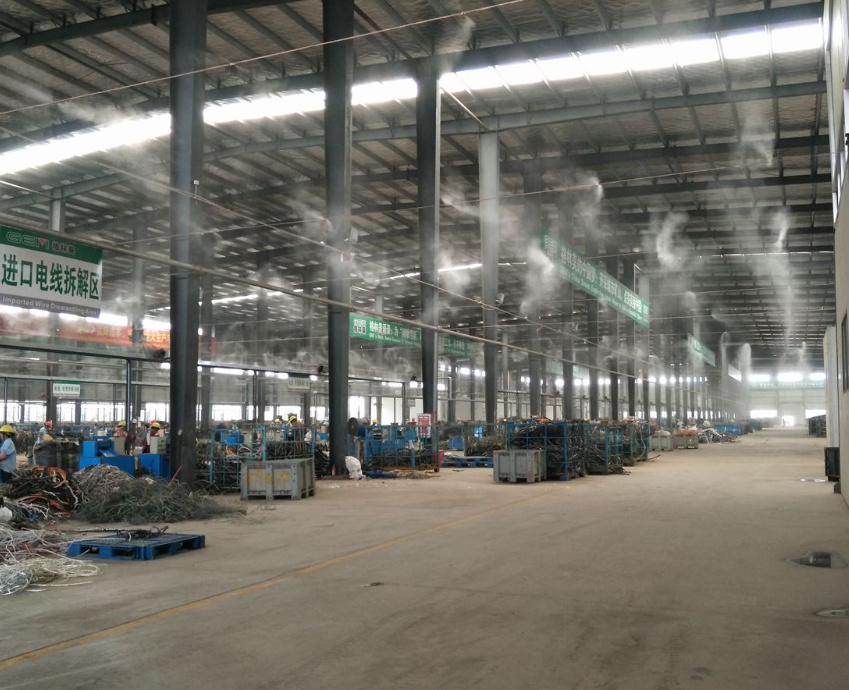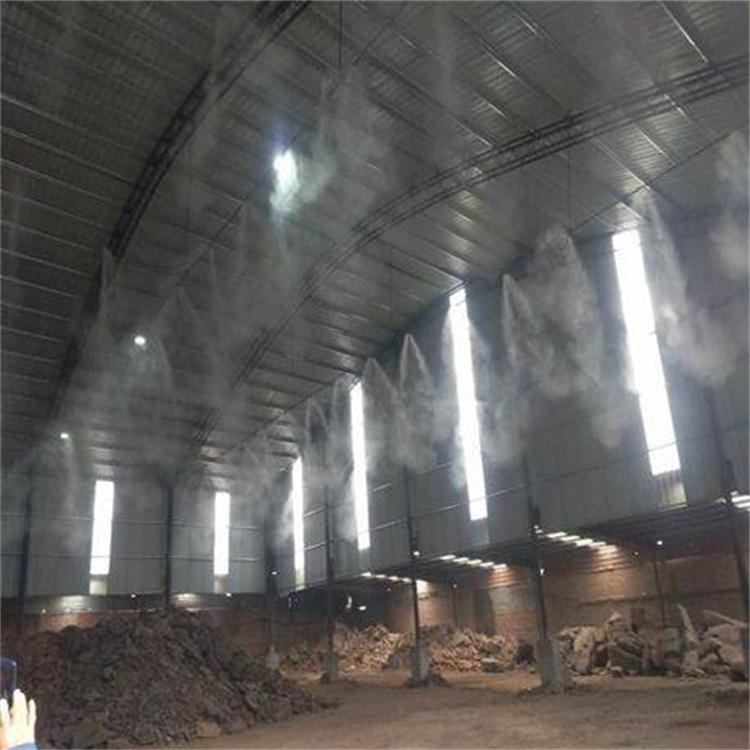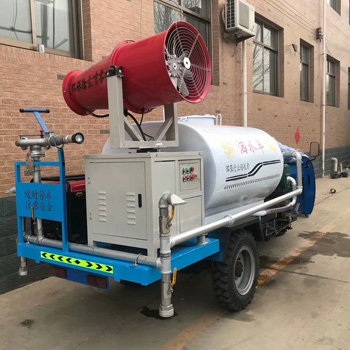


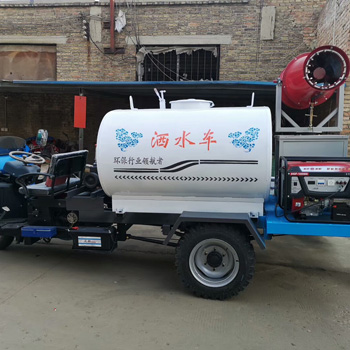
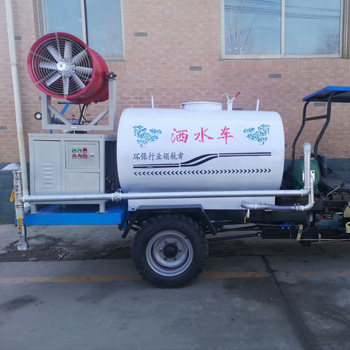


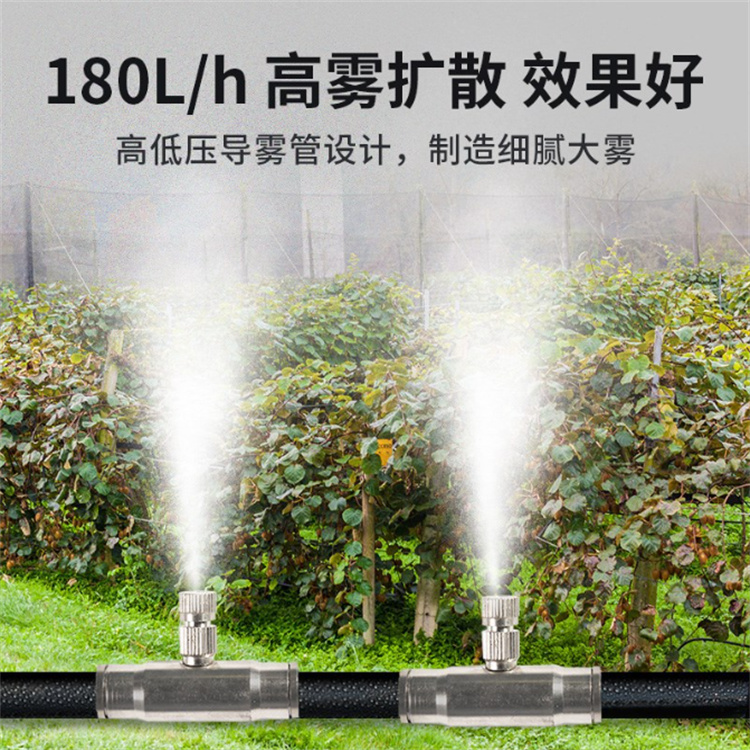
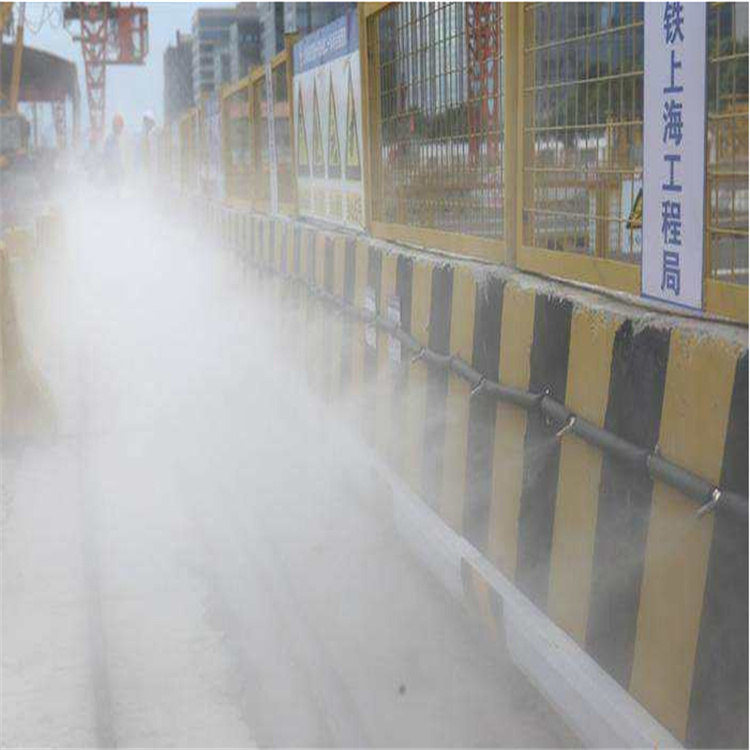

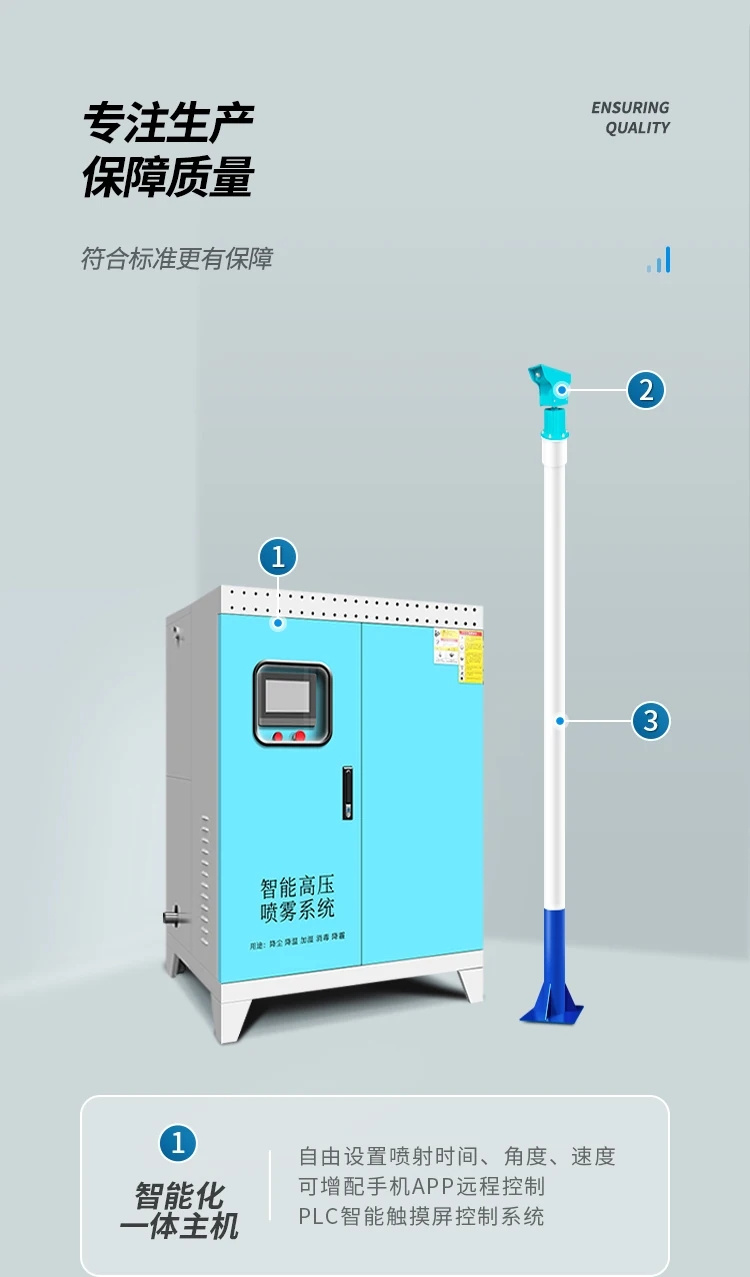
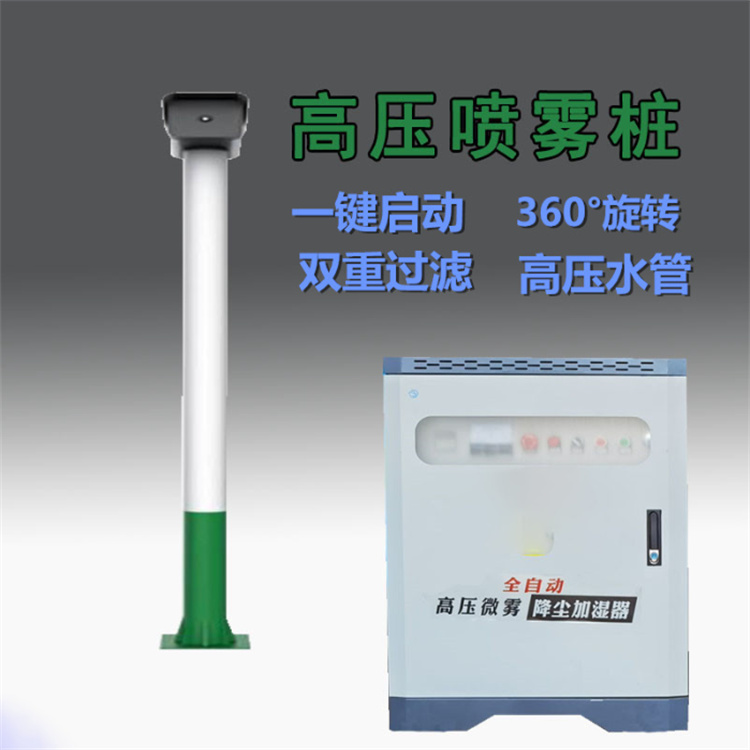





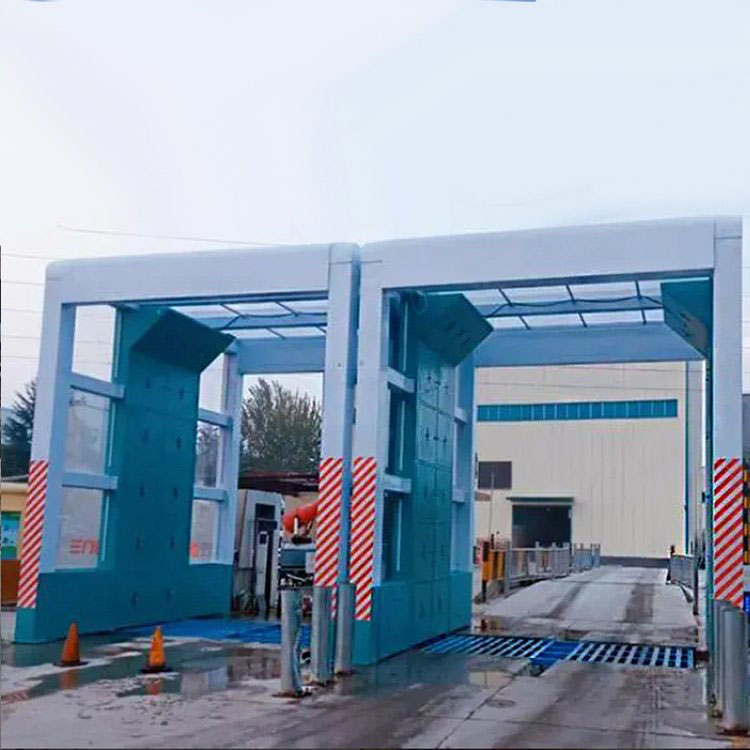
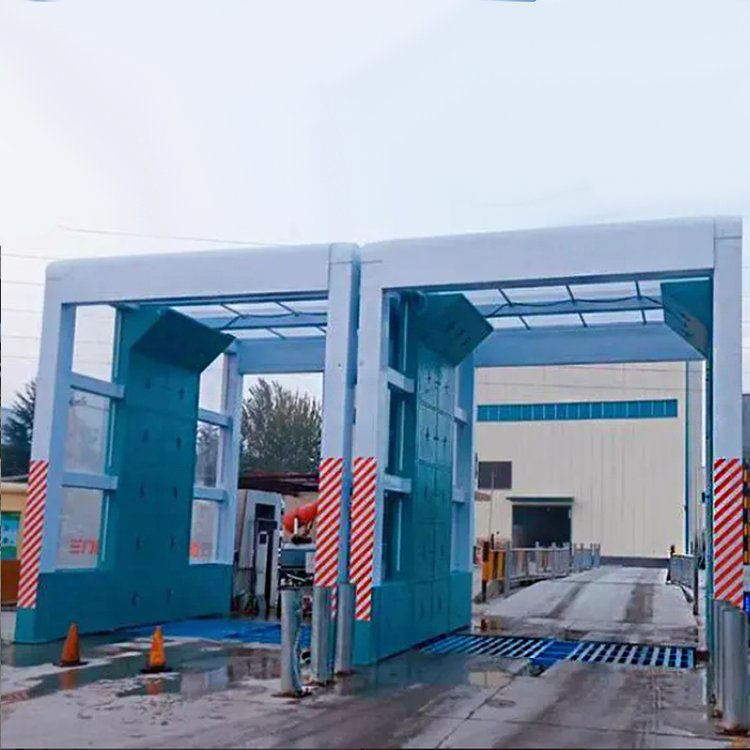


The hydraulic performance of the spray system in the mobile garden environmental protection fog cannon is related to the spray body structure, which is commonly represented by parameters such as the droplet dispersion, the droplet density of the spray body, water consumption, and water pressure. The parameters include: the company's range. The horizontal distance of the straight-line motion of the mist droplets starting from the nozzle of the sprayer. The kinetic energy of the droplets within the range is high, resulting in good dust collection. The company's effective length. After the straight-line motion, the droplets move in a parabolic path under gravity, with reduced kinetic energy and dust collection effectiveness. The horizontal distance from the nozzle to the completion of the parabolic motion is called the effective length. The company's spray body expansion angle. A larger expansion angle results in a wider spraying area and larger dust collection area. The system uses an imported high-pressure plunger pump to increase water pressure to over 5 MPa, and then sprays out a large number of atomized water droplets through special nozzles, with droplet diameters below 30 micrometers. The equipment has a time setting function, is equipped with an automatic water tank and food-grade filter unit; the working principle is: when the vehicle enters the infrared sensing area of the material storage and triggers the infrared signal, the equipment automatically starts and sprays, and after the truck unloads and leaves, the equipment will automatically shut down after the set time.
Vehicle-mounted garden environmental fog cannon applicability range:
1. Environmental industry, large coal storage yards, coastal stockyards, coal loading and transportation, dust pollution in transit ports, coal consolidation stations, and open-air operation dust control.
2. Open or enclosed coal and iron ore stockpiles and unloading areas, truck unloading ports, localized dust from mechanical operations, and heavy vehicle transportation dust pollution control; 3. Dust pollution control projects in the chemical industry, steel mill, coke plant, coal washing plant, power plant, fly ash, ash storage, micro-powder, and iron concentrate plants.
4. Shipyard, ship repair facility, and machinery industry sandblasting dust control
5. Dust control in the construction industry, construction sites, building demolition, road dust, etc.
6. Dust and temperature reduction, as well as disinfection services for airports, highways, stations, docks, public areas, sports fields, and hot environments.