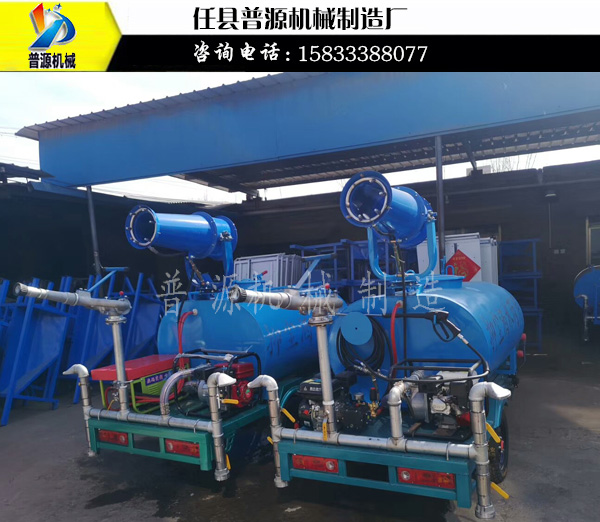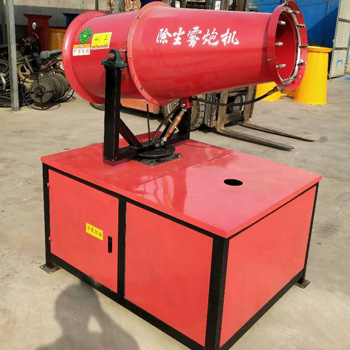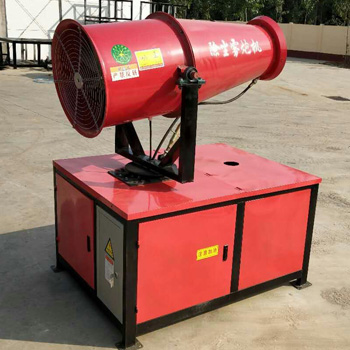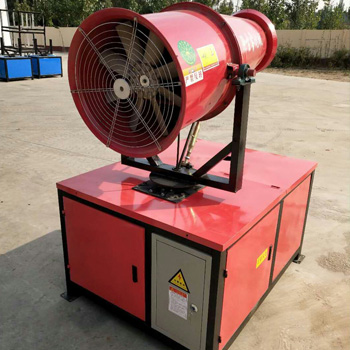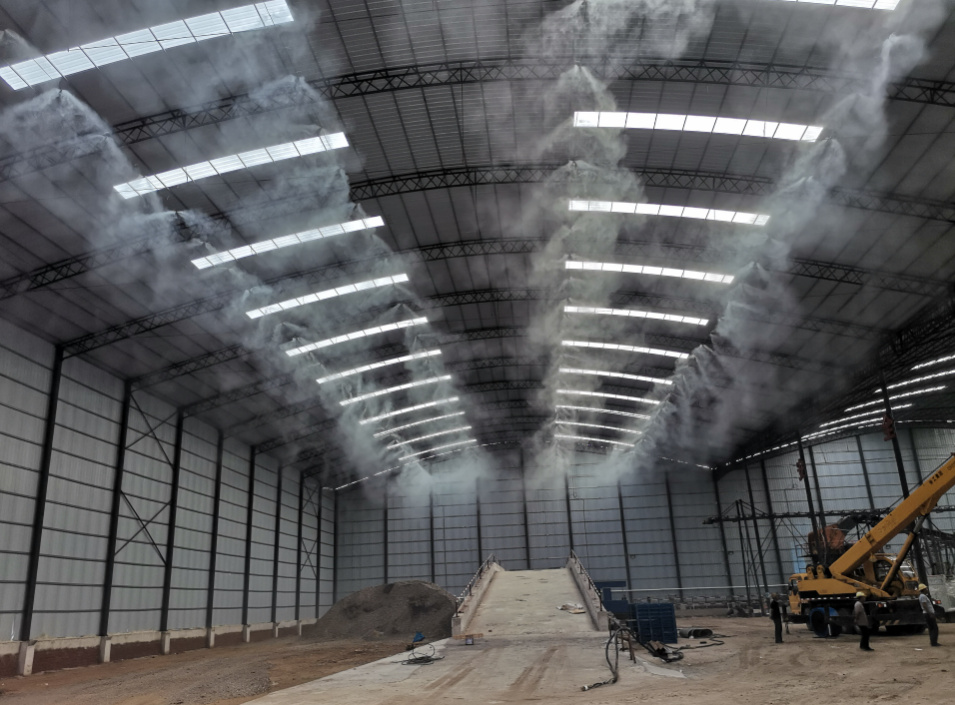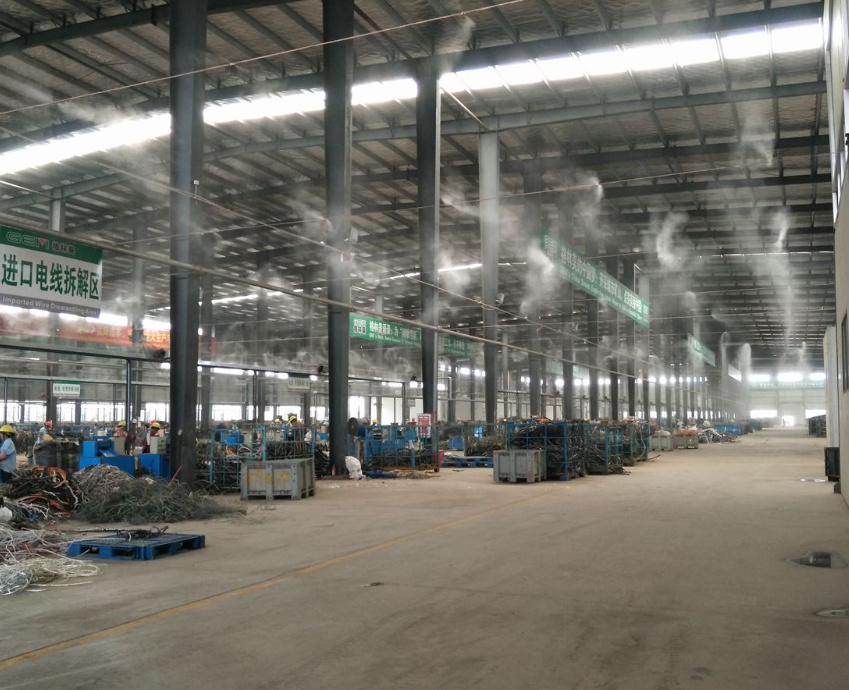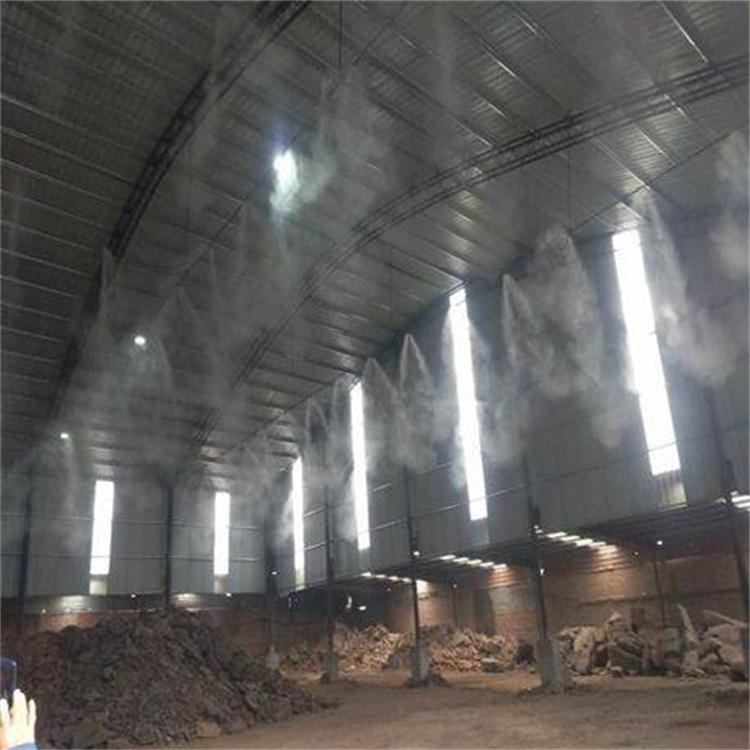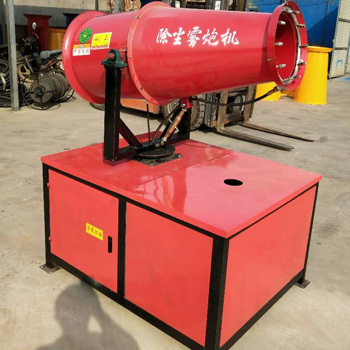

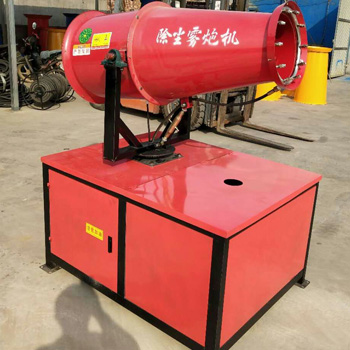
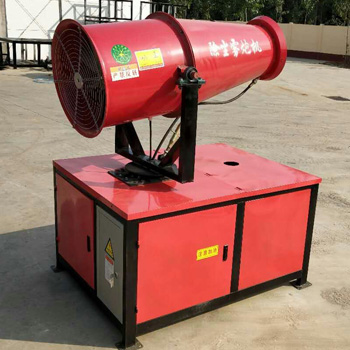
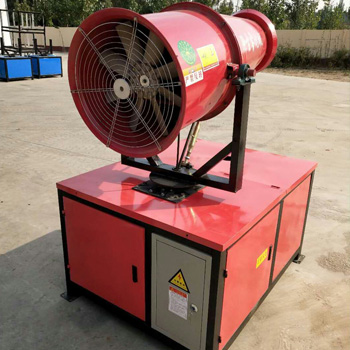


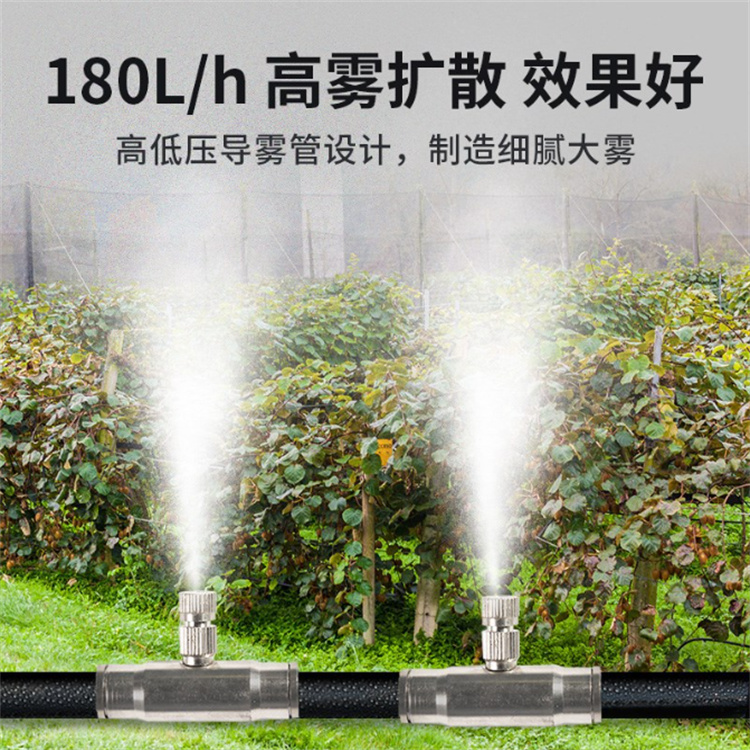
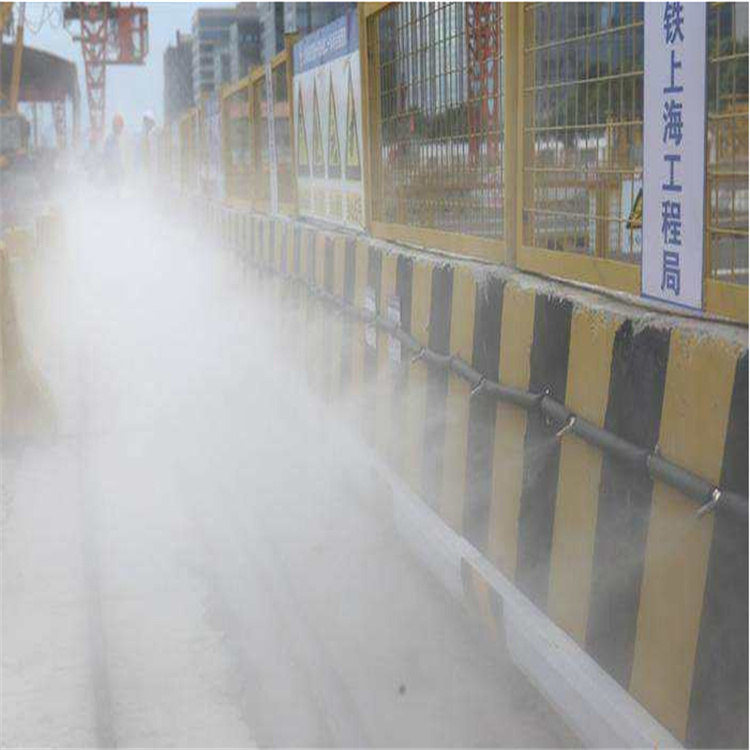

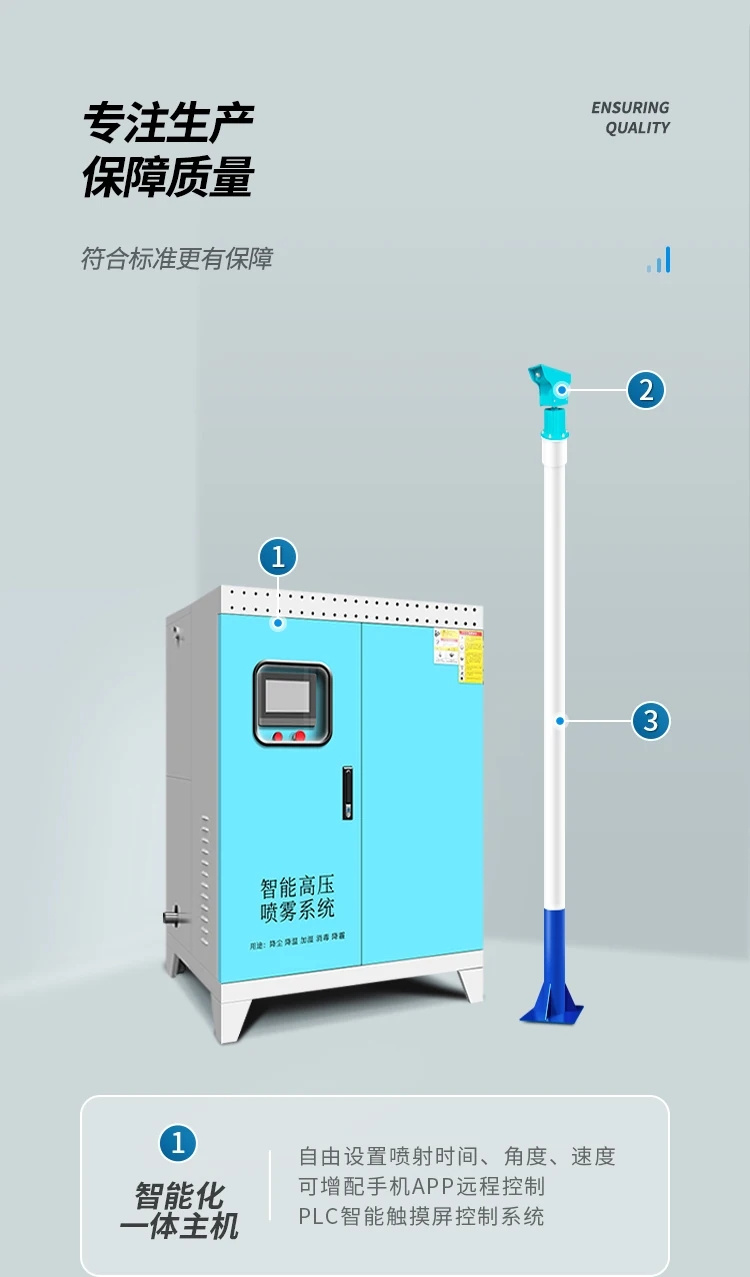
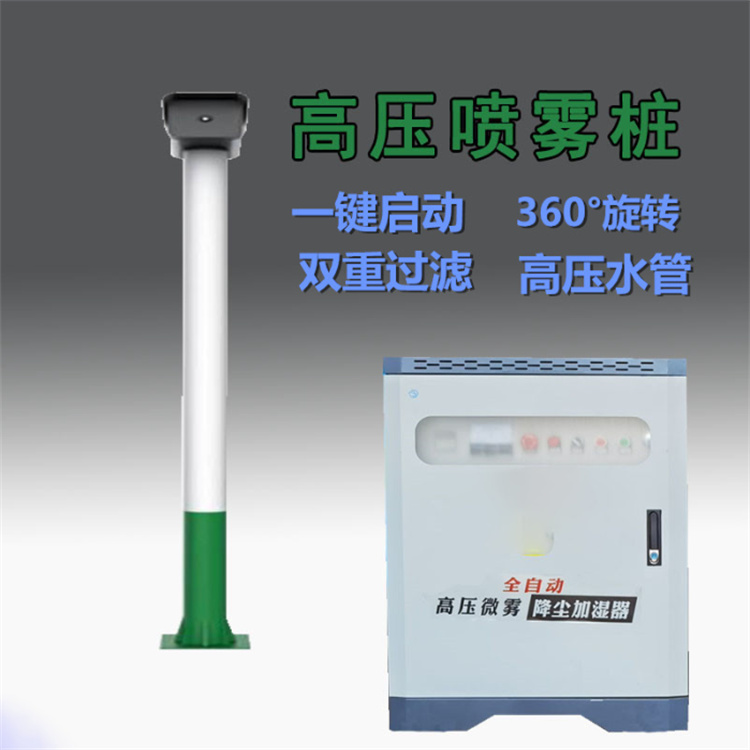





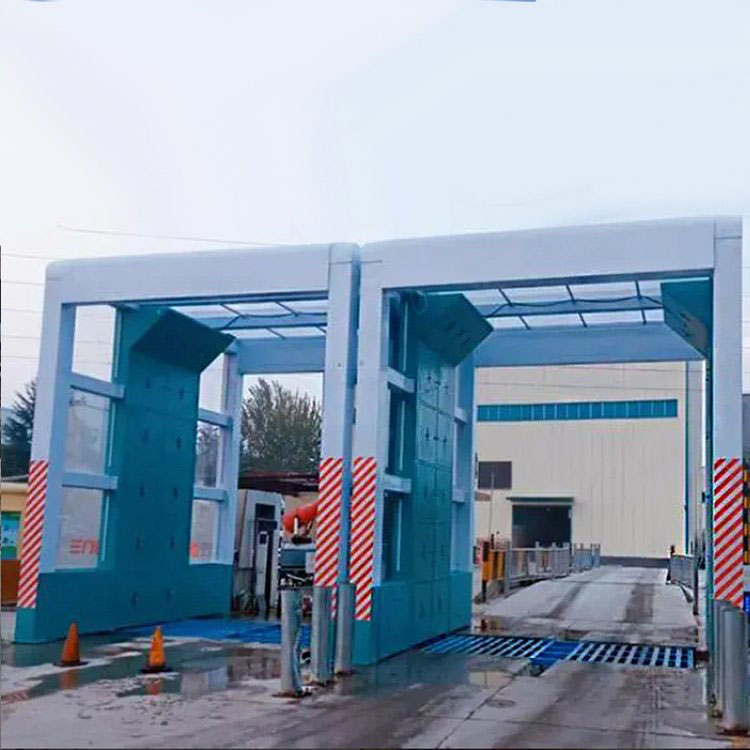
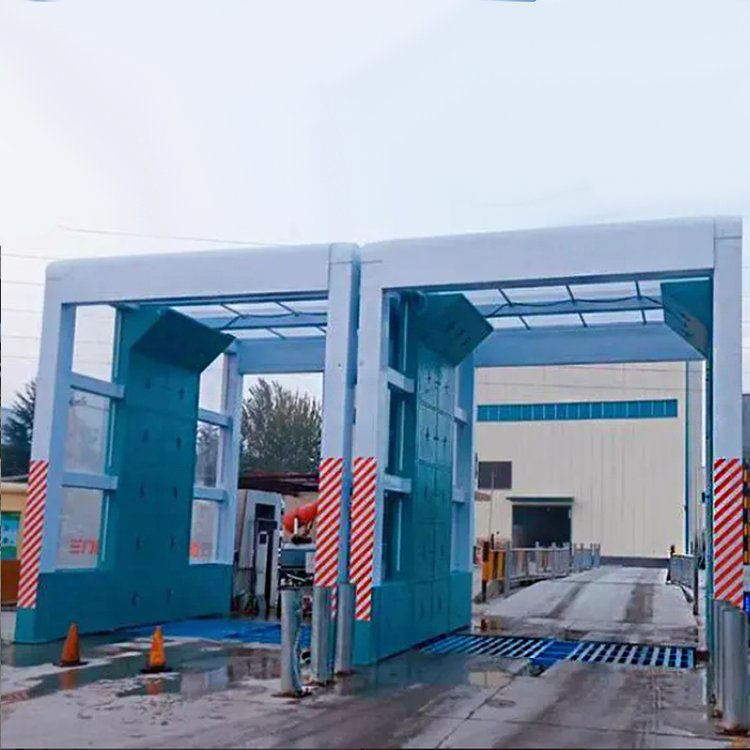


The hydraulic performance of the atomizing system of the fully automatic dust removal fog cannon is related to the spray body structure, commonly represented by parameters such as the droplet dispersion, droplet density of the spray body, water consumption, and water pressure. The parameters include: company's range. The horizontal distance of the straight-line motion segment of the mist droplets starting from the nozzle of the atomizer. The kinetic energy of the droplets within the range is high, resulting in good dust collection. Company's effective length. After the straight-line motion segment, the droplets move in a parabolic path under the influence of gravity, with reduced kinetic energy and dust collection efficiency. The horizontal distance from the nozzle of the atomizer to the completion of the parabolic motion is called the effective length. Company's spray body expansion angle. A larger expansion angle results in a larger spraying area and dust collection surface. The system uses an imported high-pressure plunger pump to increase water pressure to over 5Mpa, and then sprays out a large number of atomized water droplets through specially designed nozzles, with droplet diameters below 30 micrometers. The equipment features time setting functionality, an automatic water intake tank, and a food-grade filtration device; working principle: when the vehicle enters the infrared sensing area of the material storage, it triggers an infrared signal, causing the equipment to automatically start atomizing. After the truck unloads and departs, the equipment will automatically shut down after the set time.

Maintenance Knowledge for Dust Removal Fog Machines
1. Environmental dust removal fog cannon typically uses bar oil or sewing machine oil. It is strictly prohibited to use engine oil or recycled oil, as it may cause severe damage to the fog cannon's components.
2. Use the environmental dust removal fog cannon under an air pressure of 8-10 kg/cm². Low pressure will prevent the cannon from operating effectively, while high pressure will significantly reduce the tool's lifespan.
3. To ensure the normal operation of the environmental protection dust suppression fog cannon, an oiler, filter, and pressure regulator must be installed at the air compressor outlet.
4. If no oiler is available, add oil to the oil filling port of the environmental dust fog cannon before and after operation to activate the *function.
5. Regularly inspect the filter unit for wastewater and impurities; remove any wastewater promptly to prevent impact on usage.
6. Inspect the air hoses and connectors for any leaks or loose fittings to ensure adequate compressed air pressure inside the environmental dust removal fog cannon.
7. Inspect the environmental protection dust removal fog cannon and pneumatic tool accessories for reliable connections to prevent damage to tools or injury to personnel in the event of a sudden failure.
8. All non-pneumatic tool accessories must not be used on pneumatic tools.
9. If the dust removal fog cannon does not rotate or rotates unevenly, add a large amount of spindle oil or sewing machine oil, and rotate it. Clean the dirt and obstructions two to three times consecutively. If the fault is still not resolved, professional repair is required.