











Advantages and Disadvantages of Copper-Aluminum Composite Radiators
1. Strongly economic.
Copper and aluminum materials excel in thermal conductivity, with far superior heat dissipation capabilities compared to other materials. The thermal-to-cost ratio of copper-aluminum composite heat sinks is also significantly higher than that of other types. Moreover, as both copper and aluminum are non-ferrous metals, their value increases over time, making the copper-aluminum composite heat sinks more valuable in the long run.
2. Excellent overall mechanical properties.
Aluminum alloy profiles are widely used in the construction industry in our country due to their high strength, excellent water and air tightness, good thermal conductivity, exquisite appearance, and ease of processing. Particularly, their superior thermal conductivity has been increasingly valued by many radiator manufacturers in recent years.
3. Excellent resistance to alkaline water corrosion, with a long service life.
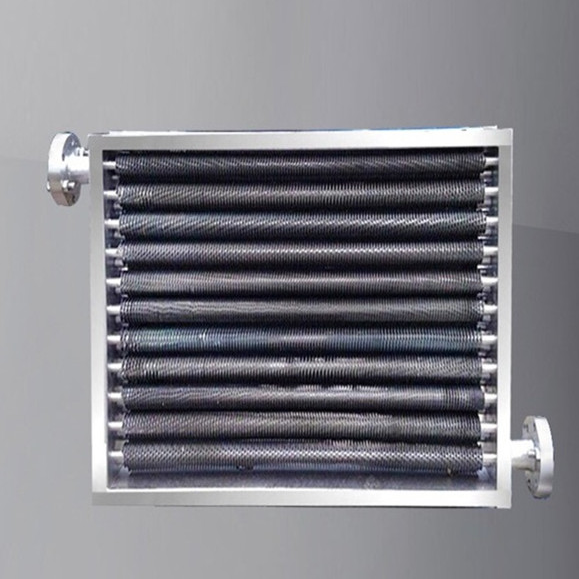
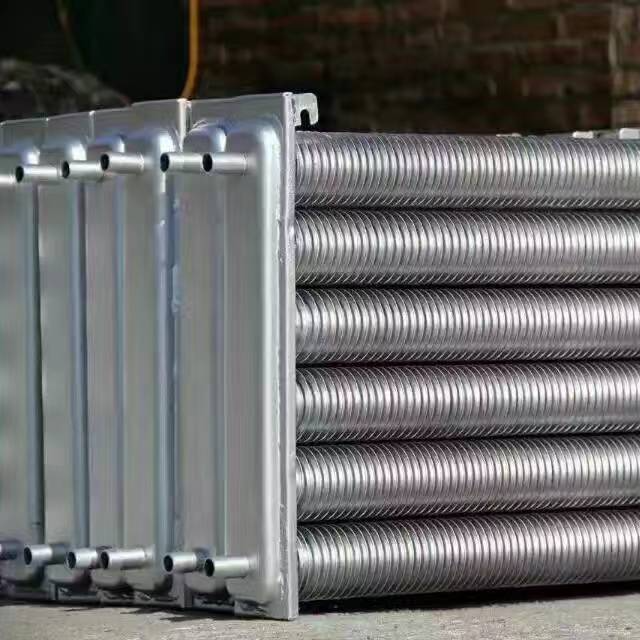
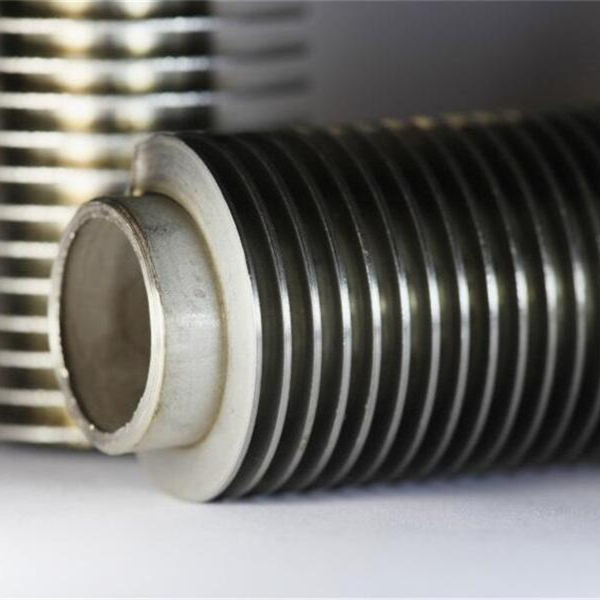
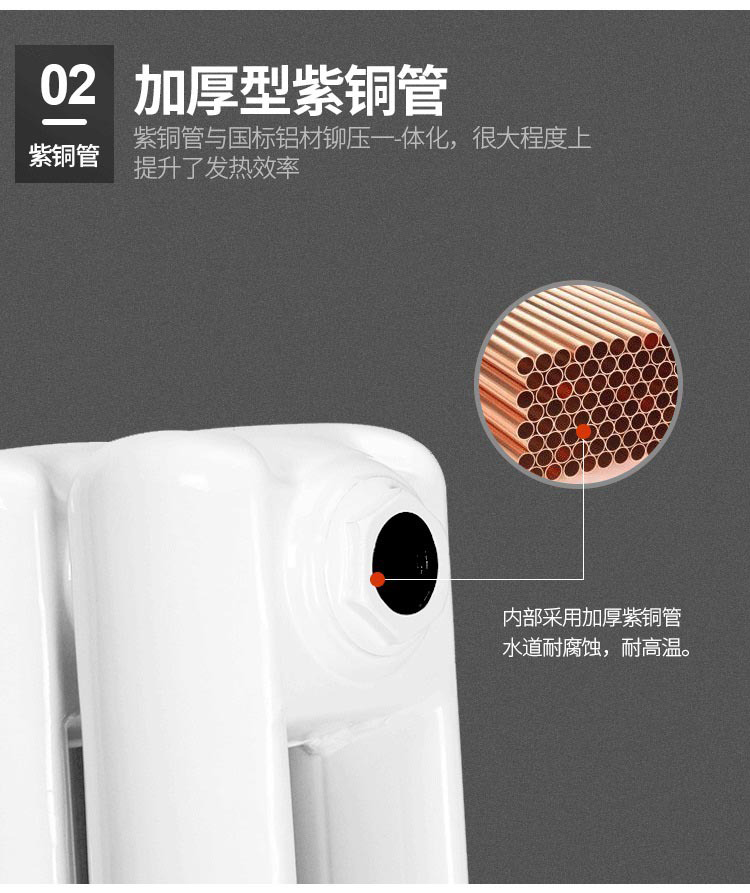
High-quality copper-aluminum composite finned radiators, manufactured using internal flange hydraulic胀接 technology. The headers and fins of the radiators are all made of紫铜, offering strong corrosion resistance and no need for internal anti-corrosion treatment. Therefore, it exhibits excellent resistance to alkaline water corrosion. The copper-aluminum composite column-type finned radiators currently promoted for production in our country can have a service life of up to 50 years under high alkalinity water conditions, assuming an annual corrosion rate of 0.005mm/year, with ample margin for over 30 years of use.
4. Wide applicability.
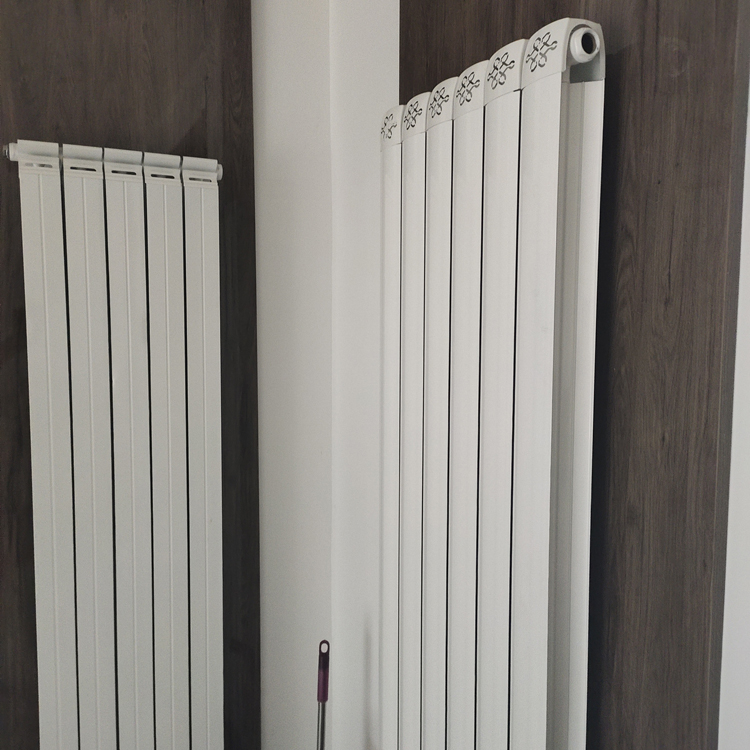
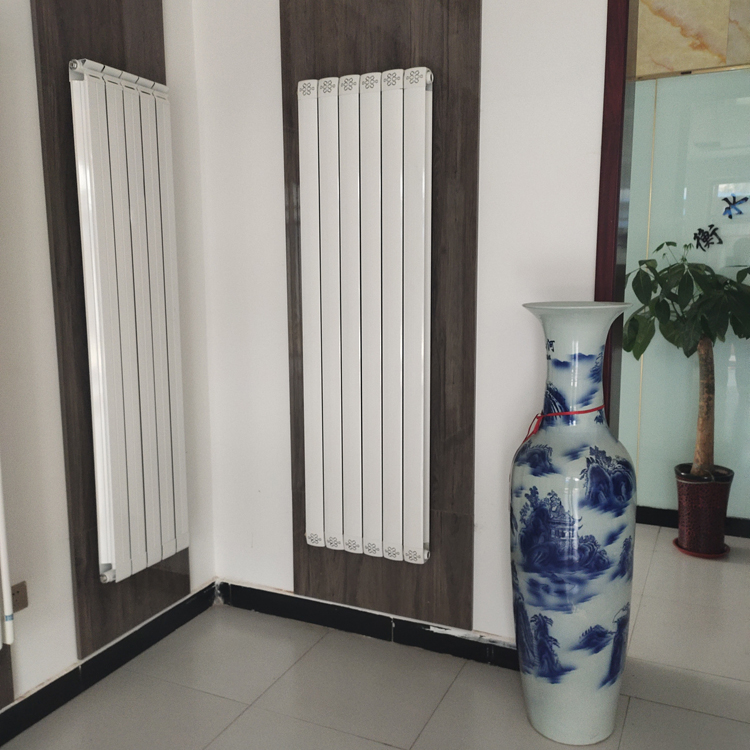
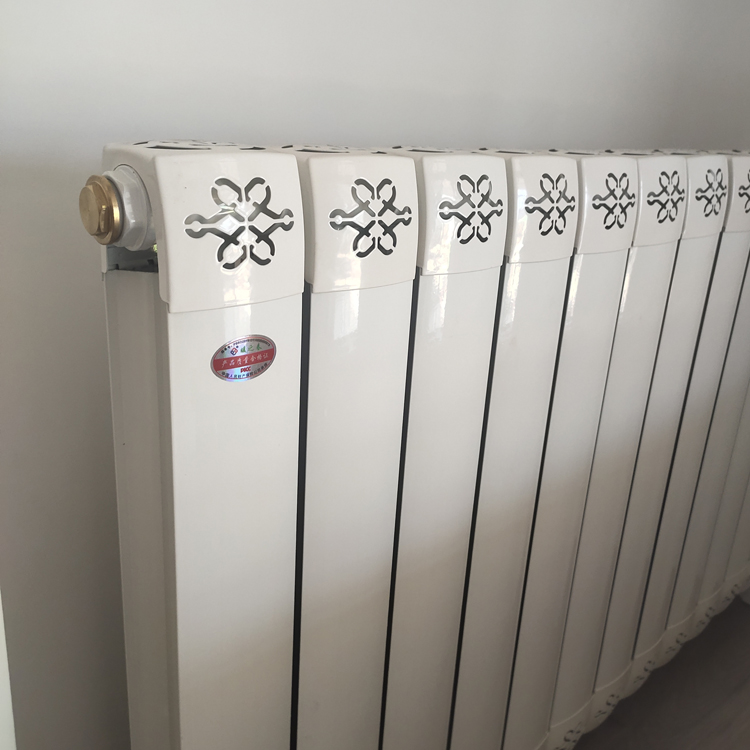
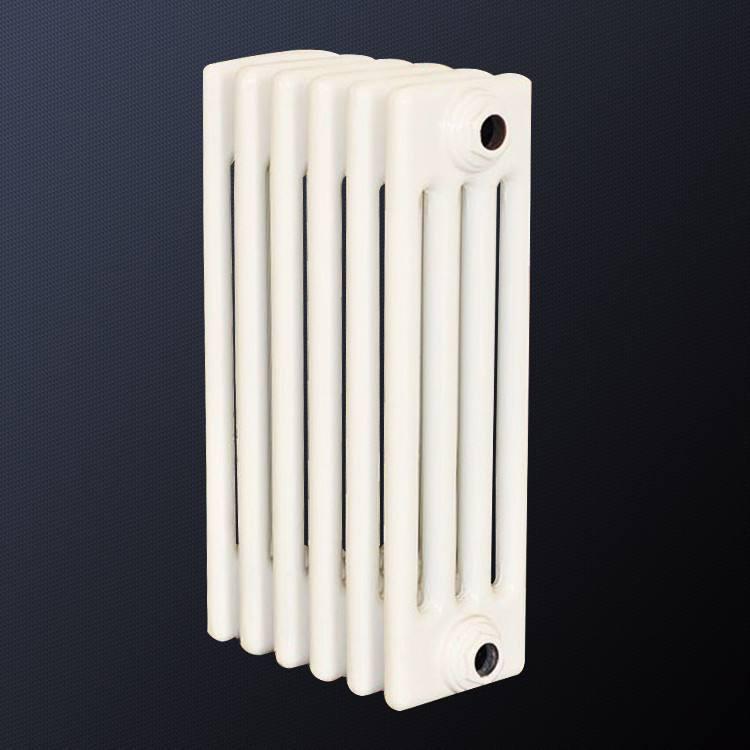
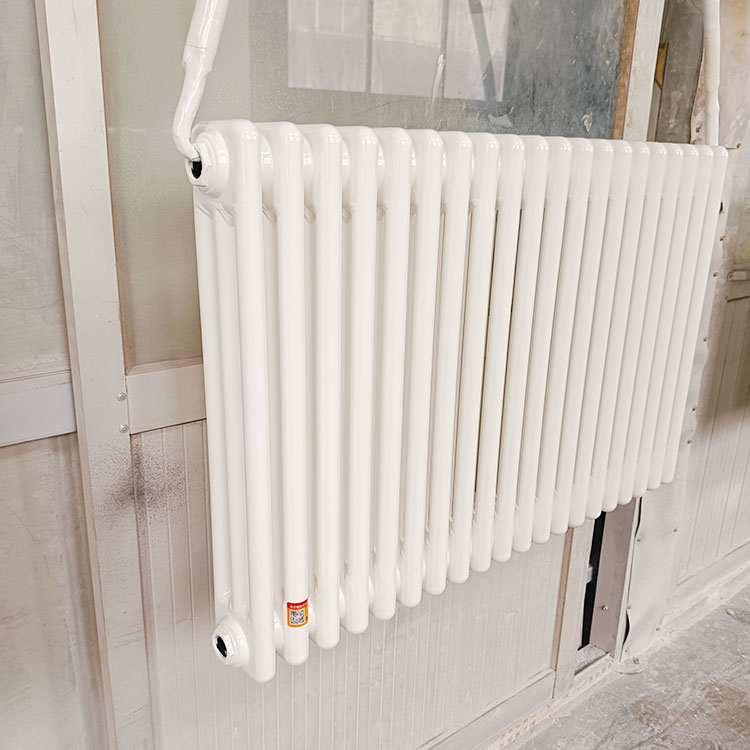
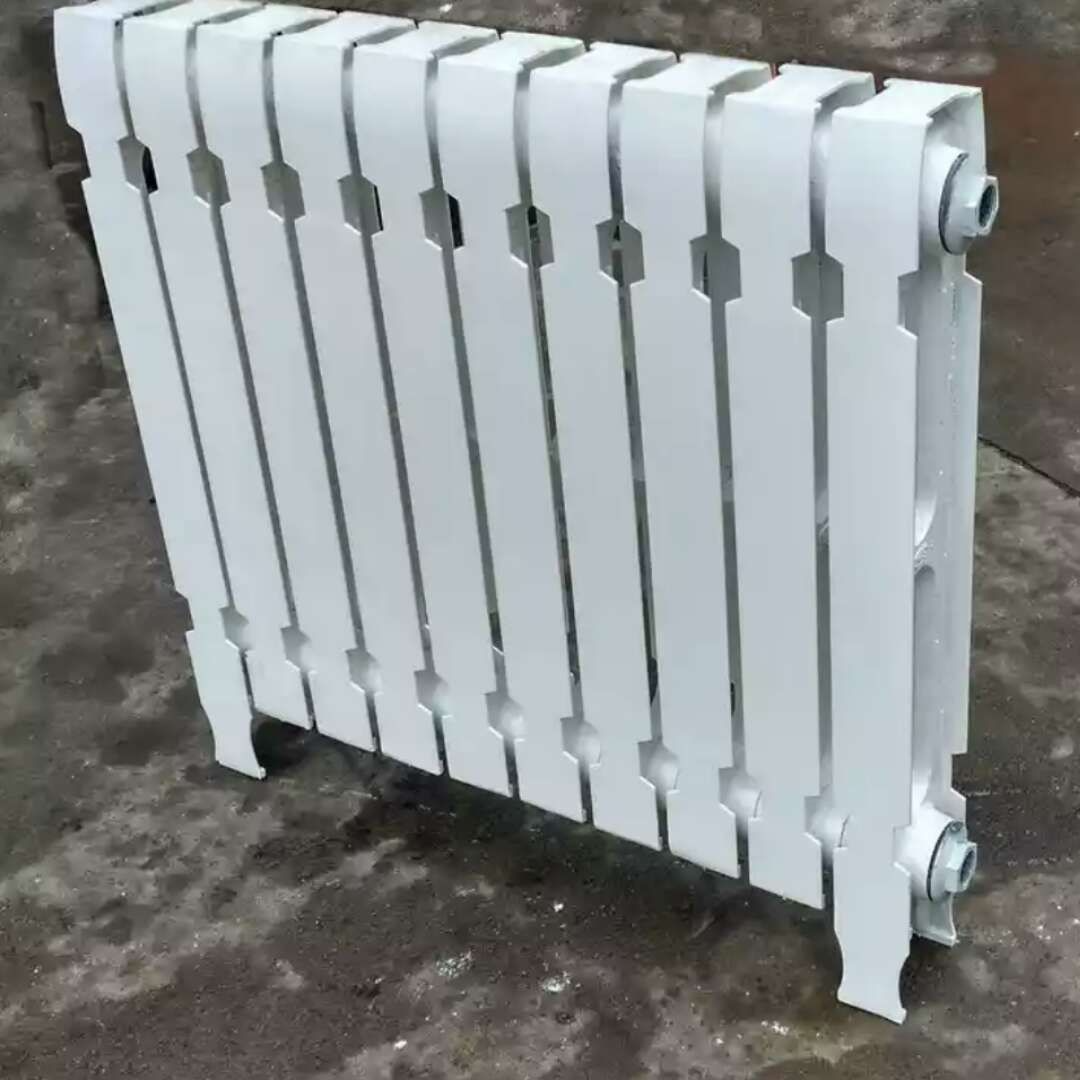
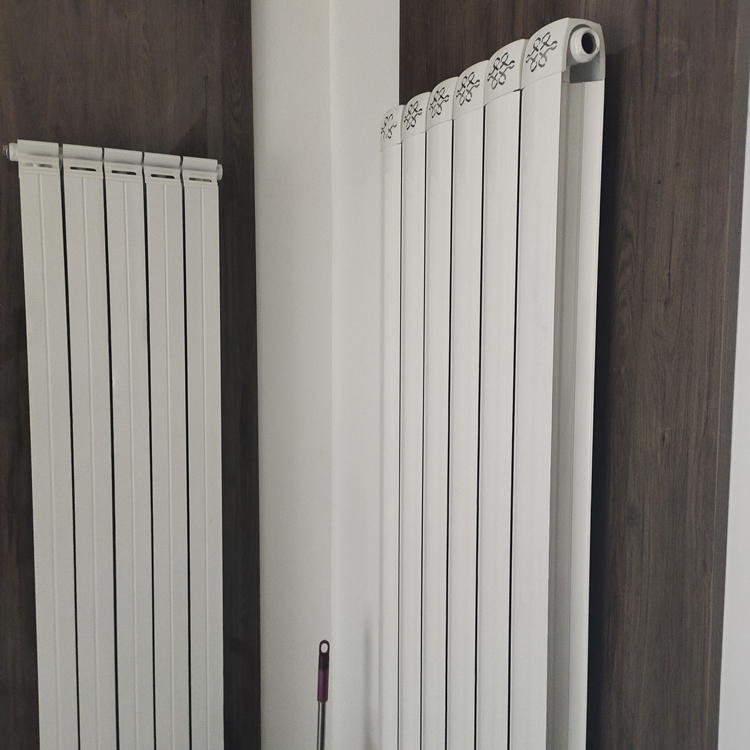
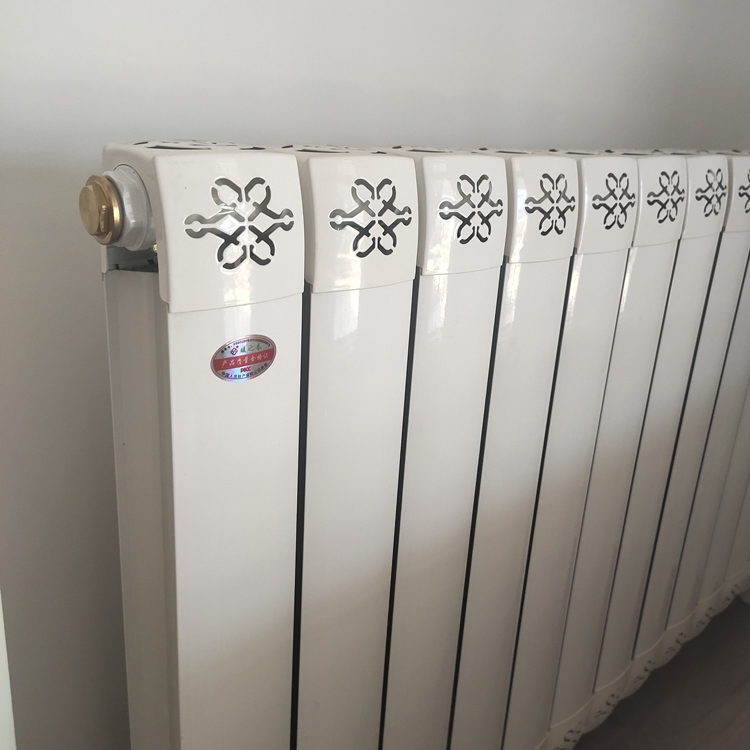
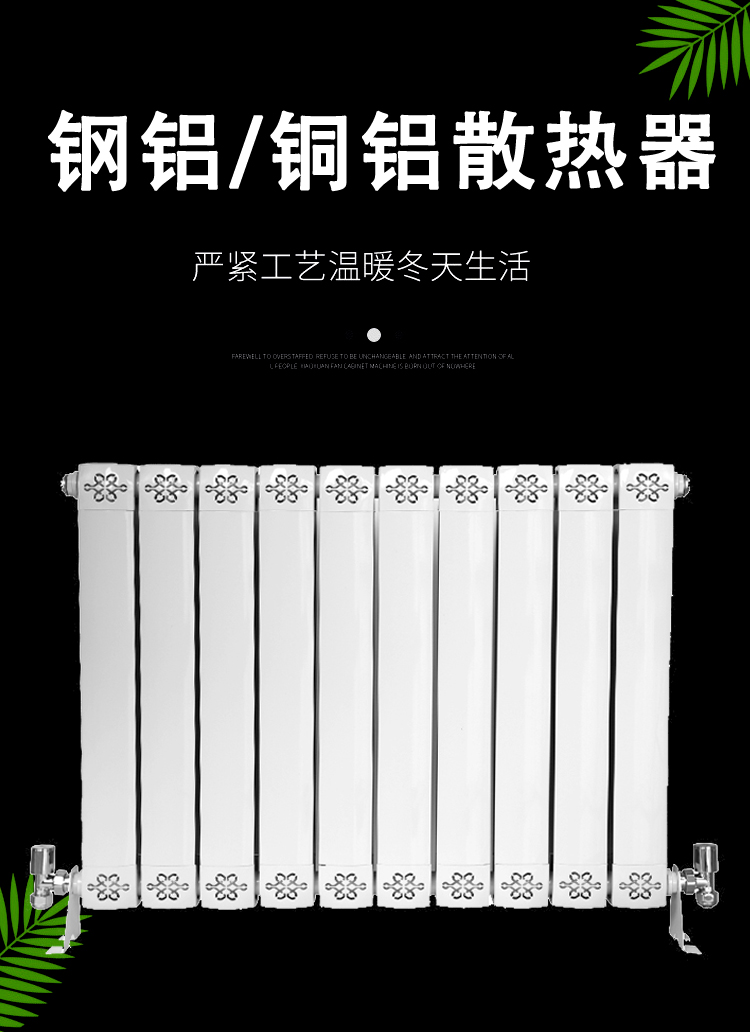
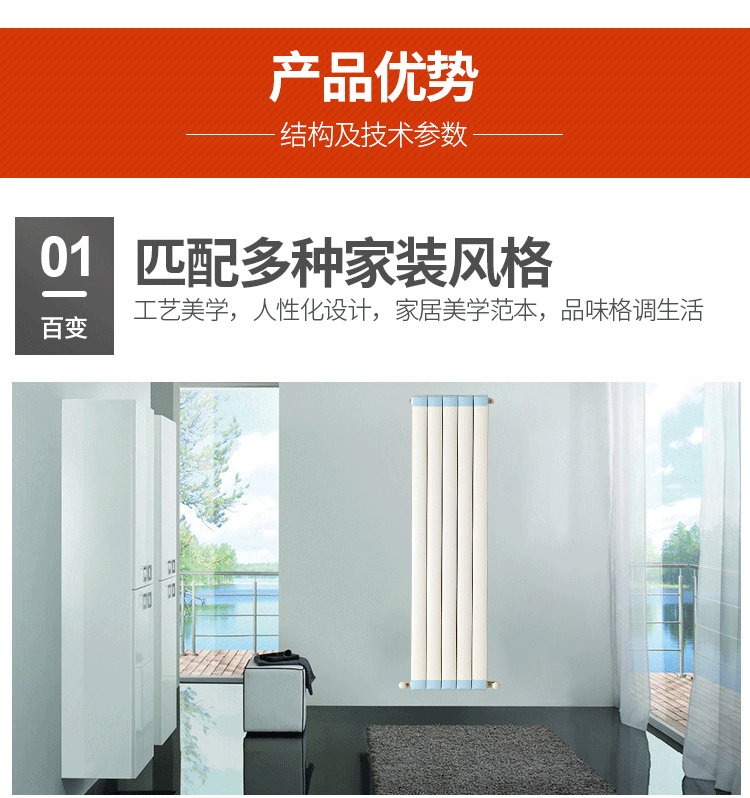
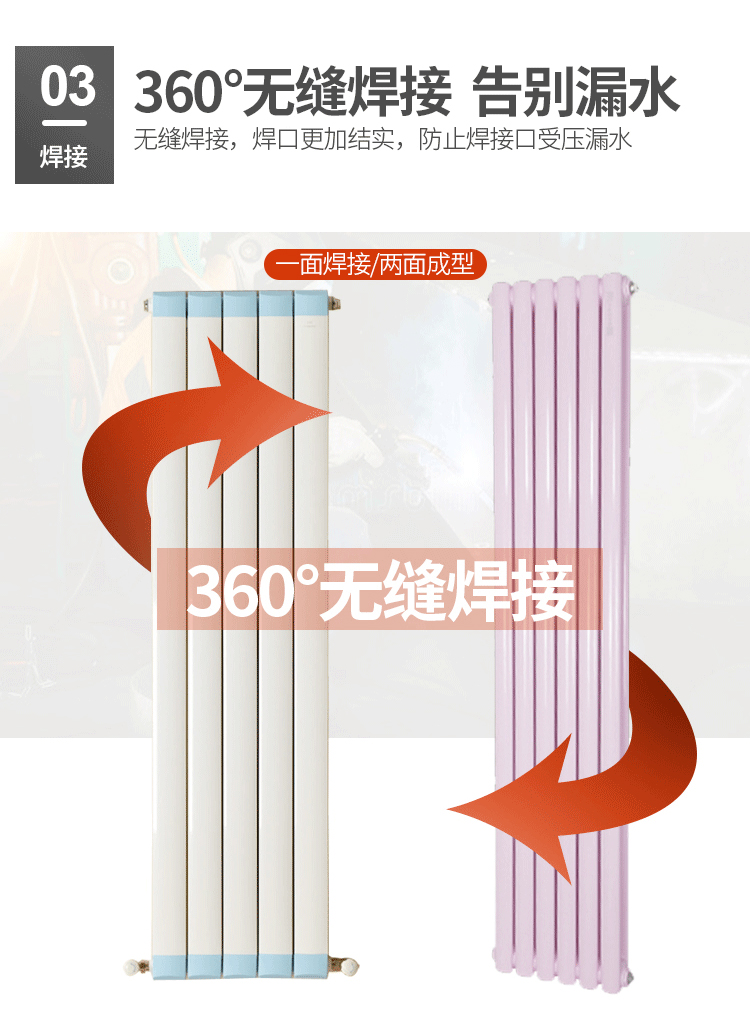
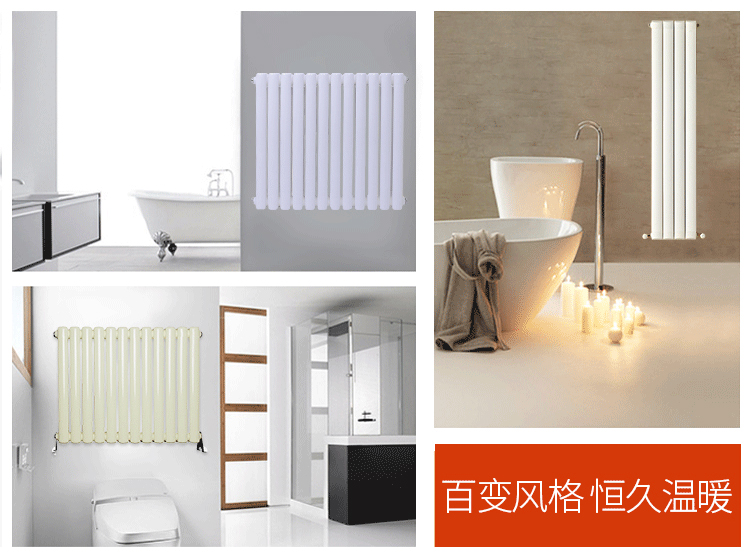
Copper-aluminum composite panel radiators are made by bonding copper tubes with aluminum profiles, which are tightly sealed through high-pressure expansion by equipment. They feature a compact structure, attractive appearance, ease of cleaning, light weight, high pressure-bearing capacity, and excellent heat dissipation (radiative and convective), ensuring durability and suitability for all heating systems.