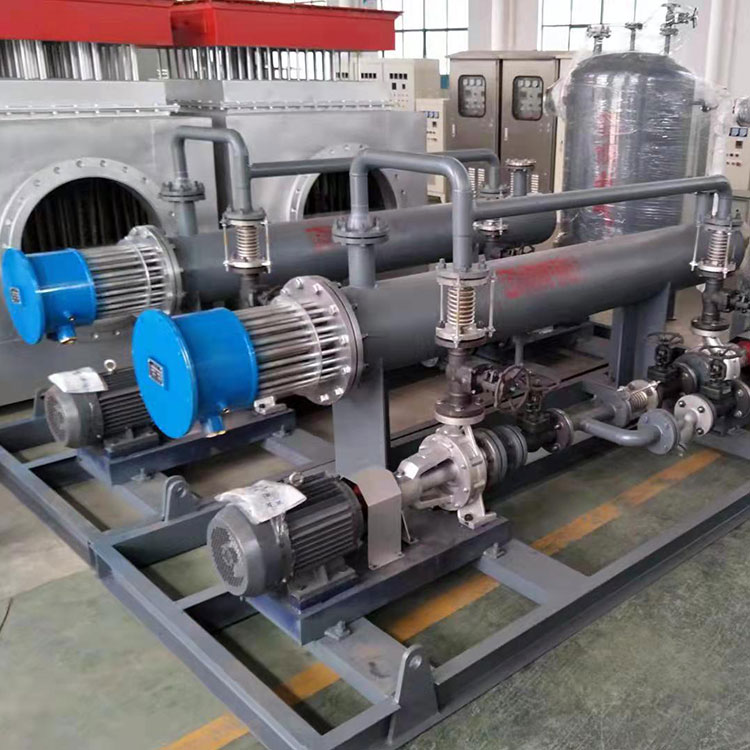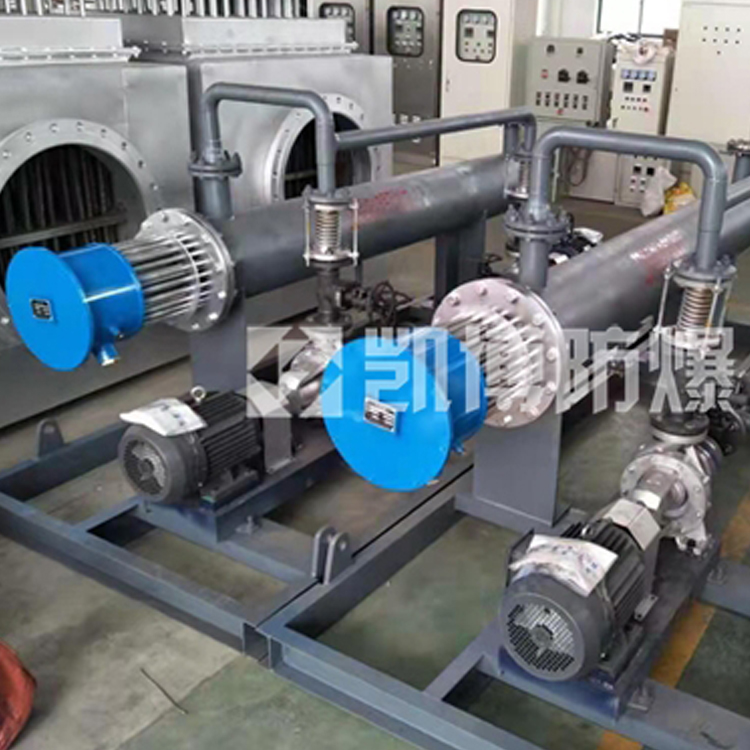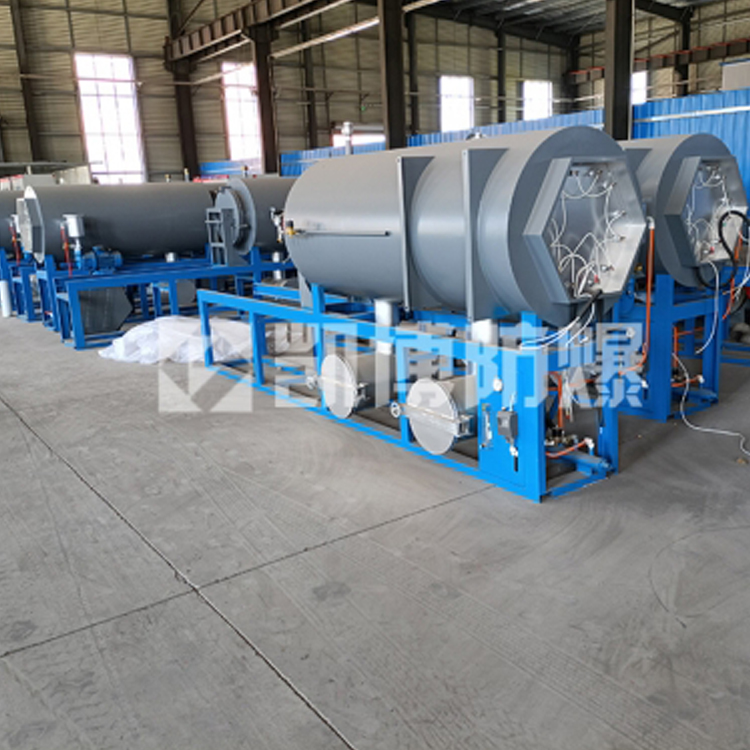

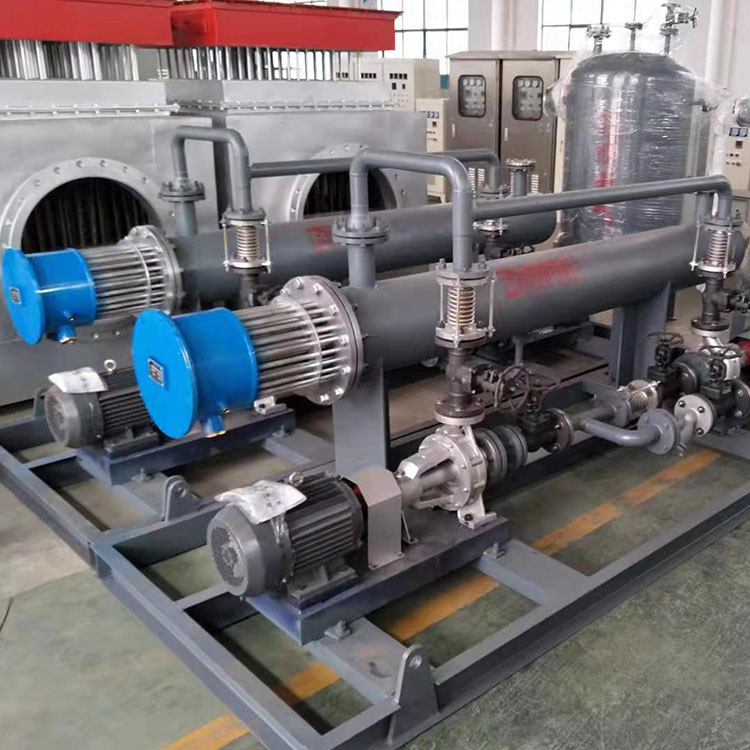


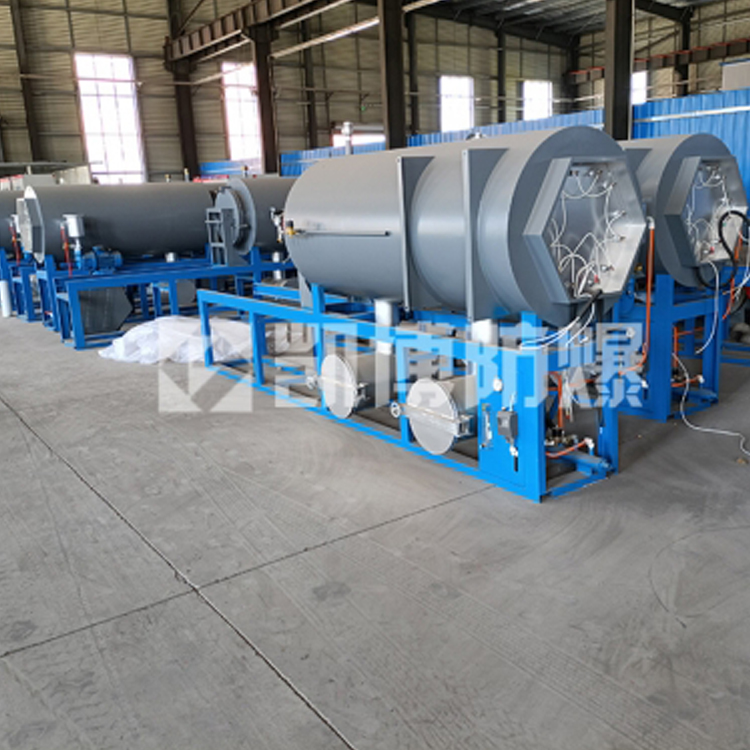


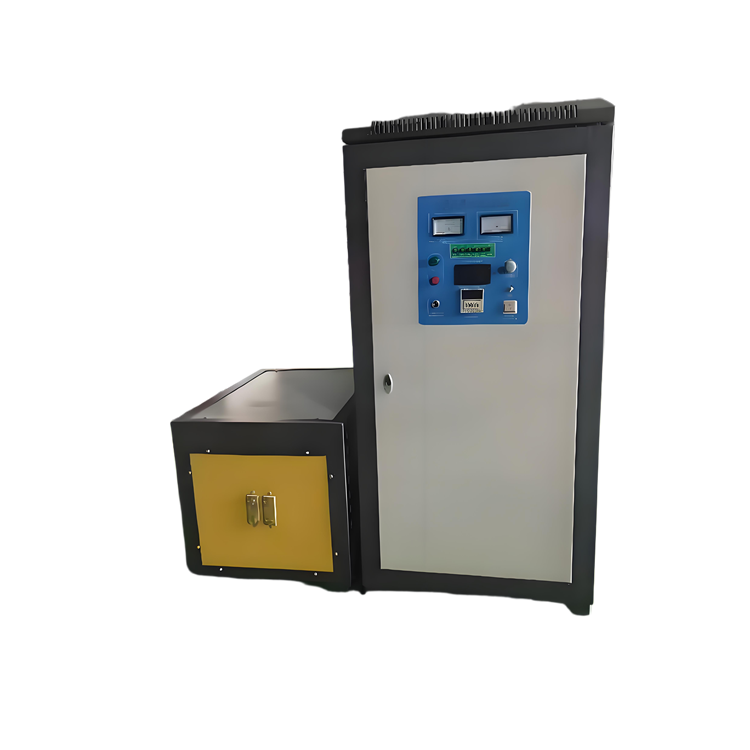





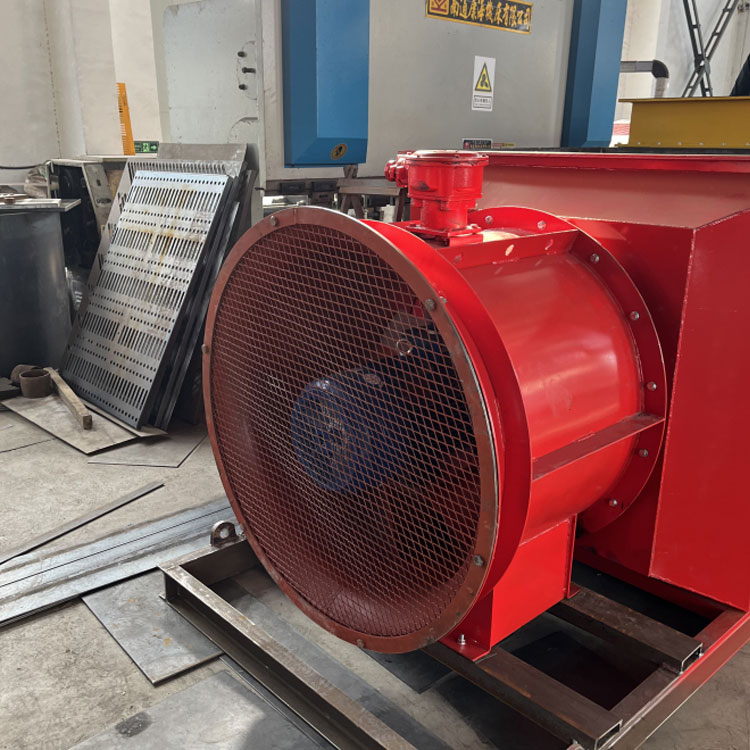
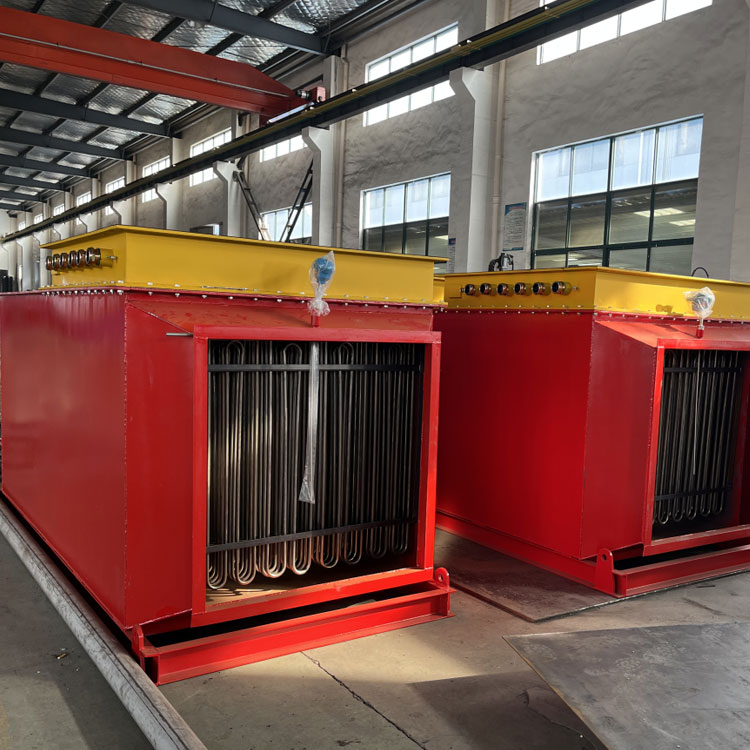
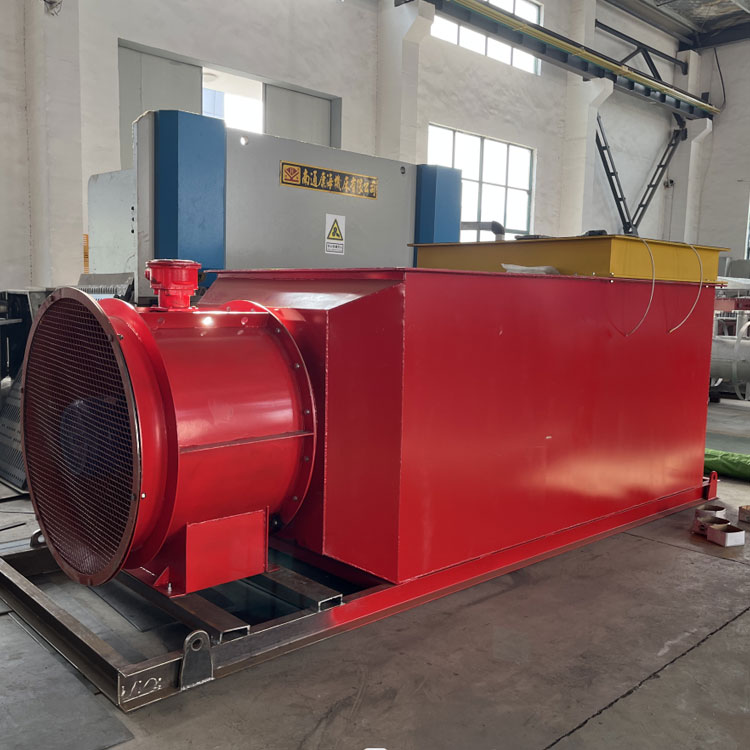

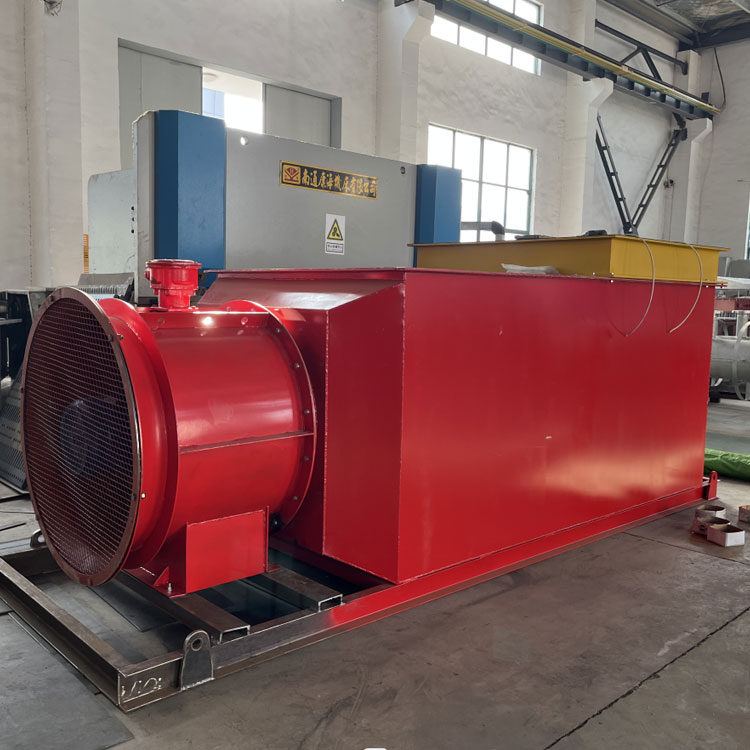


Thermal oil electric heaters use coal, heavy oil, light oil, combustible gases, and other combustible materials as fuel, with thermal oil as the heat carrier. They utilize a circulating oil pump to force liquid-phase circulation, transferring heat to the heating equipment and then returning to the direct current special industrial furnace for reheating. Thermal oil, also known as an organic heat carrier or heat transfer oil, has a history of over fifty years in industrial heat exchange processes. Organic heat carrier boilers are a new type of special boiler that uses thermal conductive fluid as the heating medium, featuring low-pressure and high-temperature operation characteristics. With the development of industrial production and the advancement of science and technology, organic heat carrier boilers have continued to evolve and gain application. Although the working pressure of organic heat carrier boilers is relatively low, the temperature of the heat-conducting fluid inside is high and most of them are flammable and explosive. A leak during operation can cause fires, explosions, and even injuries and property loss. Therefore, great emphasis must be placed on the safe operation and management of organic heat carrier boilers. Thermal oil electric heaters are a new type of special industrial furnace that is safe, energy-efficient, operates at low pressure (at atmospheric pressure or lower), and can provide high-temperature heat energy. They use thermal oil as the heat carrier, circulating it through a thermal oil pump to transfer heat to the heating equipment.