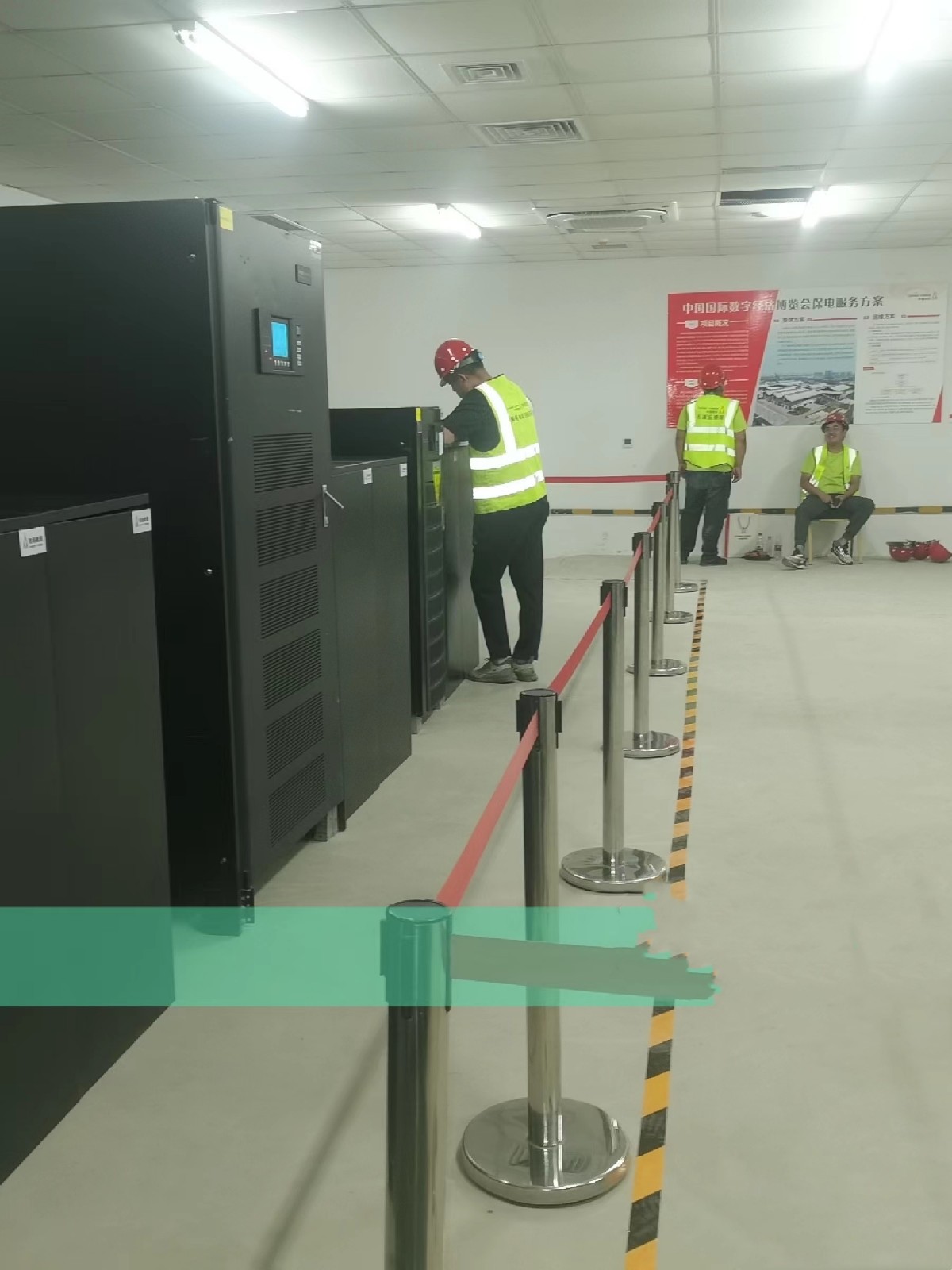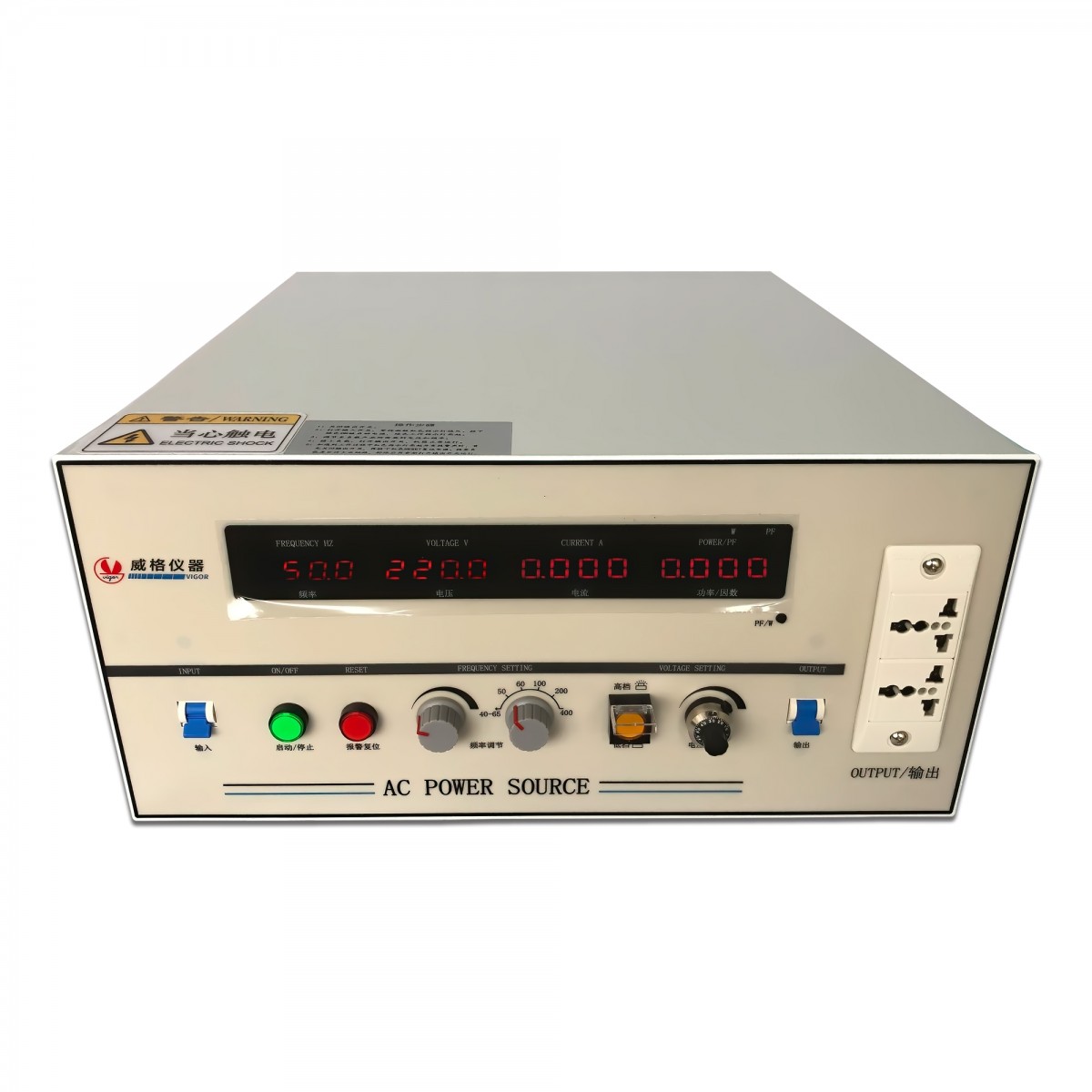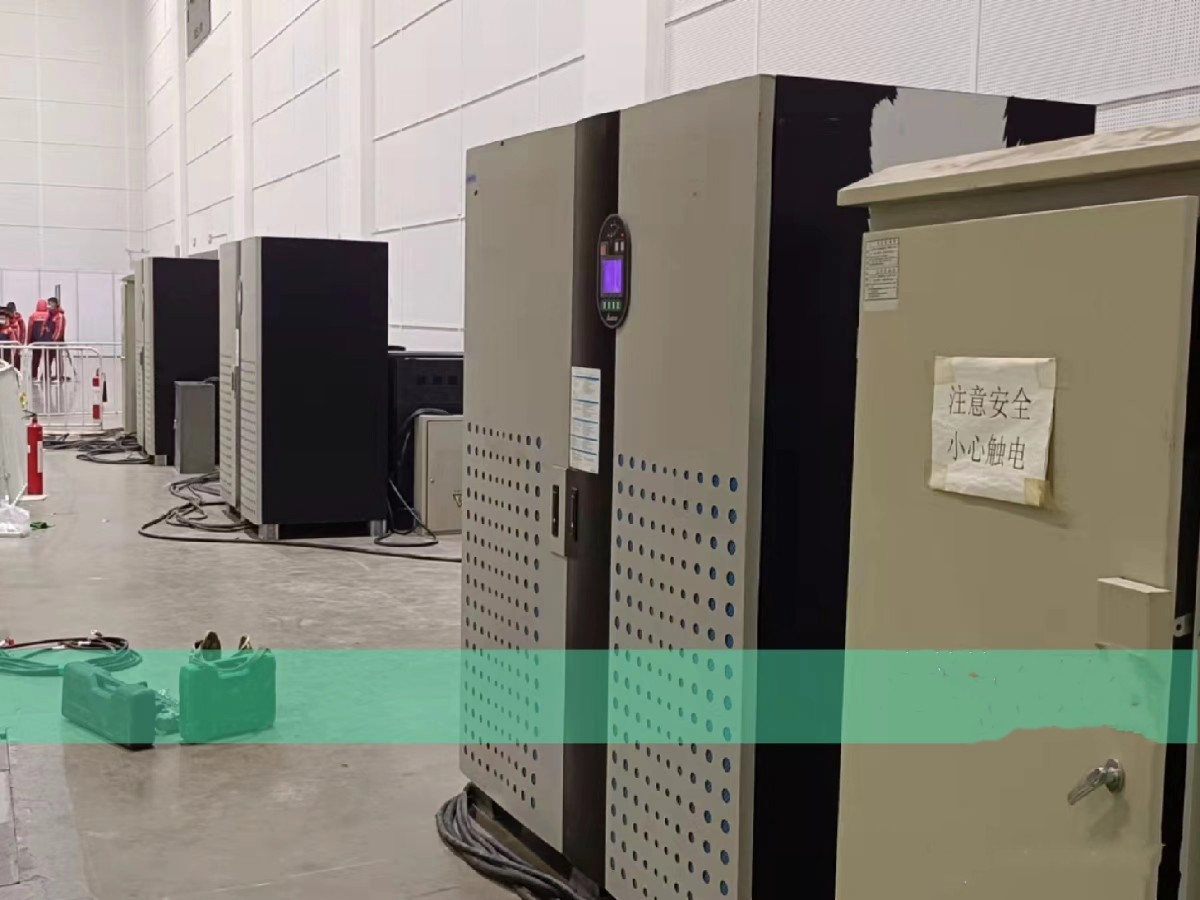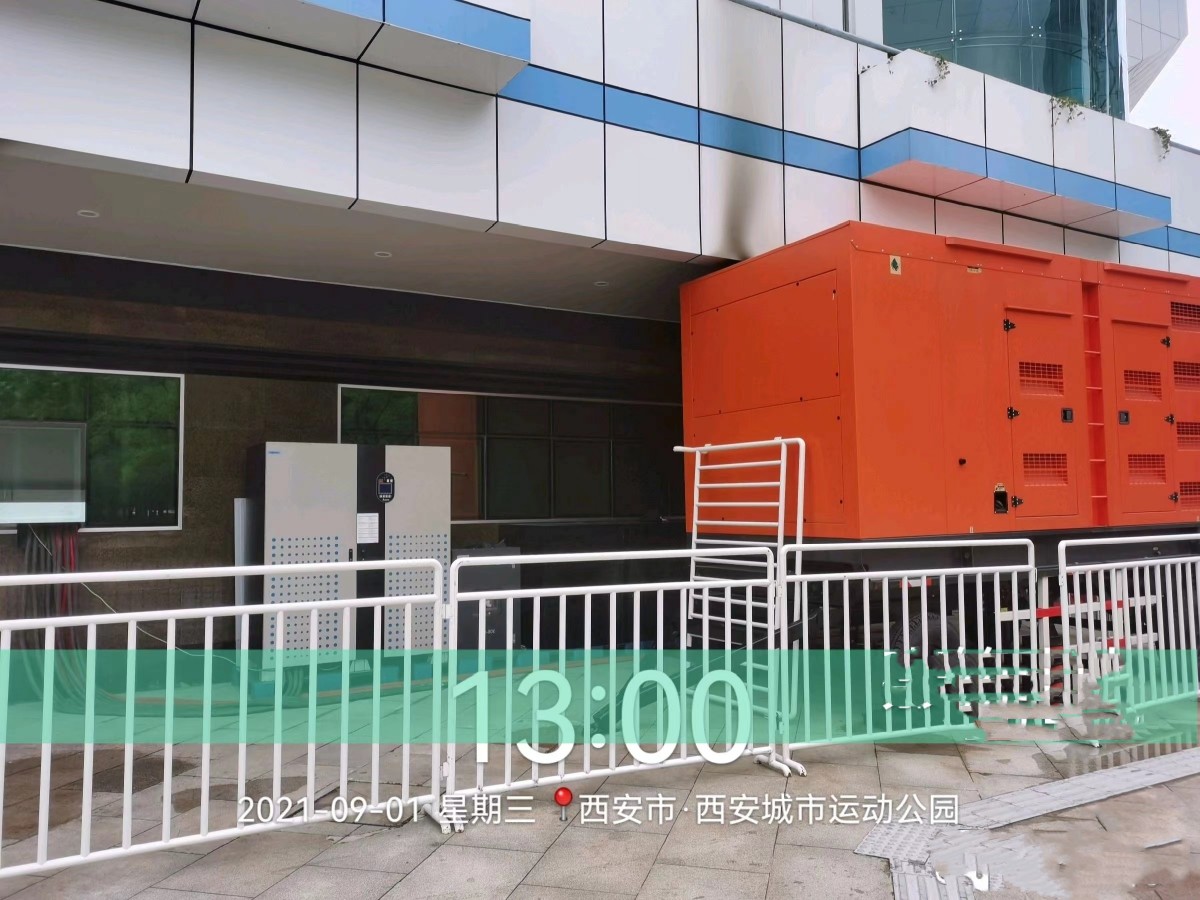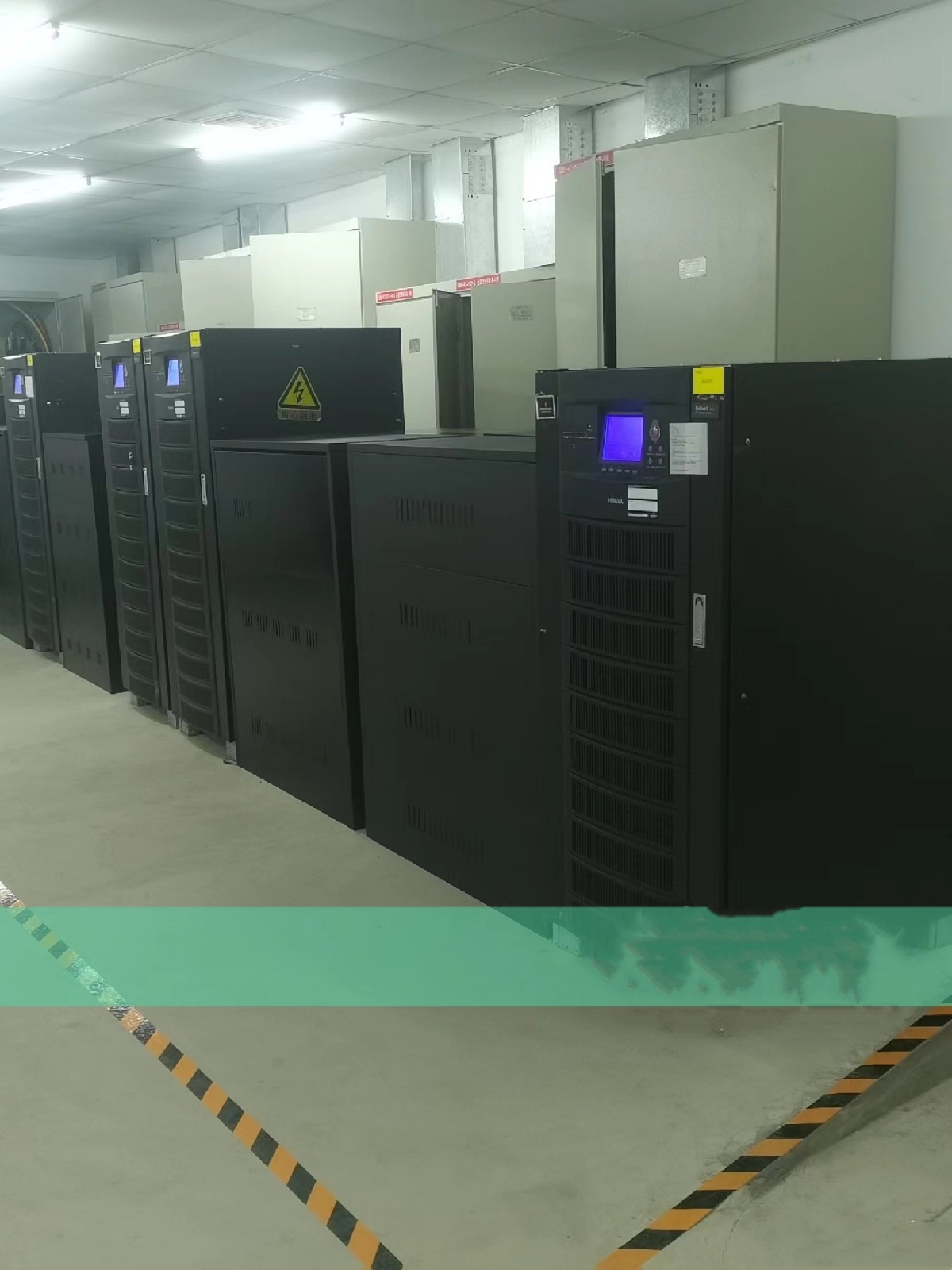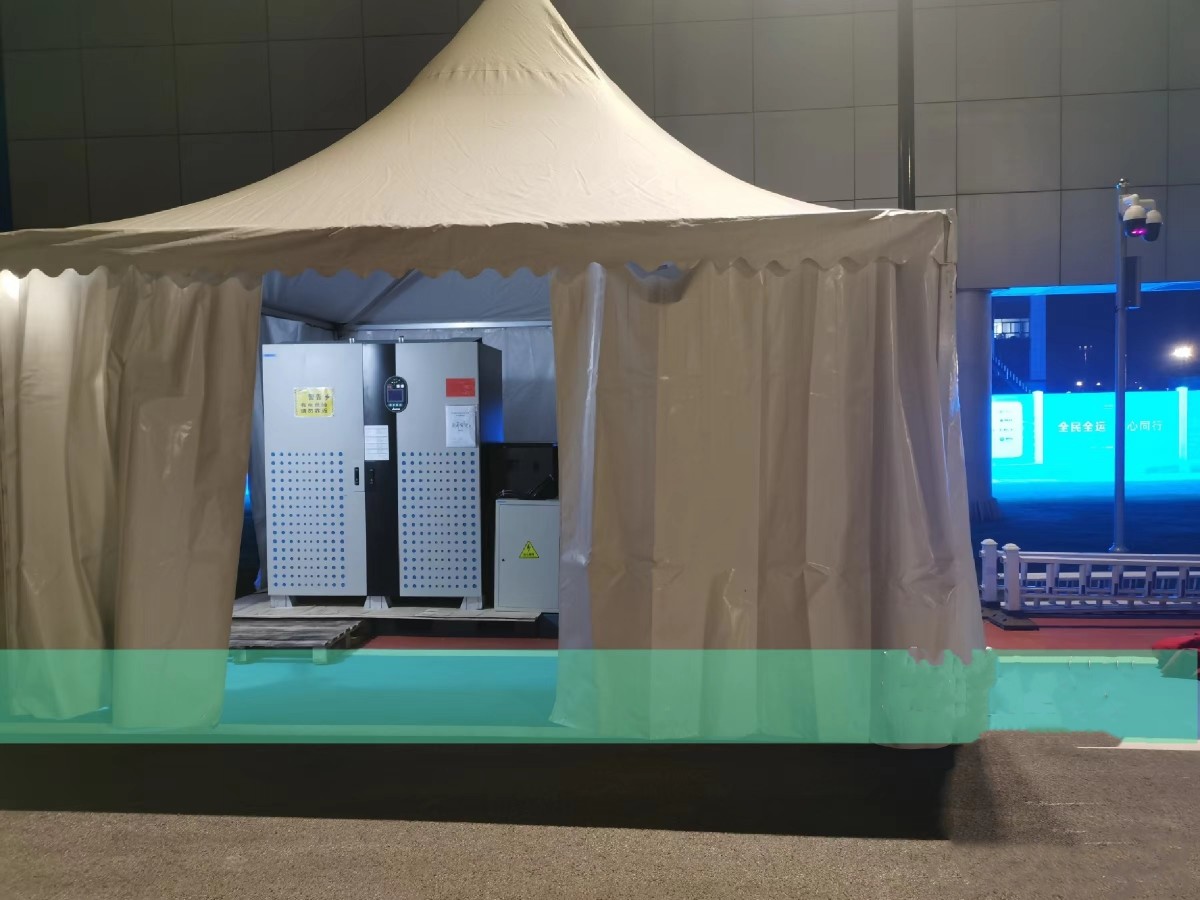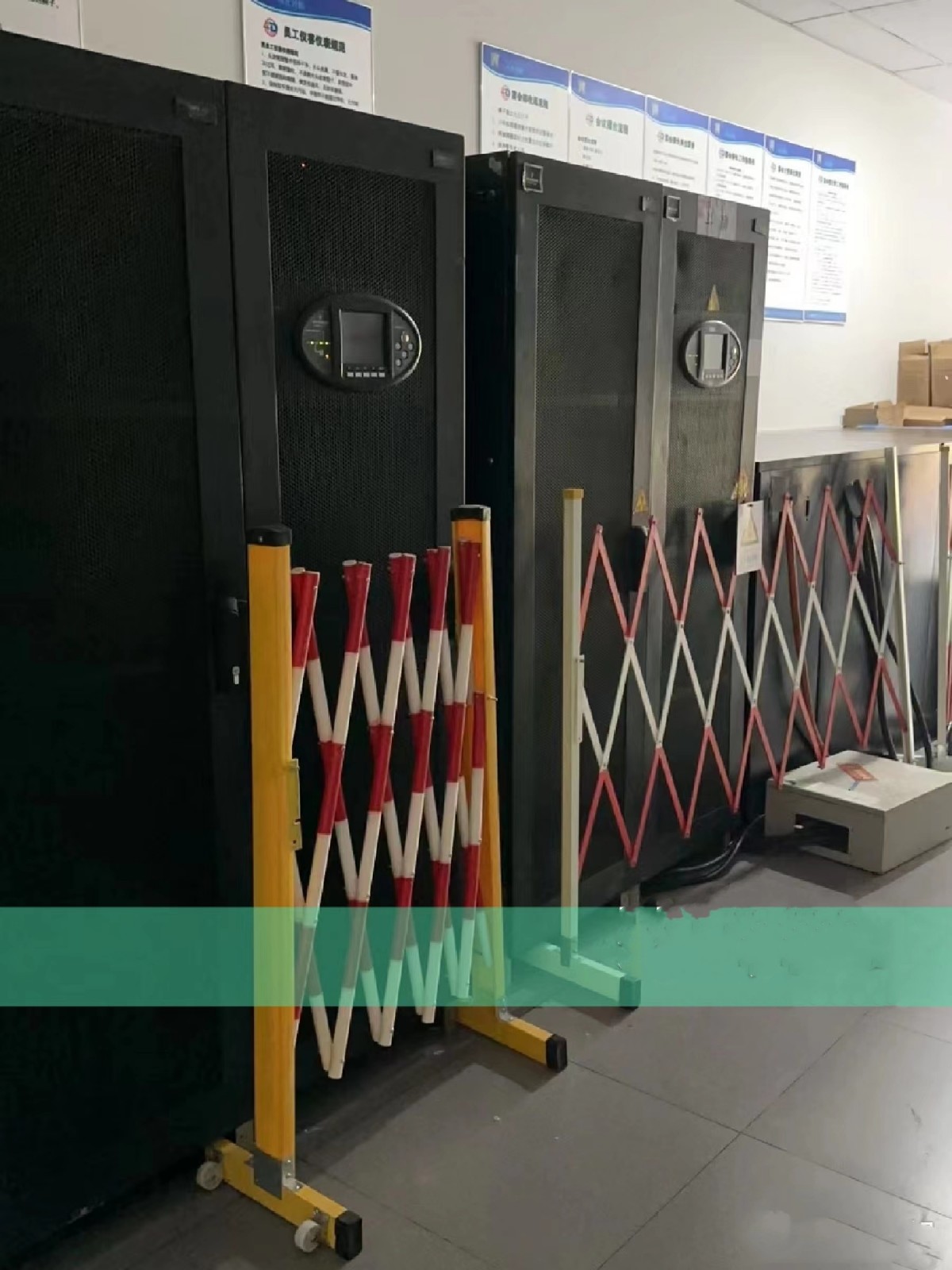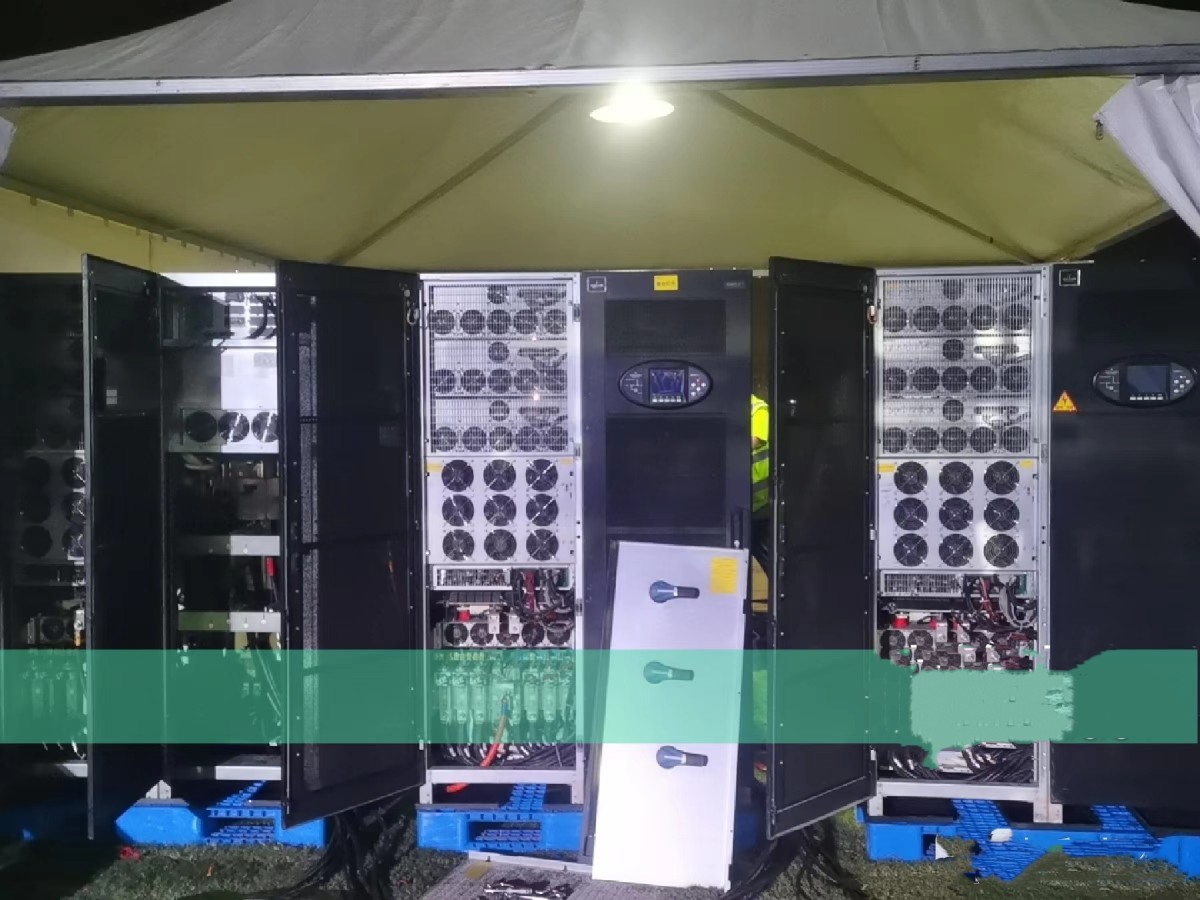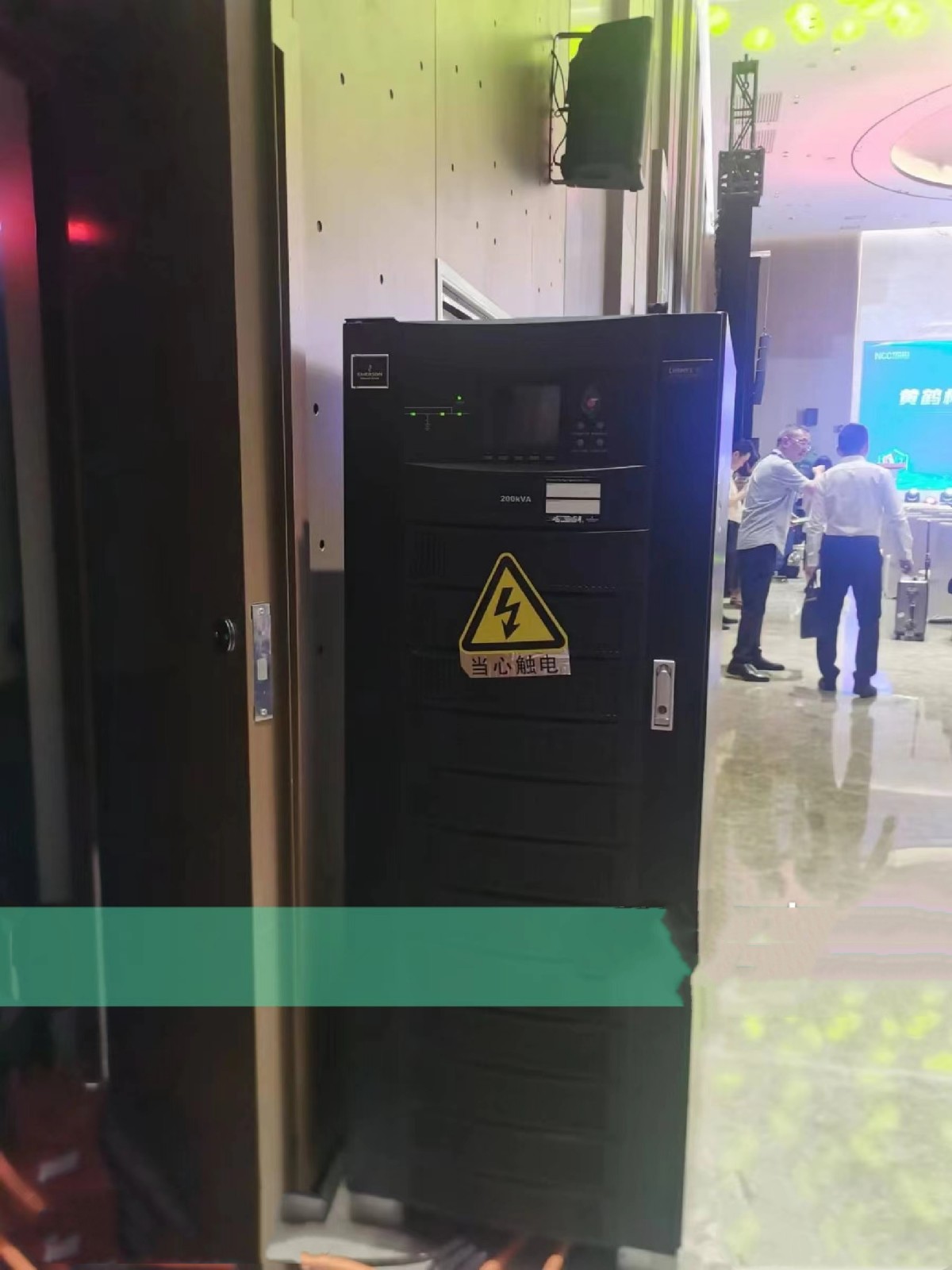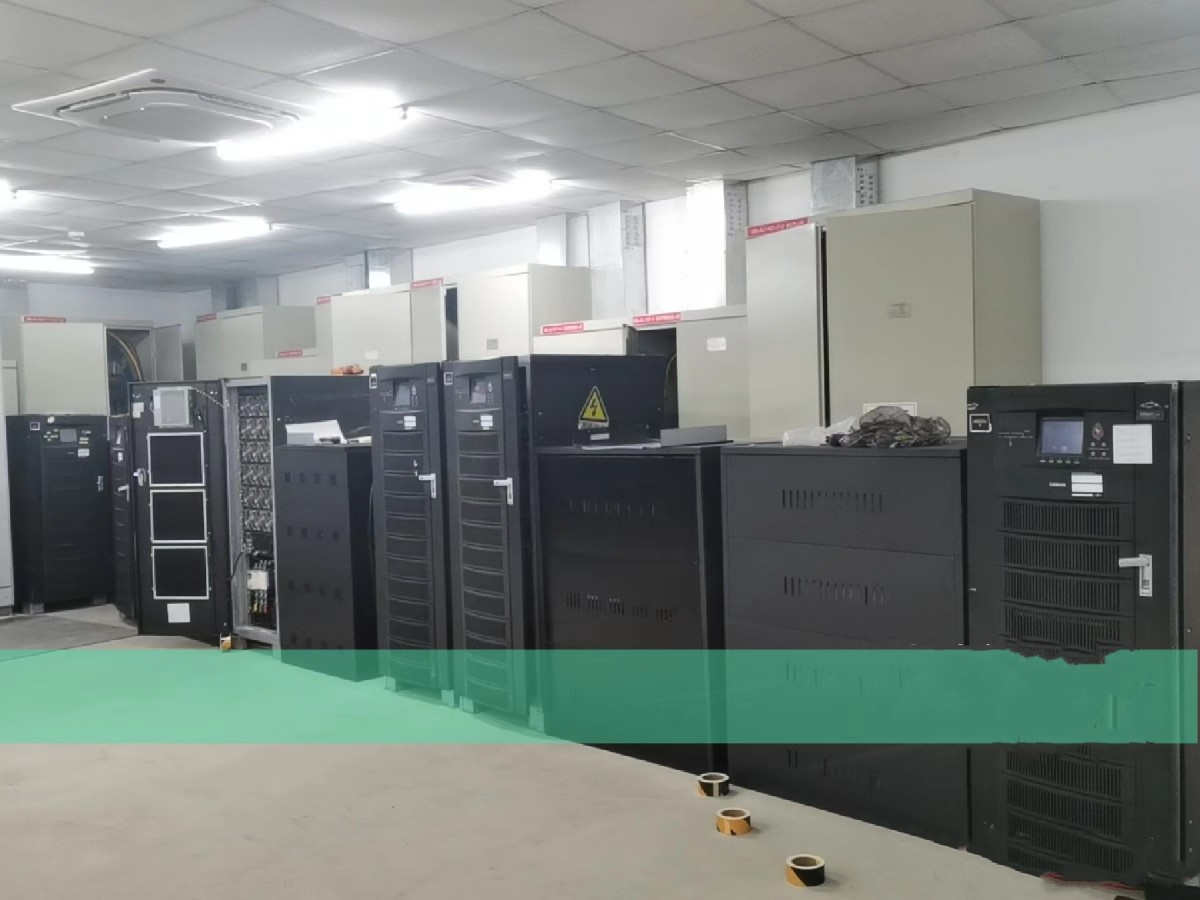

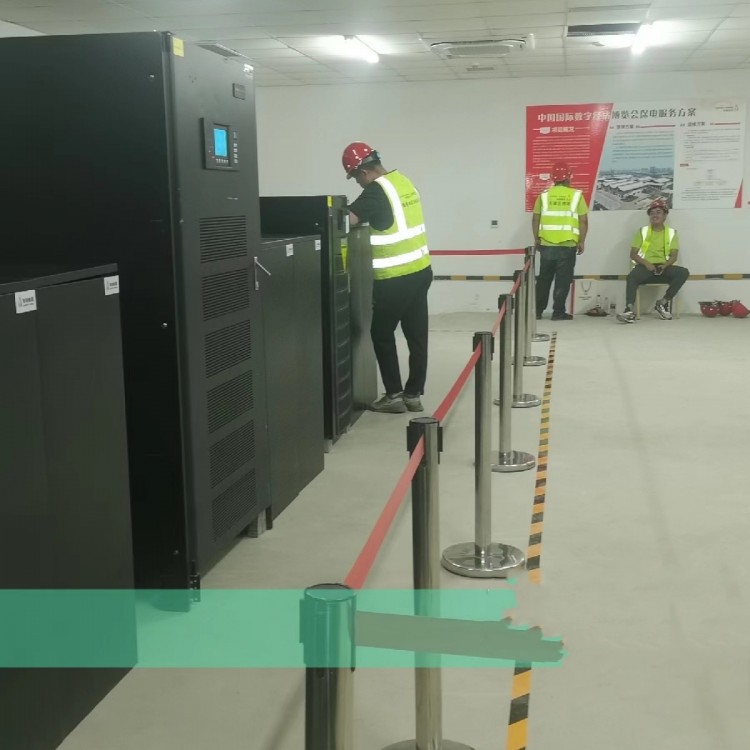



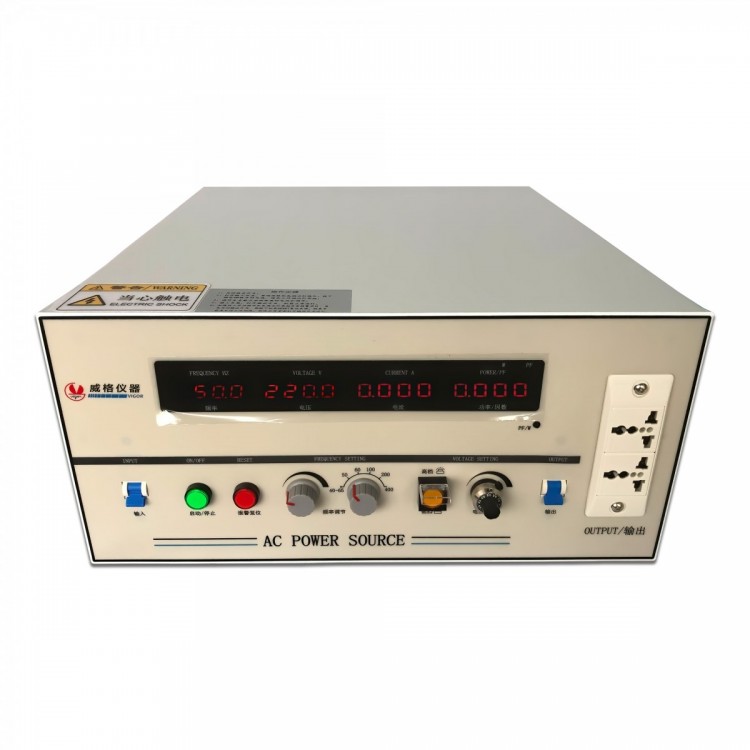


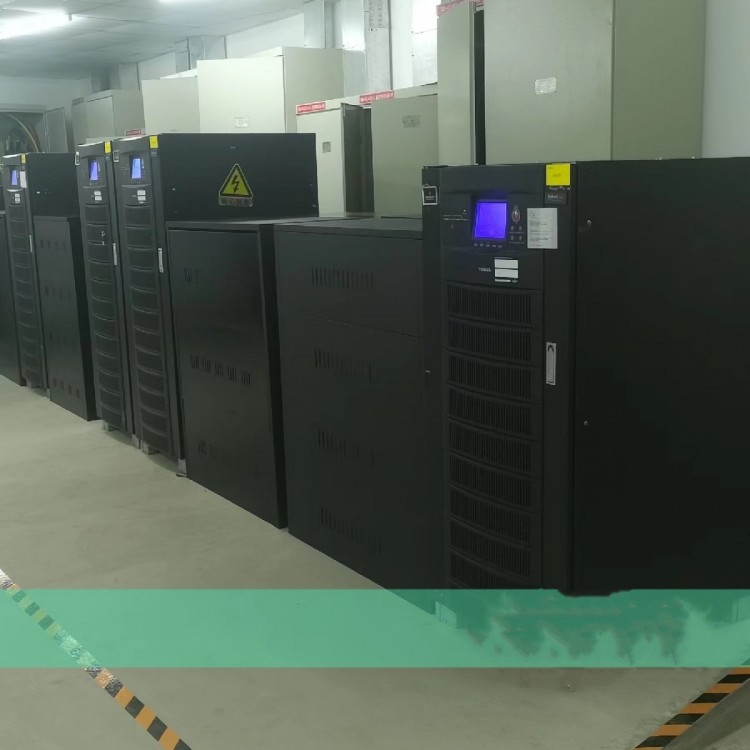
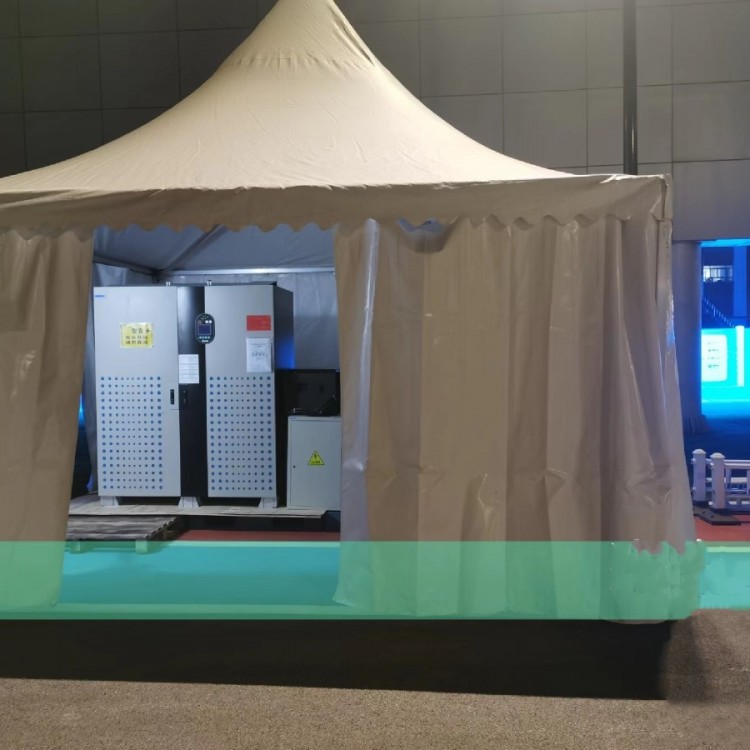





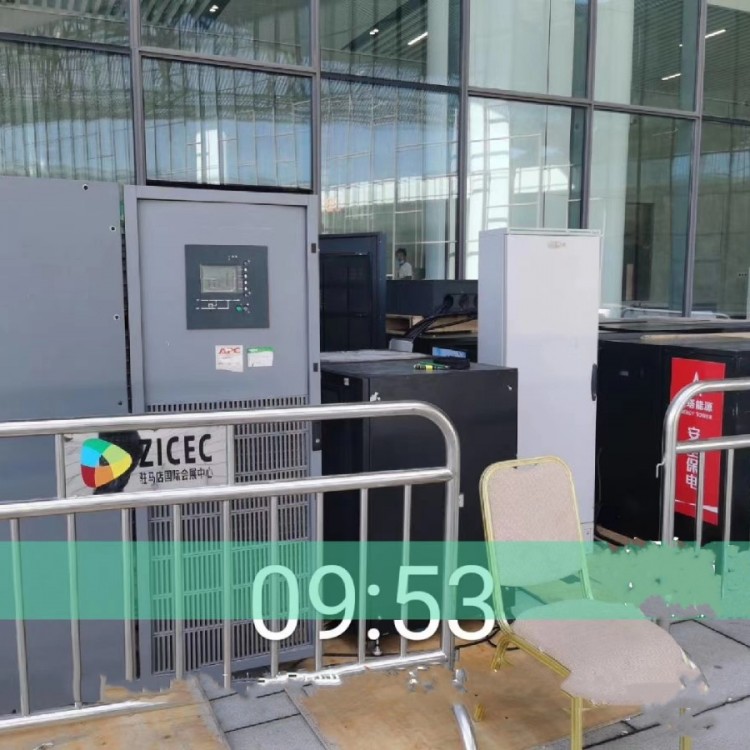
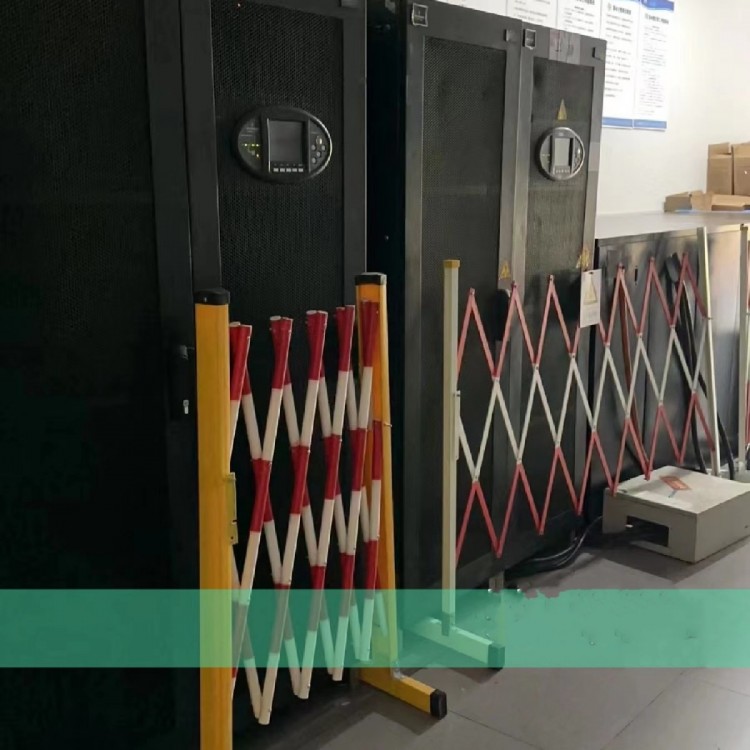
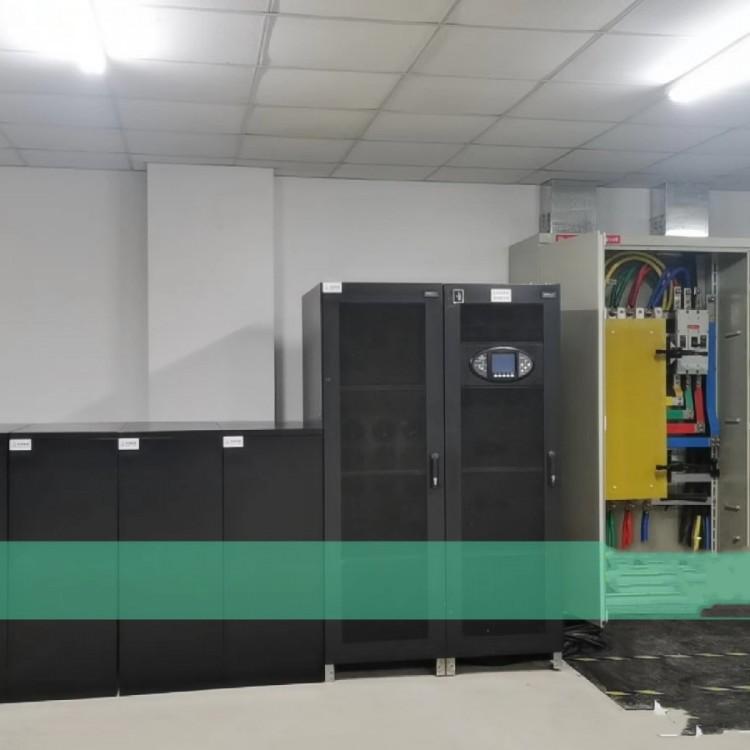
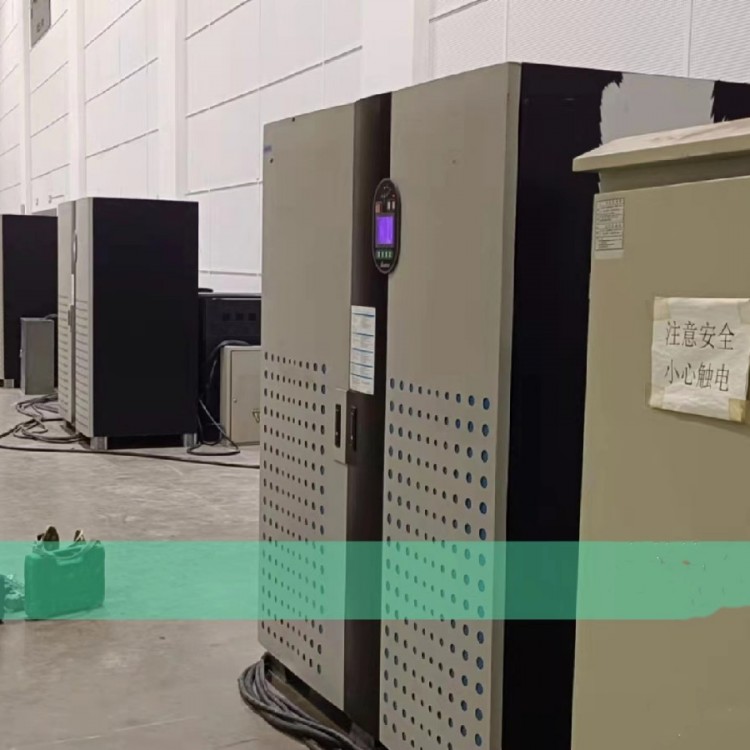
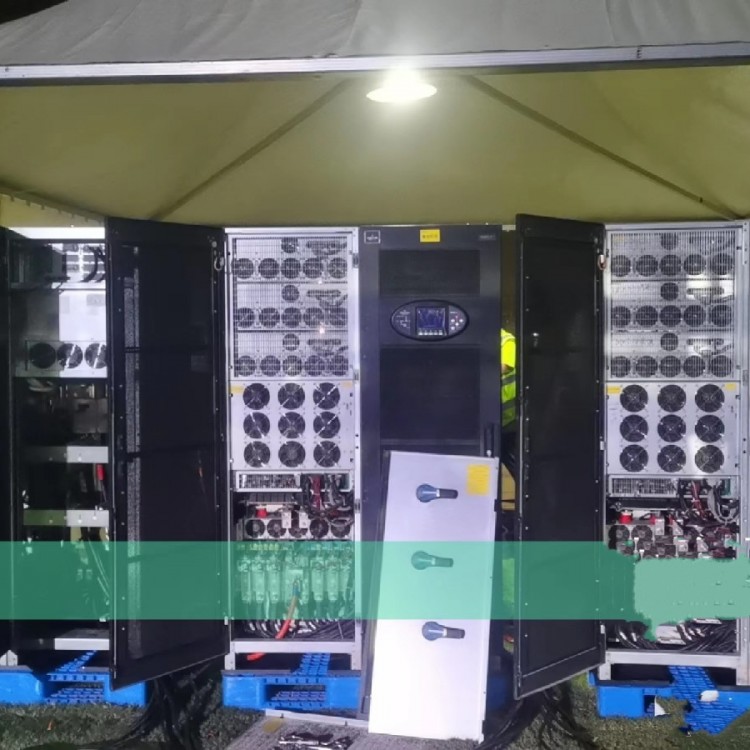
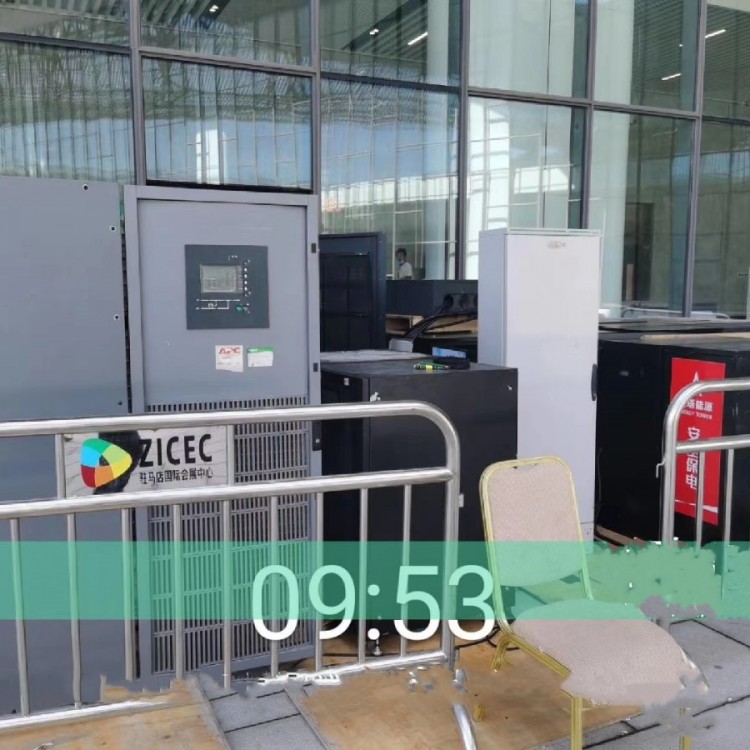
Jiaming Power UPS Battery Rental, battery configuration schemes for most UPS power sources on the market use "W" (watts) to denote capacity for smaller units; over 1 kilowatt-hour, "VA" (volt-ampere) is used, with "W" and "VA" values having different meanings. This requires us to differentiate the specific situations when selecting a UPS. Generally speaking, small capacity UPS units under 1 kilowatt typically use "W" to indicate capacity, while UPS units ranging from 1KVA to 500KVA are denoted by "VA" rather than "W" for capacity.
How to operate the UPS power supply:
1. Mains power connected to the UPS.
Plug the computer tower and monitor power cords into the UPS black output socket.
Not enough outlets? Just plug in an extension cord.
3. Turn on the UPS power switch for full automatic voltage regulation.
Green light is on when the city power is normal. (UPS is off, as long as city power is connected, the green light blinks automatically to charge.)
The battery mode yellow LED indicator is on.
When the mains power is abnormal, the red LED indicator lights up and an alarm sound is emitted.
4. Power on the UPS first, followed by the computer to avoid starting with a load.
5. Turn off the computer first, then the UPS power supply.
Battery inspection should include checking for severe electrolyte loss and irreversible sulfation of the plates. Irreversible sulfation of the plates can be determined by measuring the change in terminal voltage during charge-discharge cycles; the voltage of lead-acid batteries rises rapidly, with some individual cell voltages particularly high, significantly exceeding normal values; and the voltage drops rapidly during discharge. If the battery does not hold charge or holds very little, these conditions may indicate irreversible sulfation. For fault checking and treatment, first ensure a secure connection of the charging circuit, replace any malfunctioning chargers, and perform maintenance charging and discharging to restore battery capacity. If irreversible sulfation is found, perform an equalizing charge to recover capacity. For batteries that have been re-filled with electrolyte, maintenance charging should be conducted at a controlled high current of 18A for 10-15 hours.
Generally speaking, when selecting the capacity for UPS, the following factors should be considered:
Actual Load Condition: P = ∑Pi/f
The actual load capacity P can be obtained by dividing the sum of all actual loads, ∑Pi, by the power factor f, where f ranges from 0.6 to 0.8.
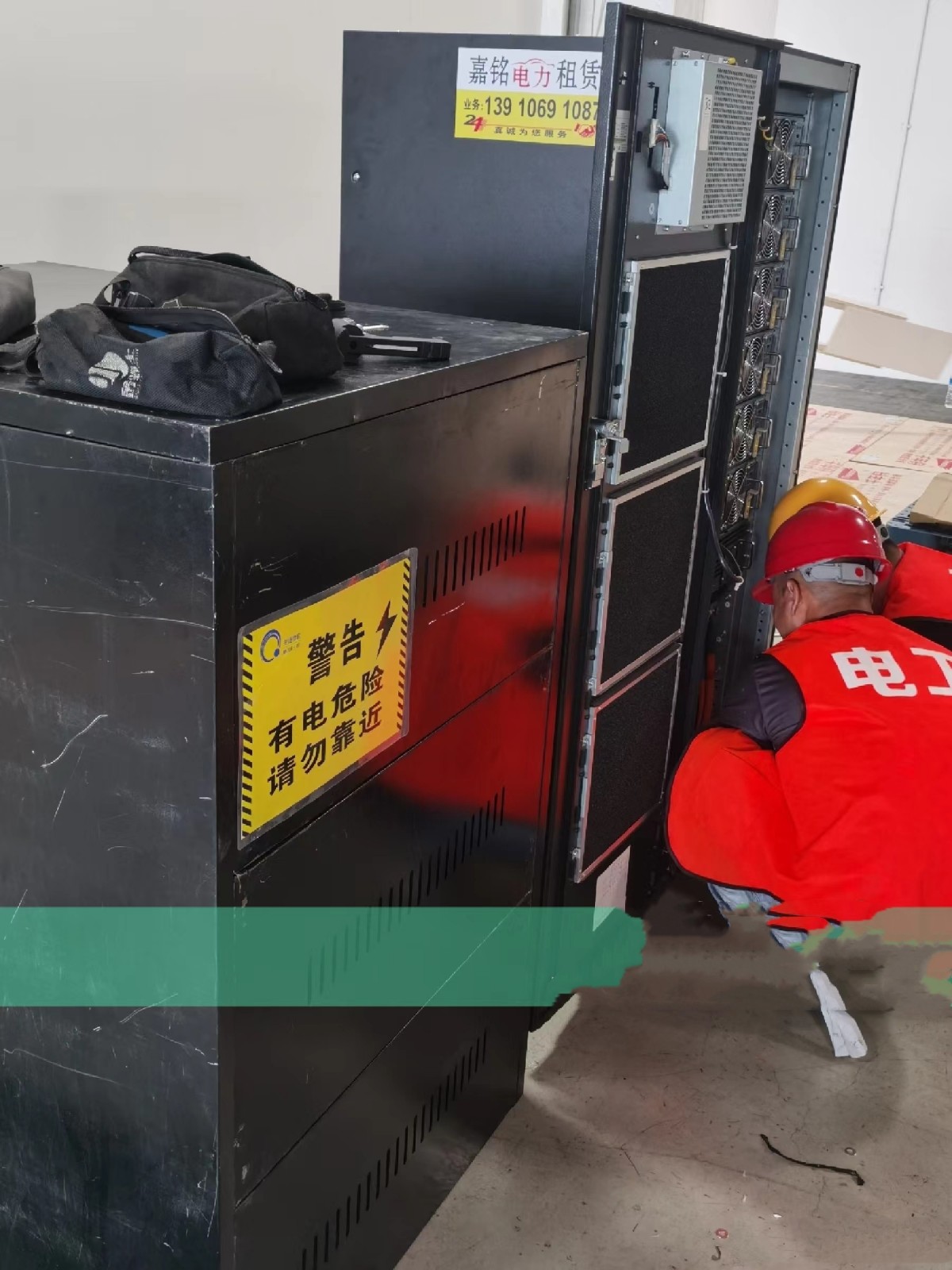
UPS Battery Power Supply Duration Calculation
Battery runtime is primarily affected by load size, battery capacity, environmental temperature, and battery discharge cut-off voltage. Generally calculated...
UPS battery runtime, you can calculate the battery discharge current, and then check the discharge time from the battery discharge curve. Battery discharge current,
The flow can be calculated using the following empirical formula:
Discharge Current = UPS Capacity (VA) × Power Factor / Average Battery Discharge Voltage × Efficiency
To calculate the actual load discharge time, simply replace the UPS capacity with the actual load capacity.