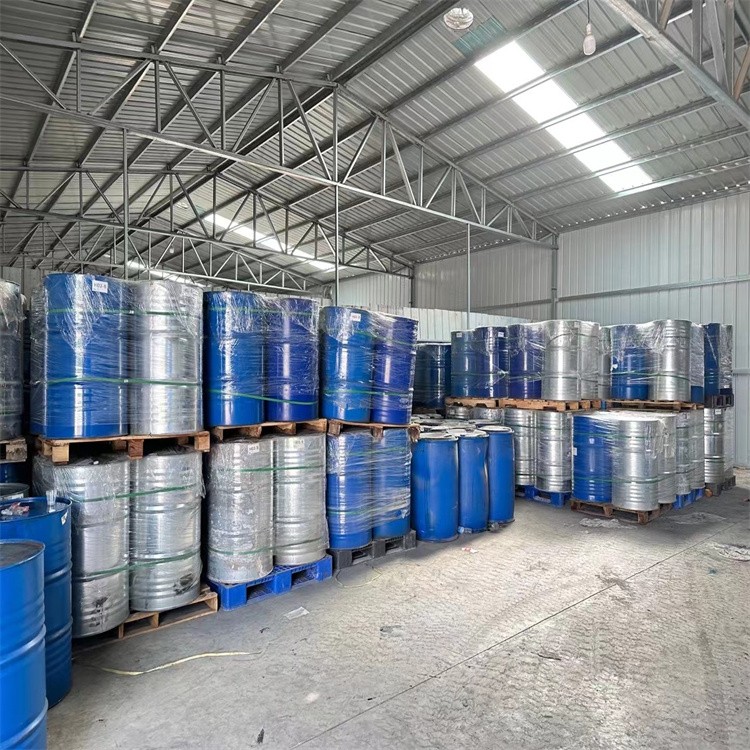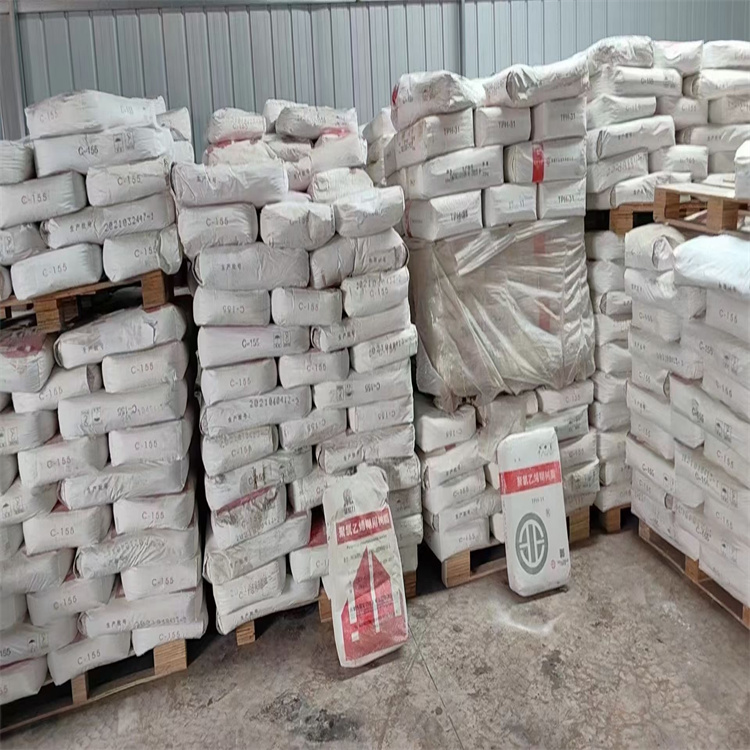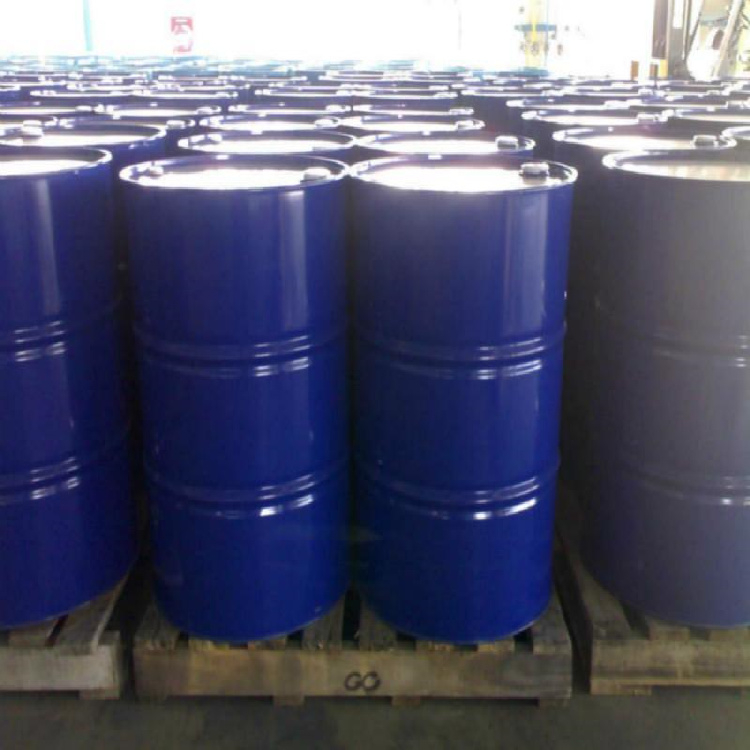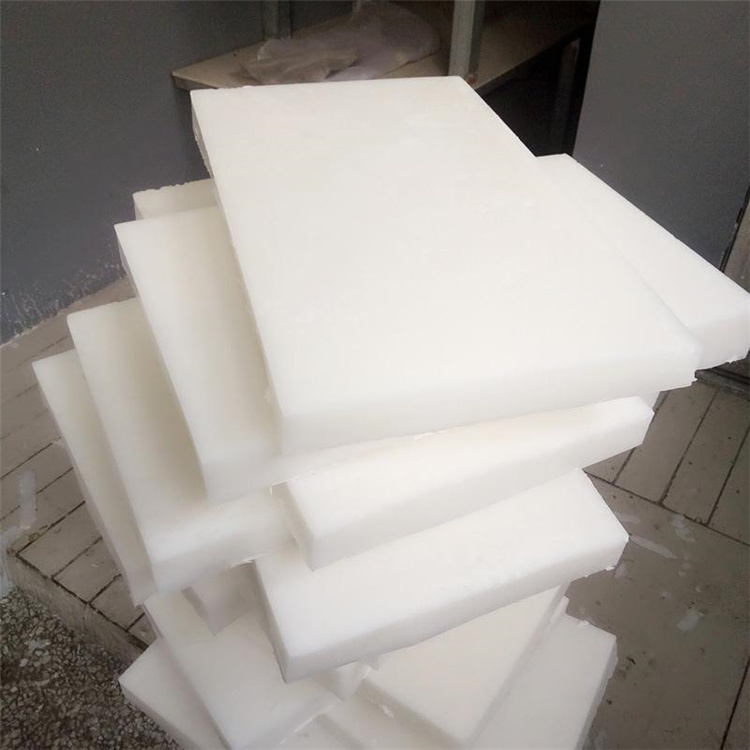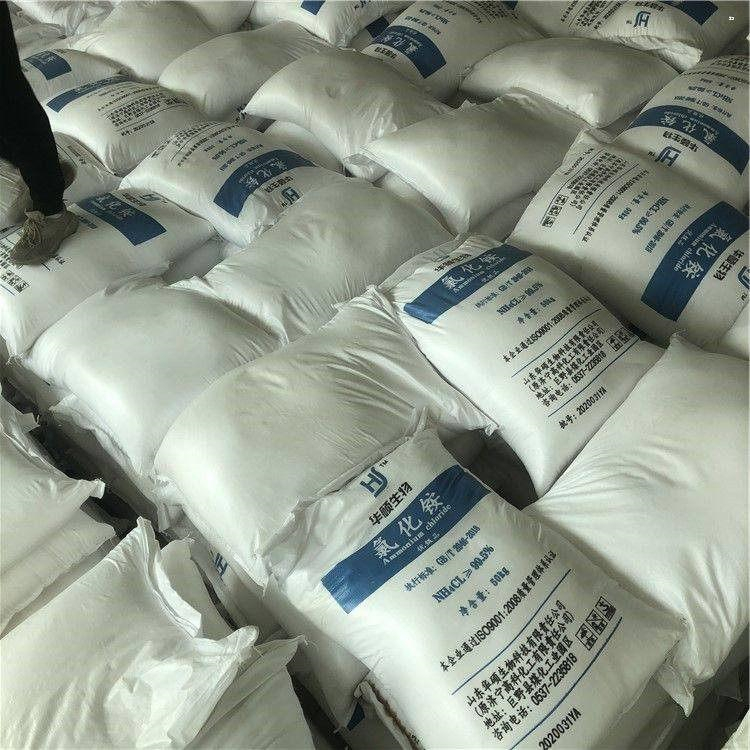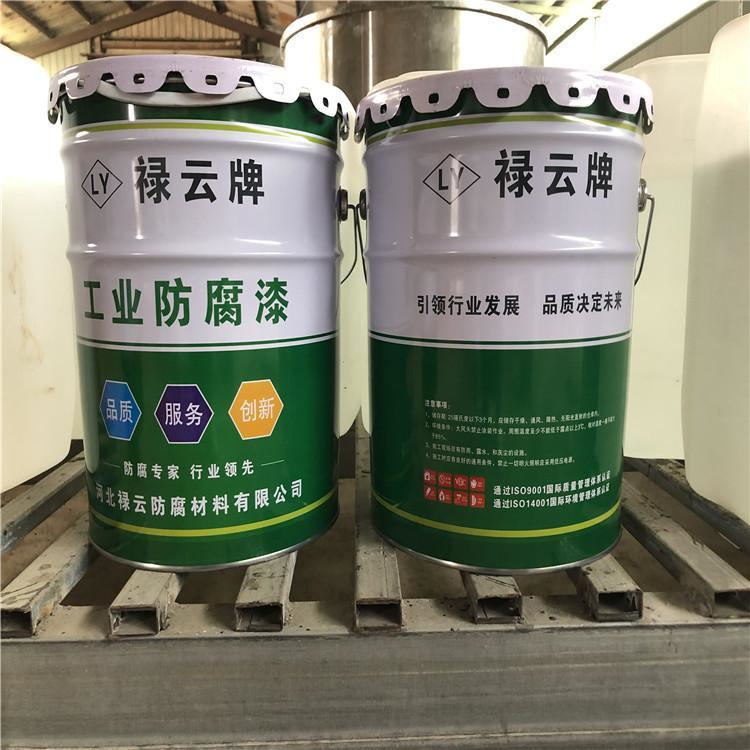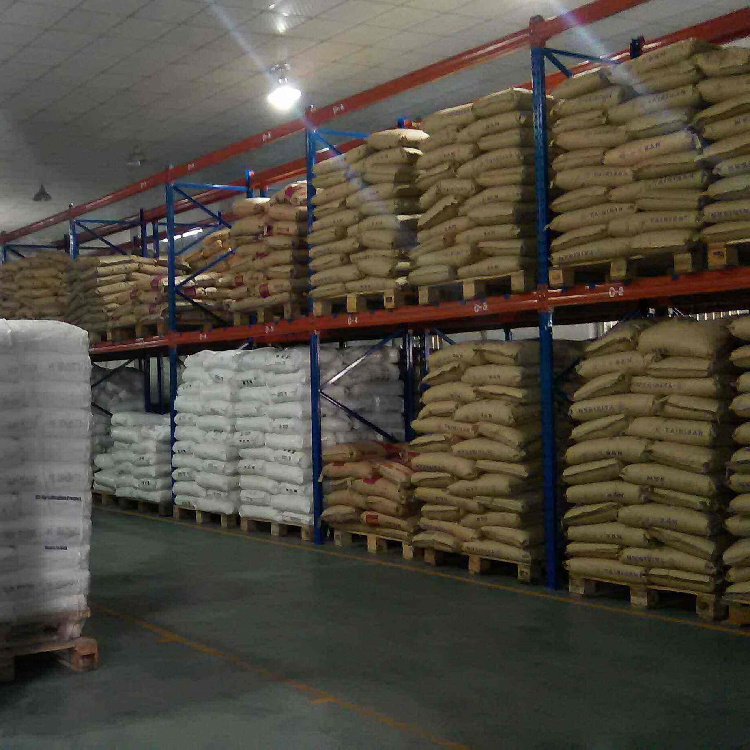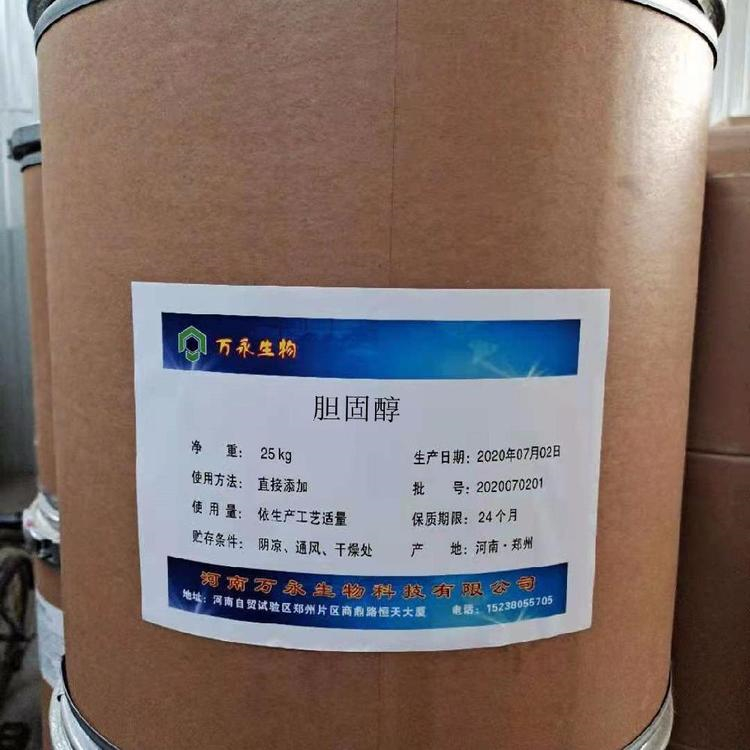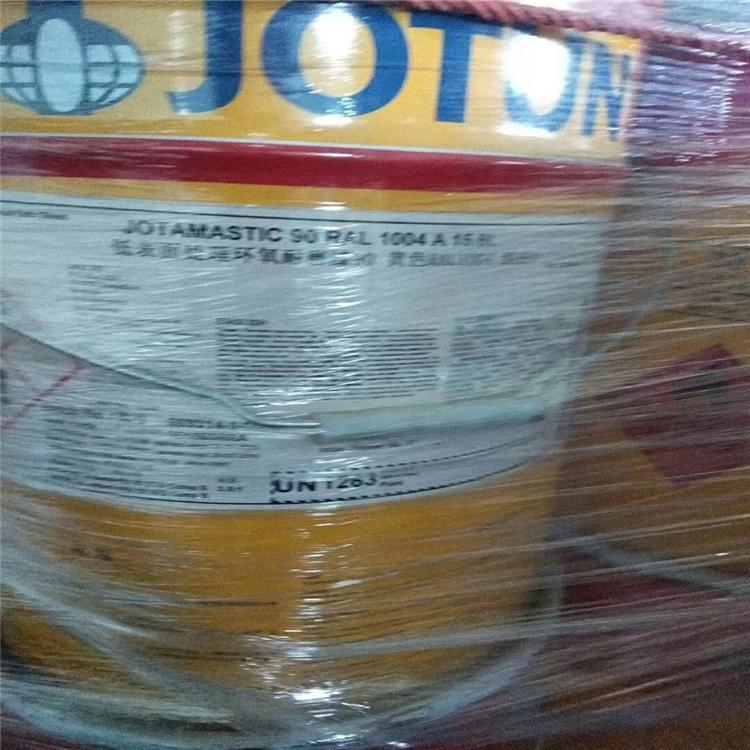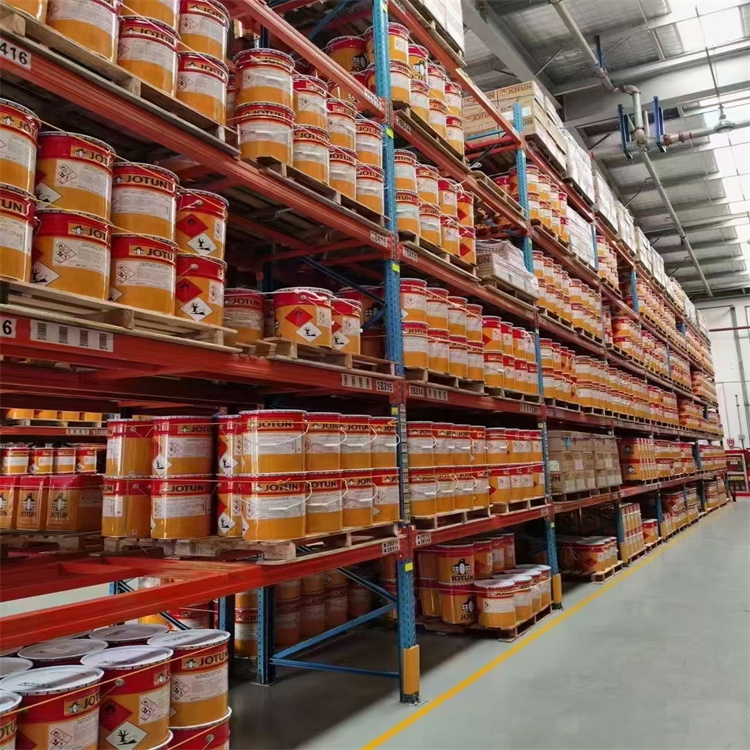

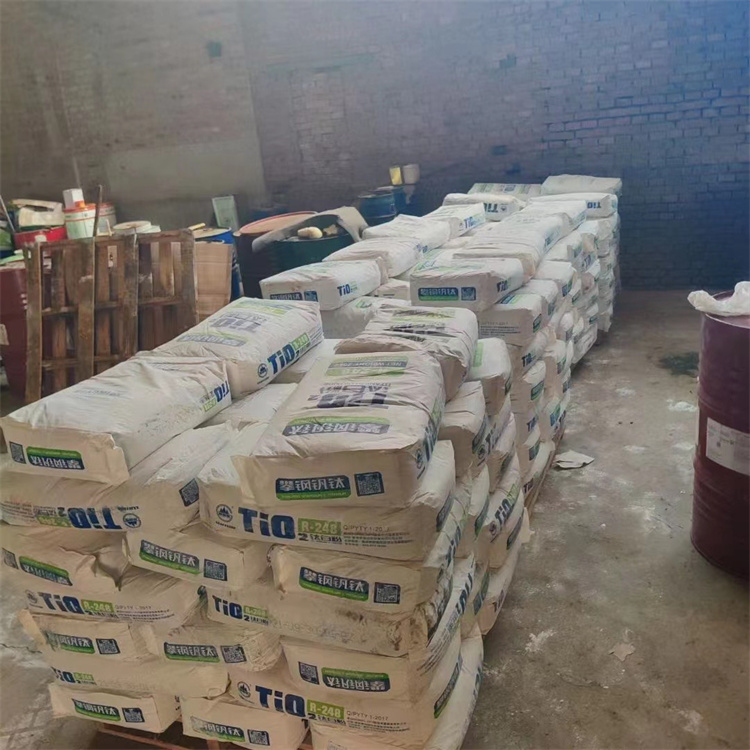

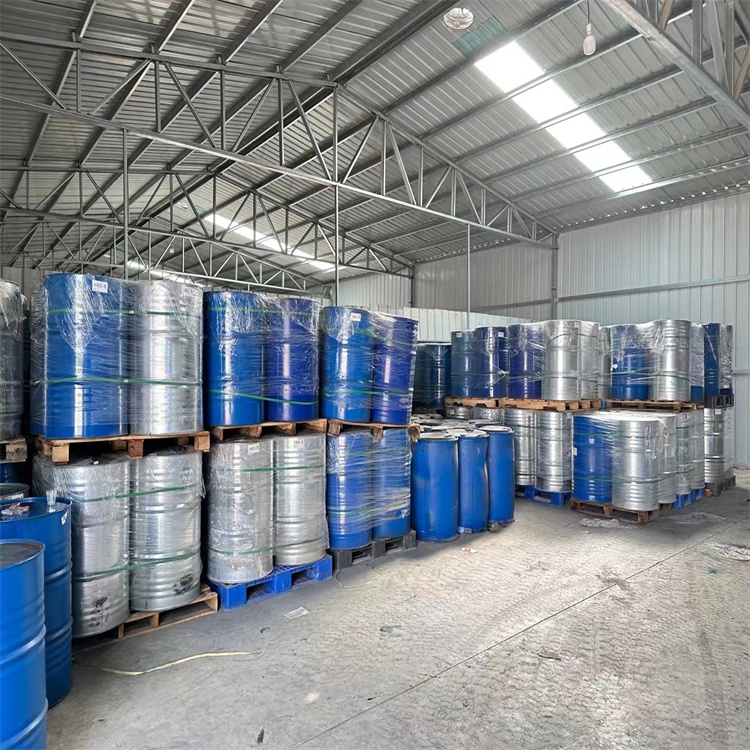











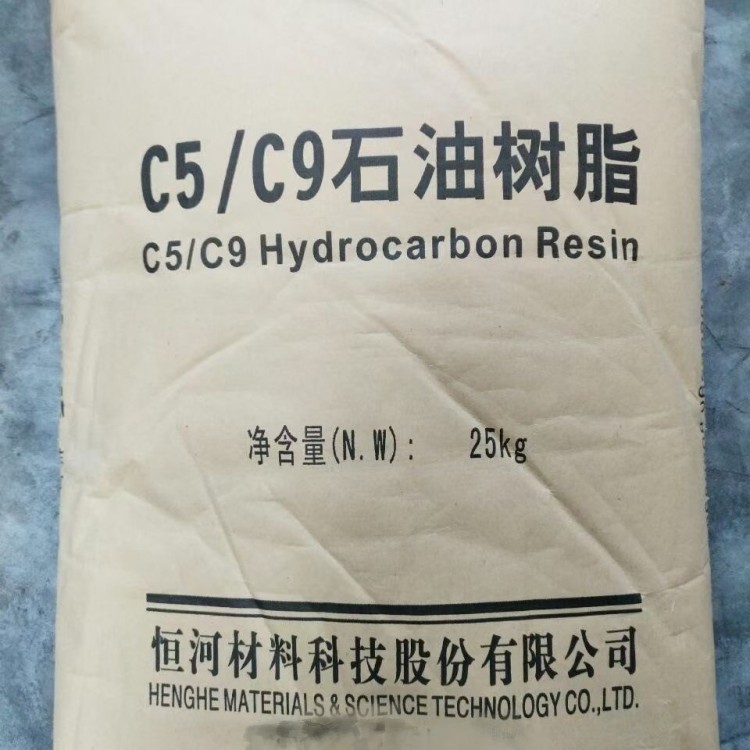

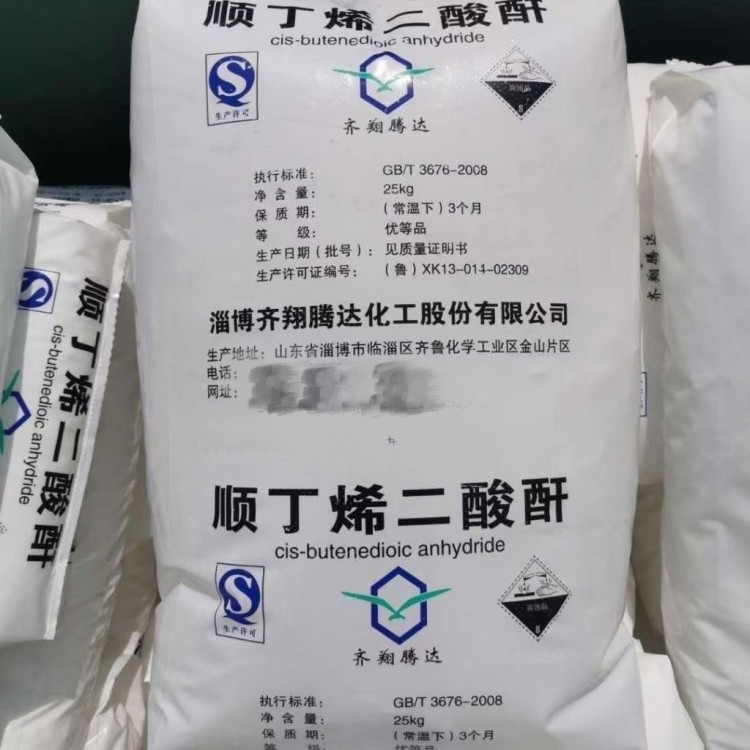

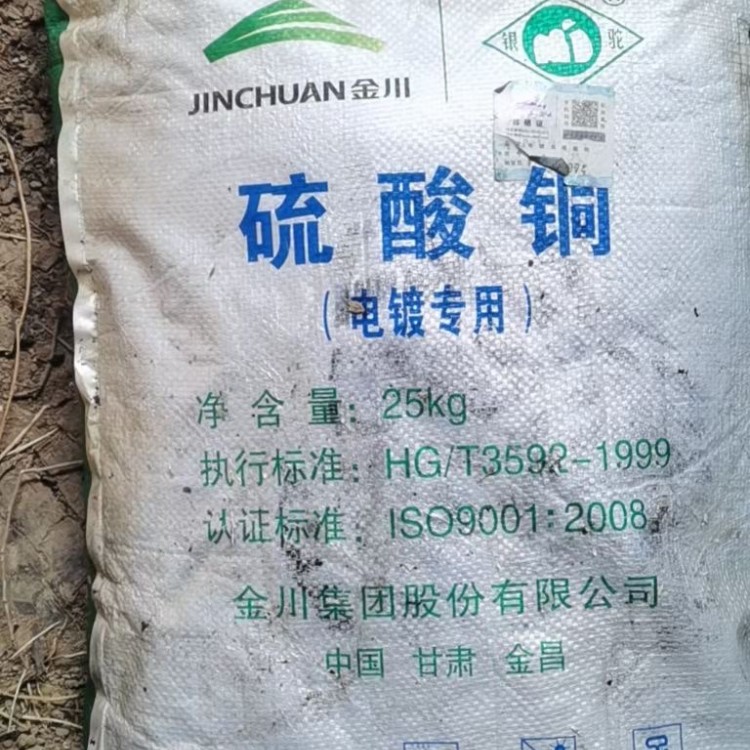
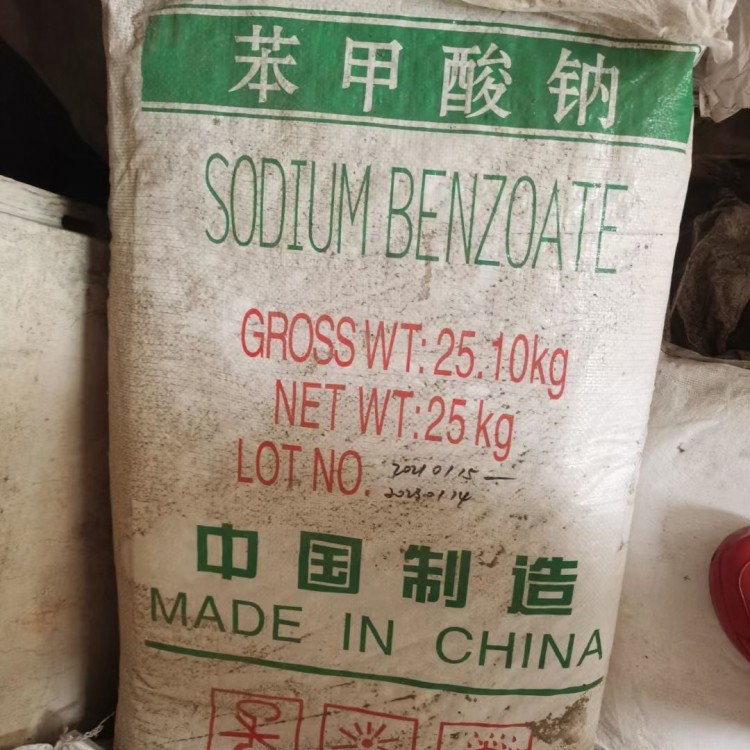
Chemical additive recovery refers to the process of reclaiming and reusing additives used in chemical production. Chemical additives are substances added during the chemical production process to improve product performance, enhance production efficiency, or reduce production costs. Common chemical additives include solvents, catalysts, stabilizers, and preservatives.
The purpose of chemical auxiliary recovery is to reduce resource waste and environmental pollution. By recycling and reusing auxiliaries, production costs can be lowered, resource utilization efficiency improved, and waste generation and emissions reduced, thereby minimizing environmental impact.
Methods for recovering chemical additives include both physical and chemical approaches. Physical methods primarily involve distillation, extraction, and adsorption, which achieve recovery by altering the physical properties of the additives. Chemical methods mainly consist of neutralization, precipitation, and crystallization, which recover additives by modifying their chemical properties.
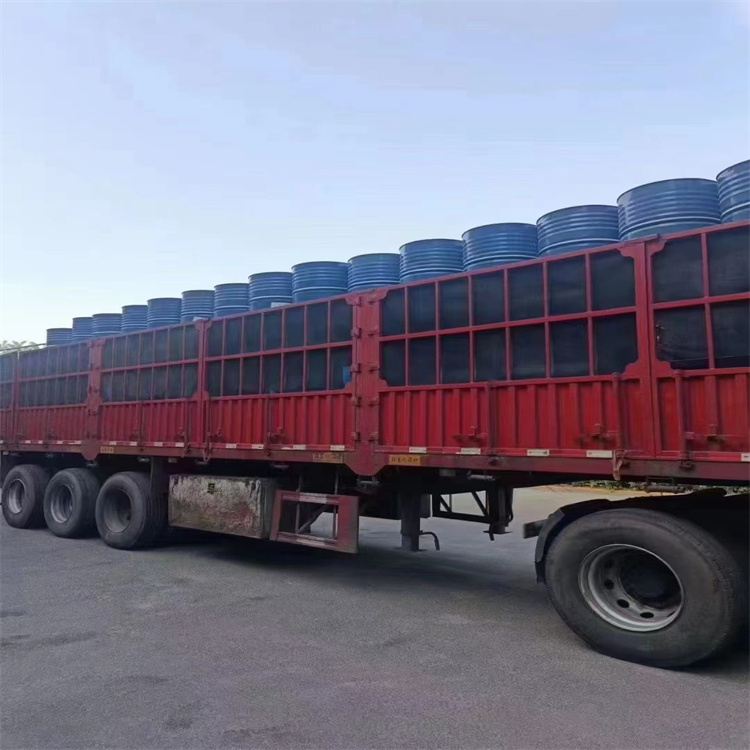
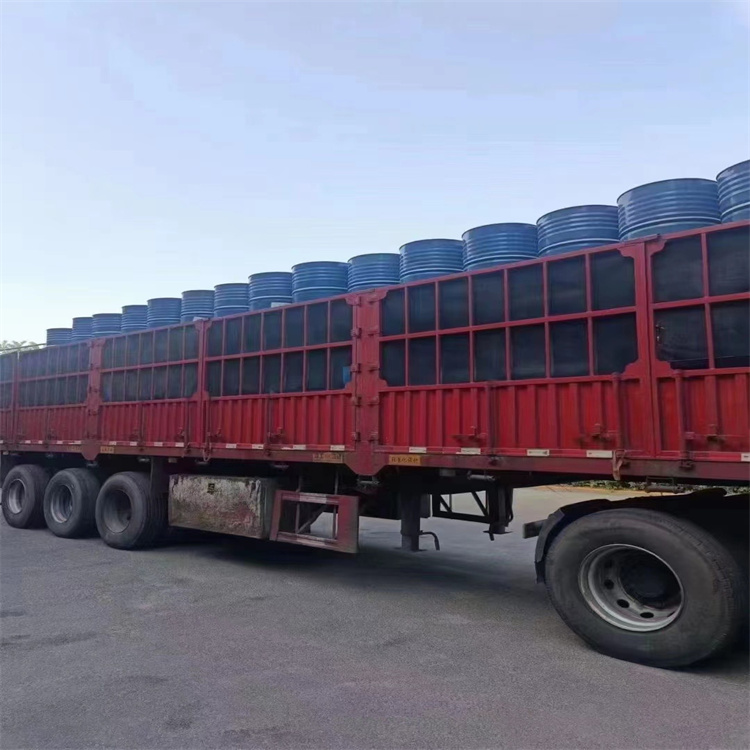
The process of recovering chemical additives must be strictly monitored and controlled to ensure that the recycled additives meet relevant quality and safety standards. Additionally, proper storage and transportation of the additives are required to ensure their safety and stability.
Chemical auxiliary recycling is a crucial aspect of the chemical production process, playing a significant role in enhancing production efficiency, reducing costs, and protecting the environment. As environmental awareness grows and regulations tighten, chemical auxiliary recycling is set to receive increased attention and importance.