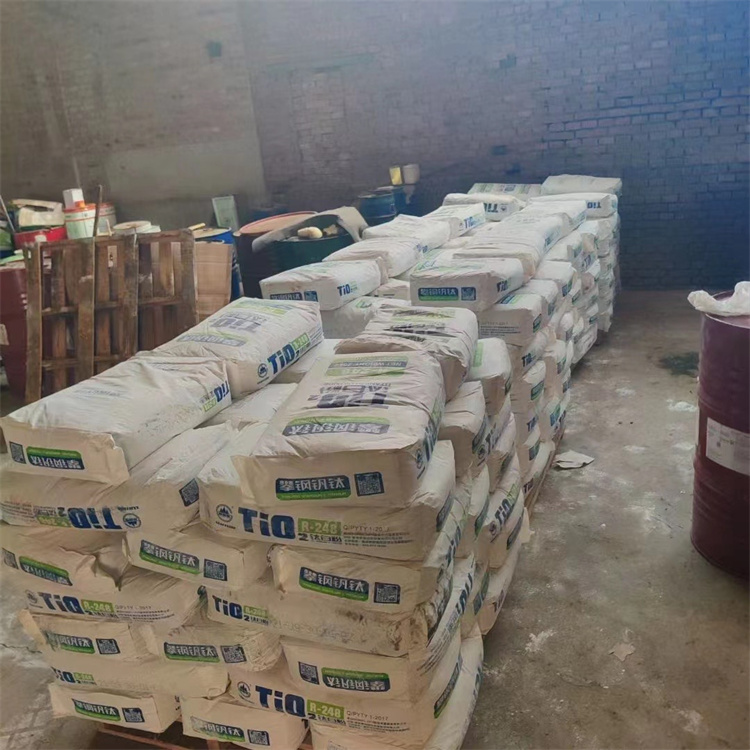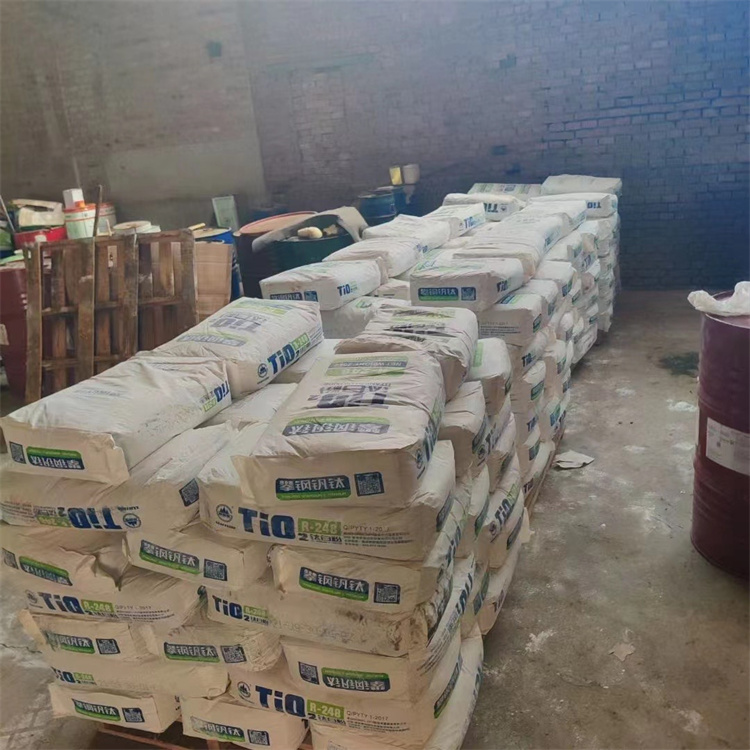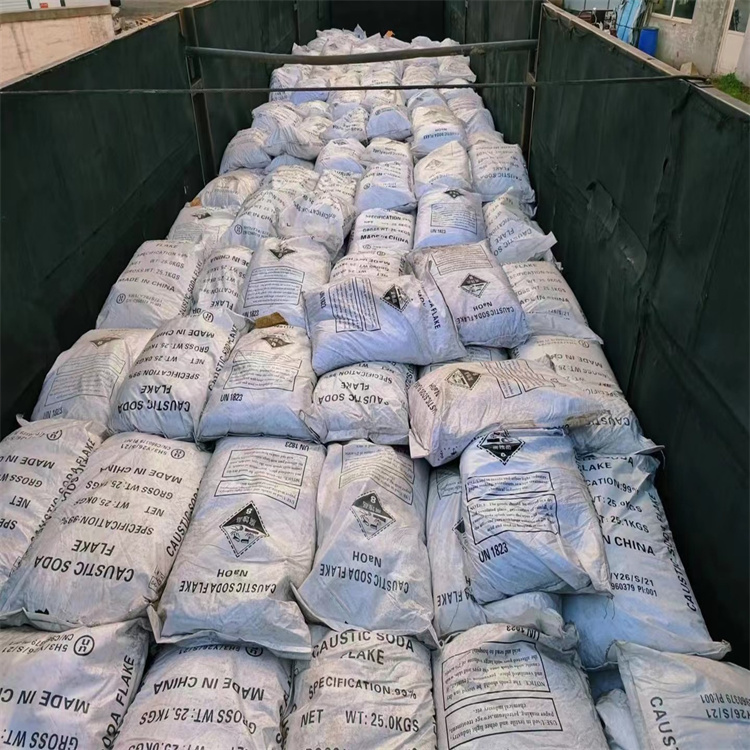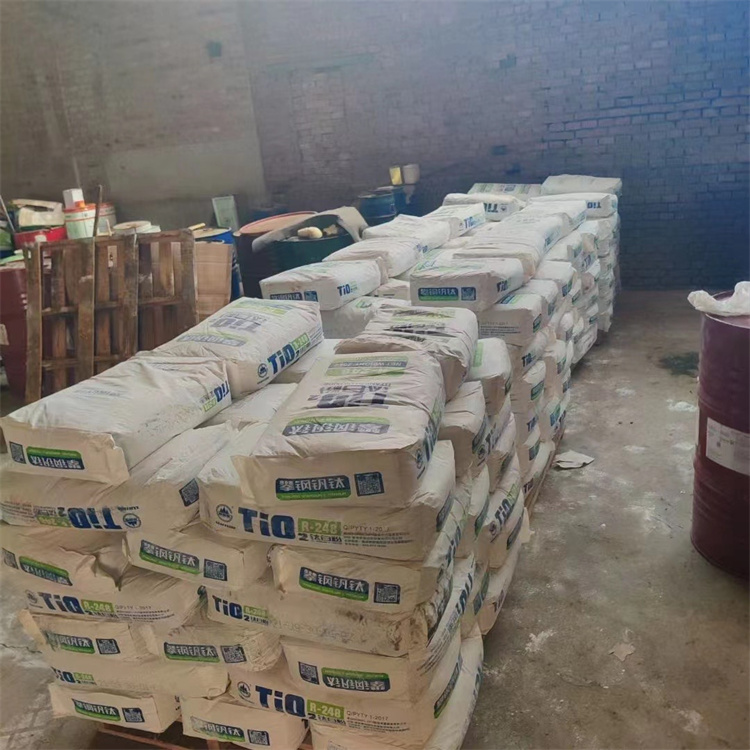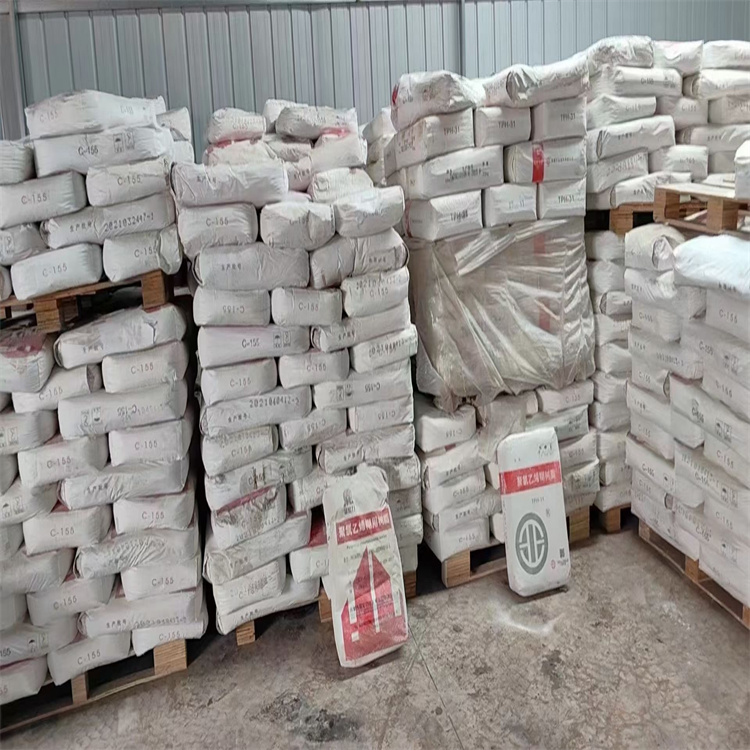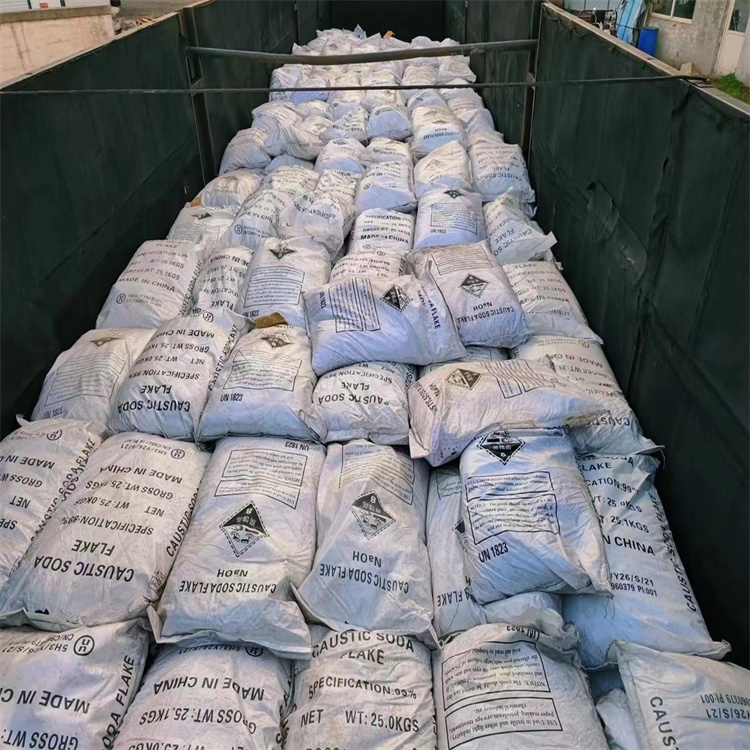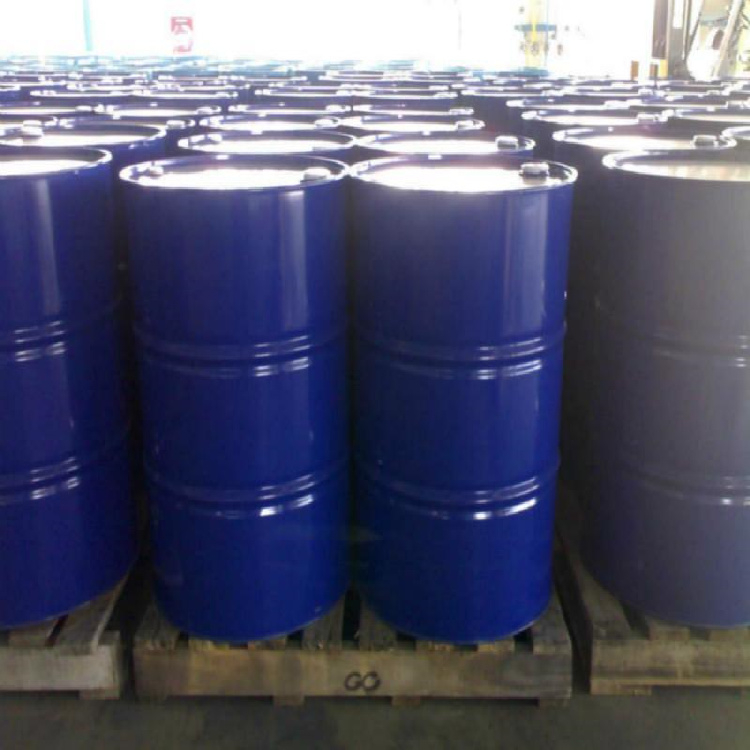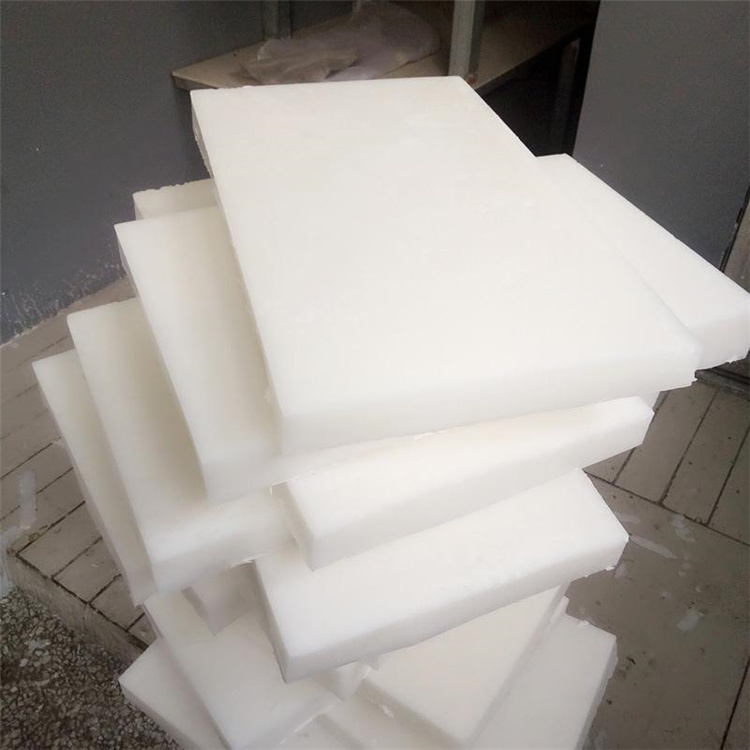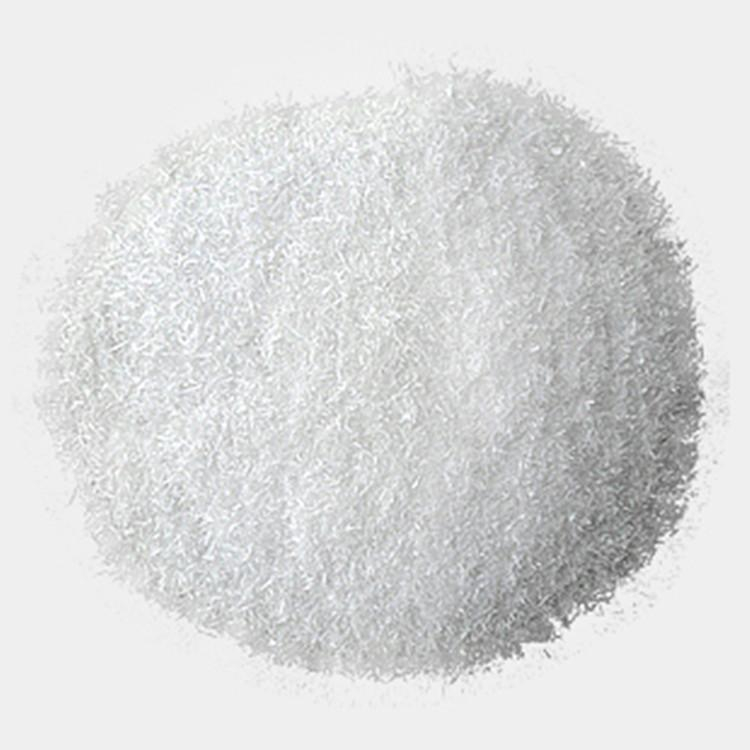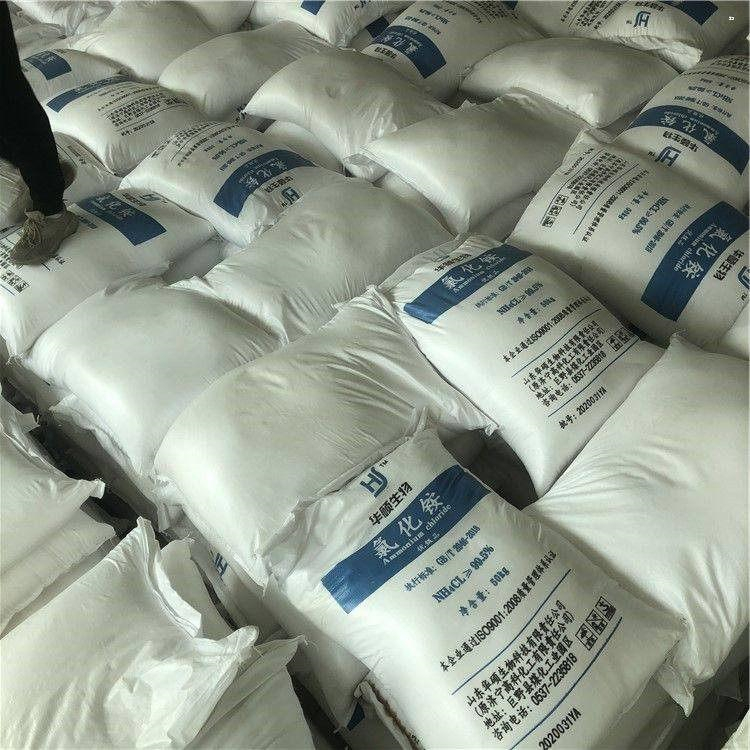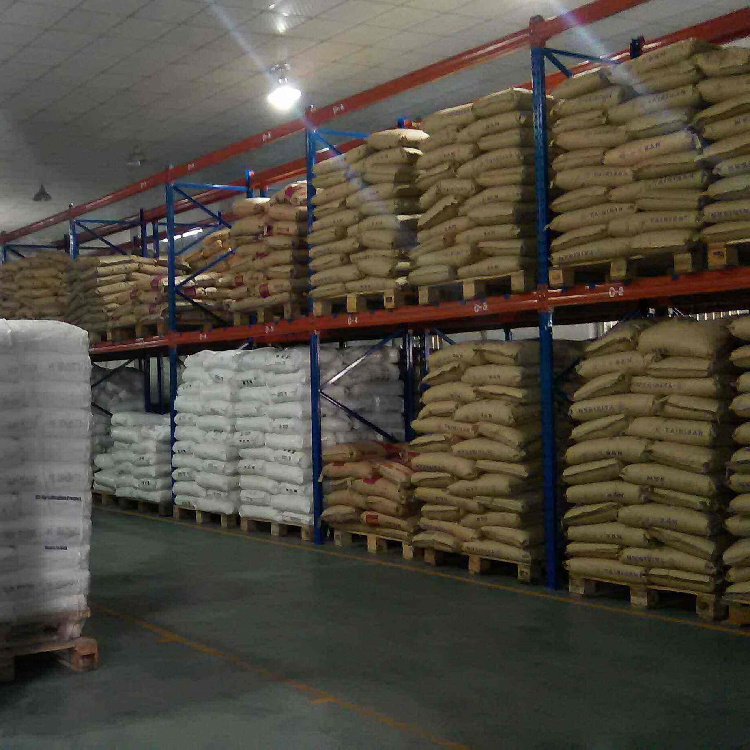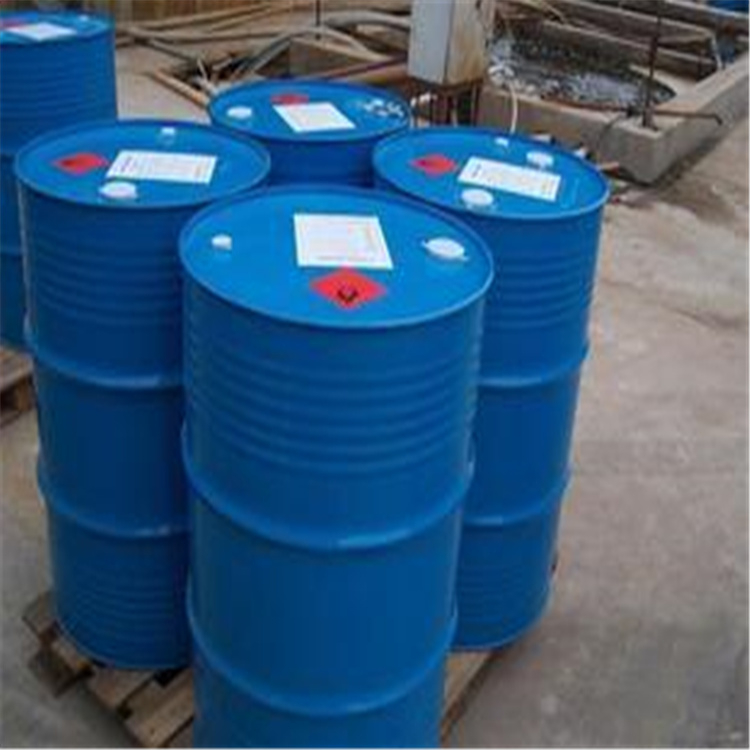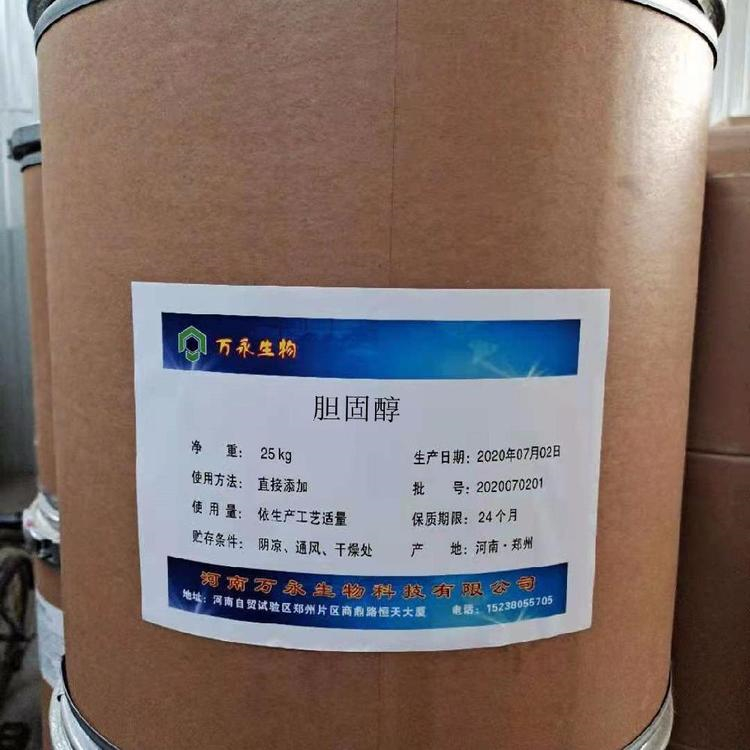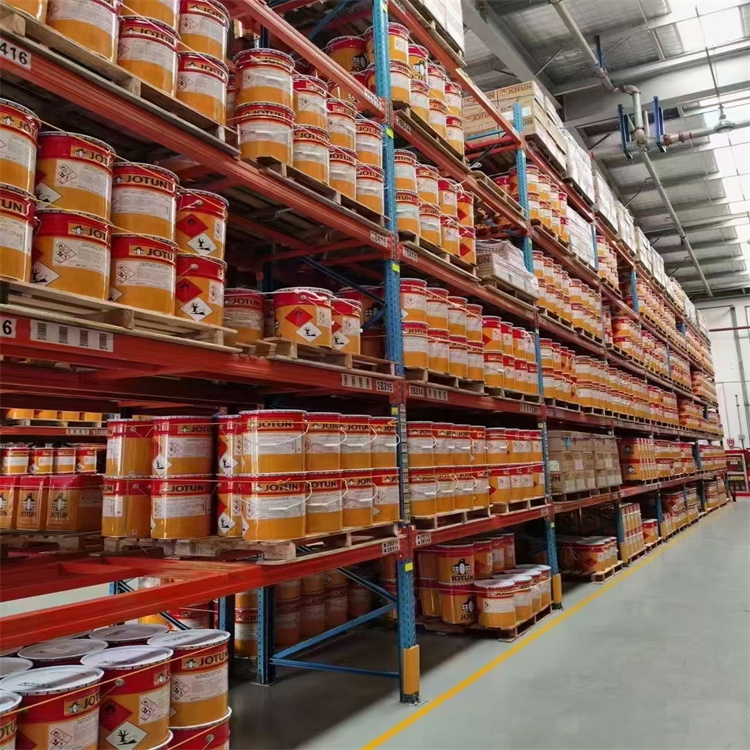

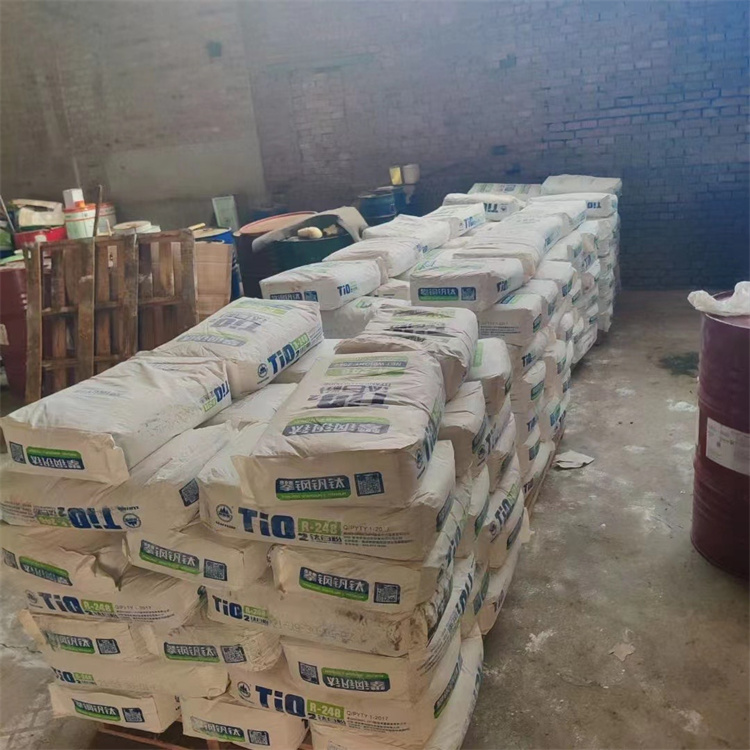


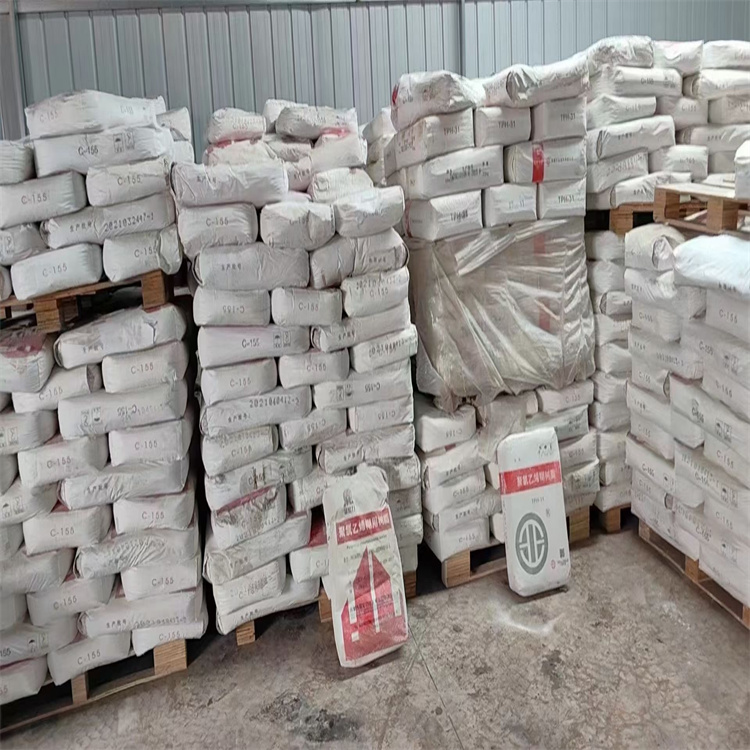









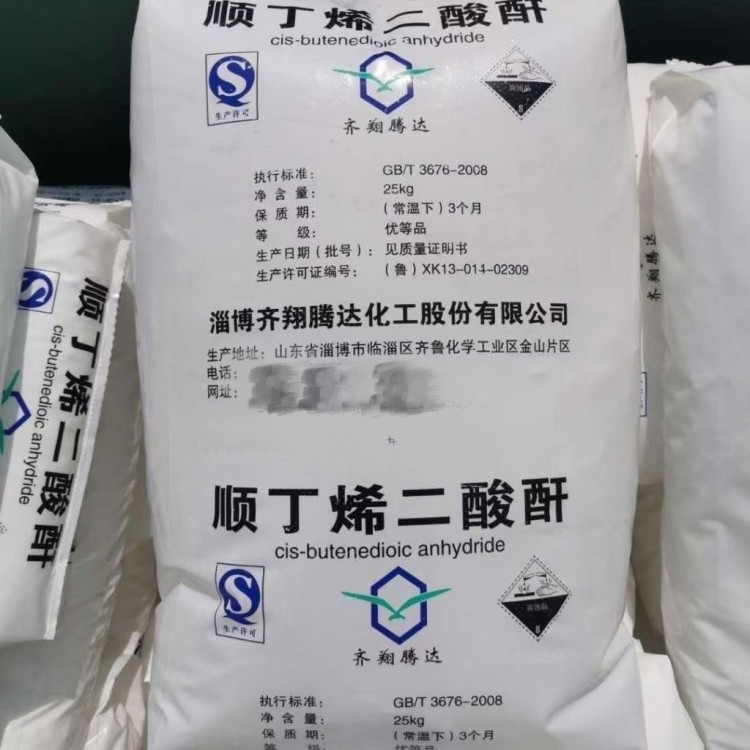

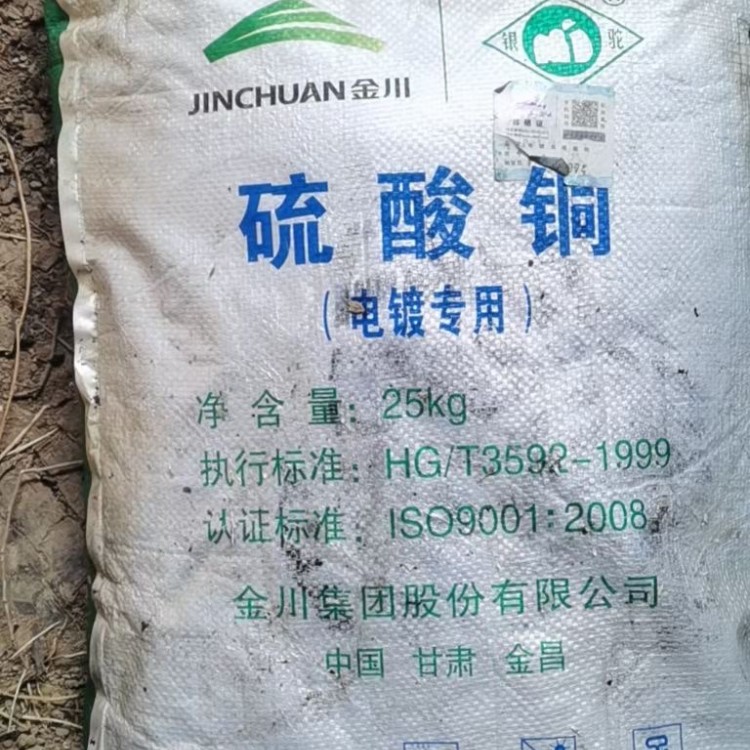
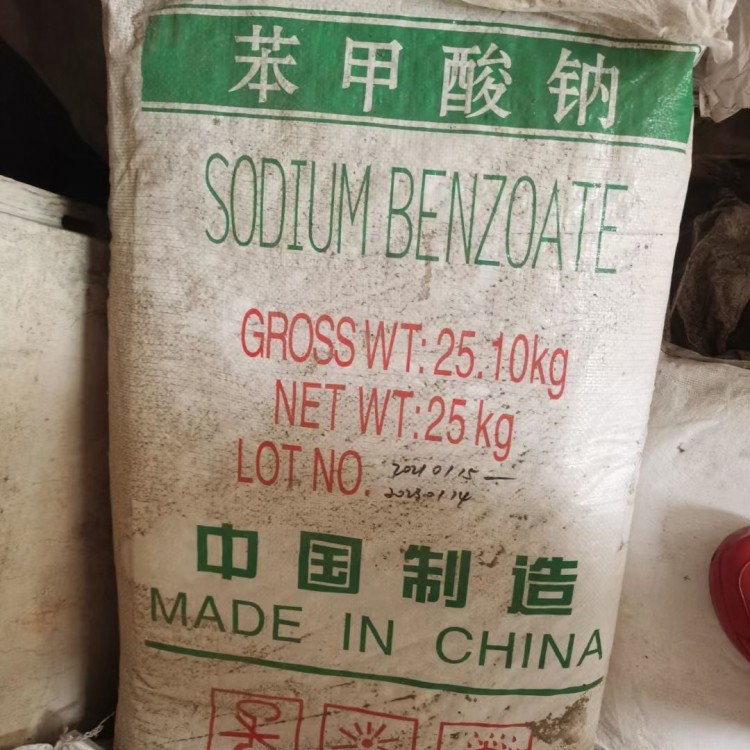
Our company regularly recycles and purchases or processes algin. Algin is a commonly used food additive, primarily used in the production of bread, biscuits, noodles, and other food items, enhancing their elasticity, extensibility, and water retention. However, due to potential by-products during production or quality issues during use, recycling and processing are necessary.
The process of limestone powder recycling typically includes the following steps:
1. Collection: Recycling companies or relevant institutions will establish cooperative relationships with food processing enterprises and wholesalers, collecting expired, damaged, or substandard立德粉.
2. Inspection: The reclaimed立德powder will undergo quality inspection, including checks on appearance, odor, color, humidity, etc., to ensure it meets relevant standards.
3. Classification: Categorize according to the quality and usage of立德粉, such as recyclable立德粉 for food processing and non-recyclable waste立德粉.
4. Processing: Recyclable立德powder undergoes a series of processing techniques, such as grinding, filtering, and disinfection, to ensure its safety and usability. Waste立德powder is disposed of environmentally, including incineration, landfilling, or other methods.
5. Reusability: Processed立德粉 can be reused in food processing or for other industrial applications, such as papermaking, building materials, etc.
The purpose of recycling lithium carbonate is to minimize environmental pollution, maximize resource utilization, and ensure food safety. Enterprises involved in the recycling of lithium carbonate must possess relevant qualifications and technology to ensure the safety and reliability of the recycling and processing process.