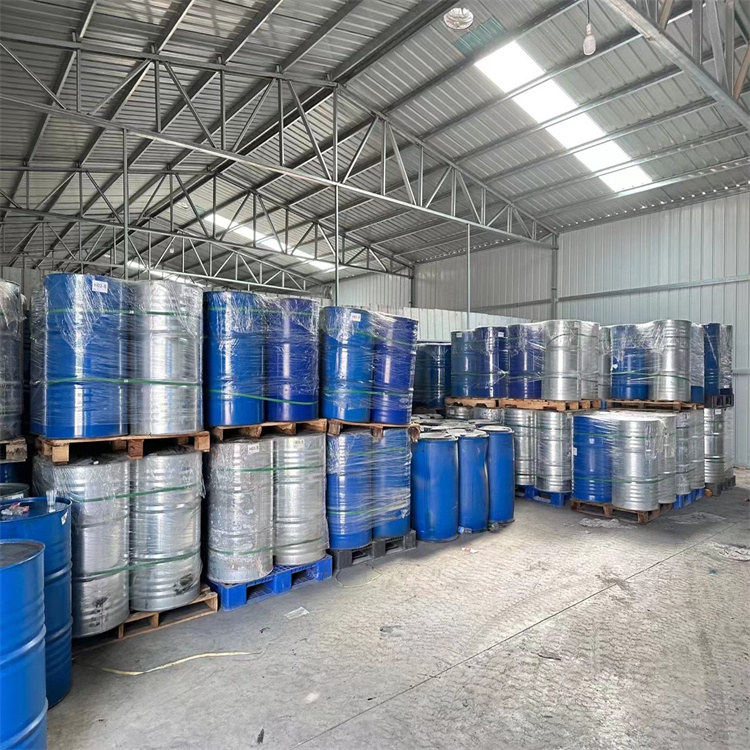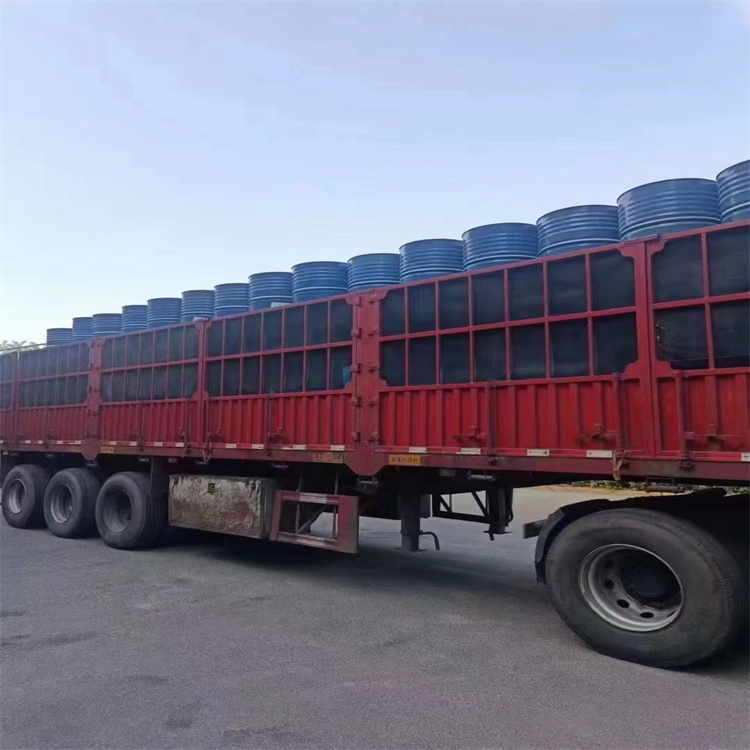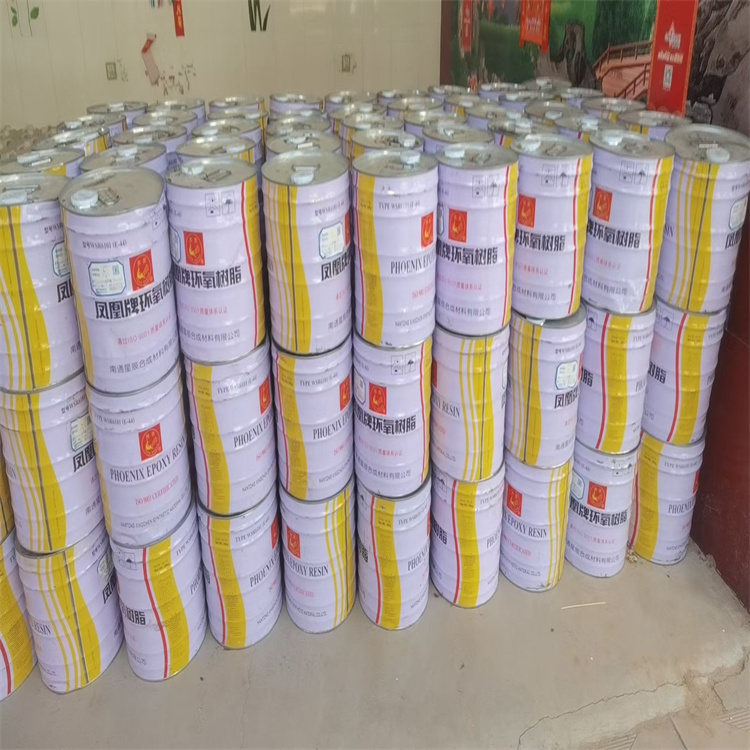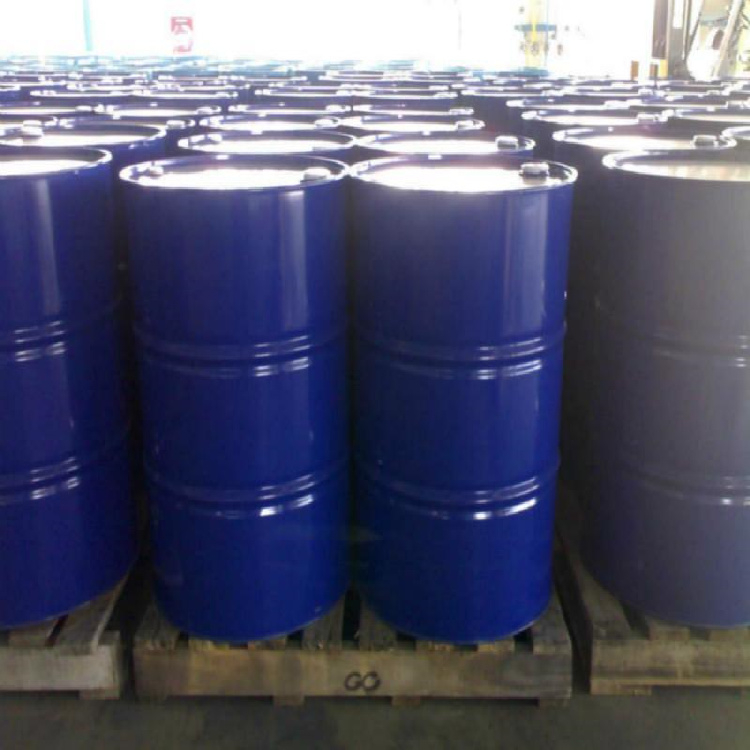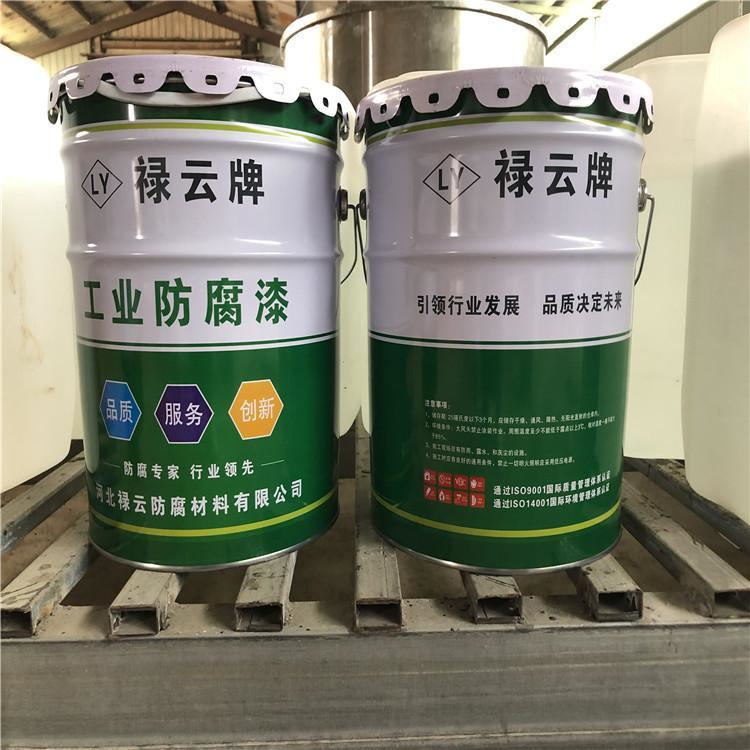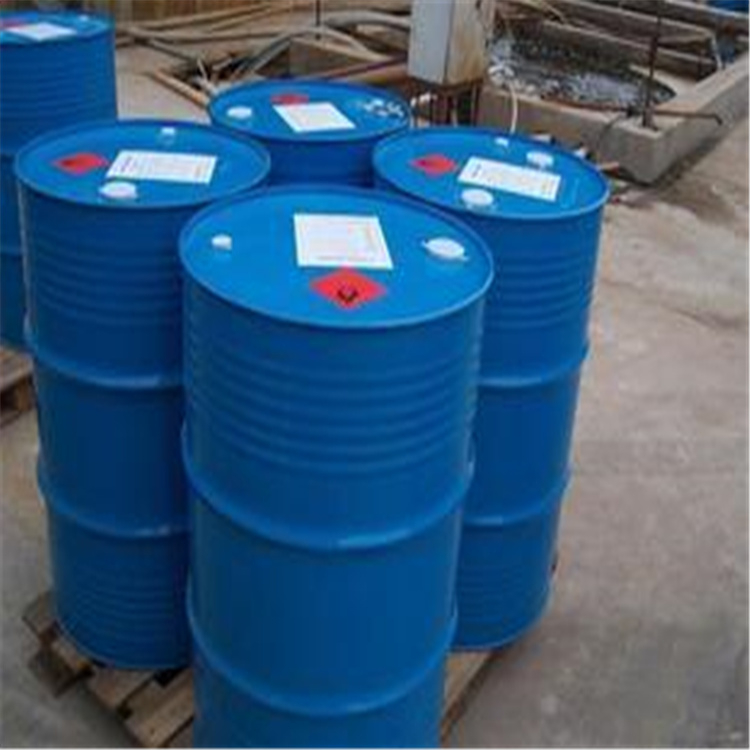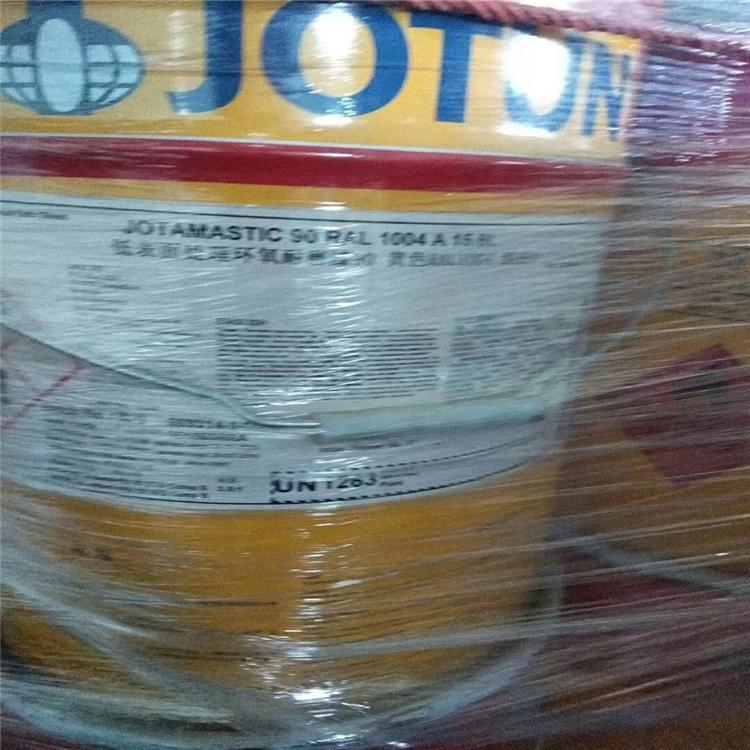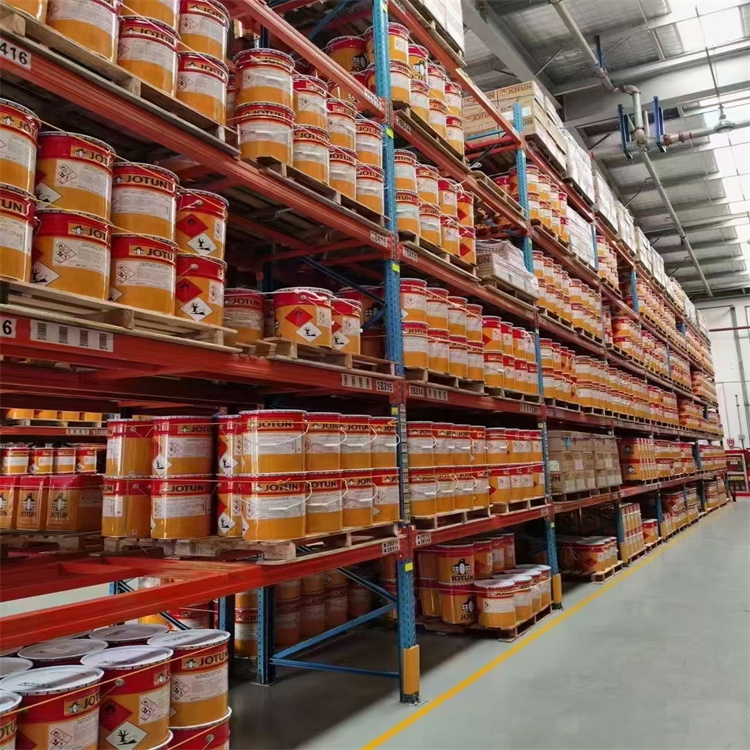


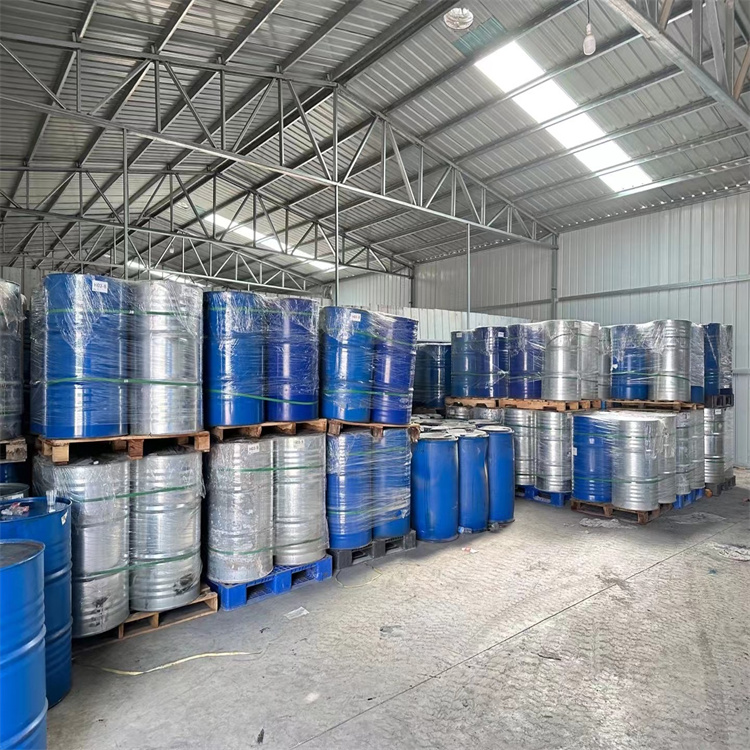
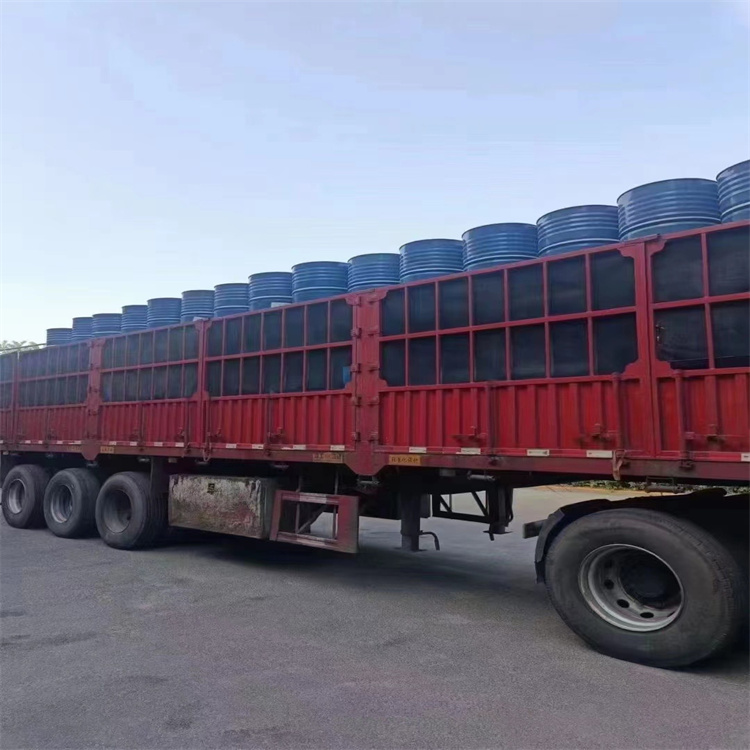













Automotive paint recycling refers to the process of reclaiming and reusing discarded automotive paint. Automotive paint is a chemical substance containing harmful materials, and improper disposal can lead to environmental pollution. Therefore, automotive paint recycling is an environmentally friendly practice.
The process of auto paint recycling includes the following steps:
1. Collection: Collect discarded car paint, which can be gathered through designated recycling sites or by relevant organizations.
2. Classification: Categorize collected waste car paint and handle each type separately based on different paint varieties.
3. Treatment: Waste car paint can be treated using either physical or chemical methods. For instance, incineration at high temperatures can destroy harmful substances, or it can be decomposed and treated chemically.
4. Reuse: Treated automotive paint can yield valuable substances, such as extractable chemicals, or can be converted into other useful products from discarded automotive paint.
The benefits of auto paint recycling include reducing environmental pollution, conserving resources, and lowering production costs. Additionally, auto paint recycling is a practice of sustainable development that promotes the growth of the eco-friendly industry.