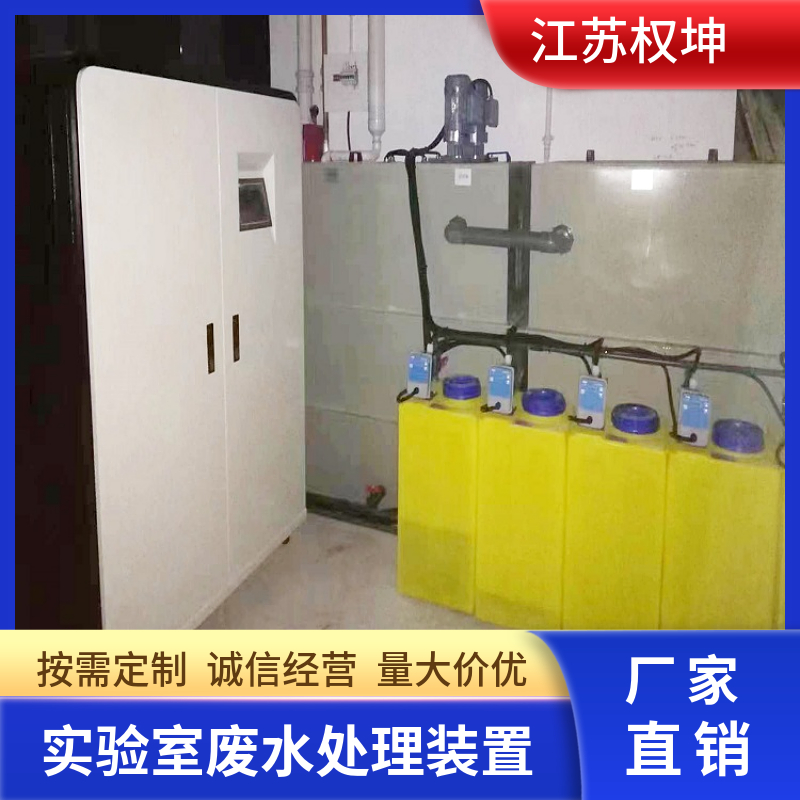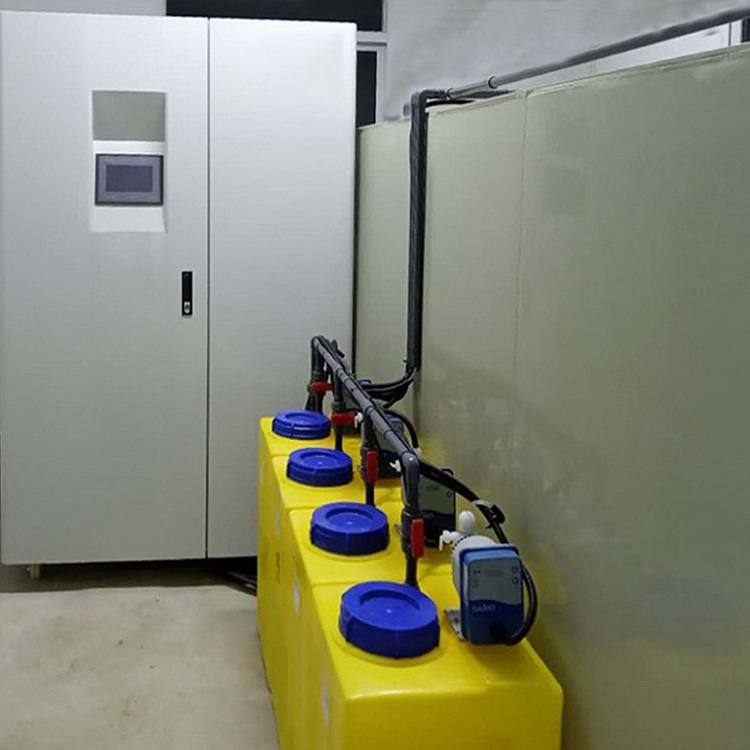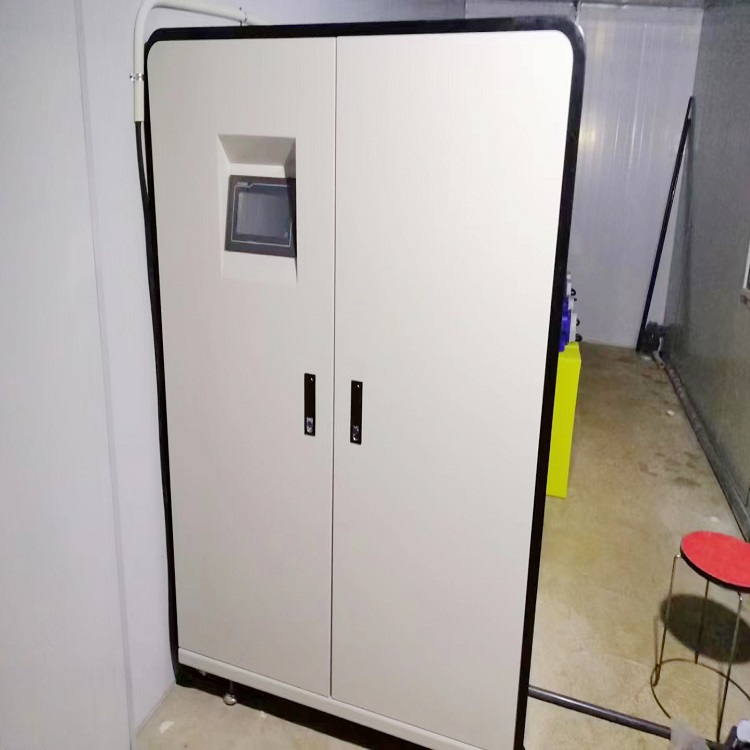


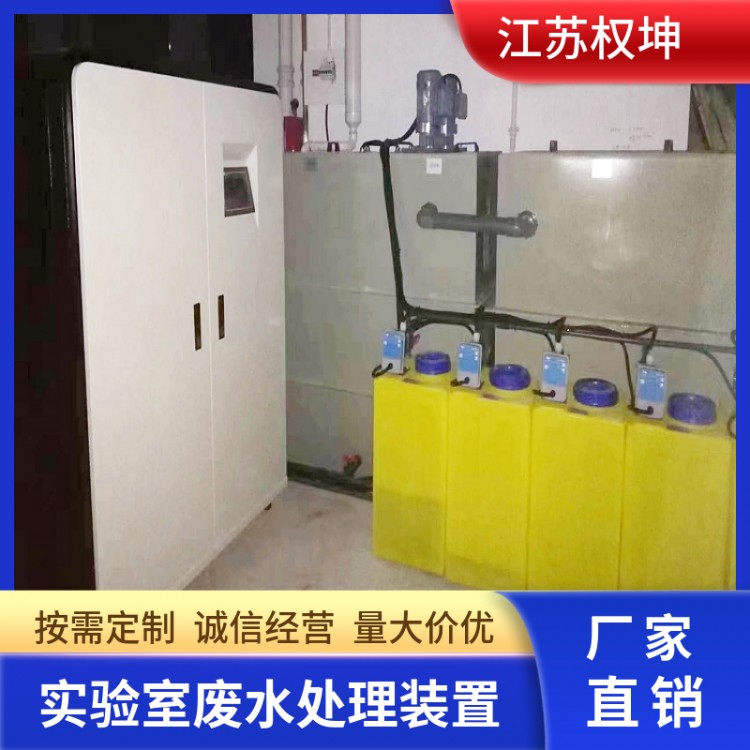
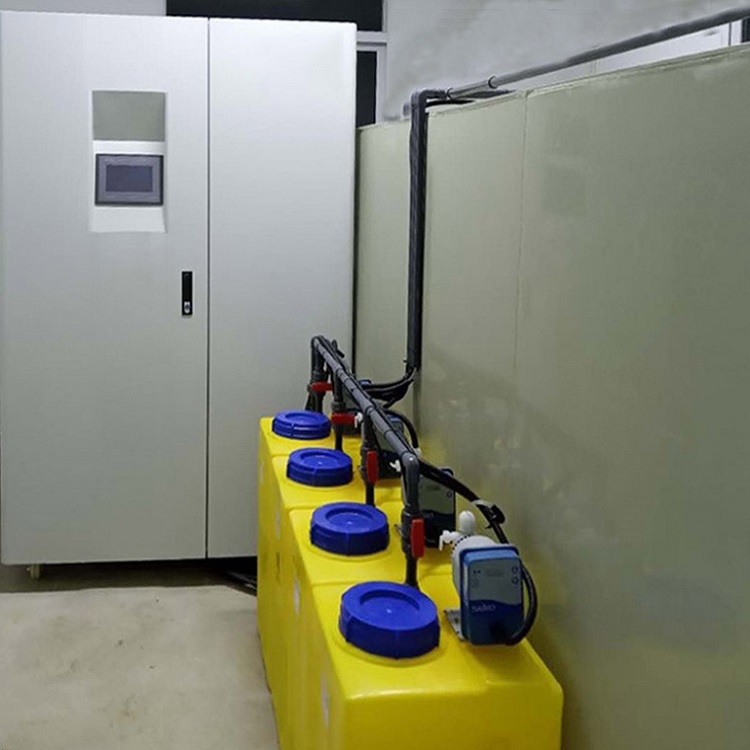
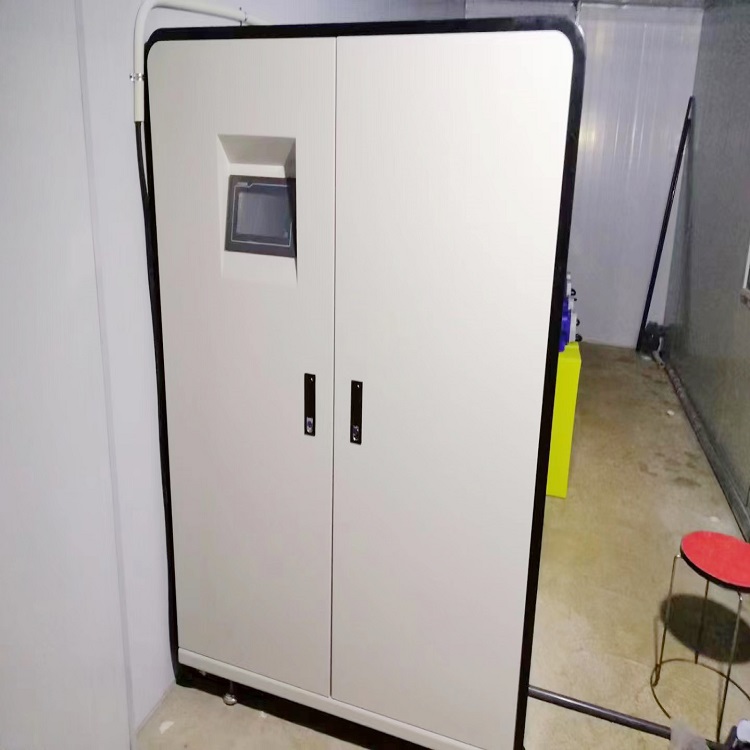












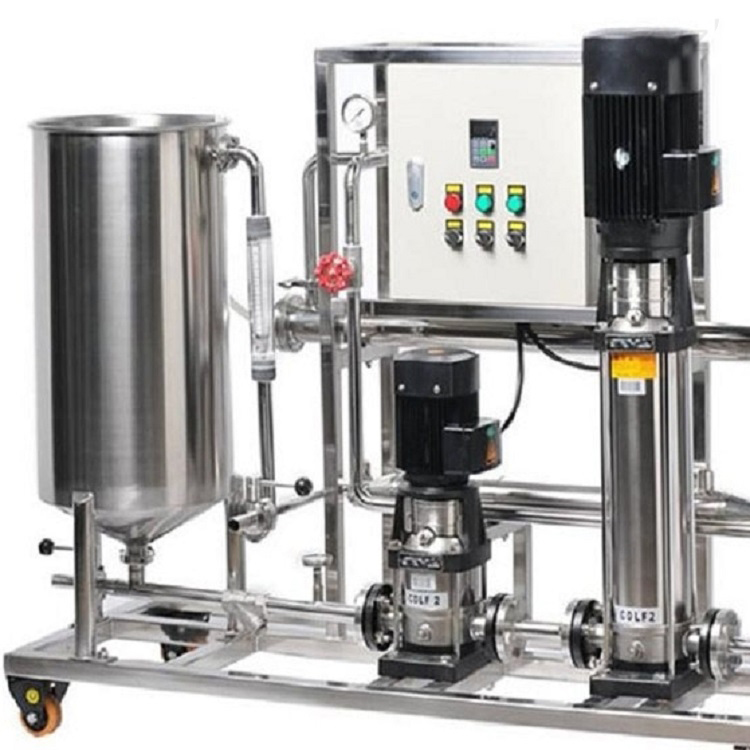
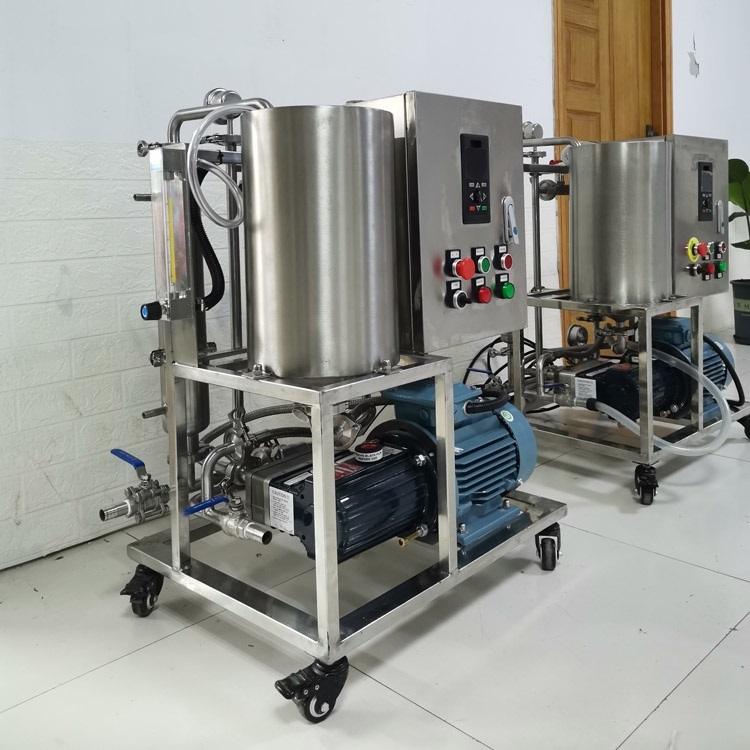
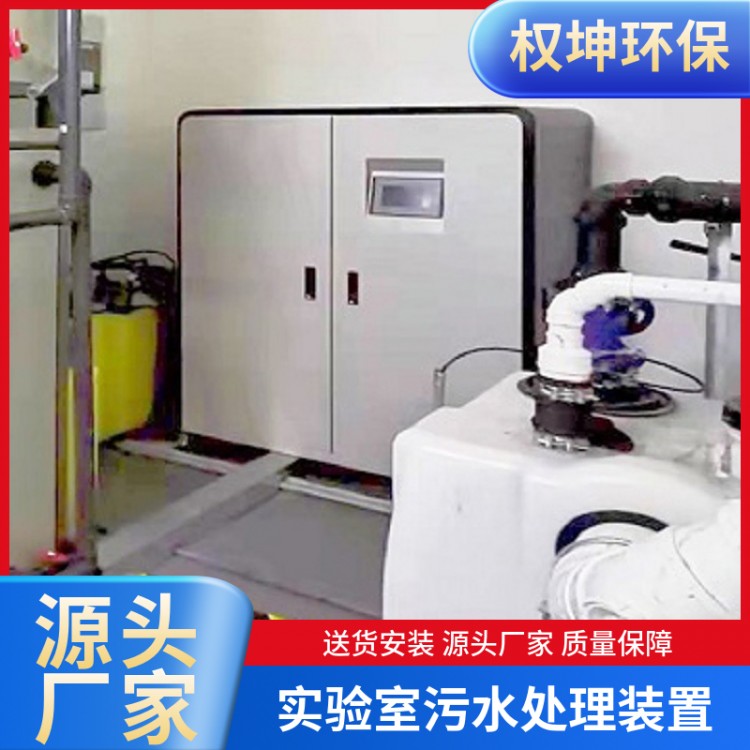
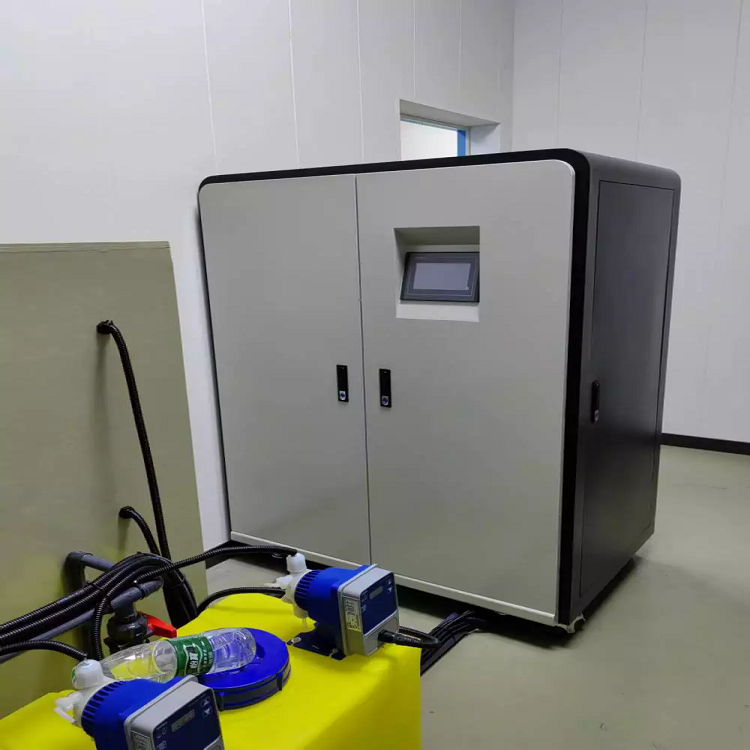
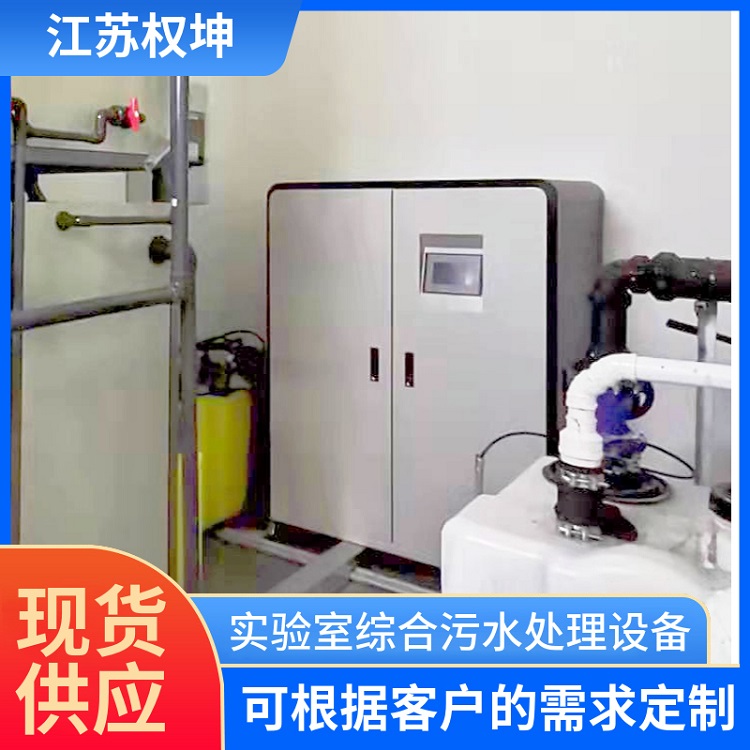
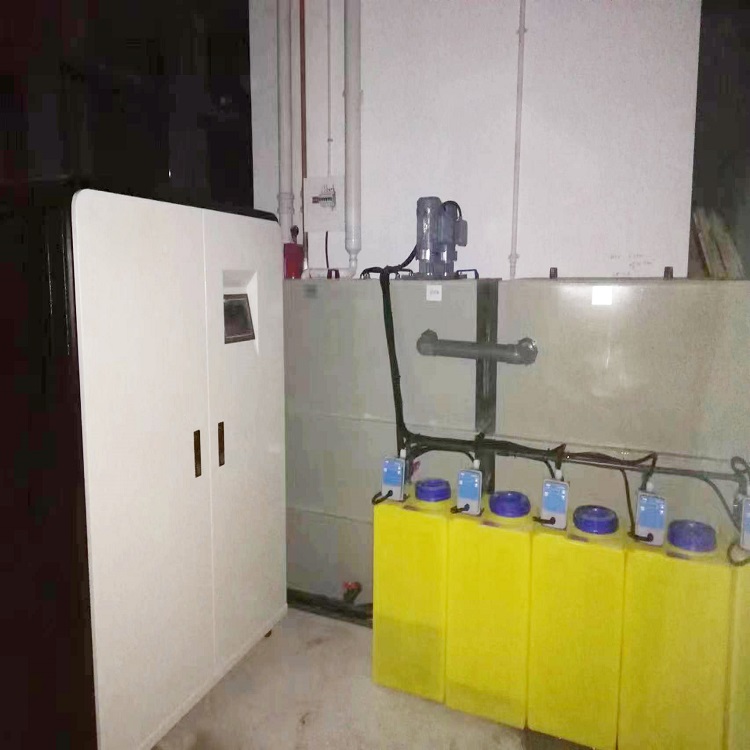
Laboratory Wastewater Treatment Equipment Manufacturer
The generation of laboratory wastewater primarily stems from chemical experiments and scientific research in universities. The uncertainty, variability, and complexity of the wastewater volume are its inherent characteristics. Laboratory wastewater is categorized into high and low concentration types. High concentration wastewater mainly includes unlabeled effervescent reagents after label peeling, expired liquid reagents, by-products and by-products from scientific research and experiments, washwater from dangerous drug experiments, and high concentration wastewater poses a significant environmental pollution risk, which should attract sufficient attention. Low concentration wastewater primarily consists of washwater from chemical laboratory utensils, general acid, alkali, and salt reaction products, low-toxicity chemical waste solutions, and experimental water.
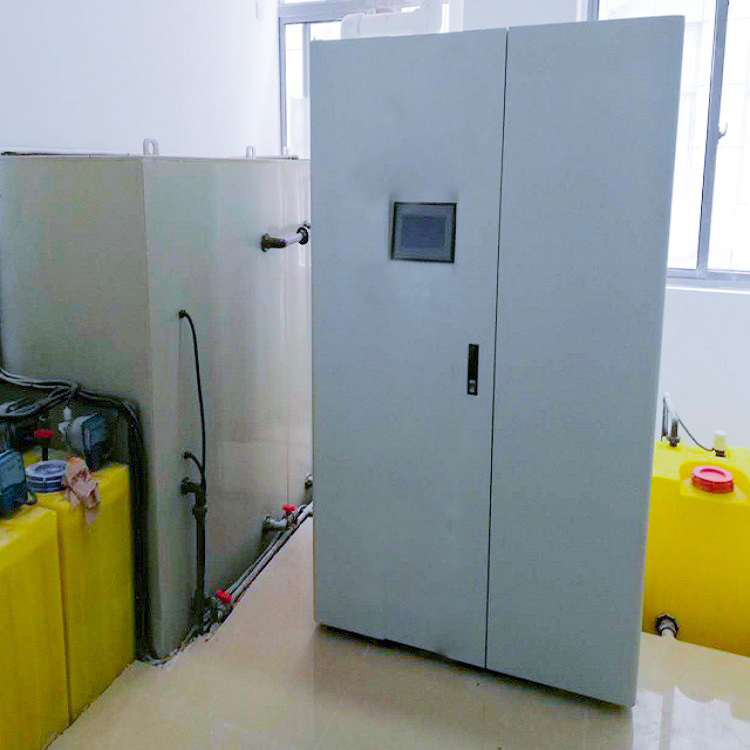
Process Features:
1. Utilizes technologies such as neutralization and precipitation, chemical oxidation, heavy metal capture, photocatalytic reaction, micro-electrolysis, ozone oxidation, and multi-media filtration to treat various pollutants in wastewater; 2. Employes a microcomputer program for real-time monitoring and control of wastewater quality and treatment process, ensuring 24/7 automatic operation without the need for constant supervision; 3. Accurately controls dosing with a pH meter and imported metering pumps, featuring level control, low-drug alarms, and automatic sludge discharge; 4. Uses advanced aeration equipment for thorough gas-water contact and complete reaction; 5. Easy to operate, stable in performance, long service life, and low operating and maintenance costs; 6. Requires minimal footprint, suitable for indoor or outdoor placement depending on specific conditions; 7. Customizes design and manufacturing based on customers' diverse requirements.
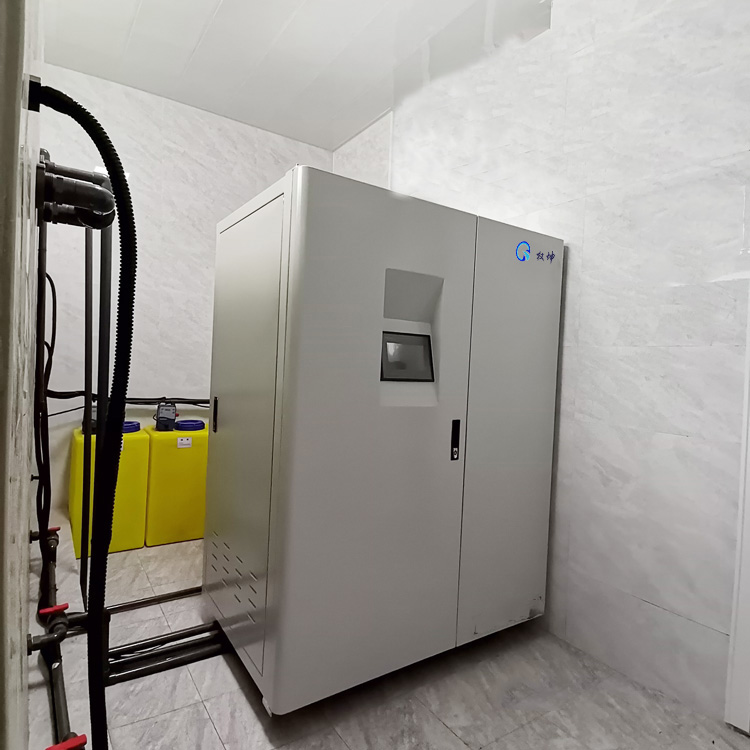
Laboratory Wastewater Treatment Equipment Features:
1. Widely applicable, capable of accommodating comprehensive waste liquid treatment for various laboratories.
2. Utilize multiple advanced technologies for multi-stage treatment and purification of wastewater, meeting discharge standards.
3. Centralized control via midpoint, with high automation and simple operation; fully automatic operation, no need for dedicated personnel.
4. Automatic water leakage and electric shock protection, automatic high/low voltage protection, no wastewater protection, and liquid storage tank level protection.
5. Modular integrated technology with excellent processing effects, produces no waste residue or wastewater, and has low operation costs.
6. Acid and alkali corrosion-resistant, low noise, low power, and multiple safety protection features.
7. With a "one-stop" integrated design, it boasts an aesthetically pleasing appearance, minimal land occupation, rapid processing speed, cost-effective investment, easy installation and mobility, high processing capacity, excellent processing results, low energy consumption, noiseless operation, no leakage, and environmental friendliness, truly achieving engineering equipmentization. No need for multiple treatment ponds, no secondary pollution such as waste, exhaust, and wastewater.
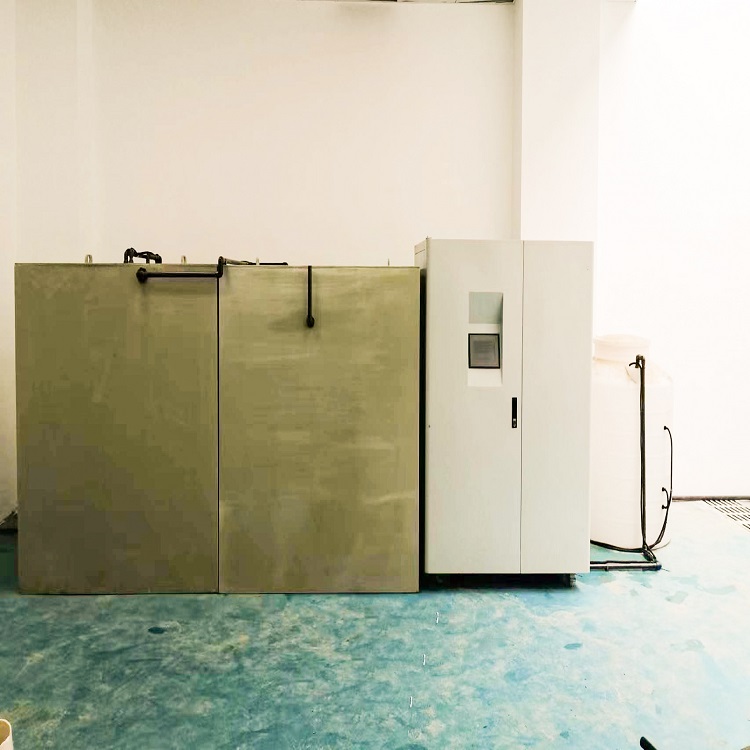
Manufacturer of Laboratory Wastewater Treatment Equipment
Operating Principle:
This equipment is a modular, high-efficiency biological wastewater treatment unit, a wastewater biological treatment system that primarily relies on biofilm for purification. It fully leverages the features of biofilm reactors such as anaerobic biofilm filters and contact oxidation beds, including high biomass density, strong tolerance to pollutants, low energy consumption, stable operation, and convenient maintenance, which endows the system with broad application prospects and promotional value.