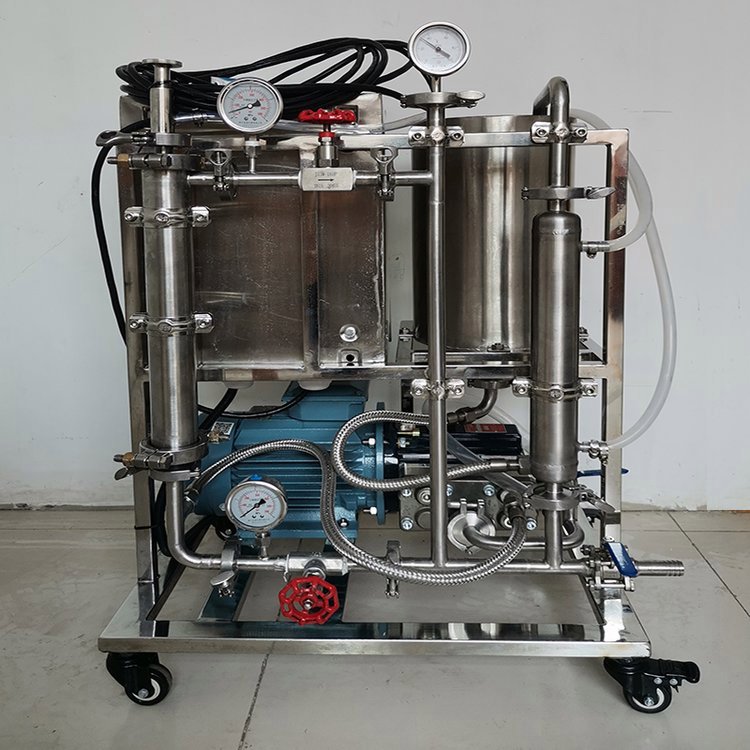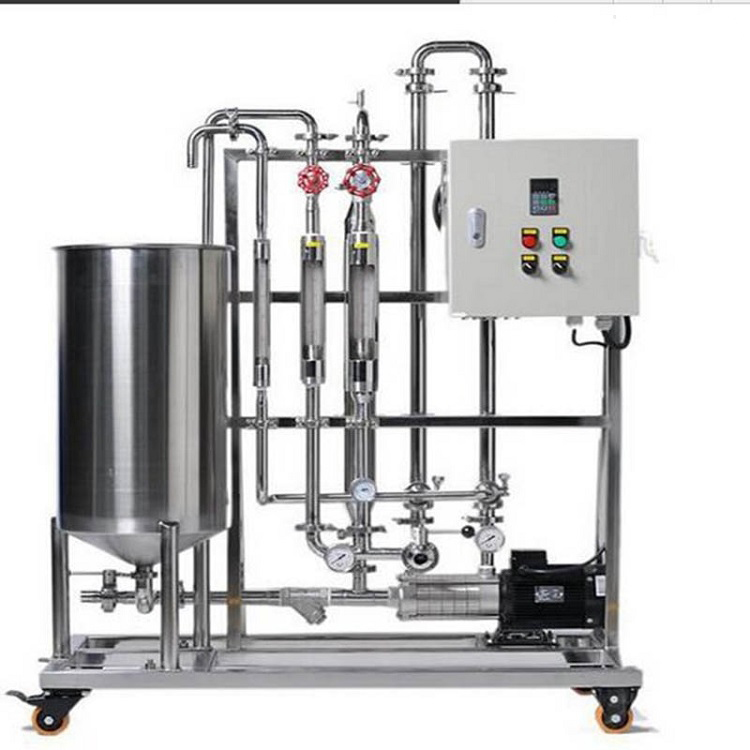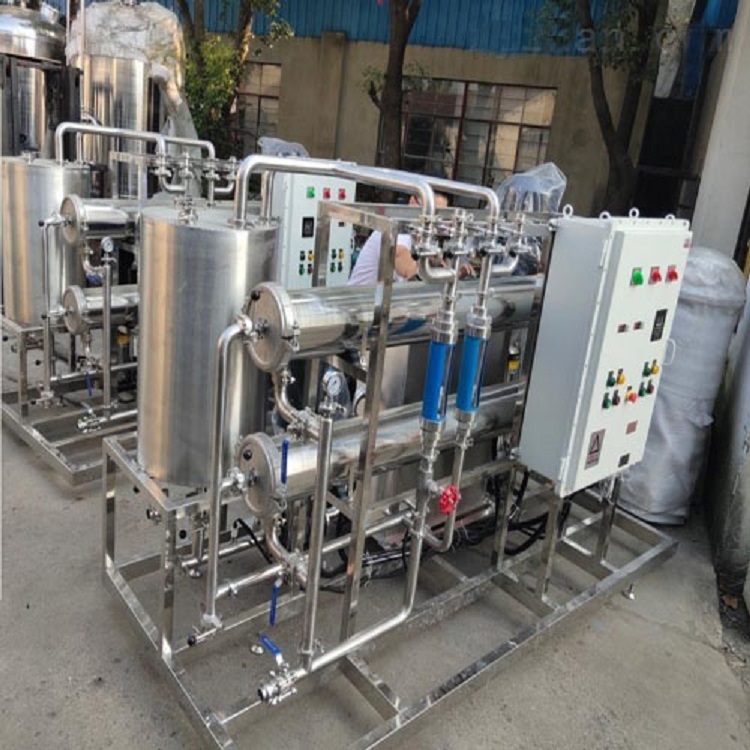

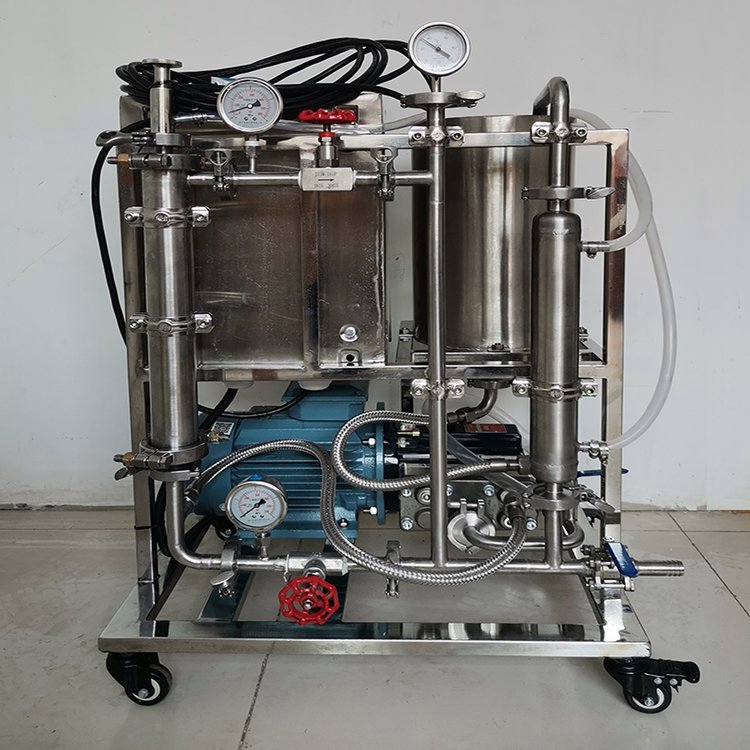

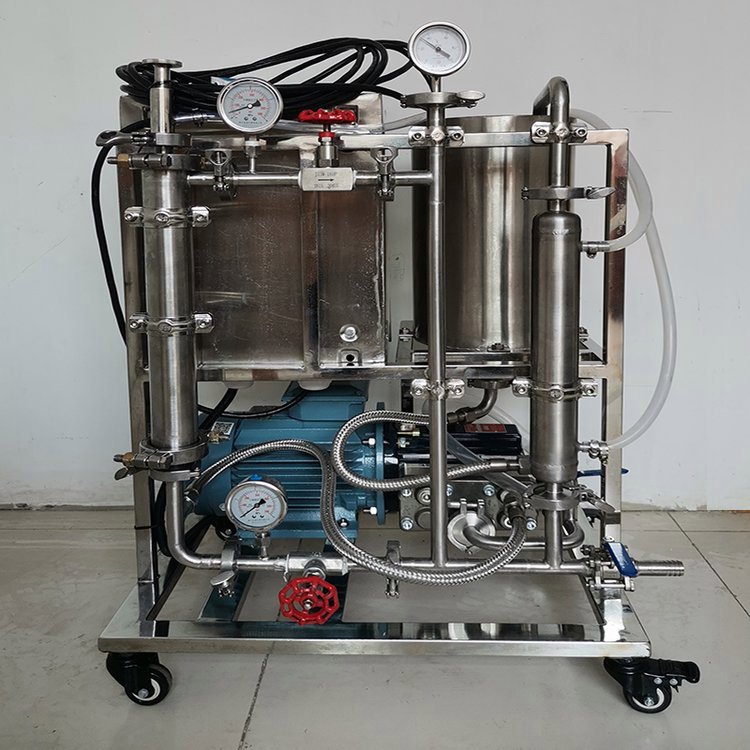
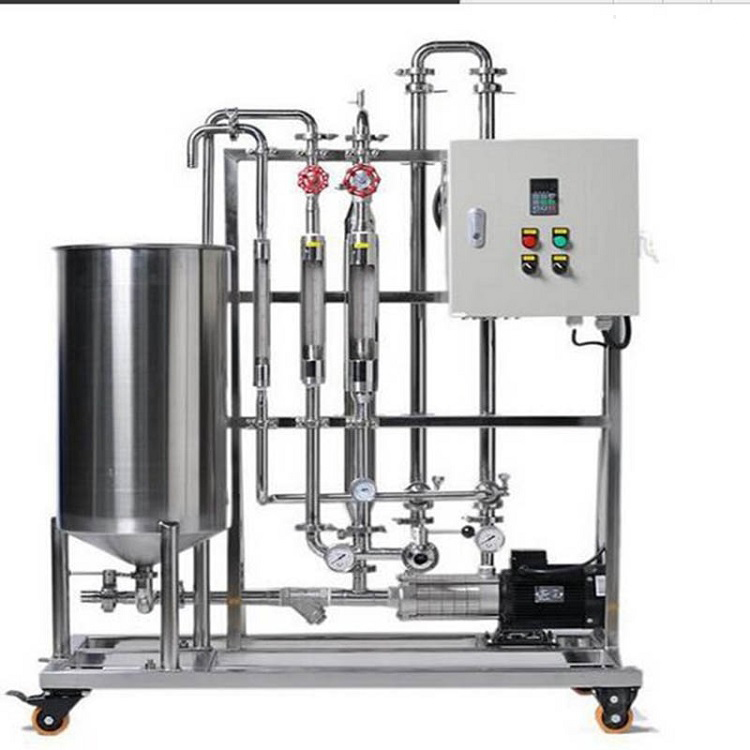
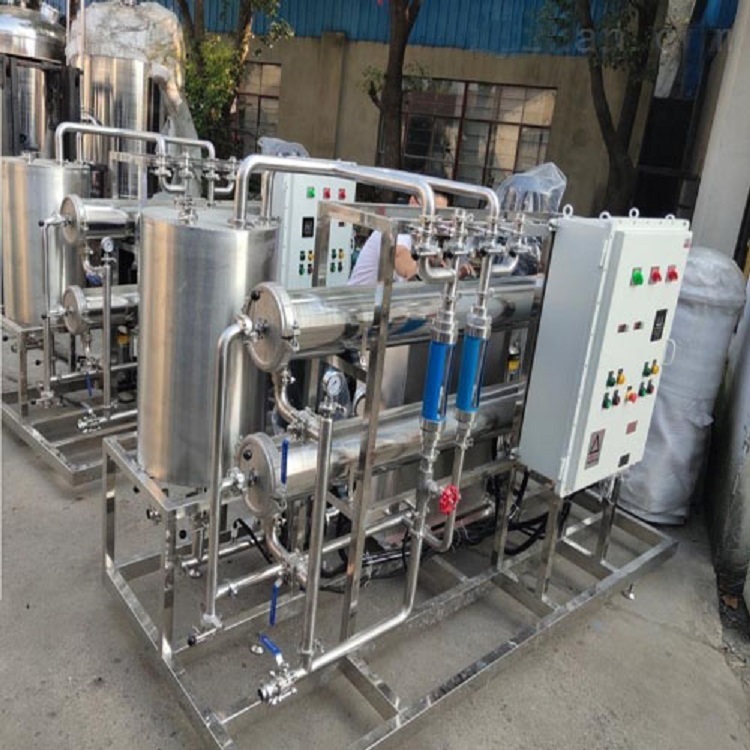












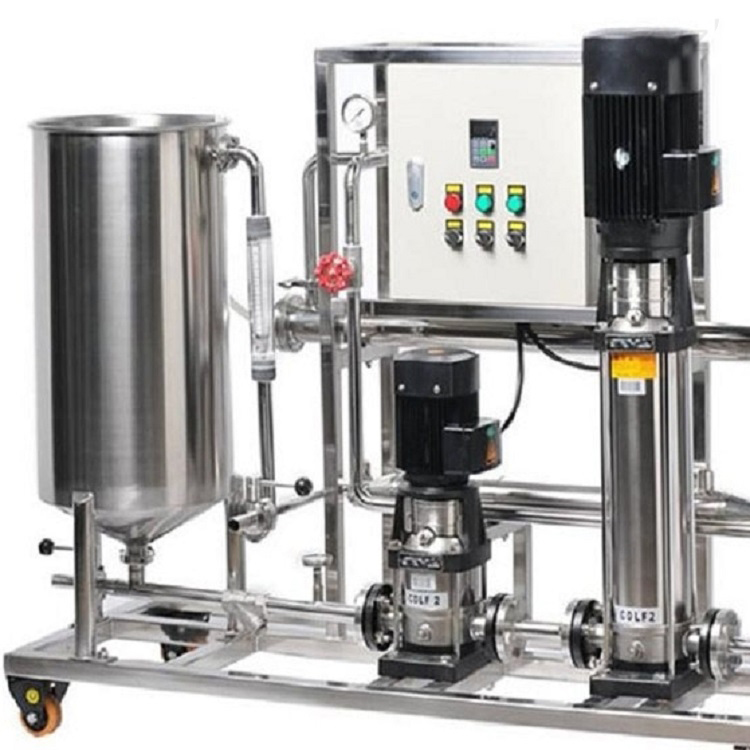
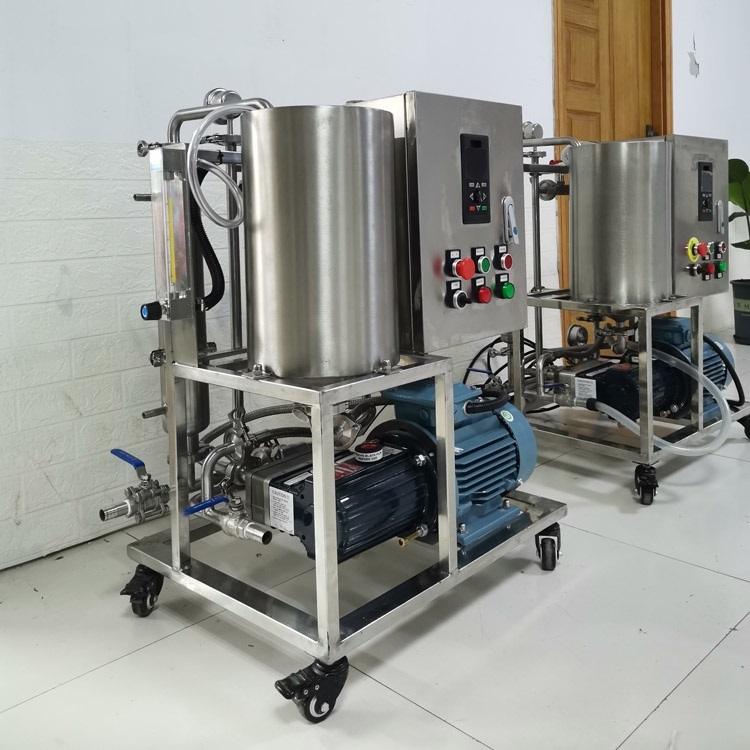
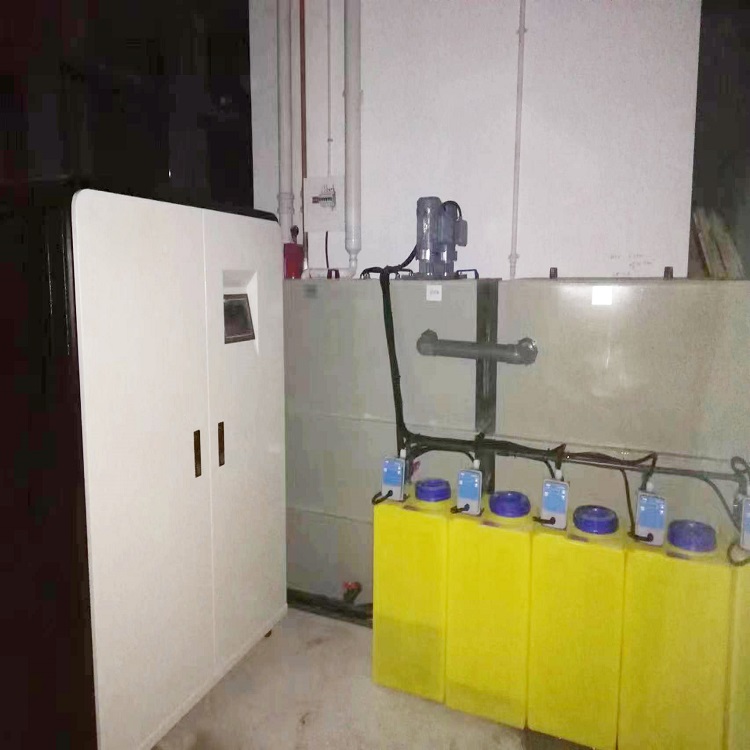
Laboratory Membrane Separation Unit/Quankun Ceramic Membrane Filtration Equipment/Herbal Extraction Equipment/Quankun
Membrane separation technology is a novel separation technique that utilizes the pore size and separation properties of membranes to separate and purify different substances. This technology is widely used in chemical, biological, and food industries, offering advantages such as excellent separation performance, low energy consumption, and simple operation.

Membrane separation equipment is a crucial industrial device that separates a mixture into two or more components through a semi-permeable membrane. Membrane separation technology is widely used in water treatment, food processing, pharmaceutical production, and other fields. Depending on different principles and applications, membrane separation equipment can be categorized into several main types:
Ultrafiltration Equipment: Ultrafiltration is a type of membrane separation, primarily used for separating macromolecular substances in liquids. The membrane pore sizes of ultrafiltration equipment are typically between 0.01-0.1 micrometers, capable of separating larger molecules, colloids, and suspended particles, while allowing solutes, solvents, and small molecules to pass through.
2. Reverse Osmosis Equipment: Reverse osmosis is a type of membrane separation, primarily used for the separation of solutes and trace substances in liquids. The membrane pore sizes of reverse osmosis equipment are extremely small, usually between 0.0001-0.001 micrometers, capable of removing ions, soluble organics, and microorganisms from water, thereby achieving water purification and concentration.
3. Gas Separation Equipment: Gas separation equipment utilizes special membrane materials to separate components within gas mixtures. Depending on the molecular size and hydrophobic/hydrophilic nature of the gases, appropriate membrane materials and operating conditions can be selected for the separation and purification of gases.
4. Electrodialysis Equipment: Electrodialysis is a separation technique that utilizes an electric field to drive solutes to move across a membrane. By applying voltage, charged particles are separated under the alternating electric field of positive and negative ions, achieving ion purification and concentration.
5. Membrane Bioreactor: A membrane bioreactor combines membrane separation technology with a bioreactor, allowing simultaneous separation during processes like organic wastewater treatment and biological reactions. The selective separation of the membrane makes the biological reactions within the reactor more efficient and stable.
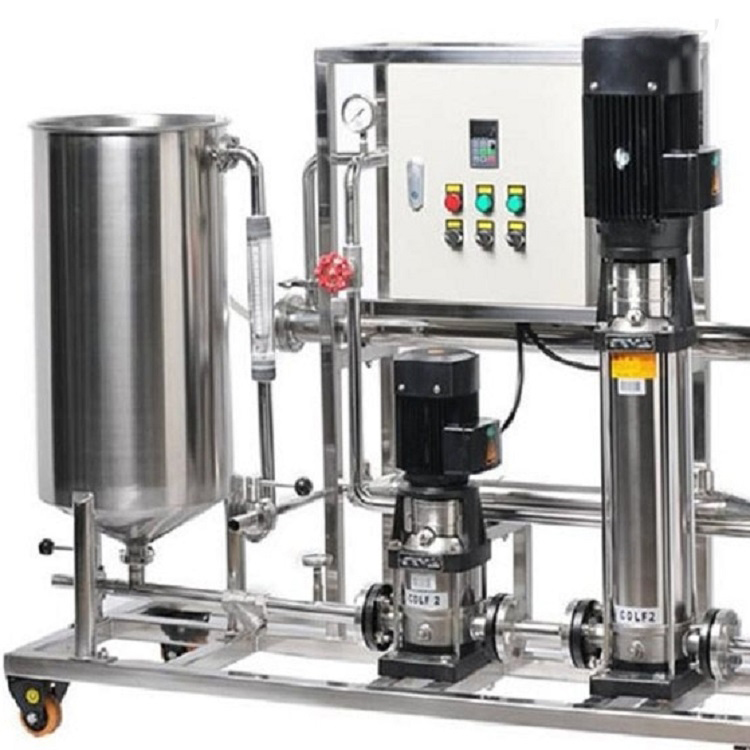
Laboratory Membrane Separation Unit / Quankun Ceramic Membrane Filtration Equipment / Traditional Chinese Medicine Extraction Equipment / Quankun
Advantages of Membrane Concentration and Separation Technology in Tea Processing:
1. Membrane concentration separation technology has become a preferred choice for extracting and concentrating thermosensitive substances.
2. Combining membrane concentration separation technology with low-temperature extraction separation techniques can prevent oxidation loss of active ingredients and improve yield.
3. Membrane concentration and separation technology can extend the service life of resins, reduce the amount of eluent used, and improve adsorption efficiency.
4. Membrane concentration and separation technology is beneficial for the recovery of tea polysaccharides, with high raw material utilization rate and significantly increased附加值.
5. Products produced by membrane concentration separation technology retain complete tea fragrance.
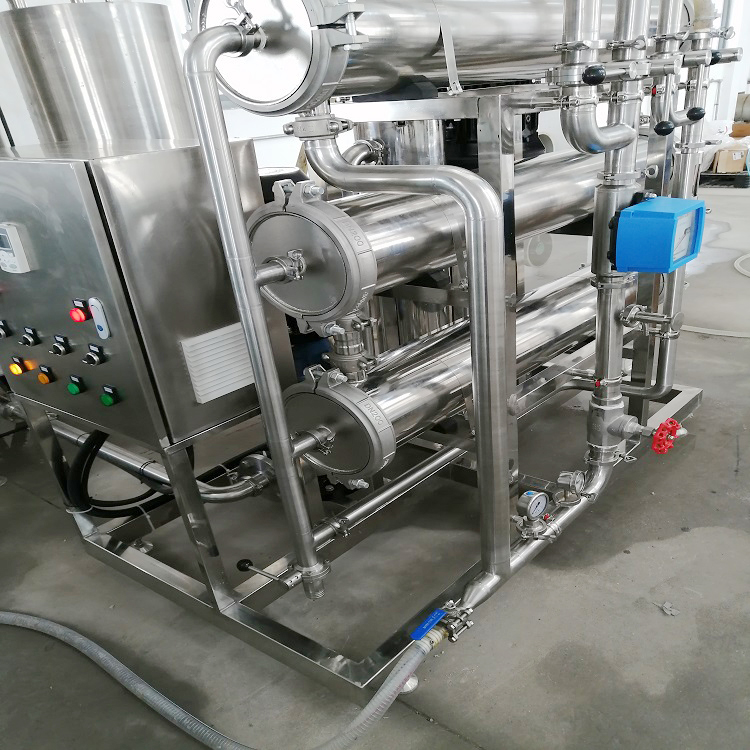
Jiangsu Quankun Environmental Protection Technology Co., Ltd. produces ultrafiltration equipment, utilizing advanced technology and unique processes to ensure the water quality of the ultrafiltration systems, meeting customers' water requirements. Detailed information about the ultrafiltration equipment is provided.