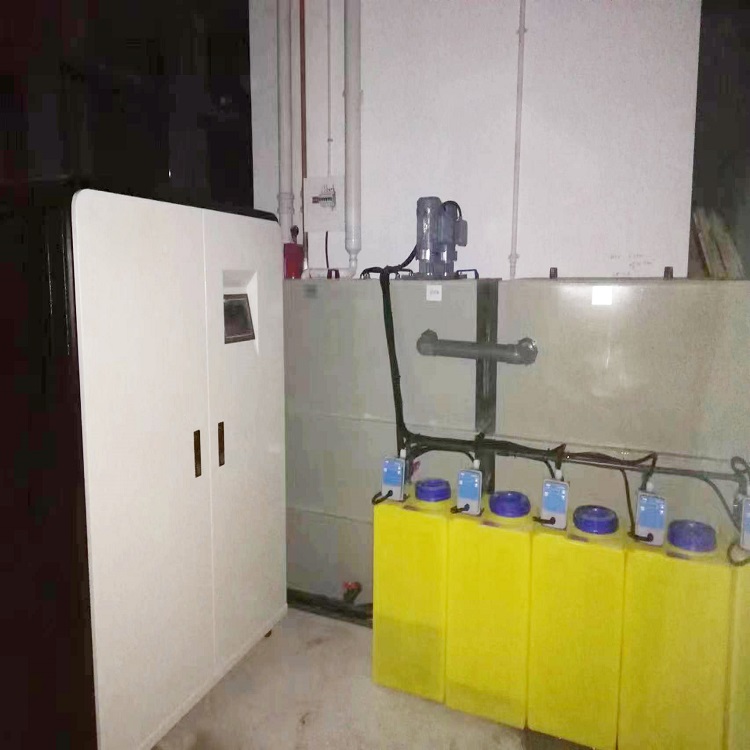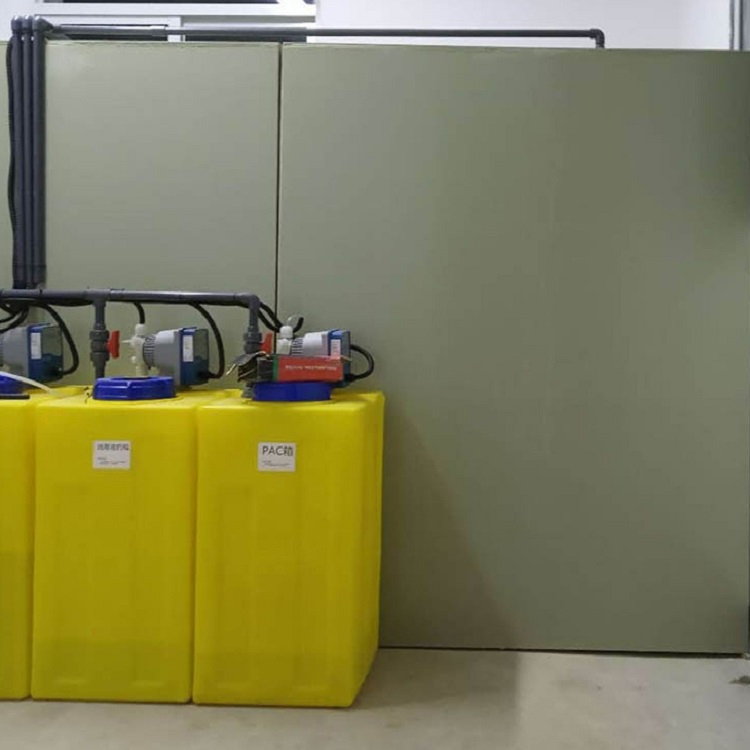

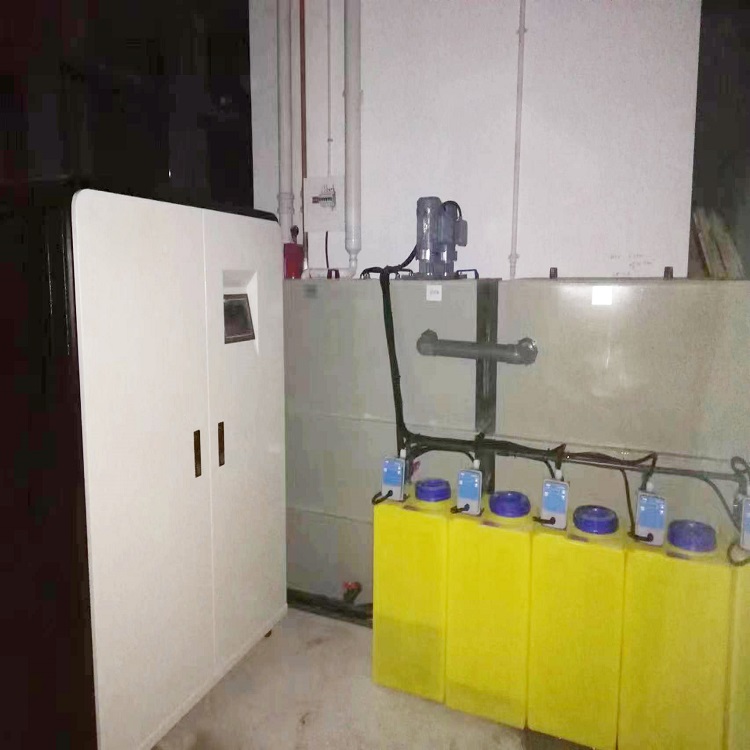

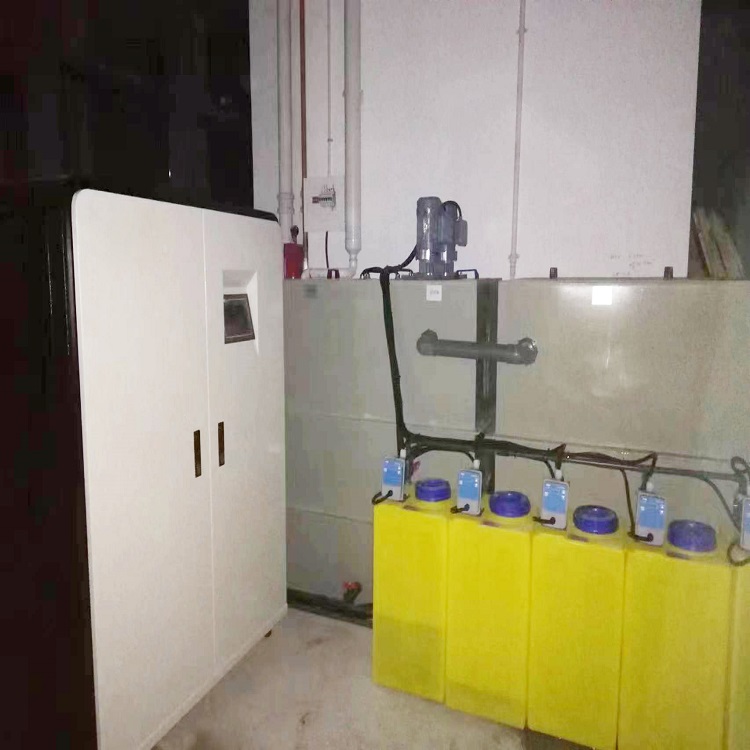
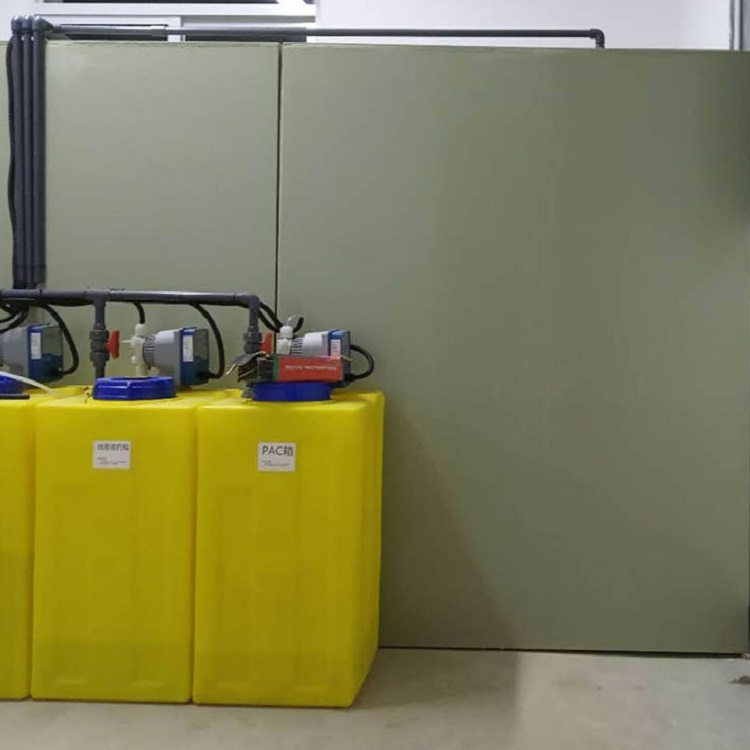
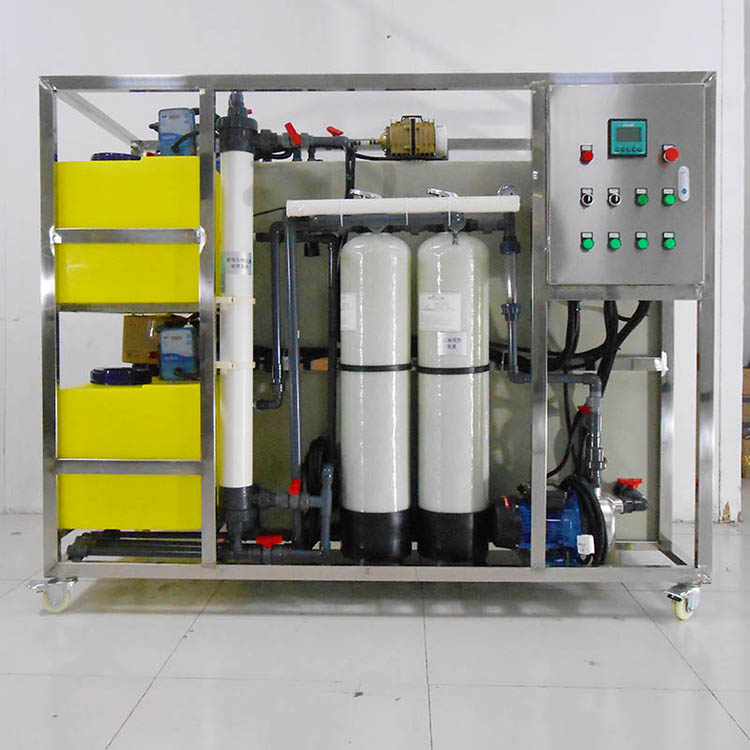












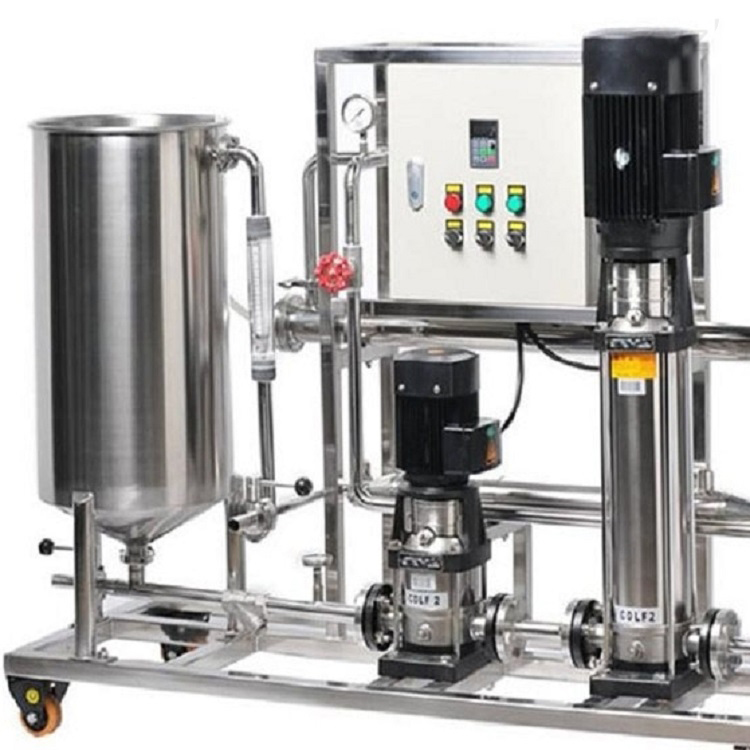
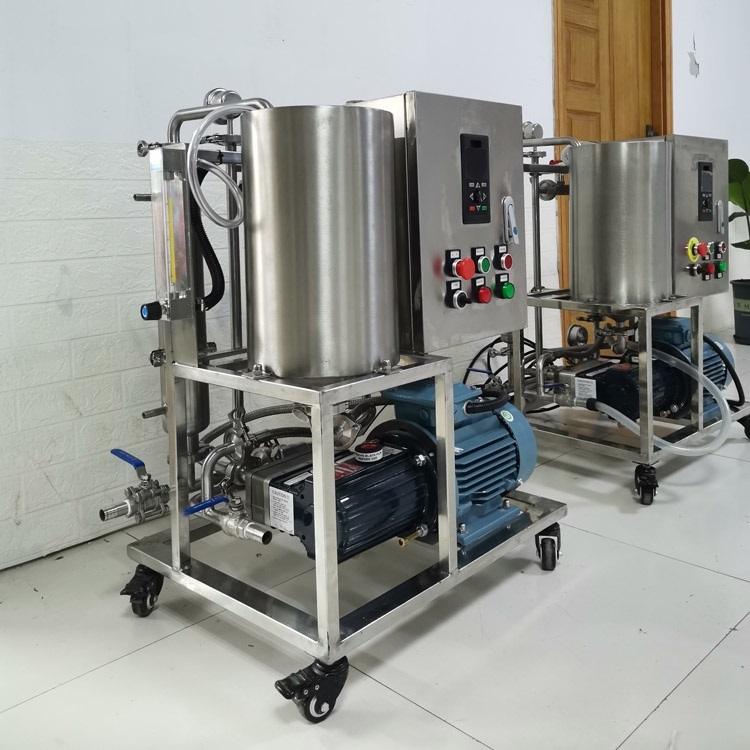
Wastewater Treatment Equipment/Wastewater Treatment Collection System/Quankun Water Quality Stabilization
Primary Source of Experimental Wastewater:
Laboratory wastewater originates from teaching and research experimental waste, as well as from the effluent of various sanitation and office/living water usages within the lab. Teaching and research experimental wastewater refers to the waste generated during various experiments aimed at yixue skill teaching and yixiue research. Due to the differing experimental projects conducted by different labs and researchers, and the frequent changes in experimental content, the total volume of wastewater discharged from various experiments is generally low but can vary significantly over time, making the discharge intermittent. The concentrations are variable, the compositions complex, and the potential hazards to both people and the environment are diverse. The pollutants in the lab's sanitation washing wastewater are also complex in composition due to the differences between teaching and research experimental wastewater, although the relative pollutant concentrations are lower. The pollutants in the office/living wastewater are relatively simple, primarily consisting of COD, BOD, and suspended solids.
Treatment Methods for Laboratory Wastewater:
Laboratory wastewater is generated during experimental operations, from the washing of various vessels, instruments, tools, and clothing, as well as from cooling equipment. Some of it can be directly discharged into the external drainage network, while others require appropriate treatment methods before being recycled. The wastewater should be treated differently based on its nature and composition. Some can be recovered and the useful parts discharged into the external network. Measures to prevent and reduce laboratory wastewater:

Method Features:
Wastewater discharge is generally divided into two parts: one part is domestic wastewater, and the other part is wastewater generated from related hospital beds and medical institutions. The treatment process used by the disease control center for wastewater treatment must ensure that the treated effluent meets the standards. The main three processes employed are: primary treatment with enhanced treatment effects, secondary treatment, and simple biochemical treatment. The number of E. coli can be maintained at a low level over a long period, with the effluent from the filtration system ensuring compliance with water quality requirements, and the effluent indicators reaching the national medical wastewater discharge standards.
Wastewater Treatment Process:
Reasons and characteristics of wastewater generation in heavy metal detection laboratory
The wastewater from the heavy metal detection laboratory primarily originates from the handling, cleaning, and disposal of chemicals and samples, as well as the cooling and flushing of laboratory equipment. The wastewater produced during these processes contains a high concentration of heavy metals, such as lead, cadmium, and mercury, exceeding environmental protection standards. Direct discharge into the environment would cause severe damage to the ecosystem.
2. Heavy Metal Detection Laboratory Wastewater Treatment Process
The wastewater treatment process in a heavy metal detection laboratory typically includes preliminary filtration, sedimentation, coagulation and flocculation, sedimentation tank treatment, and activated carbon adsorption. Initially, preliminary filtration is used to remove larger particles from the wastewater. Then, sedimentation is performed to let solid particles settle to the bottom. Next, coagulation and flocculation are carried out, using chemicals to aggregate fine particles in the wastewater into larger sediment. The activated carbon adsorption stage further removes heavy metals from the wastewater, enhancing the treatment efficiency.

Wastewater Treatment Equipment/Wastewater Treatment Collection System/Quankun Water Quality Stabilization
Application Scope:
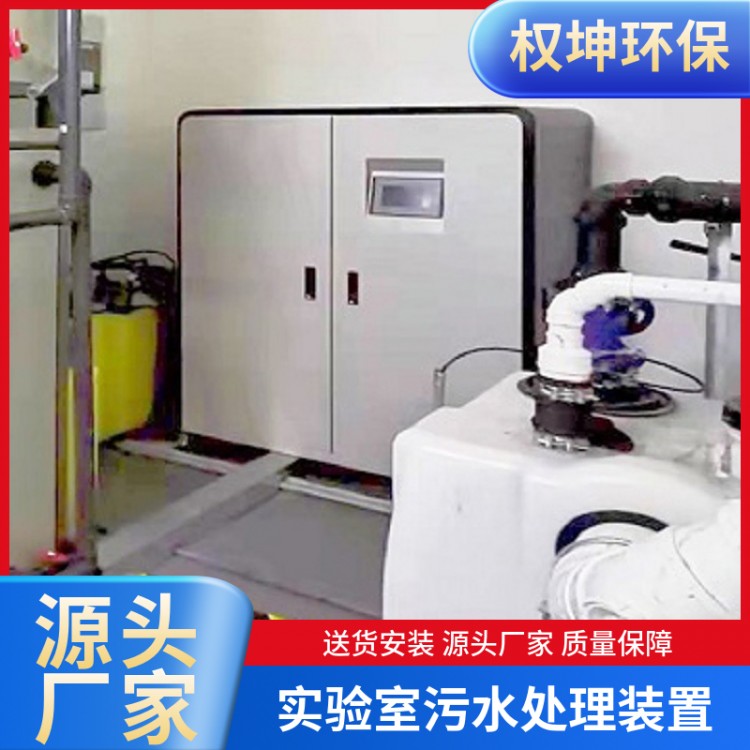
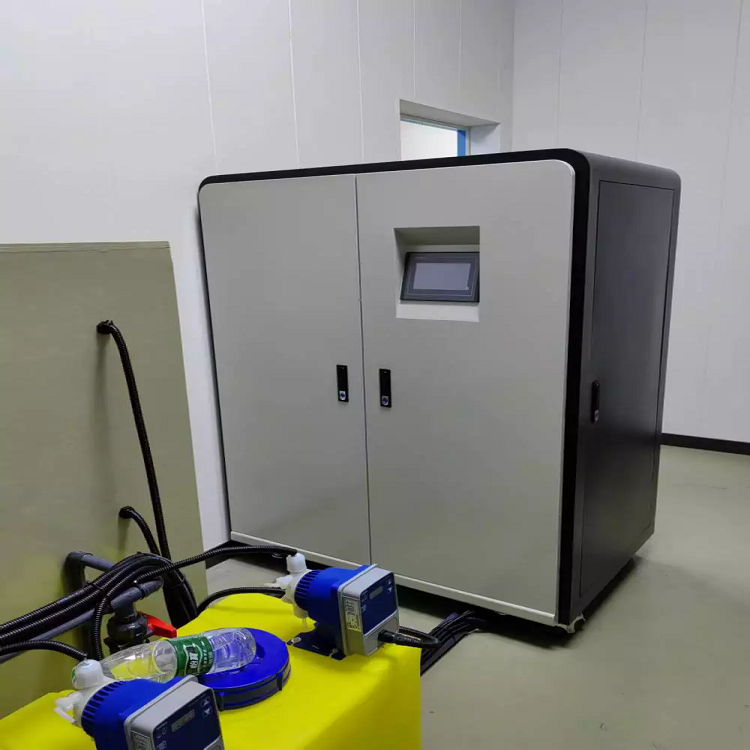
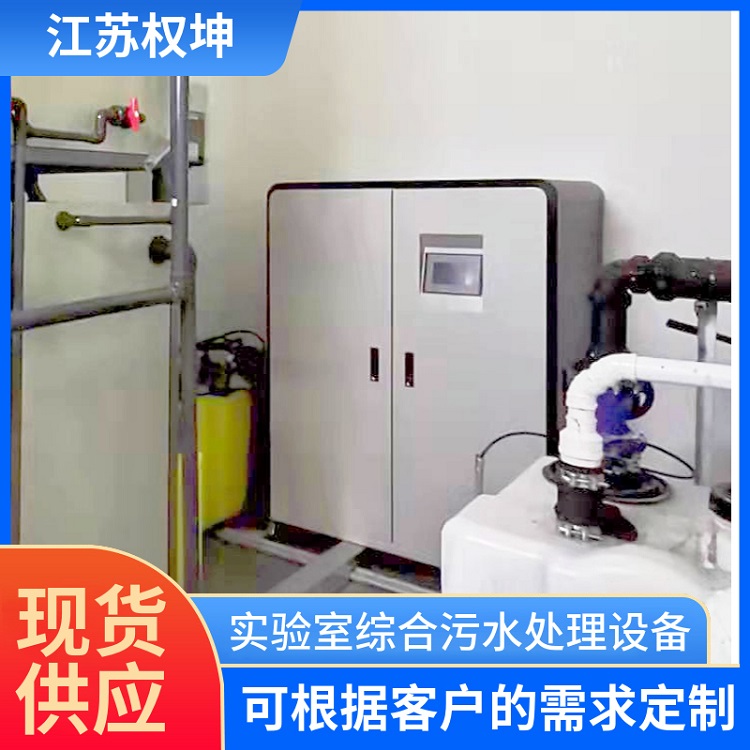
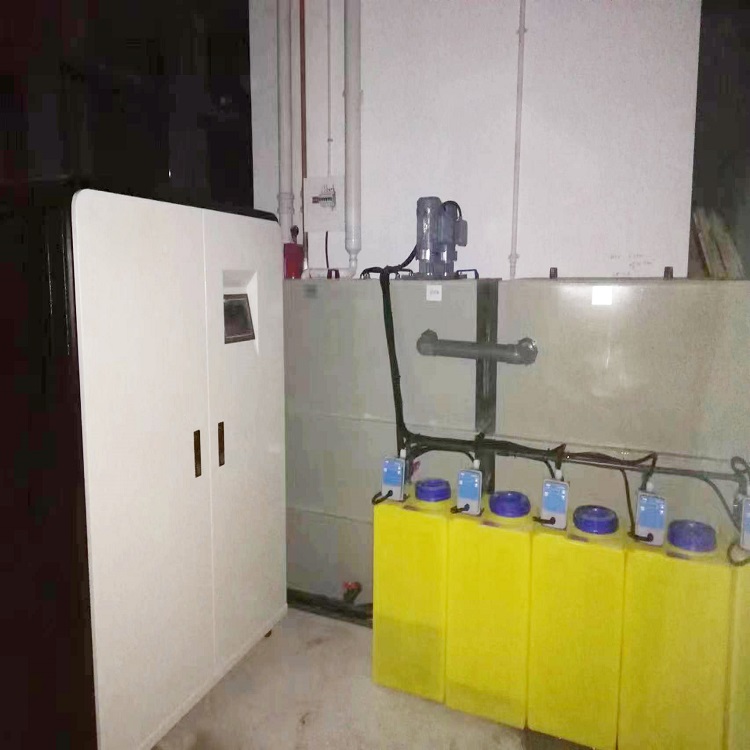
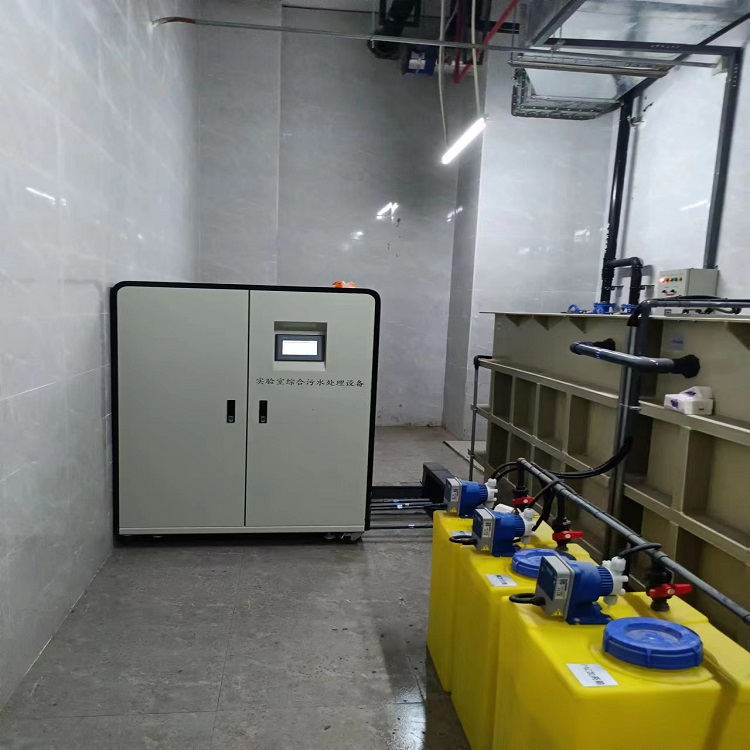
A highly automated, efficient, and space-saving comprehensive laboratory wastewater treatment system designed for various industries at home and abroad. It is easy to operate and manage, requiring no dedicated staff. This system has received high praise from users and is widely used in universities, research institutions, food and drug inspection, product quality testing, disease control centers, environmental monitoring, agricultural product quality inspection, inspection and quarantine, grain and oil testing, animal disease control, blood stations, livestock farming, medical institutions, hospitals, pharmaceuticals, petrochemical industries, and other laboratories and testing rooms. After treatment, the wastewater meets the first, second, and third standards of the Comprehensive Wastewater Discharge Standard [GB8978-1996]. The treated wastewater can be discharged into the municipal sewage network or surface and river water, or it can be reused through further treatment processes.