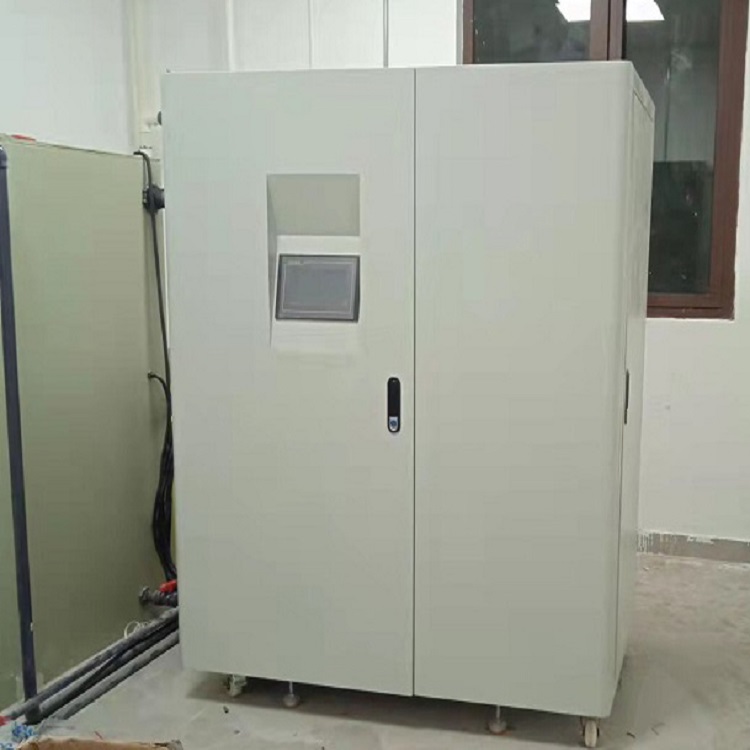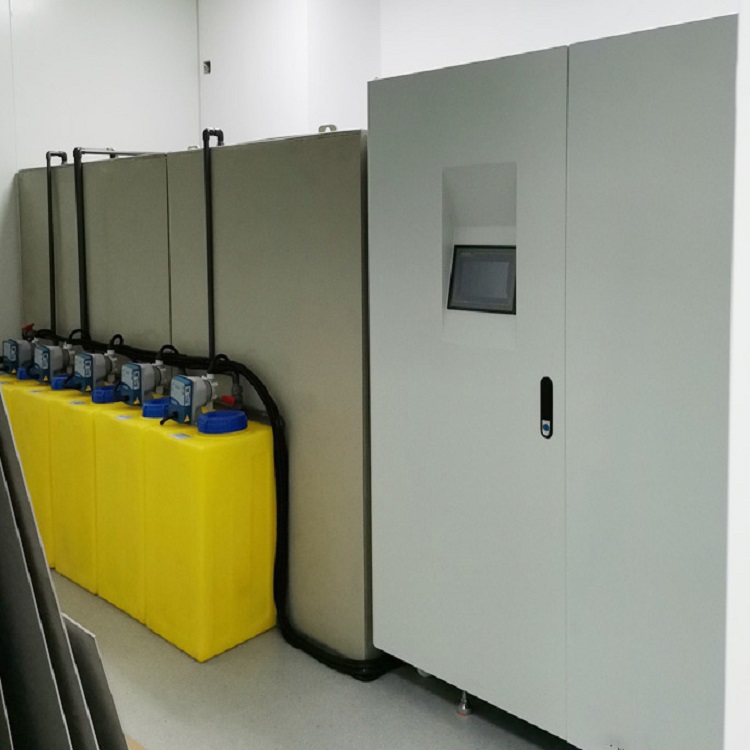


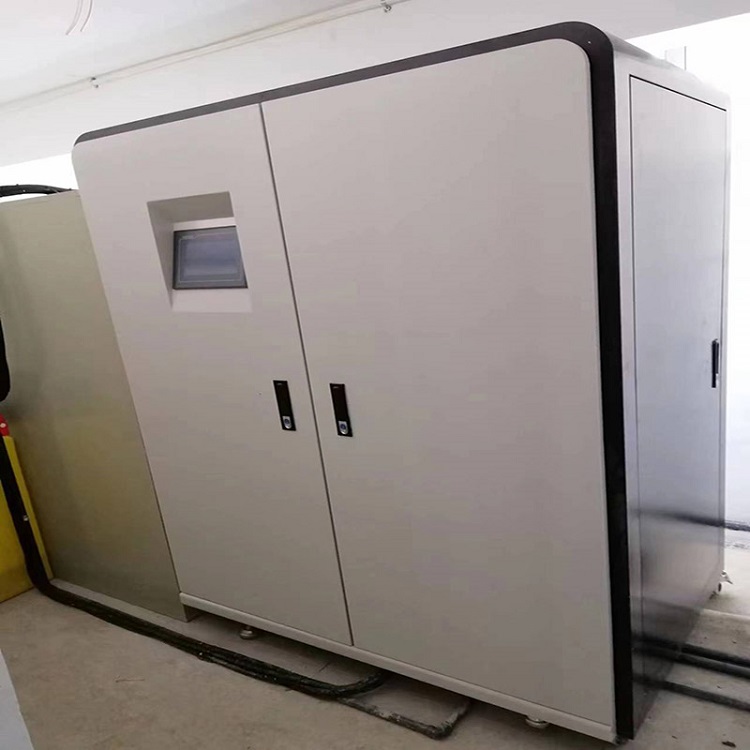
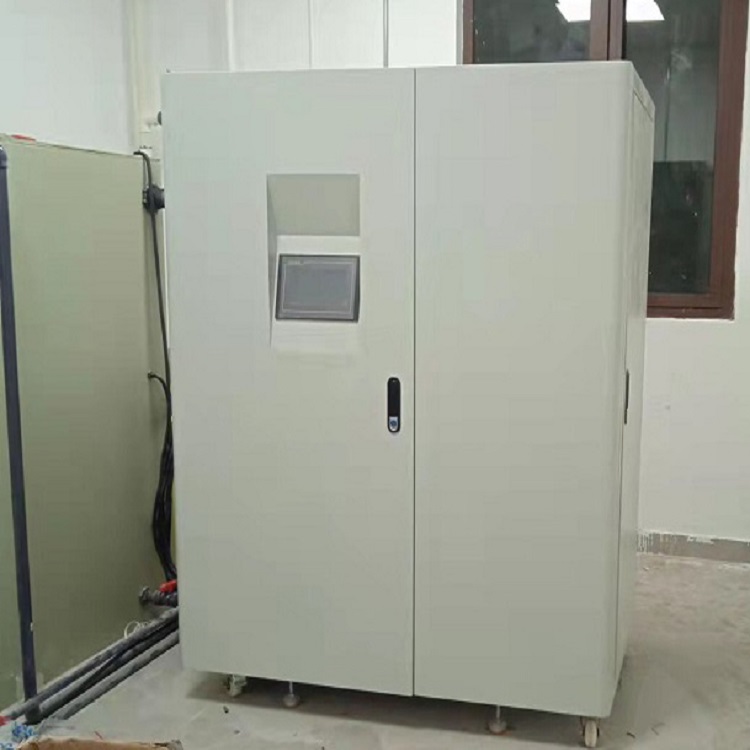












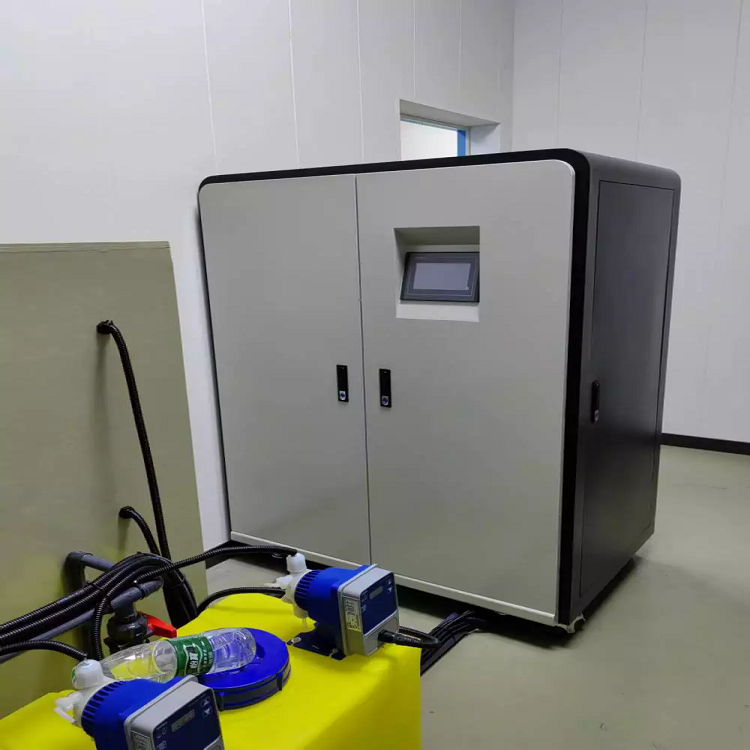
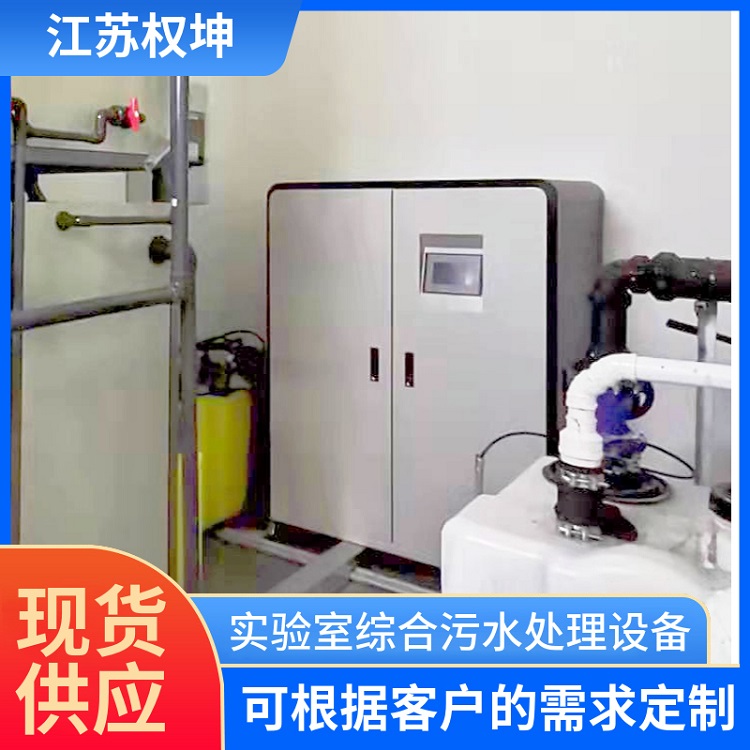
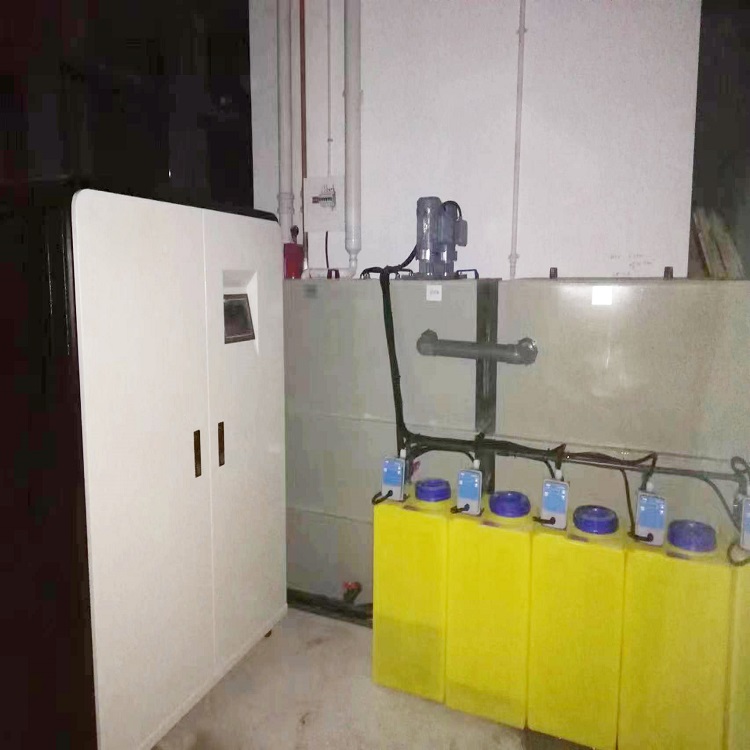
Molecular Lab Wastewater Comprehensive Treatment Equipment - Quankun Environmental Protection - Stable Operation, Simple Operation
Lab wastewater poses significant hazards. With the expansion of universities, the rapid increase in student numbers, economic growth, and advancements in scientific research, the amount of chemical lab wastewater is on the rise. Many labs generate wastewater. As it is untreated and directly released into the sewers, its composition is highly complex, containing large amounts of harmful substances like acids, alkalis, and hexavalent chromium benzene. Direct discharge inevitably pollutes the quality of water and living environment. I am concerned about this. There is an urgent need for cost-effective, energy-saving, environmentally friendly, and applicable wastewater treatment technologies for chemical labs. Among them, the increasing wastewater from university, research institutions, testing institutions, and corporate testing departments is not only severely polluting water resources but also disrupting ecological balance.
Operating Principle:
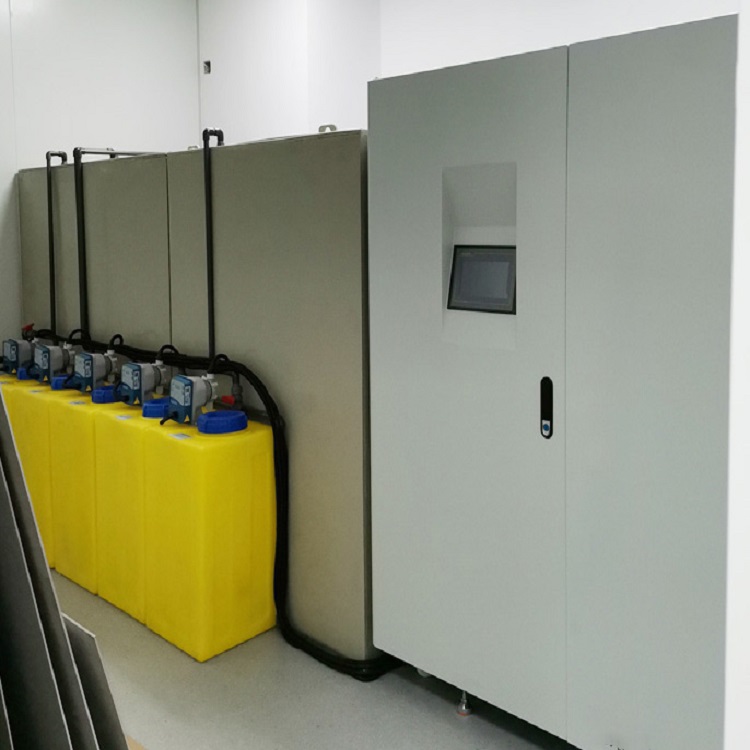
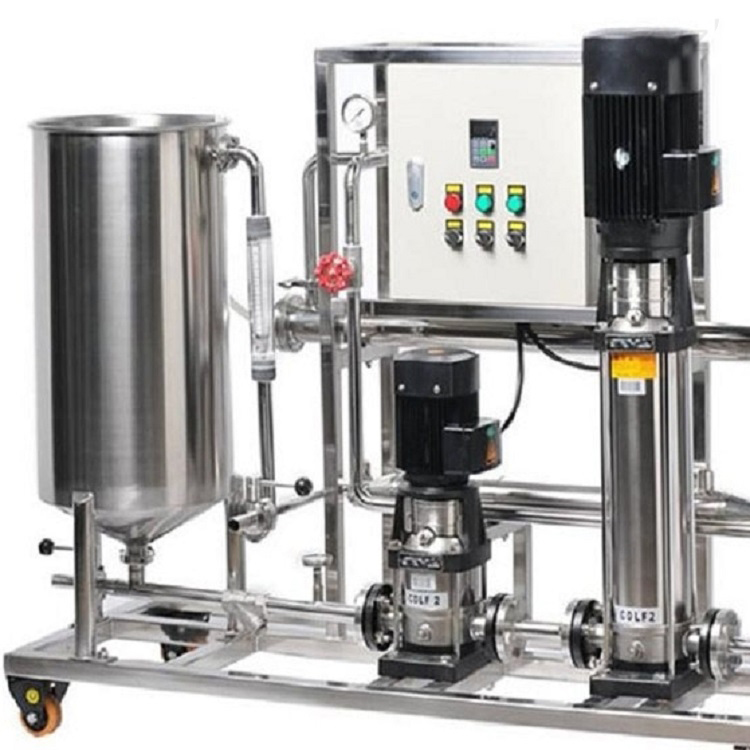
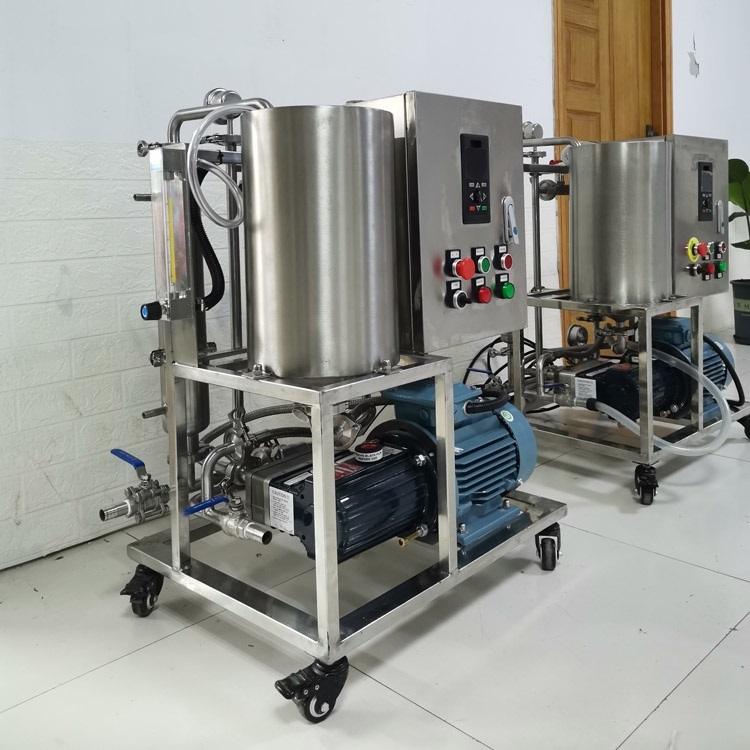
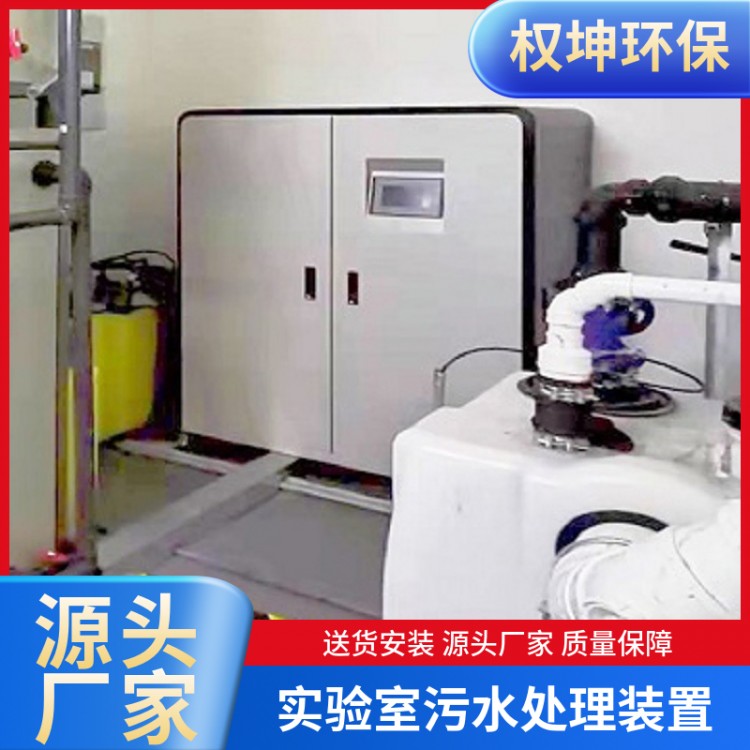
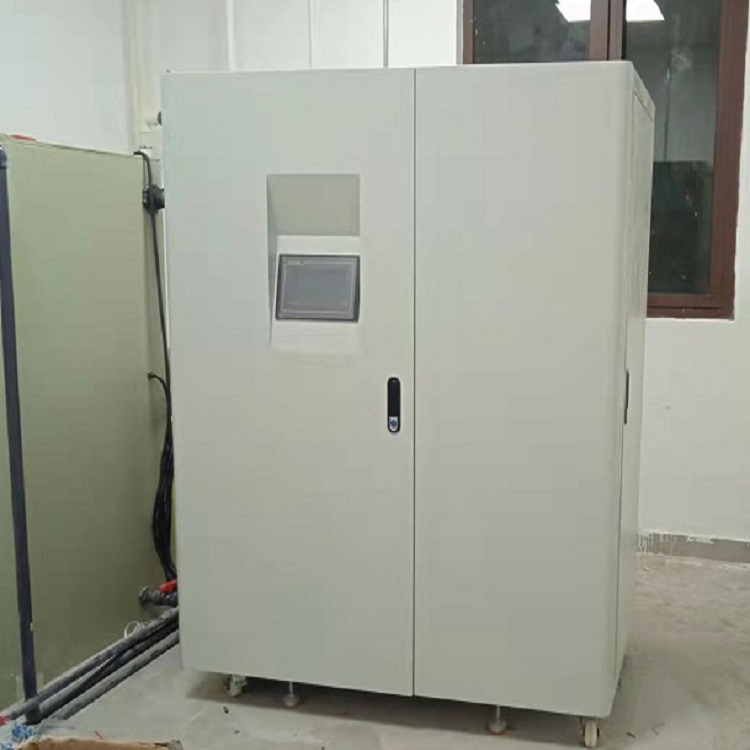
The Quankun Laboratory Waste Water Treatment Machine is equipped with multiple water purification systems including waste water classification collection, waste water treatment, water deep treatment, sedimentation separation, physical treatment, biological treatment, neutralization, and comprehensive waste water purification. It effectively handles inorganic waste water. After undergoing multiple process steps, laboratory waste water, organic waste water, and biological waste water meet the discharge standards, addressing the treatment needs for different types of laboratory waste water.
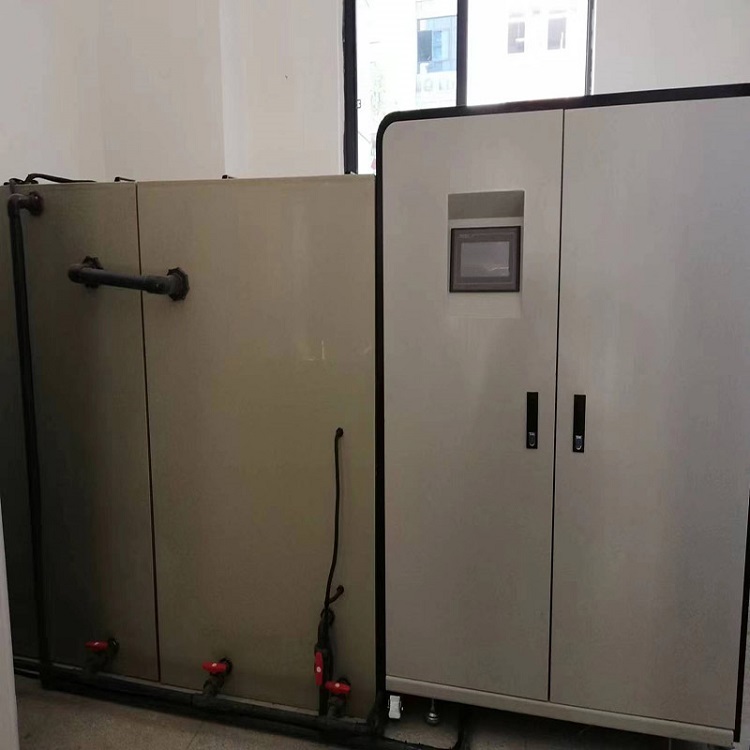
Laboratory wastewater treatment equipment process flow:
Neutralization unit: Add NaOH to the wastewater to adjust the pH to 8.5-9.2, causing some ions in the wastewater to react with sodium hydroxide to form precipitates, thereby achieving the removal of heavy metal ions.
Coagulation and Dust Removal Equipment: Adding a certain amount of CJI water treatment agent to wastewater generates a large amount of coagulated flocs, reducing the workload for subsequent processes and improving the removal rates of COD and suspended solids.
Filtering Device: Utilizes a quartz sand-filled bed to intercept and remove unseparated suspended particles and other fine materials from air flotation, and performs regular backwashing to ensure stable filtration efficiency.
Activated Carbon Decolorization Unit: Utilizes the adsorption capacity of activated carbon to remove color and odor from water through a deeper level of treatment. Check if the water output meets the standard.
Ozone Generator (Sterilization): Utilizing an ozone generator can sterilize E. coli, Salmonella, and other pathogens.
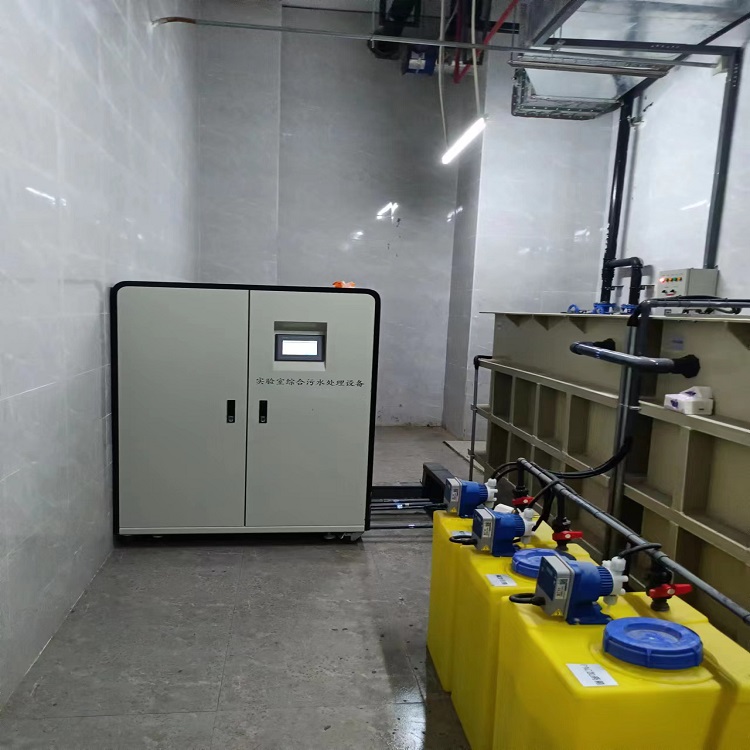
Molecular Lab Wastewater Comprehensive Treatment Equipment - Quankun Environmental Protection - Stable Operation, Simple Operation
The laboratory wastewater treatment equipment technology is mature.
1. Considering all factors, the school's laboratory wastewater treatment equipment utilizes mature technology, requiring minimal investment, stable operation, low running costs, and effective treatment results.
2. School laboratory wastewater treatment equipment, tailored to the characteristics of the wastewater, employs special measures to ensure the removal of harmful components, while also fully considering anti-corrosion measures for pipelines, equipment, and structures.
3. School laboratory wastewater treatment equipment should be selected for its stable performance, ease of maintenance, reasonable pricing, durability, and high treatment efficiency.
4. Reasonably designed, compact, and aesthetically pleasing with a small land area.
5. School laboratory wastewater treatment equipment has a certain load-bearing capacity for water quality and quantity.
6. Noise and odor prevention measures are thoroughly considered in the design to prevent secondary pollution. The school laboratory wastewater treatment facility will not cause any new pollution to the surrounding environment.
7. Achieve automatic control to enhance stability; school laboratory wastewater treatment equipment ensures the effluent quality meets standards.