












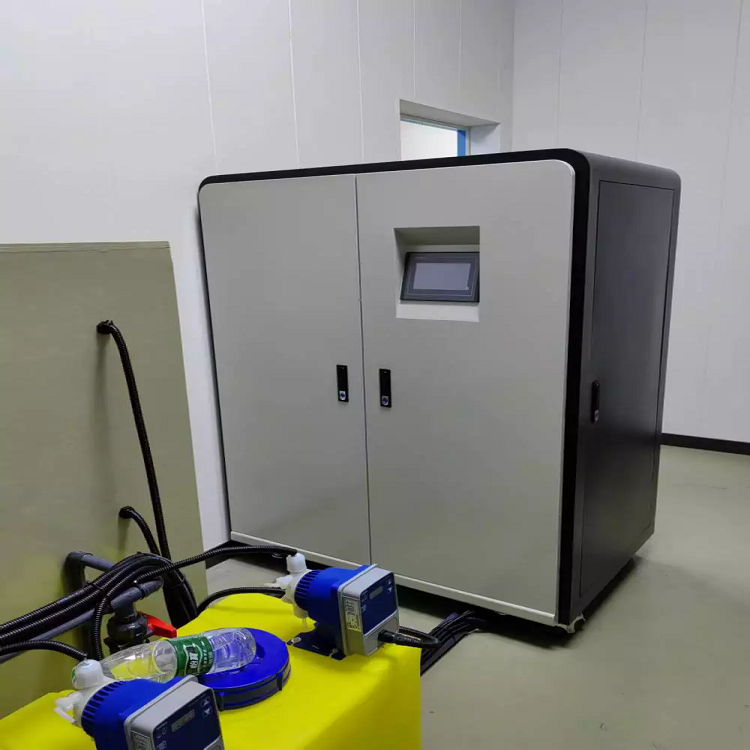
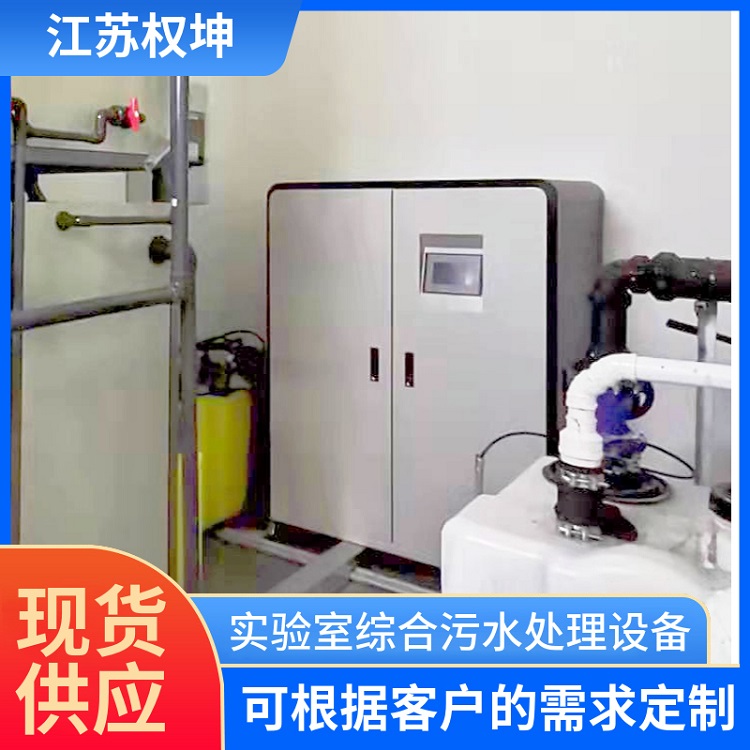
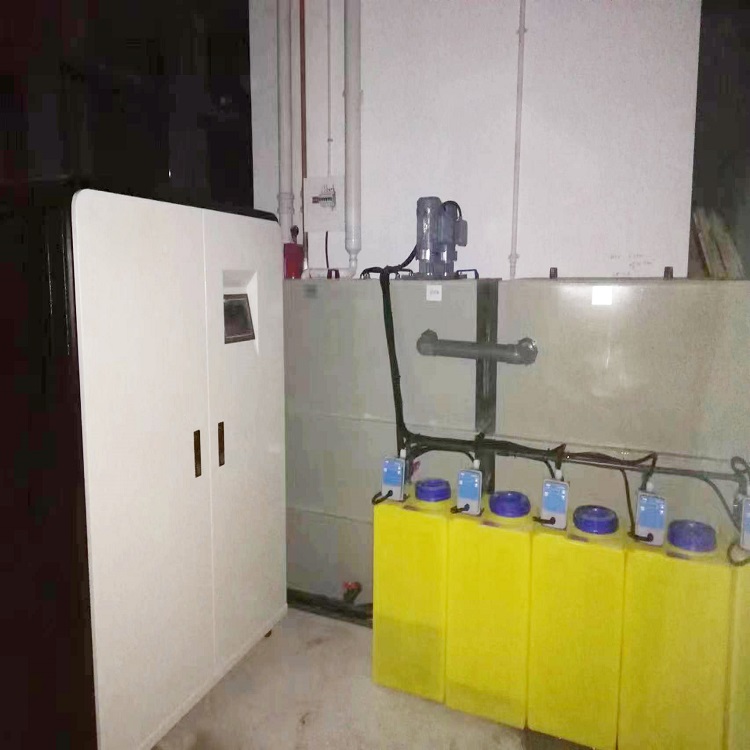
Laboratory Waste Disposal:
In relation to laboratory waste collection and management: Labs should categorize waste based on the chemical properties of various fluids, storing them in sealed containers. It's essential to identify the types of waste and storage methods. Display time. Consider treatment and recovery methods such as coagulation sedimentation, acid-base neutralization, and oxidant oxidation based on the properties and composition of the waste. If the lab cannot handle it, waste must be collected regularly and treated uniformly. From the perspective of equipment and instrument requirements, the containers for storing waste in the lab should not be easily damaged, aged, or deformed. Additionally, prevent the leakage and spread of waste.
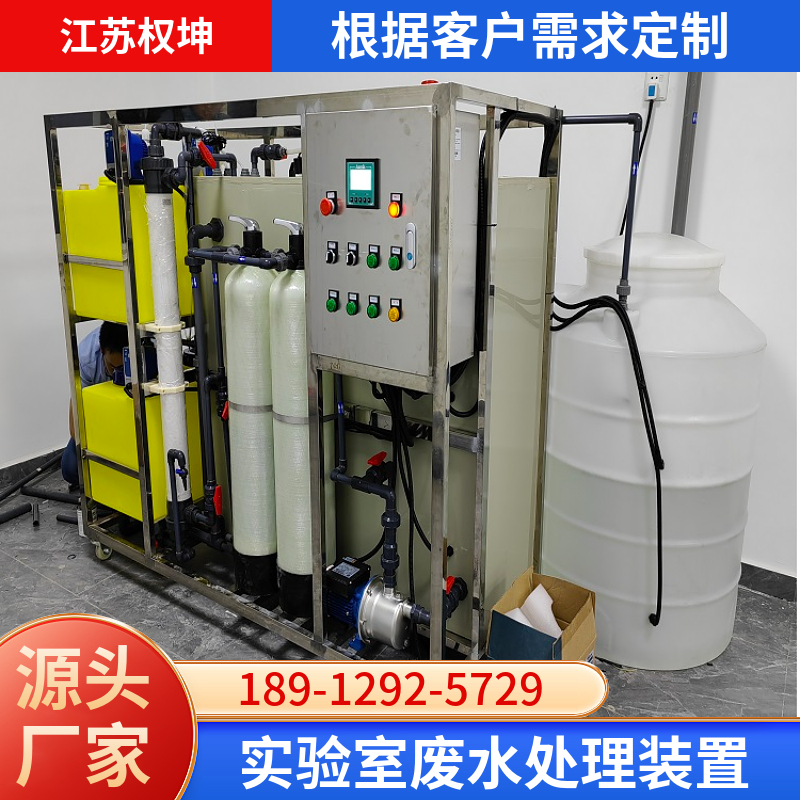
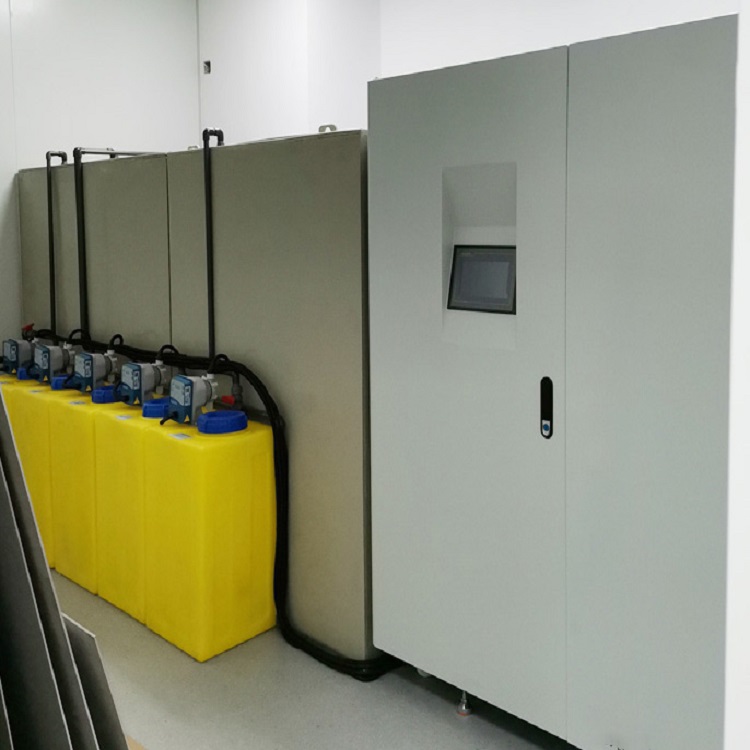
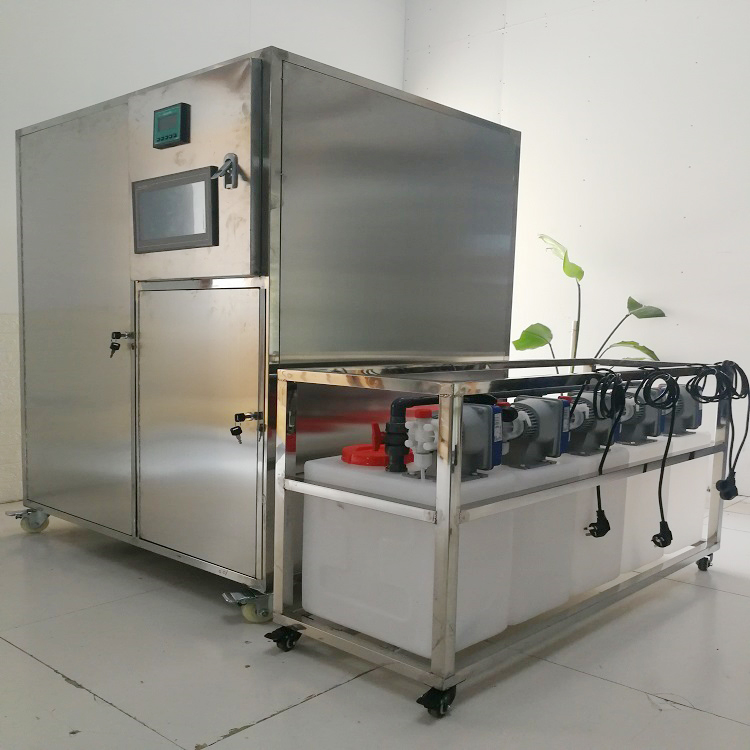
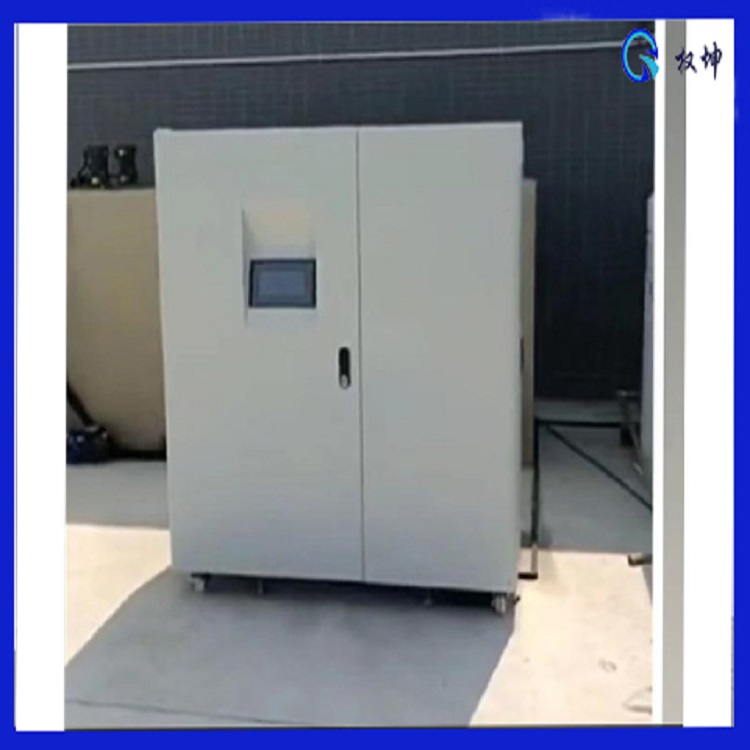
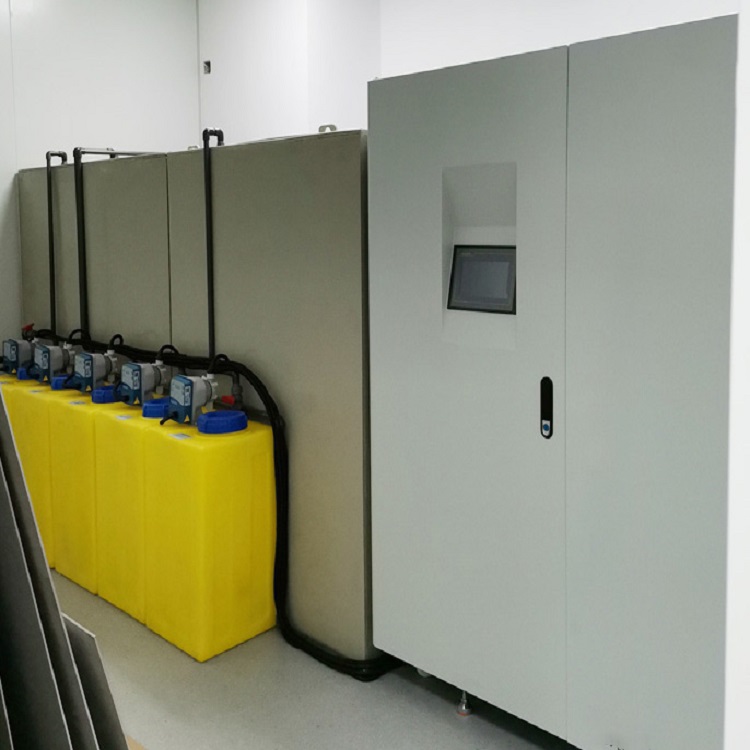
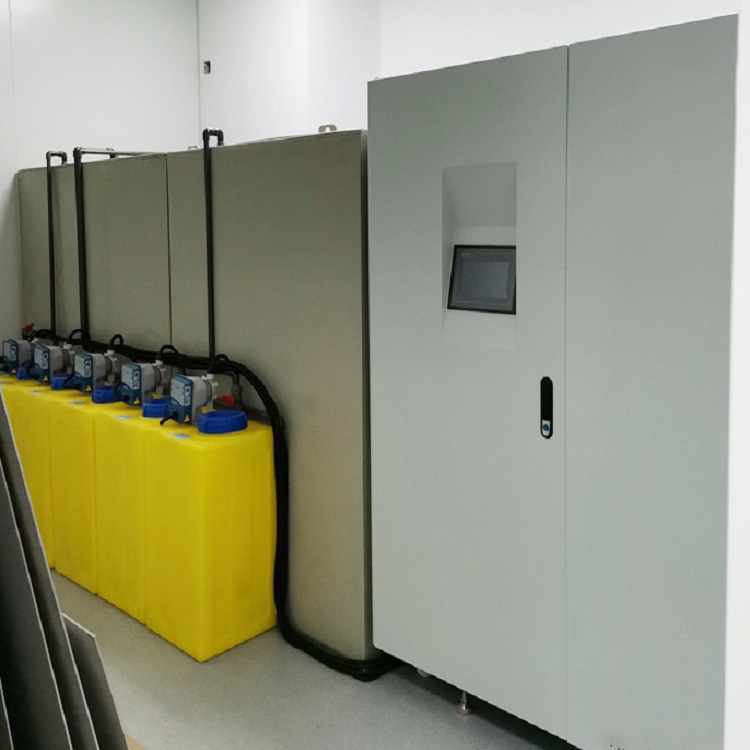
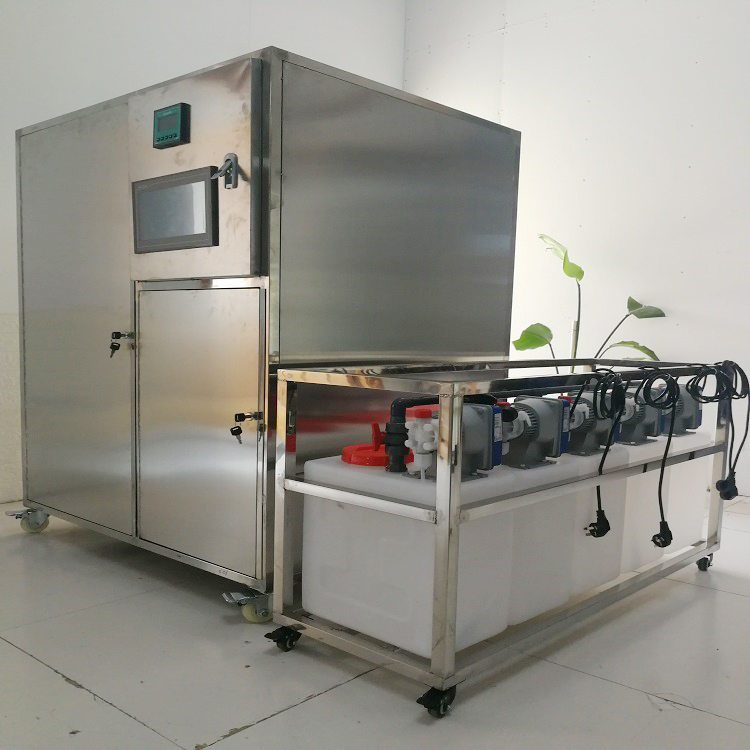
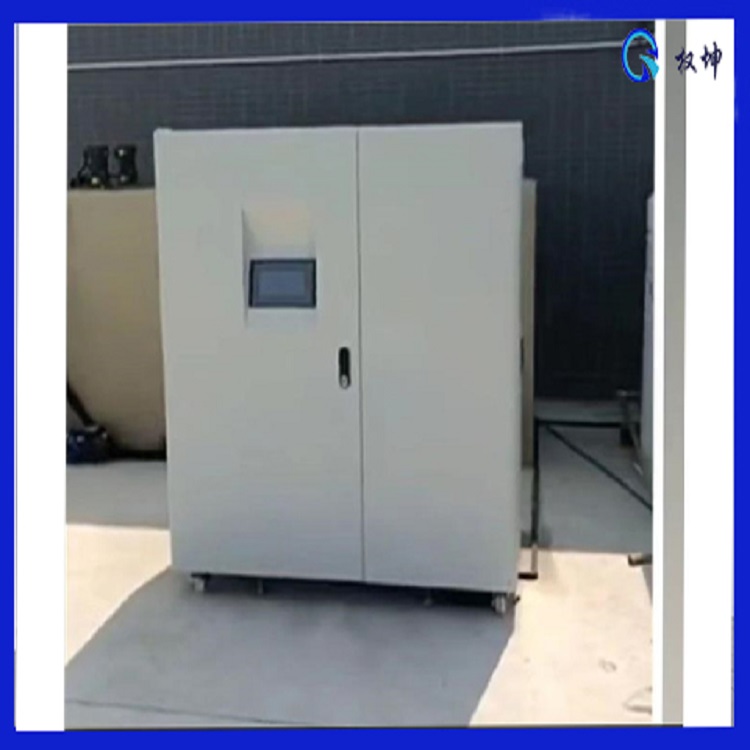
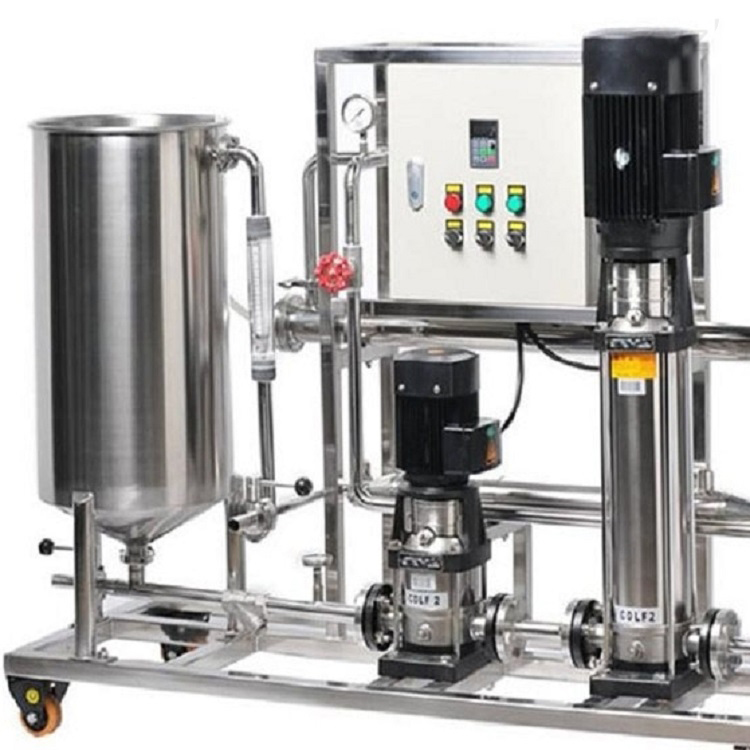
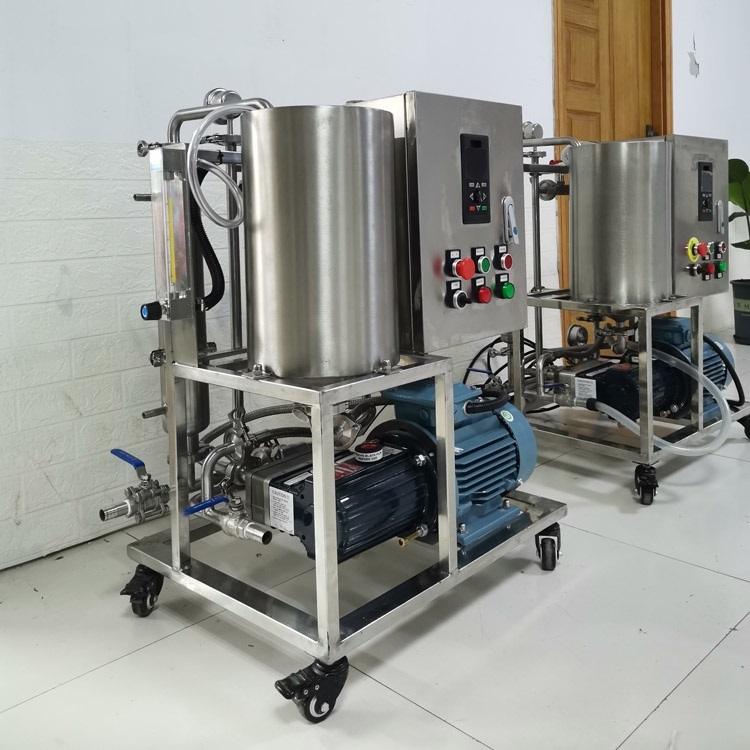
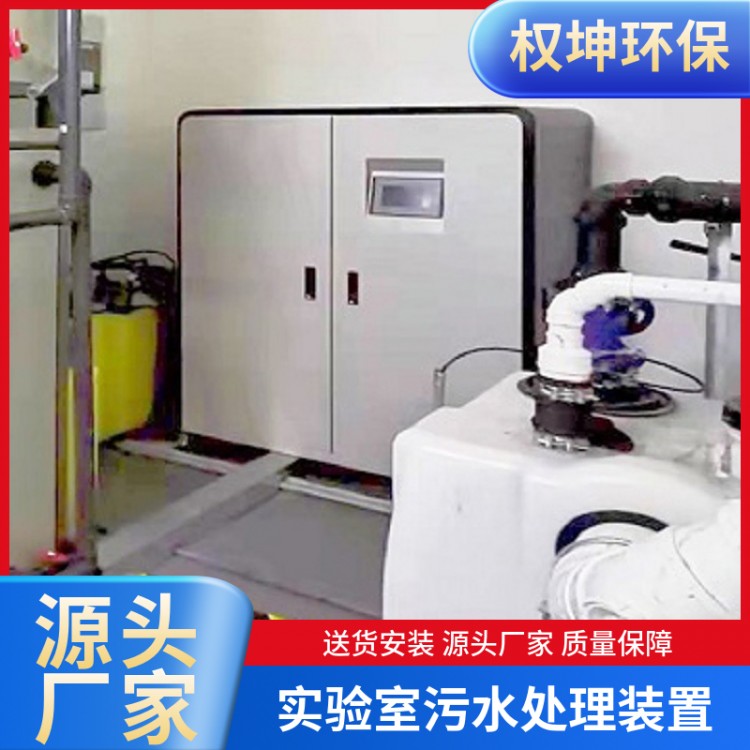
The laboratory wastewater treatment equipment consists of wastewater classification collection equipment, wastewater treatment equipment, advanced wastewater treatment equipment, sedimentation separation equipment, physical treatment equipment, biological treatment equipment, and comprehensive wastewater purification equipment. Organic wastewater treatment involves processes such as chemical pretreatment, chemical advanced treatment, inclined tube sedimentation, multi-stage disinfection and sterilization, filtration sedimentation separation, microelectrolysis with high and low potential differences, electrochemical oxidation-reduction technology, two-stage organic biological membrane purification, new technology, selective mass transfer of regenerant liquid, and fungal mycelium surface molecular imprinting technology, which can comprehensively treat organic, inorganic, and biological wastewater generated in laboratories, effectively removing COD, BOD, SS, and other pollutants. Different treatment technologies and control systems are adopted for wastewater treatment based on the composition of various experimental wastewater, such as wastewater color and heavy metal ions.
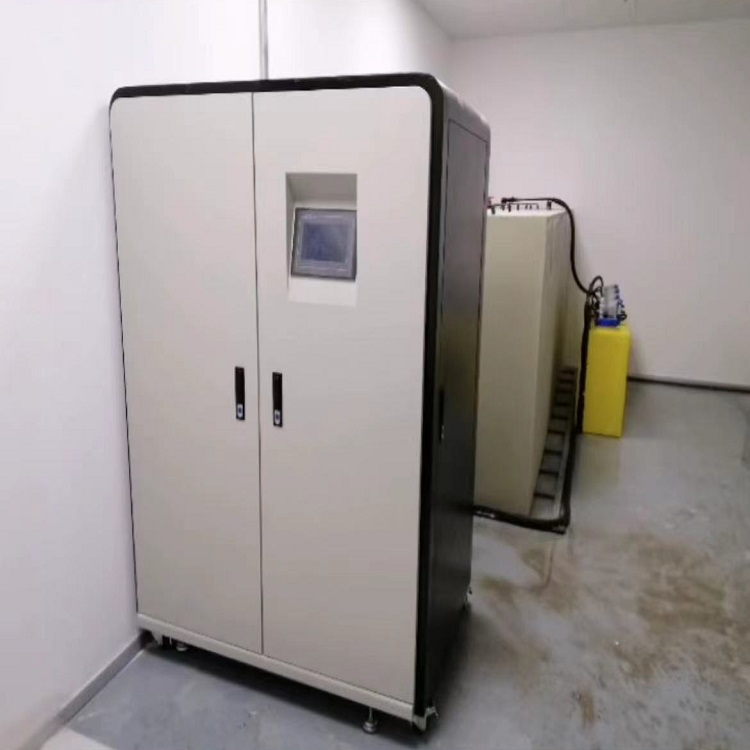
Features:
1. Broadly applicable, suitable for wastewater treatment in various laboratories.
2. Utilize various advanced technologies for multi-stage treatment and purification of wastewater, meeting discharge standards.
3. Centralized control, high level of automation, easy operation, fully automatic operation, no need for dedicated personnel.
4. Automatic water leakage and electric shock protection, high and low voltage automatic protection, no wastewater protection, and liquid storage tank level protection functions.
5. Dynamic operation with a digital LCD display for water quality indication.
6. "One-stop" integrated design, aesthetically pleasing, compact installation space, fast processing speed, low operational costs, easy installation and relocation, high processing capacity, excellent processing results, low energy consumption, acid and alkali corrosion resistance, low noise, truly safety-designed equipment with protective features, no leakage, and environmental friendliness.

Application Scope:
Laboratory wastewater treatment equipment is widely used in colleges and universities, research institutions, CDC, environmental supervision, product quality inspection, drug inspection, blood testing laboratories, animal husbandry, and various other laboratories. Laboratory wastewater treatment. The treated wastewater meets the comprehensive discharge standards of the "GB8978-1996" wastewater discharge standard at the third level. The treated wastewater can be discharged into the municipal sewage network or undergo further treatment through a reprocessing process.