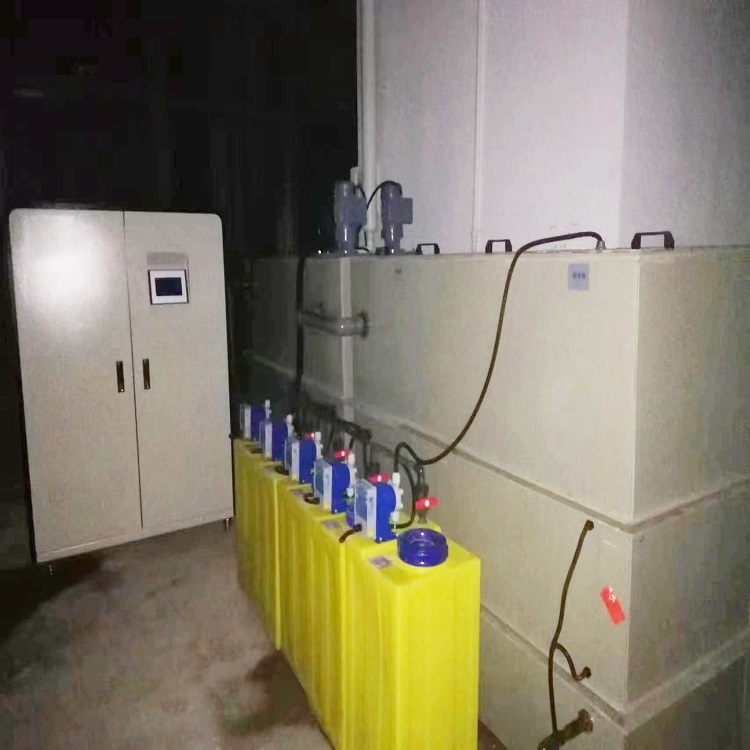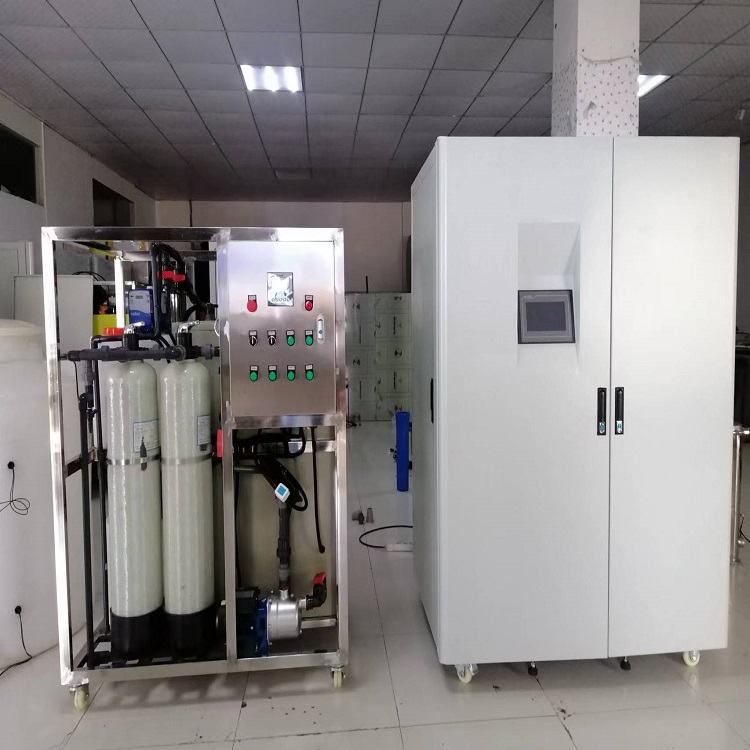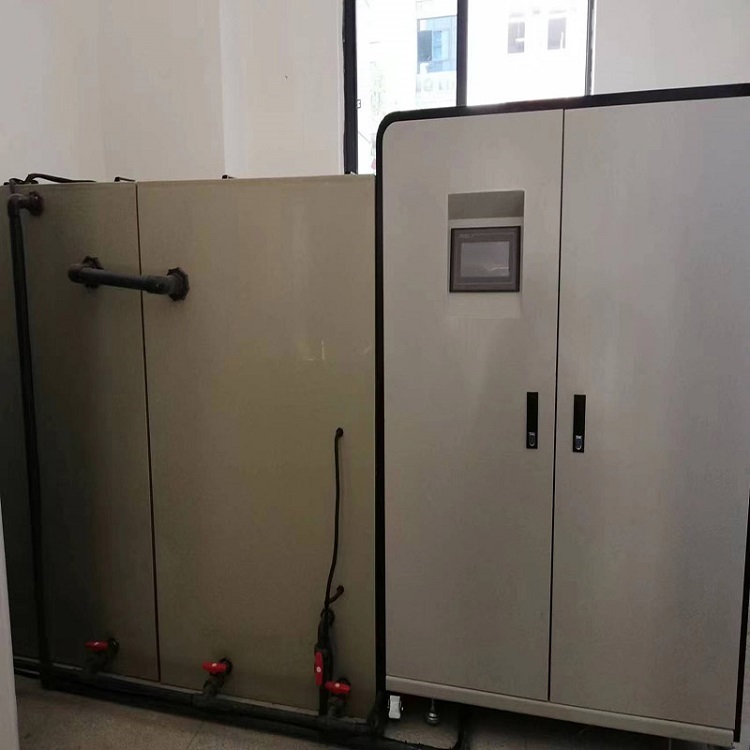

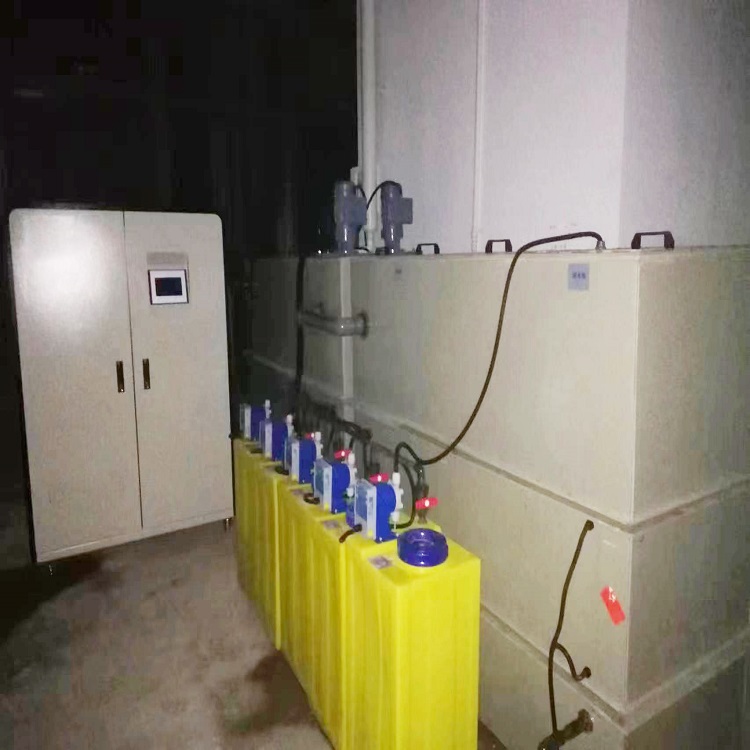

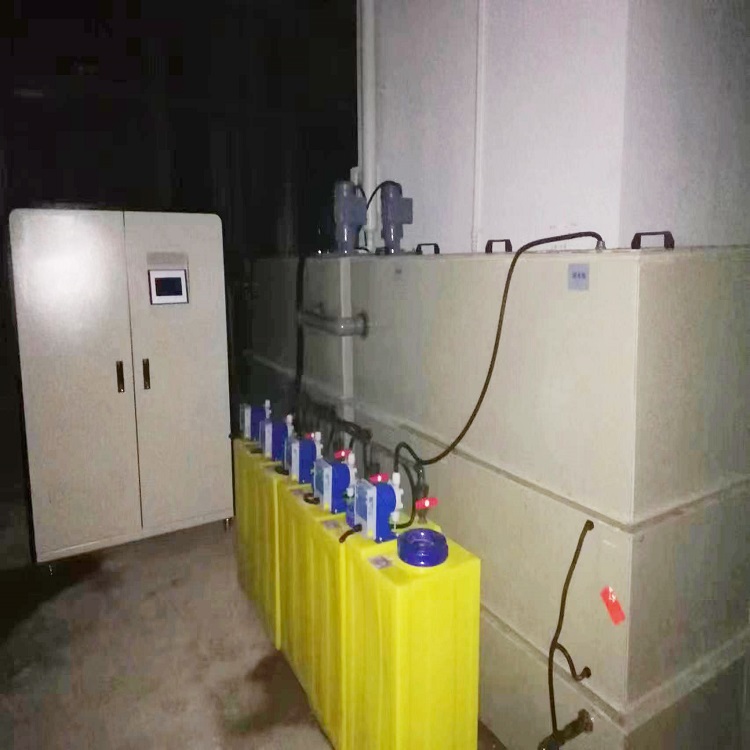
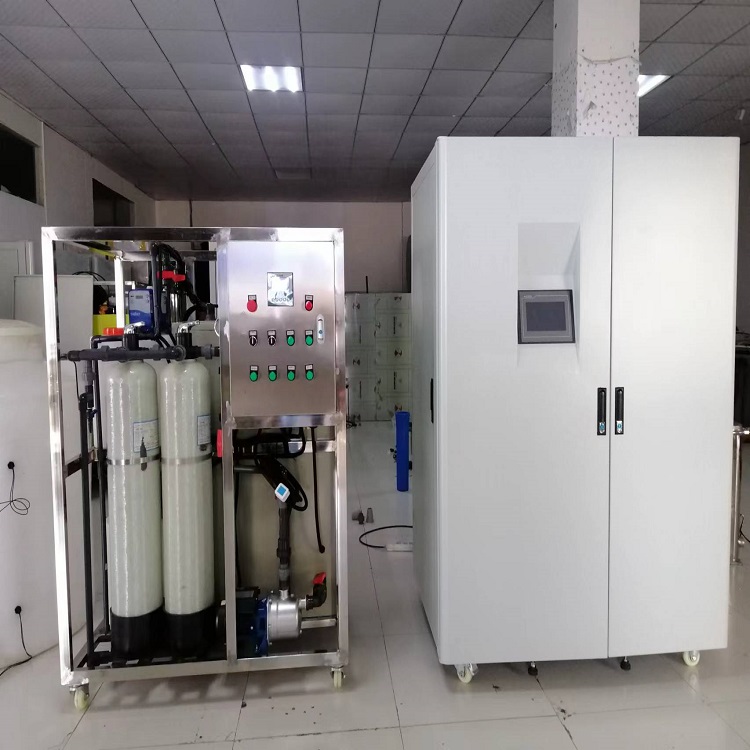
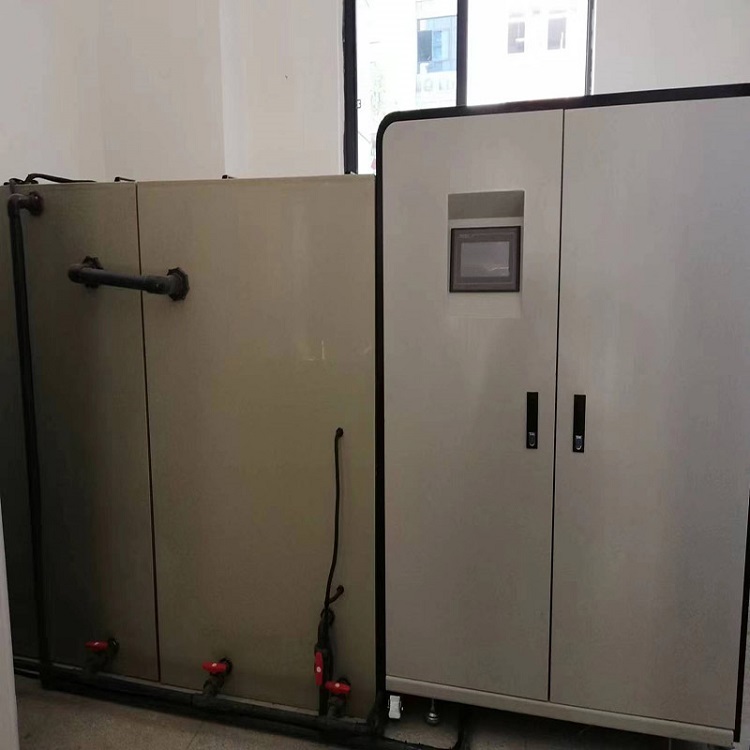












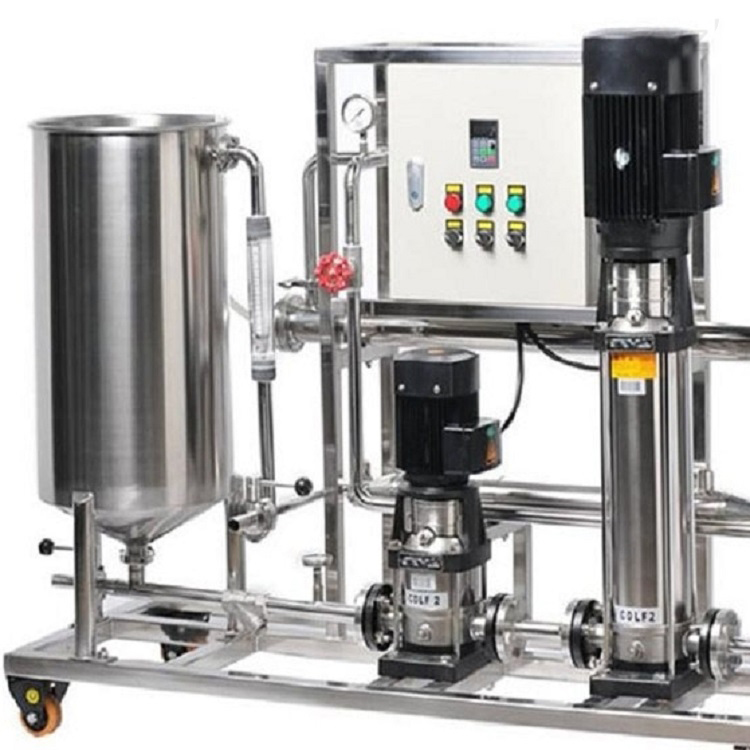
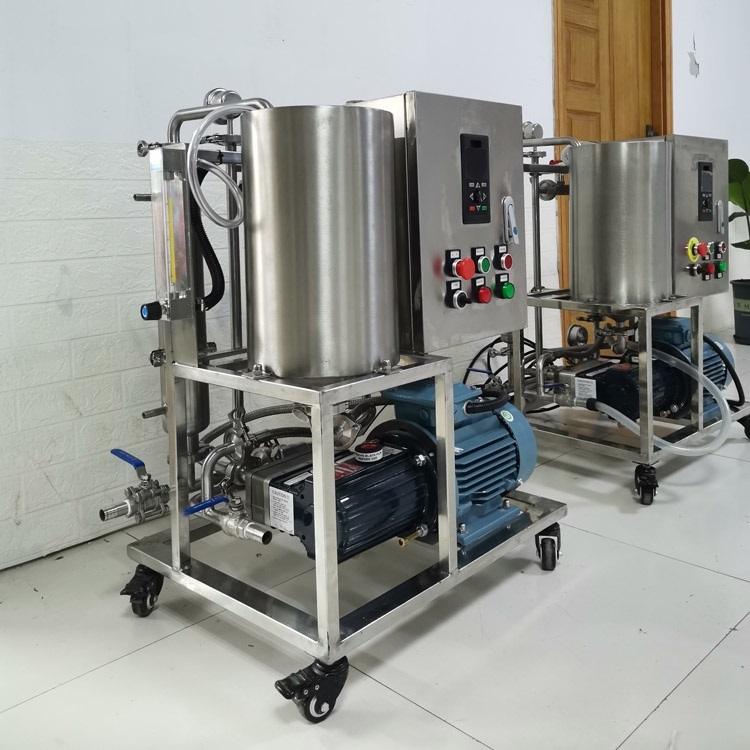
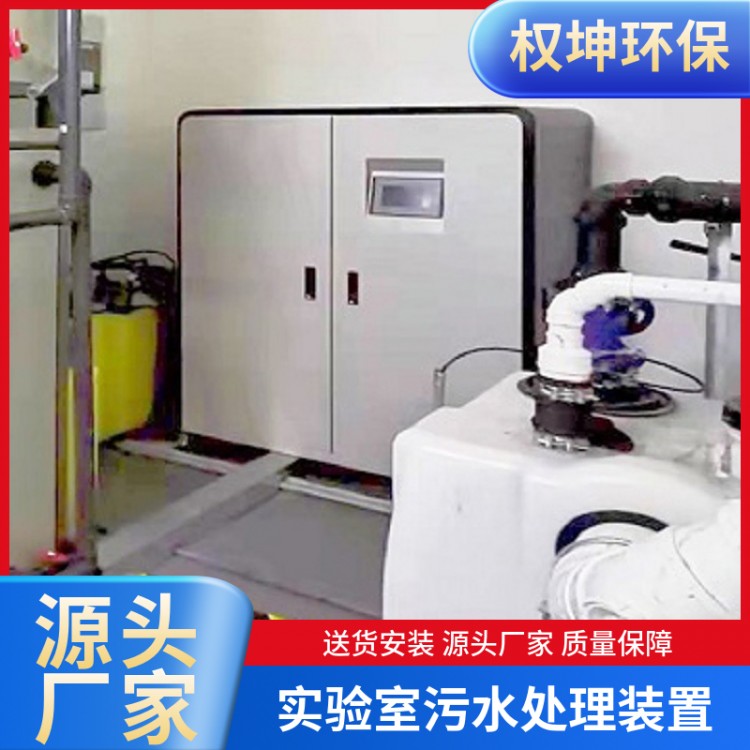
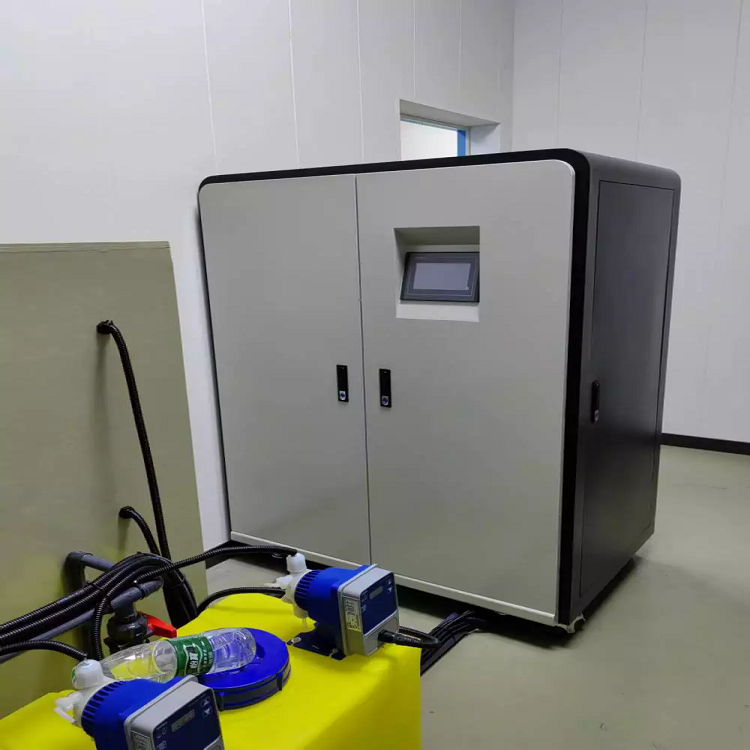
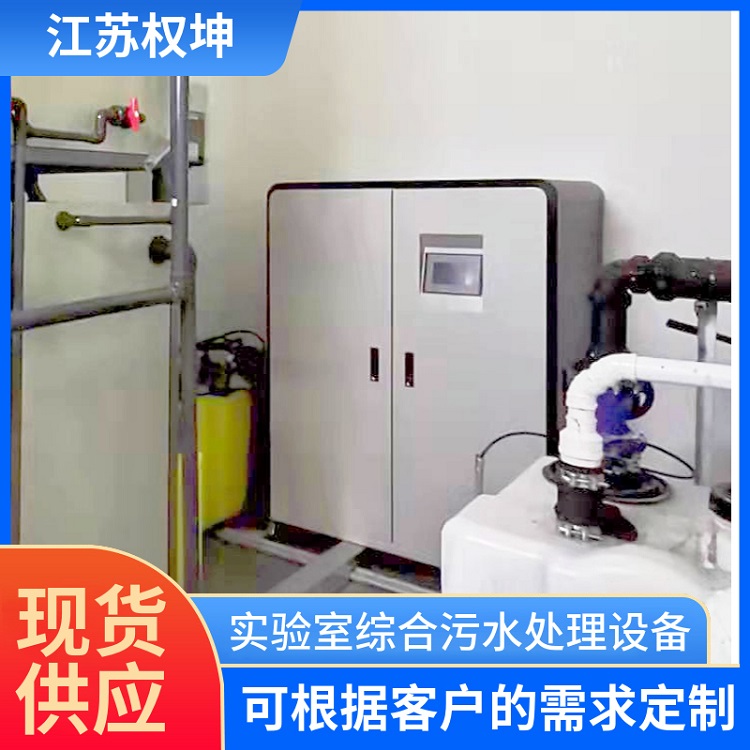
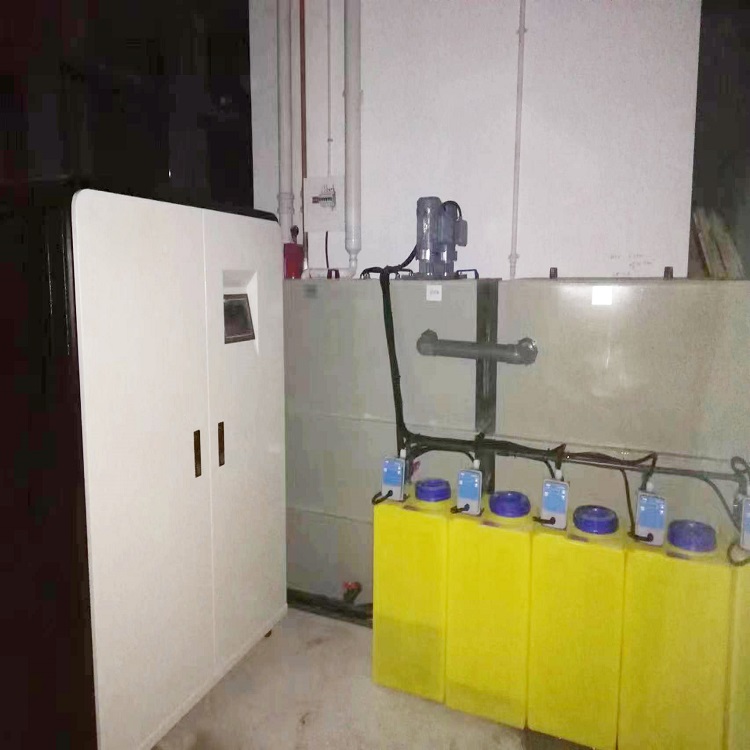
Quality Control Room Small Laboratory Wastewater Treatment System - Quankun - Corrosion-Resistant - Customizable - Low Energy Consumption
The laboratory is a place for conducting experiments. It serves as the cradle of science, the foundation of scientific research, and the source of technological development, playing a crucial role in the advancement of science and technology. Laboratories can be categorized into three types based on their affiliation: those affiliated with universities or managed by them, those belonging to national institutions, some of which are also international organizations, and the third type directly associated with industrial departments, providing development and research in industrial technology.
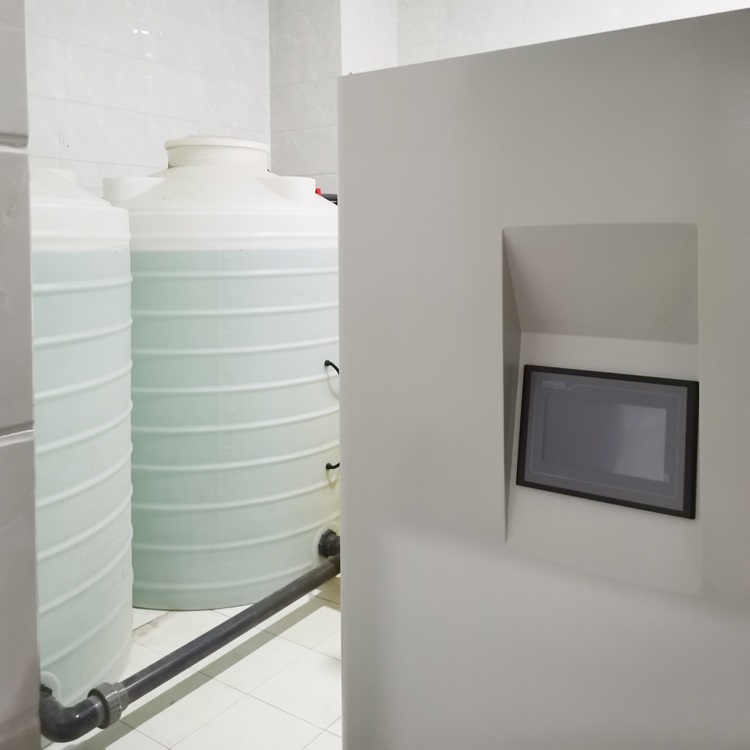
Wastewater Treatment Principle:
1. Overall Process Control Principles. Manage the entire process of wastewater generation, treatment, and discharge.
2. Reduction Principle. Enforce strict internal hygiene and safety management systems, rigorously control and separate wastewater and pollutants away from the source, collect domestic wastewater and treated wastewater separately, control pollution sources, and implement clean separation. Strictly prohibit the discharge of wastewater and polluted water into the sewers.
3. Local Principle. To prevent contamination and damage during transportation, wastewater must be treated on-site.
4. Classification Guide. Offers a wastewater treatment classification guide based on the nature, scale, destination, and regional differences of effluent discharge.
5. Combine the principles of compliance with standards and risk control. While fully considering the basic requirements for achieving comprehensive and flammable wastewater discharge standards, enhance risk management in aspects such as process technology, project construction, and supervision and administration, improving the ability to respond to emergencies.
6. Eco-Safety Principle. Effectively removes harmful substances from wastewater, reduces the generation of disinfection by-products during the treatment process, and protects the ecological environment by controlling the excess residual chlorine in the wastewater.
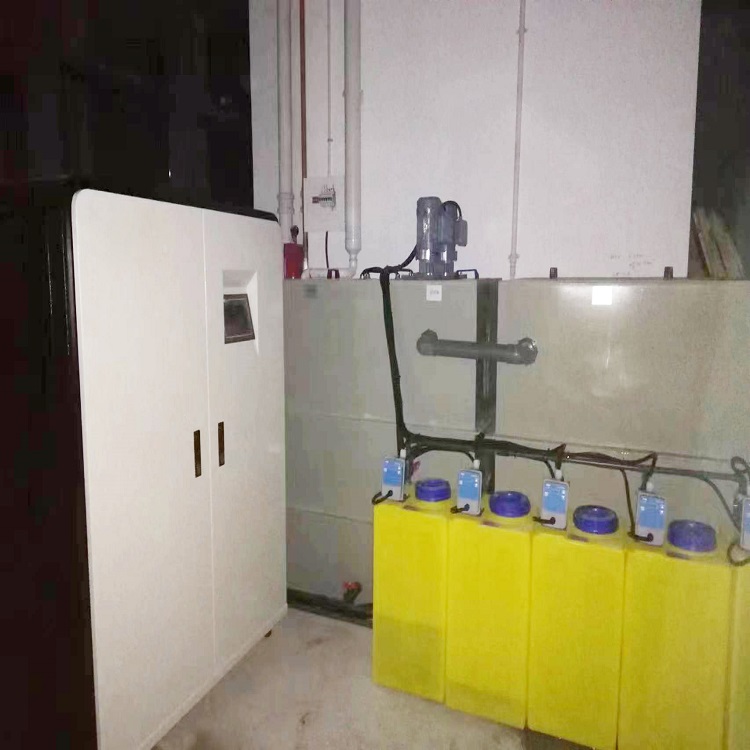
Design Principles:
1. Considering various factors, a mature technology with low investment, stable operation, low operating costs, and good treatment effect is adopted.
2. Based on the characteristics of the wastewater, special measures are taken to ensure the removal of harmful components, and adequate consideration is given to the anti-corrosion measures for pipelines, equipment, and structures.
3. Select equipment and machinery that are stable in performance, easy to maintain, reasonably priced, durable, and high in processing efficiency.
4. Reasonably planned, compact, and aesthetically pleasing architectural layout with minimal land area.
5. Has certain impact load capacity on water quality and quantity.
6. Design with full consideration of noise and odors to prevent secondary pollution and avoid causing new environmental contamination.
7. Achieve automated control, enhance stability, and ensure the water output quality meets standards.
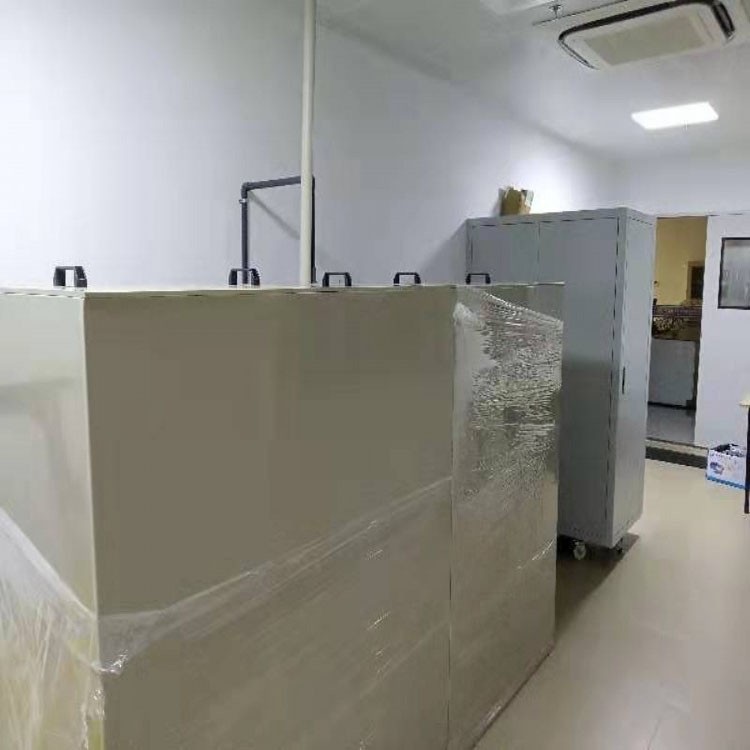
Quality Control Room Small Laboratory Wastewater Treatment System - Quankun - Corrosion Resistance - Customizable - Low Energy Consumption
Quality Management:
Since our company has been manufacturing water supply and drainage equipment, we have accumulated rich technical expertise through careful product development and research, as well as collaborations with domestic universities. We have established relevant standards in the production process, ensuring product manufacturing quality, performance, and technology. We guarantee continuous improvement.
1. The primary processes are conducted in accordance with the detailed operation guidelines established by the technical department, including quality control contents, relevant procedures, and regulations, and involve incoming material inspections, purchased part inspections, manufacturing process inspections, final product inspections, and record-keeping. Do it meticulously.
2. Establish process monitoring methods for special processes, carefully record inspection details, and regularly inspect and maintain equipment performance to ensure compliance with process requirements. Equipment for inspection and testing must be intact and undamaged. Clearly categorize, conduct weekly inspections, and preserve records. Each process must be marked according to the product identification method. Only after passing the process inspection can it proceed to the next process, and only upon completion of the final inspection can it be stored in inventory.