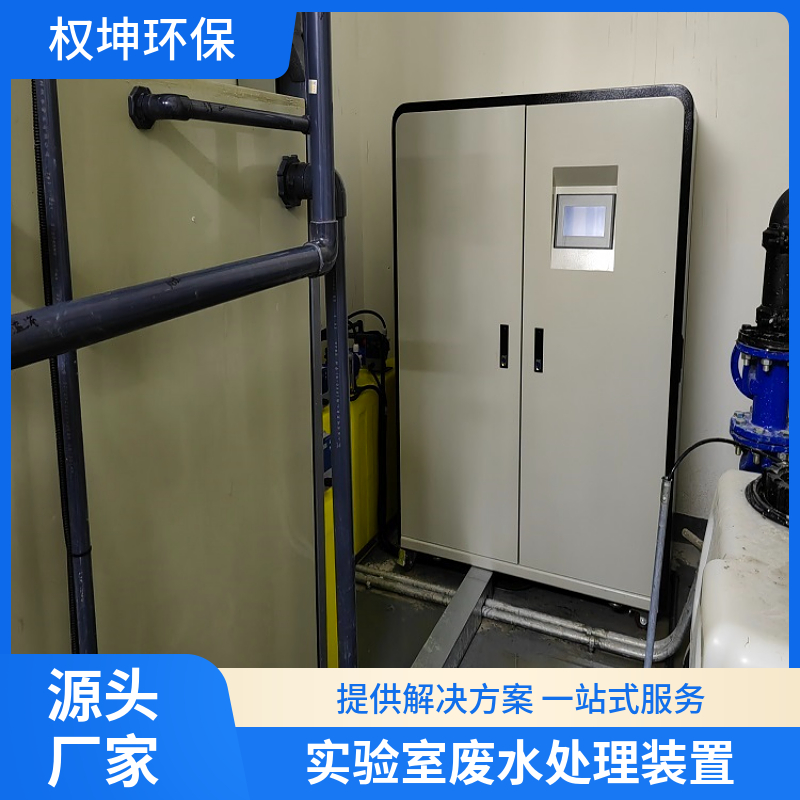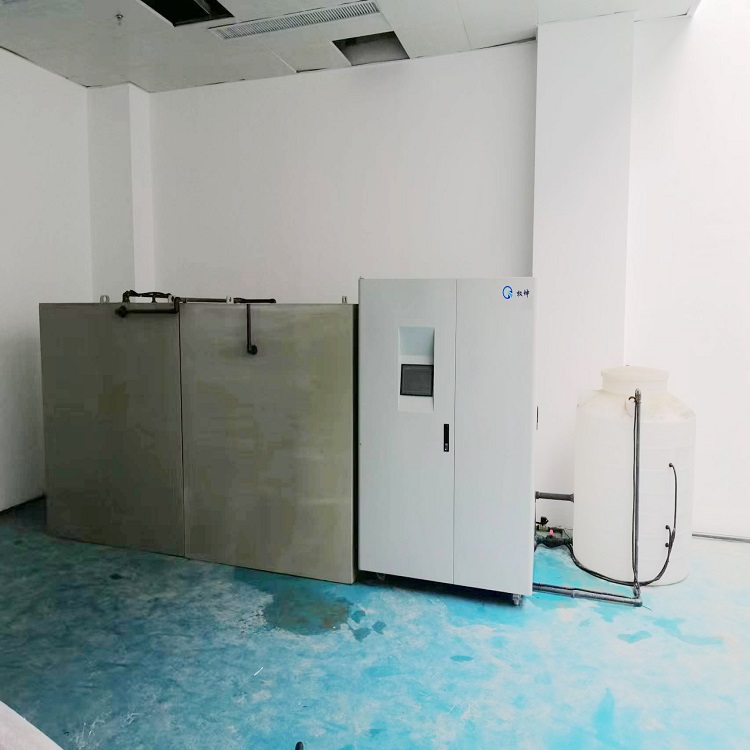

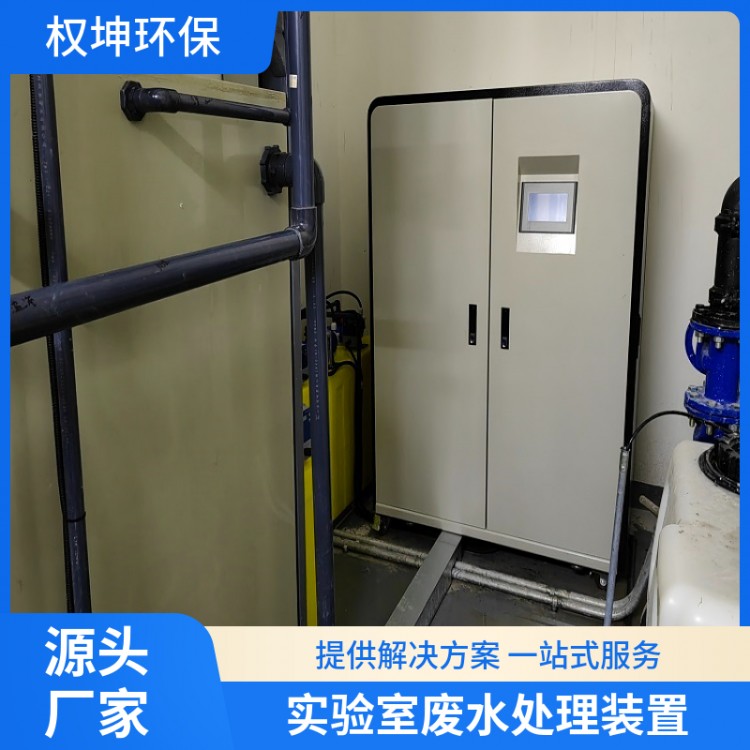

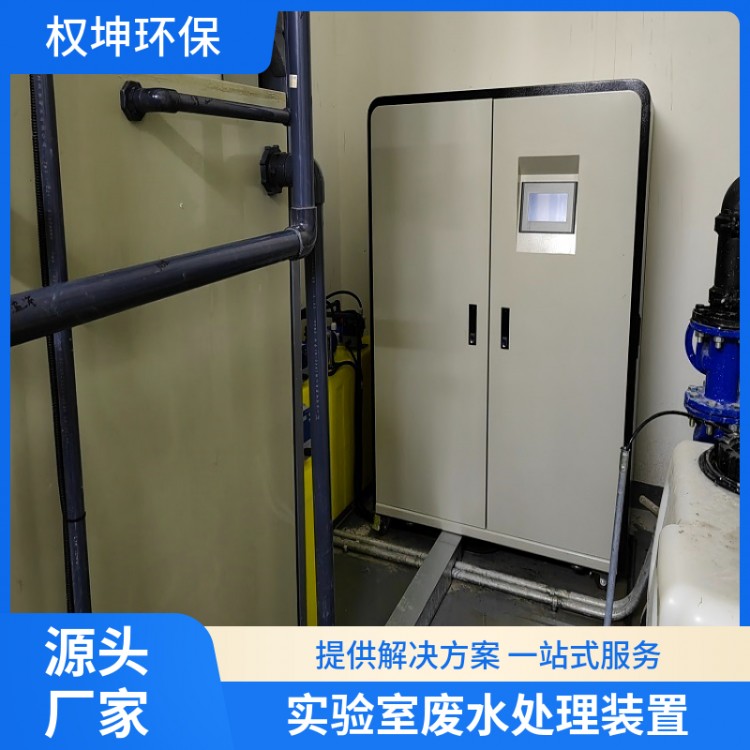
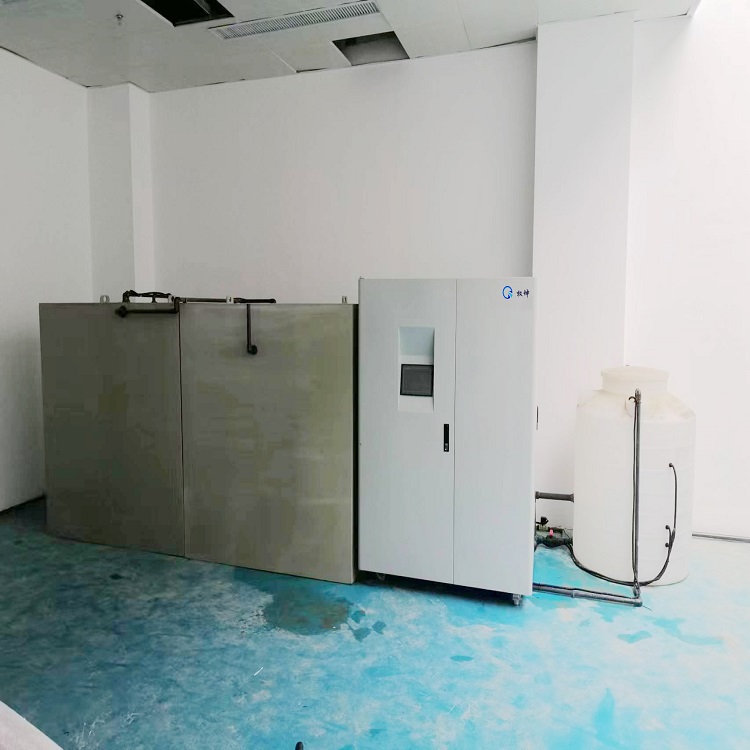
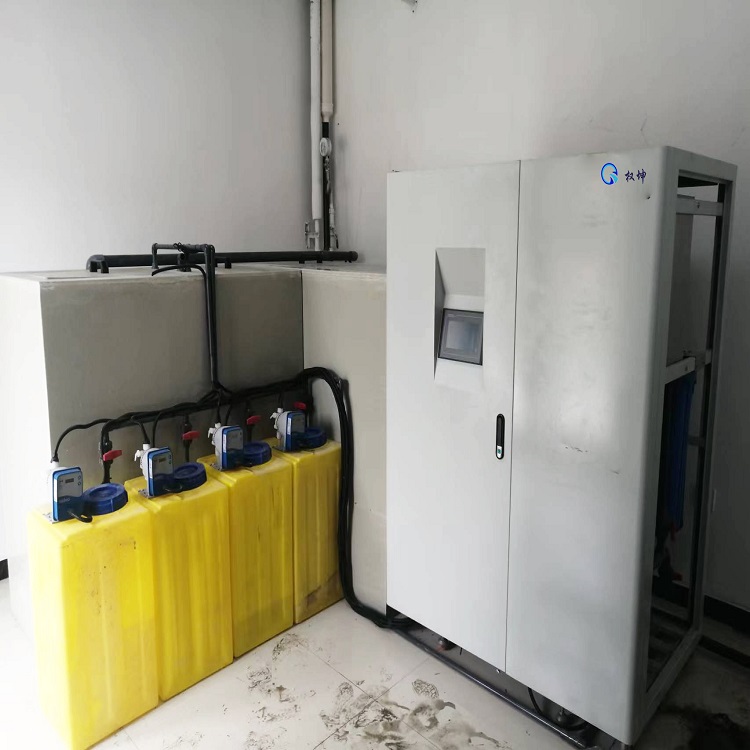












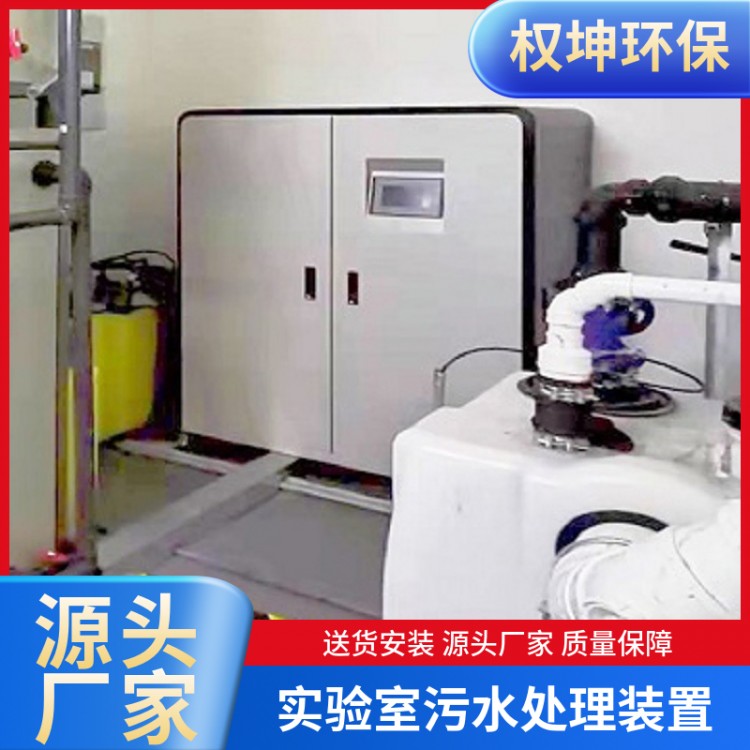
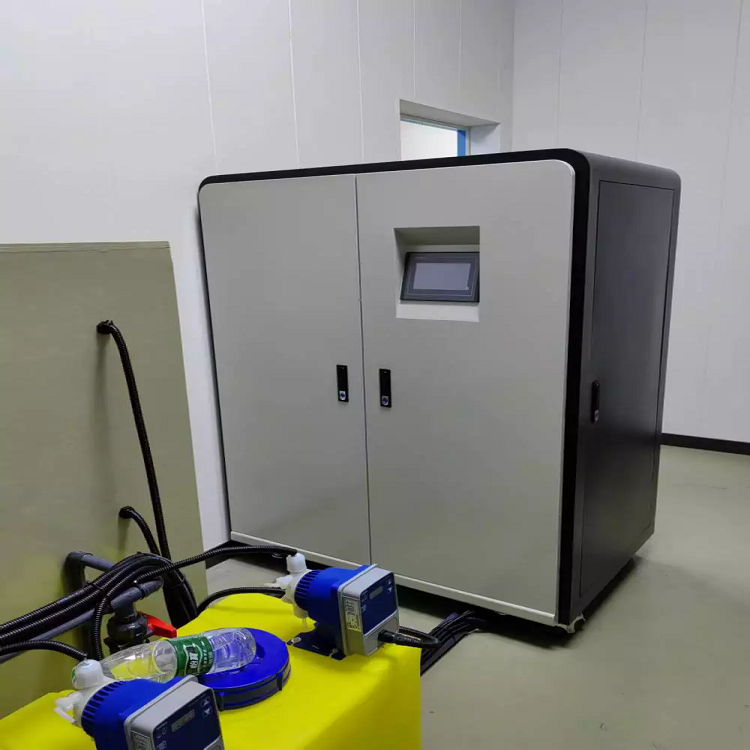
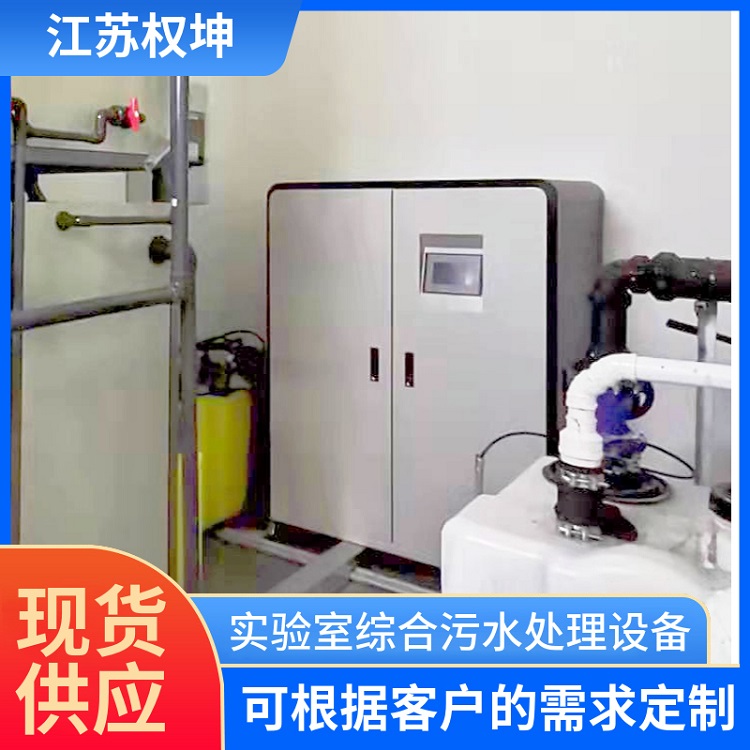
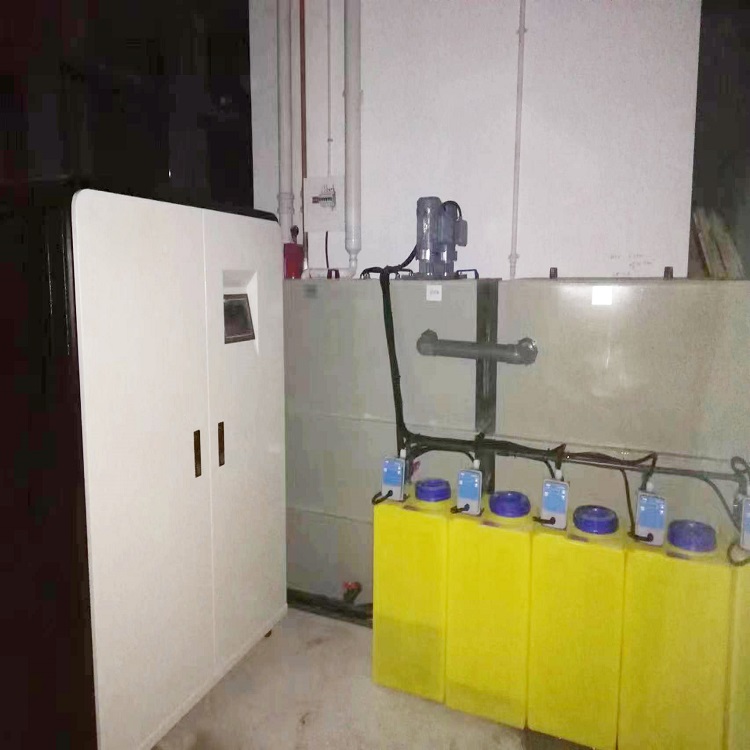
Livestock Laboratory Wastewater Treatment Equipment - Quankun Treatment Process - High Automation Level
Primary Sources of Laboratory Wastewater:
Laboratory wastewater originates from educational experimental wastewater, scientific experimental wastewater, as well as external wastewater generated from the use of various domestic and office utilities in the lab. Teaching and scientific laboratory wastewater both refer to the wastewater produced from various experiments conducted for educational and research purposes. Due to the differing experimental tasks of each lab and lab personnel, the specific experimental content in the wastewater of the same personnel is as follows. Generally, the total discharge of various experimental wastewater is relatively small due to frequent changes, but it varies significantly over time, is discontinuous, has large concentration changes, complex composition, and poses hazards to human health. Risks vary. Due to the differences between teaching and scientific laboratory wastewater, the pollutants in laboratory cleaning wastewater are also complex, but with relatively lower pollutant concentrations. The pollutants in laboratory and office wastewater are relatively simple, mainly consisting of COD, BOD, and suspended solids.
Equipment Advantages:
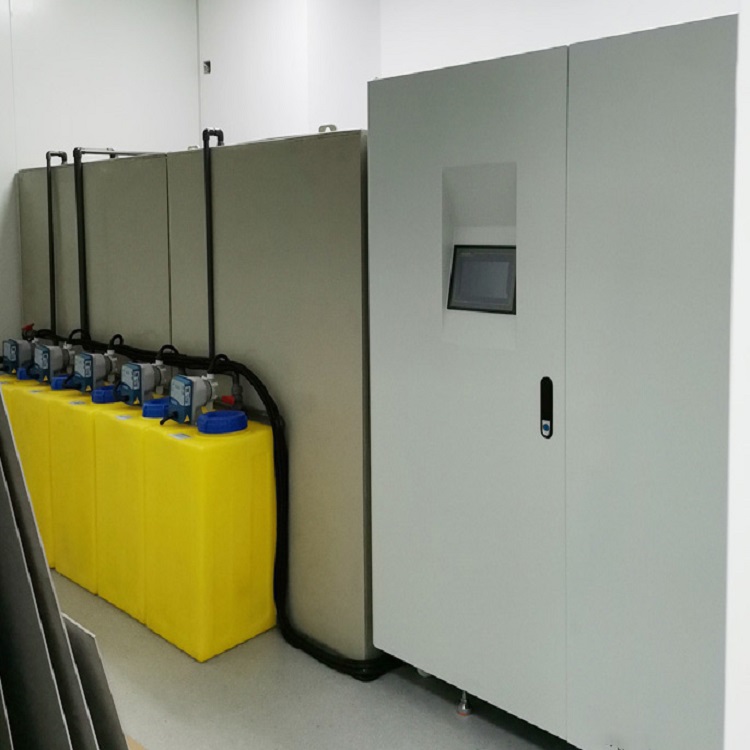
1. Auto-Adjustment: The intelligent wastewater treatment equipment monitors the quality and pollution level of waste water through sensors, and automatically adjusts the treatment process based on real-time data to achieve the desired treatment outcome.
2. Energy and Emission Reduction: Smart devices can adjust energy usage according to actual needs, minimizing energy consumption and reducing environmental impact to the greatest extent.
3. Remote Monitoring: Allows for remote monitoring and control of smart devices via the internet, enabling maintenance staff to monitor equipment operation at any time and place, and to perform maintenance and troubleshoot issues promptly.
Laboratory wastewater treatment methods:
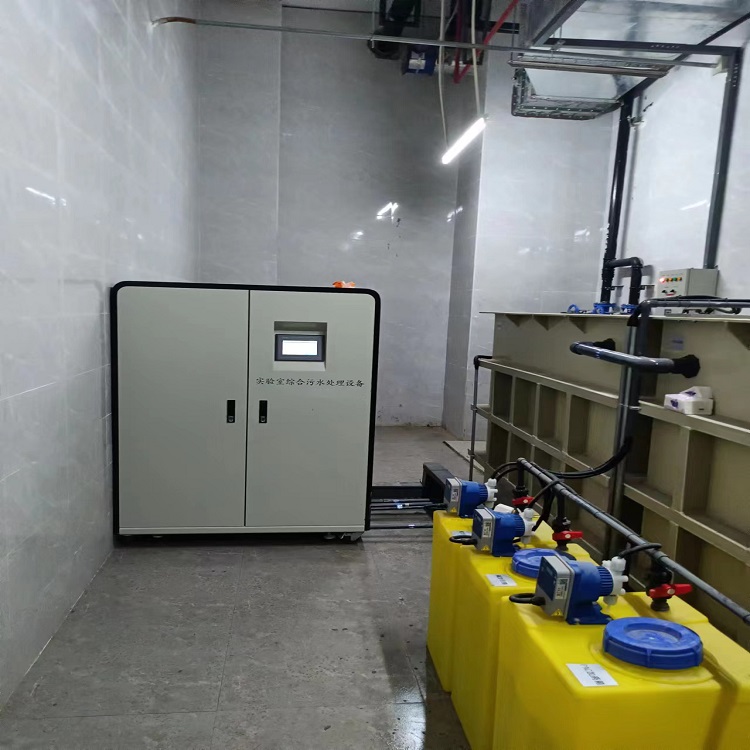
Laboratory wastewater is generated during the cleaning of instruments, equipment, and clothing, as well as the cooling of equipment. This type of wastewater must be treated in different ways depending on its properties and composition. Some substances can be recycled, some can be discharged directly into the external drainage network, and some can be released after appropriate treatment.
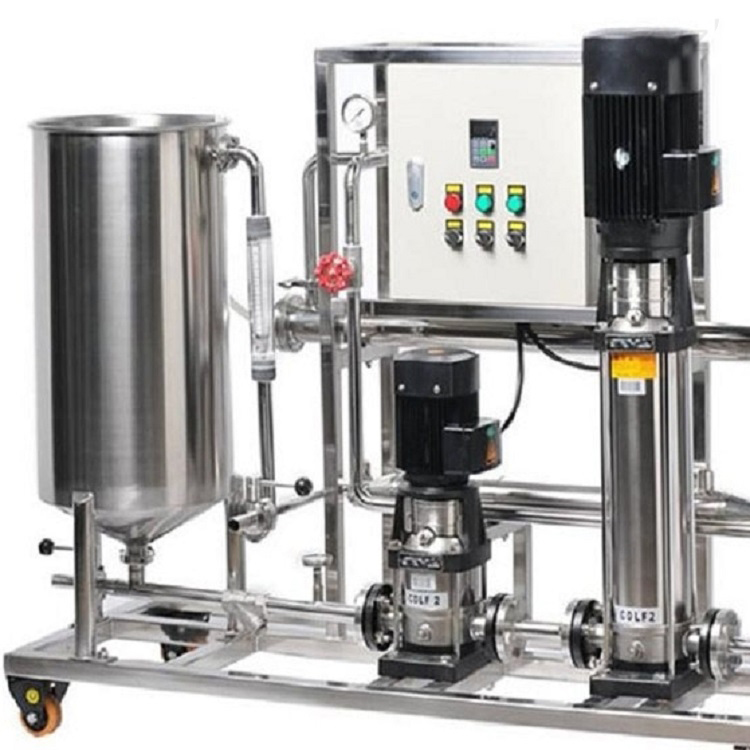
Waste collection, pH automatic regulation, automatic dosing systems, coagulation boosters, heavy metal removal devices, new micro-electrolysis units, electrochemical catalytic oxidation treatment systems, ozone catalytic oxidation treatment systems, photocatalytic oxidation treatment systems, new biological treatment units, adsorption filtration utilization systems, new membrane filtration systems, and combined disinfection treatment units all constitute a complete integrated wastewater treatment system.
The system employs various treatment technologies and processes to comprehensively handle a range of organic, inorganic, and biological wastewater components and concentrations, effectively removing COD, BOD, SS, color, viruses, organic solvents, and heavy metal ions from the wastewater. The treated effluent meets discharge standards and is also suitable for recycling and reuse.
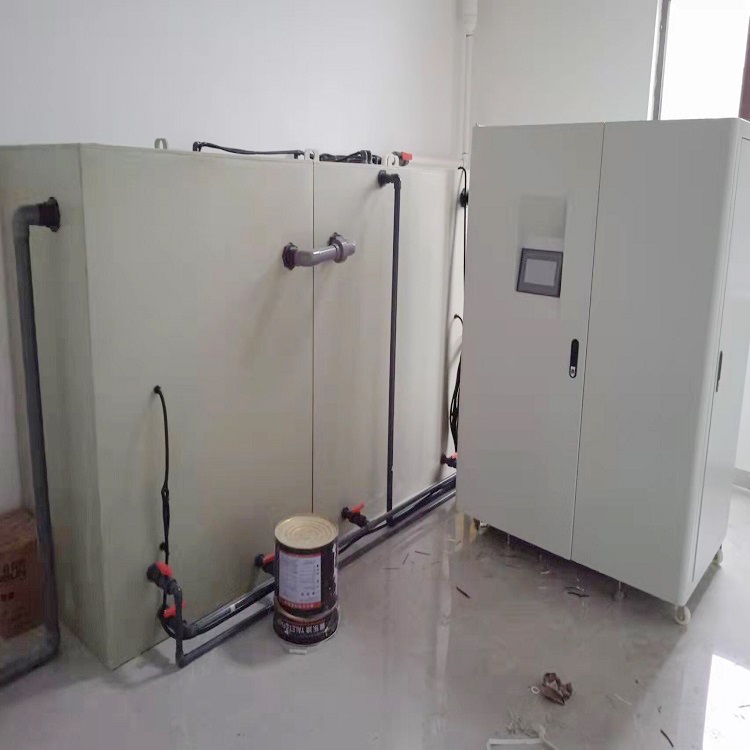
Livestock Laboratory Wastewater Treatment Equipment - Quankun Treatment Process - High Automation Level
Laboratory wastewater treatment equipment holds great potential for application in the laboratory industry. Firstly, with the rapid development of the laboratory industry, the demand for laboratory wastewater treatment equipment is continuously increasing. Secondly, as society's environmental protection requirements become more stringent, laboratory wastewater treatment equipment can effectively purify wastewater, meeting environmental regulations. Moreover, technological innovation and continuous improvement in laboratory wastewater treatment equipment have significantly enhanced processing efficiency, energy consumption, and purification effects, providing the laboratory industry with more stable and sustainable wastewater treatment solutions.