













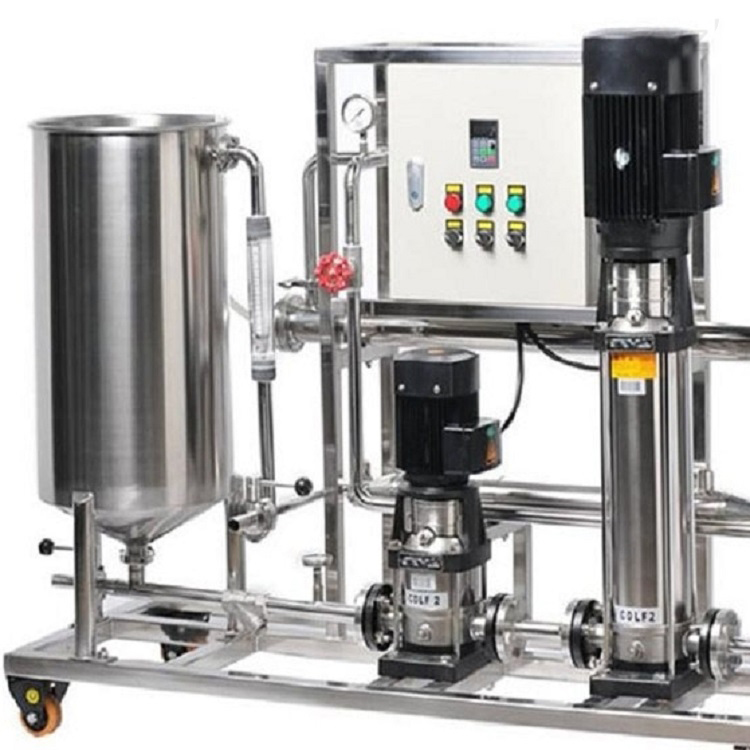
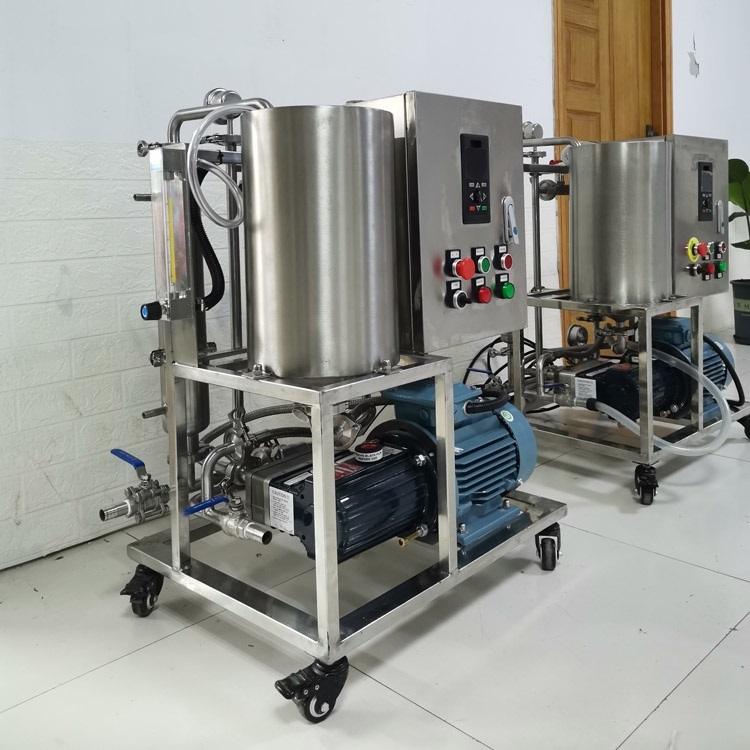
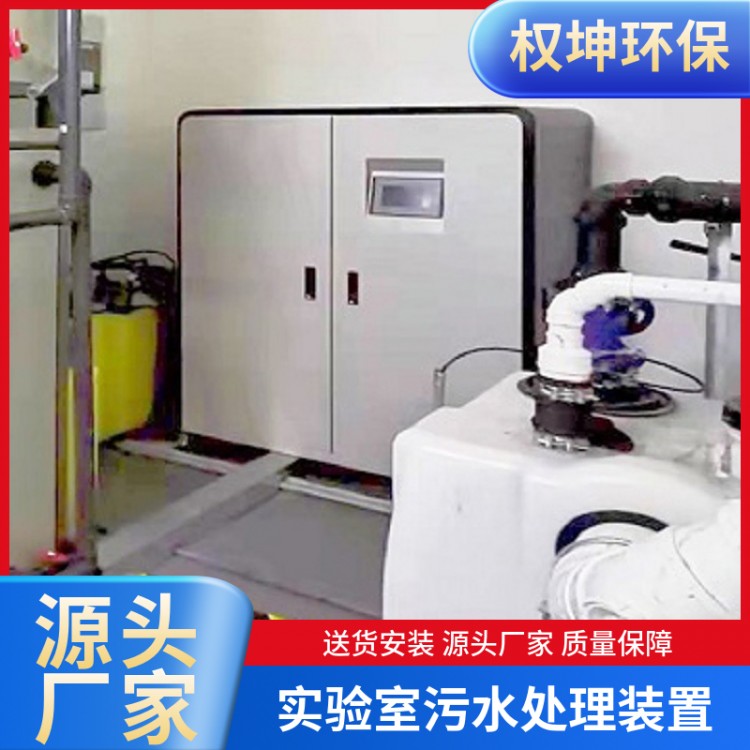
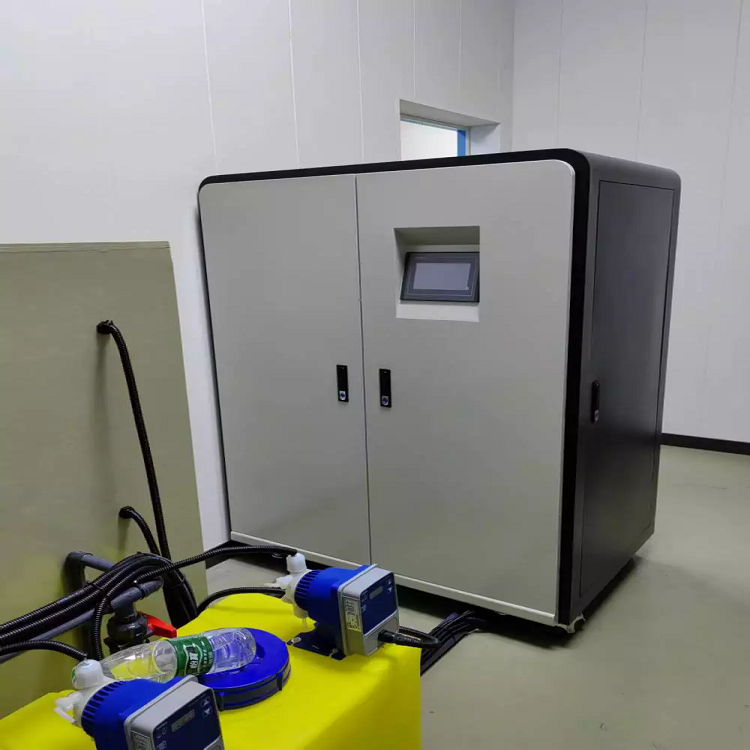
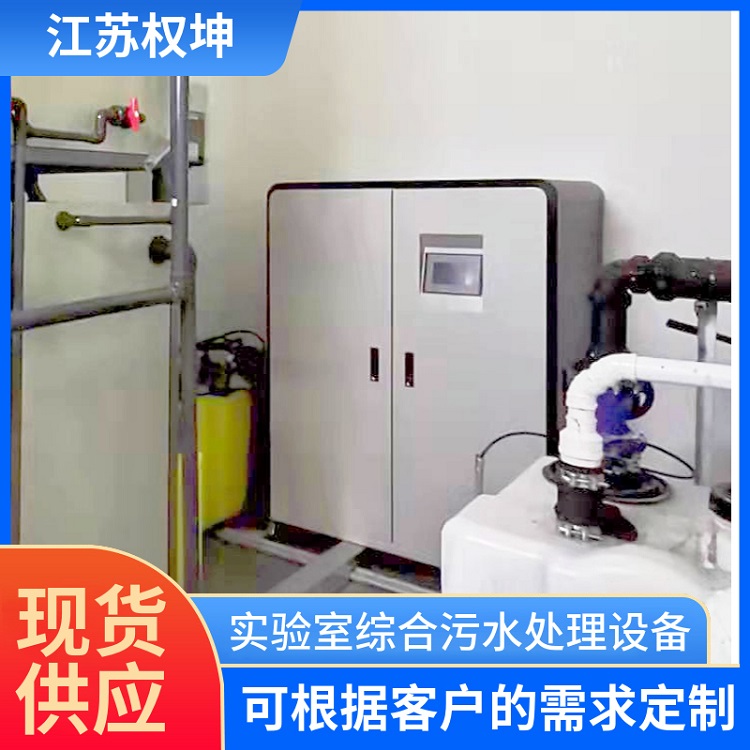
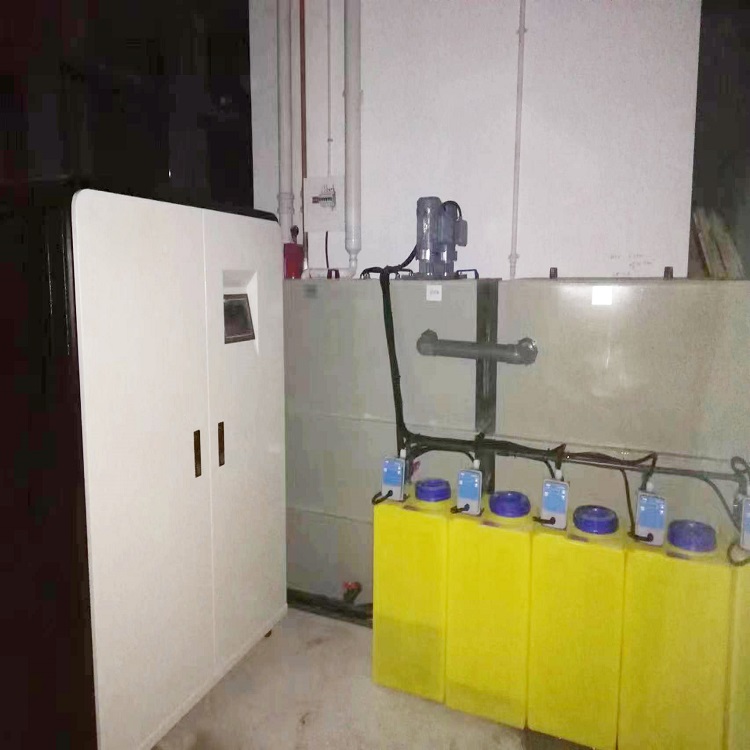
Middle School Laboratory Wastewater Treatment Equipment Solution
High school chemistry laboratories inevitably produce liquid wastewater. The wastewater primarily consists of residual reagents, waste liquids, and cleaning water from the experimental process, which may contain various organic matter, inorganic salts, and toxic substances. If the chemical substances contained in the liquid wastewater are discharged directly into the environment, they can cause severe pollution to soil, water bodies, and organisms. Among them, organic matter degrades water quality by reducing the amount of dissolved oxygen in water bodies, inorganic salts lead to soil salinization and reduce crop yields, and toxic substances pose potential threats to human health.
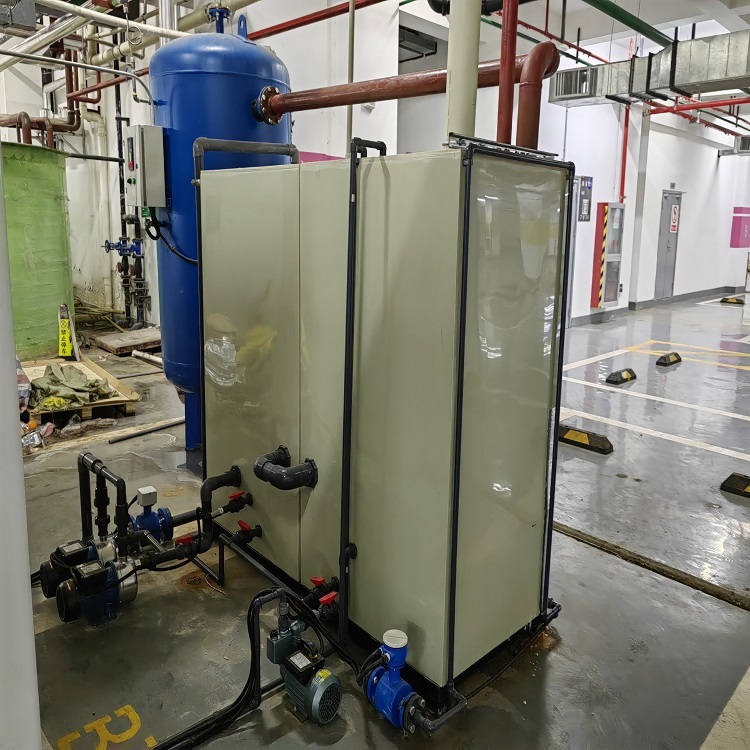
Waste liquid and wastewater treatment requirements:
Considering the harmfulness of waste liquids and wastewater, proper treatment is highly necessary. Firstly, proper handling of waste liquids and wastewater helps reduce environmental pollution and protect the health of natural ecosystems. Secondly, treating waste liquids and wastewater can conserve resources, prevent waste, and enhance the efficiency of laboratory resource utilization. Additionally, resource recovery can be achieved by analyzing and reusing treated wastewater.
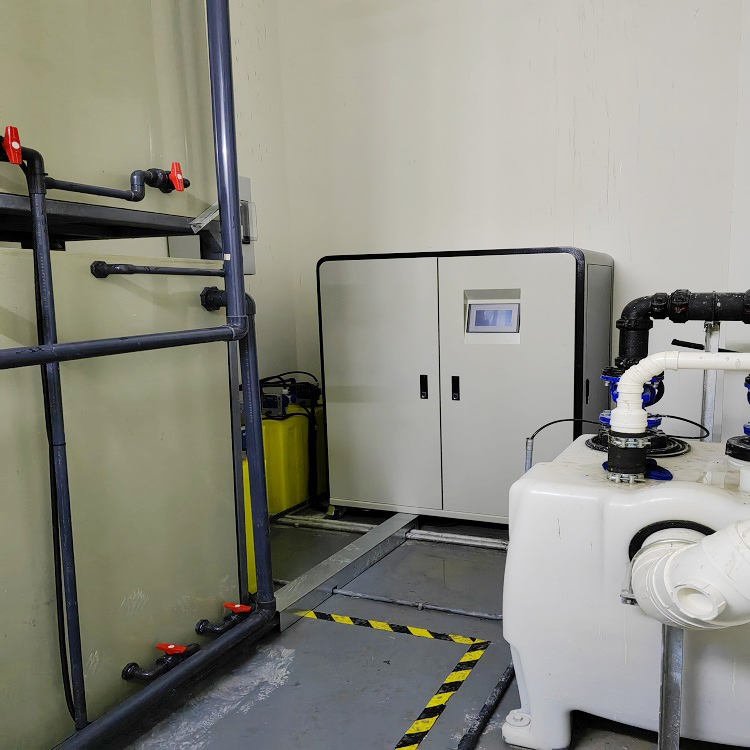
Equipment Installation:
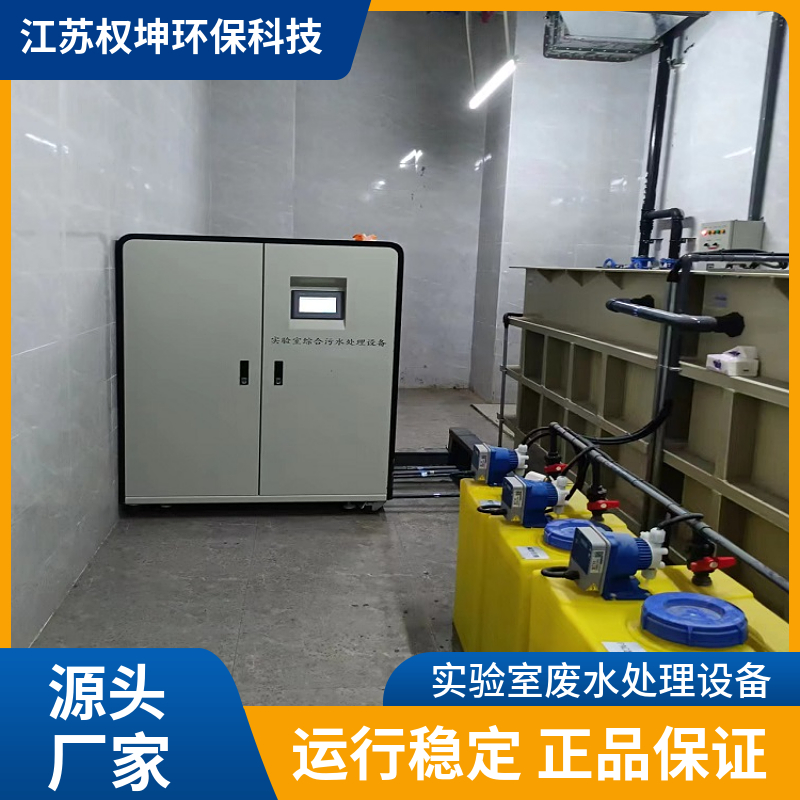
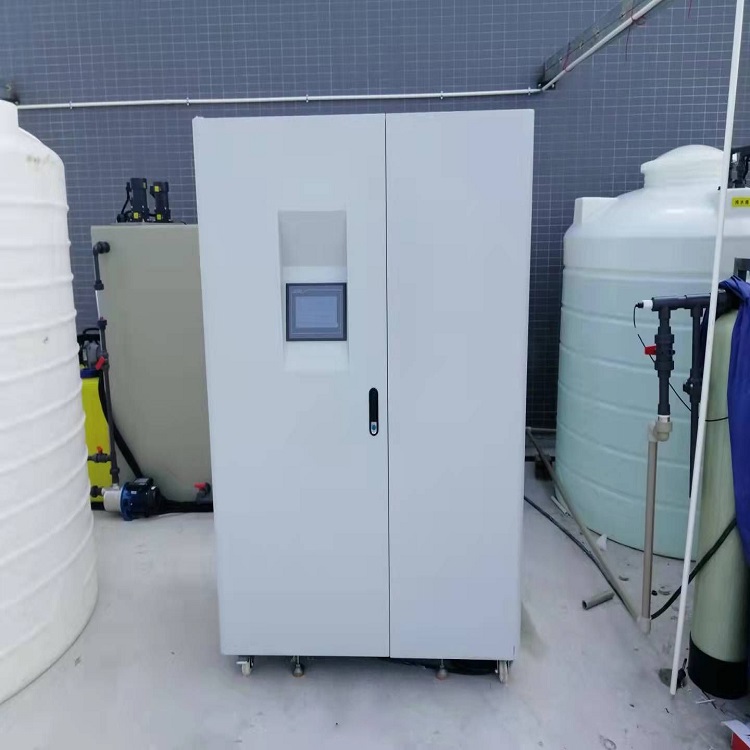
1. Laboratory comprehensive wastewater treatment equipment is loaded and unloaded using forklifts or cranes.
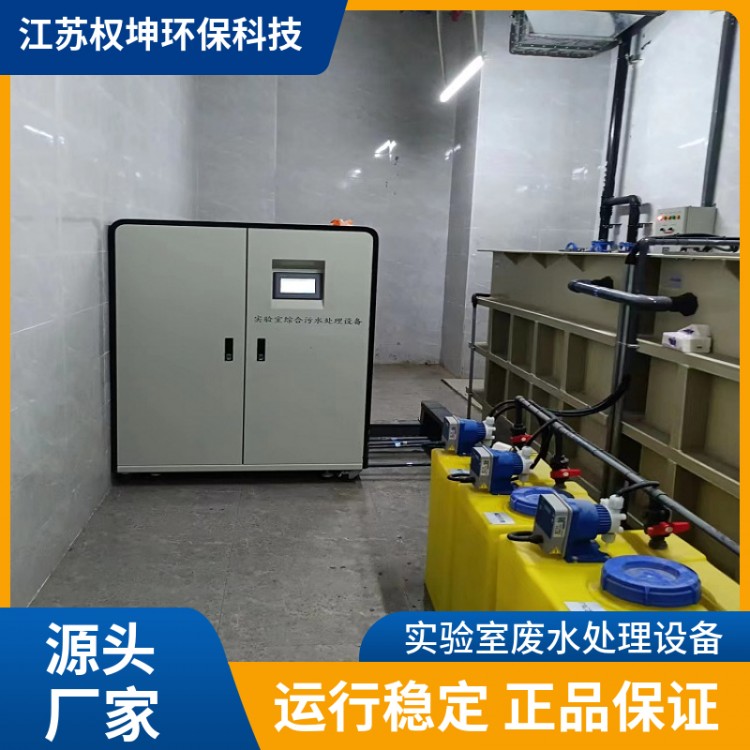
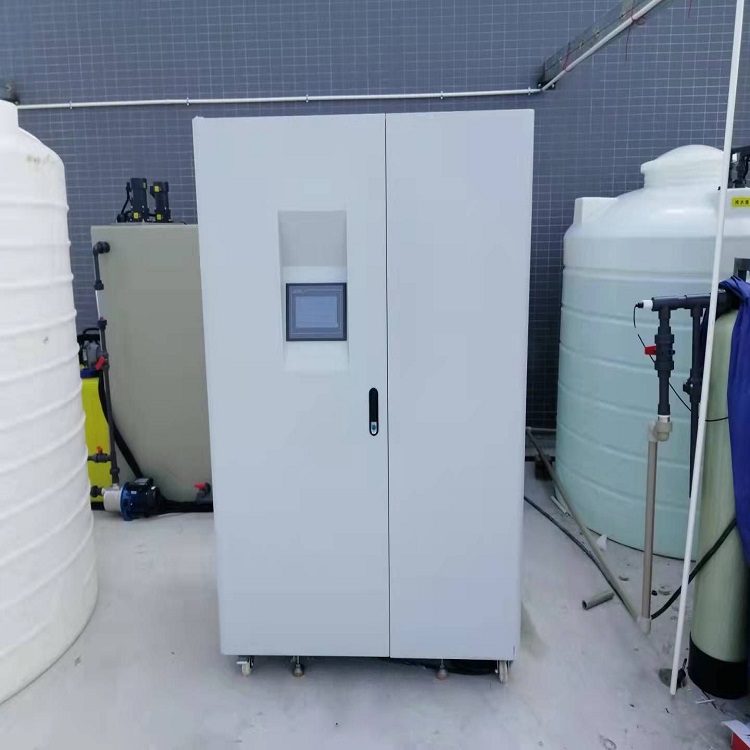
2. Equipment should be placed horizontally on a concrete base, and the electrical control cabinet should be kept away from areas prone to corrosive gases, water, and moisture to prevent damage to electrical components.
3. Connect the outlet pipe of the wastewater collection pond to the inlet pipe of the wastewater treatment equipment, and link the outlet pipe.
4. Prior to wiring, protect the wires with an insulating hose and secure them in the proper position to prevent leakage. The electrical circuit must have safety devices, and live parts must be properly grounded.
5. After installation, recheck that all parts are securely fastened, that all components are complete, that the piping and electrical circuits are properly installed, that the live installation is grounded, and then proceed to test the machine upon confirmation of no errors.

Middle School Laboratory Wastewater Treatment Equipment Solution
Process Features:
1. Treat various pollutants in wastewater using technologies such as neutralization sedimentation, chemical oxidation, ozone oxidation, and multimedia filtration.
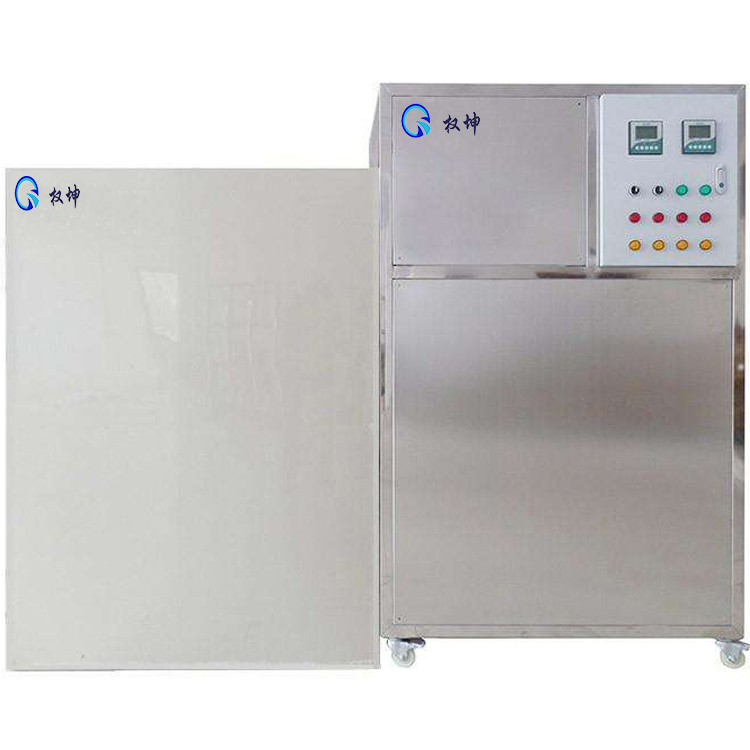
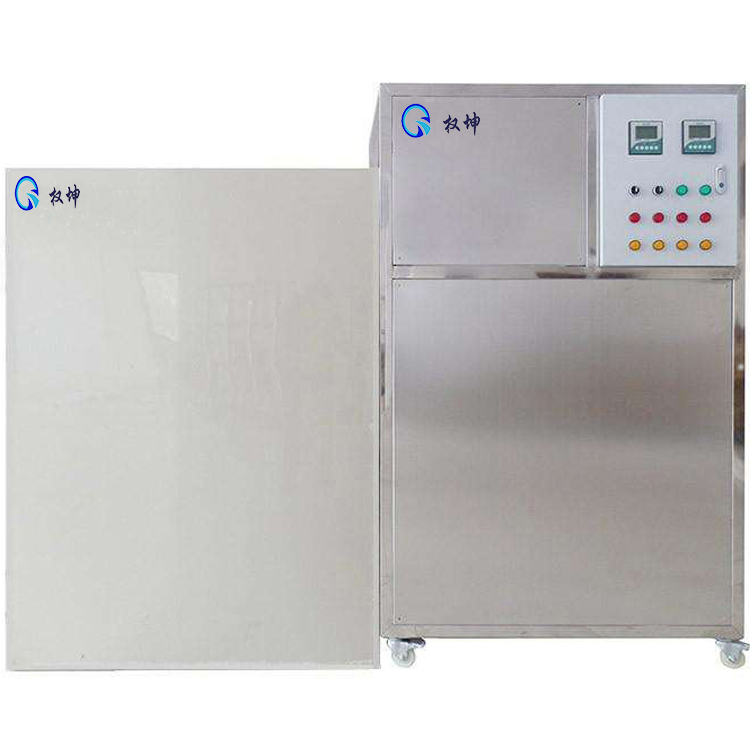
2. Utilizes microcomputer programming for real-time monitoring and control of water quality changes and wastewater treatment processes, allowing for 24/7 automatic operation without the need for dedicated personnel.
3. pH meters, ORP meters, and imported metering pumps are used to control the dosing amount, with features including liquid level control, drug shortage alarms, and automatic sludge discharge.
4. Utilizing advanced oxygenators, the gas and water are fully contacted, ensuring complete reaction.
5. User-friendly, stable operation, long service life, and low maintenance costs.
6. Small land area, can be placed indoors or outdoors as needed.
7. Custom design and manufacturing services available to meet various customer requirements.