













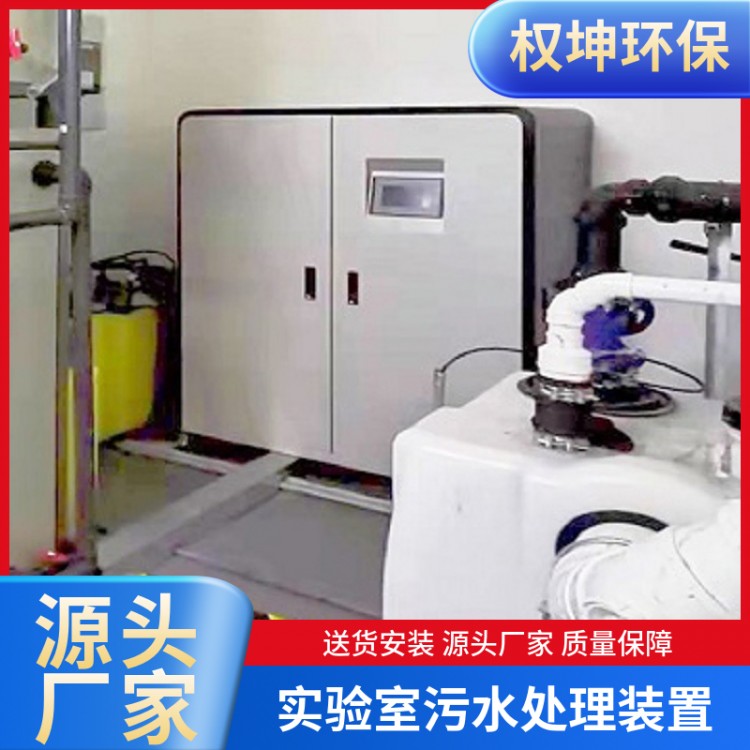
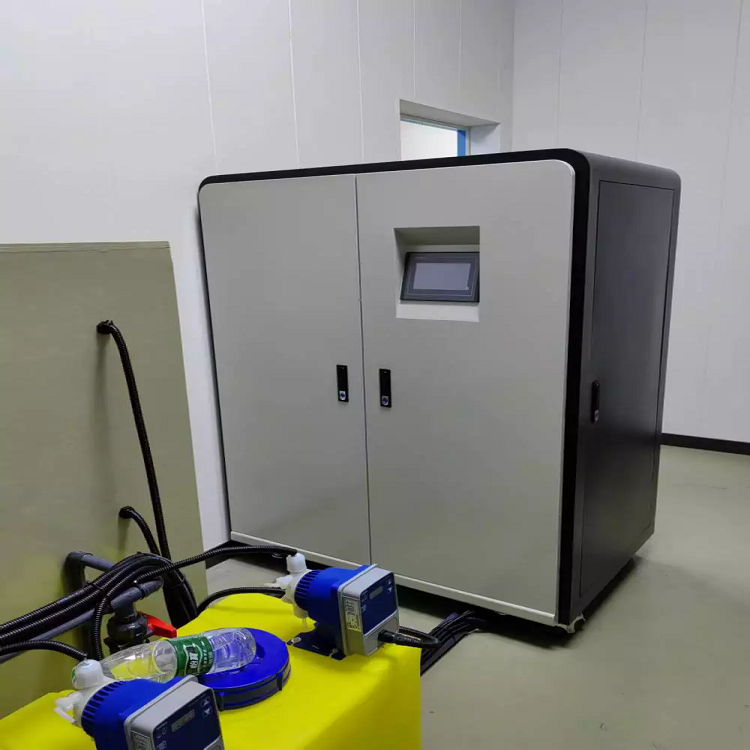
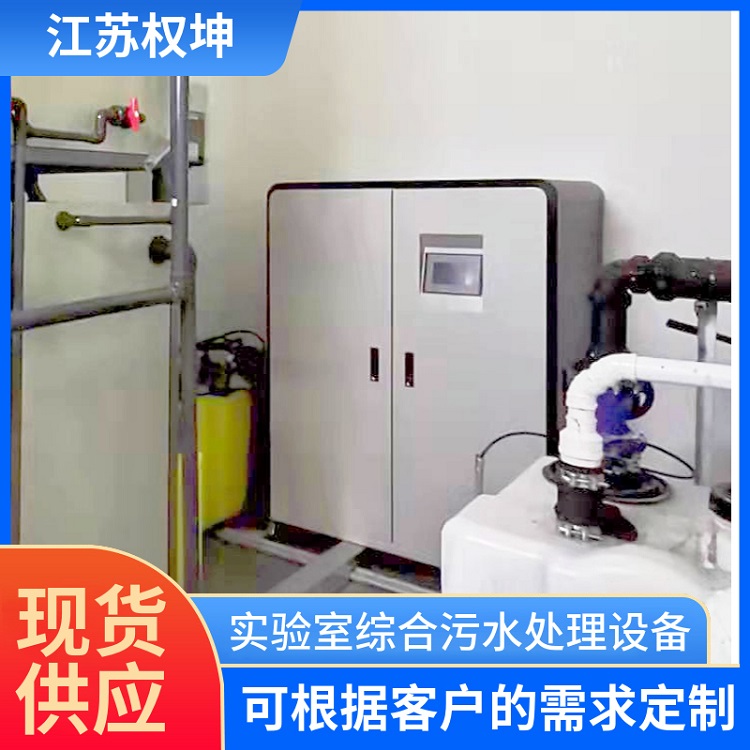
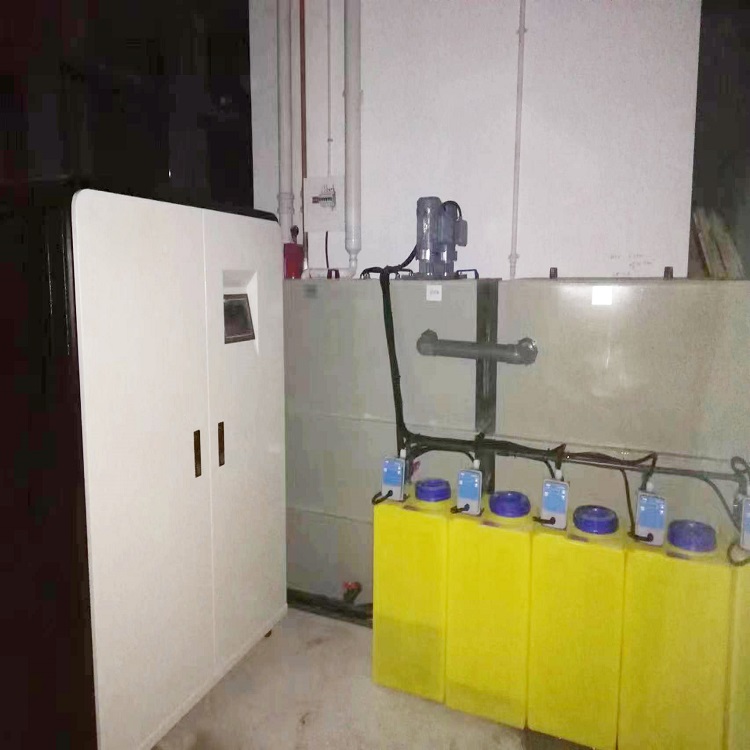
Laboratory Wastewater Treatment Equipment Manufacturer - Quankun - Easy to Operate - Stable Operation
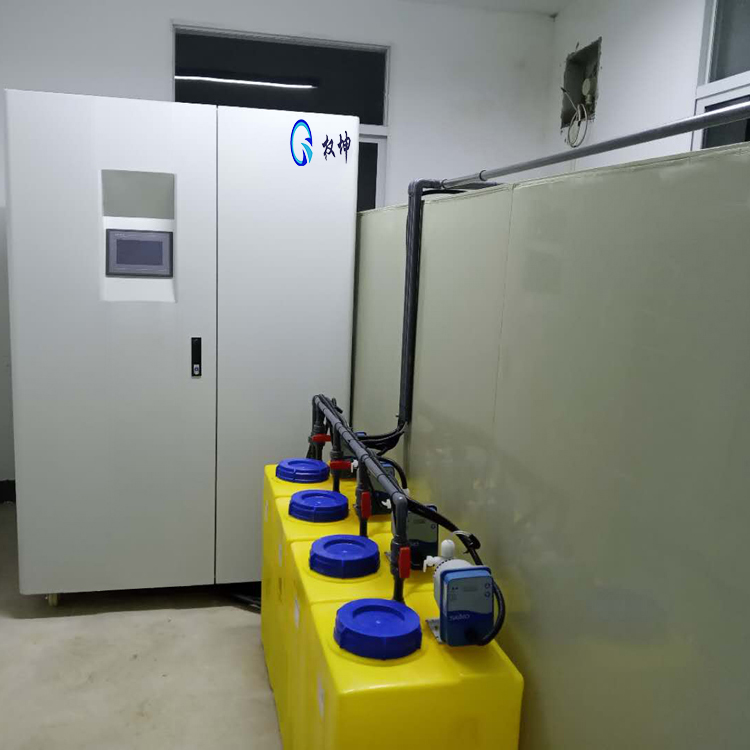
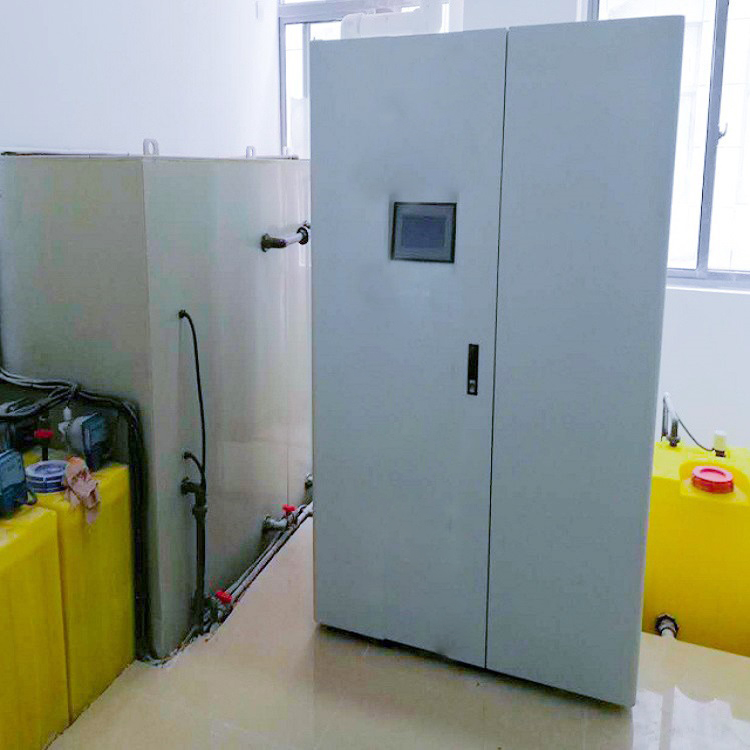
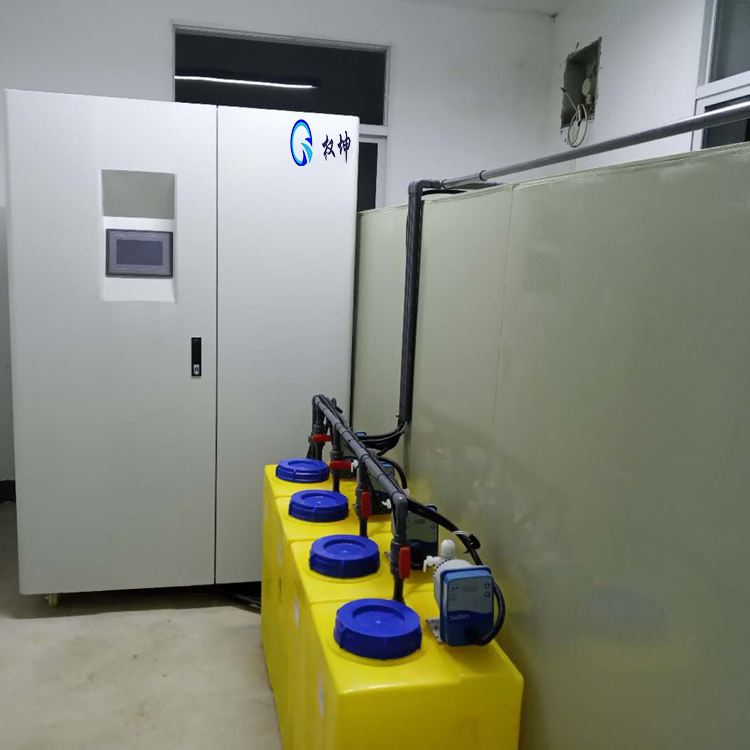
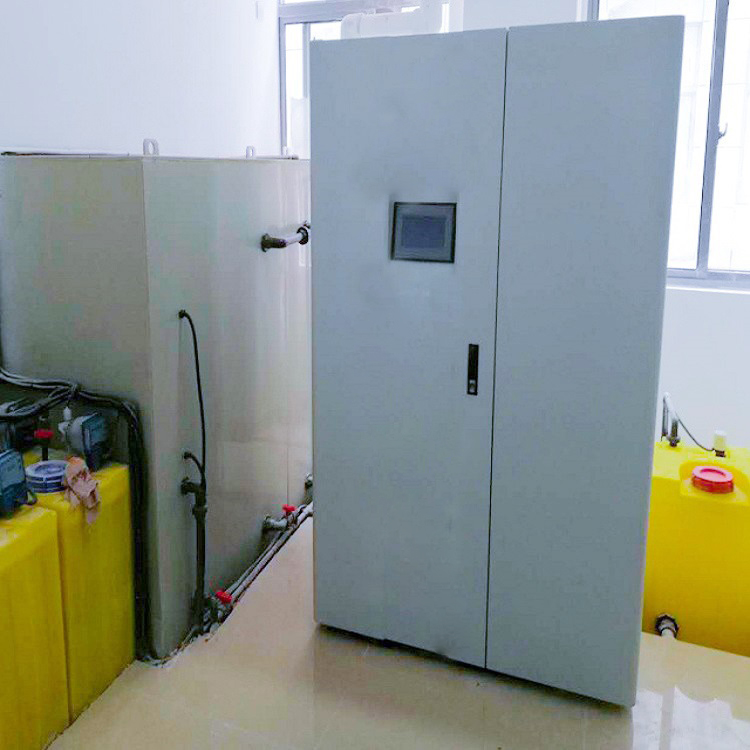
As the daily operations of the testing center's laboratory continue to evolve, the demand for laboratory wastewater treatment equipment is increasingly urgent. Laboratory wastewater treatment equipment, through techniques such as treatment, stable operation, low energy consumption, and low emissions, can meet the needs of various laboratories and gradually achieve goals such as intelligence and resource utilization. We believe that in the near future, laboratory wastewater treatment equipment will become more advanced and environmentally friendly, making a greater contribution to the sustainable development of laboratories.
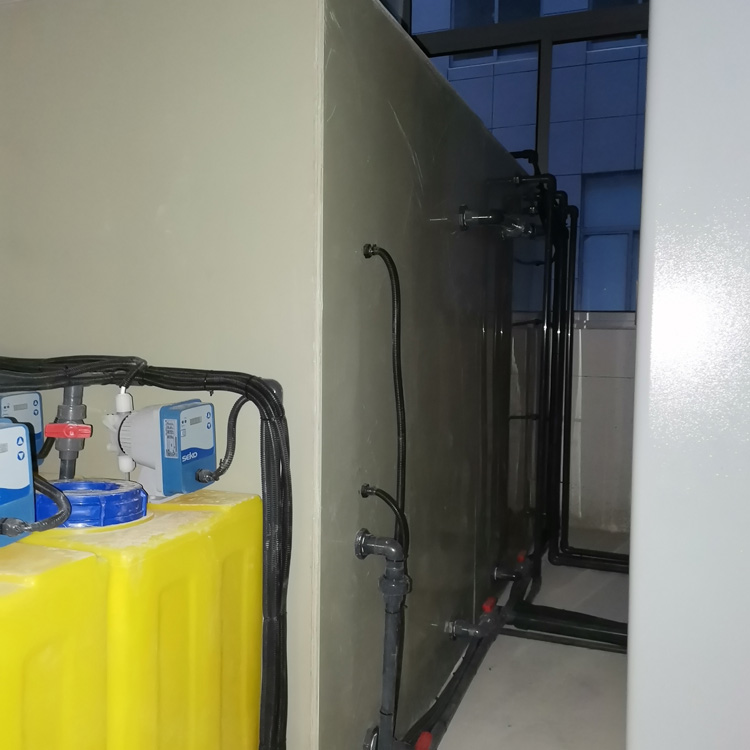
Technical Features:
1. Treatment Capacity: Based on the daily wastewater generation in the lab, we configure appropriate treatment equipment to quickly process the wastewater.
2. Automated Control: Real-time monitoring and automatic adjustment of processing equipment are achieved through PLC control systems and instrument control technologies, maintaining a stable operational state.
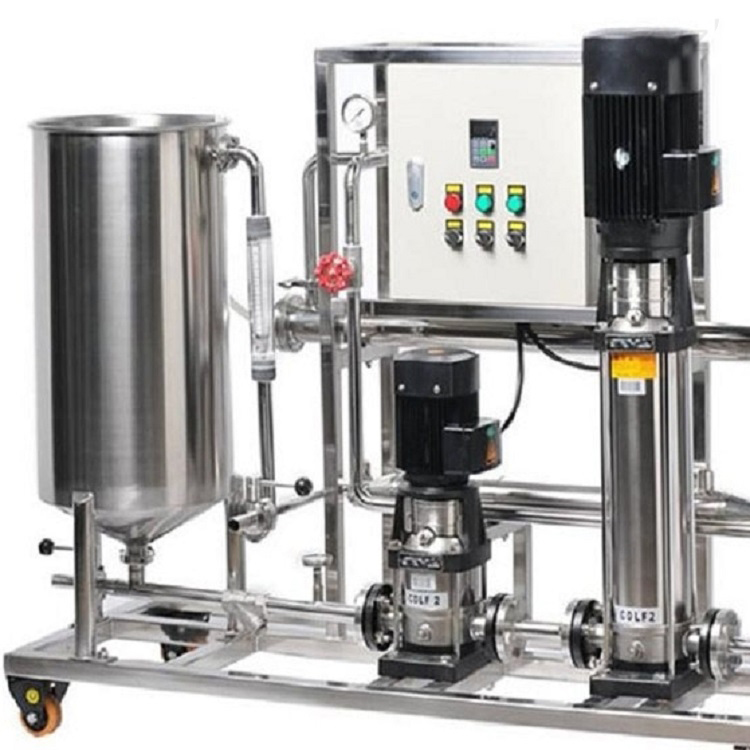
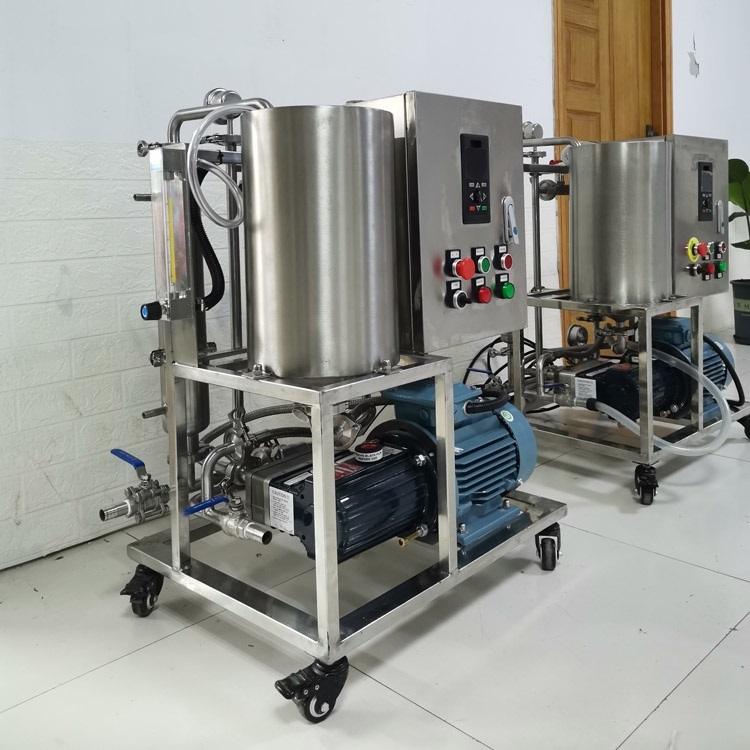
3. Low-energy Operation: Utilizing advanced treatment technologies and equipment such as reverse osmosis membrane technology and biofilm technology to reduce energy consumption and achieve low-energy operation.
4. Low Emission Standards: Meets environmental protection requirements, ensuring that treated wastewater meets national emission standards and protects the health and safety of the surrounding environment.
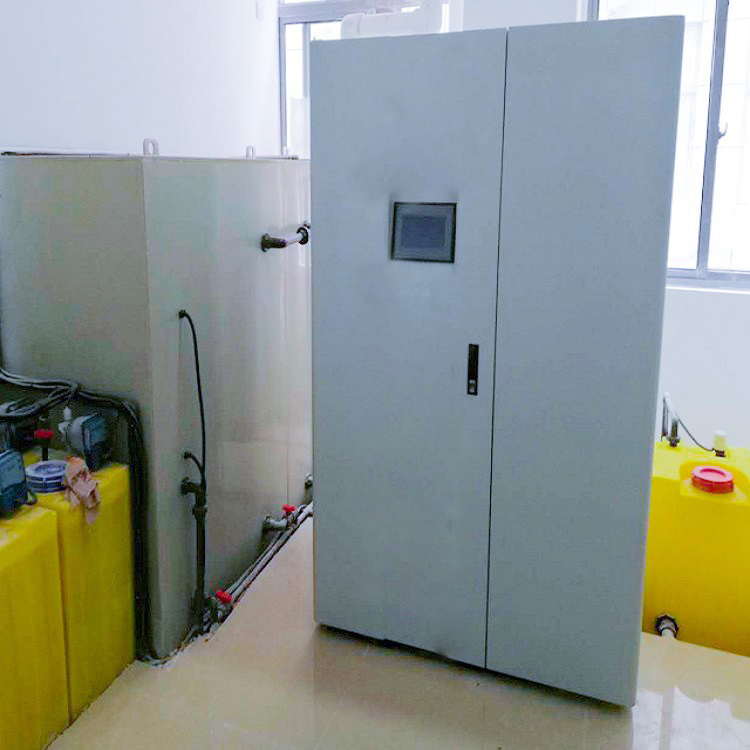
Equipment Principle:
1. Neutralization Treatment: After acidic and alkaline wastewater passes through the neutralization treatment unit, an appropriate neutralizing agent is added to achieve a neutral pH value, resulting in neutralization. Common neutralizing agents include lime and sodium hydroxide.
2. Sedimentation Treatment: After neutralization, metal ions and heavy metal ions in the acidic wastewater are precipitated. This is due to the reaction between the added neutralizer and the metal ions in the wastewater, forming a precipitate. The sediment can be concentrated and processed, as well as recovered, through devices like sedimentation ponds.
3. Secondary Treatment: After neutralization and sedimentation, the pH level and metal ion concentration are generally up to national standards, yet there are still trace amounts of organic matter and impurities. Therefore, secondary treatment is required. Common methods include activated carbon adsorption and biological treatment.
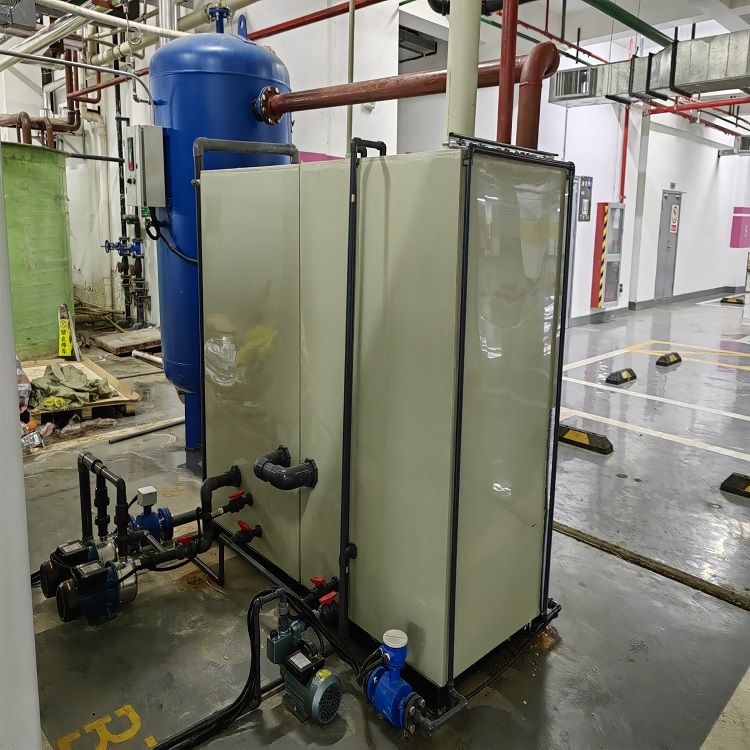
Lab Wastewater Treatment Equipment Manufacturer - Quankun - Simple Operation - Stable Performance
The application effect of laboratory wastewater treatment equipment is crucial. Firstly, the use of wastewater treatment facilities can significantly reduce water waste. After effective treatment, the wastewater can be recycled for equipment cleaning or factory irrigation, enhancing water utilization efficiency. Secondly, wastewater treatment equipment can effectively remove pollutants and purify the laboratory environment. For high school laboratories, a clean environment provides an excellent learning and experimental platform, contributing to students' academic and scientific literacy. Moreover, creating a green laboratory environment fosters environmental awareness in students, instilling an early sense of responsibility for sustainability, and contributing to the future development of society.