













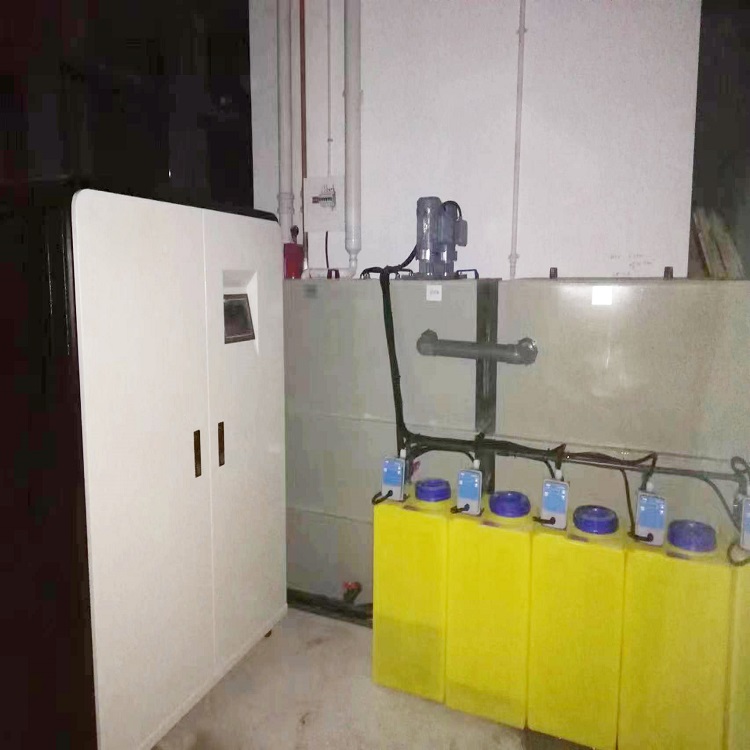
Operating Principle:
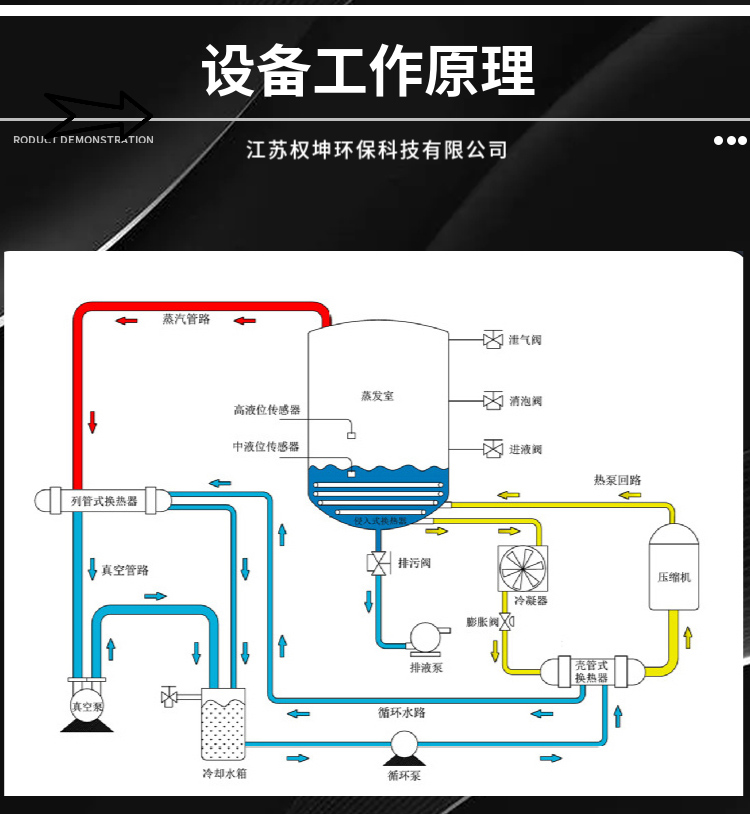
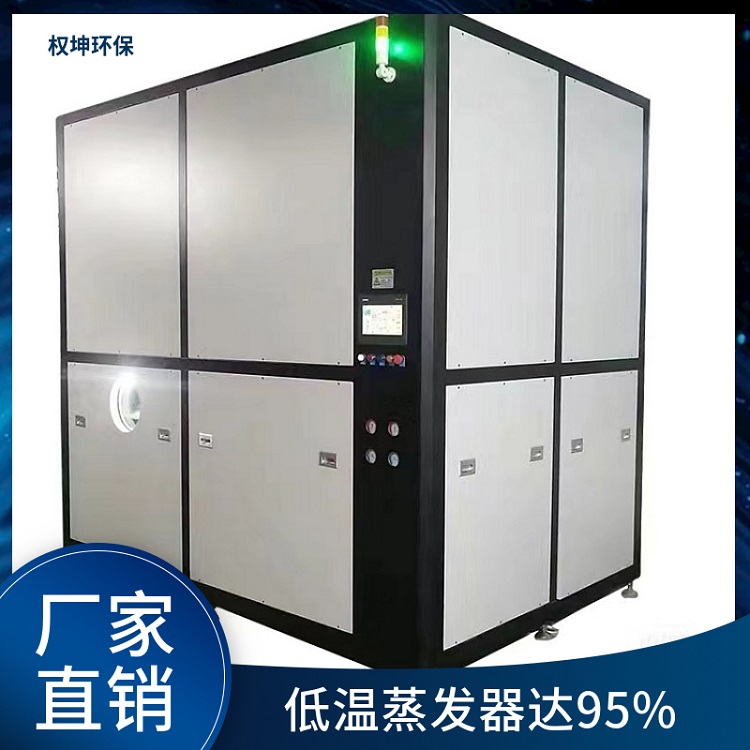
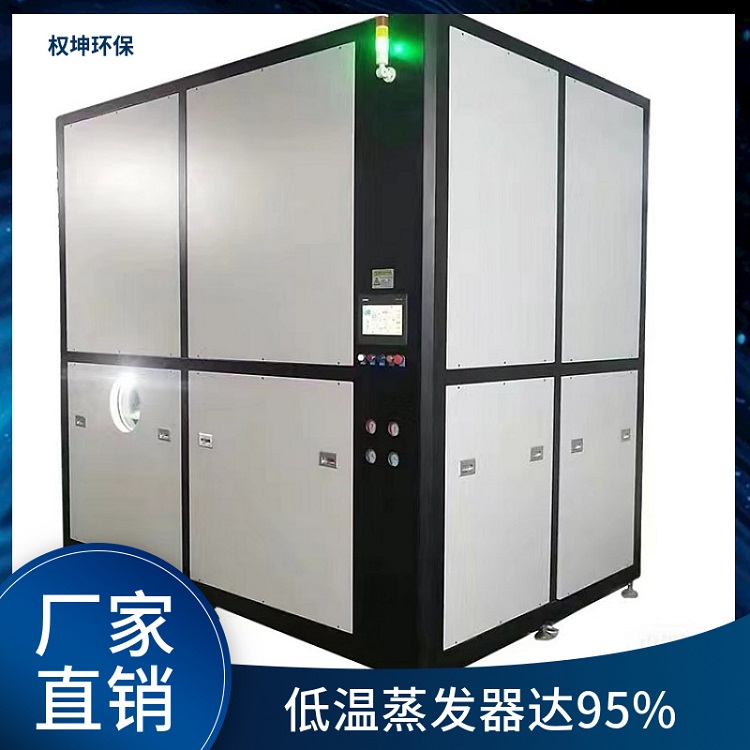
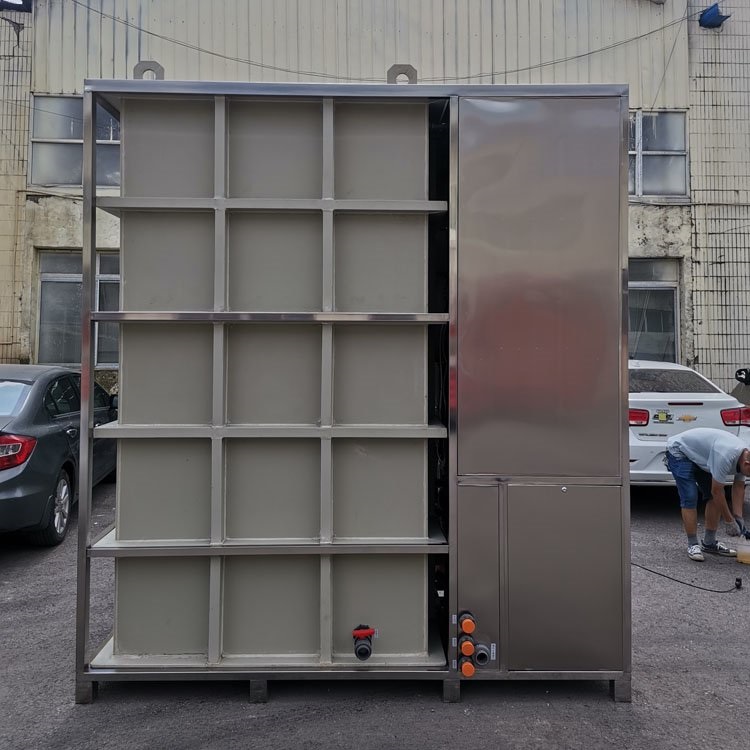
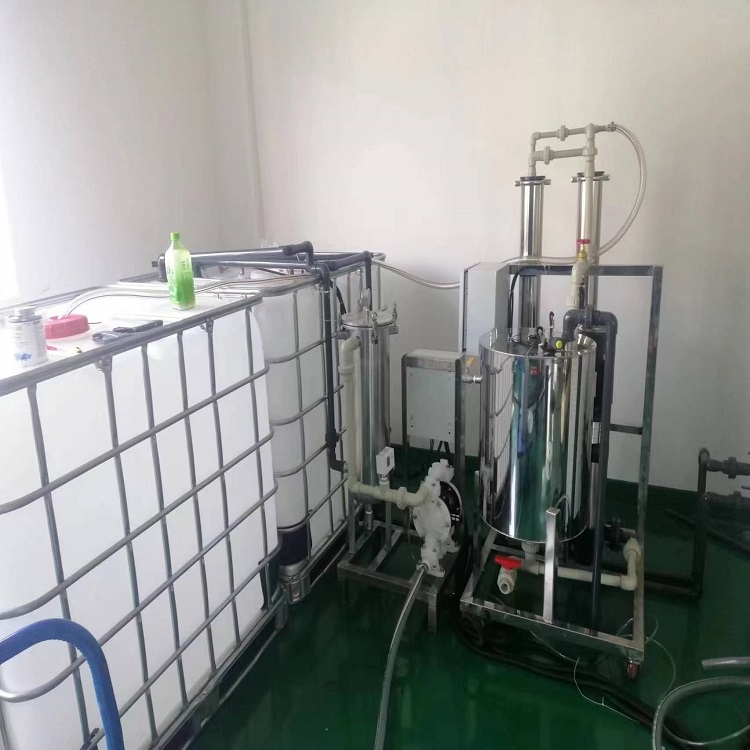
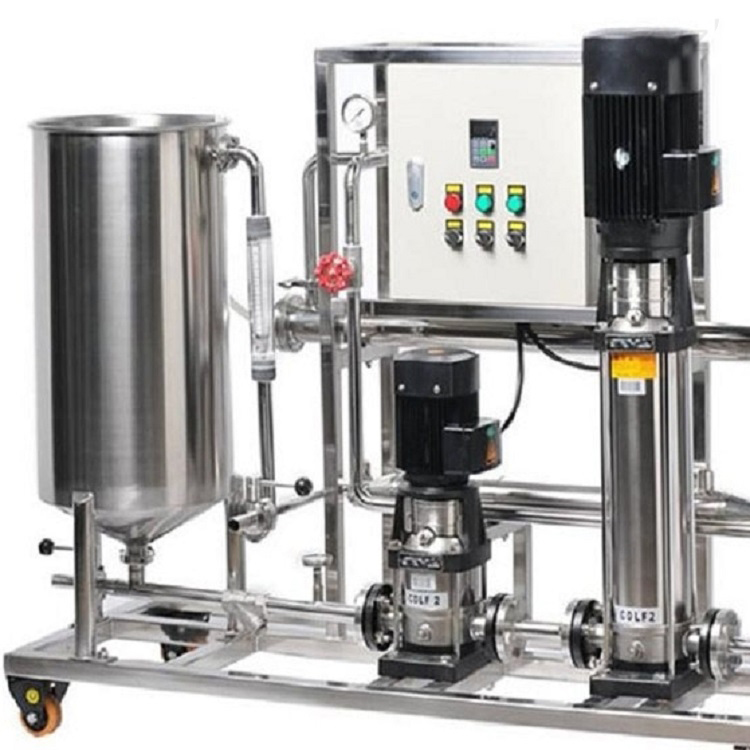
A low-temperature heat pump evaporator is a device used for refrigeration and heating, operating on the principle of the heat pump cycle. Its primary task is to convert the low-temperature, high-humidity refrigerant into a saturated liquid, ready for the subsequent compression and condensation stages. The low-temperature heat pump evaporator contributes to enhanced energy efficiency, reduced energy consumption, and environmental protection.
The operation of a low-temperature heat pump evaporator primarily consists of two stages: evaporation and condensation. During the evaporation stage, the refrigerant absorbs heat from an external heat source, turning into steam. At this point, indoor air passes through the evaporator, coming into contact with the low-temperature refrigerant, transferring heat to the refrigerant and causing it to evaporate. In the condensation stage, the evaporated refrigerant enters the compressor, where it is compressed into a high-temperature, high-pressure gas. It then releases heat through the condenser, transferring the heat from the air to the outside. The refrigerant is then recirculated back into the evaporator for continued use.