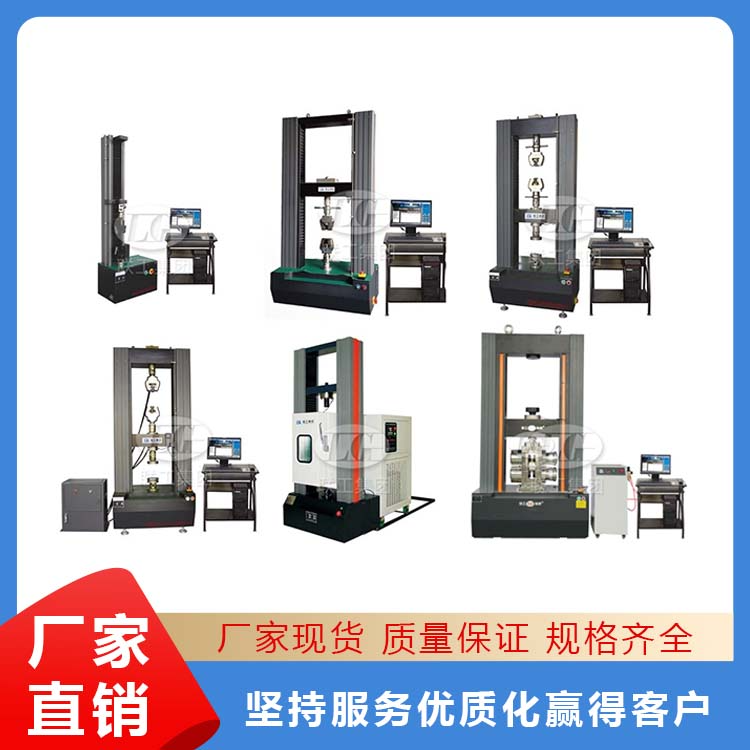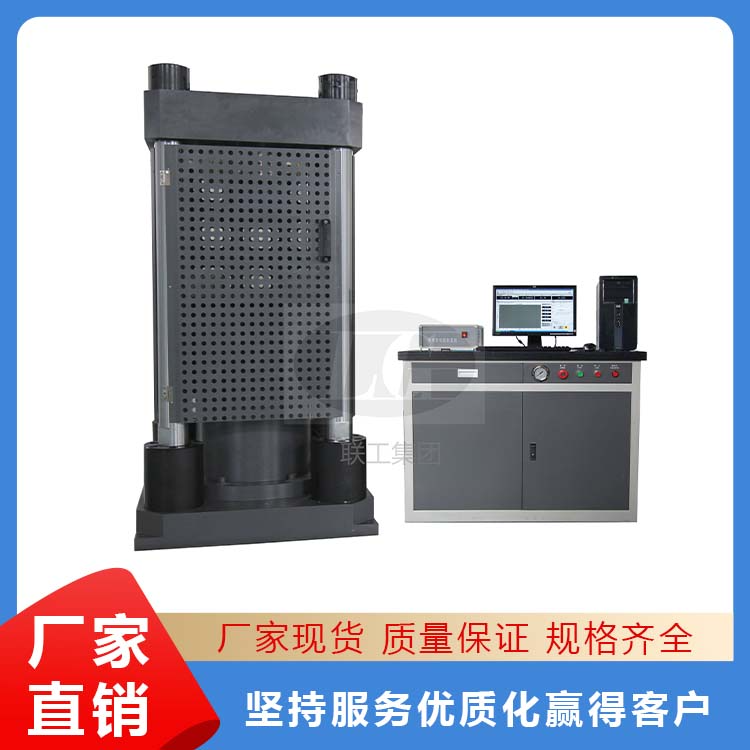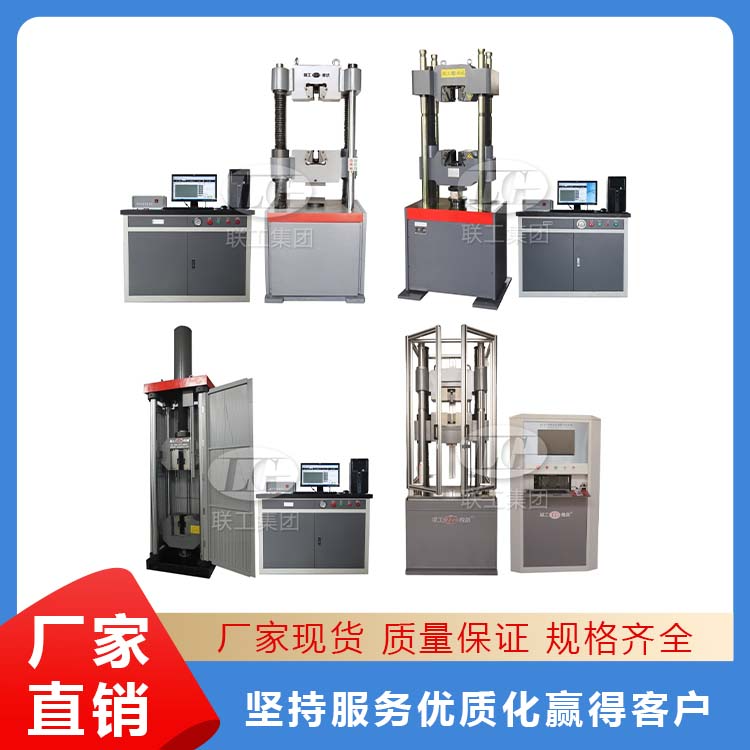








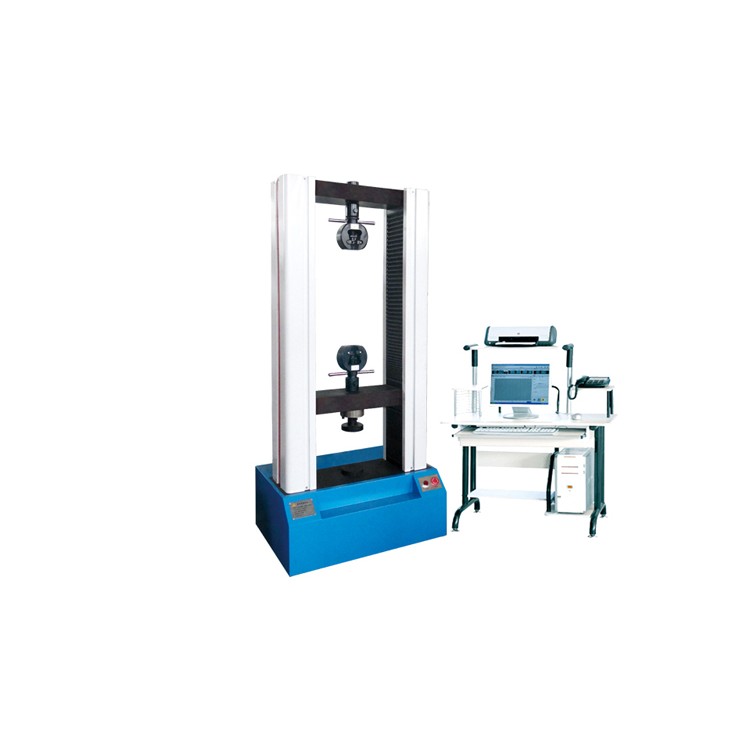
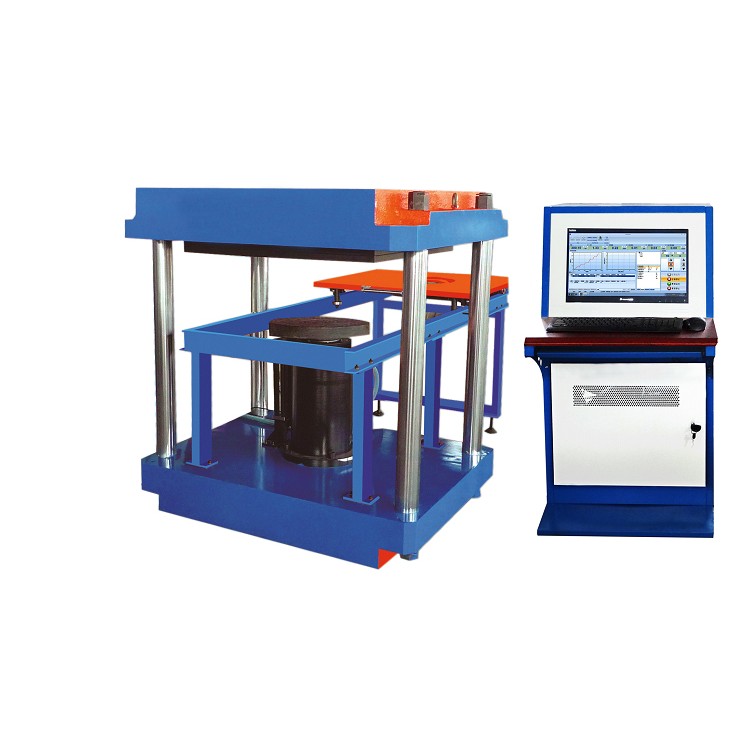
Technical Description and Application Scope:
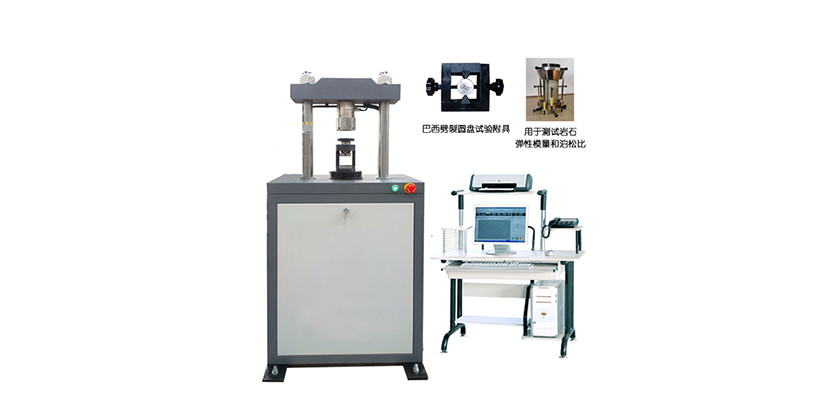
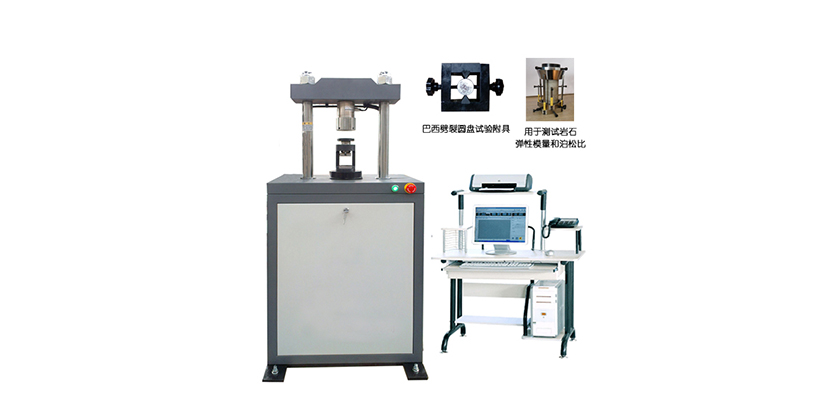
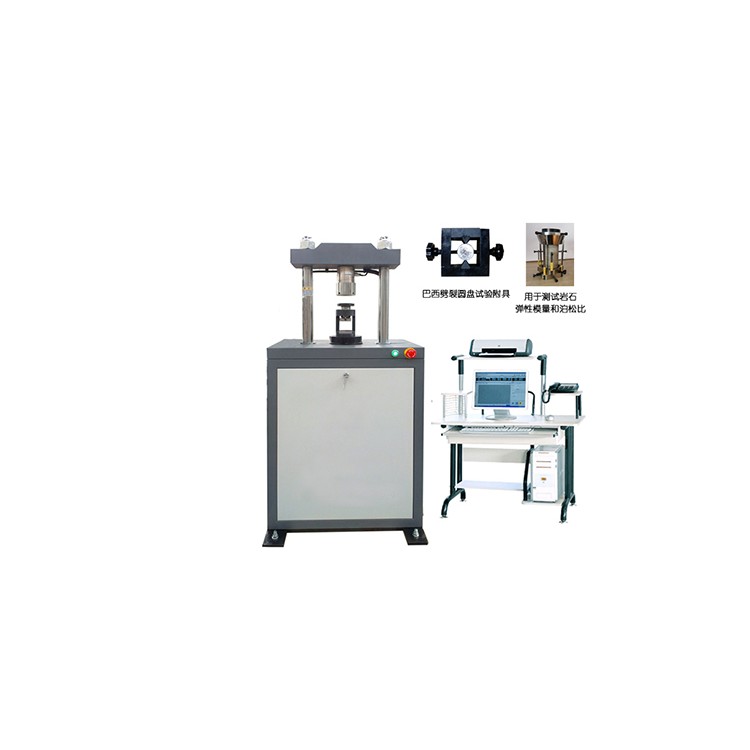
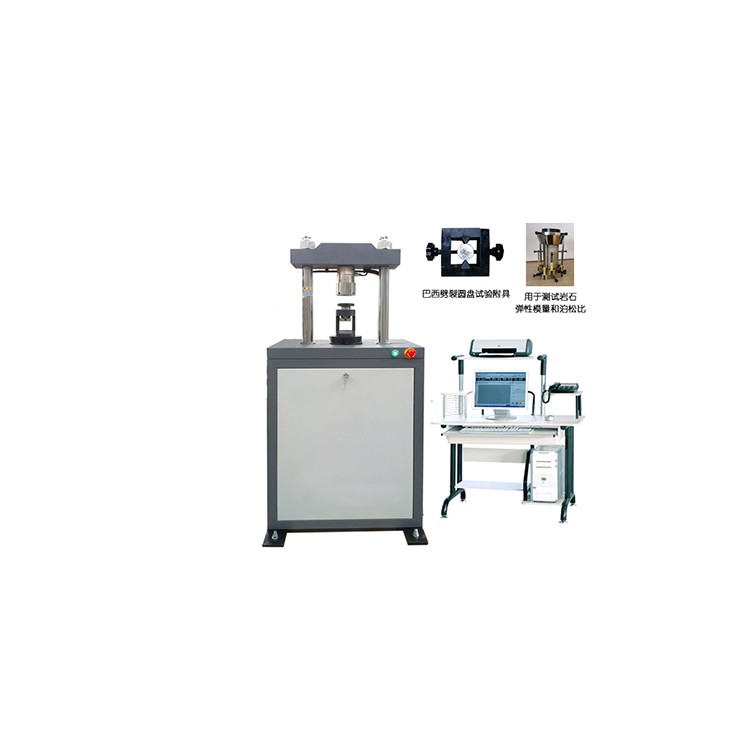
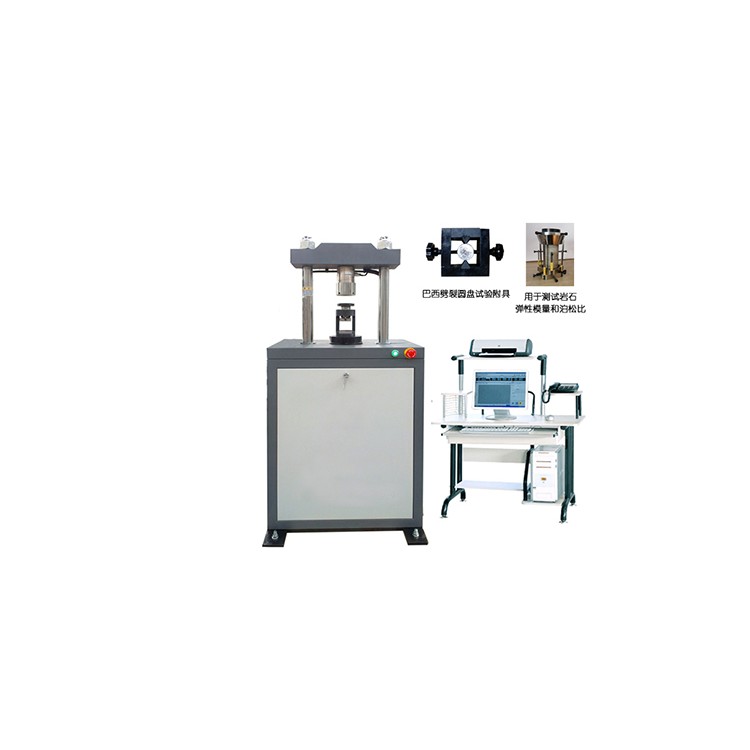
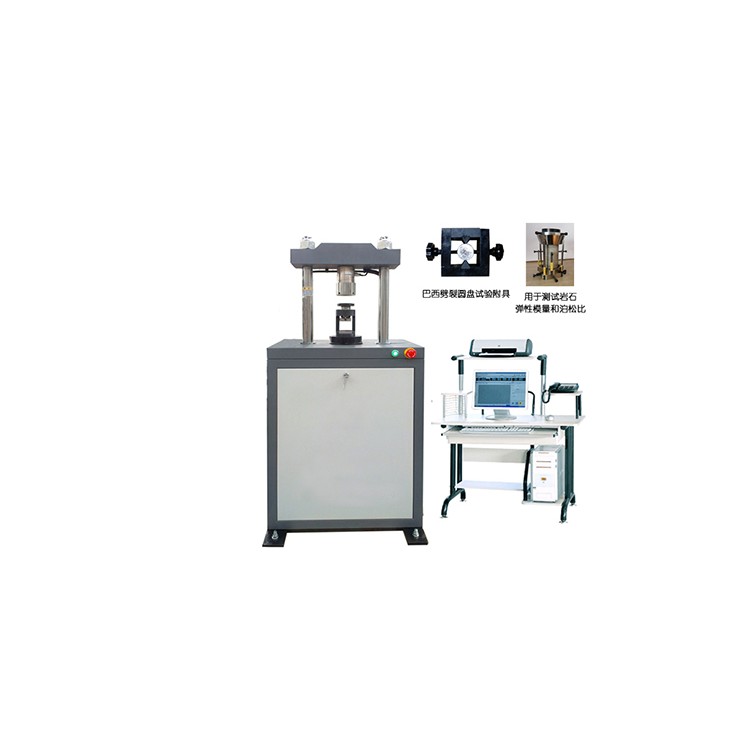
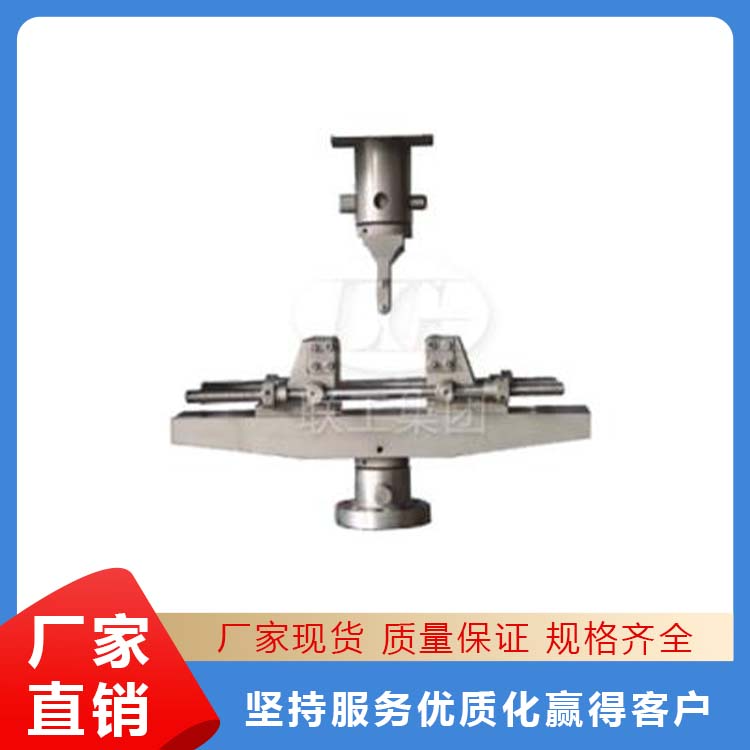
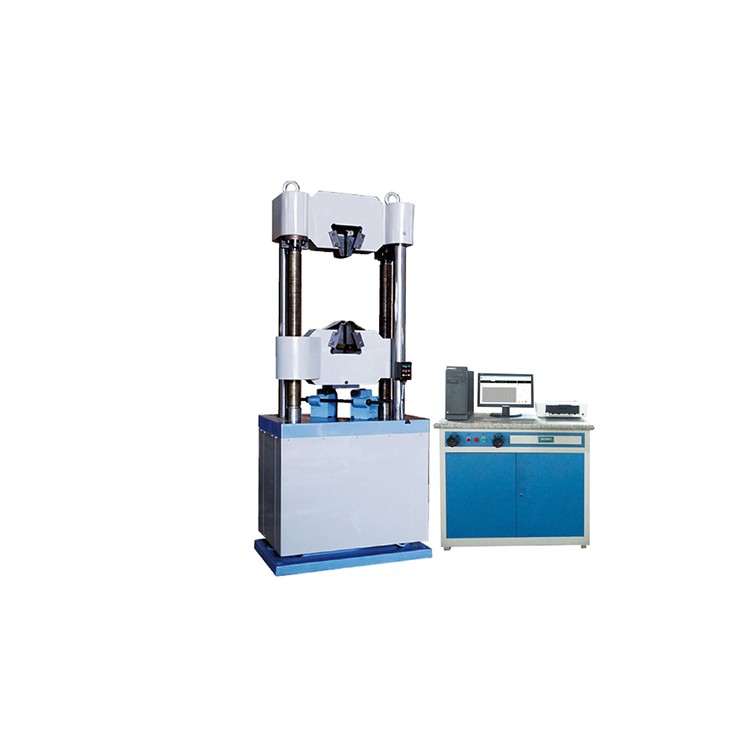
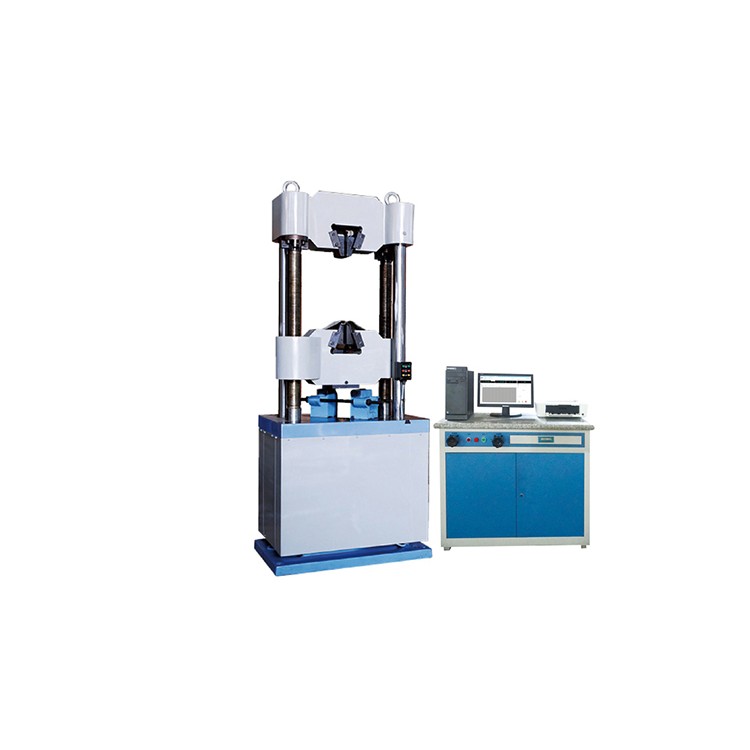
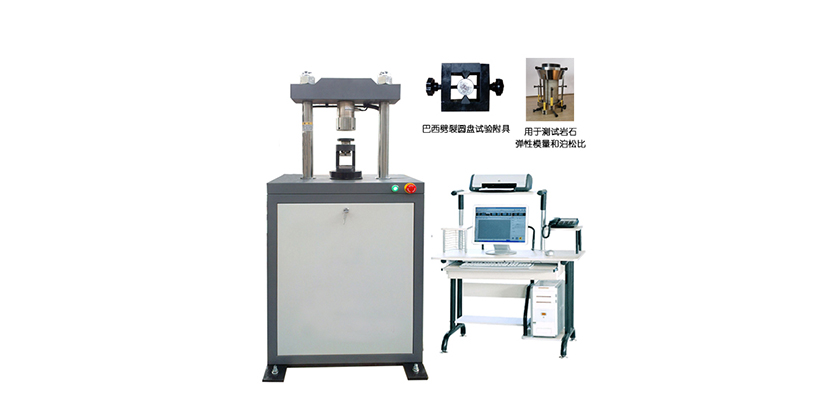
1. This machine is primarily used for testing the mechanical properties of rocks: tensile strength of rocks (using the Brazilian disk split test) and uniaxial compression tests on soft rocks; it can also complete uniaxial compression deformation and strength tests on rocks, determining the elastic modulus, Poisson's ratio, compressive strength, and other mechanical parameters. This testing instrument is a multifunctional scientific testing equipment with advantages such as convenience, economy, and speed, and can be used for rock mechanical property tests in engineering units such as coal mines, geology, hydraulic engineering, transportation, and construction.
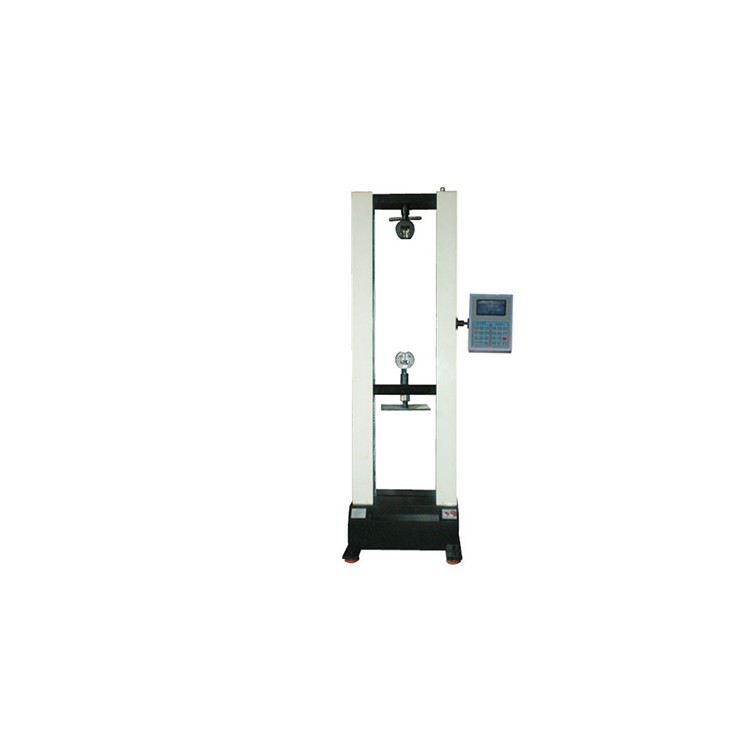
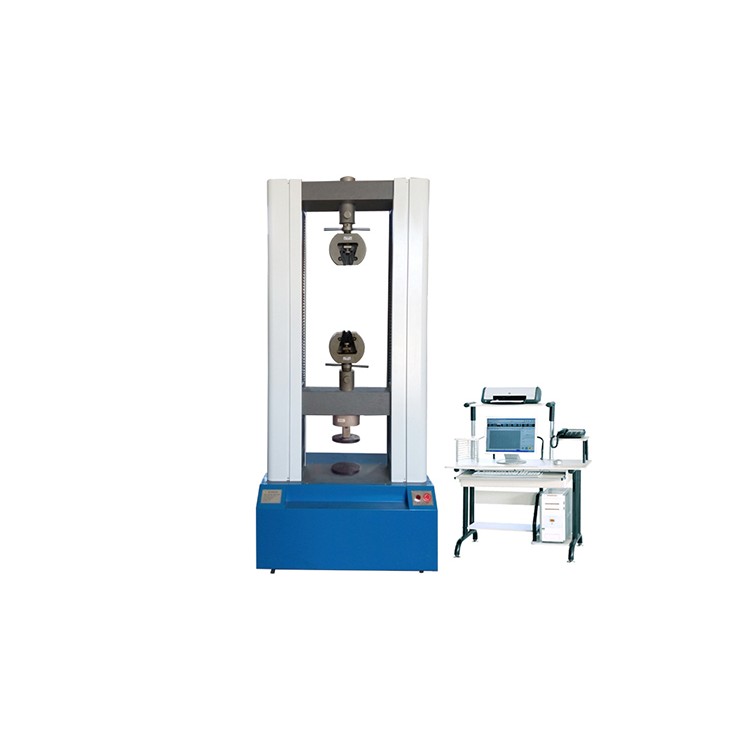
2. The main unit features a high-strength frame structure, with a compact and well-arranged overall design. The control unit utilizes an AC servo speed control system to precisely and quickly respond to AC servo motors, driving a precise, low-noise reducer. It powers a precision ball screw assembly for testing, allowing for wide-range speed adjustment (0.2-50mm/min), ensuring a smooth testing process. Test data can be accessed at any time, and data and curves can be reanalyzed. Local magnification, as well as editing of data, samples, environment, and testing conditions, are possible, and a complete test report and curve can be printed.
3. This series of products meets the requirements of GB/T16491-2008 "Electronic Universal Testing Machine," JJF1103-2003 "Evaluation of Computer Data Acquisition System for Universal Testing Machines," and JJG139-1999 "Inspection Procedures for Tension, Compression, and Universal Testing Machines." It can perform uniaxial compressive strength tests on rock materials in accordance with the standards such as GB/T50266-2013 "Standard Methods for Testing Engineering Rock Masses."
Product Images:
Function and Technical Specifications:
1. Main Unit: Model: YAW-30T
2. Test Force Measurement:
A. Test Force Measurement Range: 300 kN
B. Test Force Indication Accuracy: ≤ ±1% of the displayed value
C. Test Force Measurement Resolution: 0.005% FS.
3. Displacement Measurement:
A. Photoelectric encoder measures travel.
B. Relative Displacement Reading Error: ±1%
C. Displacement measurement resolution: 0.005mm.
Displacement Value Display: Direct reading shown on the computer screen
4. Speed Control:
A. Load Rate Control Range: 0.05-8.0 kN/S
Rate-of-rise control accuracy: ±5%
B. Test speed control range: 0.05-50 mm/min.
5. Pressure plate size: ∮150 mm.
6. Compression Space: 200mm.
7. Test Stroke: 100mm.
8. Column Spacing: 300mm
9. Control System:
Windows 7 operating system
B. While automating the control of the testing process, simultaneously display the test data on the testing machine's screen.
C. Screen display function with test force, peak value, sample deformation, displacement, and test curve.
D. Meets the requirements of standards such as GB/T50266-2013 "Standard for Test Methods of Engineering Rock Mass."
E. Conduct tensile strength and uniaxial compression deformation, and compression strength tests on rock, calculate the elastic modulus and Poisson's ratio of rock, and other mechanical parameters.
10. Applicable Standards and Data Processing:
A. Users can customize data processing software that meets national or other standards.
B. The testing process can simulate and reproduce the tests, as well as reanalyze the test data.
11. Safety Protection Device:
A. When the test force exceeds 2%-5% of the test force per step, overload protection triggers, and the system discharges.
B. When the lead screw reaches the upper limit position, the stroke protection activates, and the motor stops.
C. Features overcurrent and overvoltage protection.