












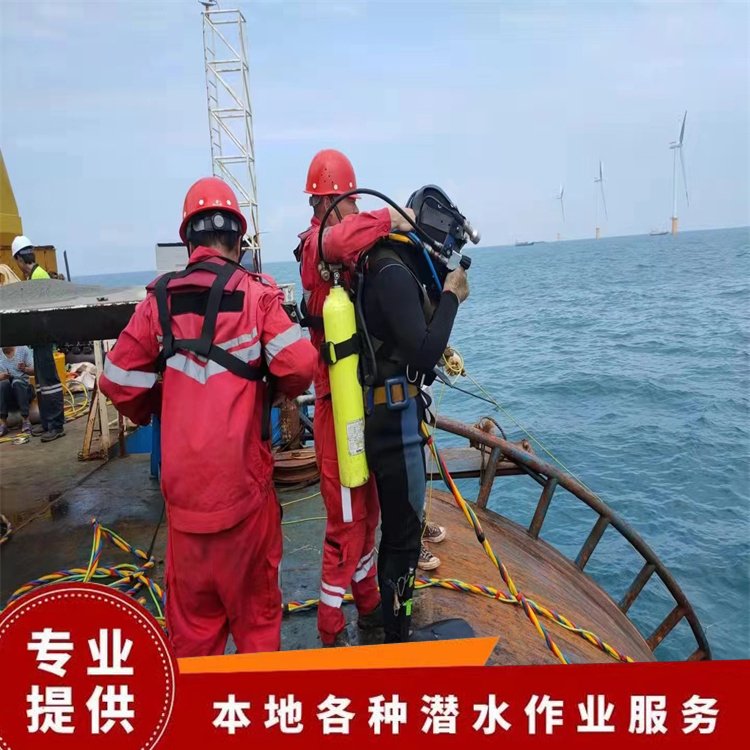
Throughout human exploration, the deep sea has always been a captivating domain. Underwater operations, as a critical component of deep-sea exploration, are both challenging and brimming with potential for significant scientific discoveries. This article will provide a detailed analysis of underwater operations, covering definitions, application areas, technical equipment, challenges, and opportunities, taking you on a journey to uncover the mysteries of the deep sea.
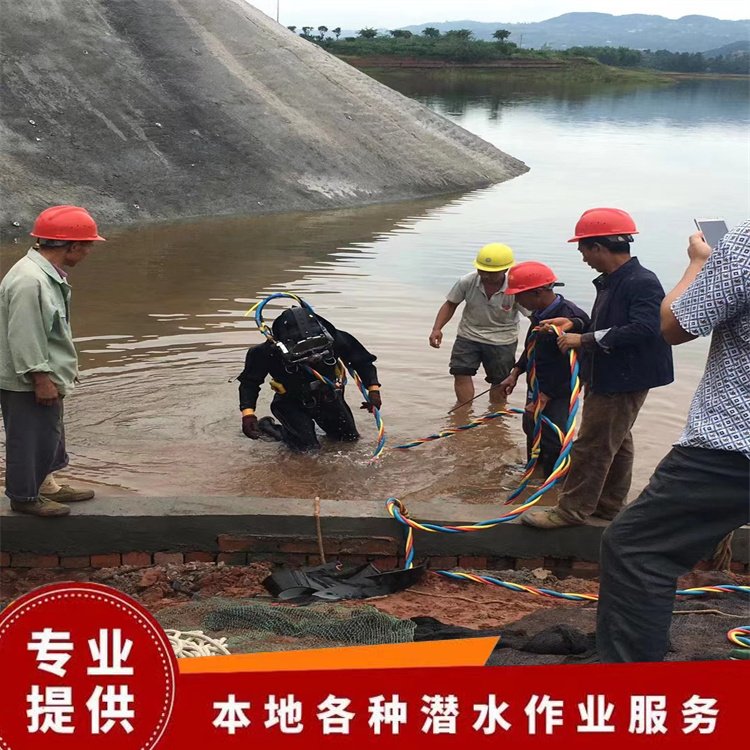
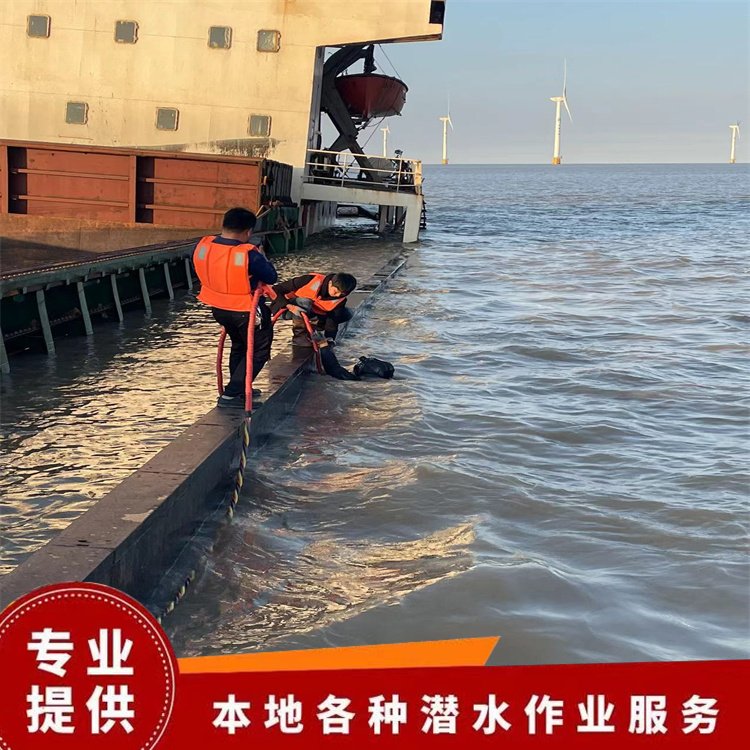
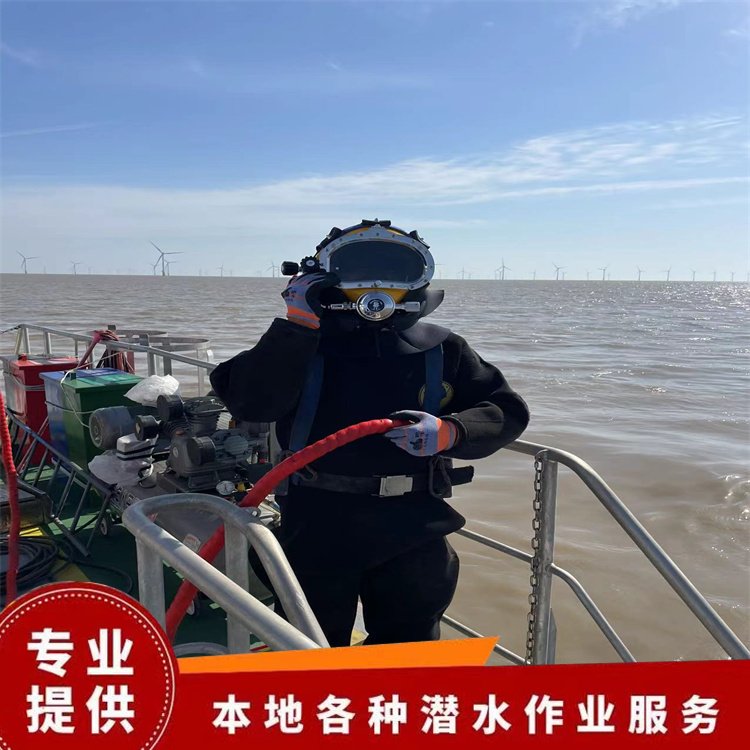
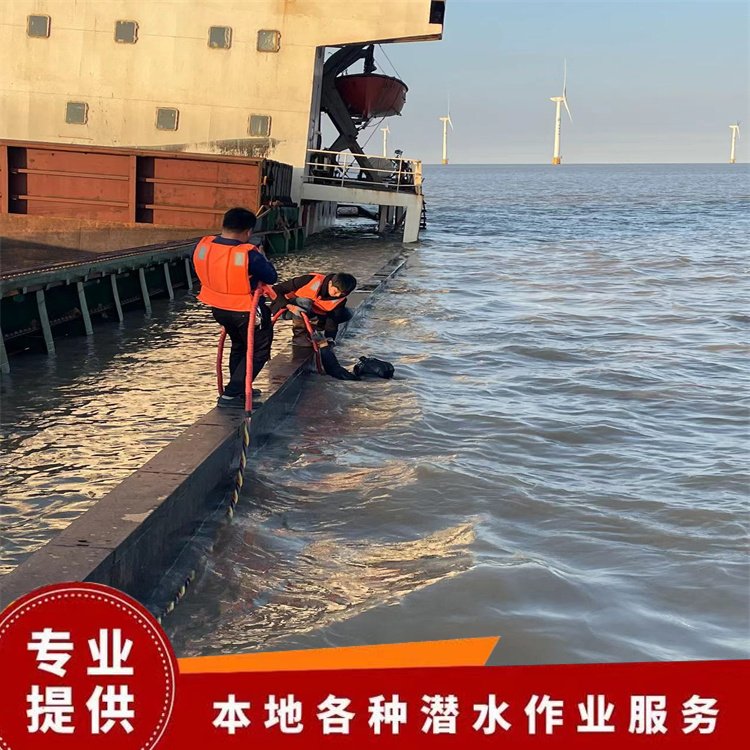
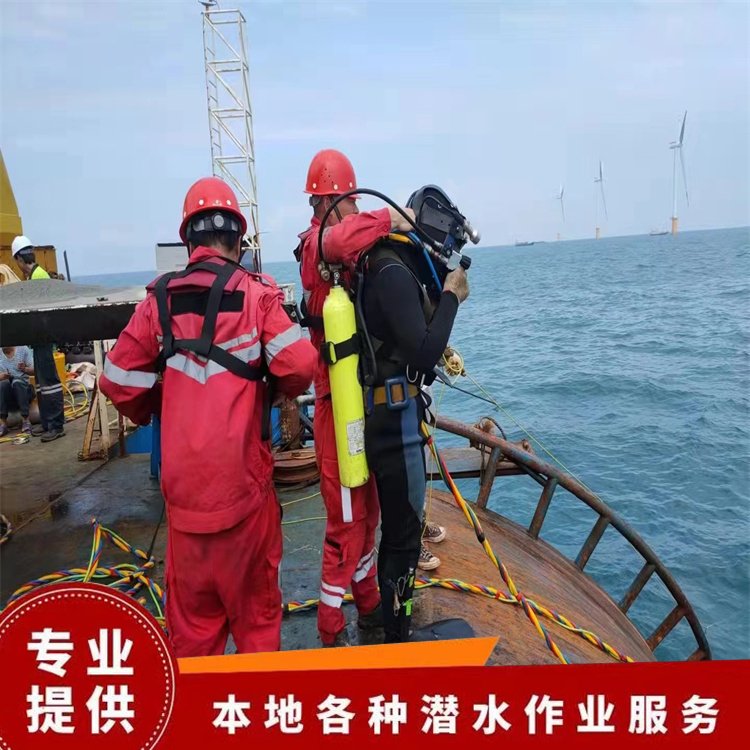
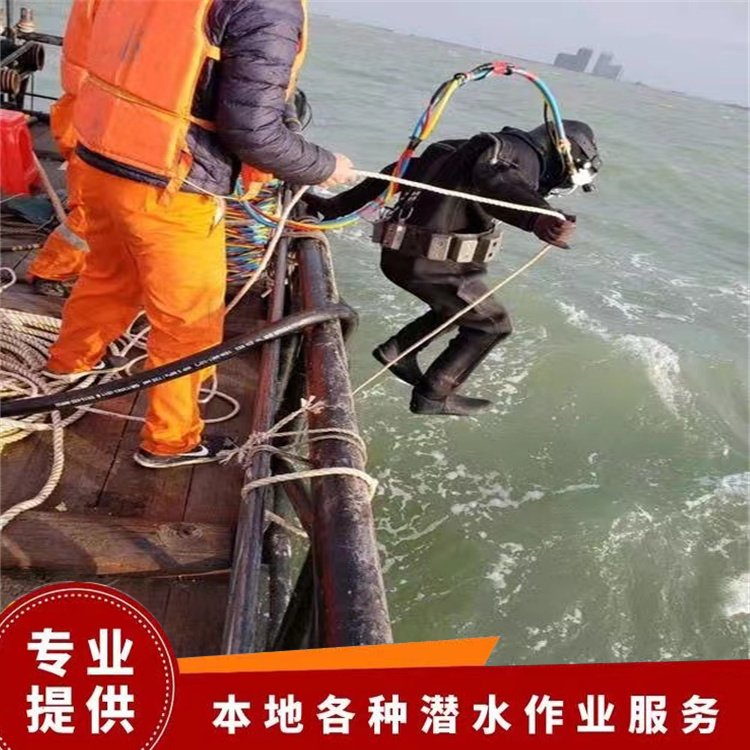
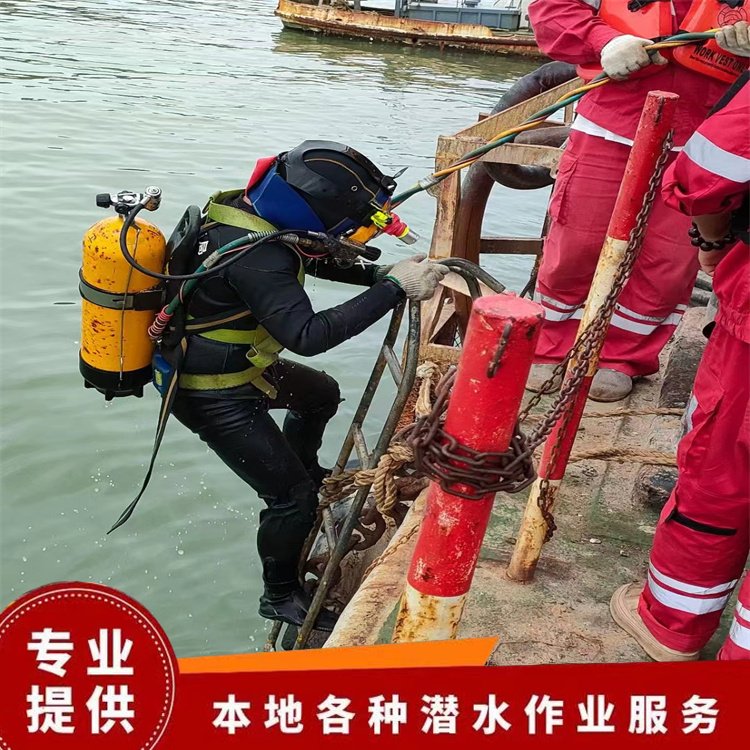
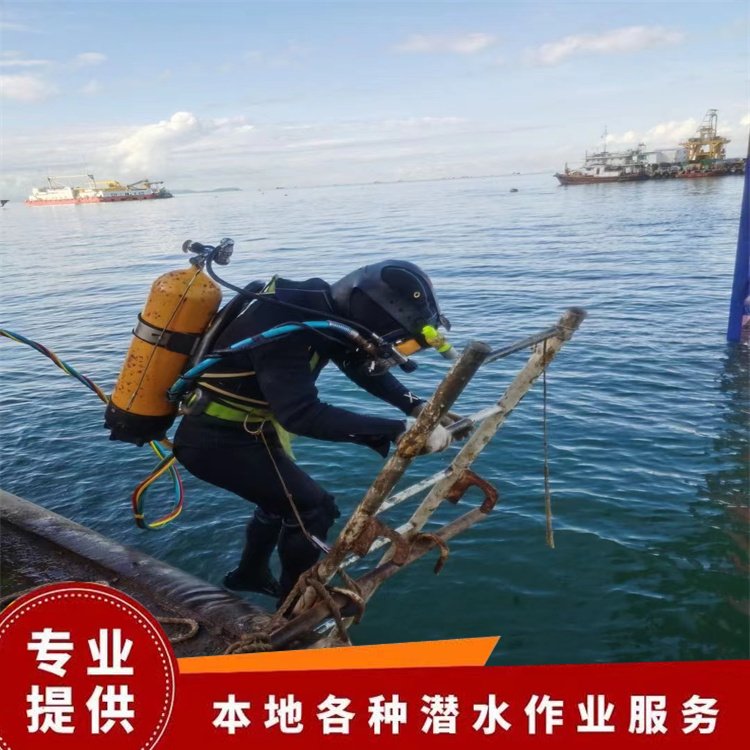
Underwater operations, as the name implies, encompass a variety of work activities conducted in underwater environments. They are widely used in marine engineering, scientific research, resource exploration, and often involve divers as the main workforce. Typically, underwater operations include diving, underwater maintenance and construction, underwater archaeology and exploration, among other aspects.
Firstly, let's explore the application fields of underwater operations. Ocean engineering is one of the primary fields where underwater operations are utilized, encompassing activities like offshore oil and mining, ocean wind farm construction, and submarine pipeline laying. In ocean engineering, underwater operations play a crucial role, providing technical support for the construction and maintenance of subsea facilities.
Beyond marine engineering, underwater operations have extensive applications in scientific research and resource exploration. Scientists can delve into underwater terrain, biodiversity, and environmental changes through underwater operations, providing crucial data and samples for earth scientific research. Simultaneously, underwater operations play a significant role in marine resource exploration, such as the exploration and development of deep-sea mineral resources.
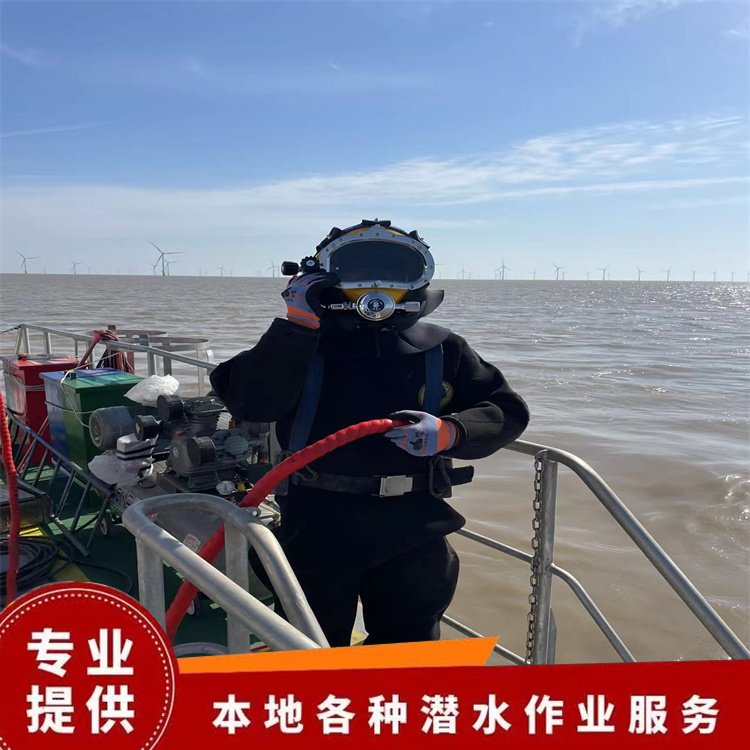
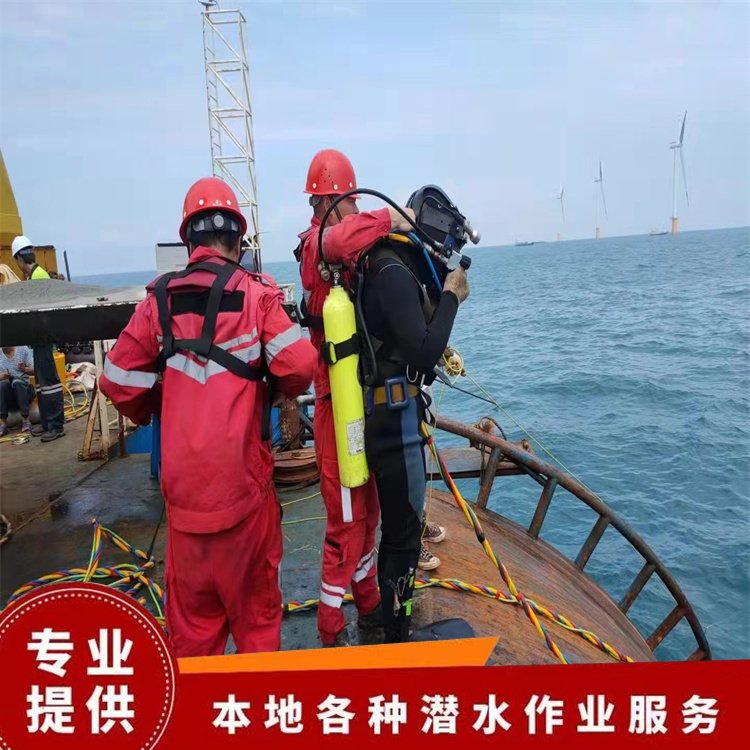
During underwater operations, divers rely on various advanced technical equipment to ensure safety and efficiency. Generally, the equipment needed for underwater operations includes submersibles, underwater robots, and underwater drones. Submersibles are crucial tools for divers conducting deep-sea exploration and work, allowing them to operate in an environment as close to the actual seabed as possible. Underwater robots and drones can handle specialized tasks, such as underwater archaeology and maintenance of subsea facilities.
However, underwater operations face numerous challenges. Firstly, the conditions of the deep-sea environment pose severe health tests for divers, such as high pressure, low temperatures, and oxygen deprivation. At the same time, the safety of diving operations is a non-negotiable issue, as divers must undergo rigorous training and equip themselves properly to ensure their own safety. Additionally, the high unpredictability of the deep-sea environment adds to the difficulty of underwater work, such as changes in sea conditions and interference from marine life.
Despite numerous challenges, underwater operations also hold immense opportunities and potential for scientific discoveries. With technological advancements, divers can venture deeper into exploration and work, uncovering more treasures. Moreover, the deep sea is a paradise for many unknown species, and exploring deep-sea life is significant for biological research. Additionally, the deep sea is considered a treasure trove of resources for humanity's future, and underwater operations provide the technological guarantee for the exploration and development of deep-sea resources.
In summary, underwater operations are a field that is both challenging and full of opportunities. From marine engineering to scientific research and resource exploration, underwater operations have gradually become a crucial tool for human exploration of the deep sea. However, we still need to innovate and break through to better solve the challenges in deep-sea exploration. Looking ahead, underwater operations will continue to pave the way for humanity's new journey into the deep sea.