
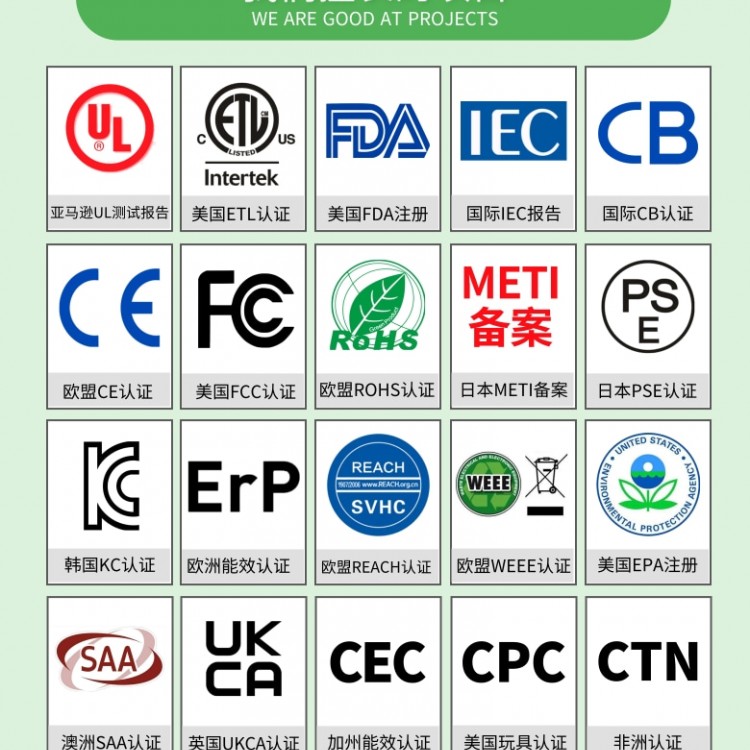
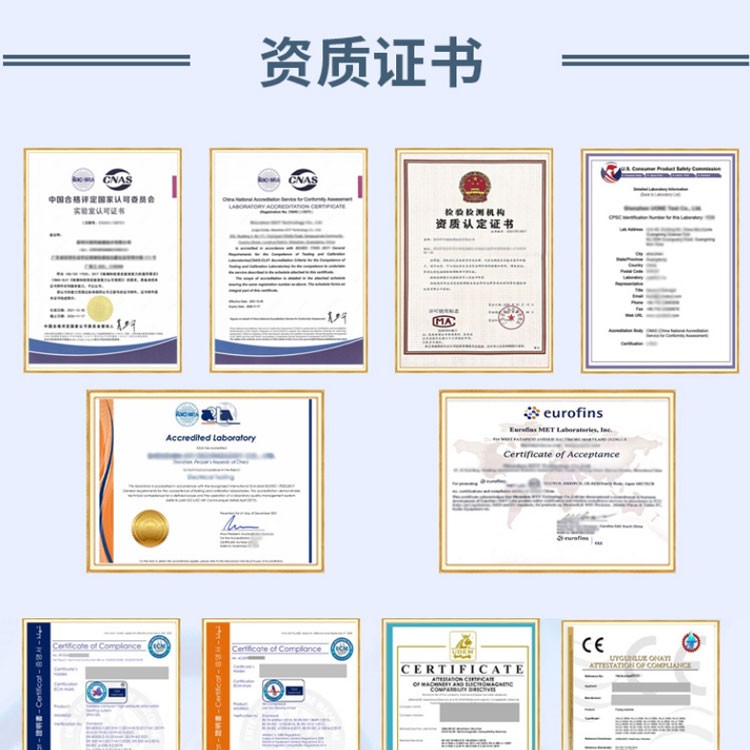







The cost, time, and process for the EU CE certification vary depending on the product type, scale, certification body, testing difficulty, and time requirements.
Firstly, regarding costs, the CE certification fee ranges from a few hundred to several thousand euros, depending on the type and complexity of the product. Generally, consumer electronics may require a fee of 1,500 to 3,000 euros, while wireless electronics could start at 5,000 euros, and mechanical products might begin at 4,000 euros. Additionally, application fees, testing fees, and certificate fees are major components of the CE certification costs. Application fees usually fall between 500 and 1,000 euros, testing fees vary based on the complexity of the product and the number of test items, generally ranging from 1,000 to 3,000 euros, and certificate fees are a one-time charge, usually between 2,000 and 10,000 euros.
Next, regarding time, the processing time for CE certification varies depending on the type of product and the required directives. For instance, the testing cycle for the Electromagnetic Compatibility (EMC) Directive and the Low Voltage Directive (LVD) typically takes about 5 to 7 working days, but may be longer for larger testing facilities. The CE certification period for mechanical products depends on whether they are standard or hazardous; standard mechanical products usually require 7 to 10 working days, while hazardous ones might take 2 to 3 months.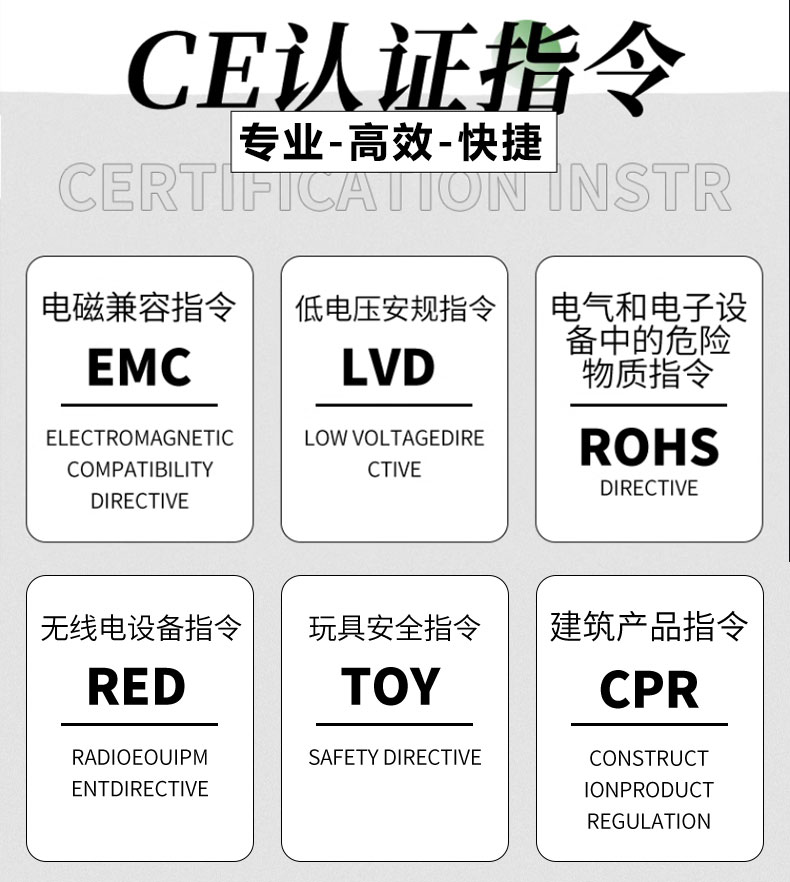
Regarding the process, obtaining CE certification typically involves the following steps:
Determine product category and applicable directives: Clearly identify the category of the product and recognize all EU directives and regulations applicable to it.
Analyze product technical parameters and standards: Based on product characteristics, compare with EU standards and technical specifications, to analyze the product's technical parameters and performance indicators.
Select a certification body and submit an application: Choose a qualified certification body and submit the relevant technical documents and samples.
Product Testing and Evaluation: The certification body conducts performance testing and safety assessments to ensure the product meets all technical criteria for CE certification.
Certificate Issuance: A CE certificate will be issued by the certification body upon product compliance with all requirements.
Please note that CE certification is a mandatory certification in the EU, and it is necessary for products seeking entry into the EU market to obtain CE certification and pay the corresponding fees. Additionally, due to the involvement of multiple stages and factors in CE certification, it is recommended that businesses communicate thoroughly with the certification body prior to application to understand detailed fee, time, and process requirements, ensuring a smooth certification process.