







Japan's mandatory certifications mainly include the following categories:
Safety-relatedPSE Certification. This is a mandatory safety certification for electrical appliances in Japan, primarily regulating the manufacturing and sales of electrical appliances to ensure compliance with the Japanese Electrical Appliances and Materials Safety Law or international IEC standards. PSE certification is divided into two types: diamond-shaped and circular. The diamond-shaped PSE targets products with higher risk, such as chargers, adapters, electric water heaters, switches, and outlets; the circular PSE applies to other electrical products. Specific certification costs include testing fees, certificate annual fees, and factory inspection fees, which vary depending on the product.
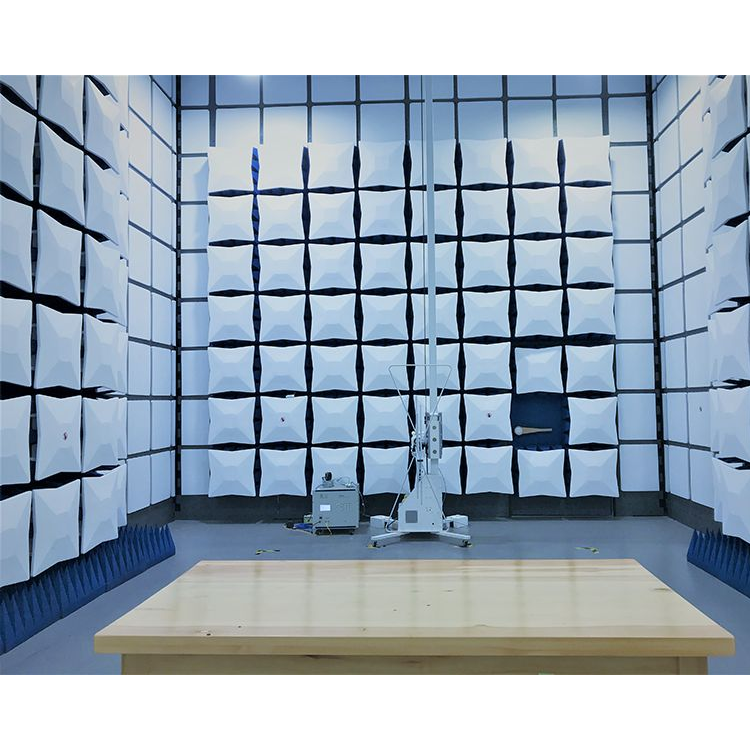
Electromagnetic Compatibility (EMC)VCCI Certification. This certification is managed by the Japan Electromagnetic Interference Control Committee and, although not mandatory, is typically obtained for information technology products sold in Japan.
Wireless ProductsTELEC/MIC Certification. For wireless products such as wireless routers, tablets, and smartphones, TELEC certification is required. The certification fee varies depending on the product type, with TELEC certification costs for wireless routers, tablets, and smartphones ranging from 10,000 to 30,000 yuan, 15,000 to 30,000 yuan, and 20,000 to 40,000 yuan, respectively. The required documents include block diagrams, BOM material lists, product images, user manuals, circuit diagrams, PCB placement of key components, front and back PCB images, and quality system declarations or certificates.

In addition, Japan has other mandatory certification types, such as JATE certification (communication), PSC certification (laser, fuel-burning appliances), ST certification (toys), SG certification (consumer goods), medical devices, cosmetics, and other certifications by the Japanese Ministry of Health, Labor, and Welfare.
Please note that the specific certification costs and procedures may vary depending on the product type, the complexity of the testing projects, and the chosen certification body. Therefore, it is recommended that companies communicate with the certification body in detail prior to applying for certification to understand the exact costs, procedures, and requirements.