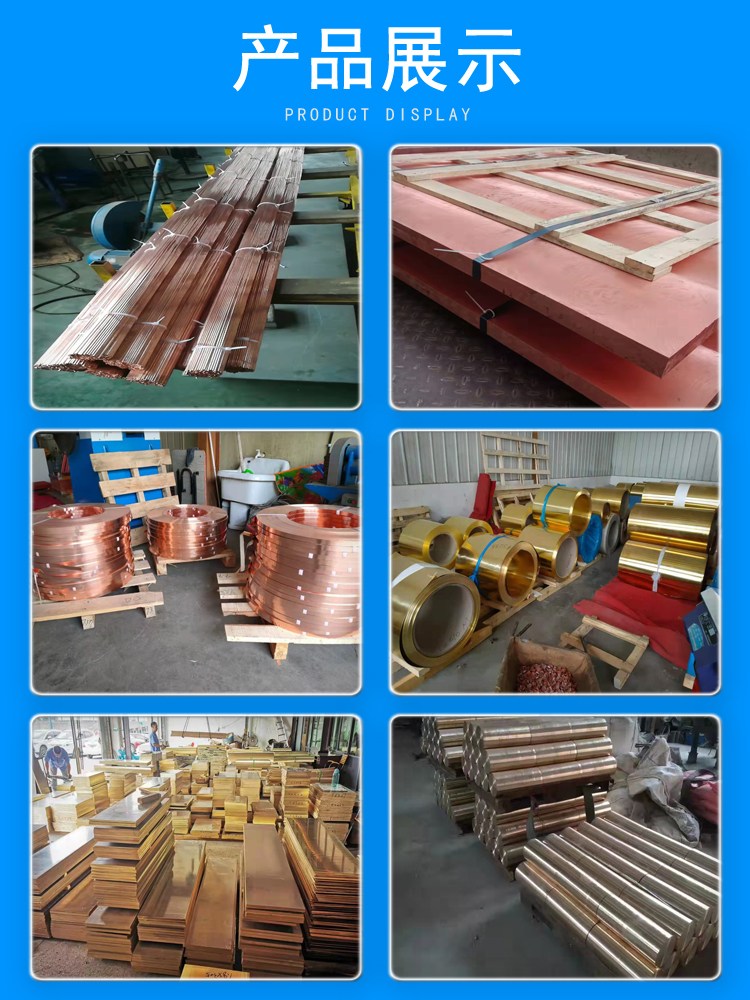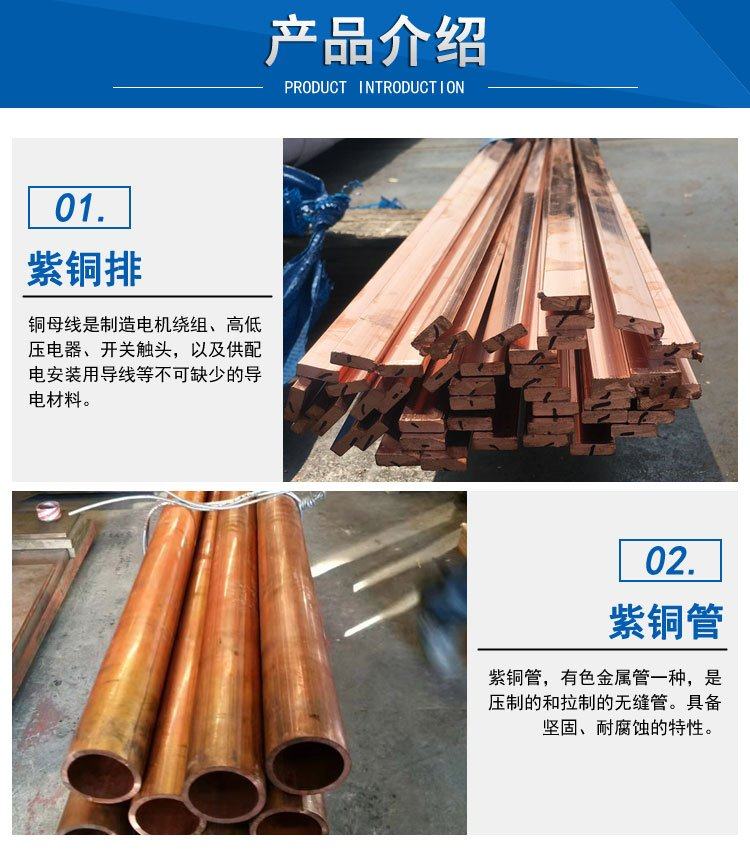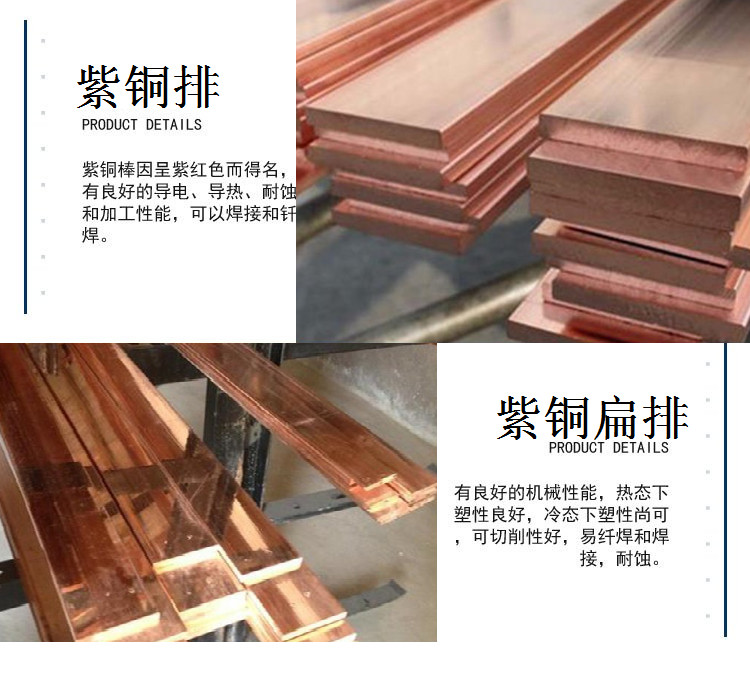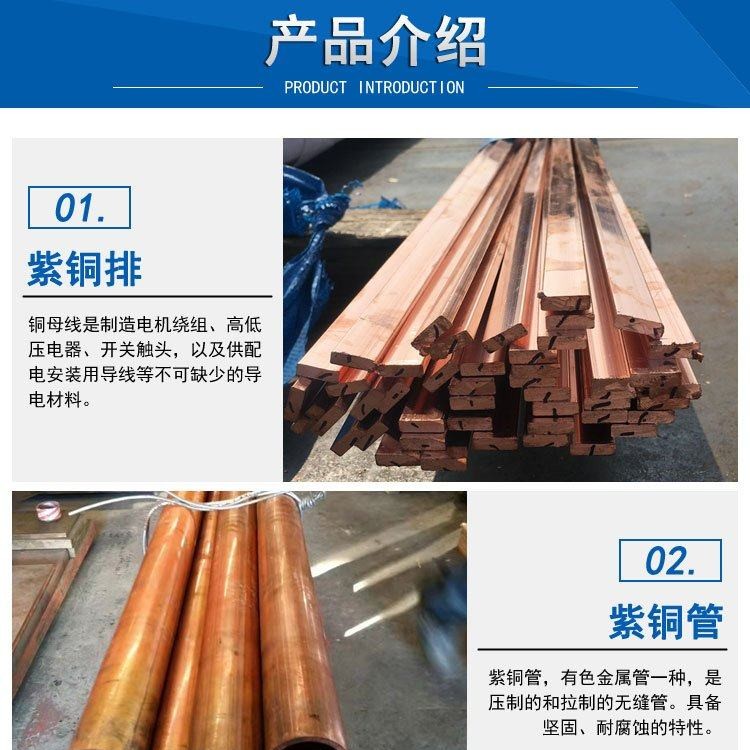
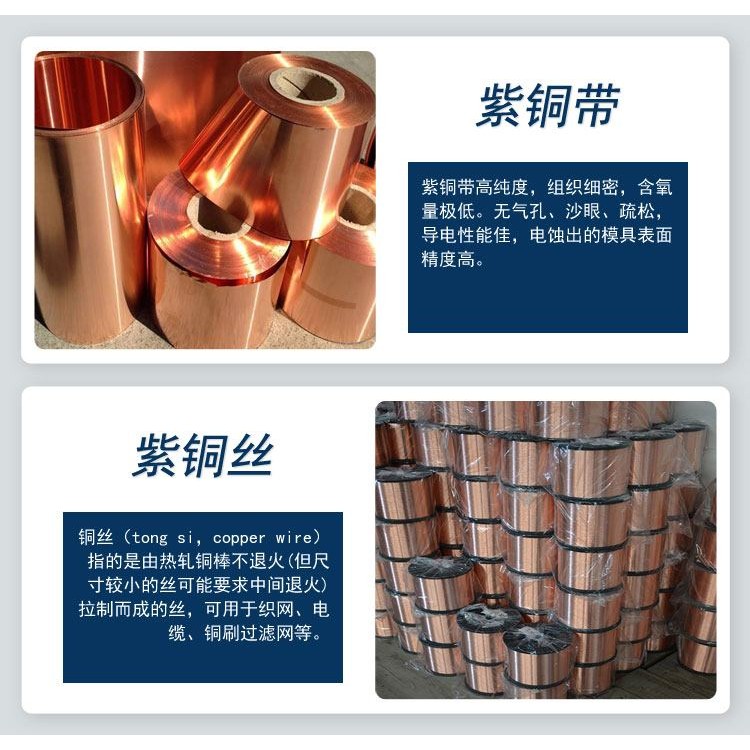
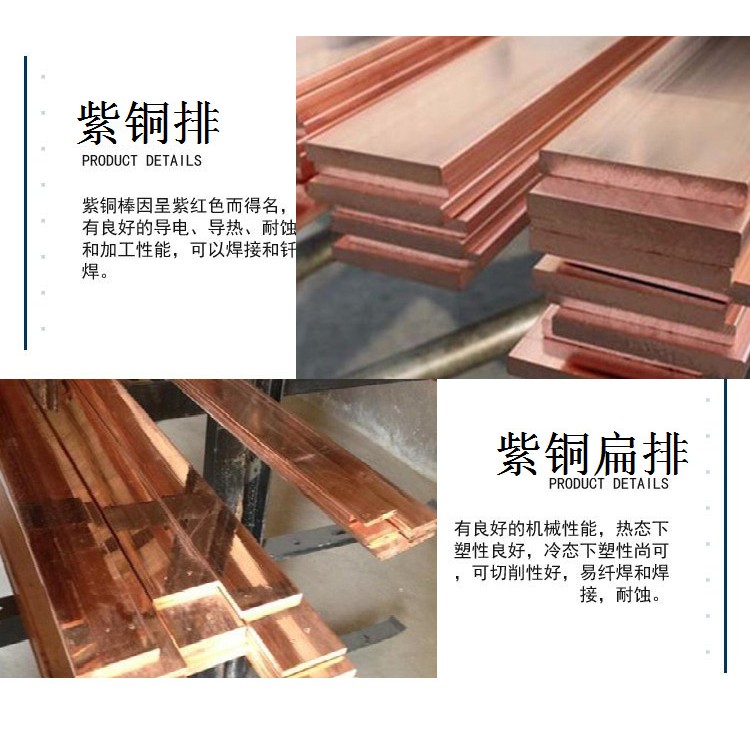












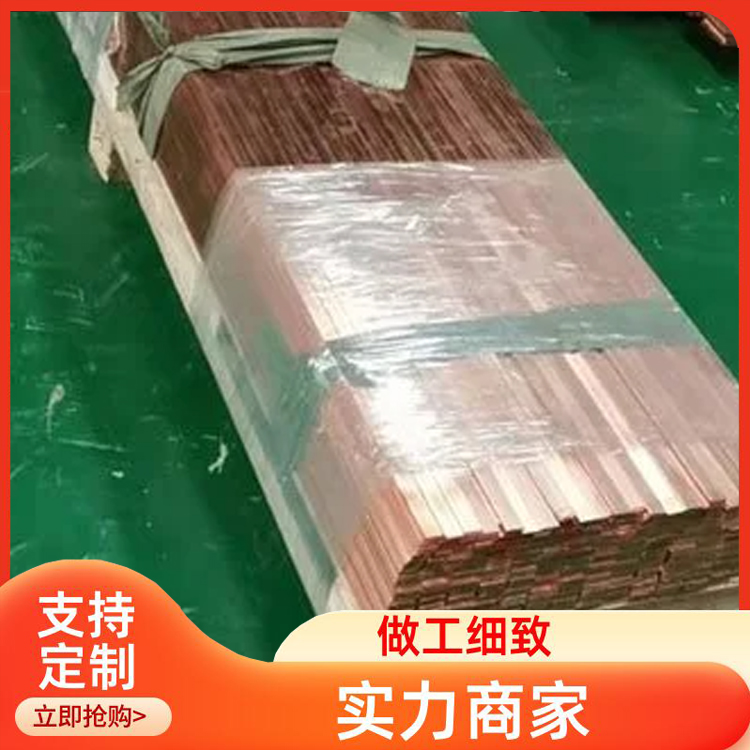
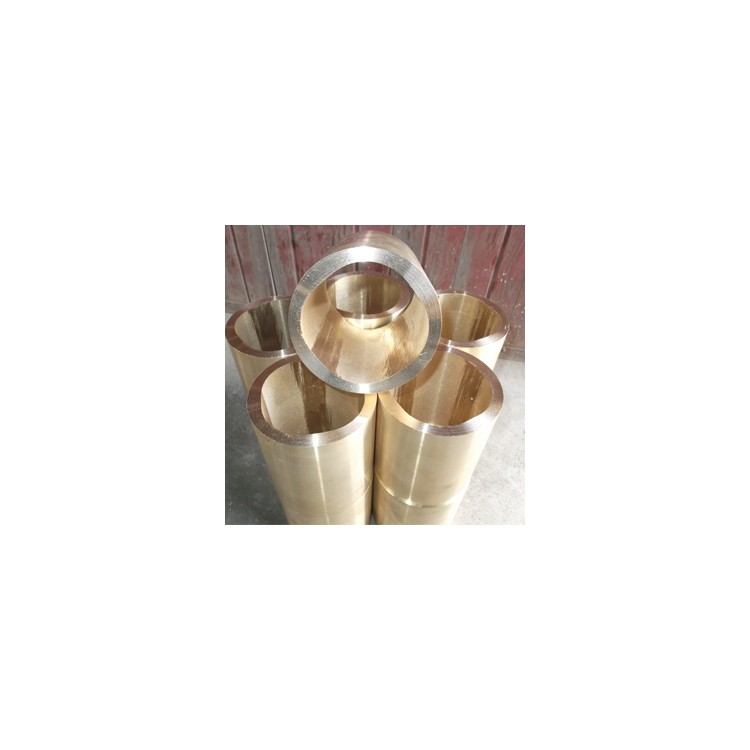
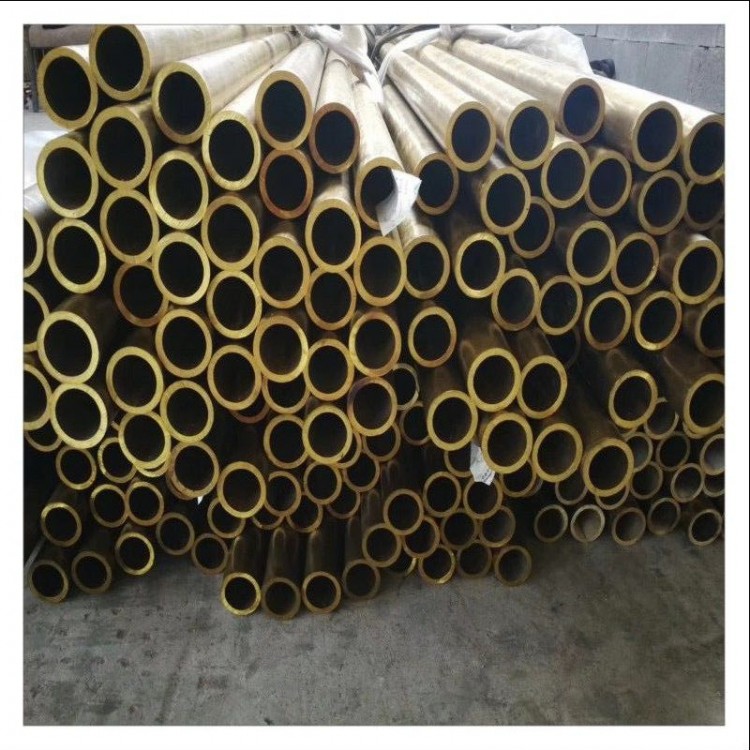
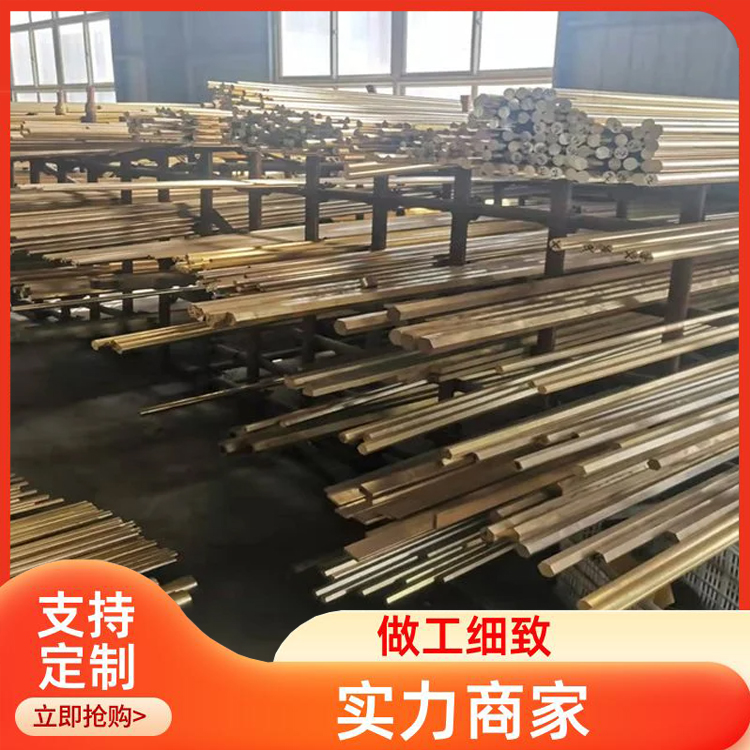
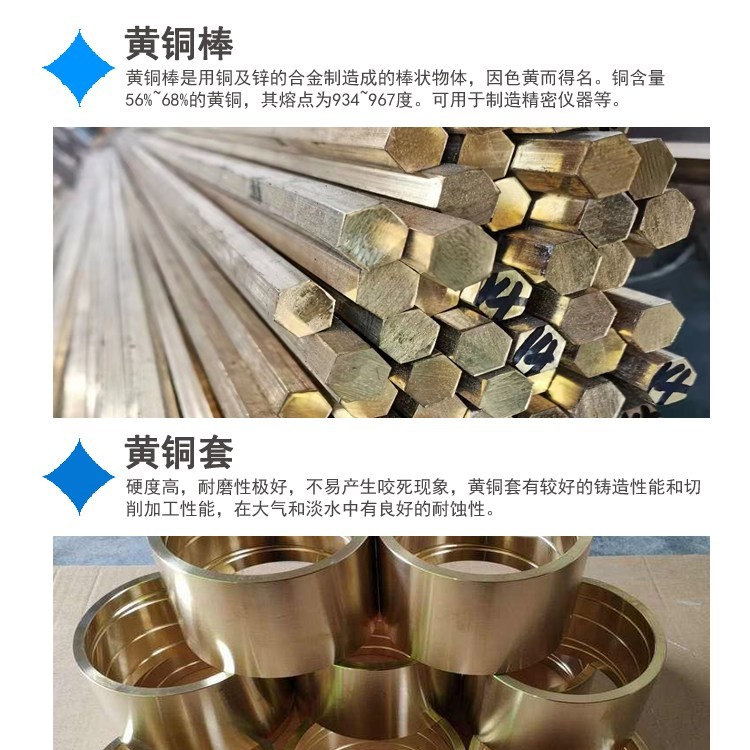

QSN6-6-3 bronze, QSN6-6-3 copper sheet, QSN6-6-3 copper rod, etc., applications for tin bronze:
Copper is a non-ferrous metal closely related to humans, widely used in electrical, light industry, mechanical manufacturing, construction, and various industrial sectors. Its consumption of non-ferrous materials in China ranks second only to aluminum. Bronze with tin is suitable for producing castings with complex shapes and clear contours, low gas-tightness requirements, and is highly corrosion-resistant in atmospheric, seawater, freshwater, and steam, making it widely used in steam boilers and marine parts. Phosphorus-containing bronze boasts excellent mechanical properties and is used as wear-resistant and elastic parts in high-precision machine tools. Lead-containing bronze is commonly used as wear-resistant parts and sliding bearings. Zinc-containing bronze can be used for high-sealability castings. Bronze is extensively applied and highly consumed in the electrical and electronics industries, accounting for over half of the total consumption. It is used in various cables, wires, motors, transformers, switches, and printed circuit boards. In the manufacturing of machinery and transportation vehicles, it is used to produce industrial valves, accessories, instruments, sliding bearings, molds, heat exchangers, and pumps. In the chemical industry, it is widely used in the production of vacuum equipment, brewing kettles, etc. In the construction industry, it is used for various pipelines, accessories, decorative devices, and more.
Features: High hardness, excellent wear resistance, good casting and machining properties, and excellent corrosion resistance in both air and freshwater. Used for wear-resistant parts operating under high loads and high sliding speeds, such as connecting rods, bushes, bearings, gears, worm gears, etc.
Chemical Composition Reference:
Copper (Cu): Balance; Tin (Sn): 9.0-11.5; Phosphorus (P): 0.5-1.0; Iron: 0.1; Aluminum: 0.01; Antimony: 0.05; Silicon: 0.02; Sulfur: 0.05; Nickel: 0.1; Total Impurities: ≤0.75
Mechanical property reference:
Tensile Strength σb (MPa): ≥360 Yield Strength σ (MPa): ≥170 Elongation δ5 (%): ≥6
Hardness: approximately 780-890 HBW; Density (Specific Gravity): approximately 8.9
Heat Treatment Specifications: Heating temperature 1100~1150℃; casting temperature 980~1050℃.