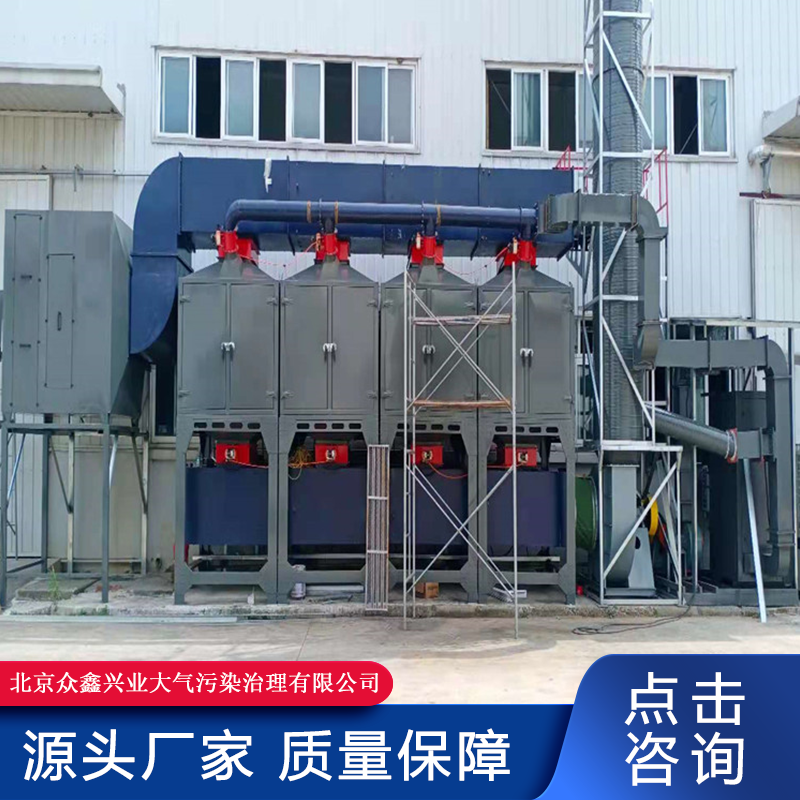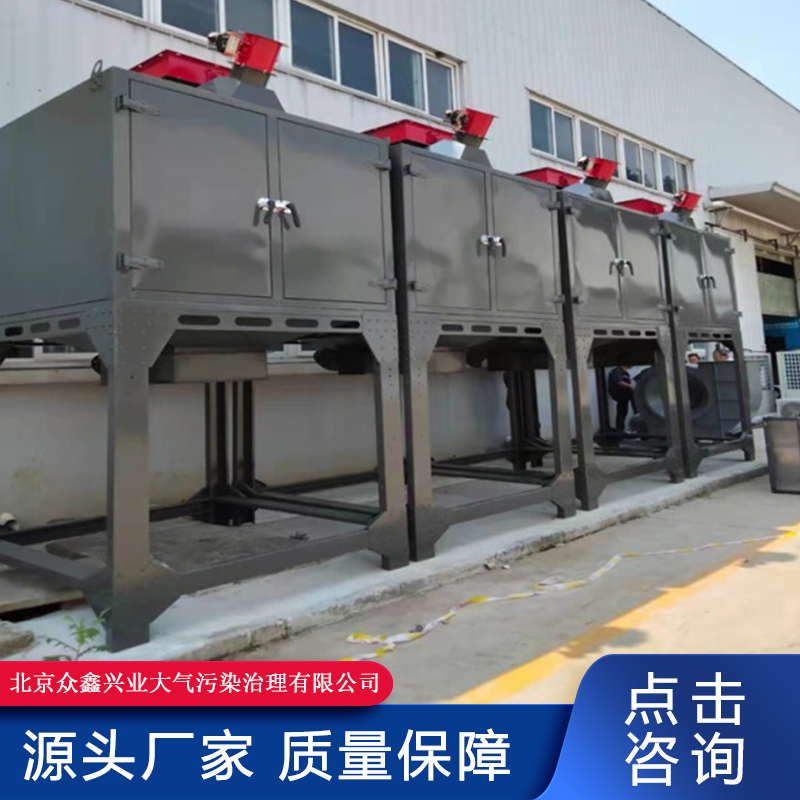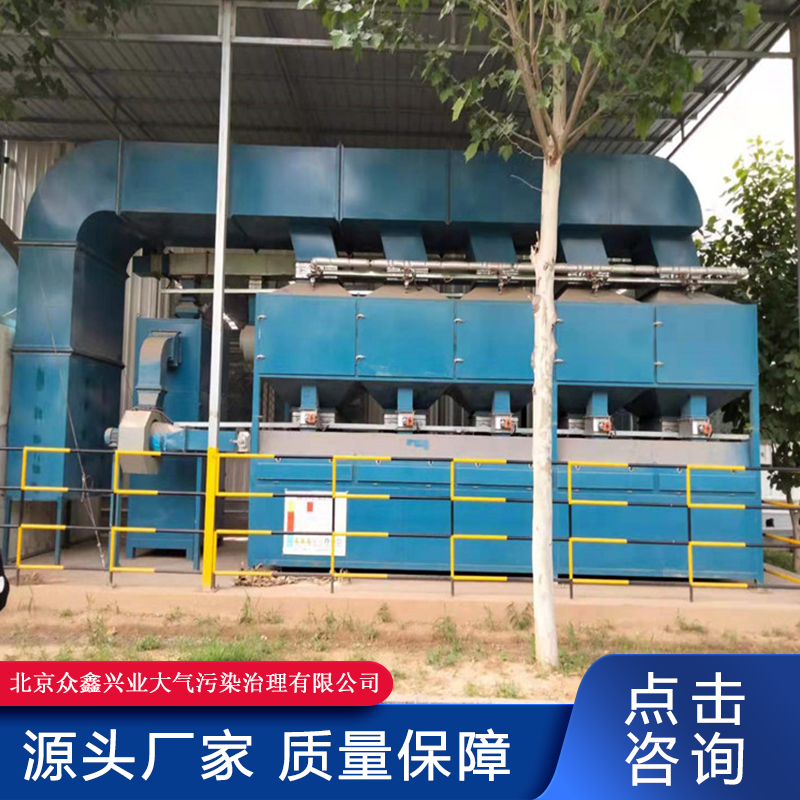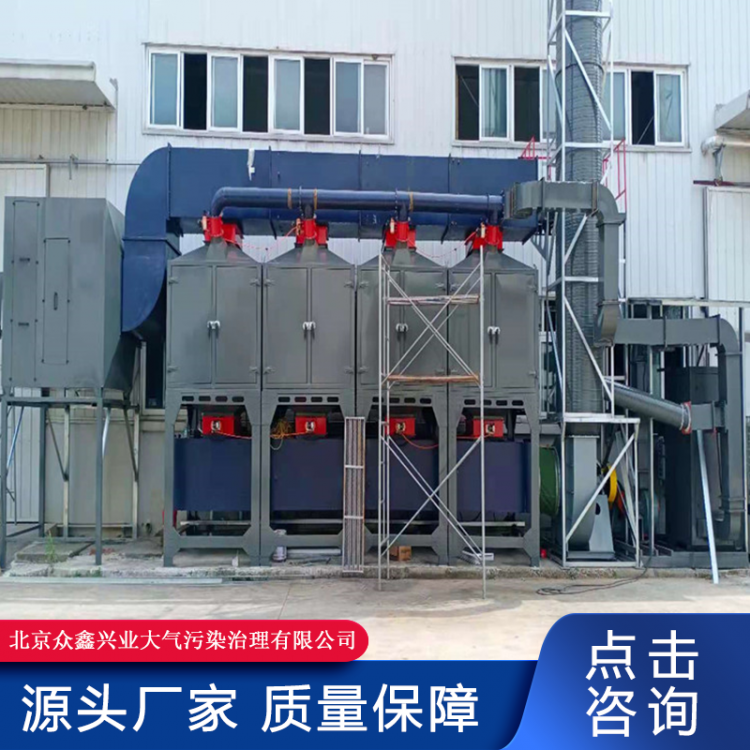

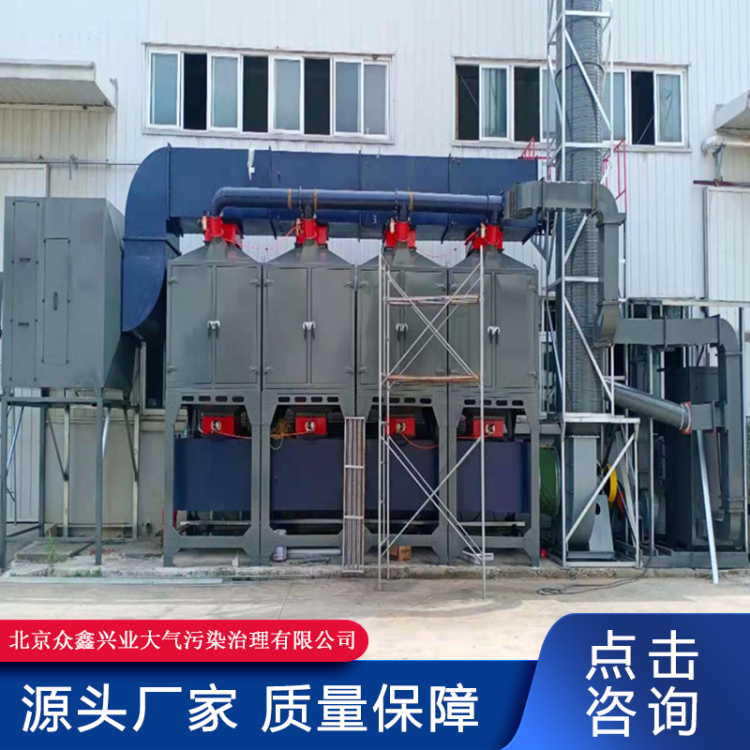

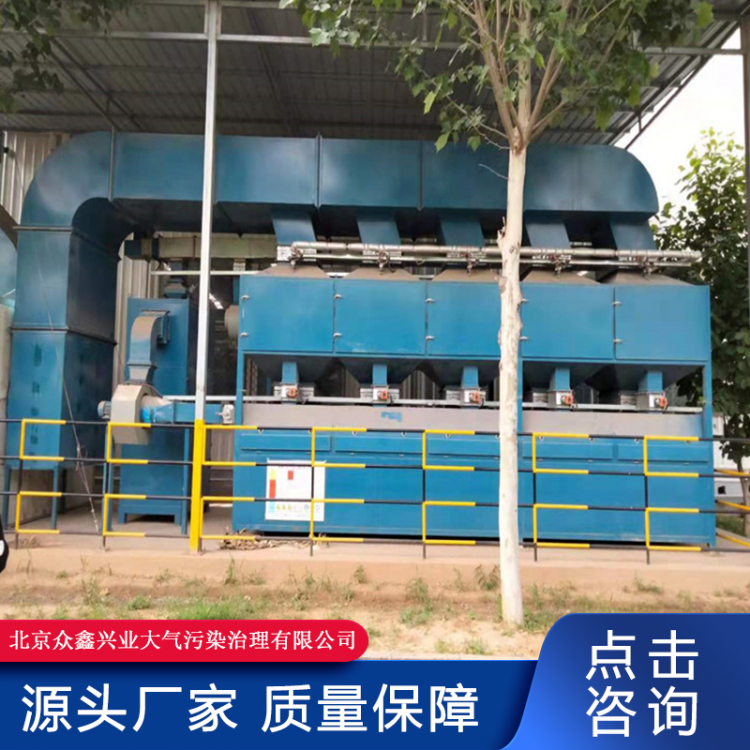


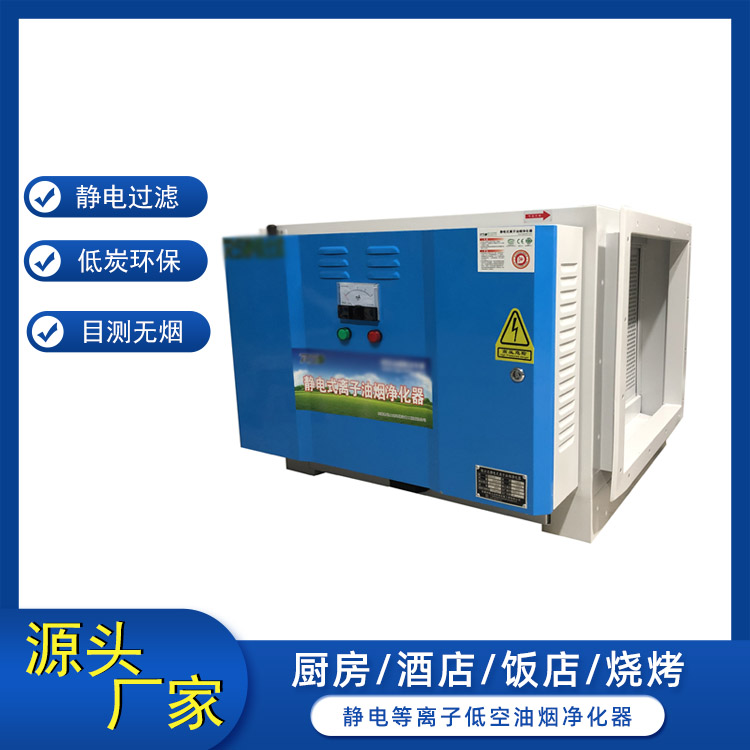







The working principle of catalytic combustion environmental protection for RCO regenerative catalytic combustion equipment:
Heat recovery utilizes the high thermal conductivity of ceramic materials as a heat exchange medium to obtain a relatively complete thermal conductivity. The RCO regenerative catalytic combustion equipment combines chemical reactions and thermal storage heat exchange in a fixed bed reactor, greatly improving the utilization rate of thermal energy, achieving high reaction heat recovery rate, and achieving energy-saving and emission reduction effects. The thermal storage catalytic furnace of RCO thermal storage catalytic combustion equipment mainly consists of: inner liner, outer shell, catalyst, thermal storage body, temperature and pressure sensors, rotary directional valve, and explosion-proof port.
Technical characteristics of RCO regenerative catalytic combustion equipment:
A、 Easy to operate: The device can achieve automatic control during operation.
B、 Low energy consumption: The equipment only needs 15-30 minutes to heat up to the ignition temperature when started (when the concentration of organic waste gas is high, the operating energy consumption is only the fan power).
C、 Safe and reliable: The equipment is equipped with a flame retardant dust removal system, an explosion-proof pressure relief system, and an over temperature alarm system.
D、 Low resistance and high purification efficiency: Advanced honeycomb ceramic catalysts impregnated with precious metals palladium and platinum are used.
E、 Waste heat reuse: Waste heat can be returned to the drying oven, reducing power consumption in the original drying oven; It can also be used as a heat source for other purposes.
F、 Long service life: Catalysts are generally replaced every 4 years, and the carrier is renewable.
Catalytic combustion exhaust gas treatment equipment is widely used in the production of organic chemicals, pharmaceuticals, and various resin production processes in the petrochemical, medical, carbon fiber, food additive, and solar energy industries; Surface coating exhaust gas of metal and plastic parts in the automotive, motorcycle, and bicycle industries; Surface coating exhaust gas of metal and plastic parts in industries such as machinery, ships, household appliances, furniture, and building materials; The efficiency of organic waste gas treatment is over 95%.