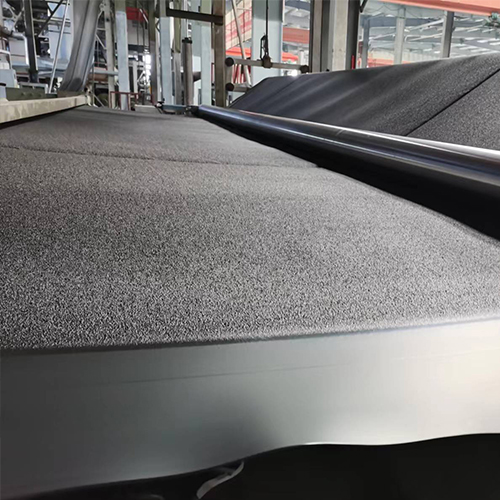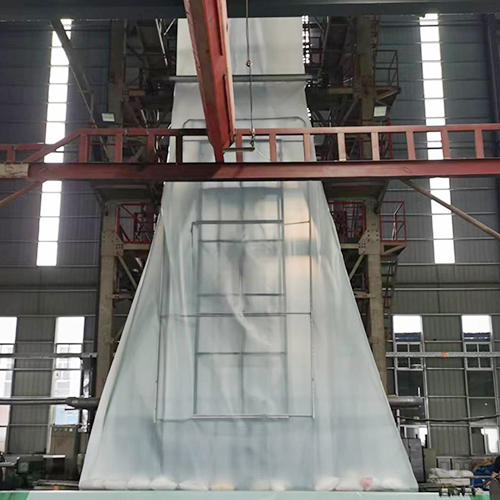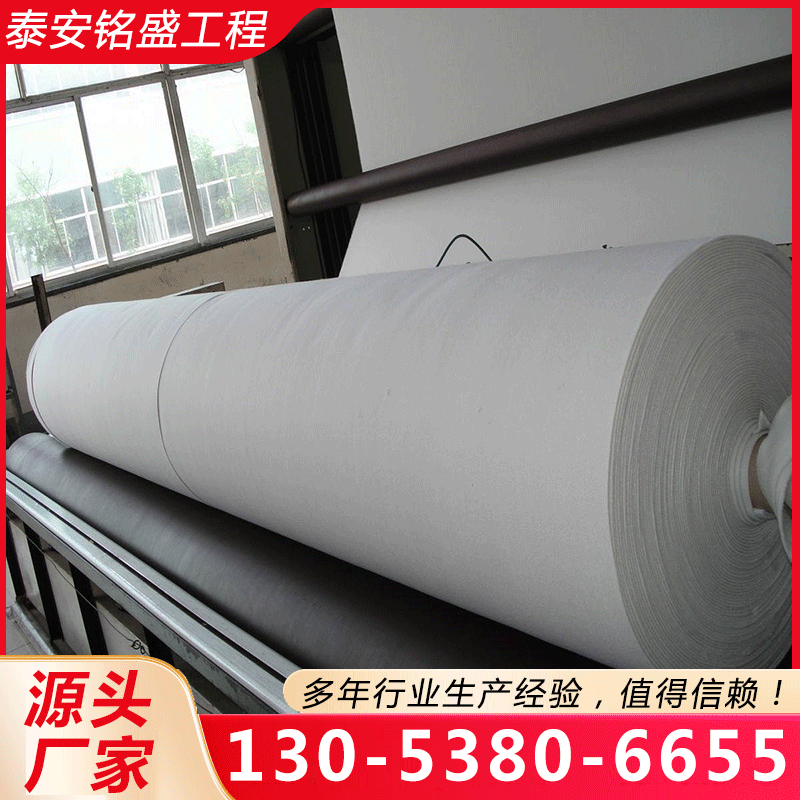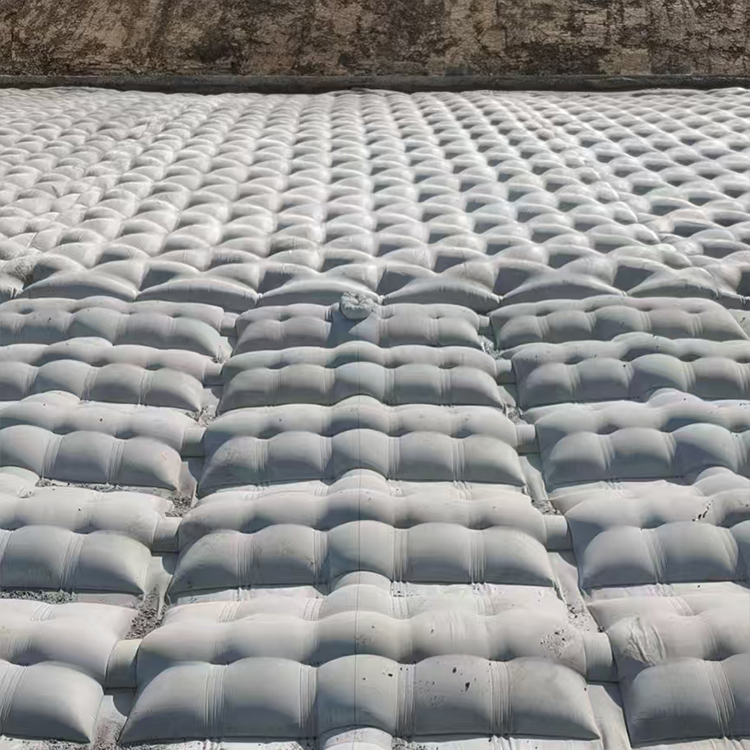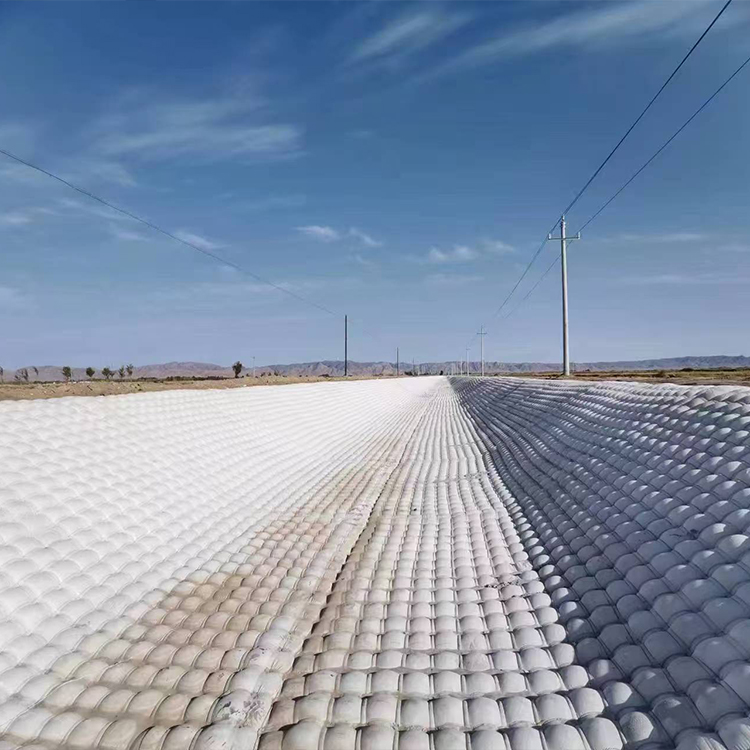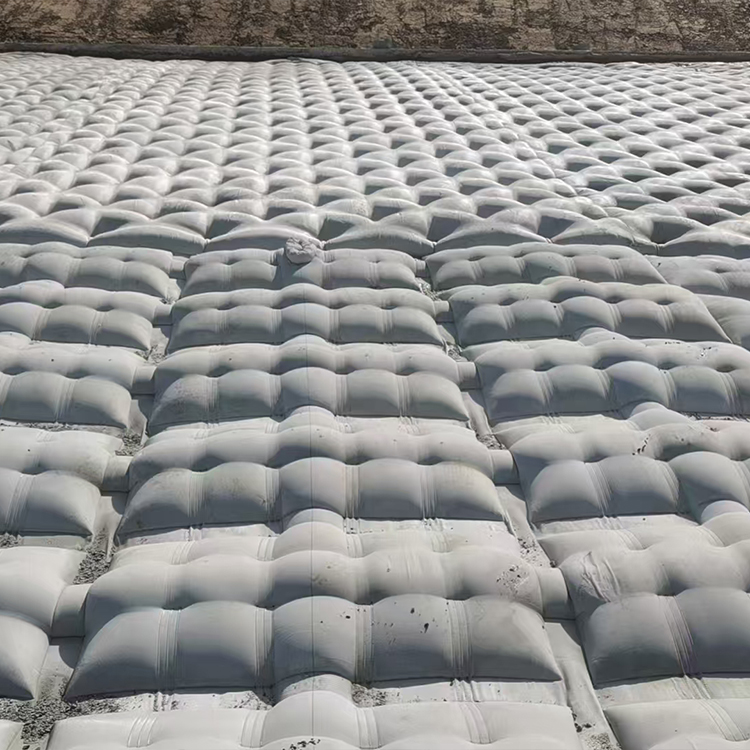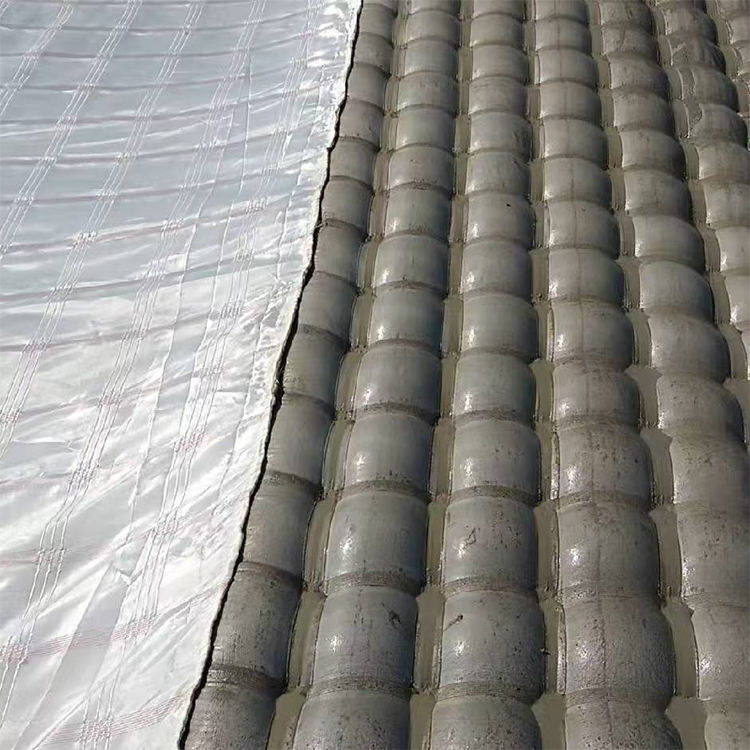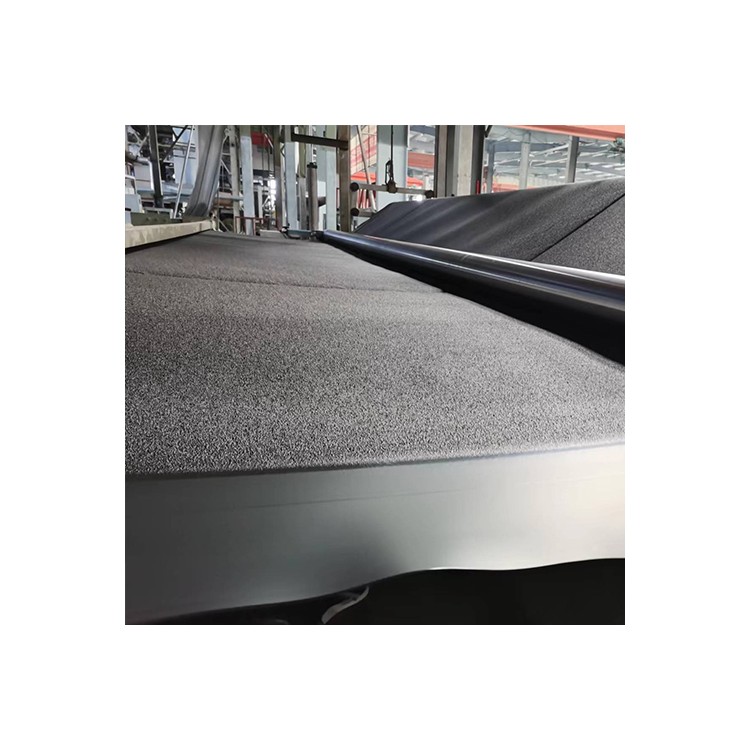



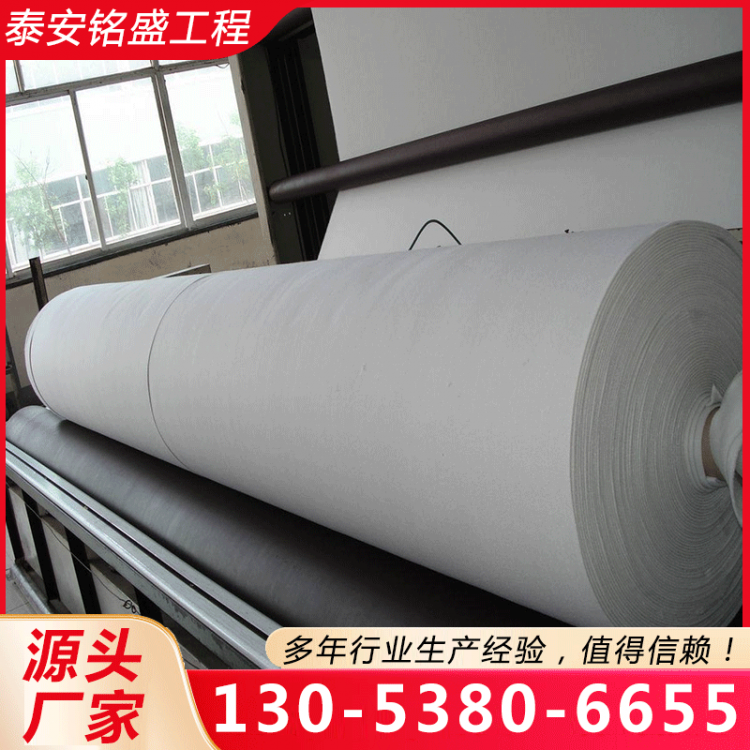
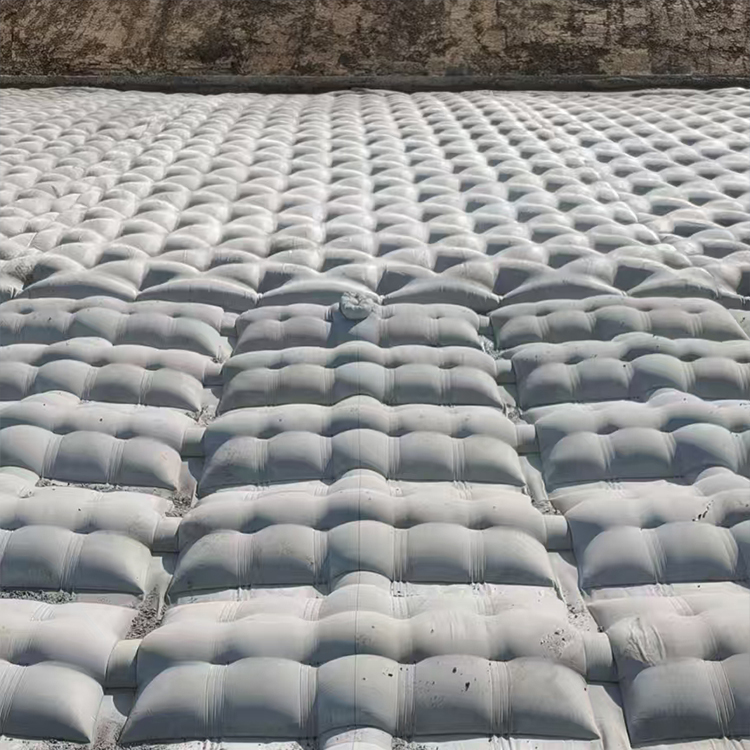
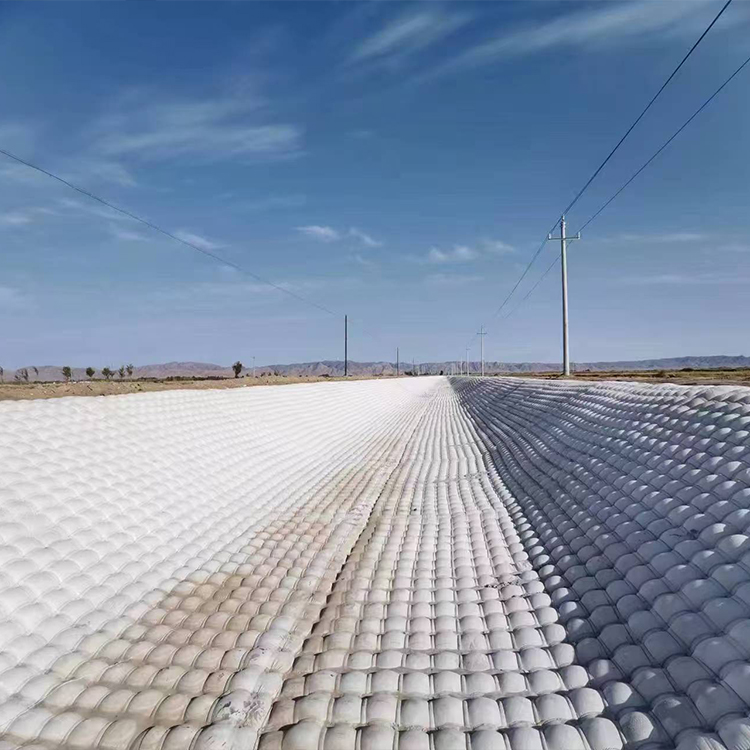
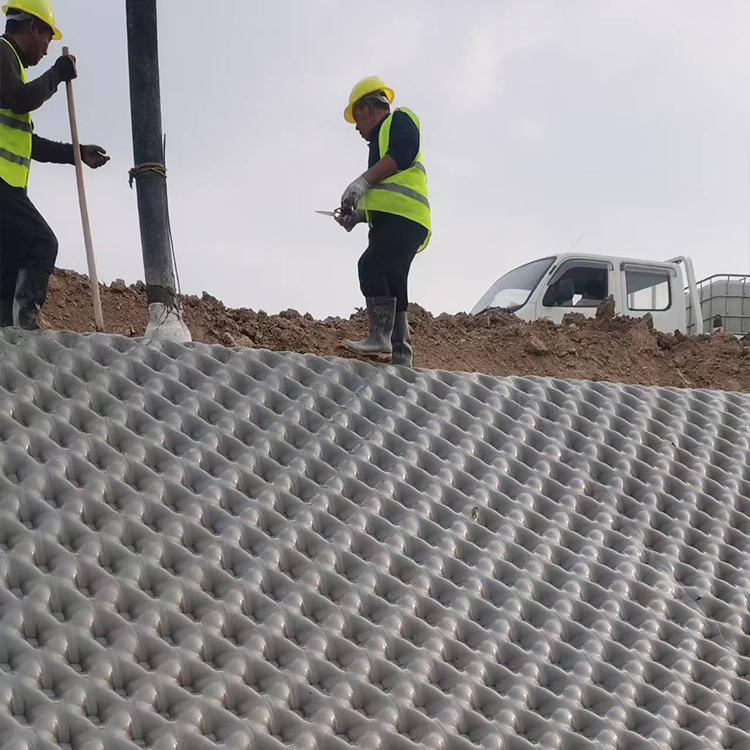





Geomembrane is a polymer material widely used in civil engineering for isolation, anti-seepage, protection, and reinforcement of soil
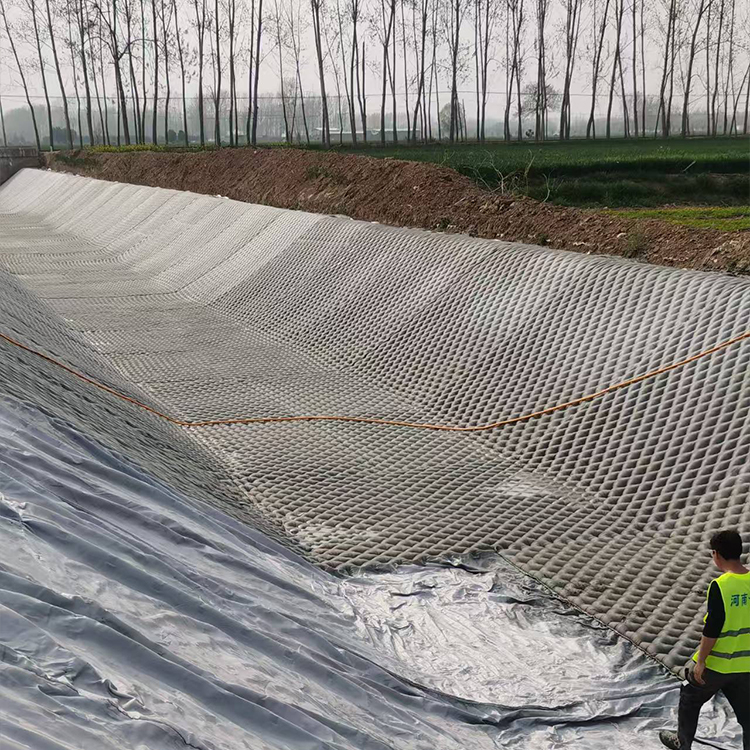
Application: Geomembranes are used in many engineering projects, including anti-seepage layers for landfills, lining of channels and reservoirs, waterproof layers for subways and tunnels, and foundation isolation layers for roads and railways.
Features:
Impermeability: Geomembranes can effectively prevent liquid leakage and protect groundwater resources from pollution.
Chemical resistance: It has good resistance to most chemical substances.
Weather resistance: anti ultraviolet, anti-aging, and can be used in the natural environment for a long time.
Mechanical performance: It has sufficient tensile, tear, and puncture strength.
Flexibility: Easy to lay and adapt to irregular base terrain.
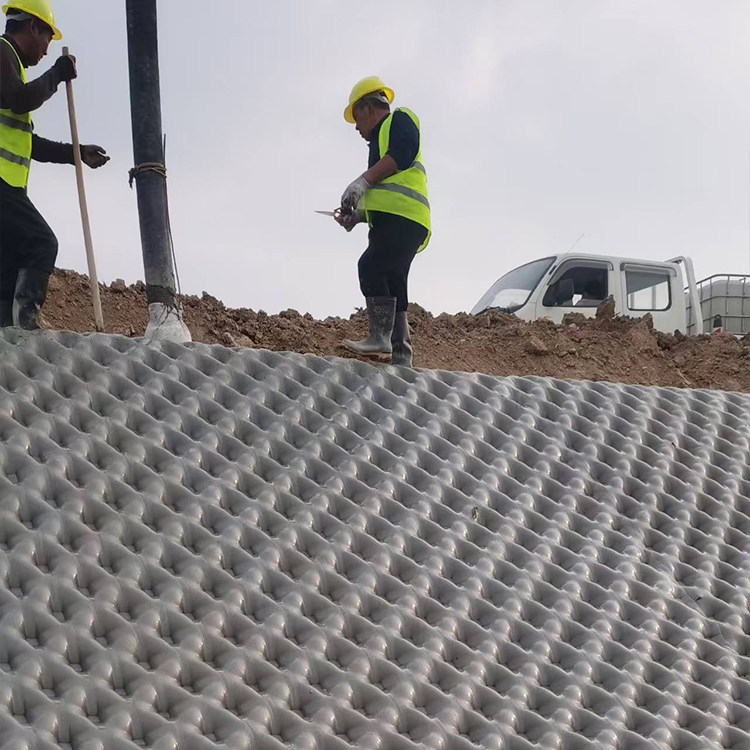
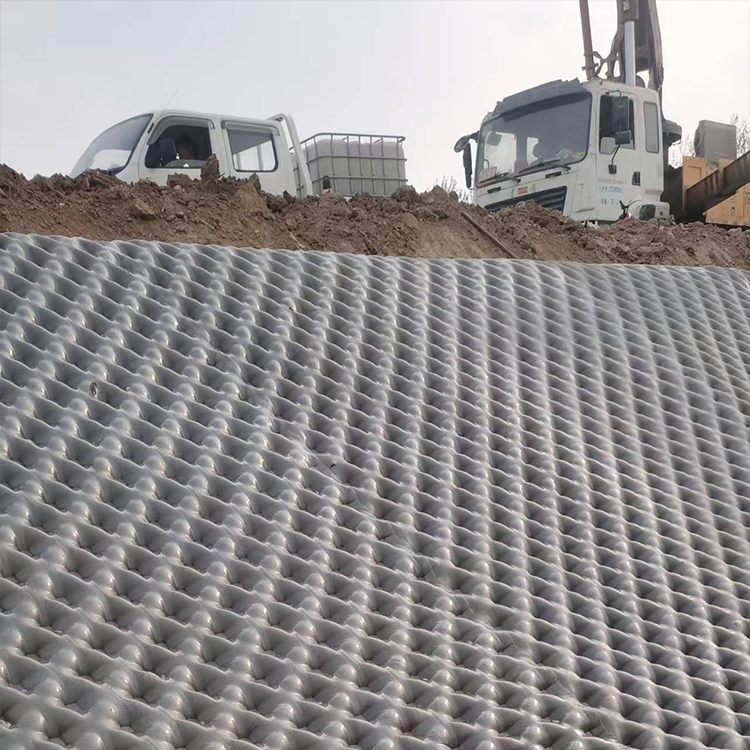
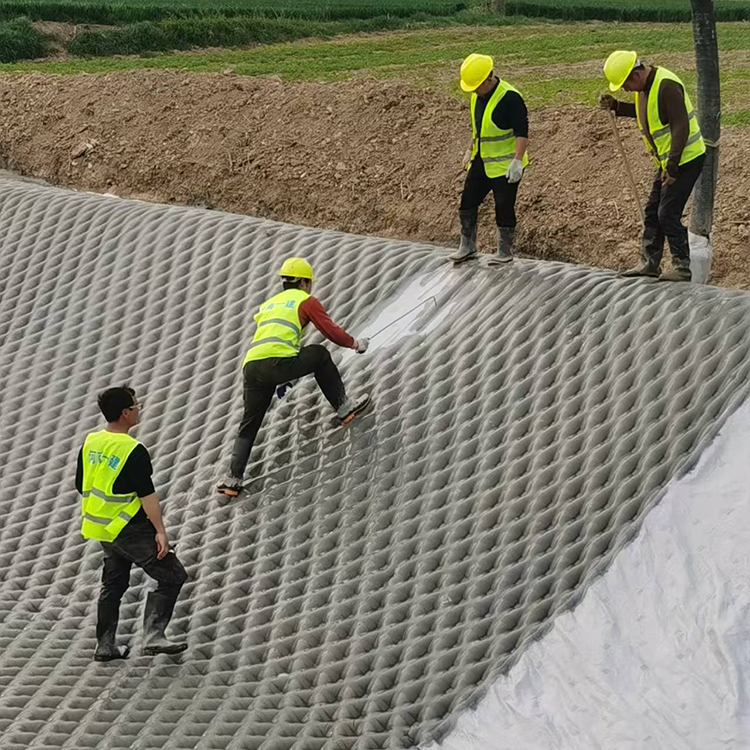
Construction: The laying of geomembrane requires a flat base layer, and the joints need to be hot-melt welded or bonded with special adhesives to ensure the overall waterproof effect. During the construction process, sharp objects should be avoided from contact to avoid puncturing or damaging materials.
Environmental Protection: Geomembranes themselves do not contain harmful substances and will not cause pollution to the environment. But its recycling and disposal need to comply with relevant environmental regulations to reduce the impact on the environment.