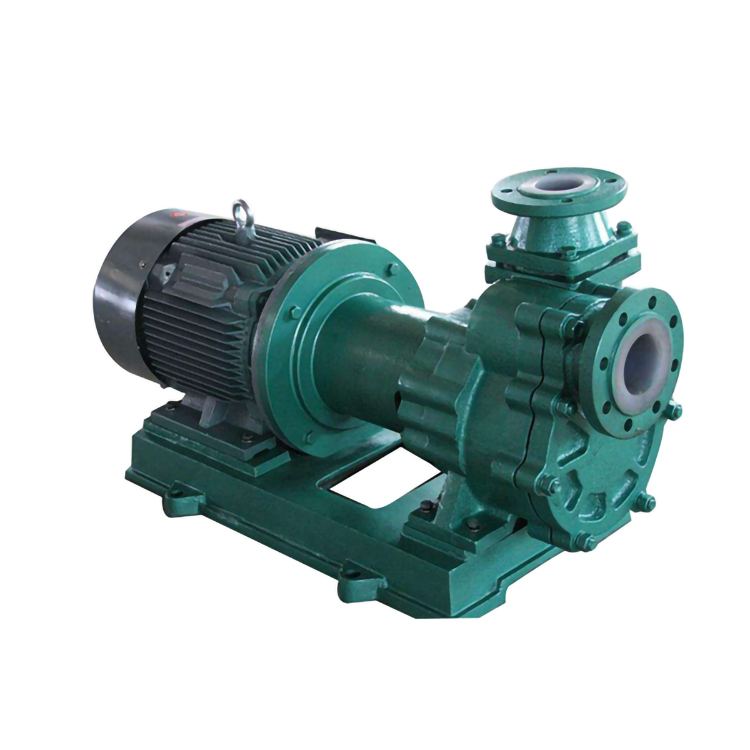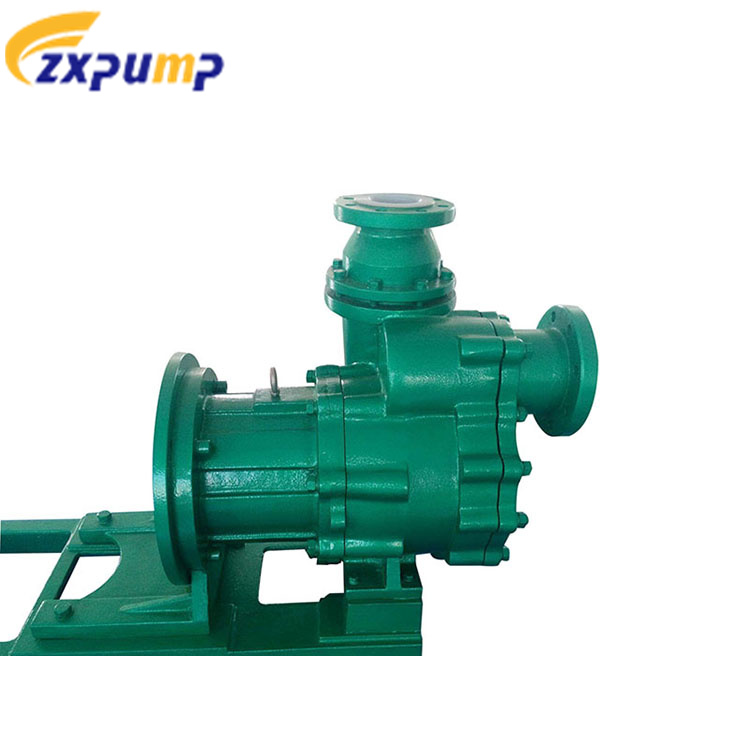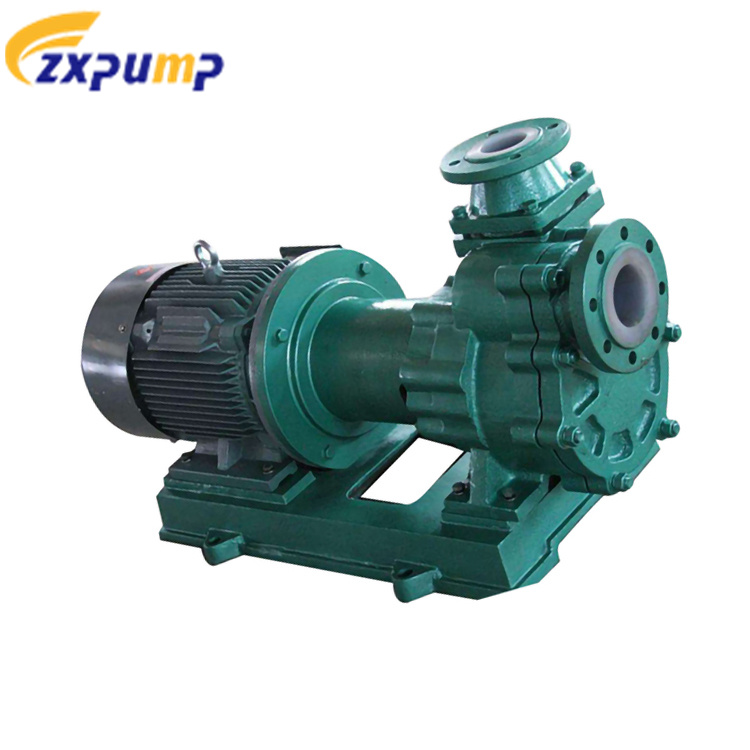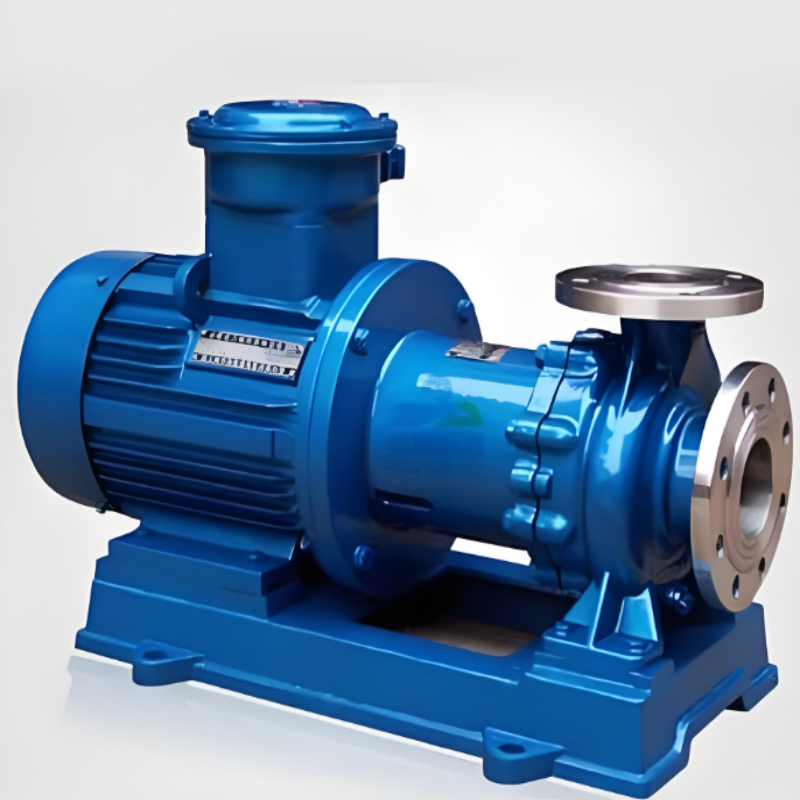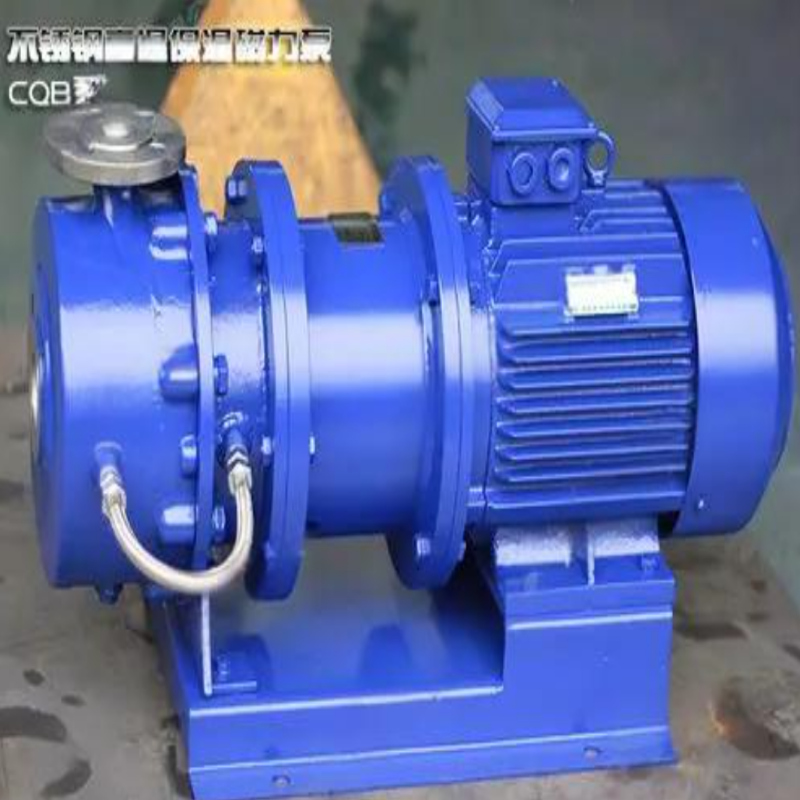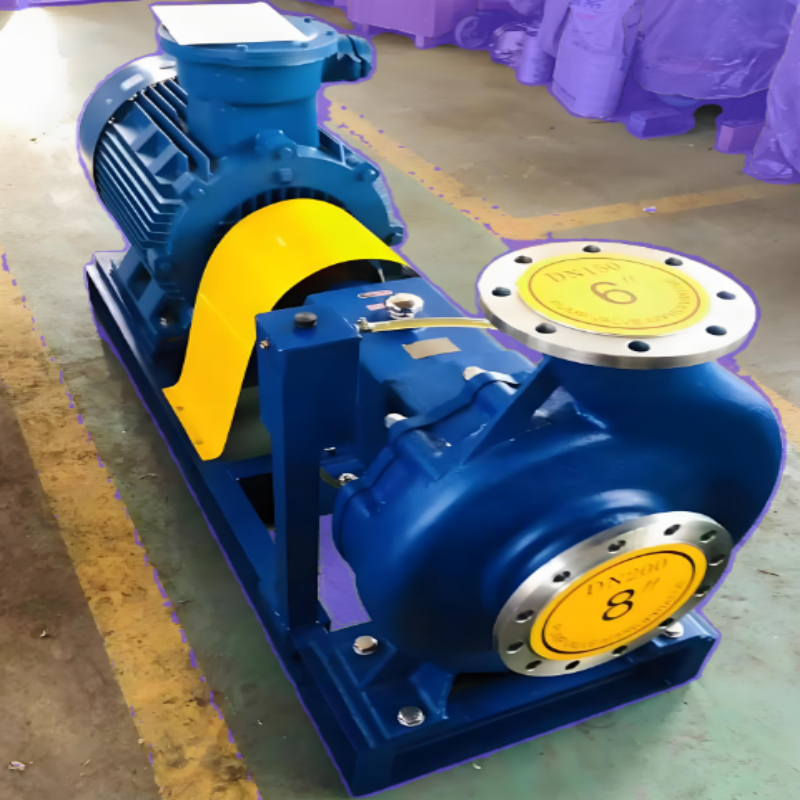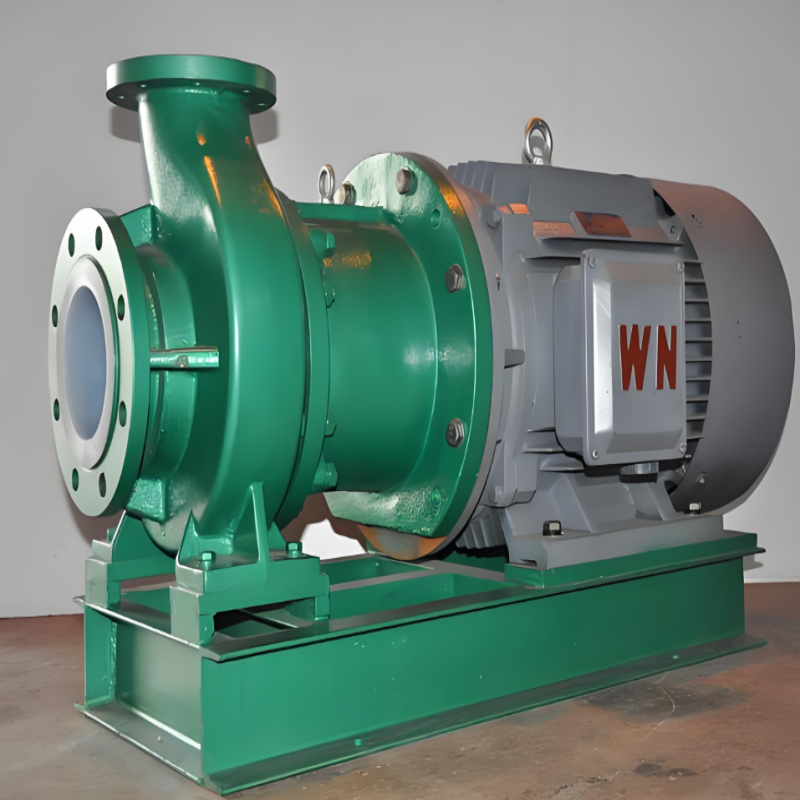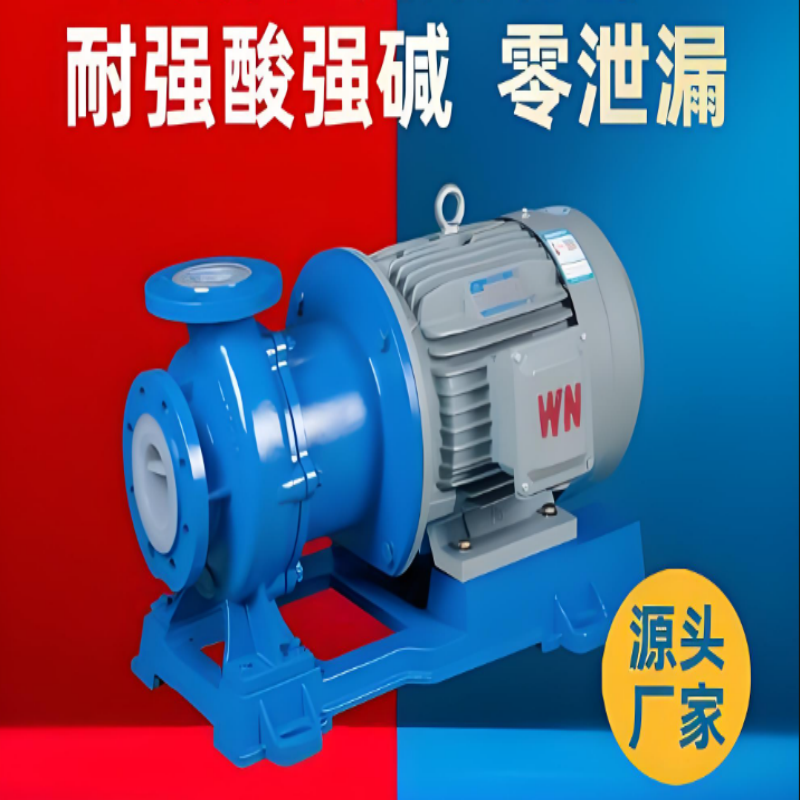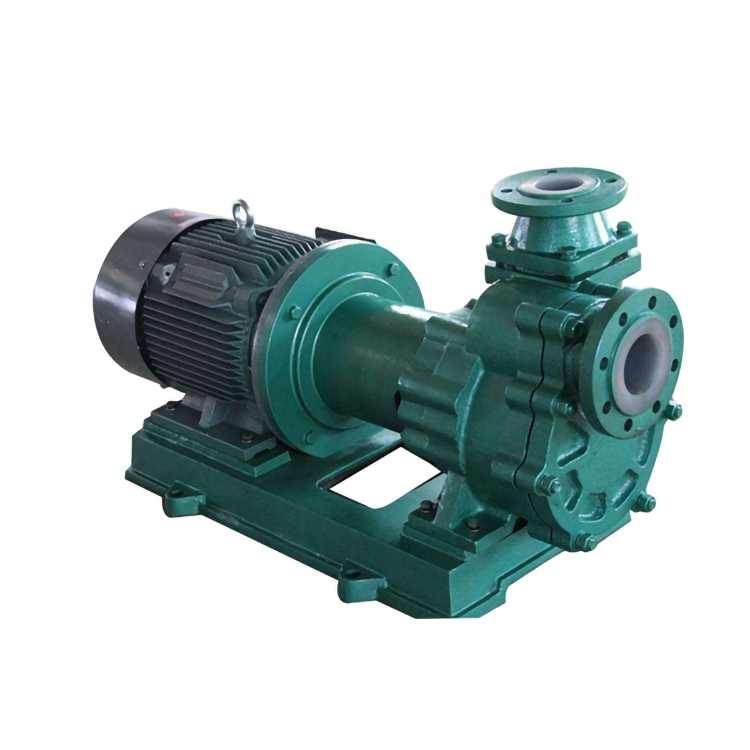

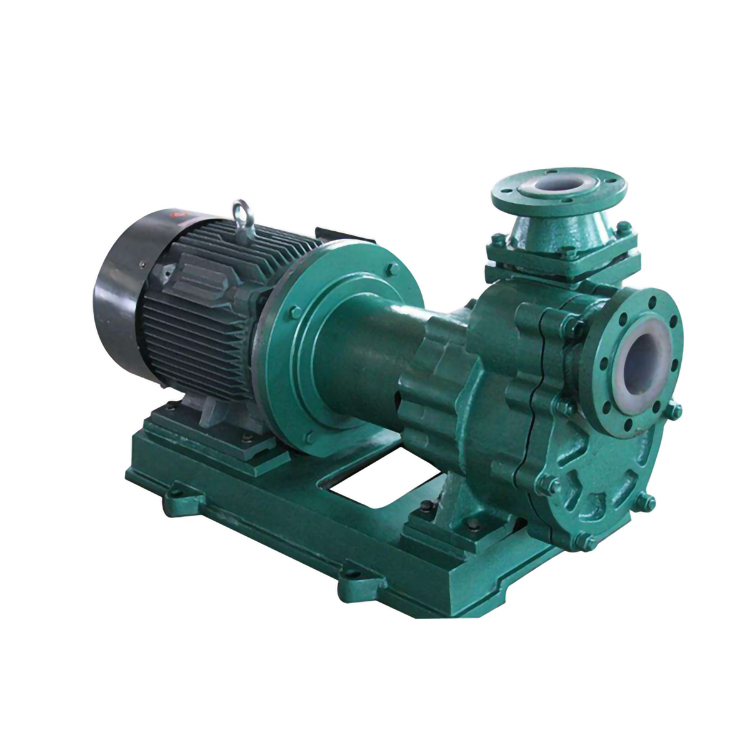
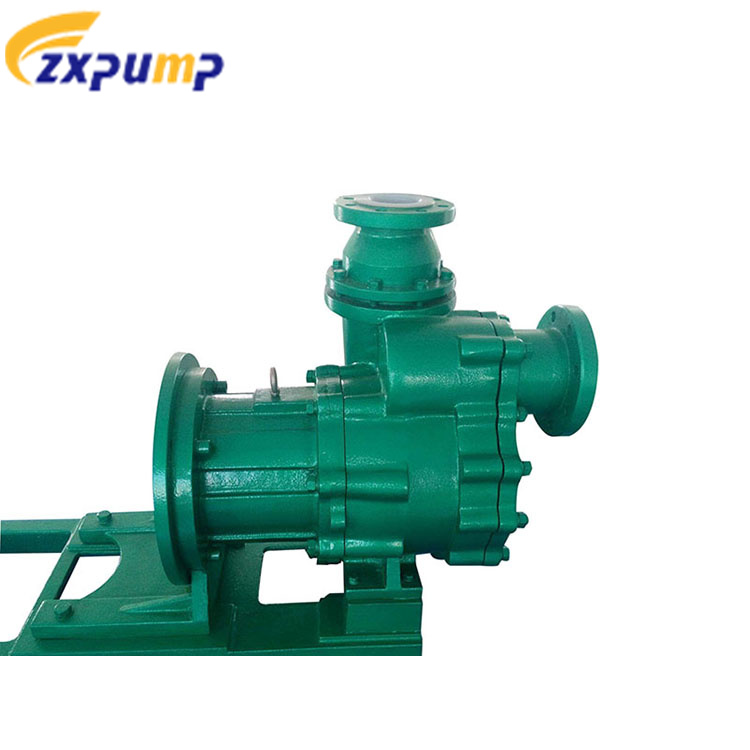
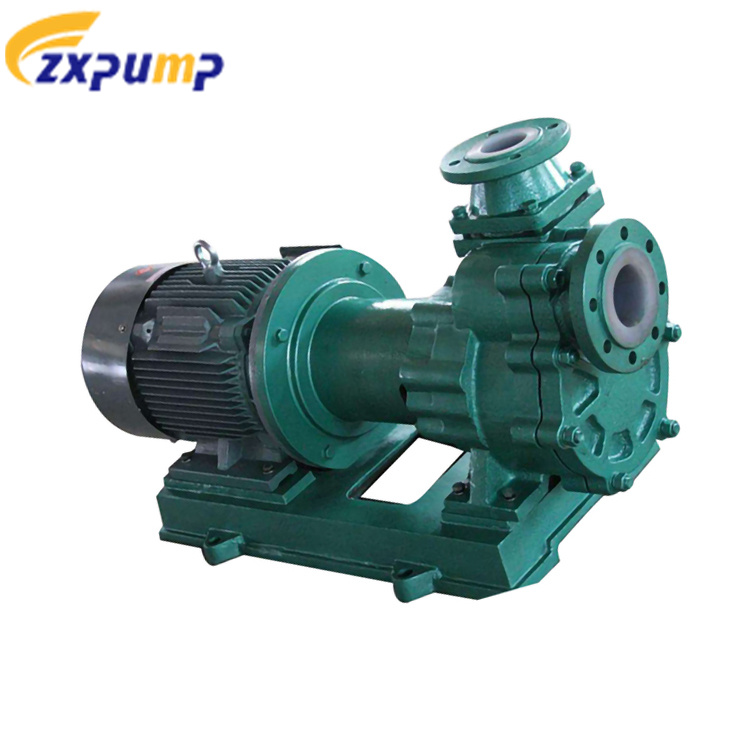


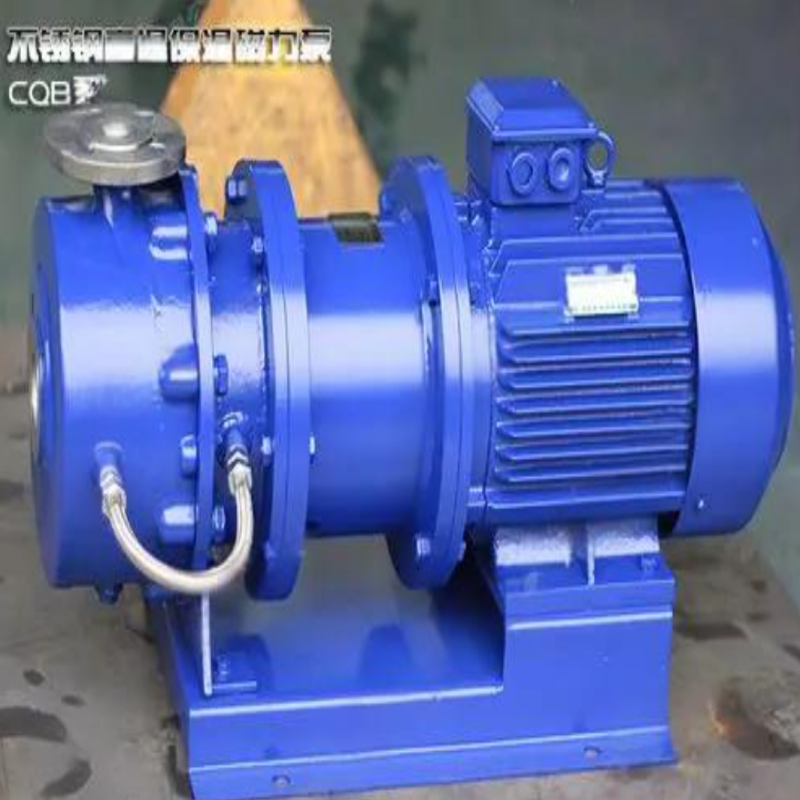
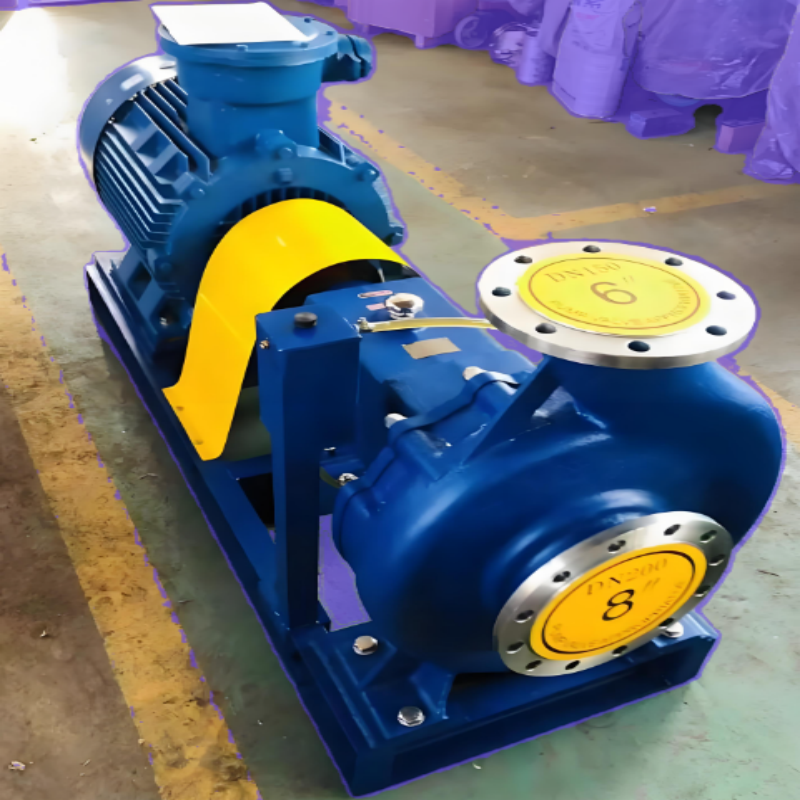
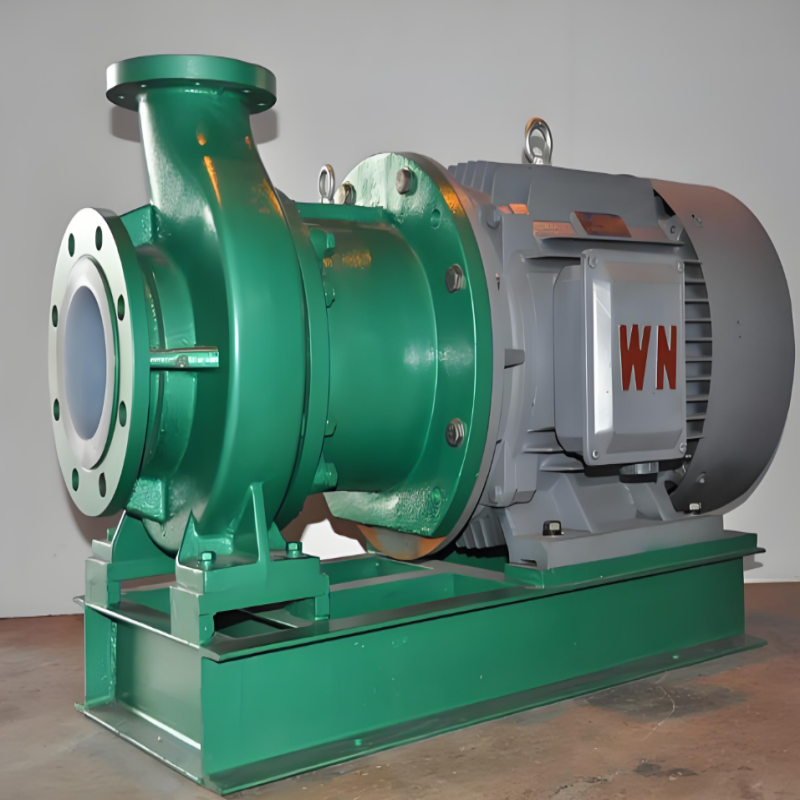
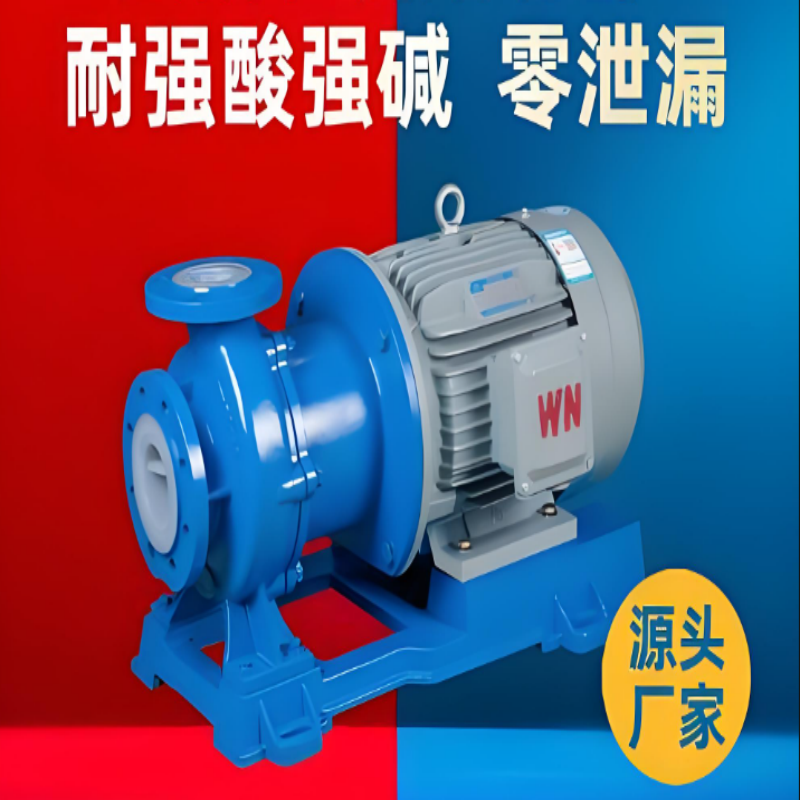
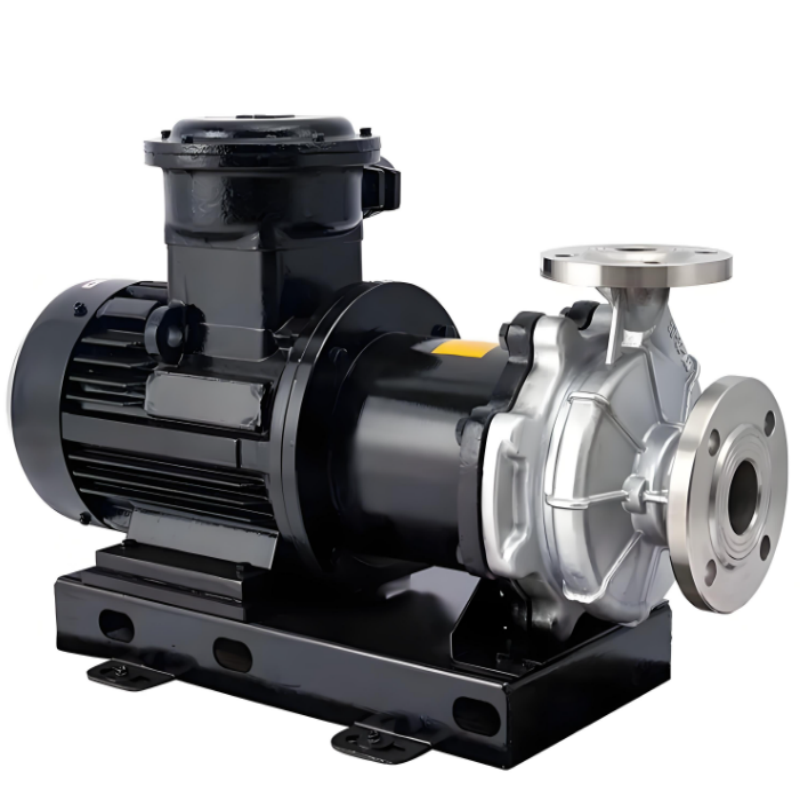





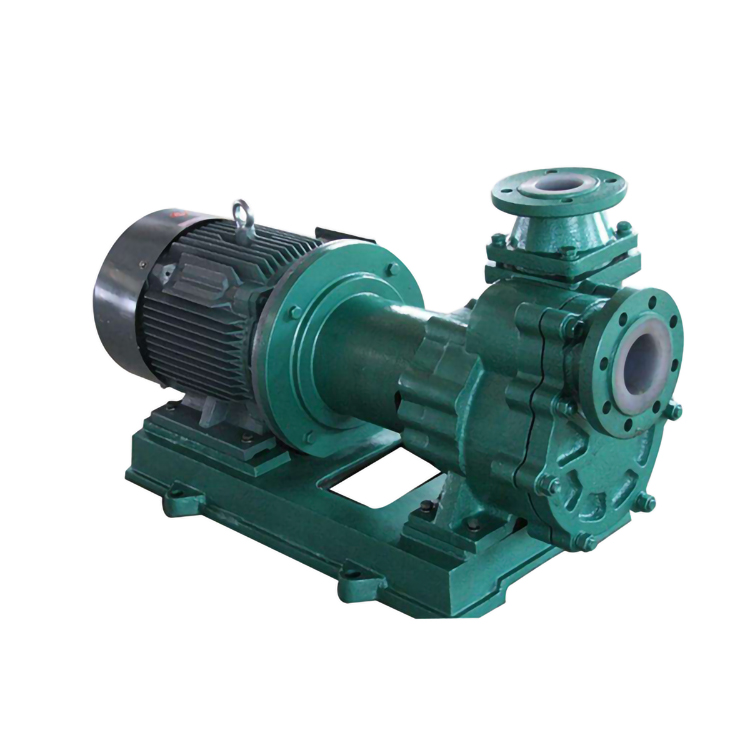
Magnetic drive pump (referred to as magnetic pump) is a new product that applies the working principle of permanent magnet coupling to centrifugal pumps. It has a reasonable design, advanced technology, fully sealed, leak free, corrosion-resistant and other characteristics.
A magnetic pump consists of three parts: a pump, a magnetic actuator, and an electric motor. The key component of the magnetic transmission is composed of an outer magnetic rotor, an inner magnetic rotor, and a non-magnetic isolation sleeve. When the electric motor drives the outer magnetic rotor to rotate, the magnetic field can penetrate the air gap and non-magnetic substances, driving the inner magnetic rotor connected to the impeller to rotate synchronously, achieving non-contact transmission of power and transforming the dynamic seal into a static seal. Due to the complete sealing of the pump shaft and inner magnetic rotor by the pump body and isolation sleeve, the problems of "running, emitting, dripping, and leaking" have been completely solved, eliminating the safety hazards of flammable, explosive, toxic, and harmful media leaking through the pump seal in the refining and chemical industry.
Magnetic pump is a branch of the water pump field, which is a new product that applies the working principle of permanent magnet coupling to centrifugal pumps.
Scope of application
Acid and alkali resistant magnetic pumps are suitable for the pumping and circulation of all cleaning chemical solutions containing acidic and alkaline components, and are widely used in industries such as electroplating, electronics, chemical, leather, dyeing and finishing wastewater, and exhaust gas.
Composition decomposition
MP plastic acid alkali resistant magnetic pump (magnetic isolation pump) consists of several parts: pump body (isolation component), motor stator, shaft, bearings, and rotor blades (magnet and impeller):
Magnet (neodymium iron boron permanent magnet)
Permanent magnets made of rare earth permanent magnet materials have a wide working temperature range (-45-400 ℃), high coercivity, and good anisotropy in magnetic field direction. They do not experience demagnetization even when they are close to the same polarity, making them an excellent magnetic field source.
Isolation components
When using a metal isolation sleeve, the isolation sleeve is in a sinusoidal alternating magnetic field, inducing eddy currents on a cross-section perpendicular to the magnetic field lines and converting them into heat. The expression for eddy current is: where Pe - eddy current; K - constant; N-rated speed of the pump; T-magnetic transmission torque; F - Pressure inside the spacer; D - Inner diameter of the spacer sleeve; The resistivity of a material; The tensile strength of the material. After the pump is designed, n and T are given operating conditions, and reducing vortex can only be considered from aspects such as F and D. The use of non-metallic materials with high resistivity and strength to make isolation sleeves has a significant effect in reducing eddy currents.
axis
Due to the fact that the brushless DC magnetic isolation pump works by driving the rotor to rotate through an energized coil, in order to maintain the smooth and noisy rotation of the rotor, high-performance ceramic shafts and shaft sleeves are used to achieve high precision, effectively reducing rotational resistance and noise.
plain bearing
The material of sliding bearings for magnetic pumps includes engineering plastics such as POM or ceramics. Due to the excellent heat resistance, corrosion resistance, and friction resistance of plastic steel (POM) and ceramics, the sliding bearings of magnetic pumps are often made of engineering ceramics. Due to the brittleness and low expansion coefficient of engineering ceramics, the bearing clearance must not be too small to avoid shaft hugging accidents.
Due to the fact that the sliding bearings of the magnetic pump are lubricated with the medium being conveyed, different materials should be selected to make the bearings according to different media and operating conditions.