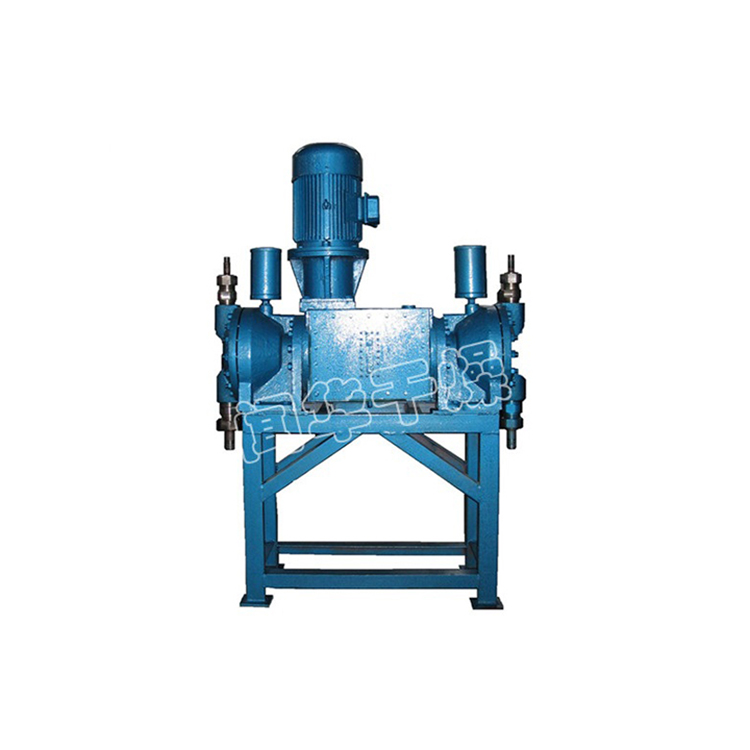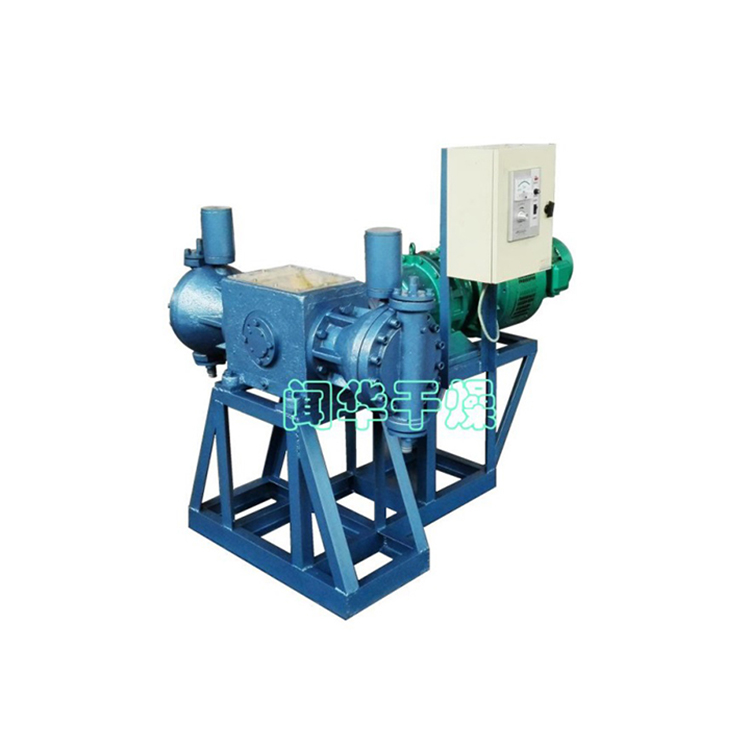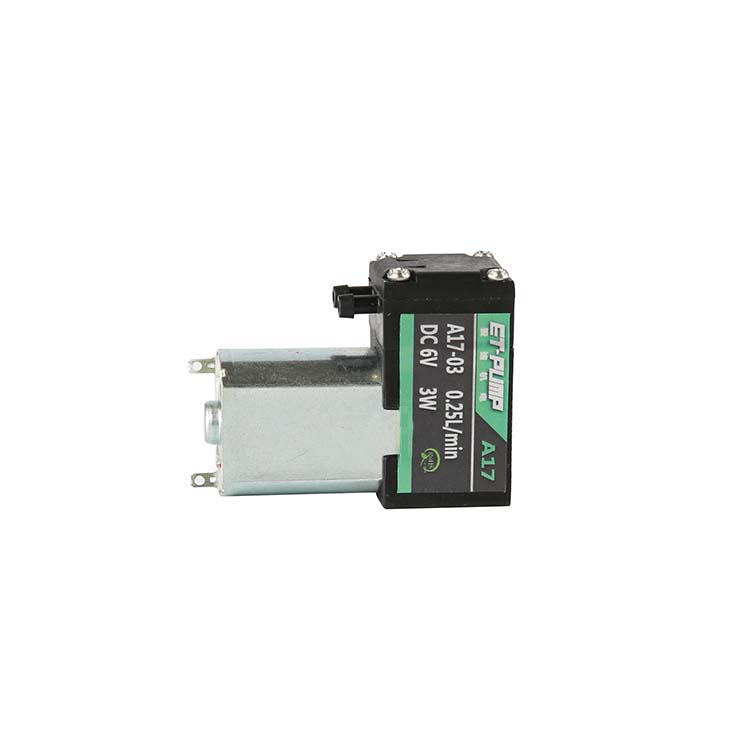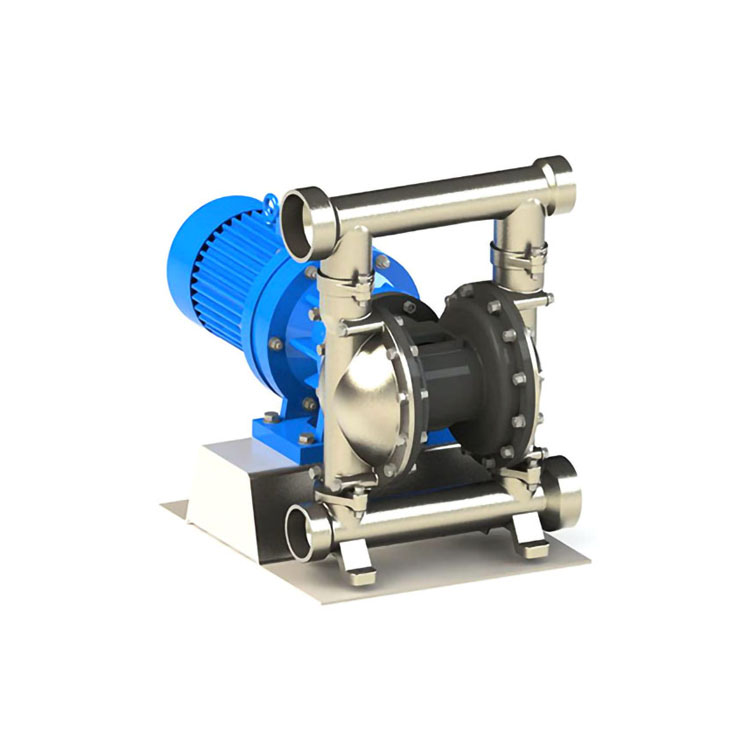









combined form
There are four types of combinations, namely positive positive (gas closing type), positive negative (gas opening type), reverse positive (gas opening type), and reverse negative (gas closing type)
Considerations: a) Process production safety; b) Characteristics of the medium; c) Ensure product quality and minimize economic losses.
flow characteristics
The flow characteristics of a diaphragm pump refer to the relationship between the relative flow rate of the medium passing through the valve and the displacement (relative opening of the valve). The ideal flow characteristics mainly include four types: straight line, equal percentage (logarithmic), parabolic, and fast opening. The commonly used ideal flow characteristics are only straight line, equal percentage (logarithmic), and fast opening.
Specifically, consider the following aspects:
① Analyze and select the regulation quality of the regulation system;
② Considering the process piping situation;
③ Analyze the changes in load.
1. Selection method
The valve body type is a very important factor in the selection of diaphragm pumps. There are many types of valve bodies for diaphragm pumps.
(1) The shape and structure of the valve core are mainly considered based on the selected flow characteristics and unbalanced forces.
(2) Wear resistance: When the fluid medium is a suspension containing high concentrations of abrasive particles.
(3) Corrosion resistance: Due to the corrosive nature of the medium, valves with simple structures should be selected as much as possible while meeting the regulatory function.
(4) Temperature and pressure of the medium: When the temperature and pressure of the medium are high and vary greatly, valves with valve cores and seats that are less affected by temperature and pressure changes should be selected.
2. Selection of diaphragm pump
(1) Consideration of output power
Regardless of the type of actuator, its output force is effective in overcoming loads (mainly referring to the effects of unbalanced forces and unbalanced moments plus frictional forces, sealing forces, gravity, and other related forces).
diaphragm pump
(2) Determination of the type of executing agency
working principle
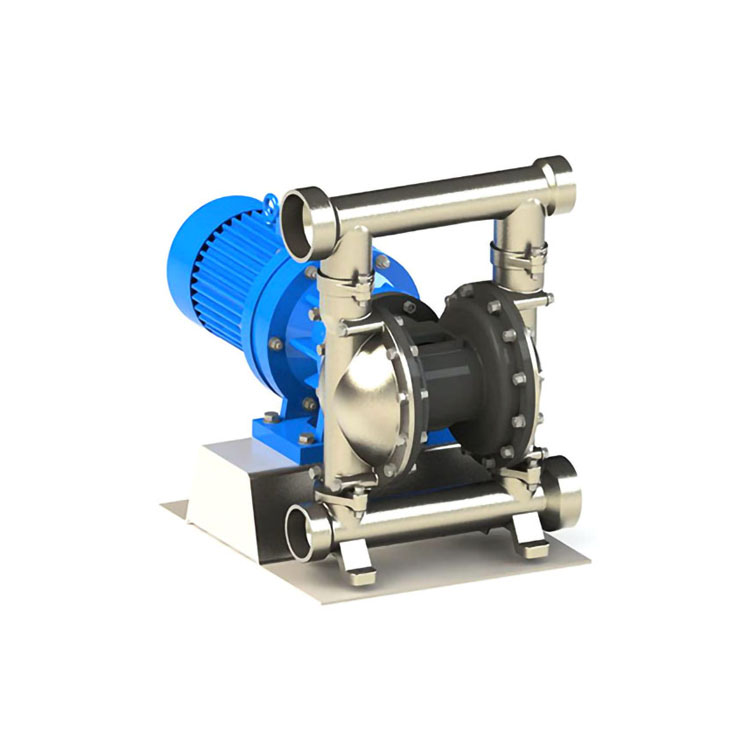
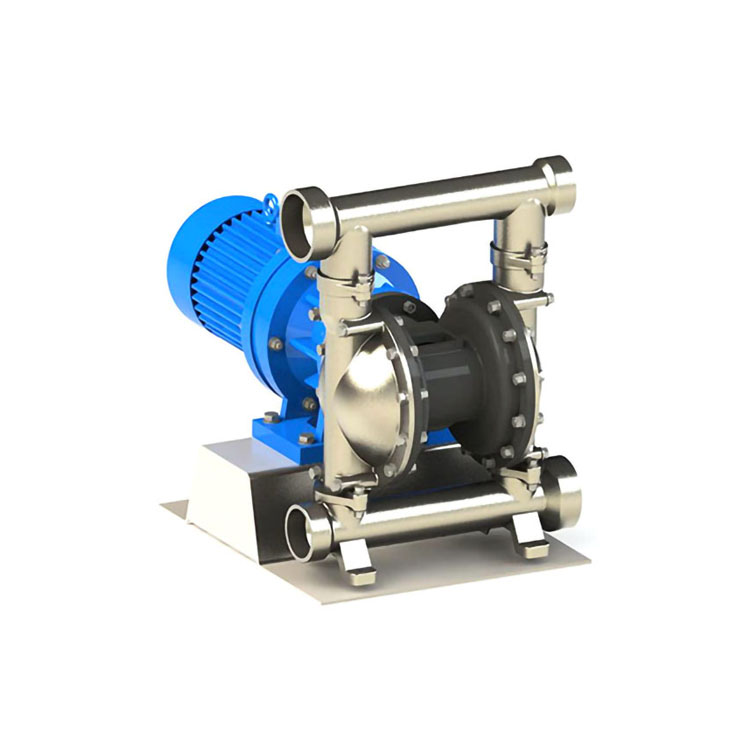
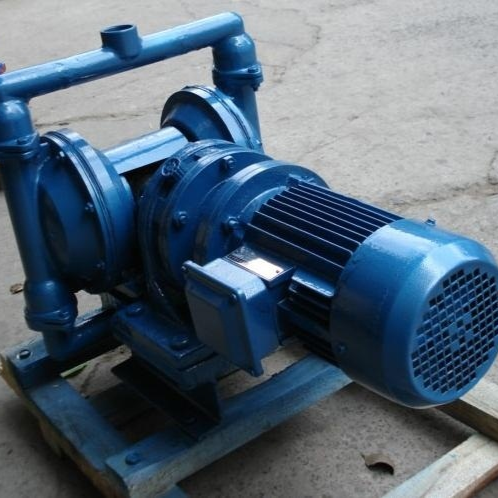
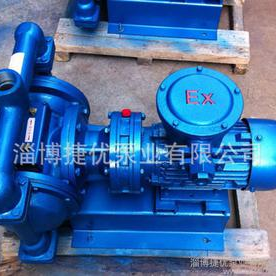
Diaphragm pump is a relatively special form of positive displacement pump. It relies on the back and forth movement of a diaphragm to change the volume of the working chamber, thereby inhaling and discharging liquids.
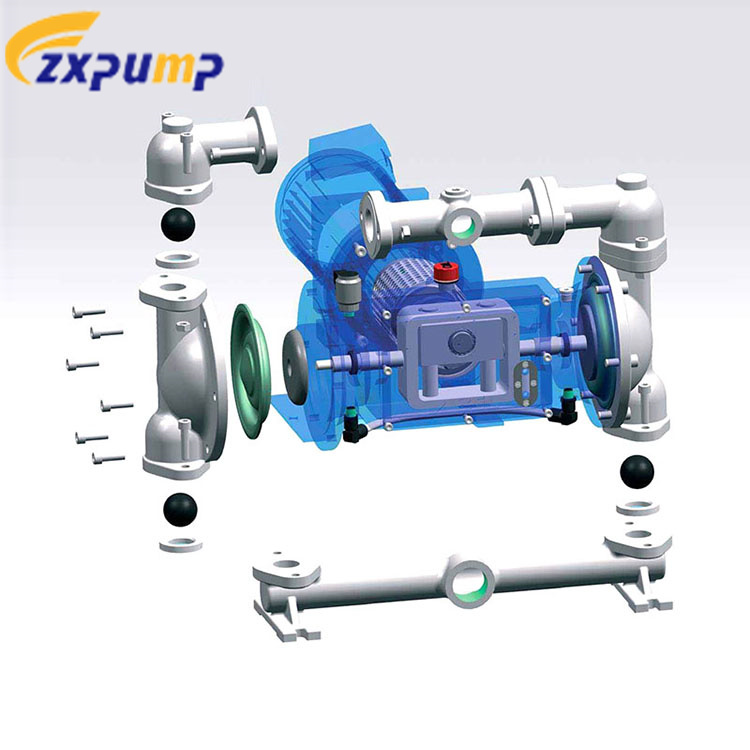
The pneumatic diaphragm pump is mainly composed of two parts: the transmission part and the diaphragm cylinder head. The transmission part is a driving mechanism that drives the diaphragm to oscillate back and forth. Its transmission forms include mechanical transmission, hydraulic transmission, and pneumatic transmission, among which hydraulic transmission is widely used. The working part of a diaphragm pump mainly consists of a crank connecting rod mechanism, a plunger, a hydraulic cylinder, a diaphragm, a pump body, a suction valve, and a discharge valve. Among them, the driving mechanism composed of a crank connecting rod, a plunger, and a hydraulic cylinder is very similar to that of a reciprocating plunger pump.
When the diaphragm pump is working, the crank connecting rod mechanism drives the plunger to reciprocate under the drive of the electric motor. The movement of the plunger is transmitted to the diaphragm through the working fluid (usually oil) in the hydraulic cylinder, causing the diaphragm to oscillate back and forth.
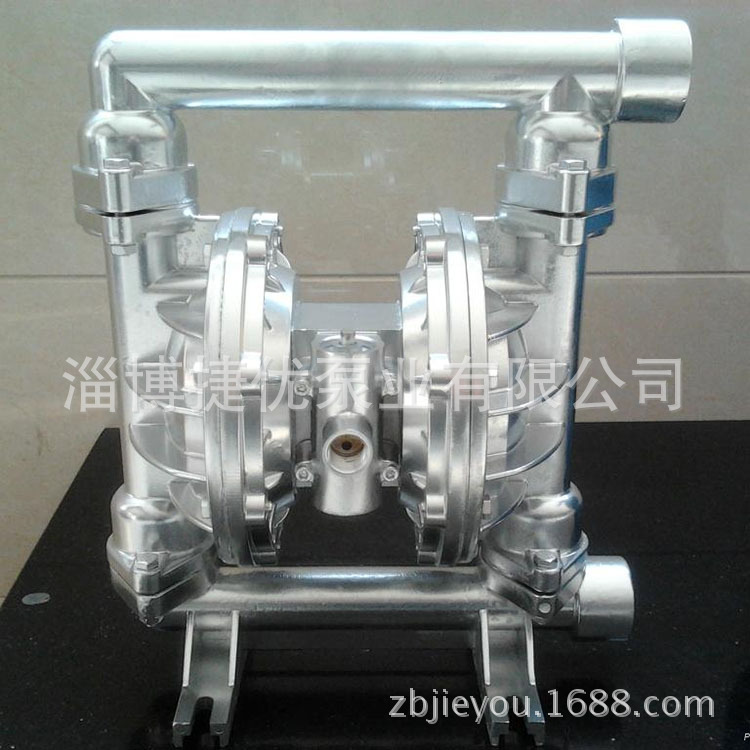
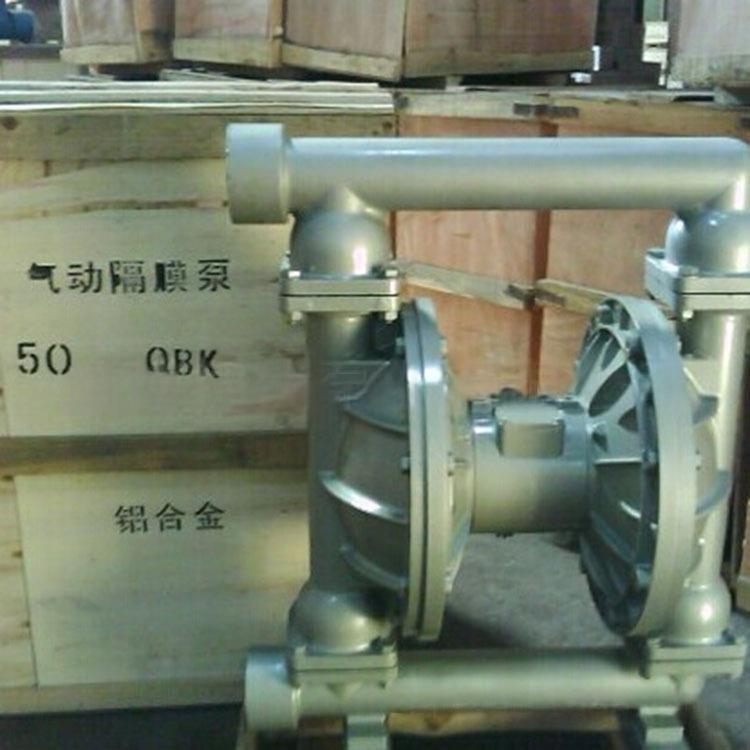
The cylinder head of the pneumatic diaphragm pump is mainly separated from the conveyed liquid and the working liquid by a diaphragm. When the diaphragm moves towards one side of the transmission mechanism, the pump cylinder works under negative pressure and sucks in the liquid. When the diaphragm moves towards the other side, the liquid is discharged. The conveyed liquid is separated from the working liquid by a diaphragm in the pump cylinder, and only contacts one side of the pump cylinder, suction valve, discharge valve, and diaphragm inside the pump, without touching the plunger and sealing device. This allows important parts such as the plunger to work completely in the oil medium and be in good working condition.
Diaphragm sheets should have good flexibility and corrosion resistance, usually made of materials such as rubber. The pot bottom shaped parts with mesh holes on both sides of the diaphragm are designed to prevent excessive deformation of the diaphragm locally, and are generally referred to as diaphragm limiters. Pneumatic diaphragm pumps have good sealing performance and can easily achieve leak free operation. They can be used to transport corrosive liquids such as acids, alkalis, salts, and high viscosity liquids.
Suitable occasions
Due to the above characteristics of pneumatic diaphragm pumps, diaphragm pumps have gradually entered the market of other pumps since their inception and occupy an important part of it. For example, diaphragm pumps have taken a dominant position in the painting and ceramic industries.