






design parameters
(1) Install the tilt angle (θ). The installation inclination angle refers to the angle between the screw pump shaft and the horizontal plane. It directly affects the efficiency and flow rate of the pump. According to relevant information, for every degree increase in tilt angle, the efficiency decreases by approximately 3%. It is generally believed that an inclination angle of 30 ° to 40 ° is economical.
(2) Gap. Gap refers to the gap between the spiral blade and the outer shell. The smaller the gap, the smaller the water leakage loss and the higher the efficiency of the pump.
(3) Speed (n). The speed of the screw pump is relatively slow, usually between 20 and 80 r/min. Experimental data shows that when the outer diameter of the screw pump is large, the speed should be reduced.
(4) Raise the height (H). Spiral pumps only have a lifting height, not a water pressure height. Its lifting height is generally 3-8 meters.
(5) Spiral blade diameter (D). The larger the blade diameter of the pump, the higher its efficiency, and a better ratio of blade diameter to pump shaft diameter for a helical pump is 2:1.
(6) Number of heads (Z). The number of heads refers to the number of spiral blades, usually 1-4. They spiral upwards around the pump shaft at a certain distance. The more heads there are, the higher the pump efficiency. For a screw pump with a certain diameter, for every additional blade head, the lifting capacity increases by about 20%.
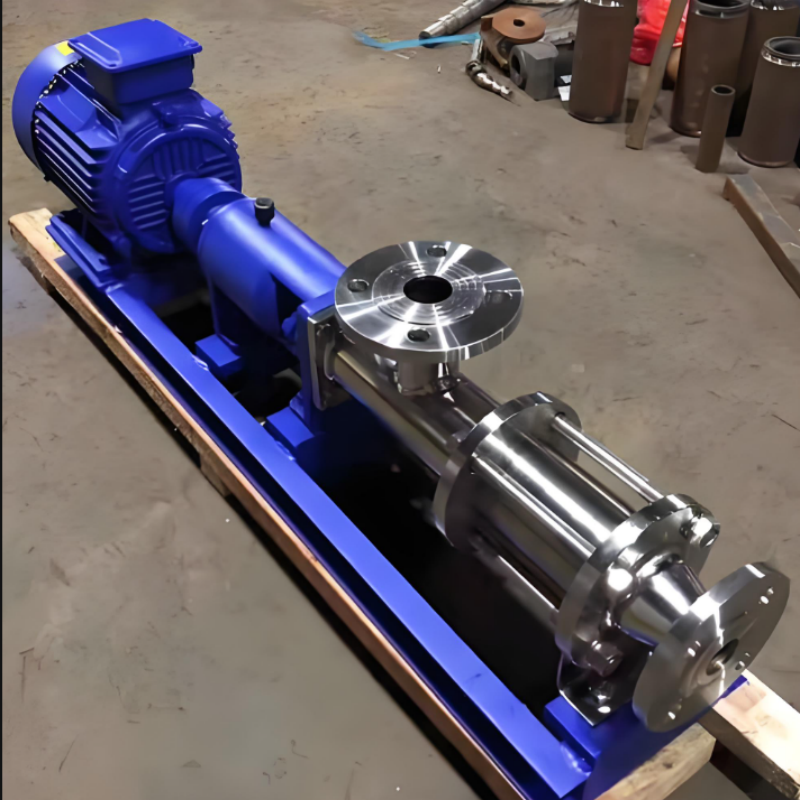
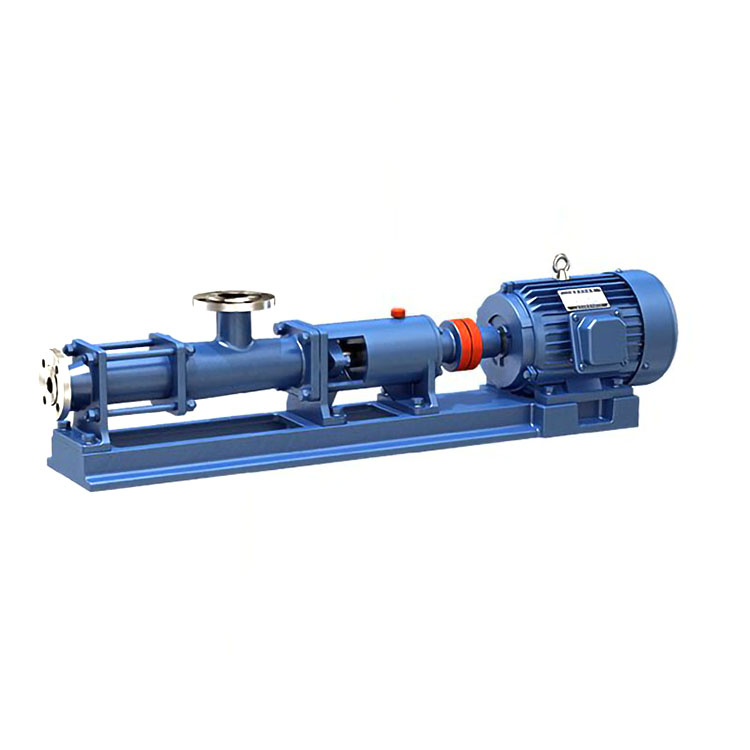
Screw pumps are divided into:
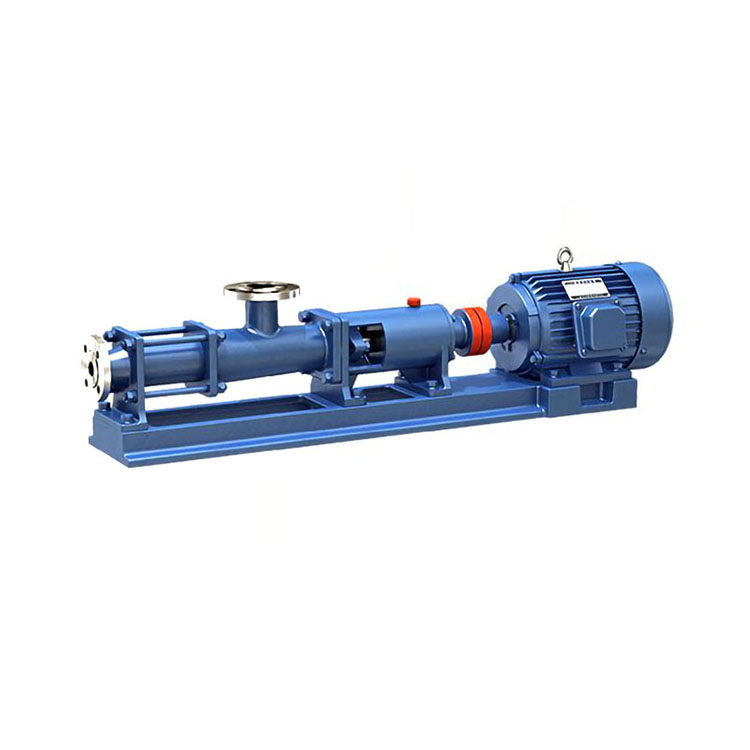
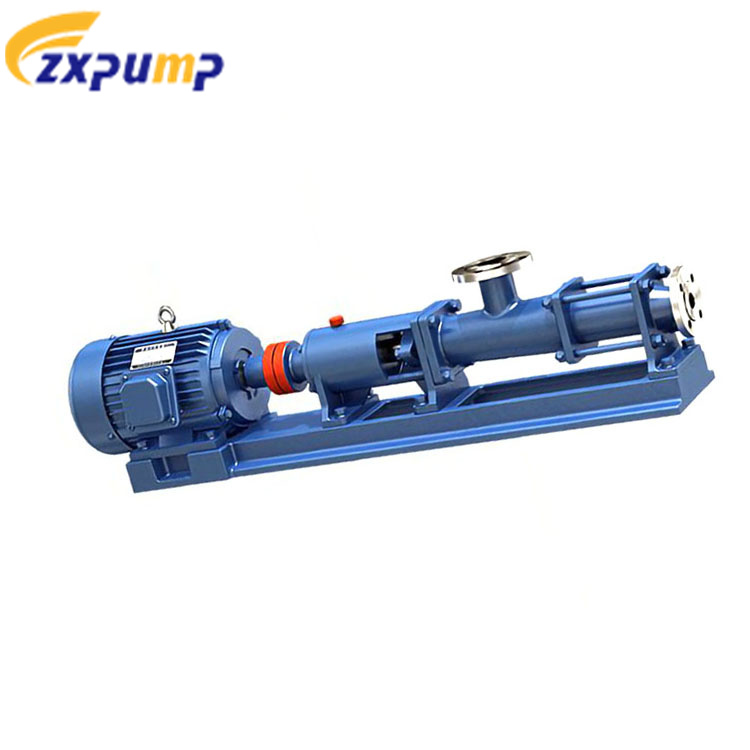
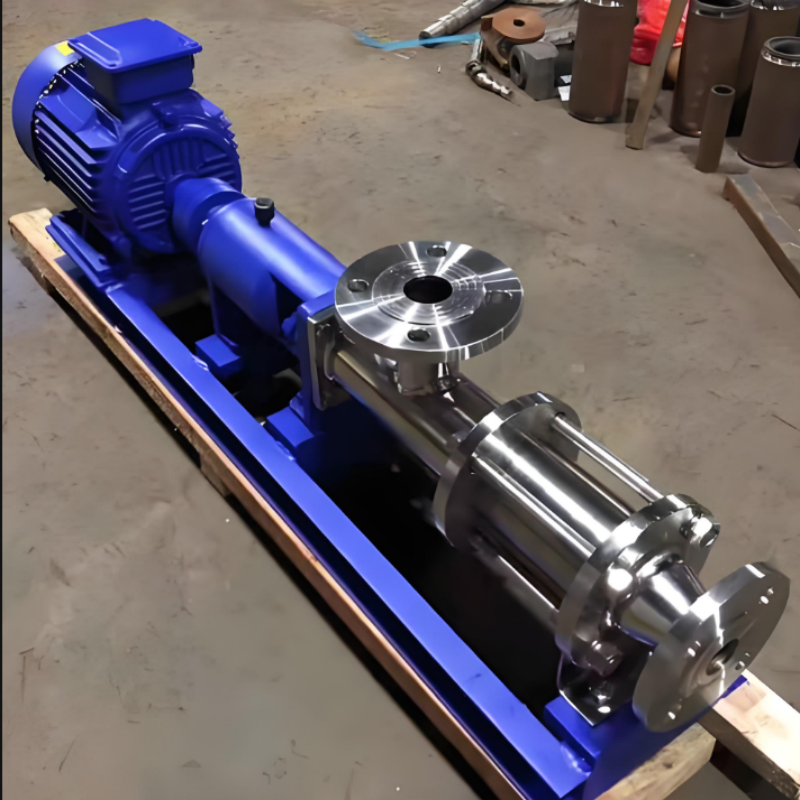
Single screw pump - a pump in which a single screw engages and rotates in the internal thread groove of the pump body.
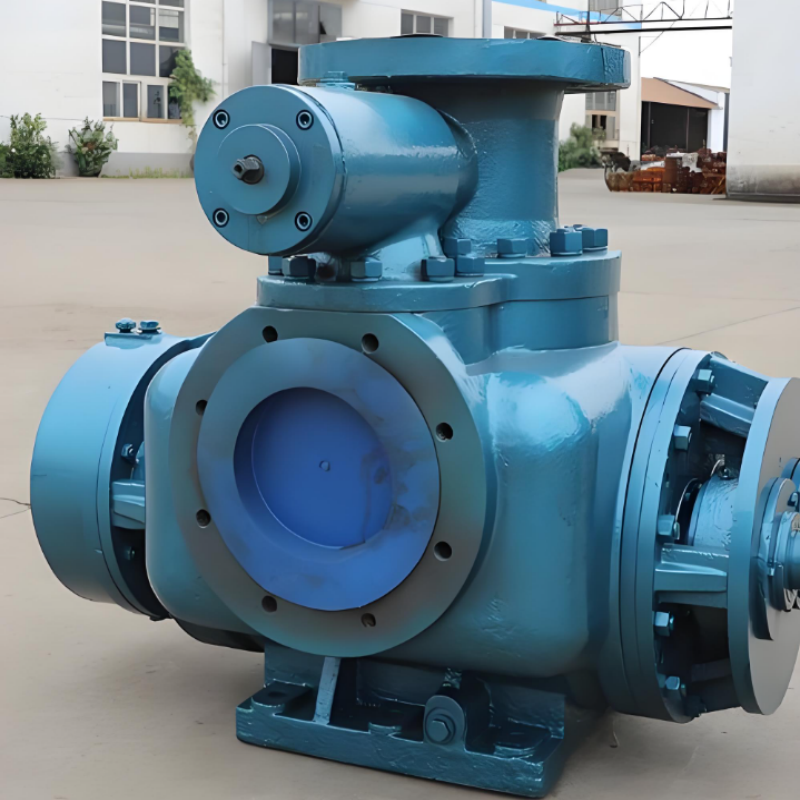
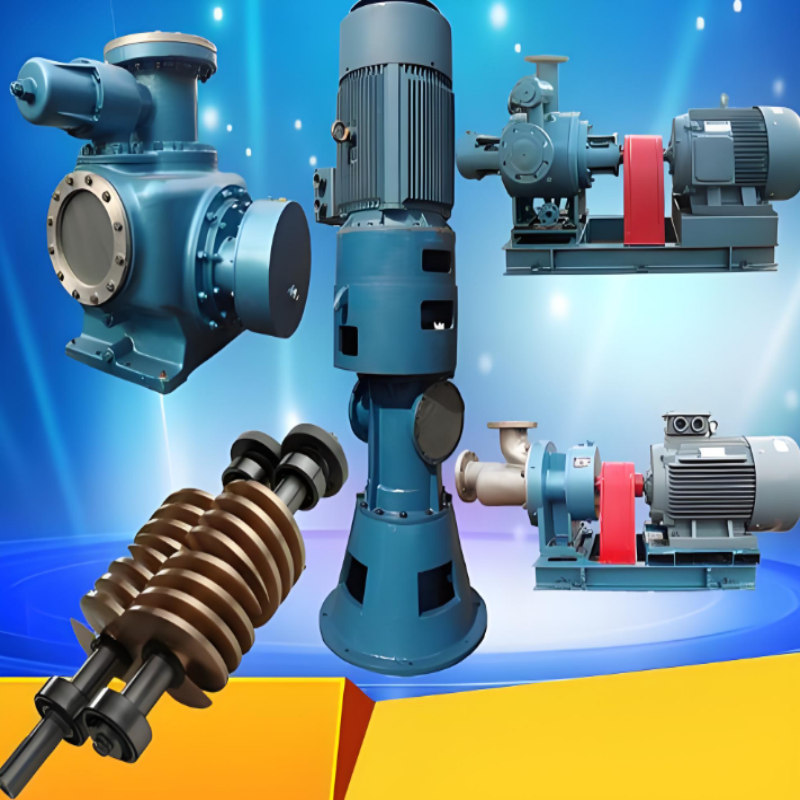
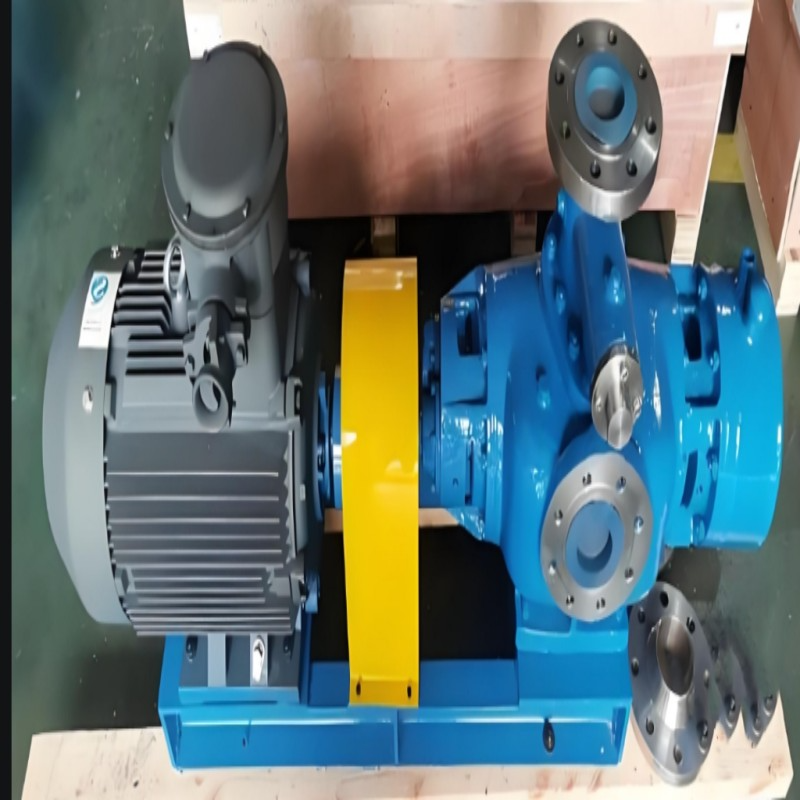
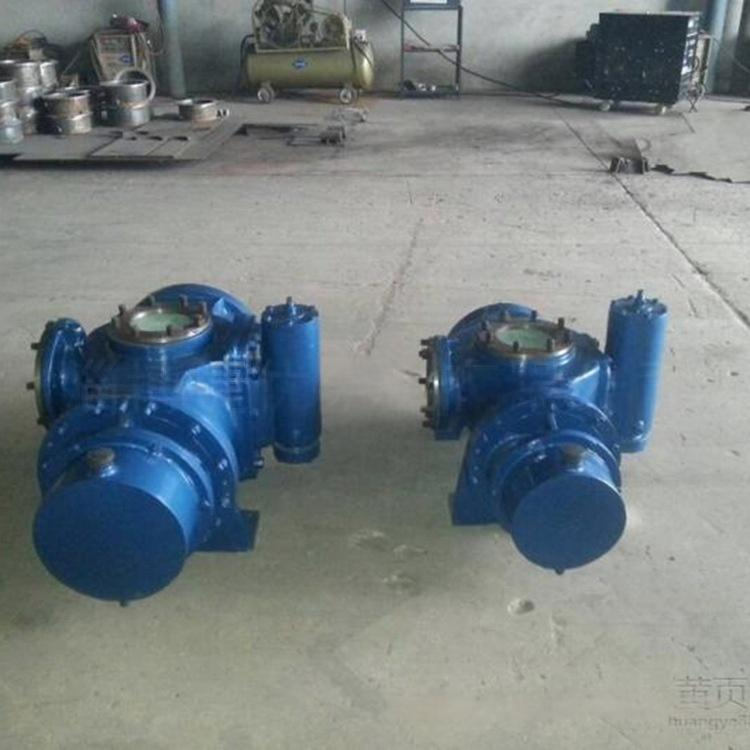
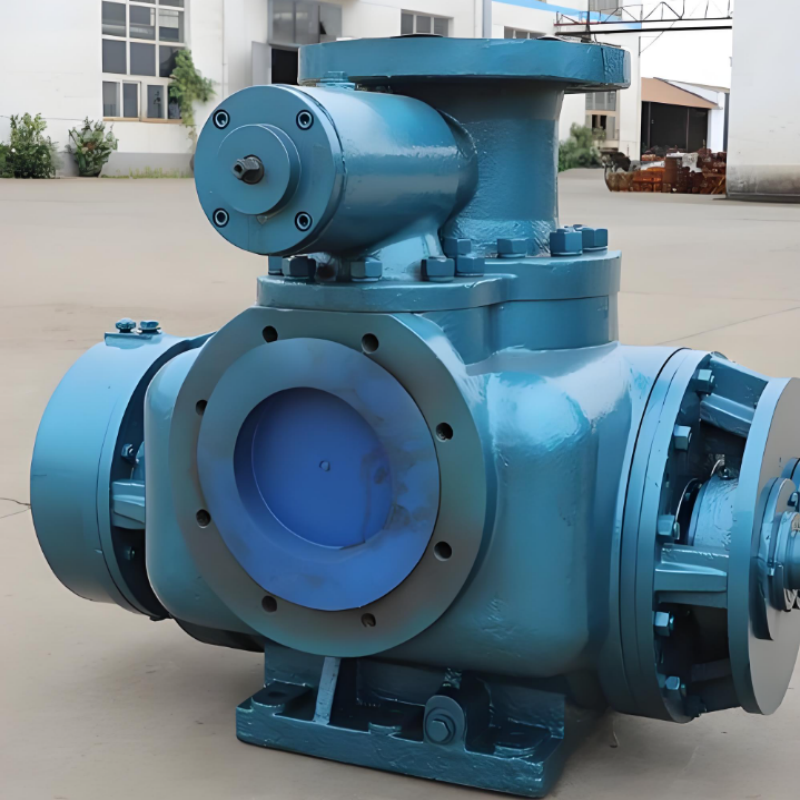
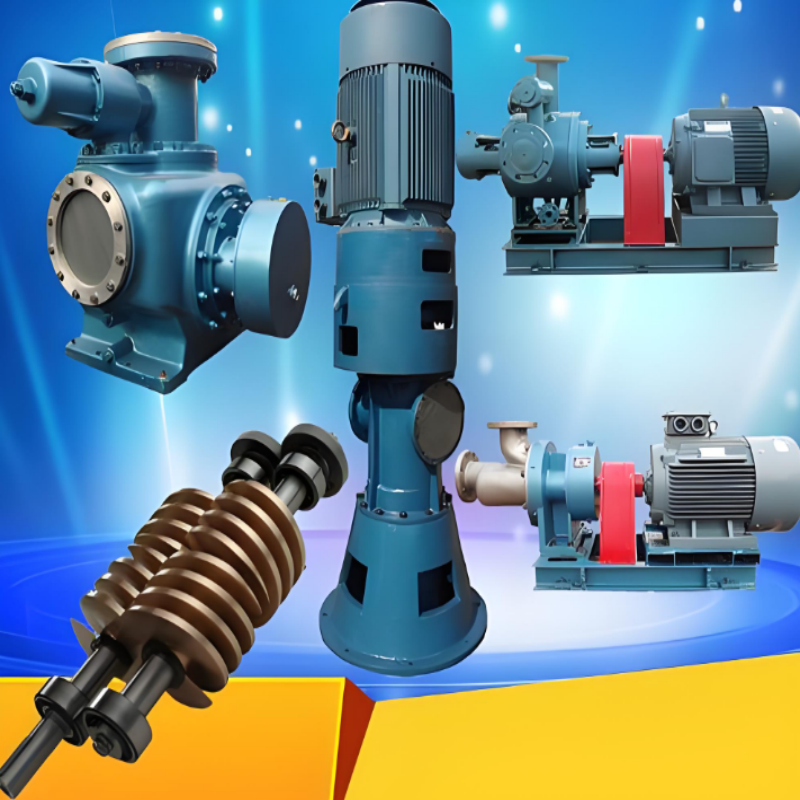
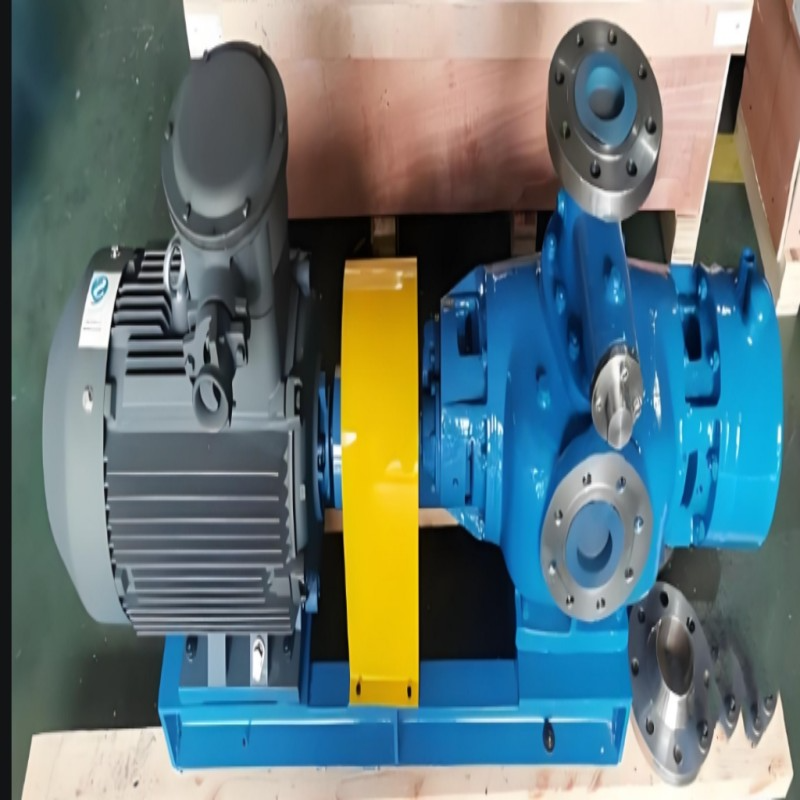
Twin screw pump - a pump that transports liquid by interlocking two screws.
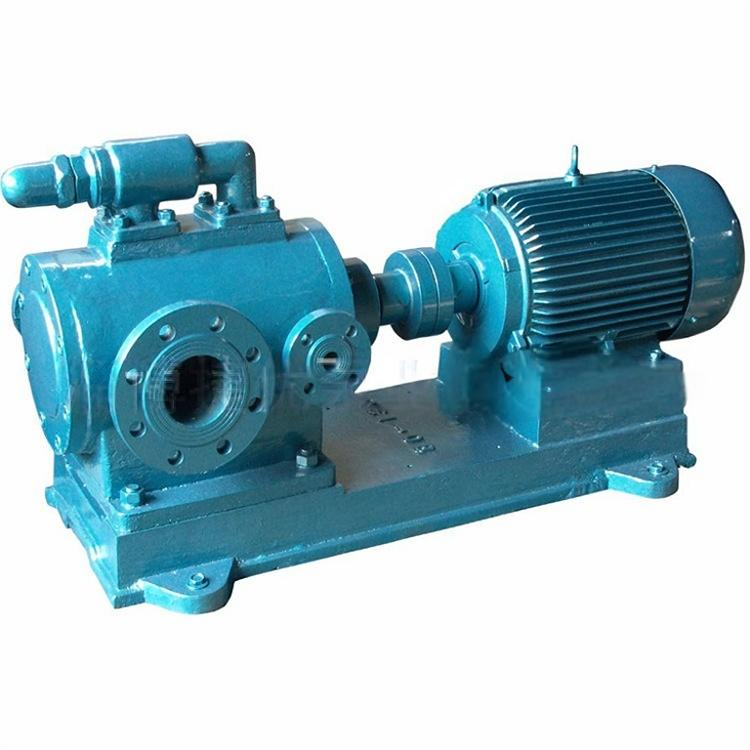
Three screw pump - a pump that transports liquid by interlocking multiple screws.