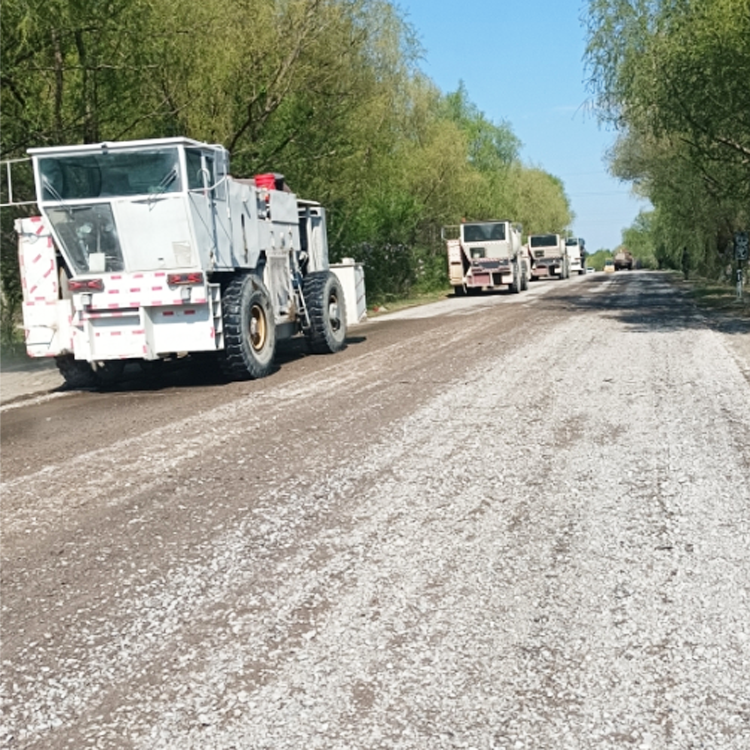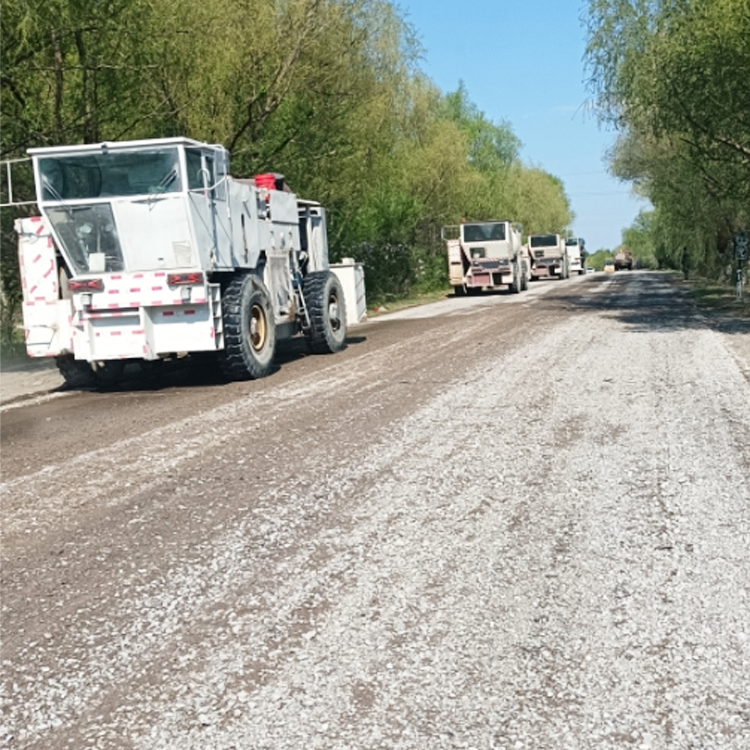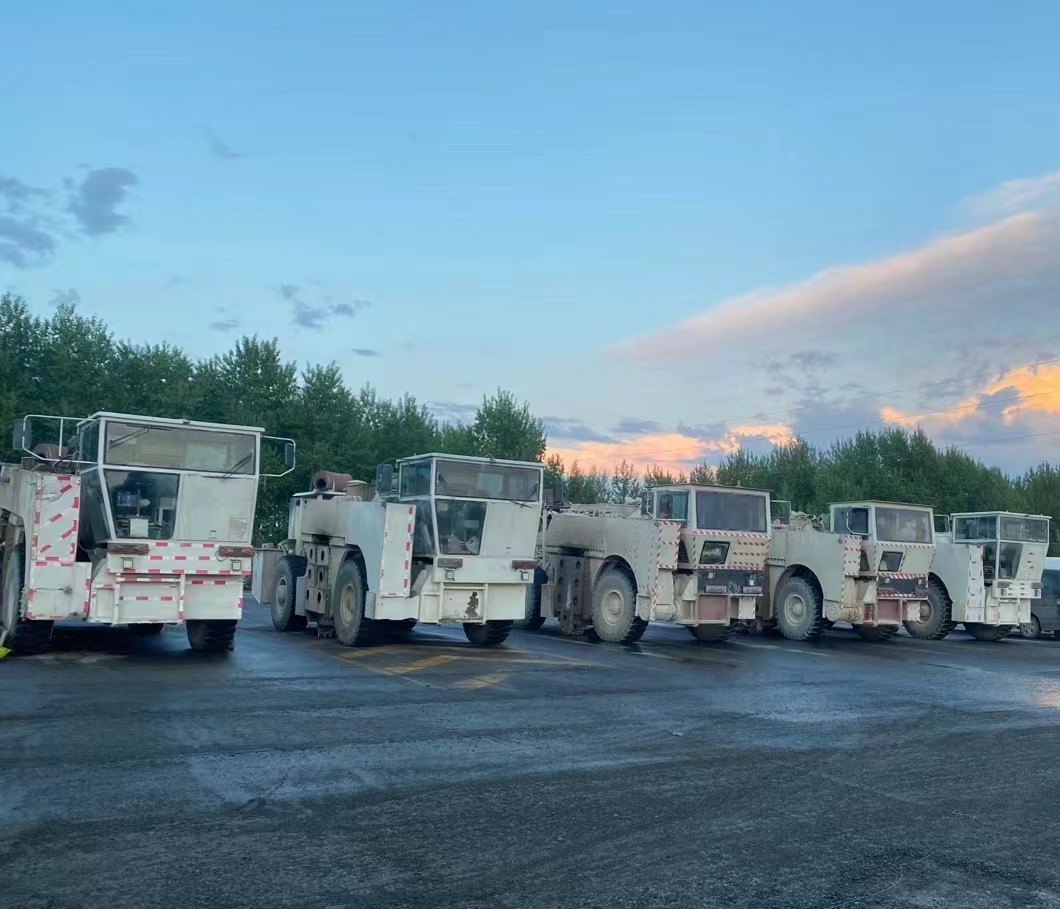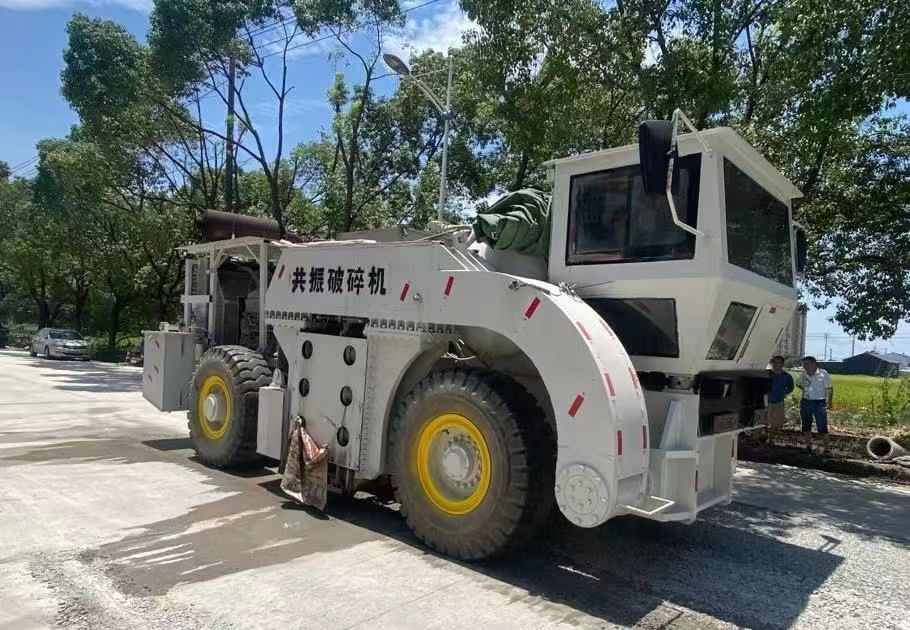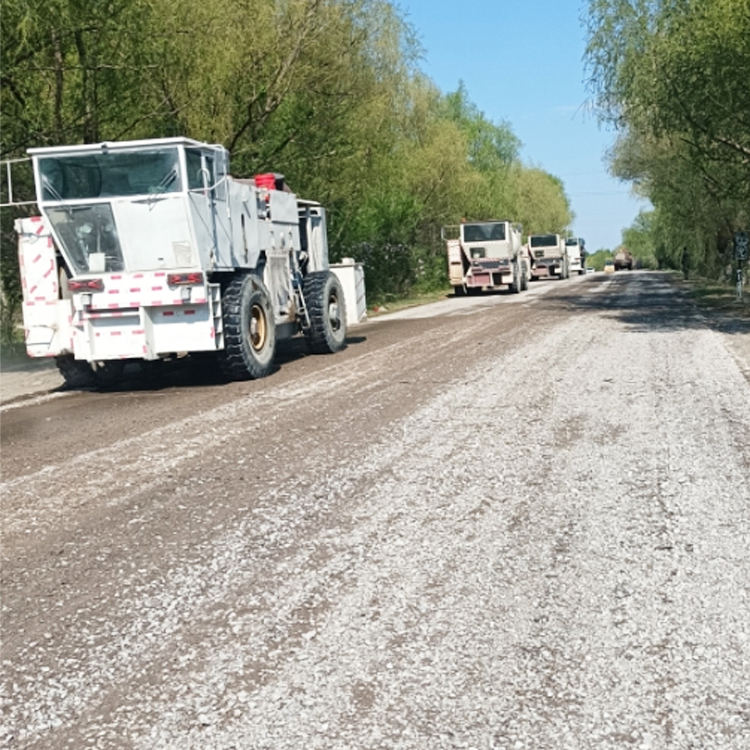


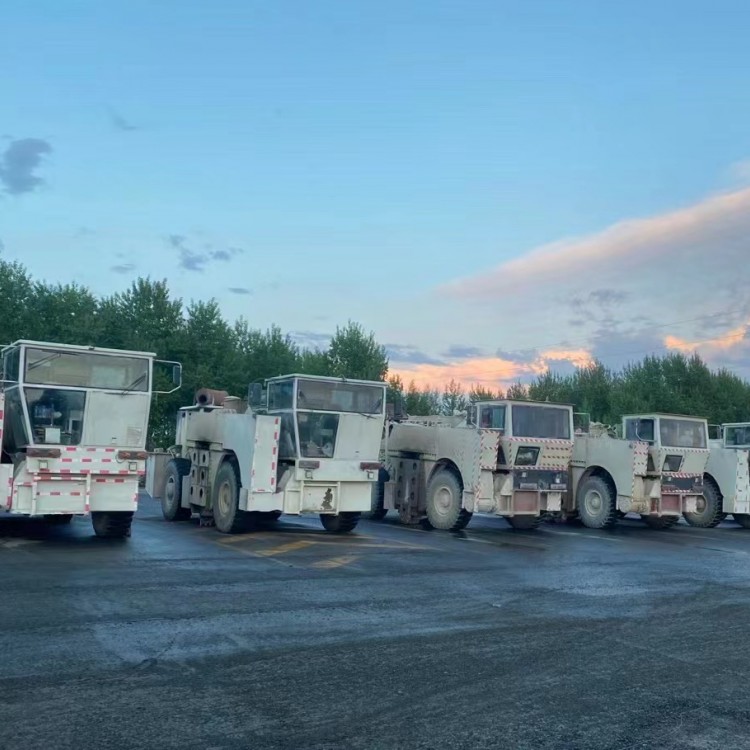








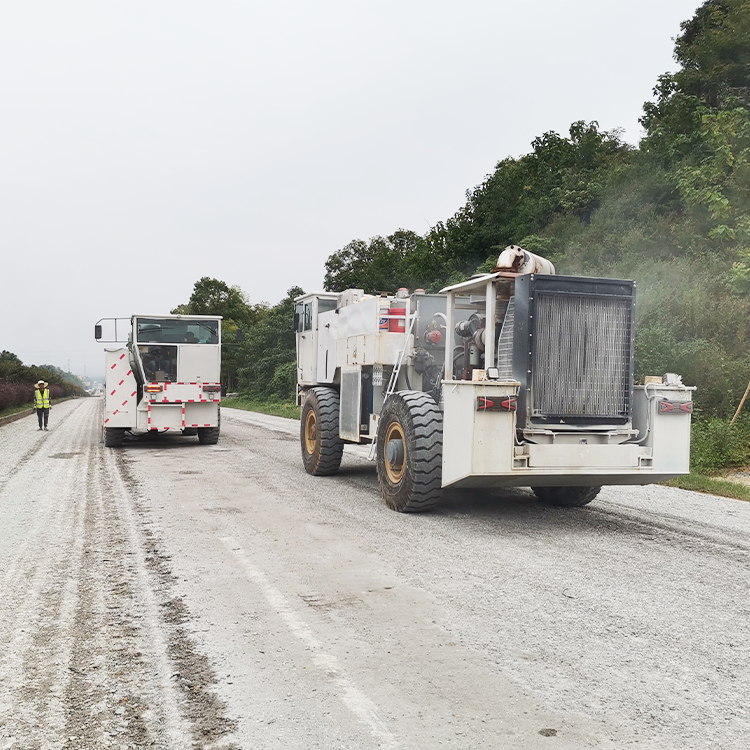
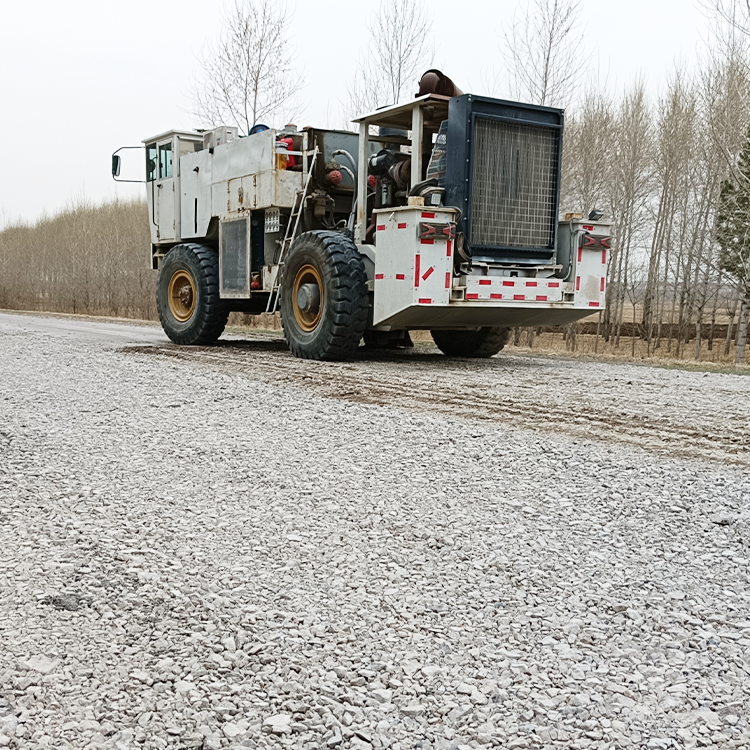
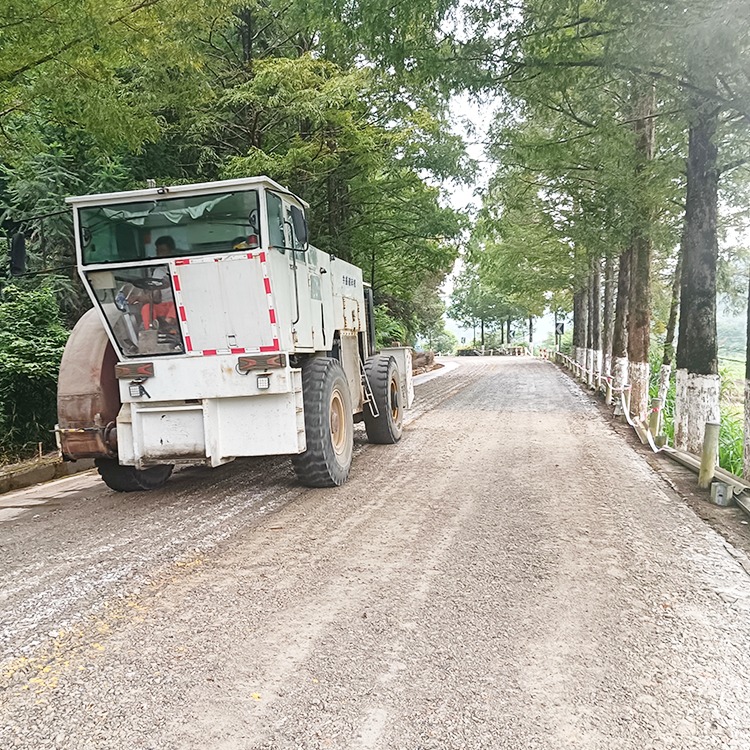
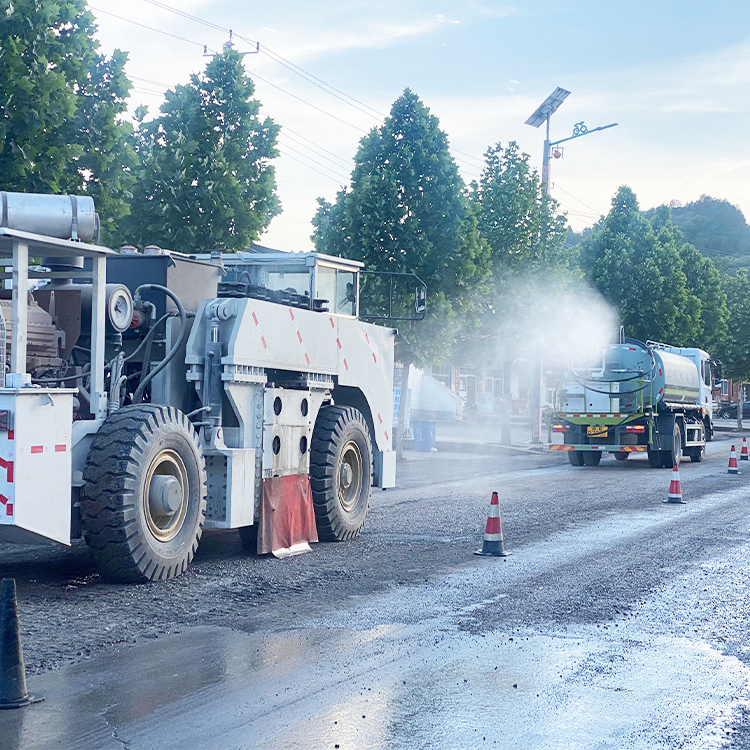

The resonant crushing hammer head moves forward rapidly while exciting the road surface resonance, with the resultant impact force pointing downward. This creates a certain angle between the fractured cracks and the road surface. This angle allows the crushed stone blocks to interlock with each other, becoming more tightly interlocked after compaction, thereby enhancing the gravel stabilizing layer's performance. In contrast, the impact force of the conventional heavy hammer crushing method is vertically downward, resulting in stone cracks that are only approximately perpendicular to the road surface, which is不利于 the load-bearing and stability of the stabilizing layer.