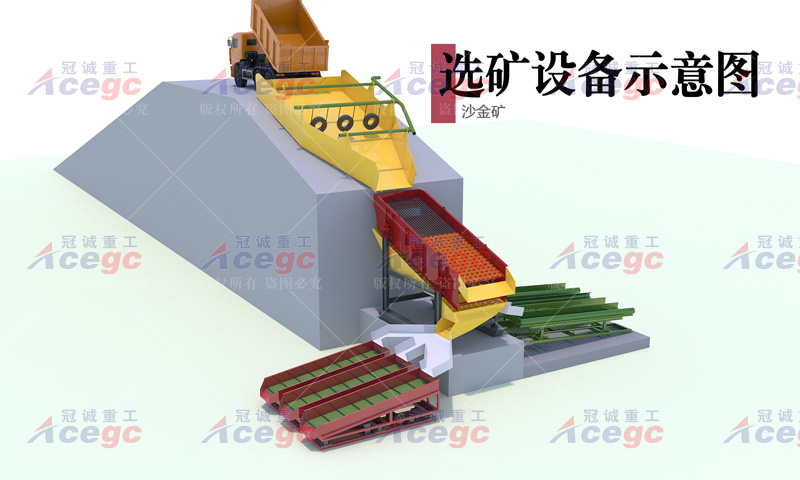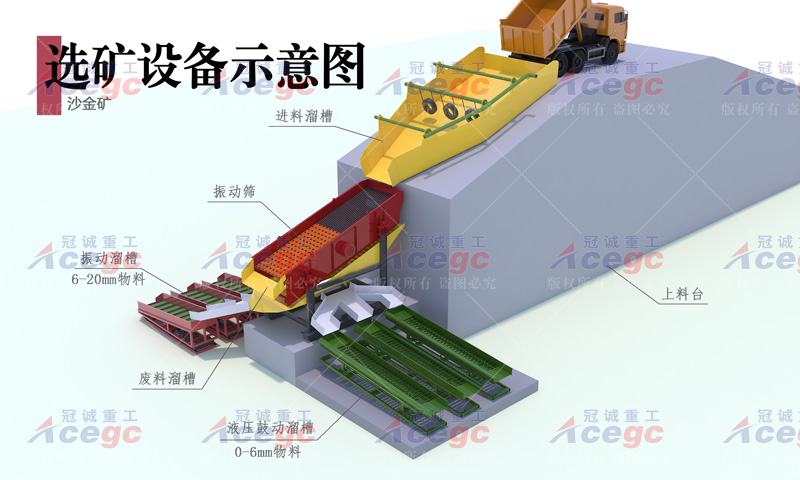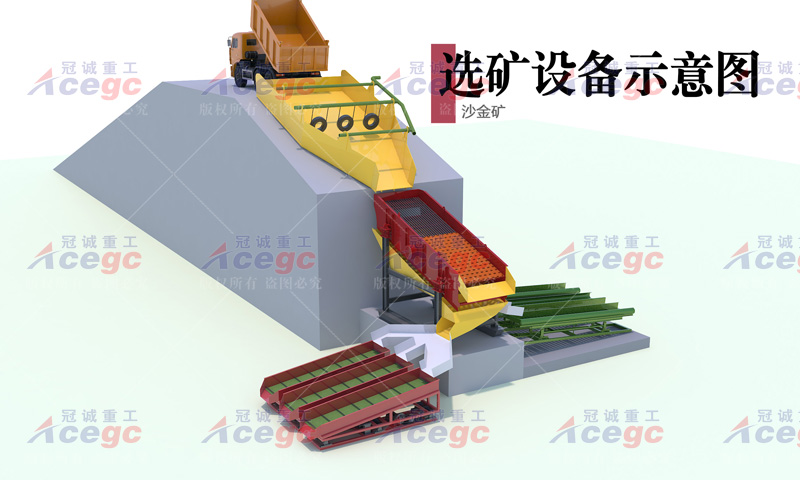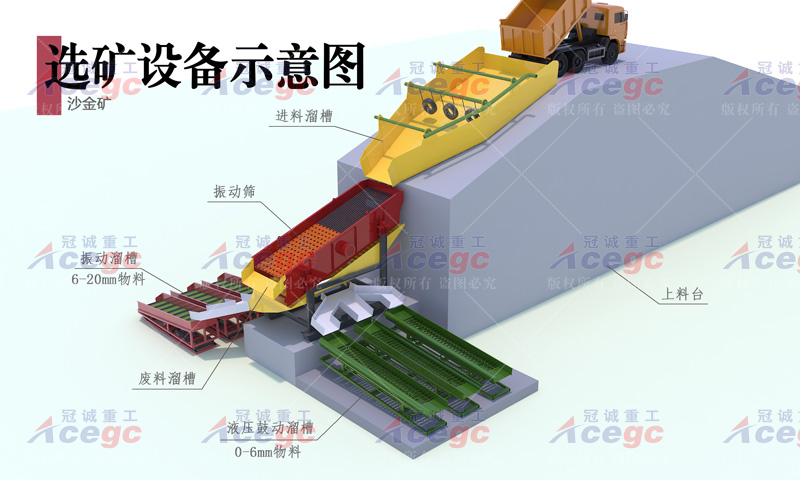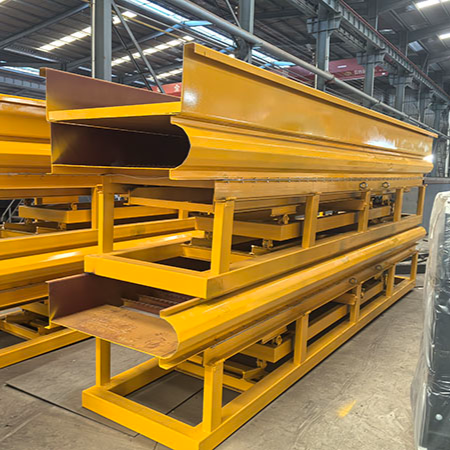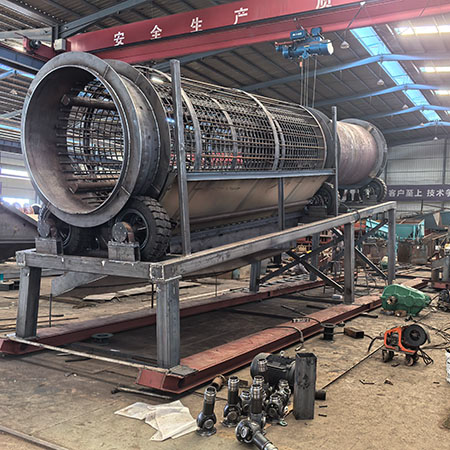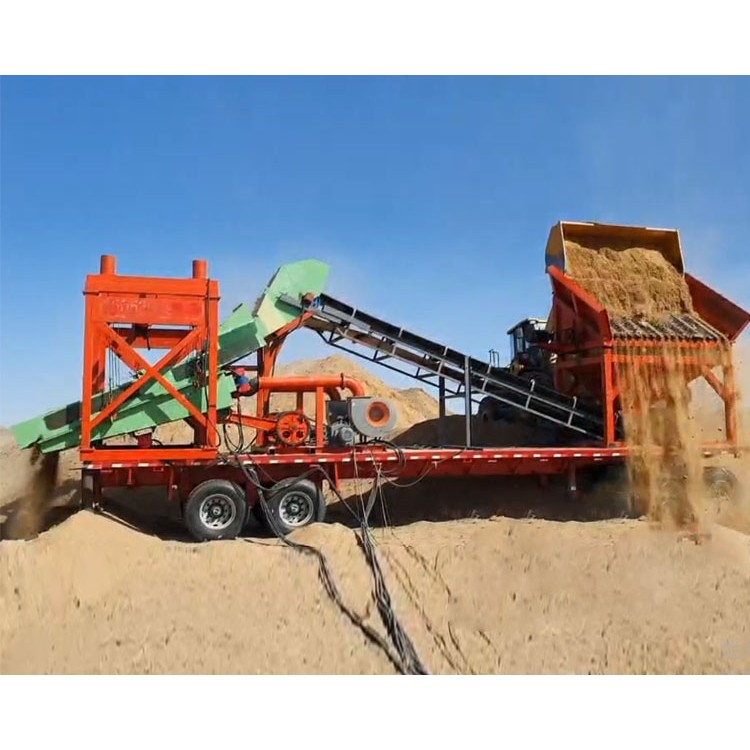


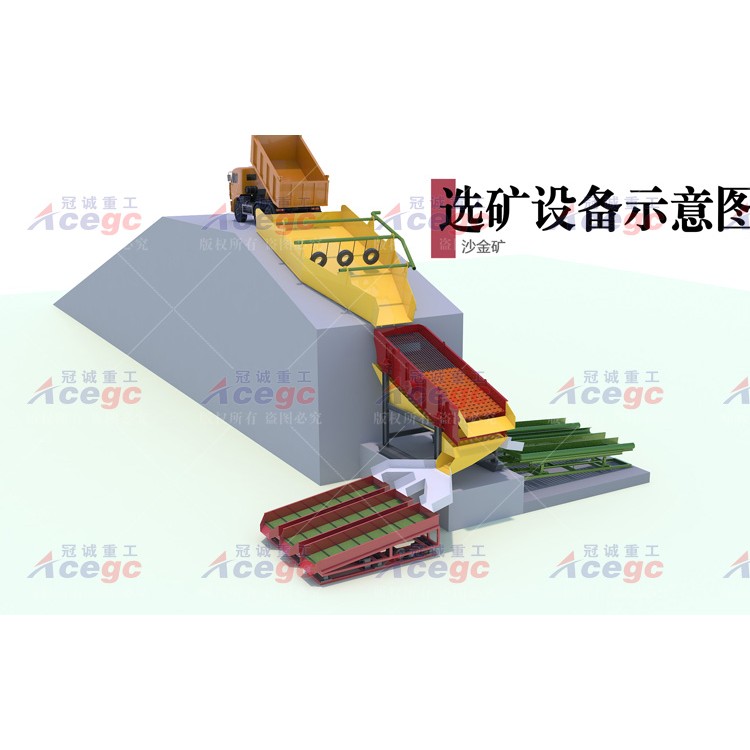

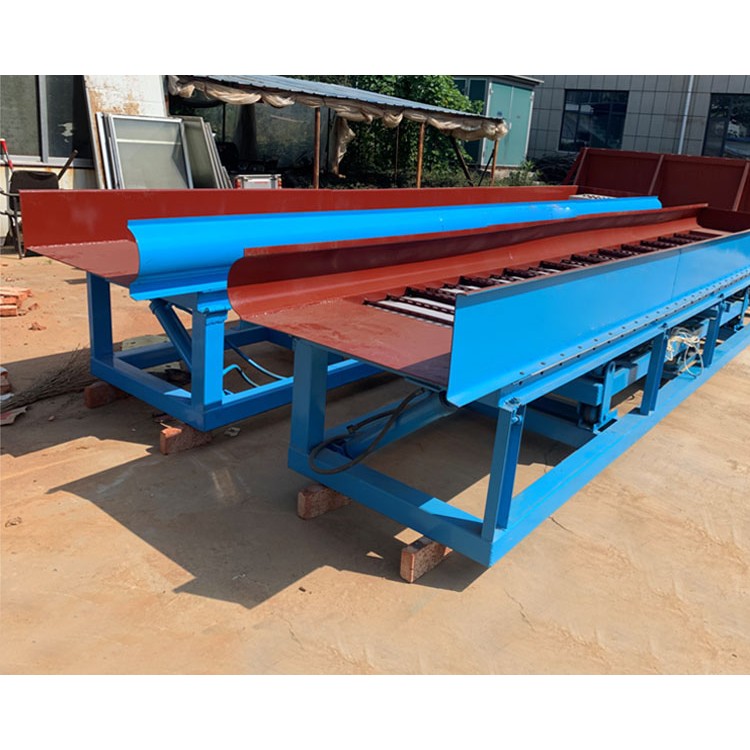


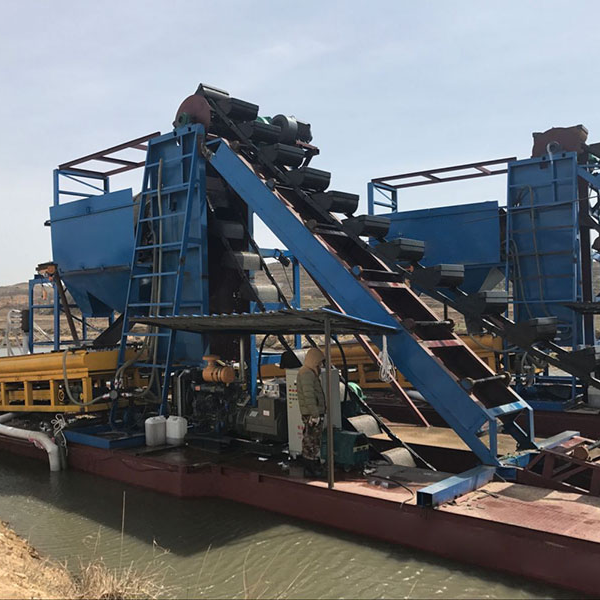
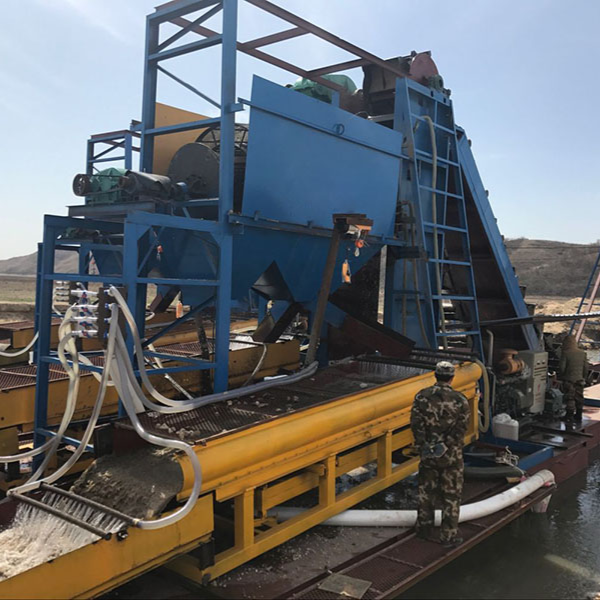







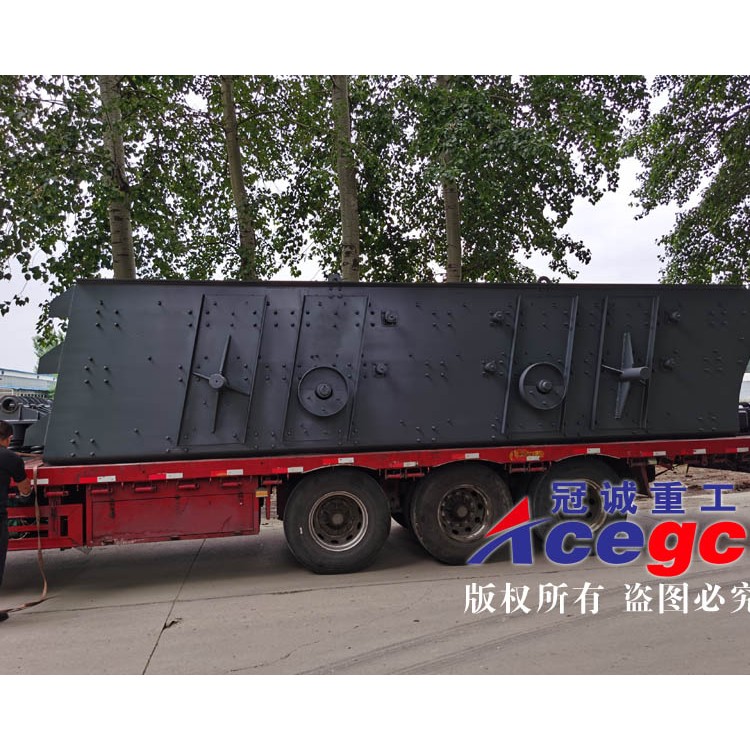
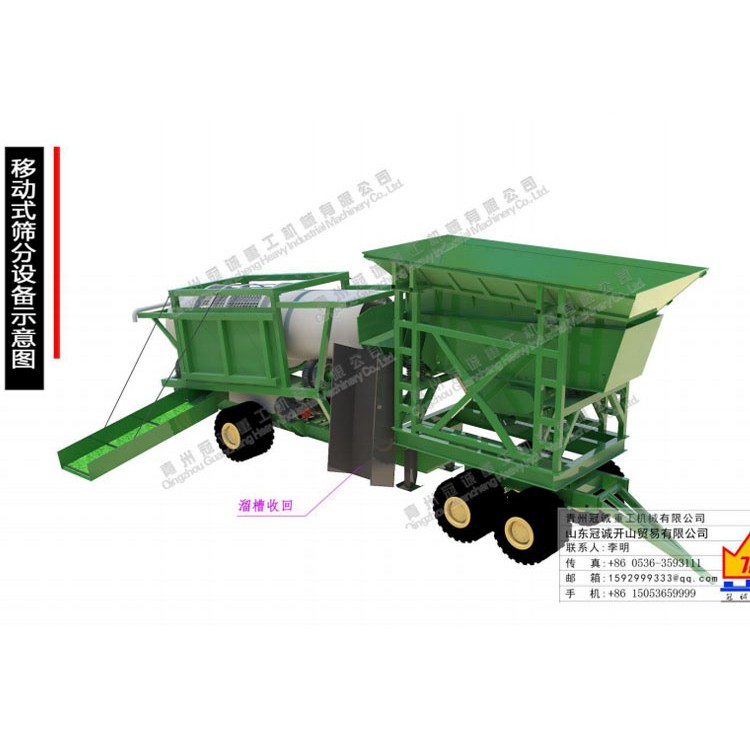
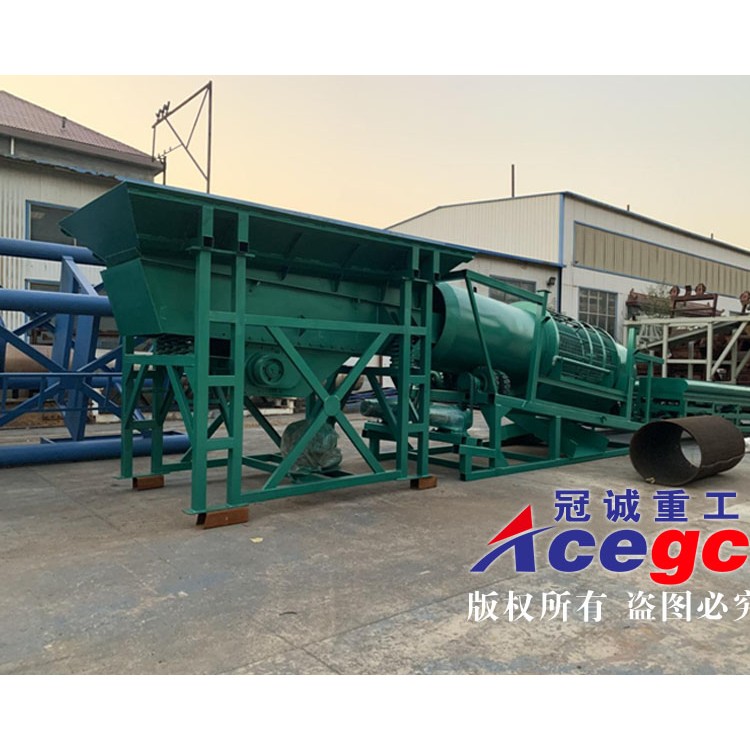
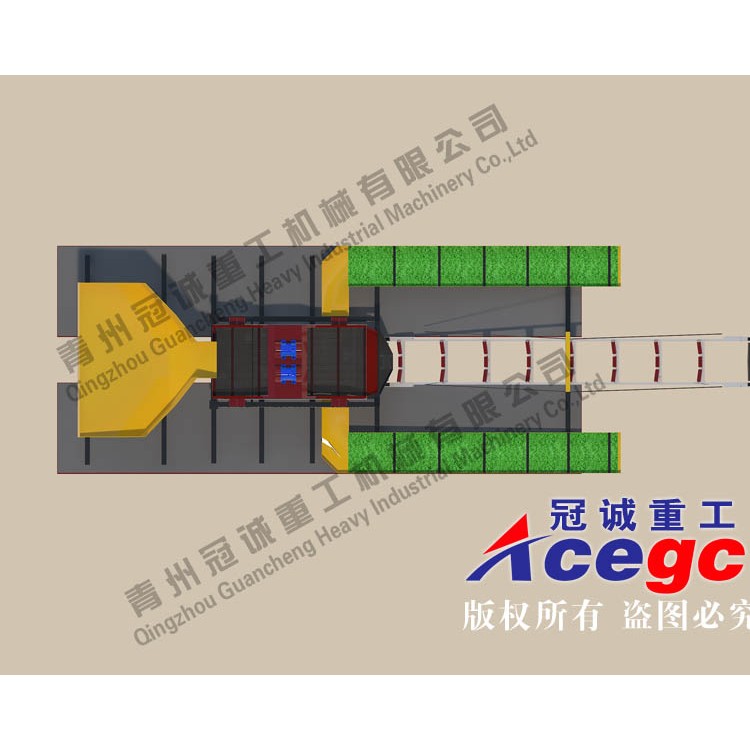
The Sluice Box Gold Recovery Equipment is a new type of sand gold mining separator developed based on the fixed sluice box. It combines the advantages of the fixed sluice box and the jig machine, overcoming the drawback of the fixed sluice box being prone to clogging and the defect of the jig machine having high production rates. As a result, it achieves the benefits of low production rates without clogging.
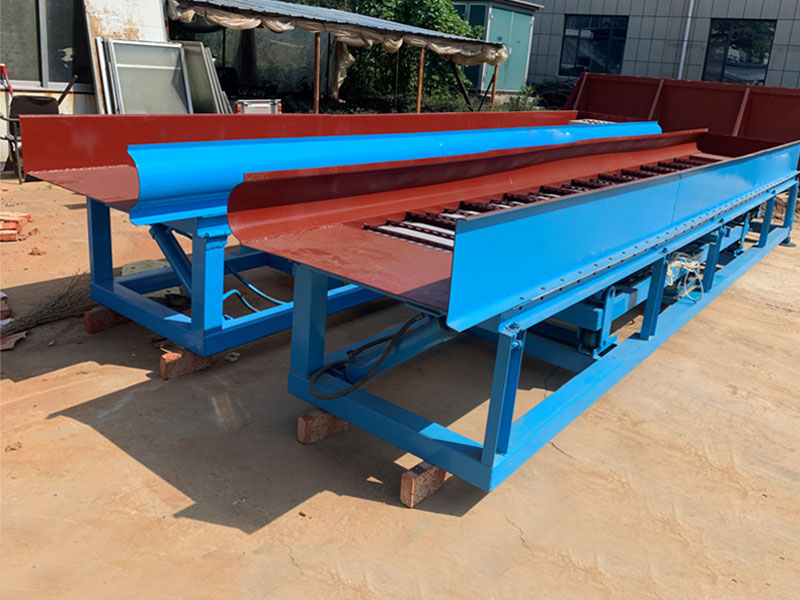
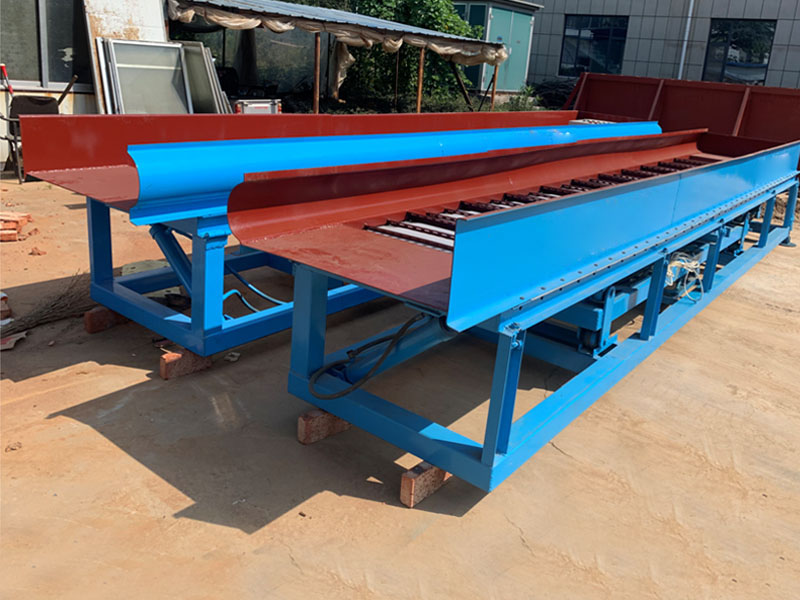
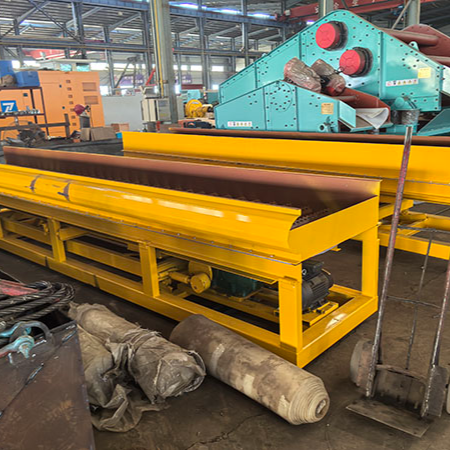
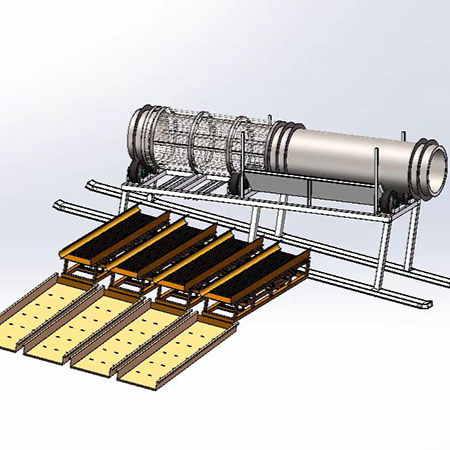
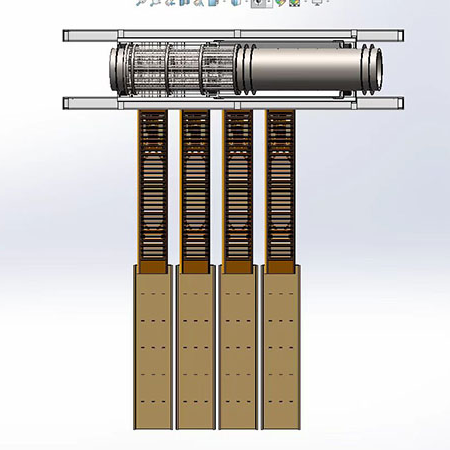
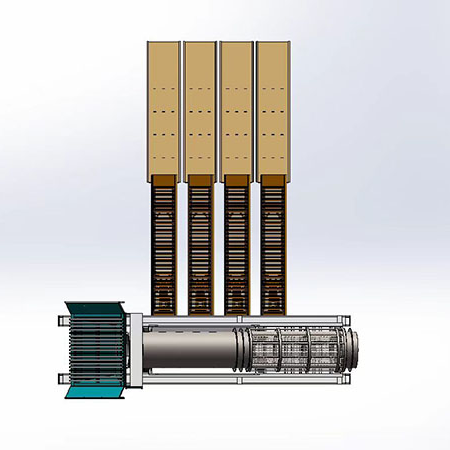
The advantages of the gold panning equipment largely retain the benefits of the fixed不动流槽, while converting the existing iron base plate into a rubber base plate, and adding a simple crank linkage mechanism to enable the rubber base plate to move up and down repeatedly. Each chute functions similarly to the diaphragm in a jig, addressing the caking phenomenon of the chutes and improving the gold recovery rate. Since the fluctuating chute discharges the concentrate intermittently, the yield is very low, with a concentration ratio several to hundreds of times higher than that of a jig. The fluctuating chute consists of parts such as the ore feeding chute, chute section, rubber base plate, push frame, lever, transmission mechanism, and frame.
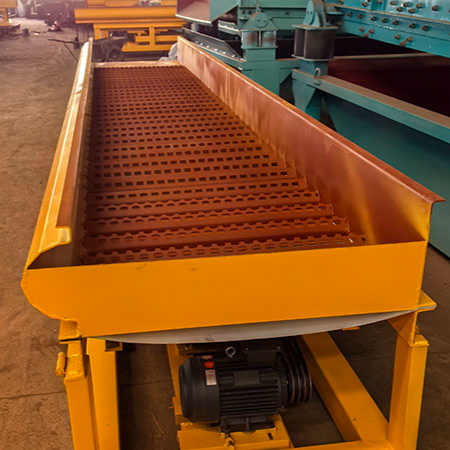
When the gold sluice equipment is in operation, the ore slurry first enters the ore feed trough, which has a total width equal to that of the sluice. The bottom is designed in a semi-circular shape and slightly lower than the bed surface of the sluice, serving as a buffer and distributing the slurry to prevent direct impact on the bed surface. The ore will then be sorted after entering the sluice. The riffles are made of 40*40 angle steel, with one side of the angle steel connected to the bottom end of the sluice and a rubber plate to form an integral unit. A 50mm wide steel plate is welded on top, forming a 0-degree angle with the water surface, creating a significant vortex during slurry flow. The upper riffle plate also features elliptical holes, arranged in an interlaced pattern. The main function is to allow the light minerals in the sediment layer below the plate to be discharged through the holes due to the agitating effect. A stopper is set in front of the elliptical holes to prevent coarse gravel from blocking them.
The gold sluice bottom plate is made of rubber. The rubber plate's movement is powered by an electric motor, which drives a reducer and a crank and connecting rod mechanism, causing the lever to swing at a certain point, forcing the support to move up and down repeatedly. This causes the rubber plate to move up and down as well, separating heavy and light minerals in the slurry through this repetitive motion. The sediment layer remains loose, aiding in the recovery of heavy minerals. After a 2400mm long separation process, heavy minerals and gold particles settle at the bottom of the sluice intervals, and the minerals are continuously discharged from the tail end. Due to the reciprocating device designed on the sluice, it maintains an excellent separation state during the separation process over a period of time.