




 采商通
采商通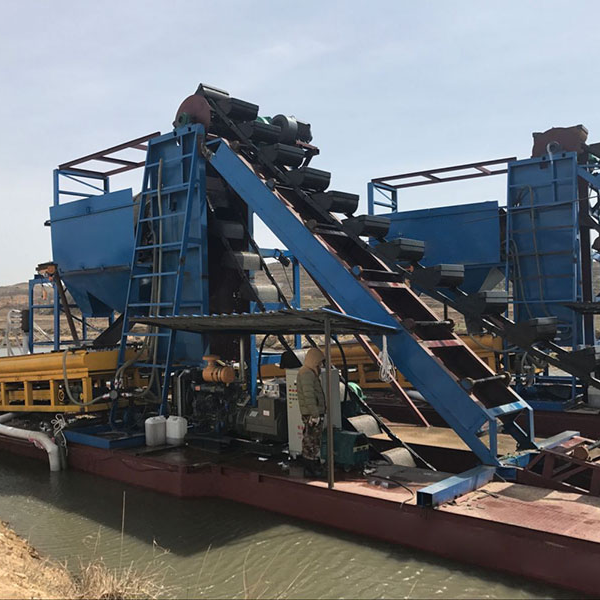
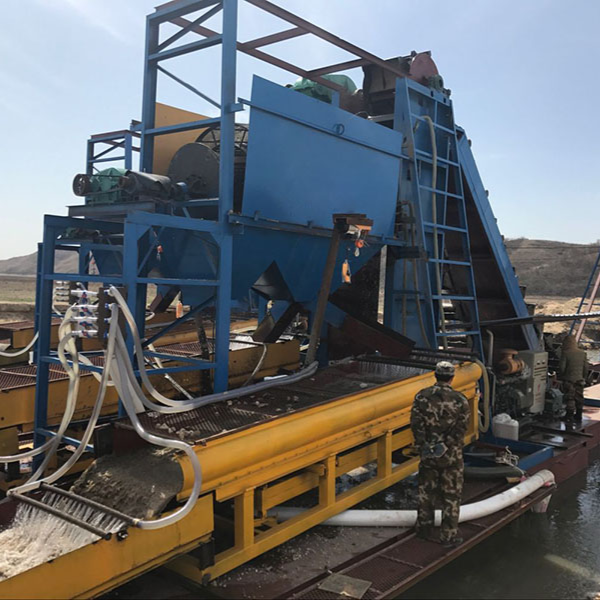
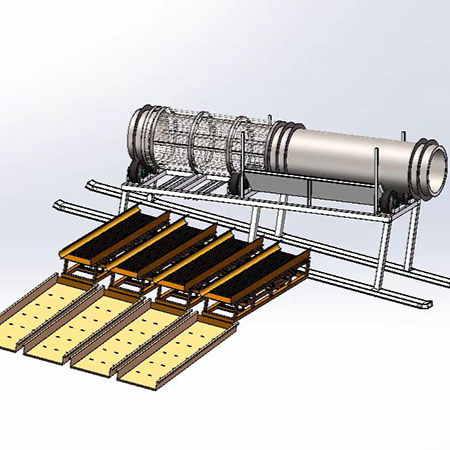
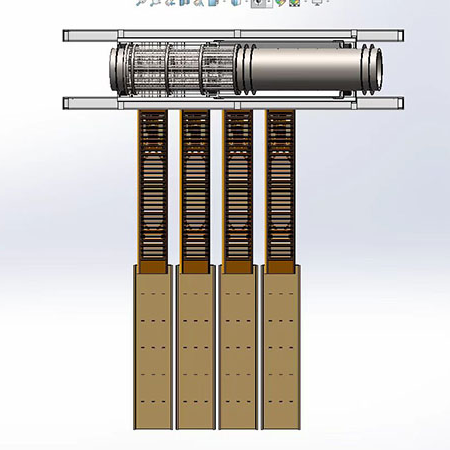
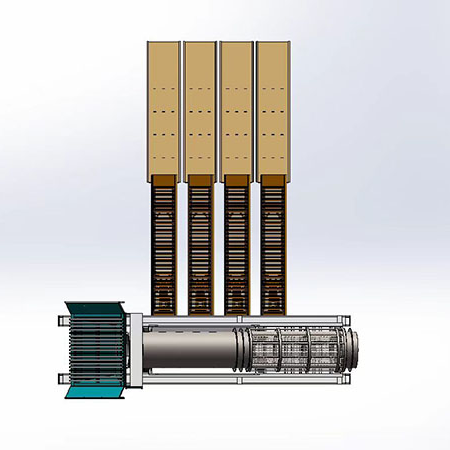







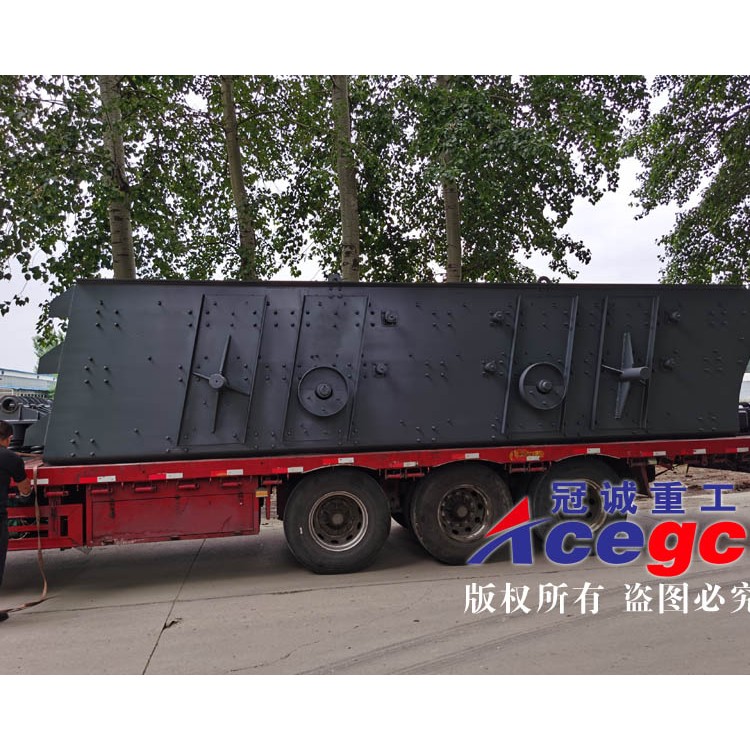
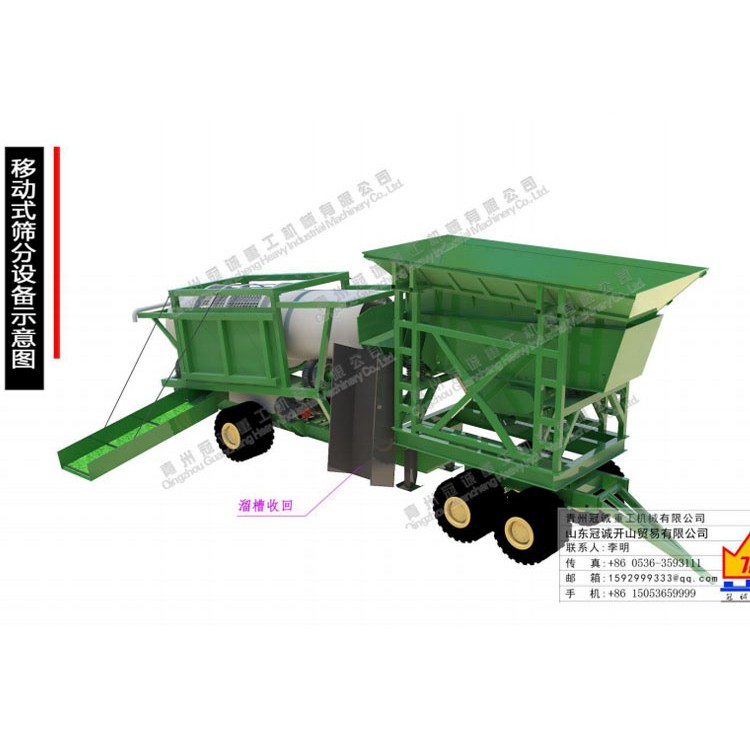
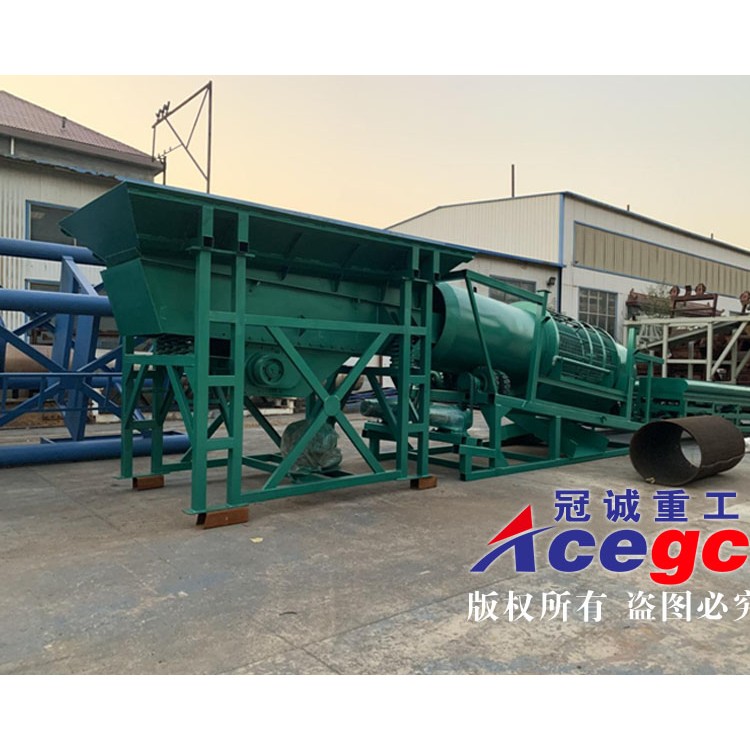
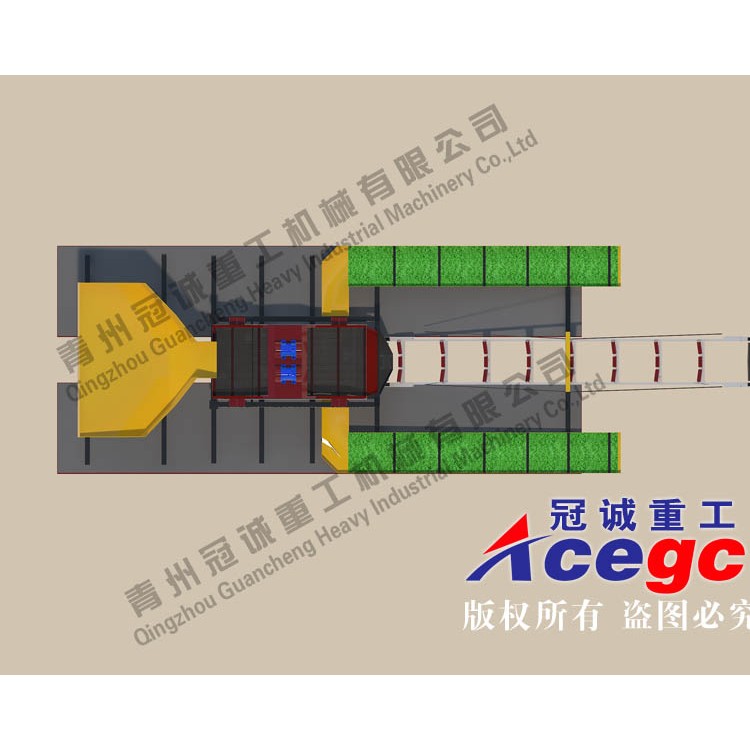
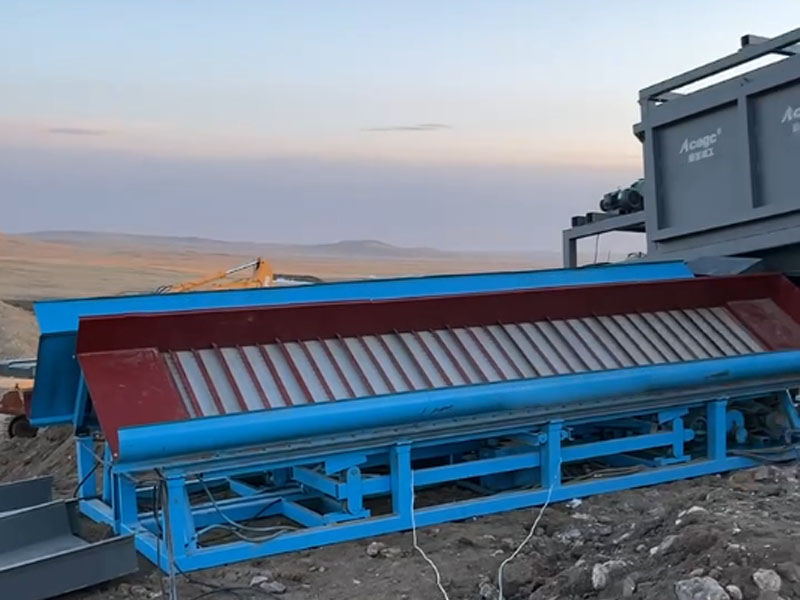
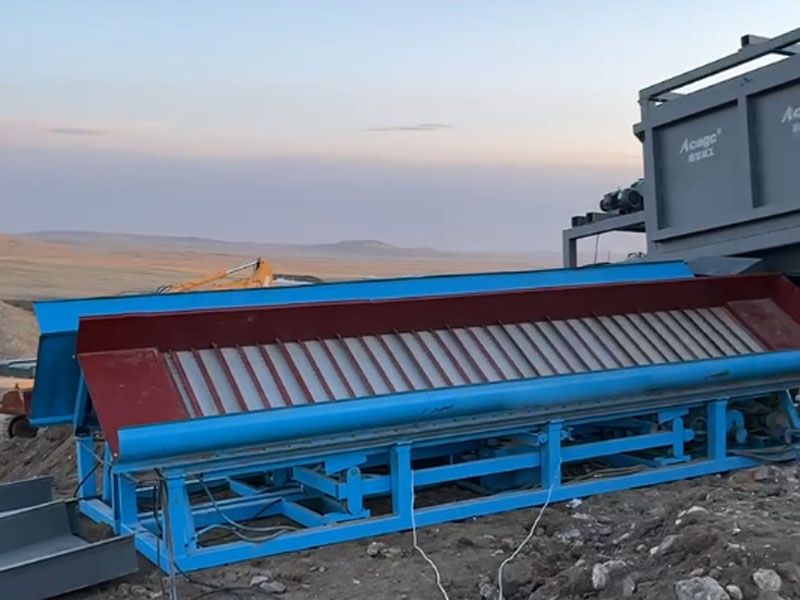
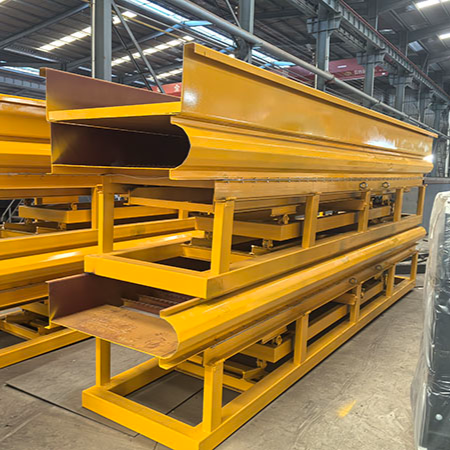
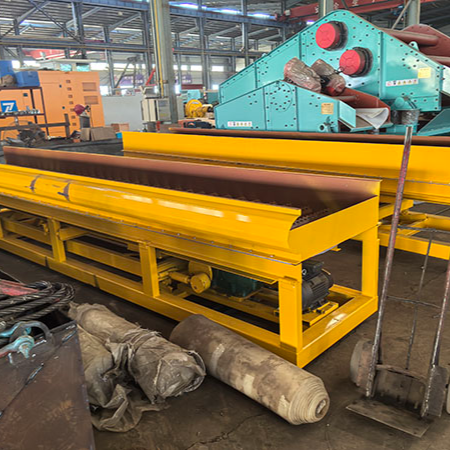
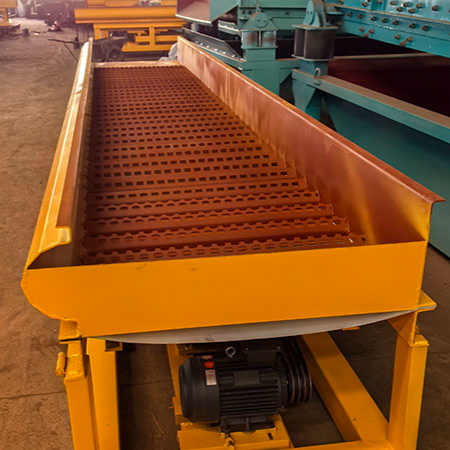
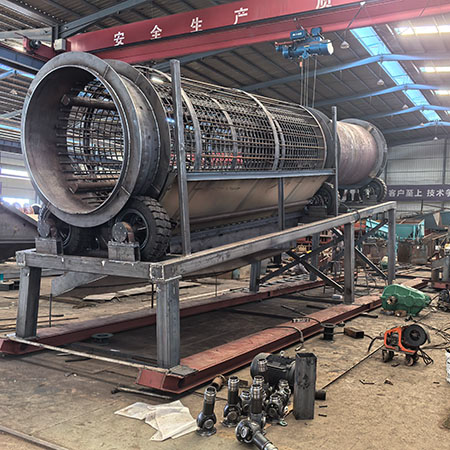
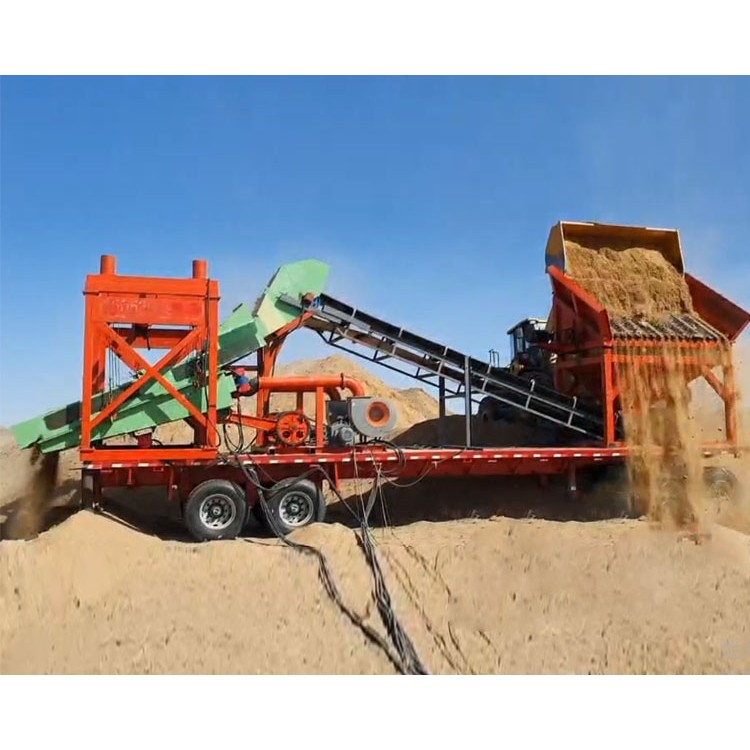
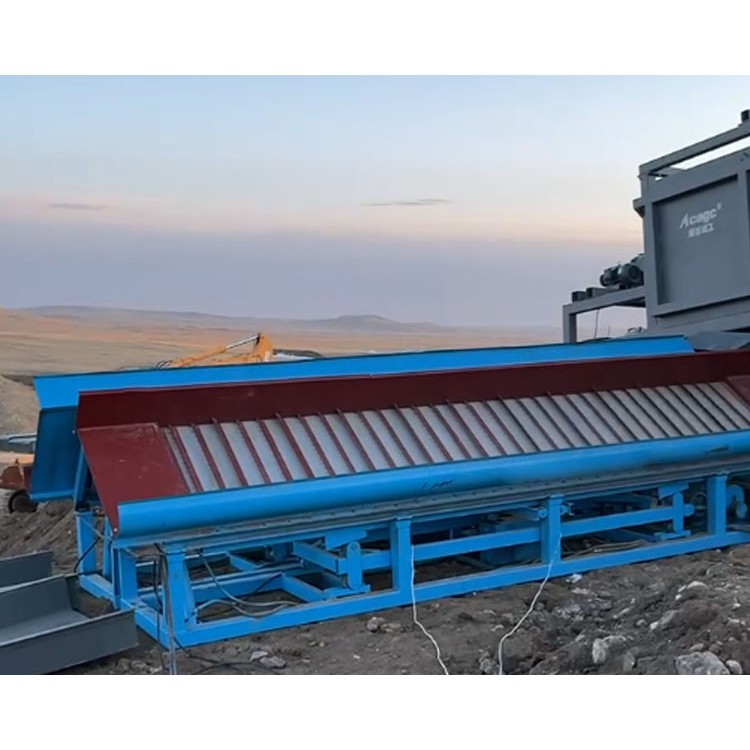
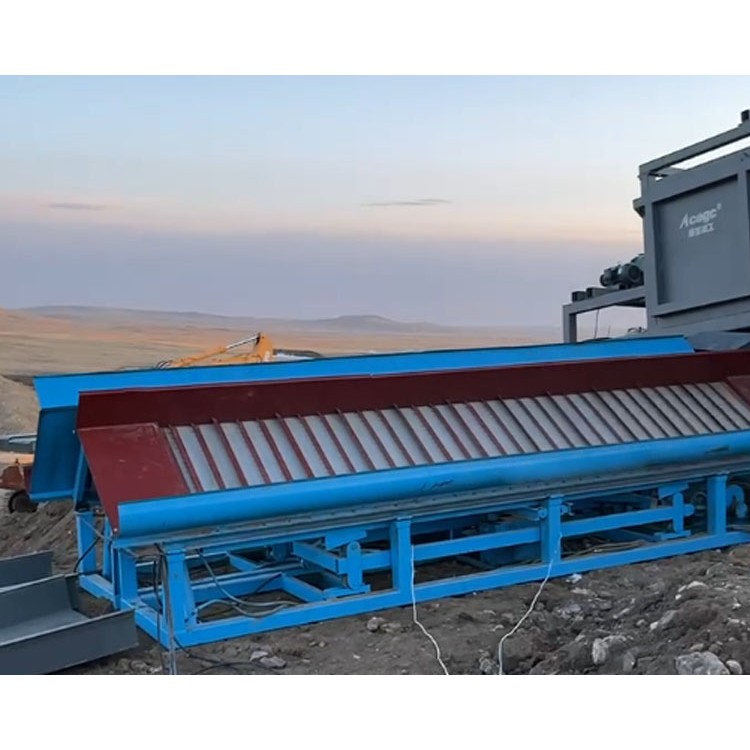
New Zealand gravity concentrator equipment is undergoing installation and trial operation, ready for use. Gravity concentration by chute is a method of ore separation using water flow along an inclined plane. Inside the chute, mineral particles of different densities are separated by the force of the flowing water, gravity (or centrifugal force) of the particles, and friction between the particles and the chute bottom. As a result, particles with higher density accumulate at the bottom, moving forward at a slower pace along the bottom of the chute and are discharged out of the chute simultaneously with the feed (such chutes are called non-depositing chutes); or they remain at the bottom (these chutes are called depositing chutes), and after some time, are intermittently discharged out. Lighter density particles are distributed at the top, carried away by the water flow at a higher speed. Consequently, mineral particles of different densities are sorted within the chute, and the particle size and shape also affect the sorting process.
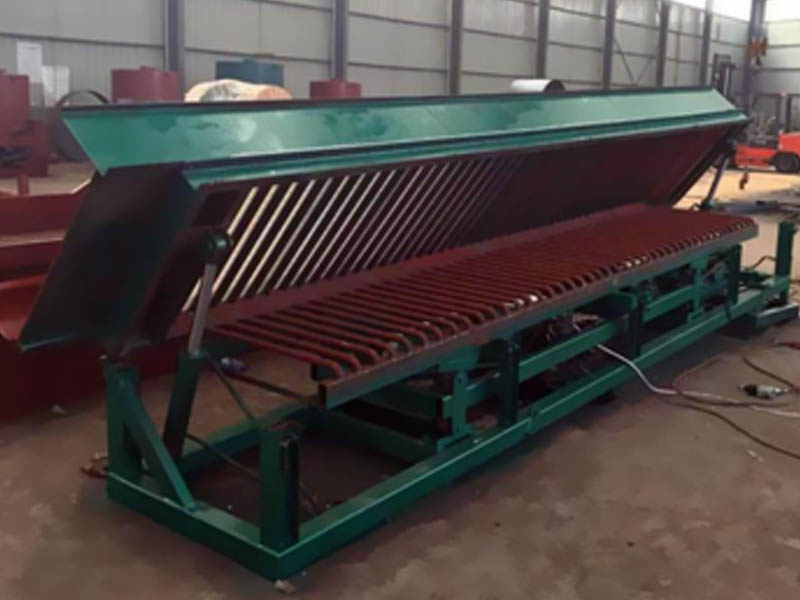
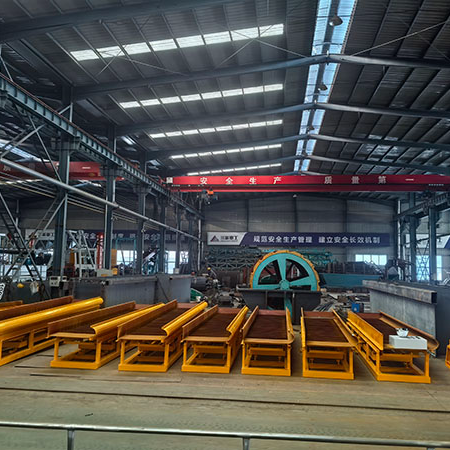
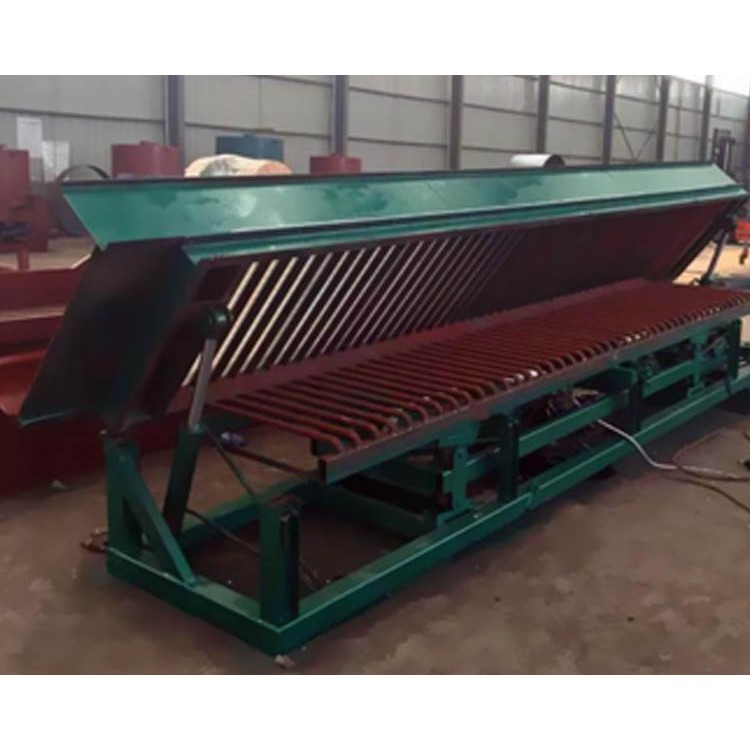
According to the structure and sorting objects of the sluice box, they can be roughly divided into coarse-grained and fine-grained sluices. Coarse-grained sluices are typically narrow and long troughs made of wood or steel plates, with baffles or rough materials at the bottom. The water layer thickness in the trough is over 10-100mm, with a relatively fast water flow and ore particle sizes ranging from a few millimeters to several tens of millimeters. This type of sluice is mainly used for sorting sand gold, sand platinum, sand tin, and other rare metal sands.