













Manual Download
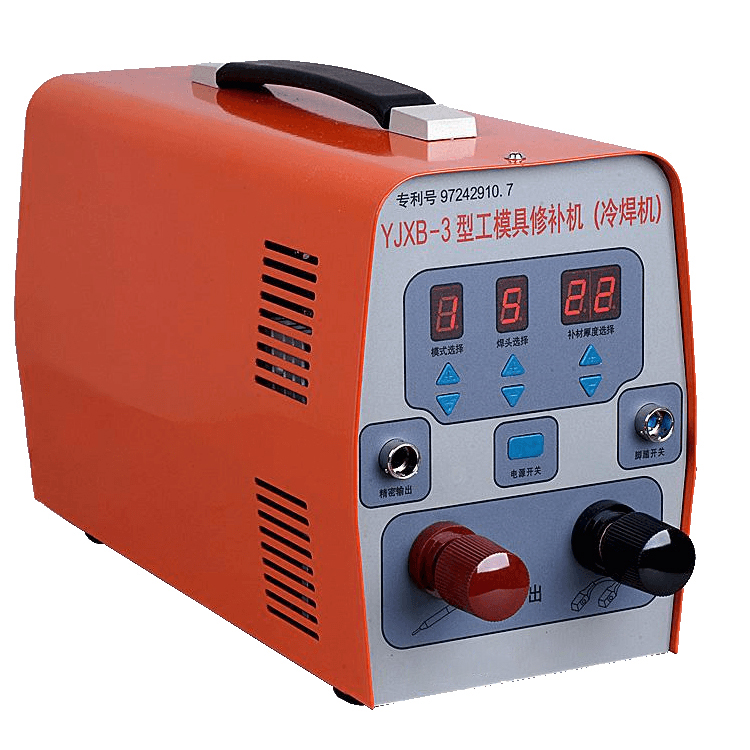
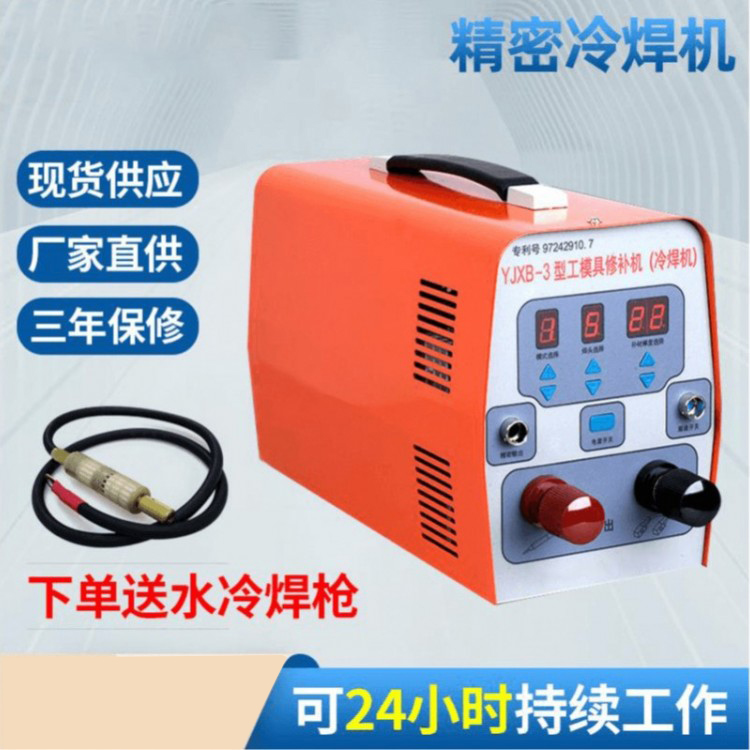
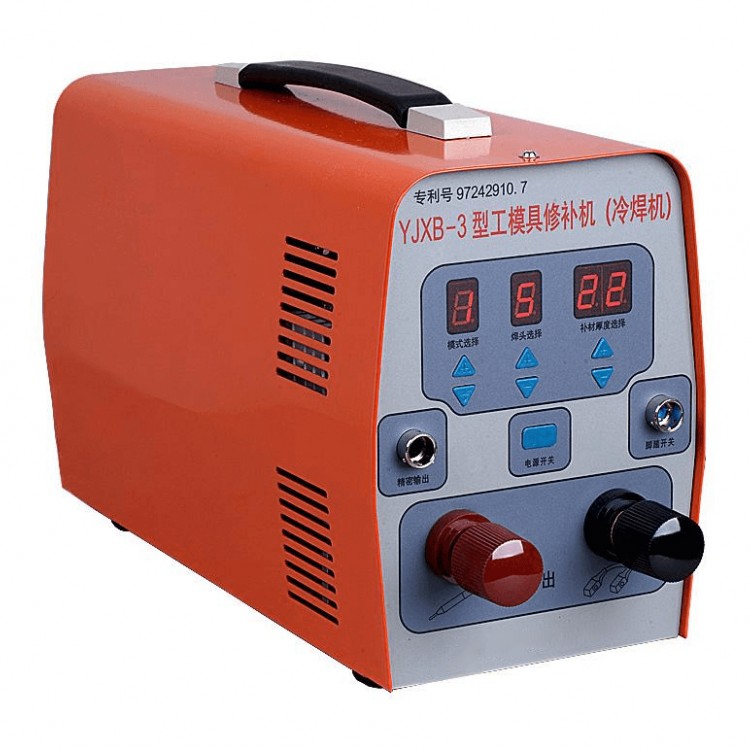
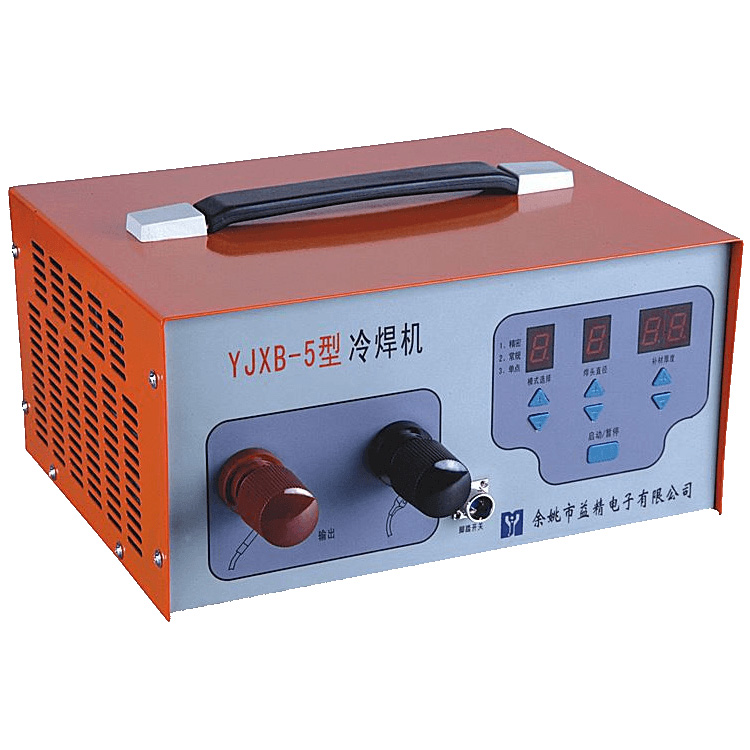
The YJXB-3 model of cold-welding machine for die and mold repair has been a best-selling cold-welding machine type for the company over the past decade.
Especially suitable for quick repairs of various plastic molds (flash skin), with high precision, minimal stock, and easy post-repair trimming.
Also suitable for pad welding on precision hardware molds.
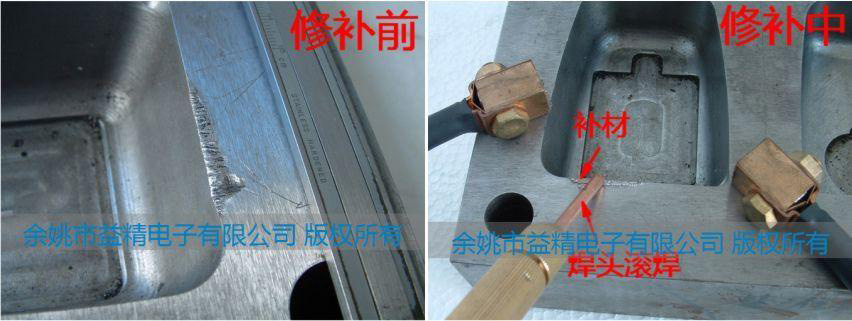
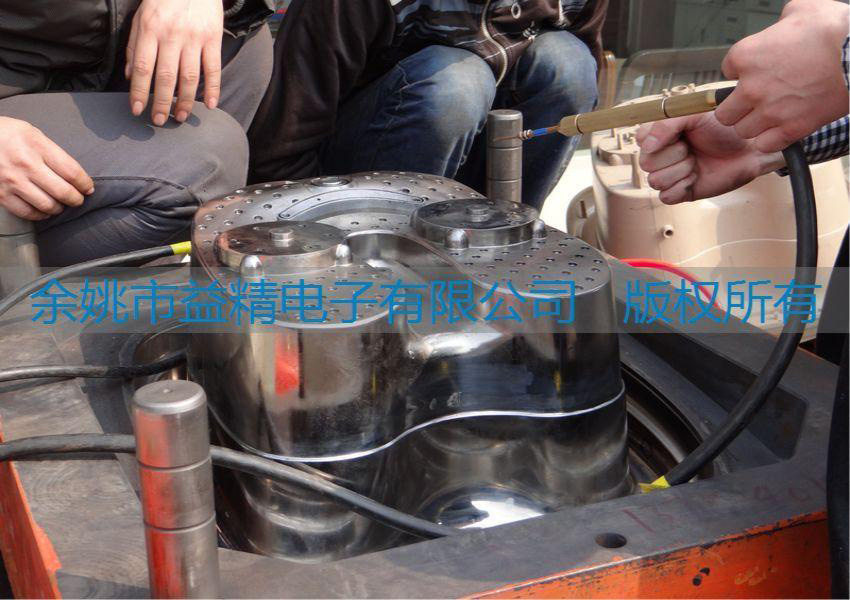
Mold Repair Case Study
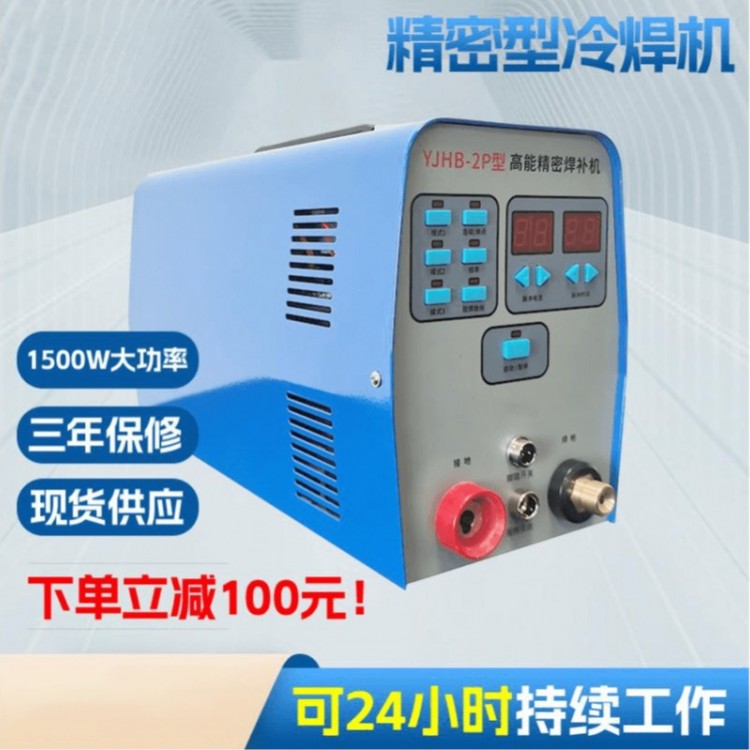
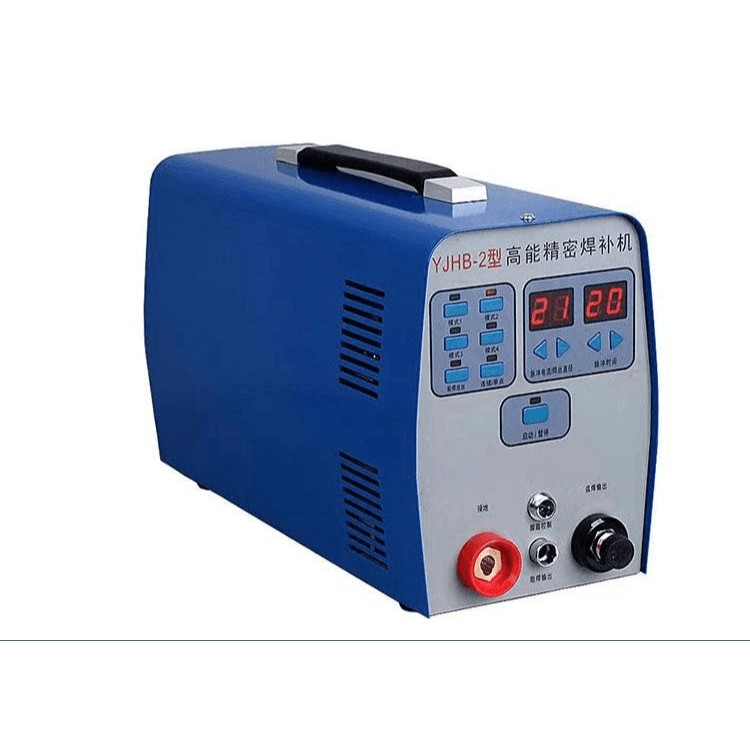
Recommended Models: YJXB Series Tool and Mold Repair Machines, YJHB Series High-Energy Precision Welding Machines.
Suitable for: rapid repairs of mold sealing seams and flash skin on various injection molds and rubber membranes.
All types of plastic mold and die knocking operations, rusting, and dimensional deviations.
Adjustments for extrusion molds of various profiles and metal stamping molds.
Cold welding advantages: High repair accuracy, very convenient for post-processing shaping and polishing.
Injection Mold Flash Repair (Minor Defects at Molding Seam)

Mold 4
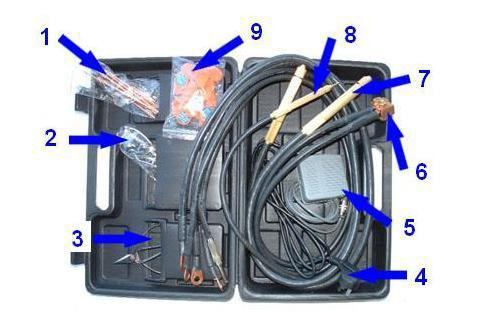
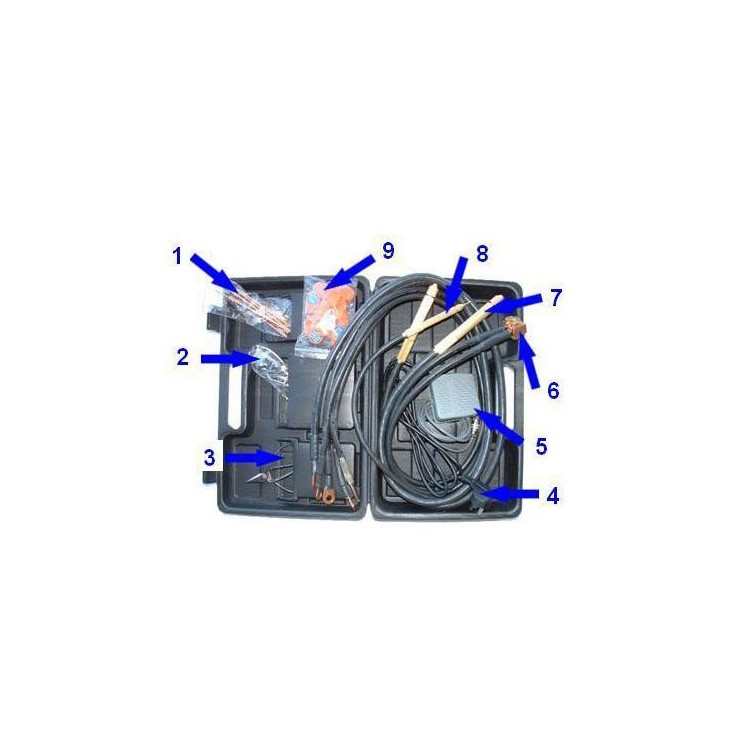
Standard Random Tool Box
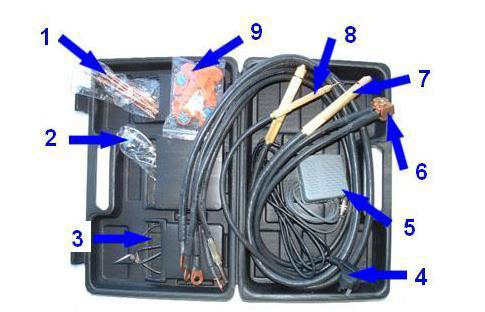
Copper brazing tip
2. Plain Glasses
3. Sealing Steel Scissors
4. Power Cord
Foot Switch
6. Negative Pole Connection Wire
7. Positive Terminal Wires
8. Precision Welding Torch
9. Replacement Materials
One, Advantages of Cold Welding Machines:
High welding strength: The patched area can be machined, filed, etc.
2. High Repair Precision: Uses thin material for repairs, preserving the original base surface and minimizing excess solder, making post-repair shaping easy.
3. Wide Application Range: All metal materials' workpieces can be repaired, excluding materials like copper and aluminum with low resistivity.
4. Minimal base material damage: smaller hotspot, no base material annealing deformation.
5. Easy electrical connection: Equipped with a strong magnetic connector, electrical connections can be easily made for workpieces of any size.
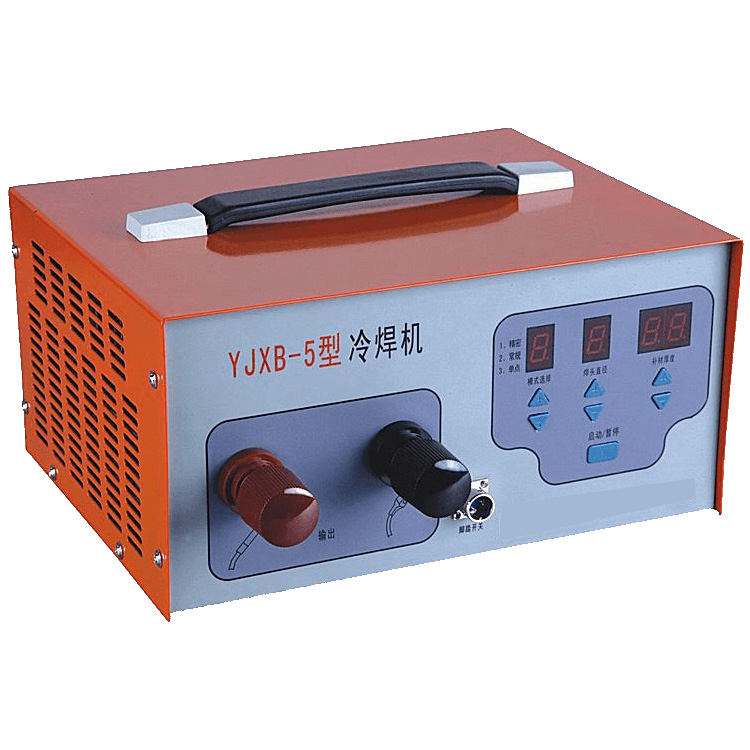
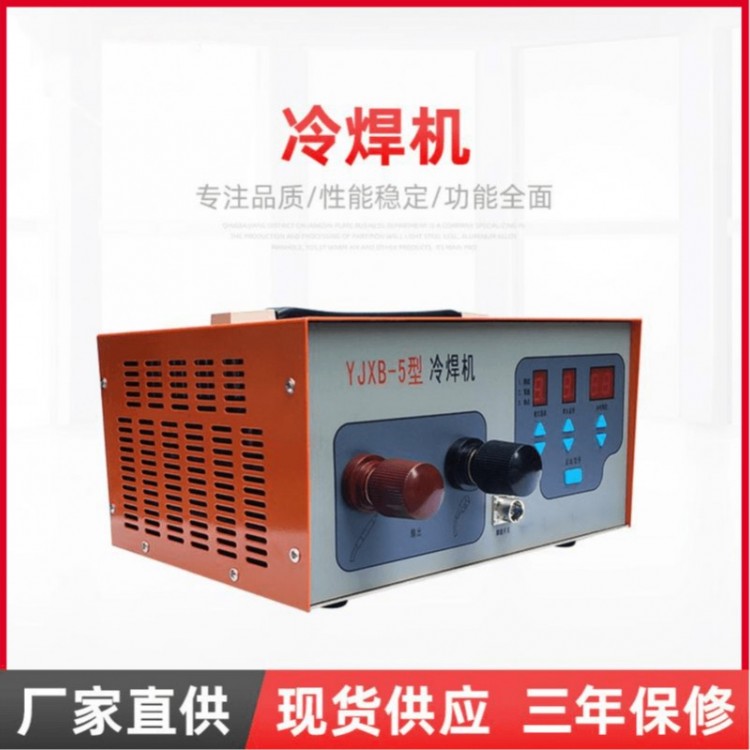
Section II: Unique Advantages of YJXB-5 Model:
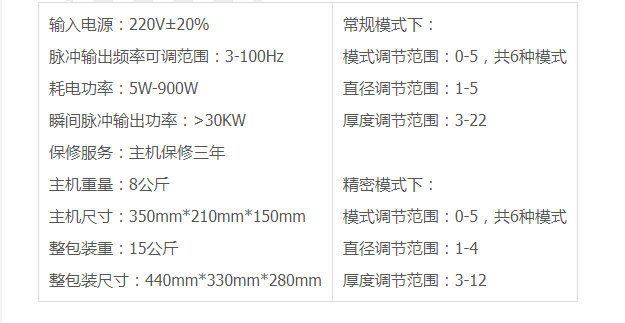
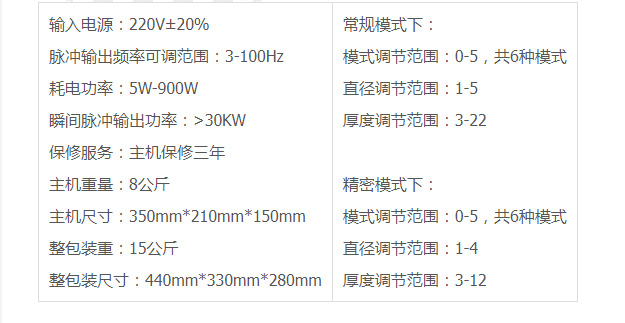
Easy to carry, the main unit weighs only 6Kg.
2. Microcomputer control for intelligent adaptation to different thicknesses of filler materials, various workpieces, and different weld head sizes.
3. Switching power supply technology ensures stable high-power output within a voltage fluctuation range of ±20% of 220V, guaranteeing superior welding quality.
III. Typical Applications:
Molding Industry: Repair services for various injection molds, extrusion molds, rubber molds, die casting molds, metal molds, etc.
2. Machinery Industry: Various machinery parts for repair, such as guides, shafts, crankshafts, hydraulic rods, etc.
3. Casting Industry: Sand holes, blow holes, machining tolerances, etc., for various castings (cast steel, cast iron, cast copper, cast aluminum, stainless steel, etc.)
4. Printing & Textile Industry: roller repair, mill rolls, mirror rolls, printing machine rollers, etc.
5. Hardware Industry: Spot Welded Gaskets
Special Note: Please differentiate between the maximum single-layer thickness and the maximum single-point thickness, as well as the maximum welding thickness and the reliable welding thickness.
1. Single-layer and Single-point: The principle of cold-welding repair is similar to resistance welding. When there is only one welding point, as there's no power分流 around it, the output power is concentrated, allowing for thicker welding. However, for general repair work, it's necessary to repair a surface. When repairing a surface, each welding point (except one) has other welding points that分流 the output power, necessitating a reduction in the thickness that can be reliably welded. Generally, when determining the power of a repair machine, it's recommended to use the reliable welding thickness of a single layer as a standard. All the data on our company's manuals are for single-layer reliable welding.
2. Maximum Welding Thickness & Reliable Welding Thickness Limit: Simply welding material onto something doesn't guarantee a solid weld. As a repair machine, the material being welded must be fully fused to the workpiece (i.e., a reliable weld), otherwise, the repair material may easily fall off during later processing and use. All the data on our company's manuals are for single-layer reliable welding.
Some materials (such as stainless steel) have special compositions, and their maximum reliable welding thickness may exceed that of ordinary steel. Please conduct repeated tests for specific use, or consult with our technical staff.