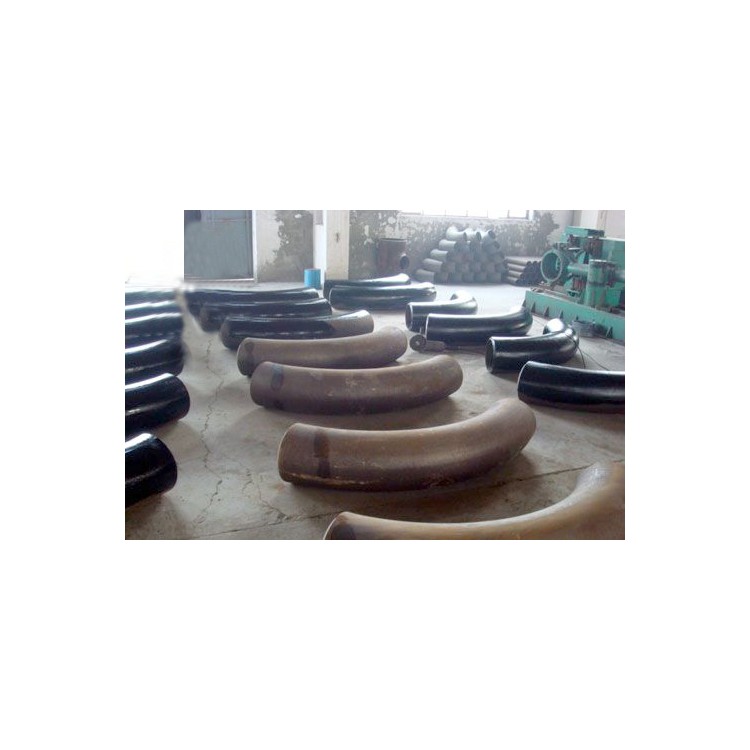

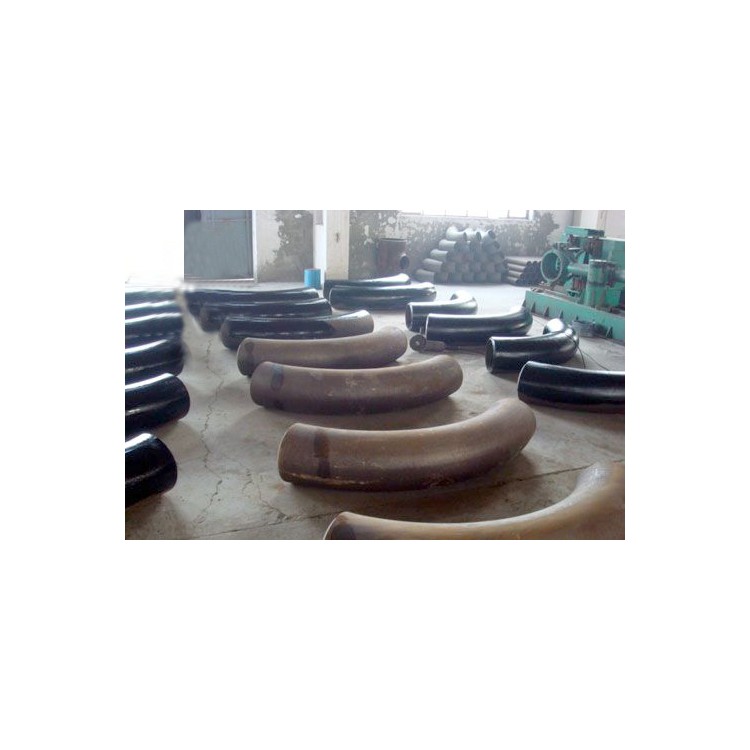
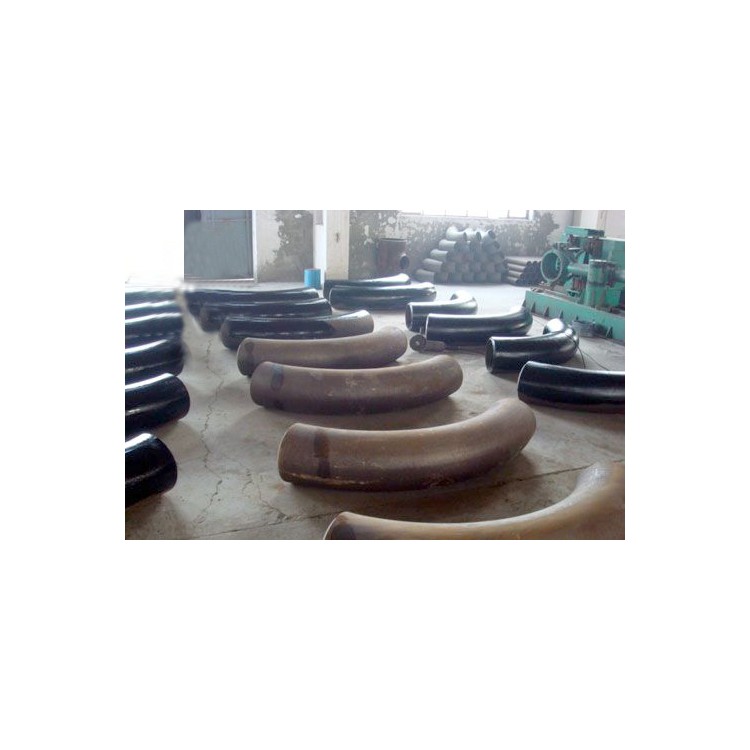
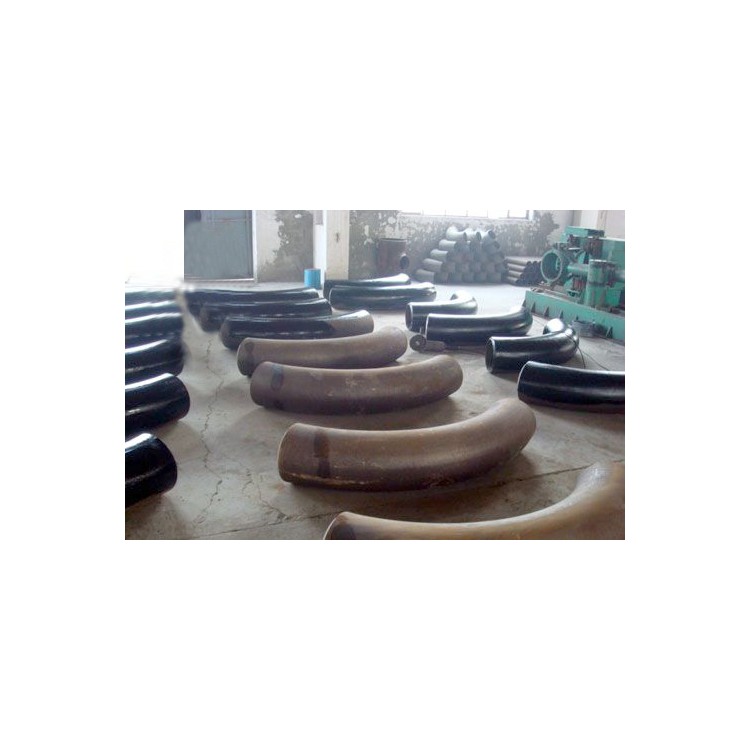








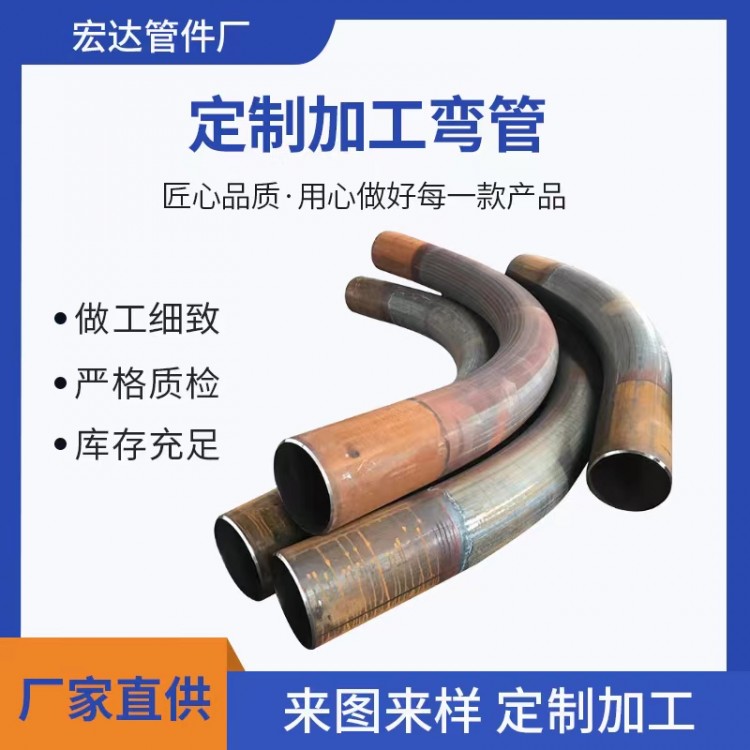
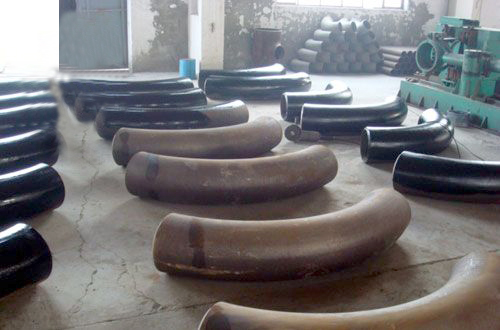
High-pressure elbowHigh-tech content in the manufacturing process
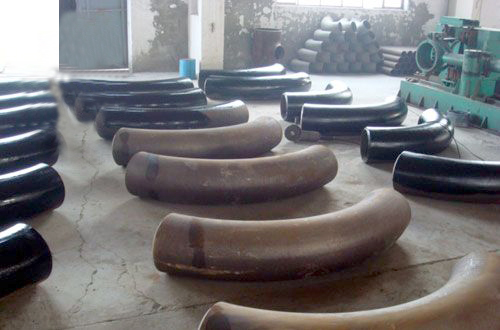
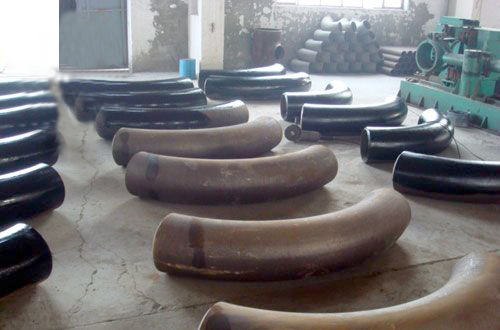
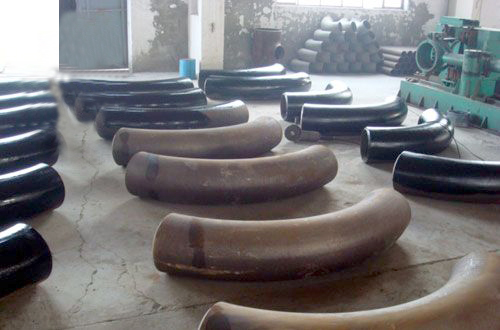
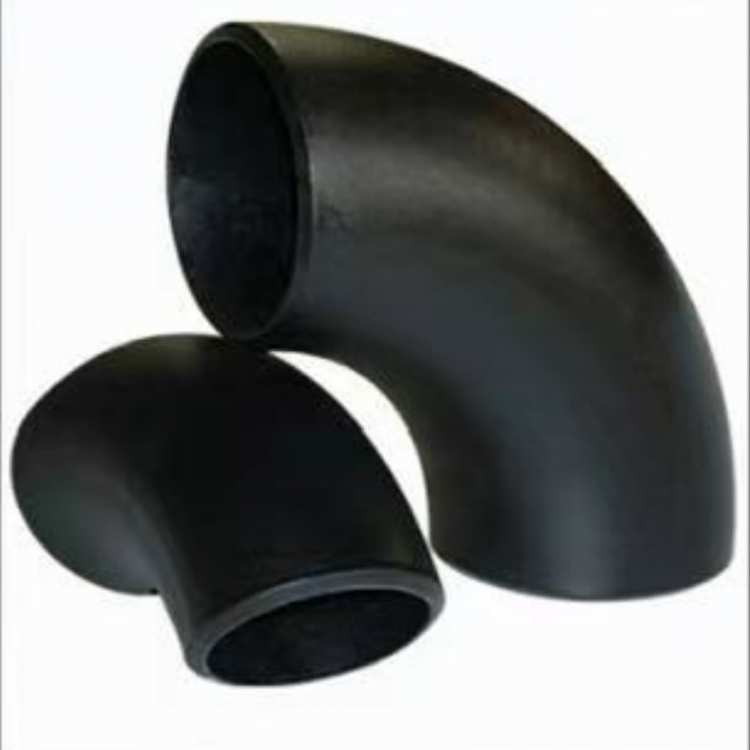
High-pressure elbows hold a significant position in the family of elbows due to the technical complexity and stringent requirements of the sound field process. Although their cost of use is high, high-pressure elbows are highly valued in pipeline engineering for their ability to withstand high pressure. In pipeline construction projects, we observe a wide application of high-pressure elbows, evident in both oil pipeline and fiber optic cable installations. A crucial issue we see with the use of high-pressure elbows is that they are always employed in critical areas with high demands, which underscores the uniqueness of high-pressure elbows.
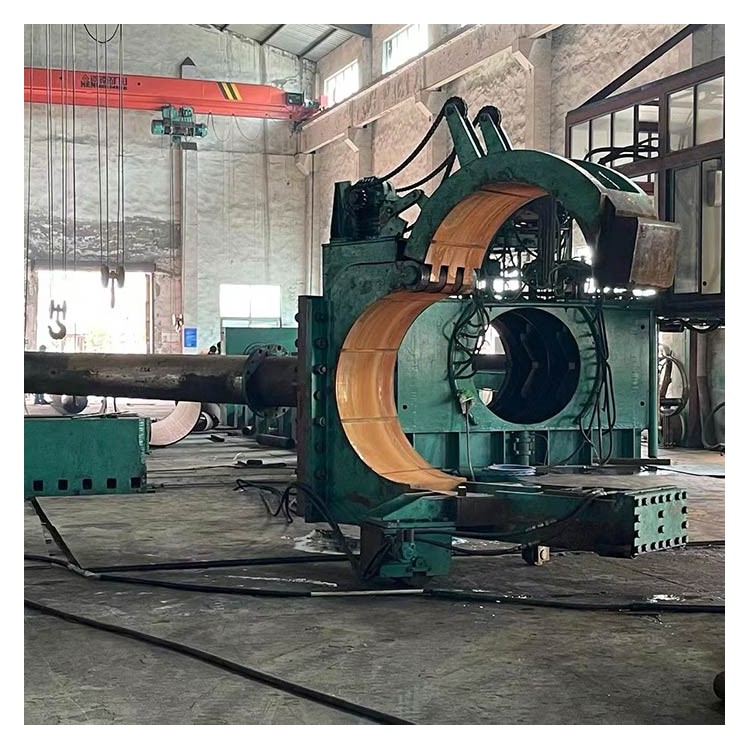
In the use of high-pressure elbows, it's essential to understand their manufacturing process. The primary difference in the manufacturing process between high-pressure elbows and standard elbows is that high-pressure elbows are made from whole billets. The quality of the billet is the first determinant of the process level of these high-pressure elbows. The heating temperature of the billet in the furnace is 1200 degrees Celsius, and controlling the 1200-degree temperature in the fuel is crucial for heating the billet. Afterward, it undergoes piercing through a pressure piercing machine, and the process requirements are stringent. The piercing technology determines the quality of the material in the high-pressure elbows.
High-pressure bent tube billets favored for guqin production must undergo continuous rolling and extrusion processes. Only after extrusion can they be held for sizing, and only after sizing can the billets be pierced and cooled, leading to the formation of high-pressure bent tubes.
In such high-pressure bending tube production, the requirement for craftsmanship is extremely high. After the high-pressure bending tube is formed, it must undergo detection by a detection machine to ensure there are no bubbles, cracks, or other issues in the tube wall. Only then is the high-pressure bending tube considered truly formed. The stringent requirements during this series of processing guarantee the tube's compressive strength.
In our construction of engineering pipeline laying, we find that the pressure-bearing capacity of high-pressure elbows is determined by their solid steel construction. Such high-pressure elbows exhibit strong resistance to tensile stresses, offering us a more reassuring performance during use.
During our installation process, we must pay attention to the welding and pressing of high-pressure elbow pipes. In the welding process, we need to consider the oxidation resistance protection of the high-pressure elbows. While choosing argon as the welding oxidation resistance protection, it is in this protection that we can ensure the integrity of the high-pressure elbow material during the welding process.
The shape of high-pressure elbows determines the difficulty in their manufacturing, with large, symmetrical tees presenting a particularly technical challenge. During the manufacturing process of high-pressure elbows, we see our manufacturers choosing superior billets, maintaining a constant temperature during heating, which ensures a stringent guarantee for the quality of our high-pressure elbows. Under such stringent guarantees, our high-pressure elbows can perform their intended role in pipeline construction projects, effectively ensuring the quality of our factory's pipeline installations.
Selecting high-pressure elbows is necessary; only by truly understanding the manufacturing process and application scope of high-pressure elbows can one better choose their application.