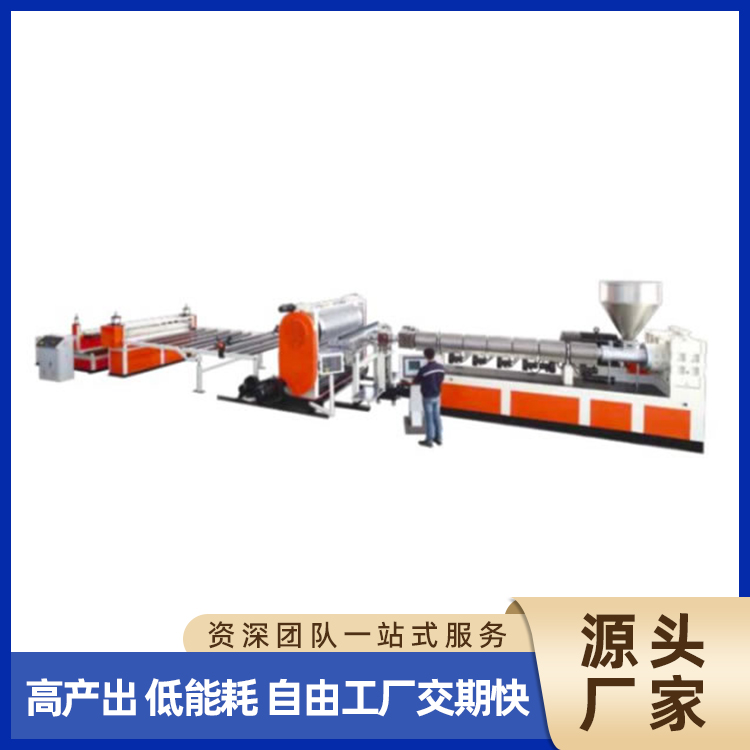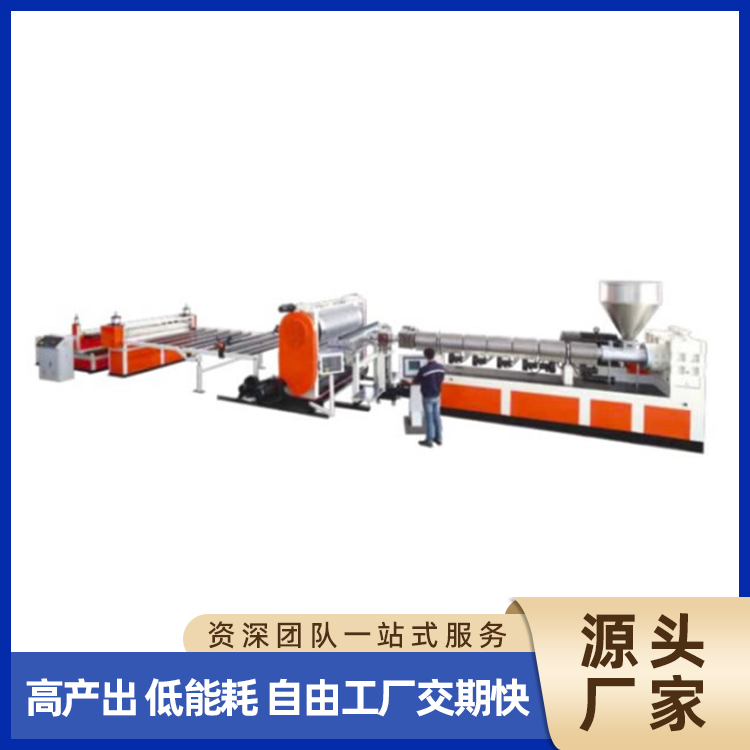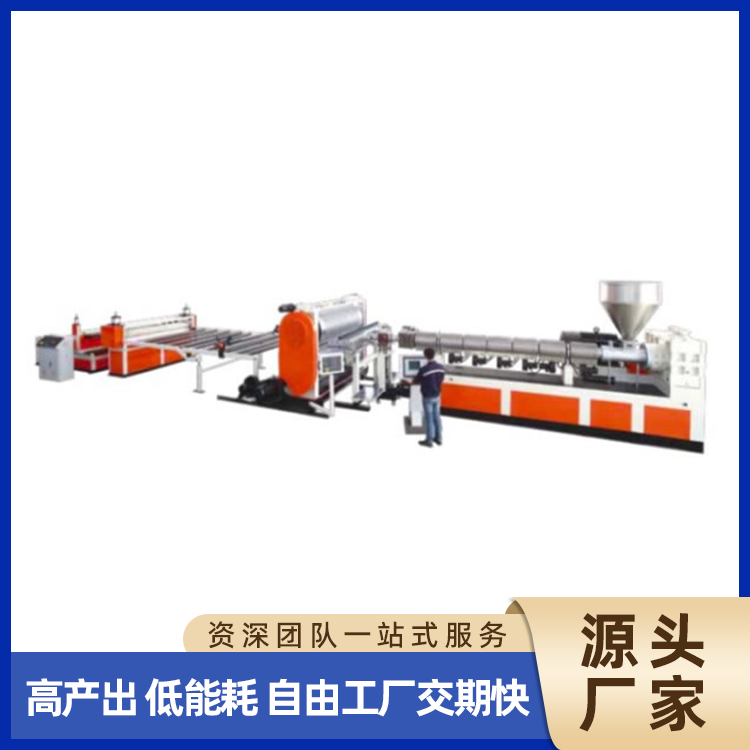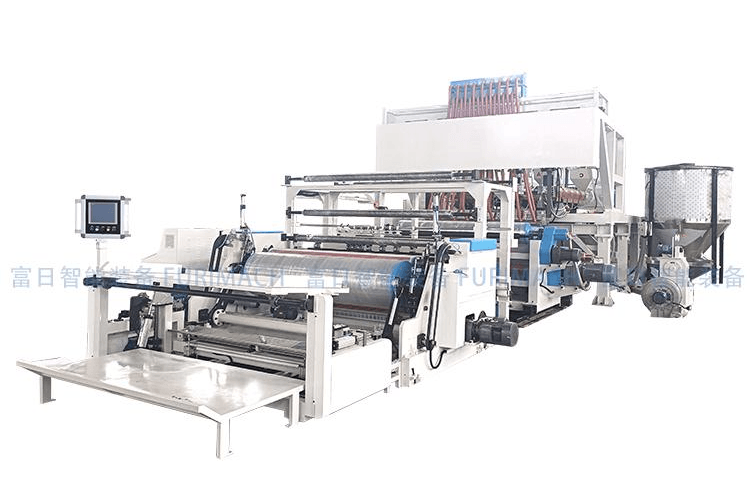














The Drainage Composition: A lightweight panel with a spatial supporting structure made of high-density polyethylene (HDPE) featuring conical raised platforms, which not only serves as a drainage function but also as a water retention function. The panel boasts high spatial rigidity and strong compressive strength.
The advantages of drainage boards: Traditional drainage methods use bricks, tiles, and stones as the filter layer and a large amount of cobblestones or gravel as the water filter layer, directing water to a designated location. In contrast, using drainage boards to replace the cobblestone filter layer for drainage saves time and effort, conserves energy, reduces investment, and lowers the building's load.
Application of Drainage Boards: Primarily used in the roof slab of underground engineering or green roofs. Compared to conventional methods, the composite of drainage boards and geotextiles integrates multiple functions such as drainage, waterproofing, breathability, moisture retention, and root barrier.