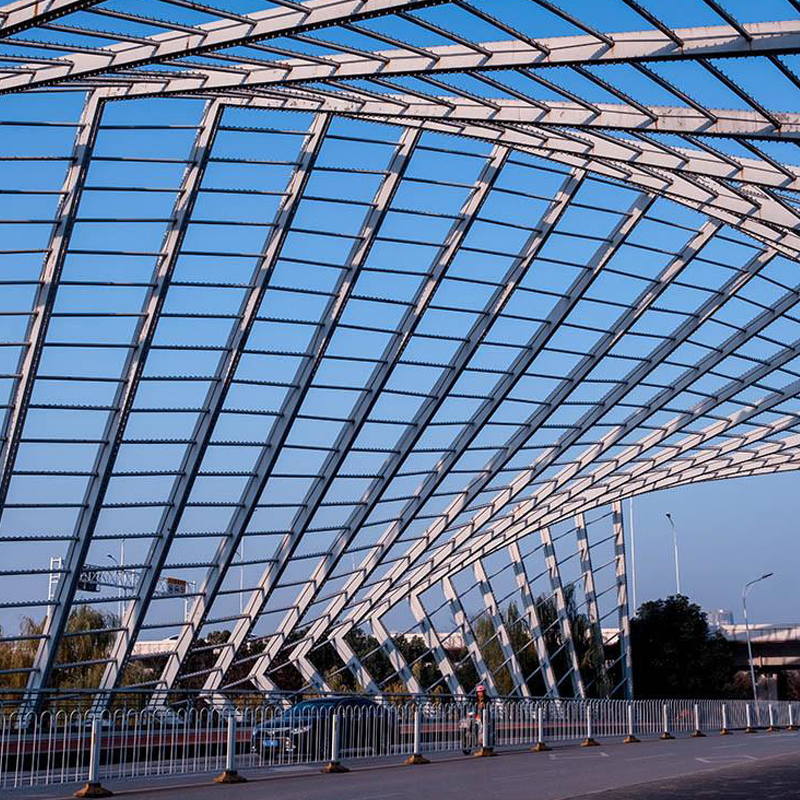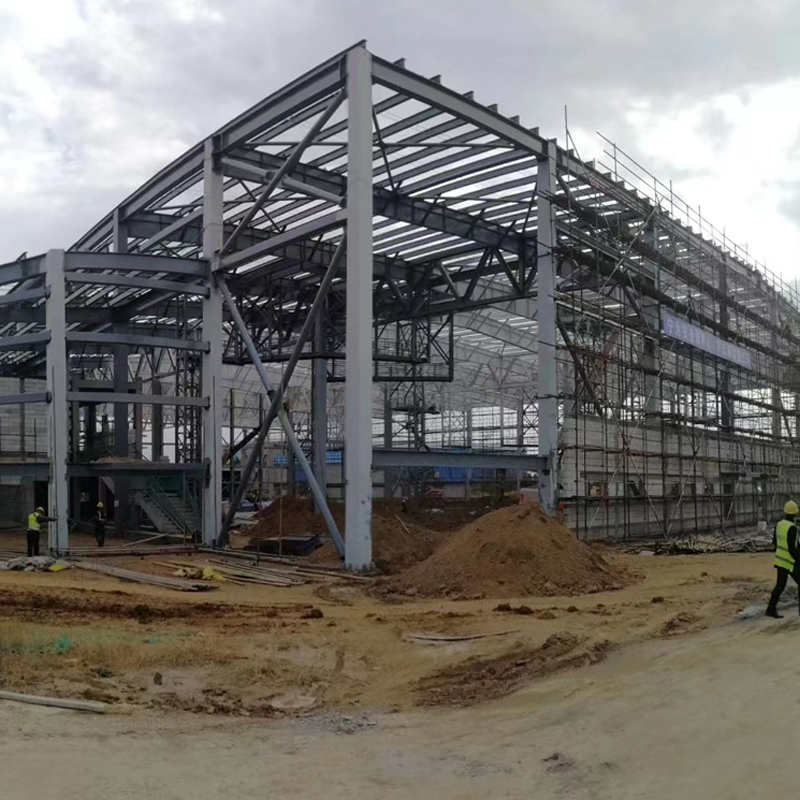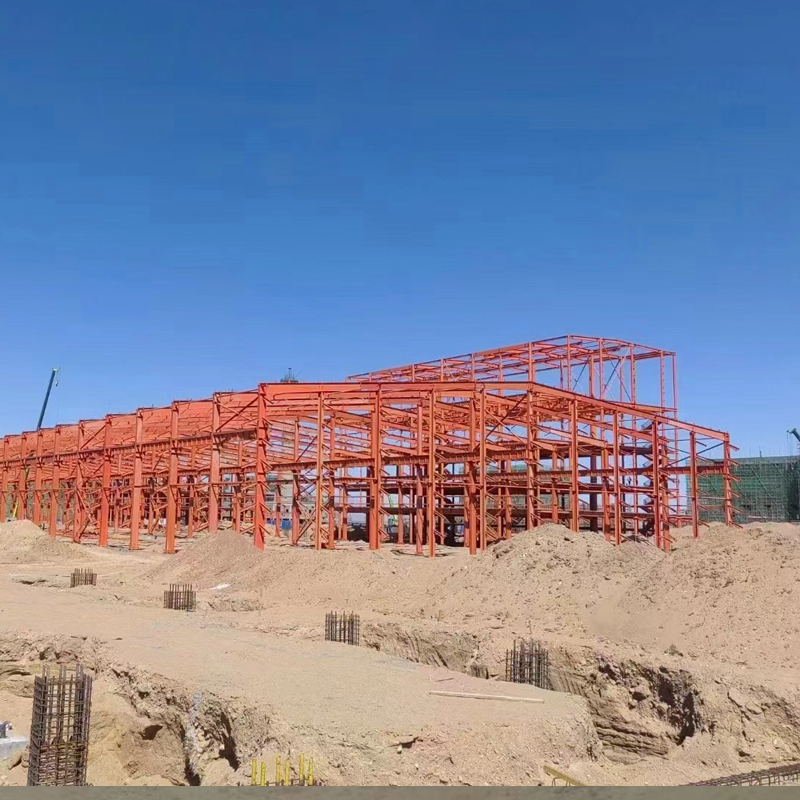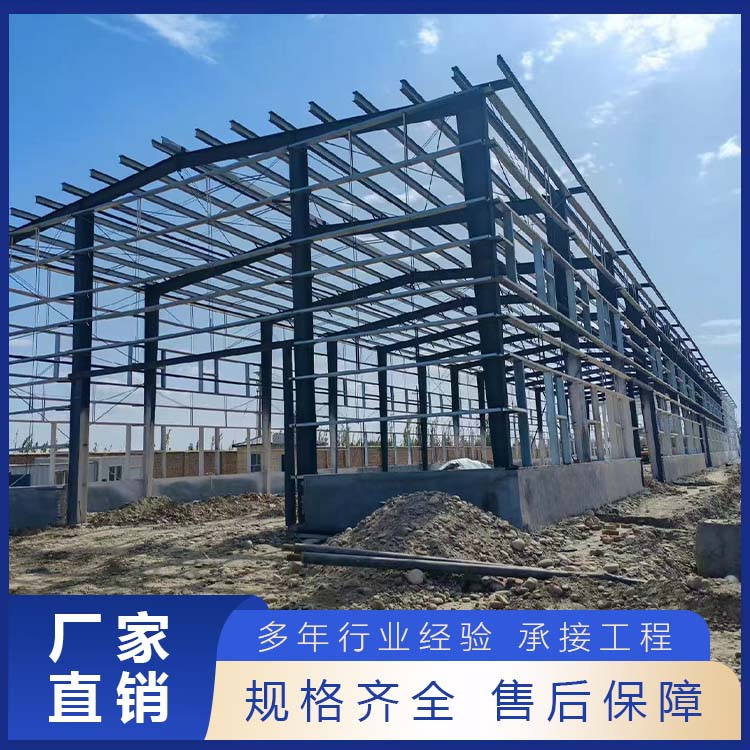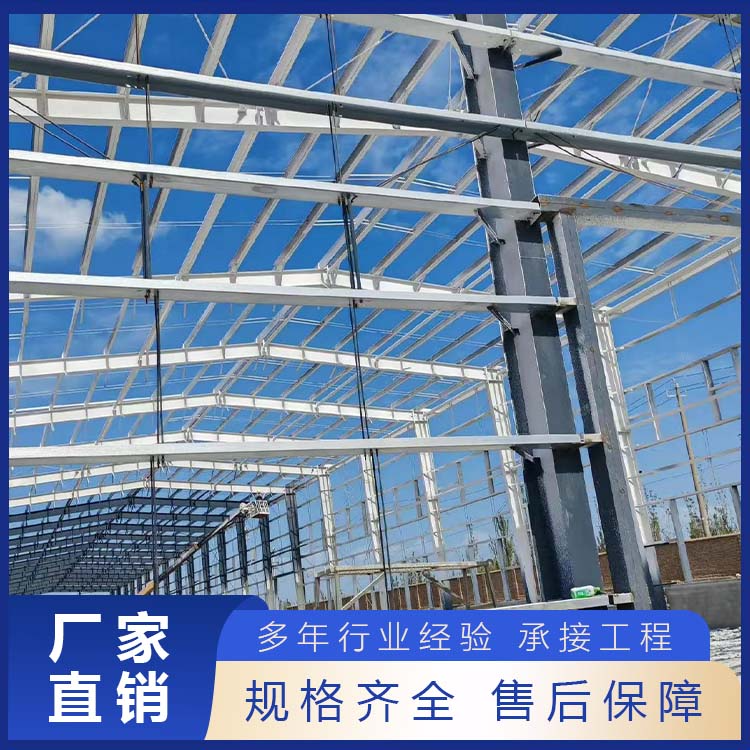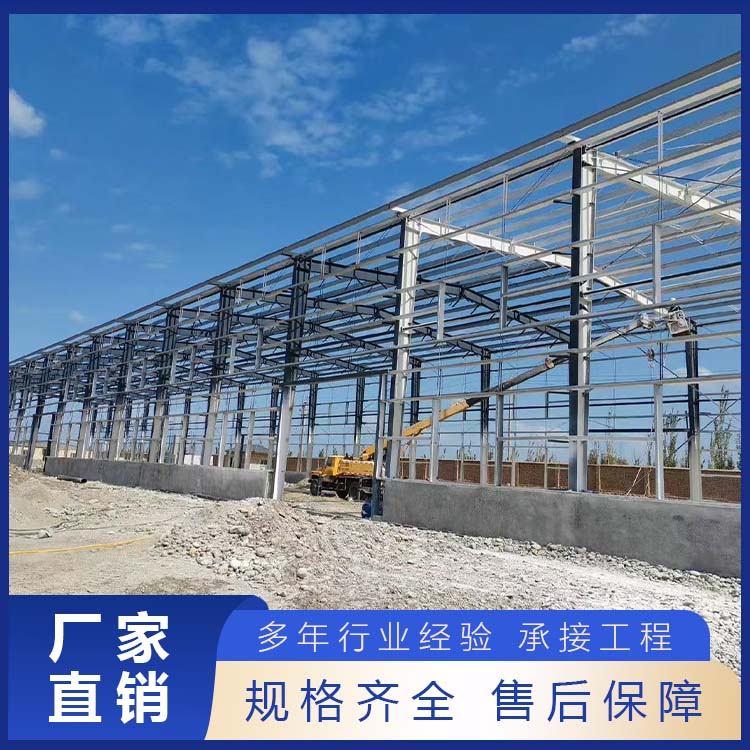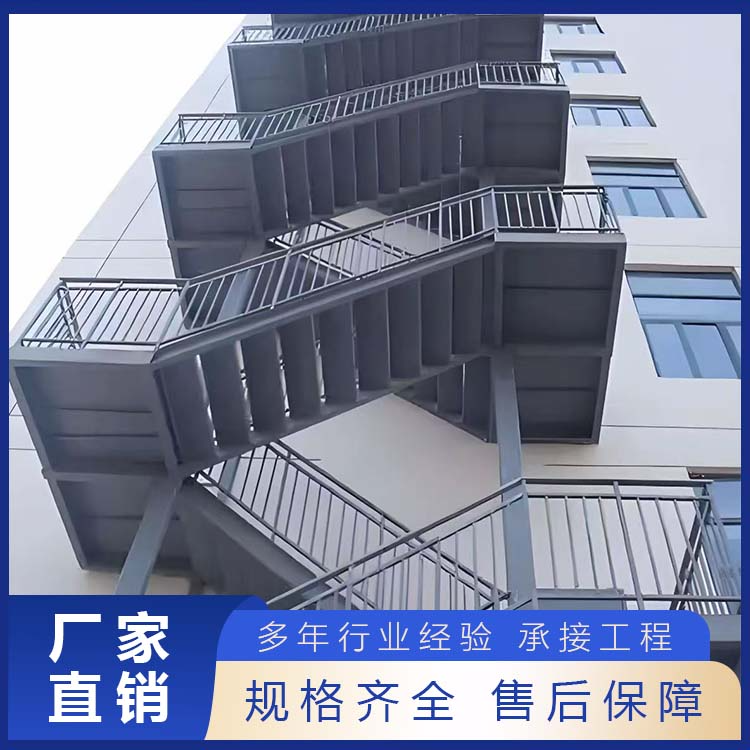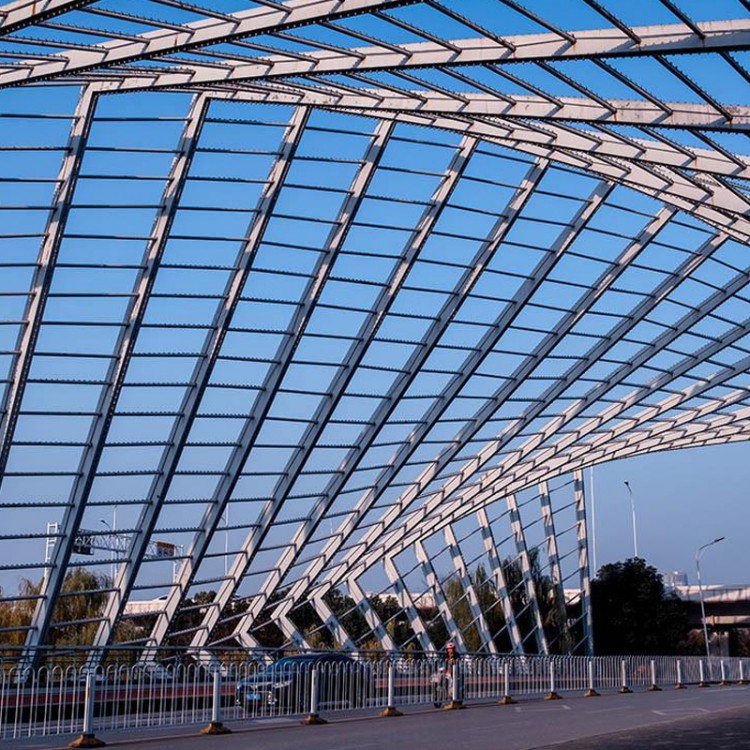

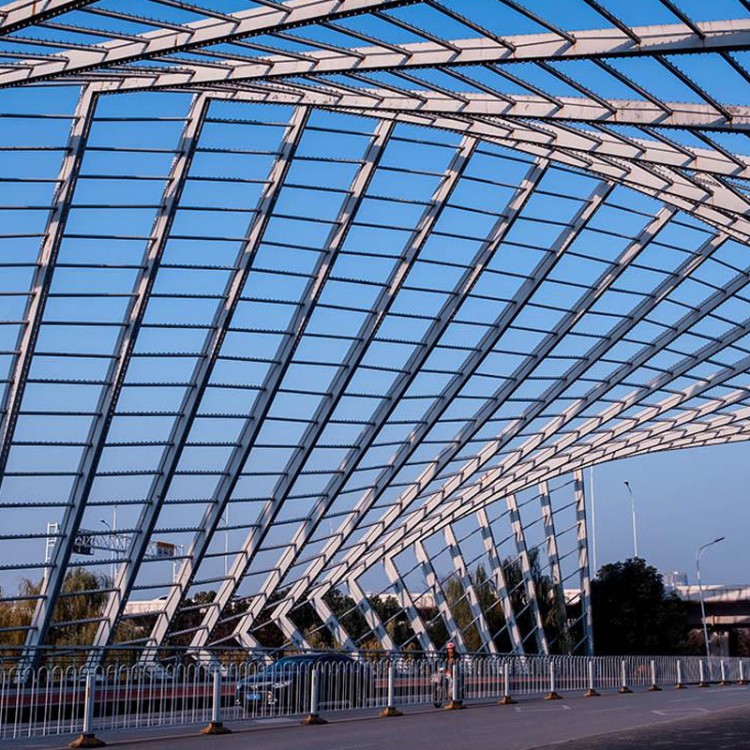
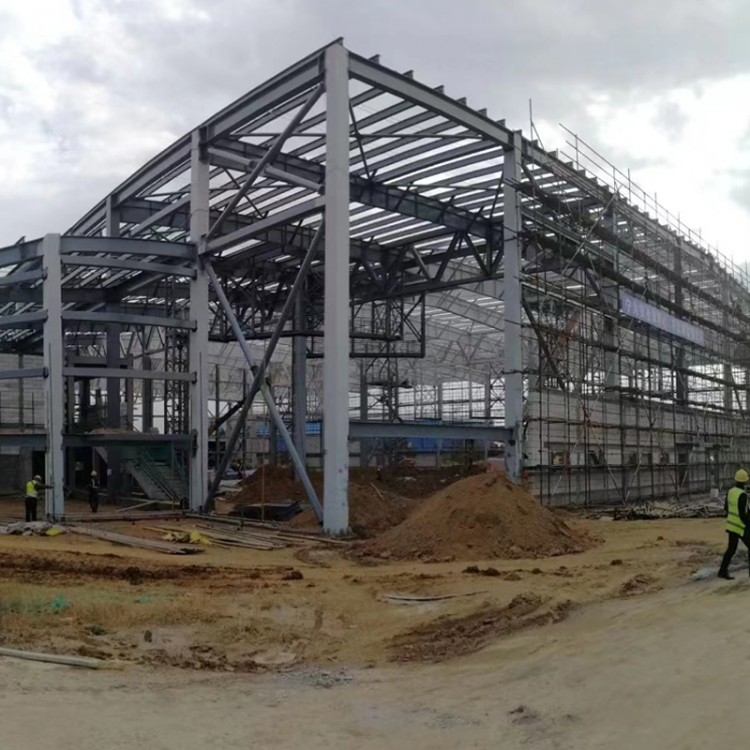
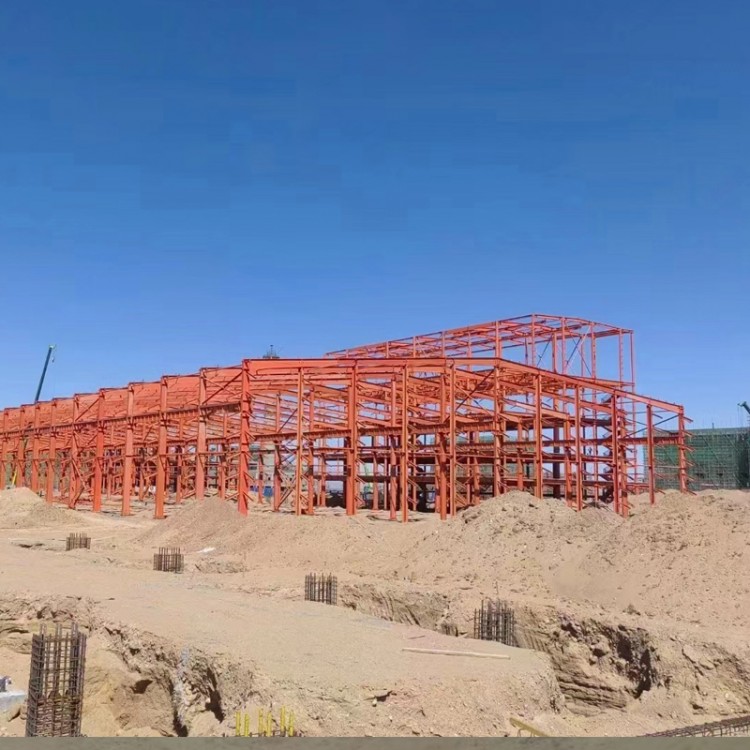


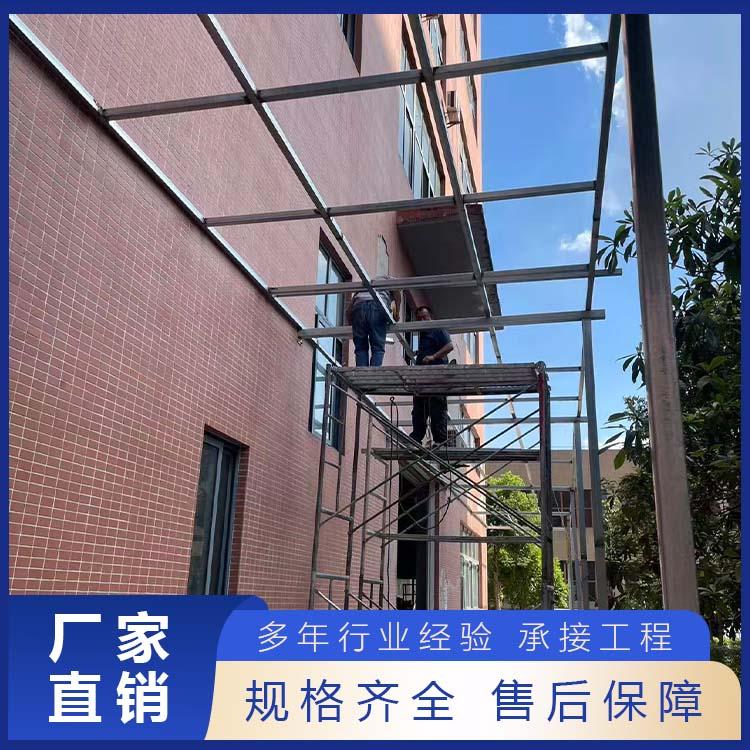
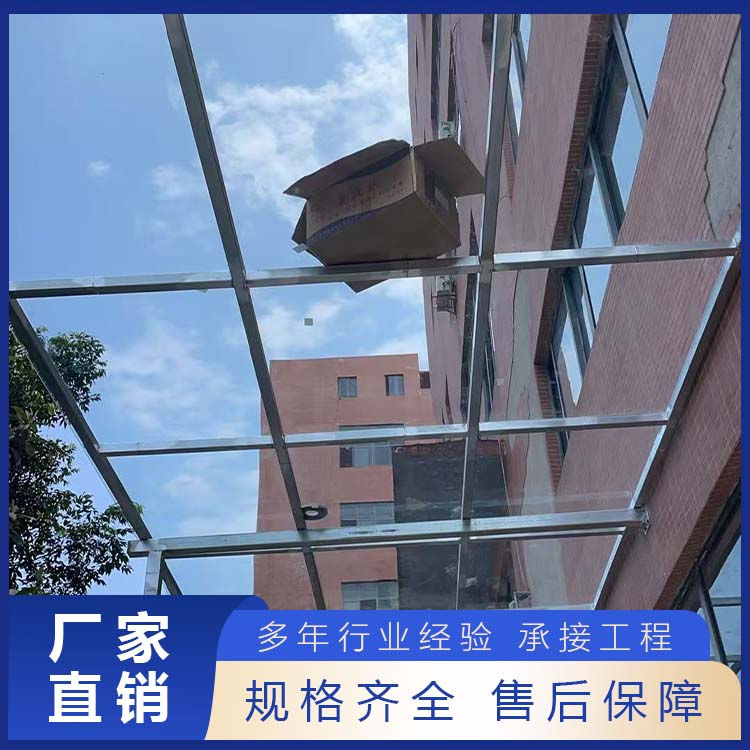
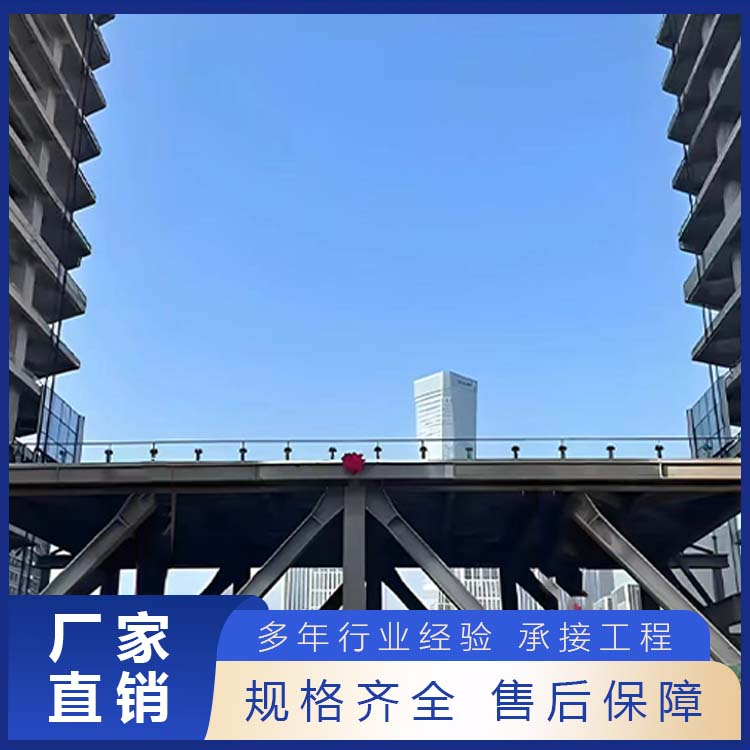
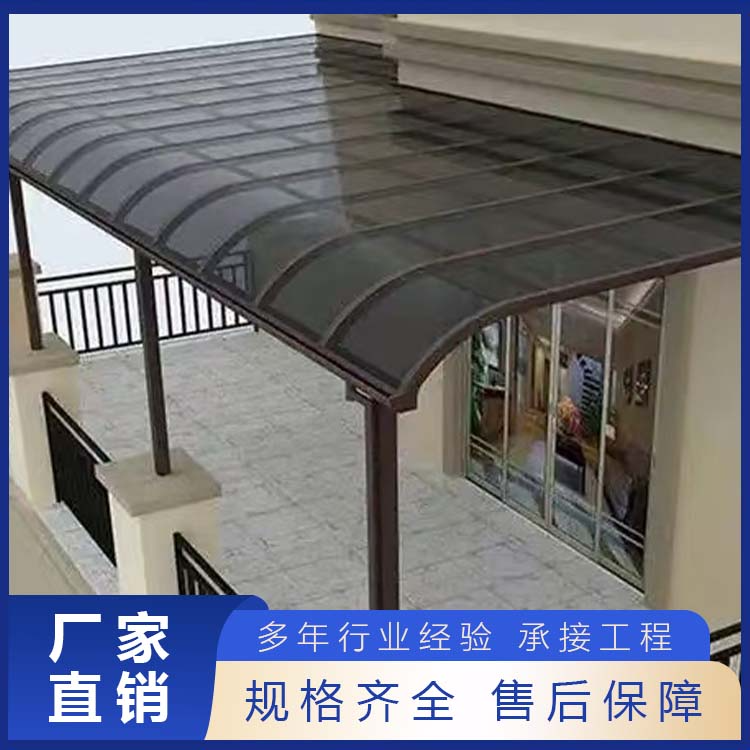
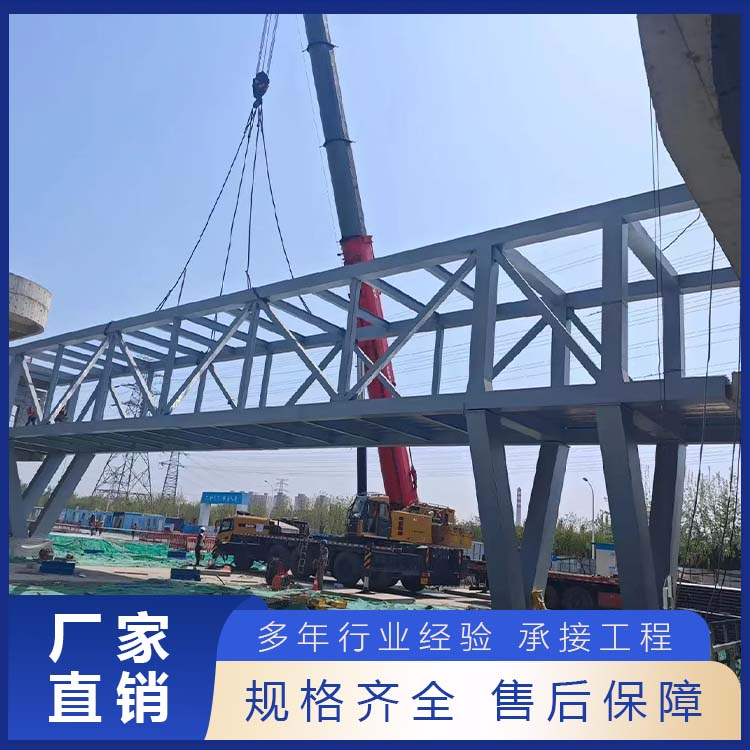





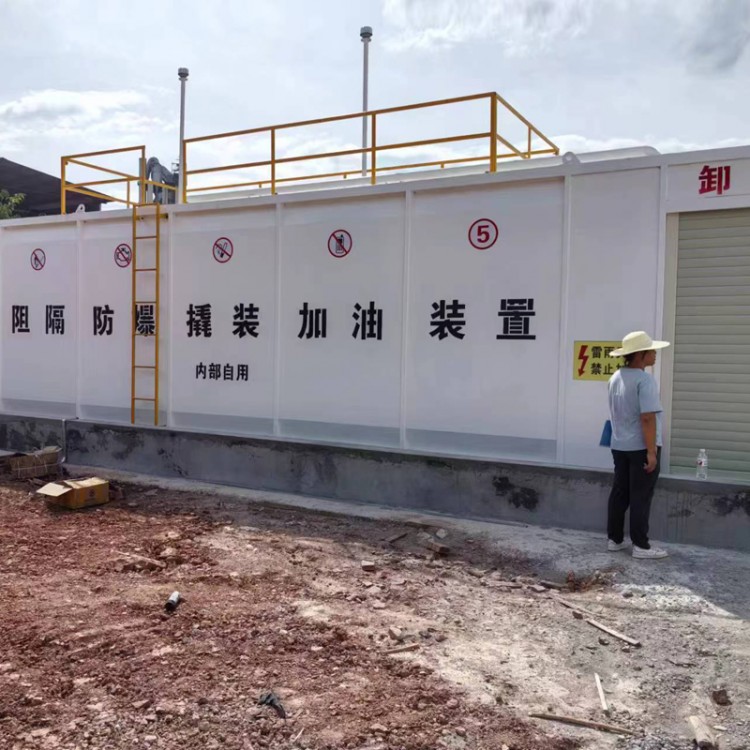
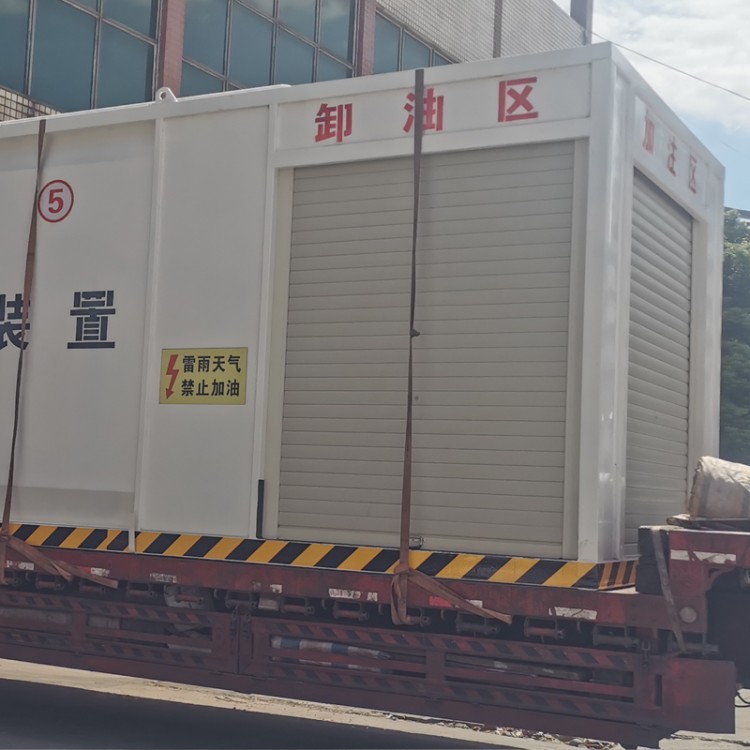
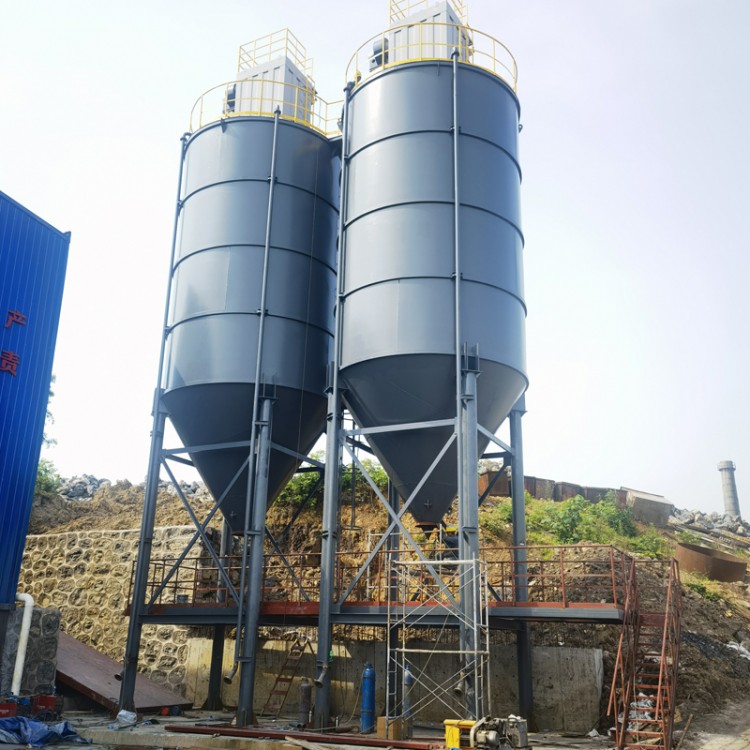
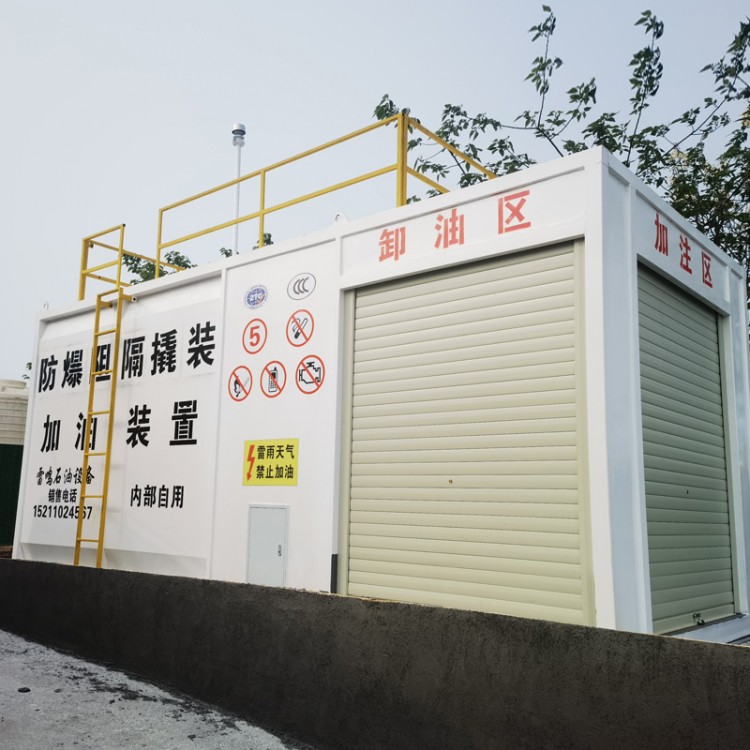
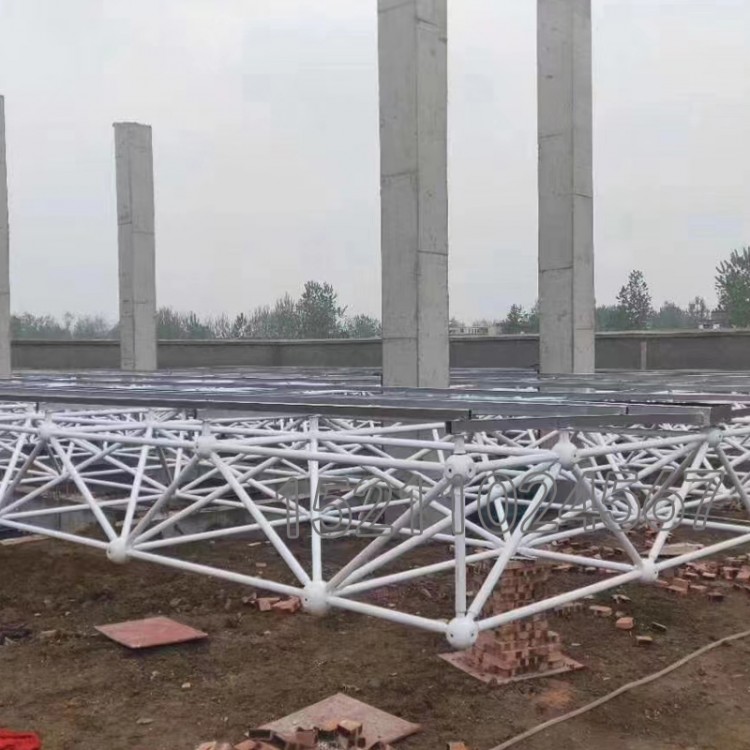
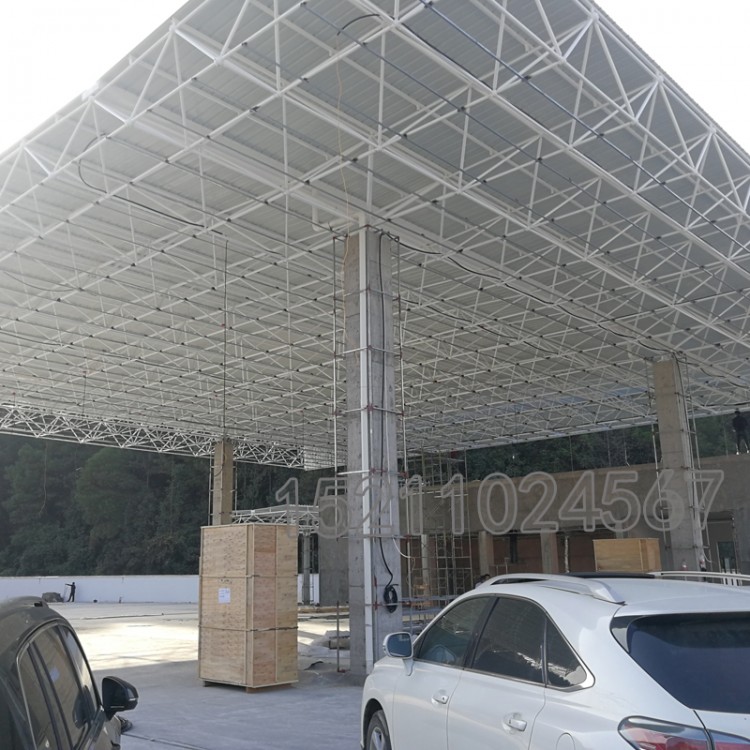
Introduction to Steel Structures: Steel structures are composed of steel materials and are one of the primary types of building structures. They are mainly made up of steel beams, columns, trusses, and other components, which are fabricated from sections and plates, and are treated with processes such as silane coating, pure manganese phosphate conversion, water washing and drying, and galvanizing for rust prevention. Components or parts are typically connected using welds, bolts, or rivets. Due to their light weight and ease of construction, steel structures are widely used in large factories, stadiums, and ultra-high-rise buildings. Steel structures are prone to rust, so they generally require rust removal, galvanizing, or painting, and regular maintenance is necessary.
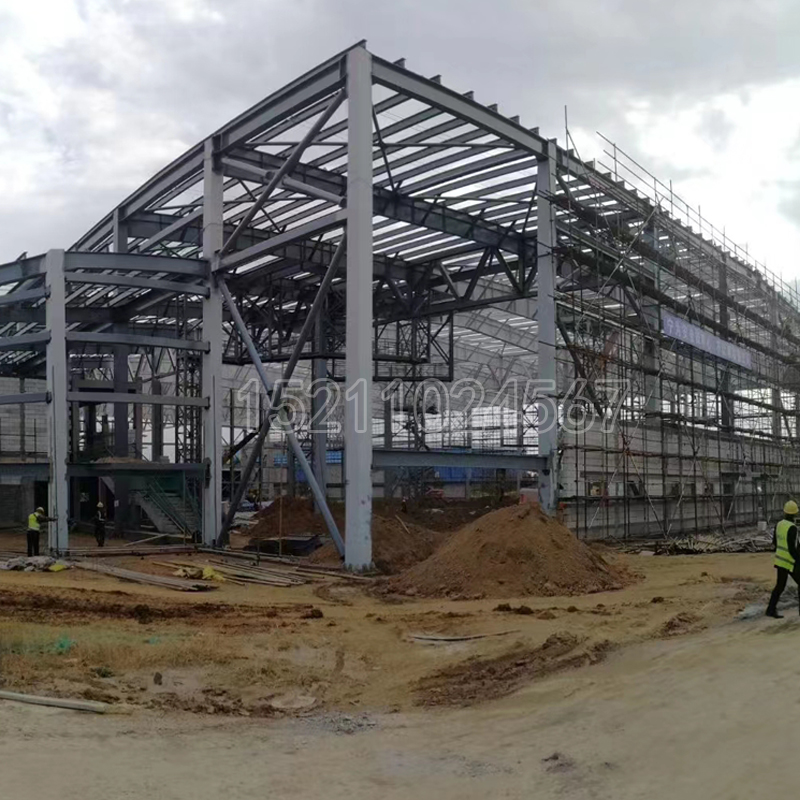
Features of Steel Structure:
High material strength, light in weight
High strength and elastic modulus. Compared to concrete and wood, its density-to-yield strength ratio is relatively low, resulting in smaller cross-sections for steel structural components under the same load conditions. This makes them lightweight, easy to transport and install, and suitable for structures with large spans, high heights, and heavy loads.
2. Steel with high toughness, excellent ductility, uniform material, and high structural reliability
Suitable for withstanding impact and dynamic loads, it has excellent seismic performance. The internal microstructure of the steel is uniform, nearly isotropic and homogeneous. The actual working performance of the steel structure is relatively consistent with the calculation theory. Therefore, the reliability of steel structures is high.
3. High degree of mechanization in steel structure manufacturing and installation
Steel structural components are easy to manufacture in factories and assemble on-site. Factory mechanized production of steel structural components ensures high precision, high production efficiency, rapid assembly on-site, and a shorter construction period. Steel structures are a type of highly industrialized construction.
4. Good sealing performance of steel structure
Due to the ability to achieve complete sealing, welding structures can be made into high-pressure vessels with excellent gas and water tightness, large oil tanks, pressure pipelines, and more.
5. Structural steel is heat-resistant but not fire-resistant.
At temperatures below 150°C, the properties of steel change minimally. Therefore, steel structures are suitable for hot workshops, but insulation boards should be used to protect the surface when exposed to heat radiation around 150°C. At temperatures between 300°C and 400°C, both the strength and elastic modulus of steel significantly decrease. Around 600°C, the strength of steel approaches zero. In buildings with special fire protection requirements, steel structures must be protected with refractory materials to enhance their fire resistance rating.
6. Poor corrosion resistance of steel structure
Especially in environments with moisture and corrosive mediums, rusting is prone. General steel structures require rust removal, galvanizing, or painting, and regular maintenance is necessary. For offshore platform structures in seawater, special measures such as "zinc block anodic protection" are required to prevent corrosion.
7. Low-carbon, energy-saving, and environmentally friendly, the dismantling of reusable steel structure buildings produces almost no construction waste, and the steel can be recycled and reused.