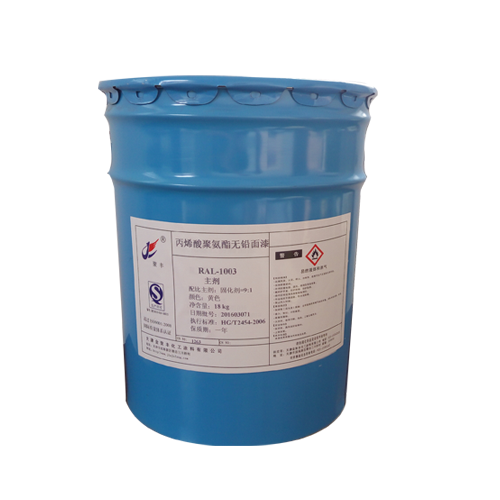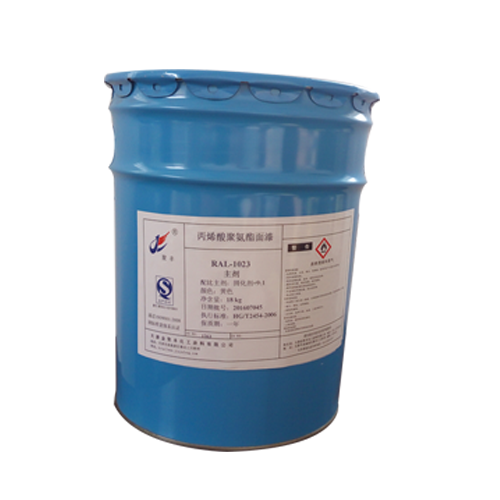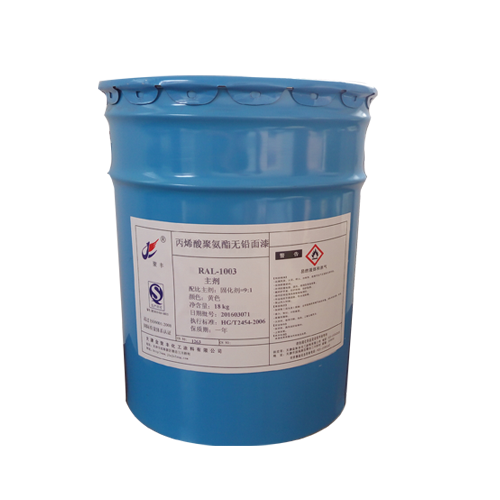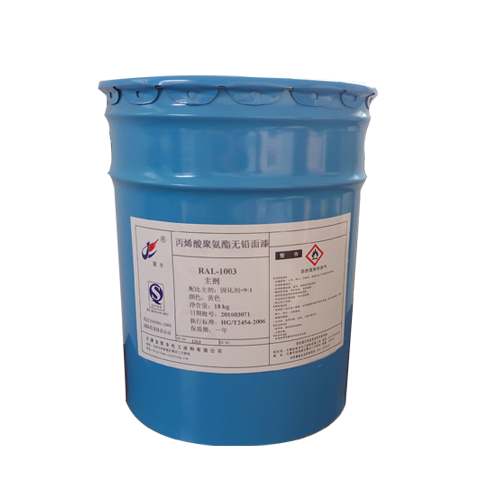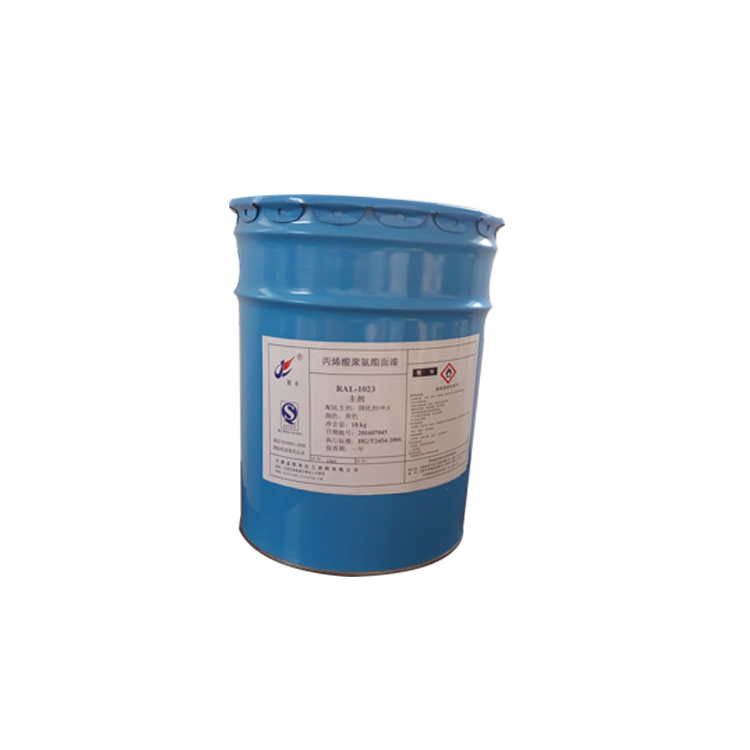

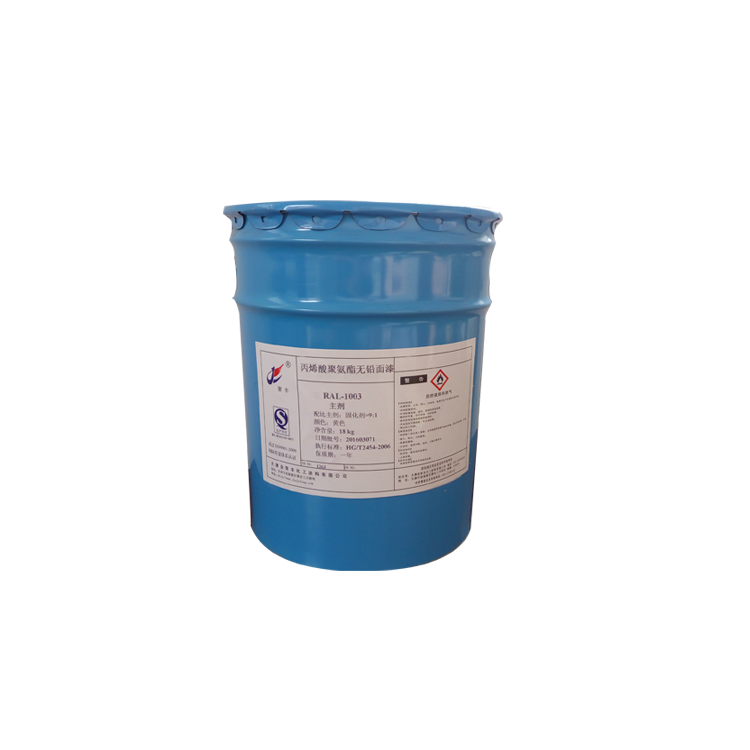







Polyurethane anti-corrosion coatings offer advantages such as good adaptability and comprehensive performance. Compared to other resins, they are easier to achieve a wider range of physical and mechanical properties through molecular structure design. At the same time, they maintain a certain balance between chemical resistance and adhesion, wear resistance and penetration resistance, and hardness and elasticity. This allows them to adapt to complex and changing working conditions. This is because the isocyanate bonds are highly polar and chemically inert, while the isocyanate groups are highly active, enabling adjustments as needed. Polyurethane (PU) is valued for its long-lasting effectiveness in many aspects and, along with epoxy resins and chlorinated rubber, has become an important and efficient duty coating.