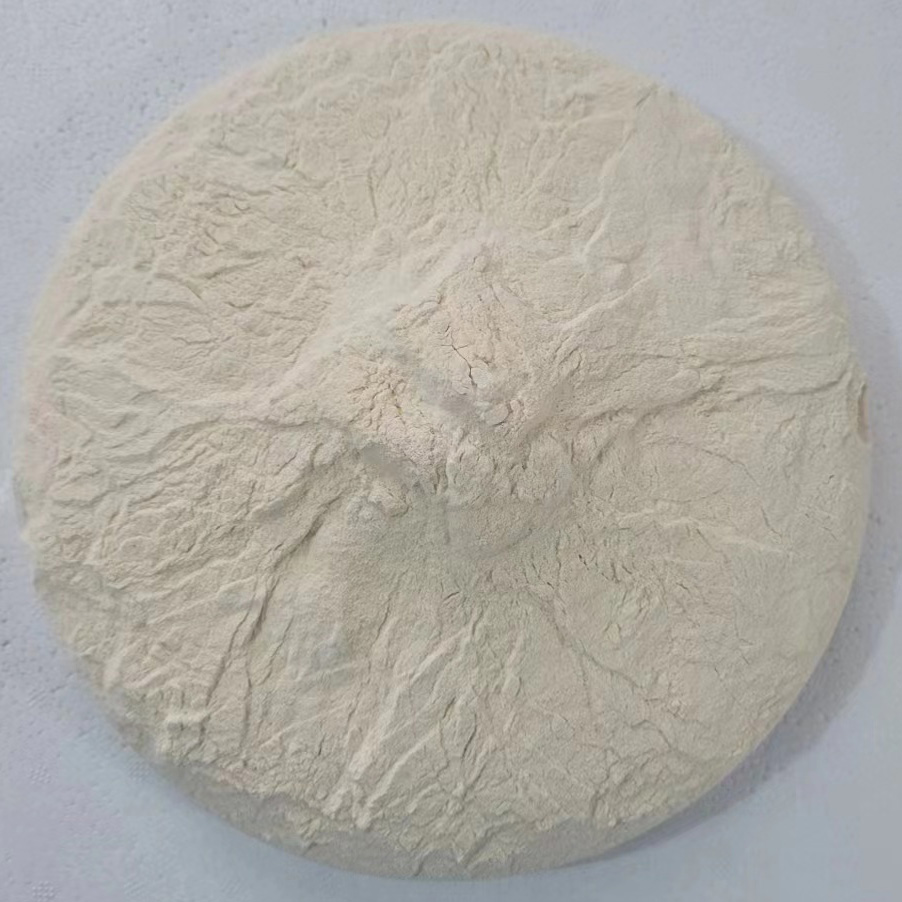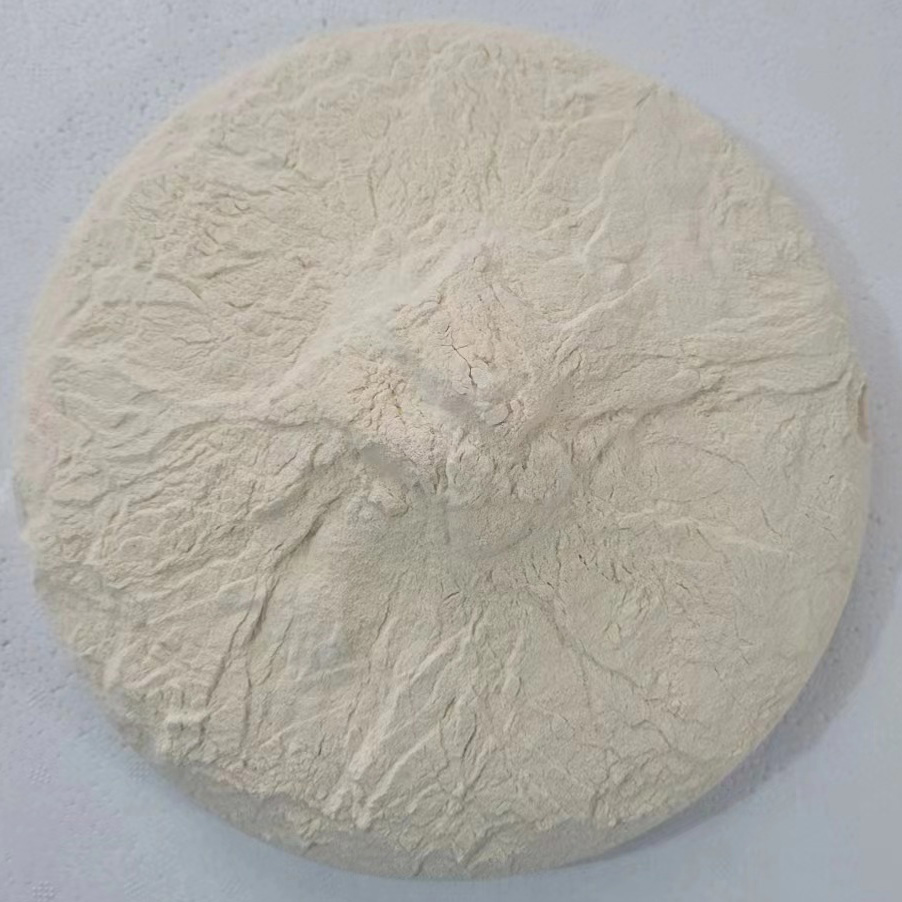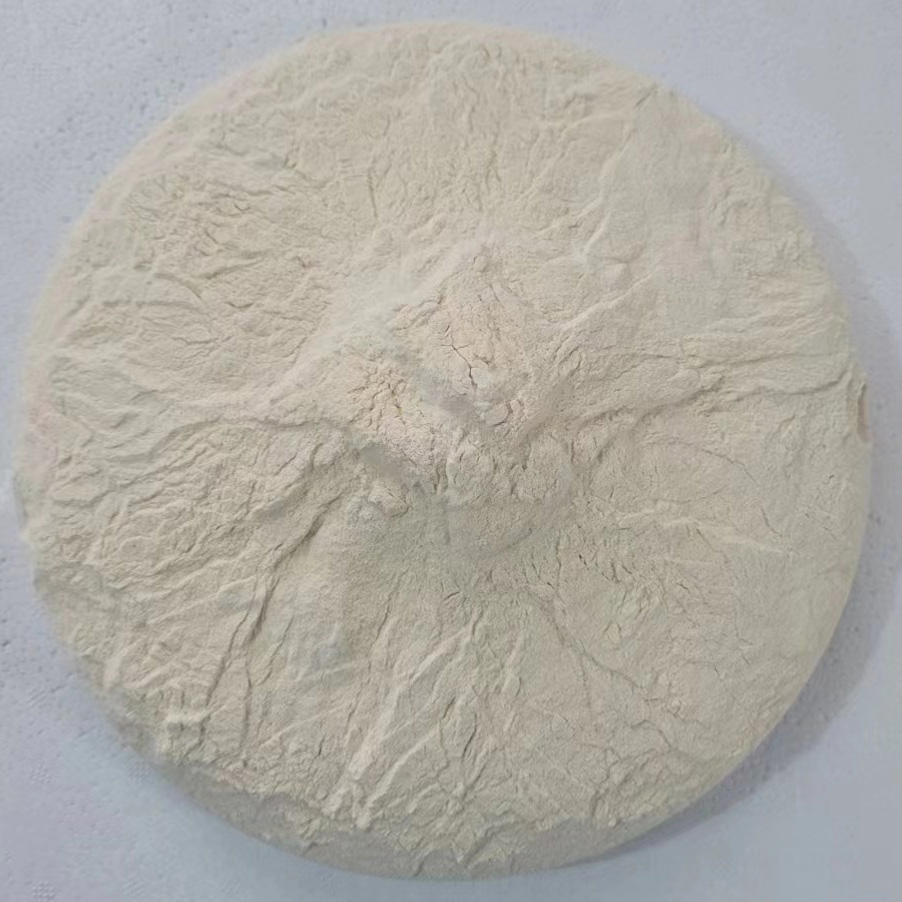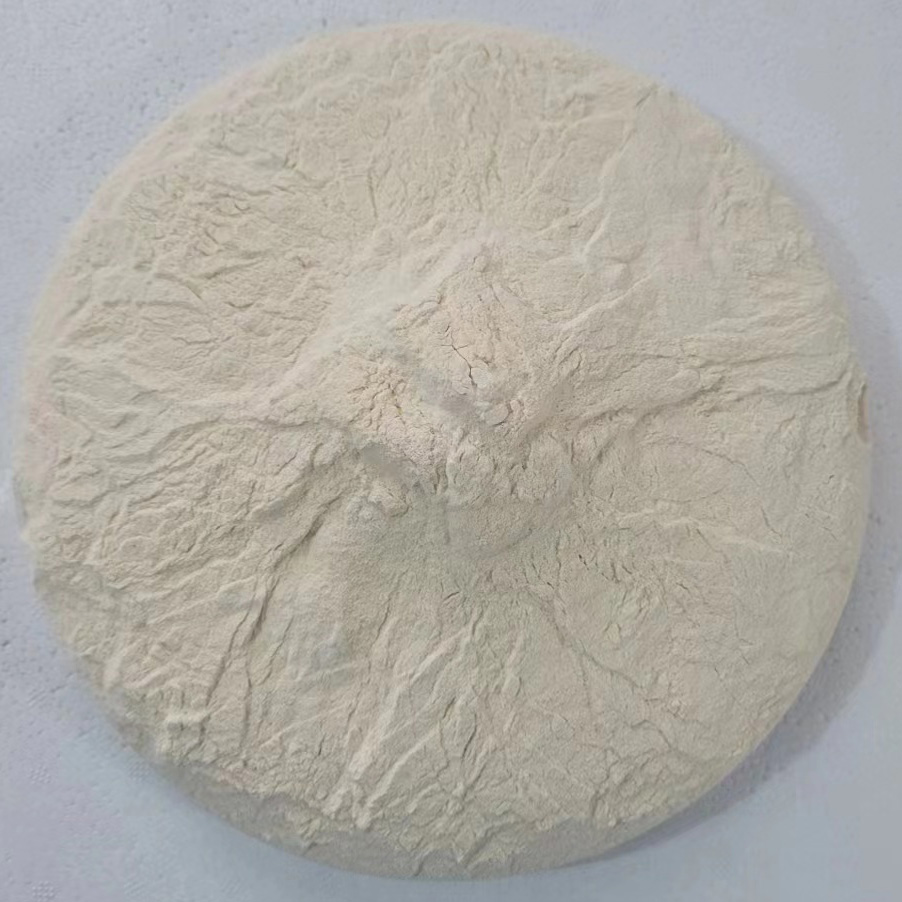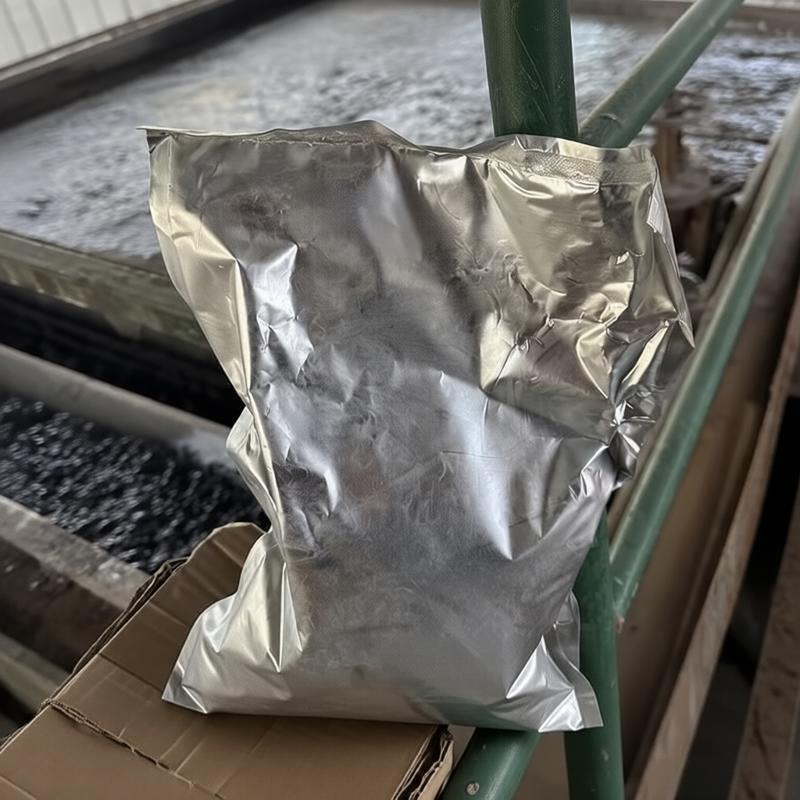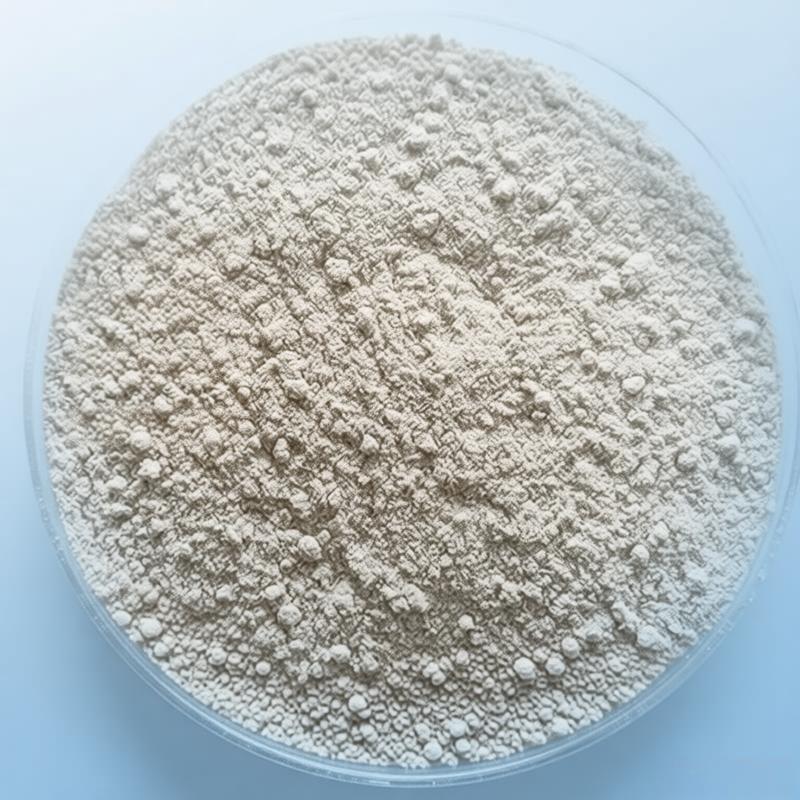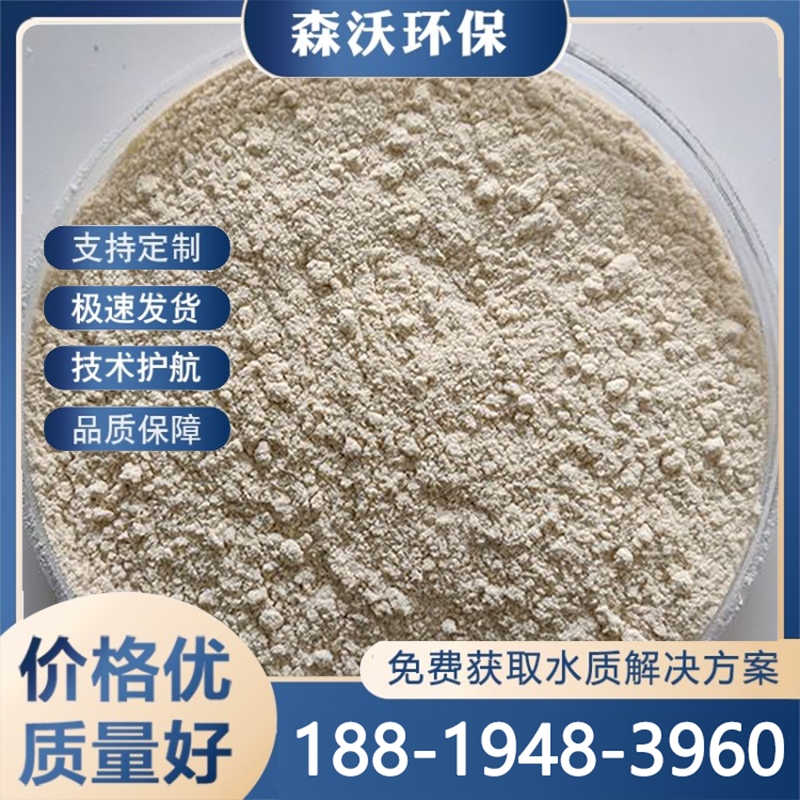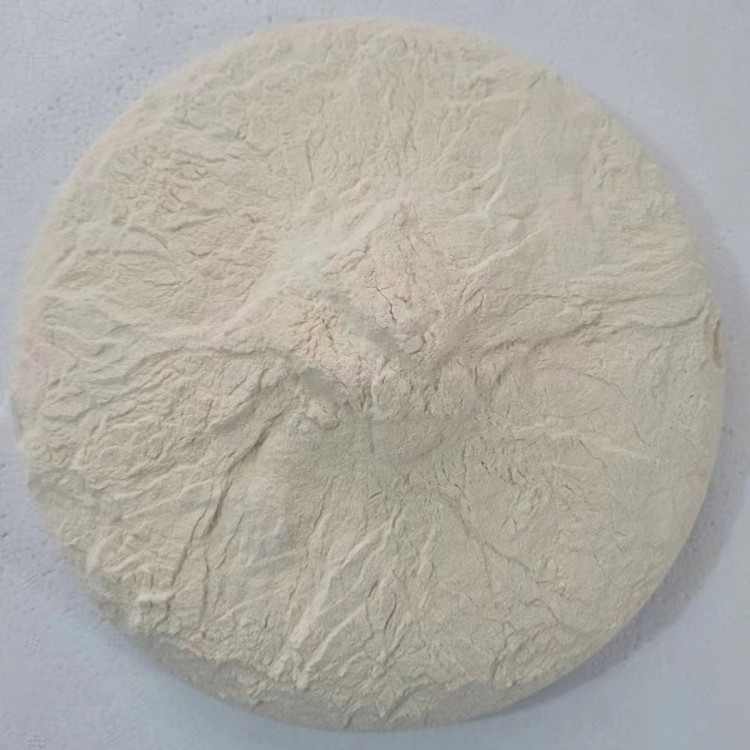


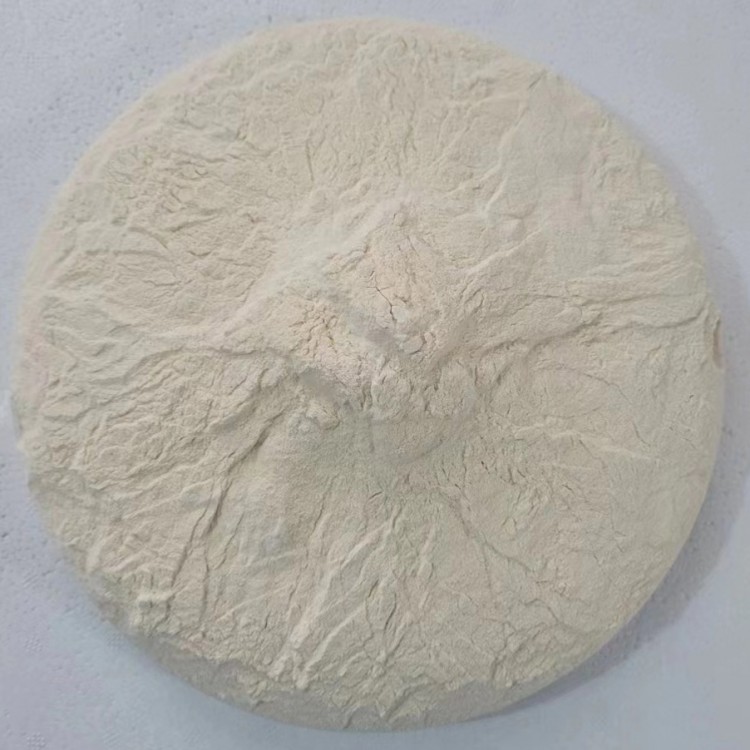







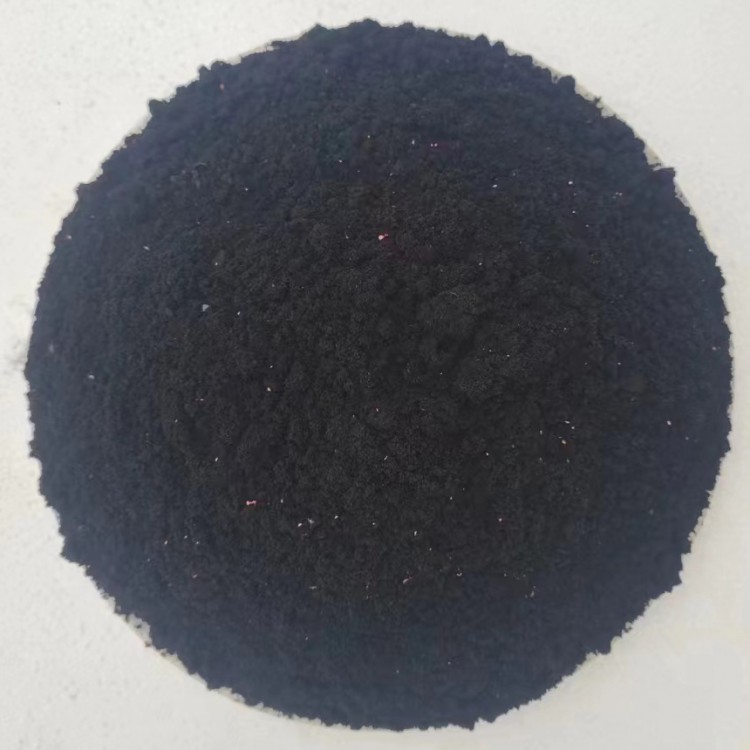
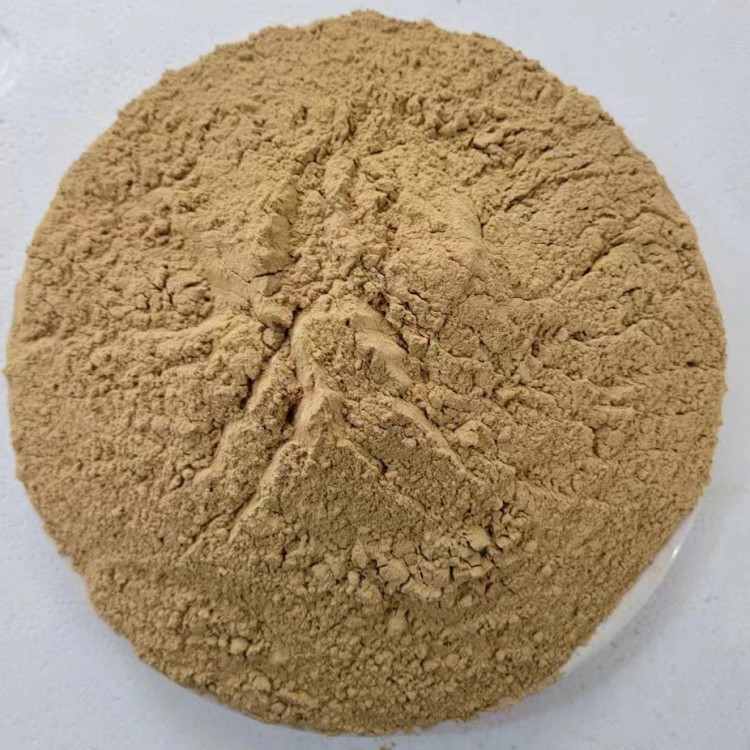

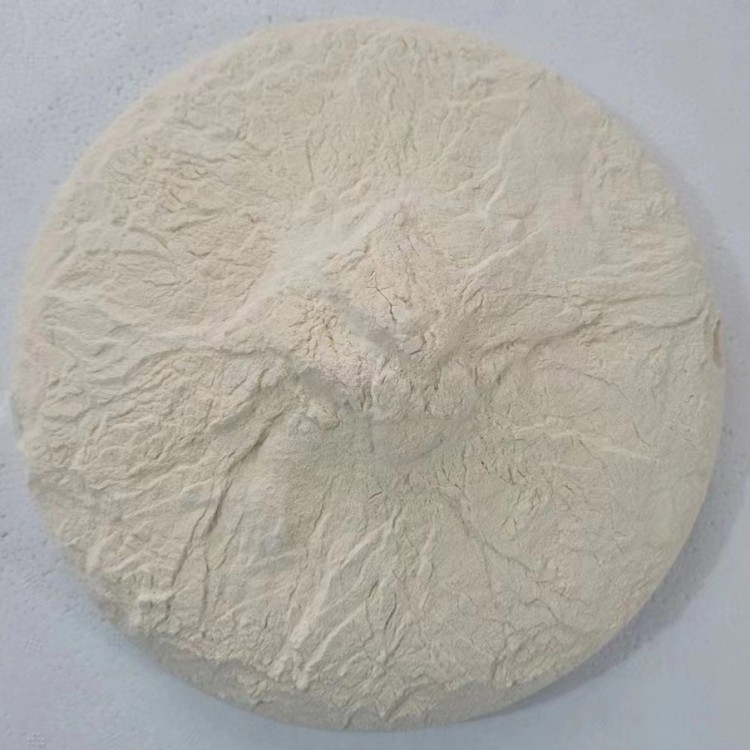
1. Our special self-hardening, self-drying coal binder allows processed briquettes to achieve high strength without drying, saving on labor and electricity costs. It is non-toxic, odorless, pollution-free, and an environmentally friendly product with good thermal stability, tested at TS+6, around 91%, with high-temperature resistance. When burned in a temperature-regulated smelting furnace, it exhibits characteristics of no cracking, no shedding, and no scaling.
2. High fixed carbon content; the shaped coke produced with this product addresses the previous drawback of using inorganic minerals as admixtures, which reduced the fixed carbon. The fixed carbon of the shaped coke is within ≤2% difference from the original coke powder, thus retaining the quality standards of the original coke powder and making the quality of the shaped coke closer to that of coke.
3. Metallurgy, Casting,Ceramic self-hardening and self-drying coal binder is widely used in civil, chemical, and calcium carbide industries. Additionally, there is no significant change in the main indicators such as the content of phosphorus, ash, volatile matter, fixed carbon, and moisture in the production of coking and raw coking powder in the metallurgical ironmaking industry.
4. Meets strength requirements: Cold compressive strength above 100kg per ball and hot compressive strength above 70kg can completely replace coke. During combustion, the binder is equipped with new high-temperature curing materials and active ingredients that facilitate stable combustion. It includes high-performance high molecular substances such as high-temperature resistant curing materials, thermal stabilizers, catalysts, thermal gelling agents, etc. Therefore, the shaped coking coal produced has excellent performance under high temperatures, suitable for metallurgical and other industries' physical and chemical indicators.
5. The briquettes produced with our company's self-hardening and self-drying coal binder exhibit excellent properties suitable for gasification furnace physical and chemical indicators at around 1300°C. They maintain a minimal temperature difference between the furnace top and bottom, stabilizing the fixed carbon content and reducing losses. The relative consumption value of coal dust to lump coal is 1.05:1. Due to the coal briquettes having 3-5 times the porosity of lump coal, and with the promotional effect of the binder, the combustion characteristics of the briquettes undergo a critical active change. During combustion, they shed layers and have a honeycomb-like surface, which is a feature that the commonly used "carbonized coal briquettes" and "clay coal briquettes" are unable to achieve.
6. The coal briquettes produced with self-hardening and self-drying coal binder have a minimal impact on the quality of the gas produced. As the fixed carbon difference between the briquettes and the original coal fines is only about 2%, the coal consumption during the gasification process shows a numerical gap of only 1:1.05. Therefore, the quality of the semi-dry gas produced meets the physical and chemical specifications required for the synthesis of ammonia.