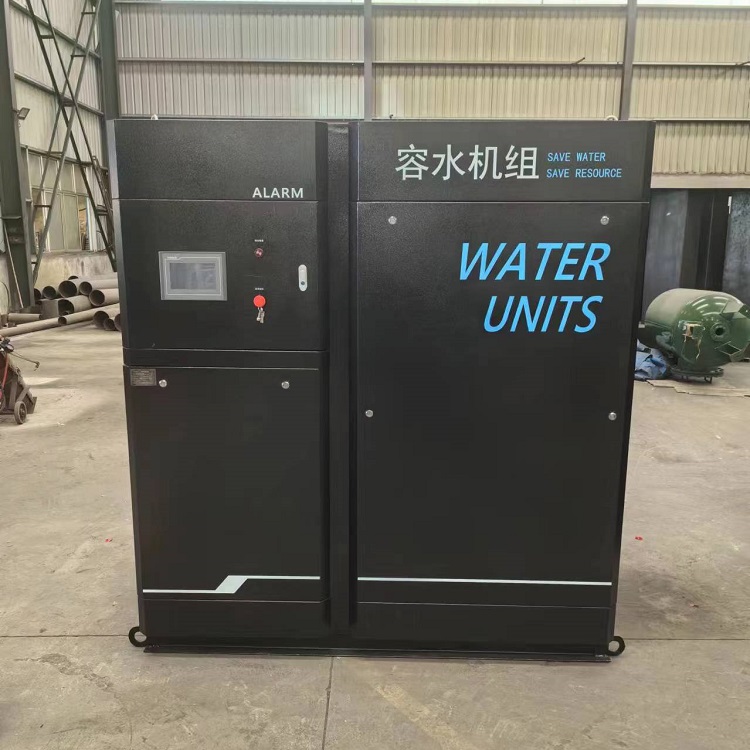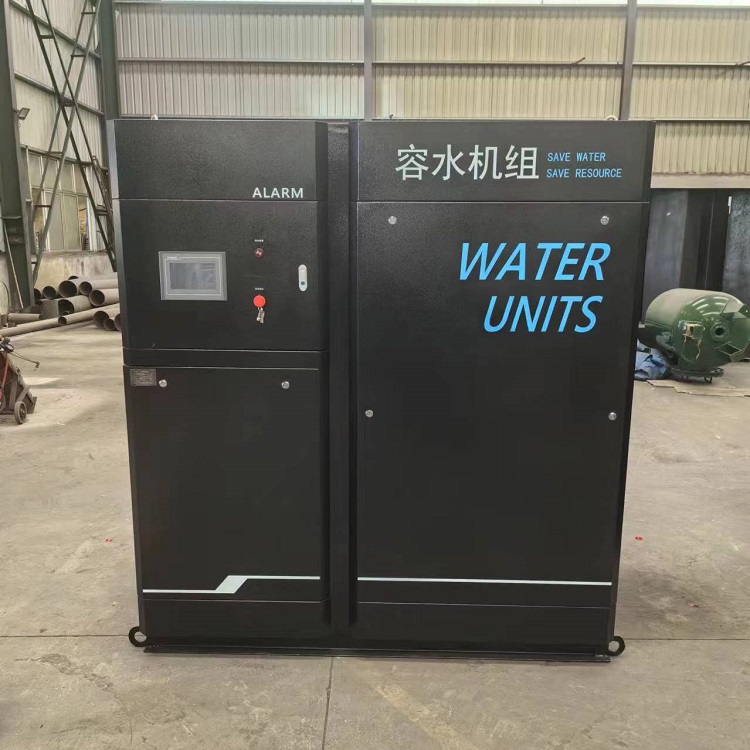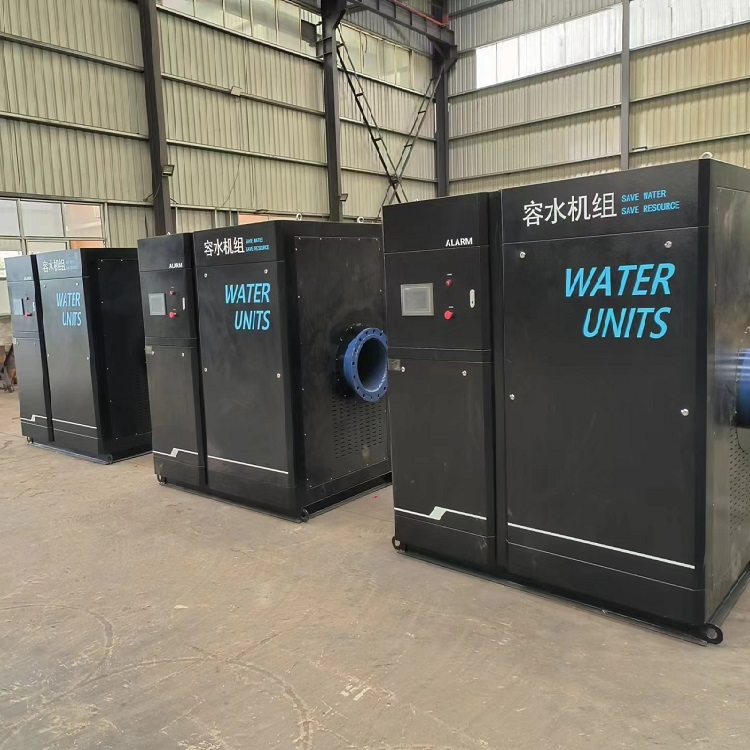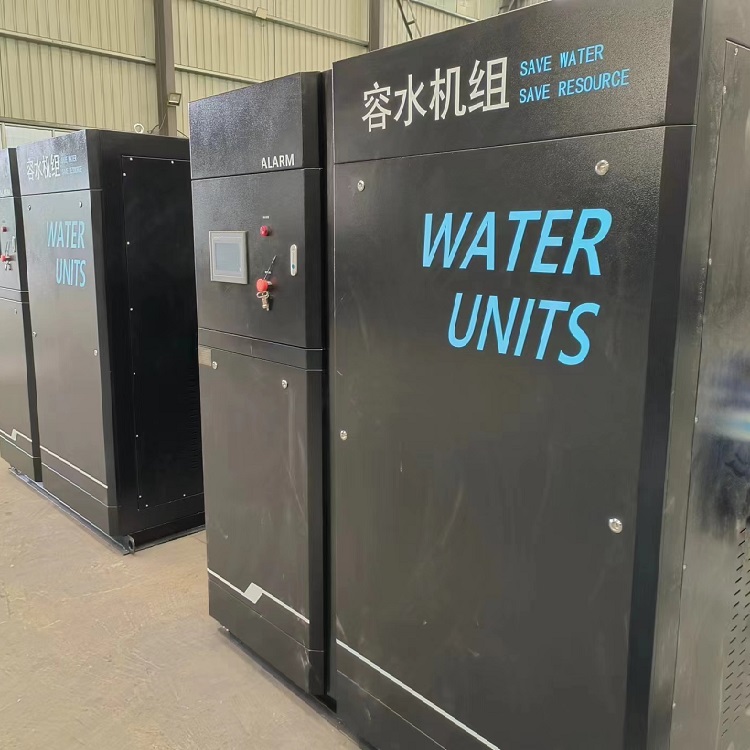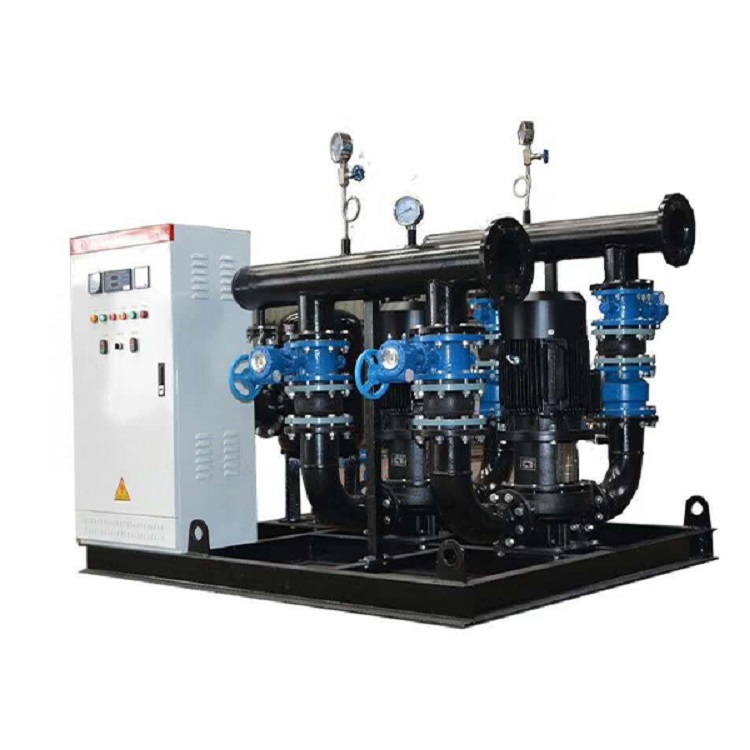

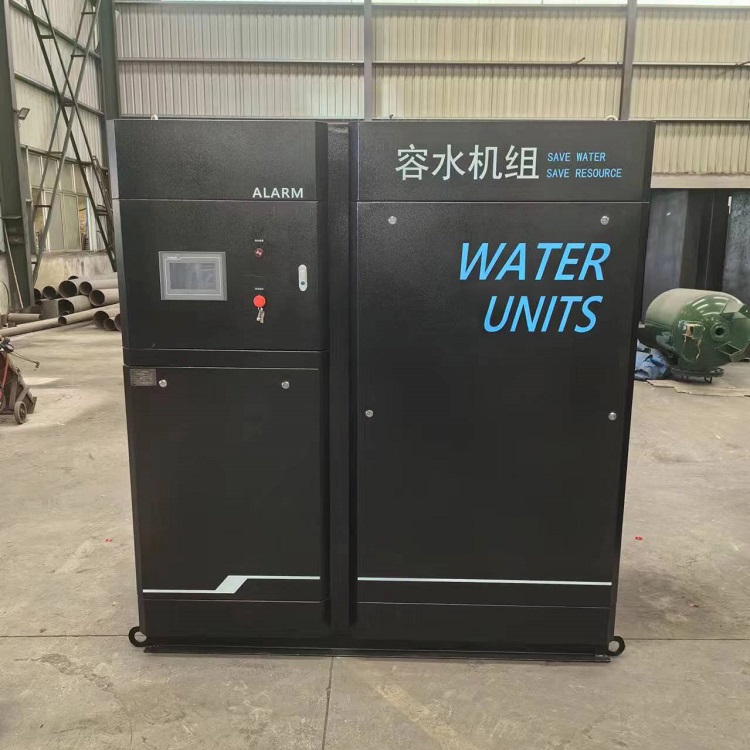

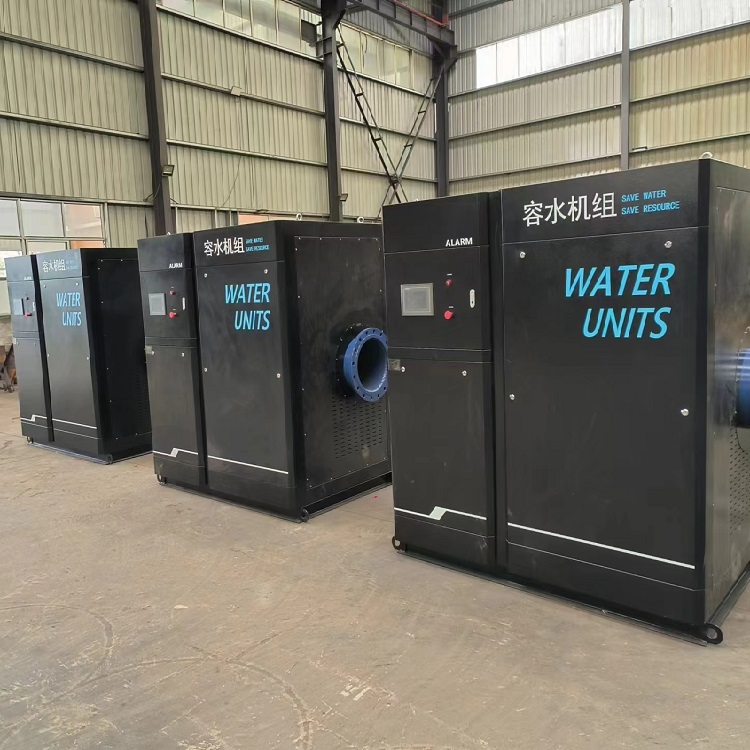
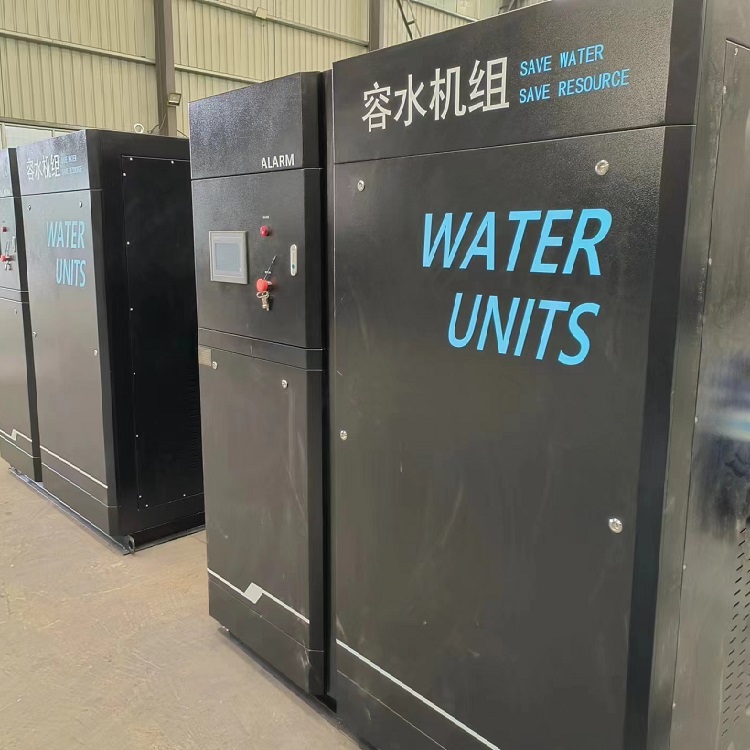












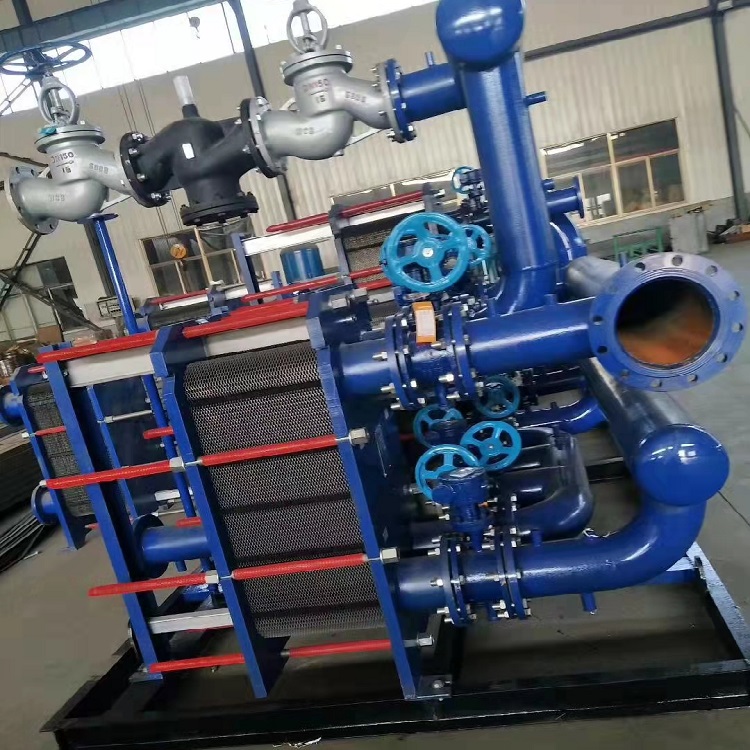
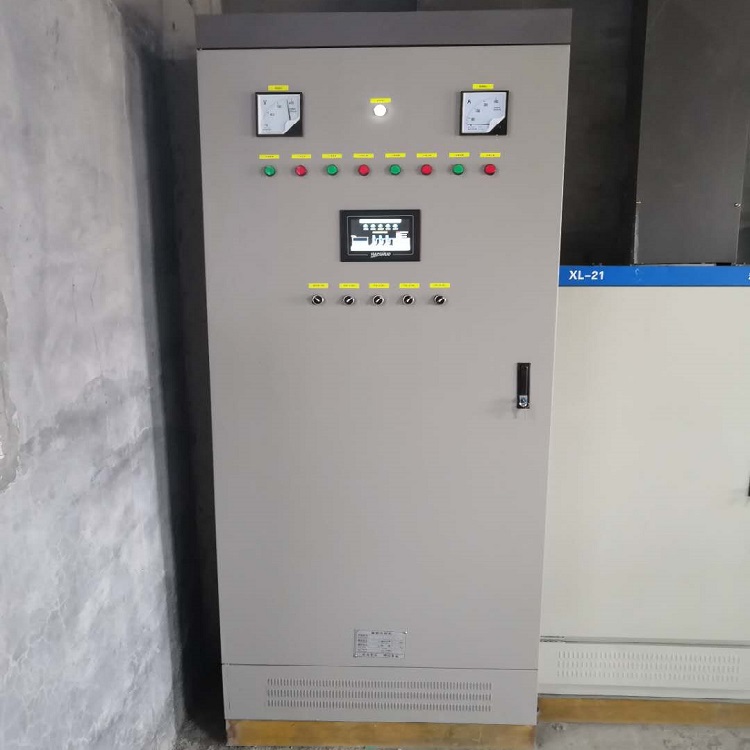
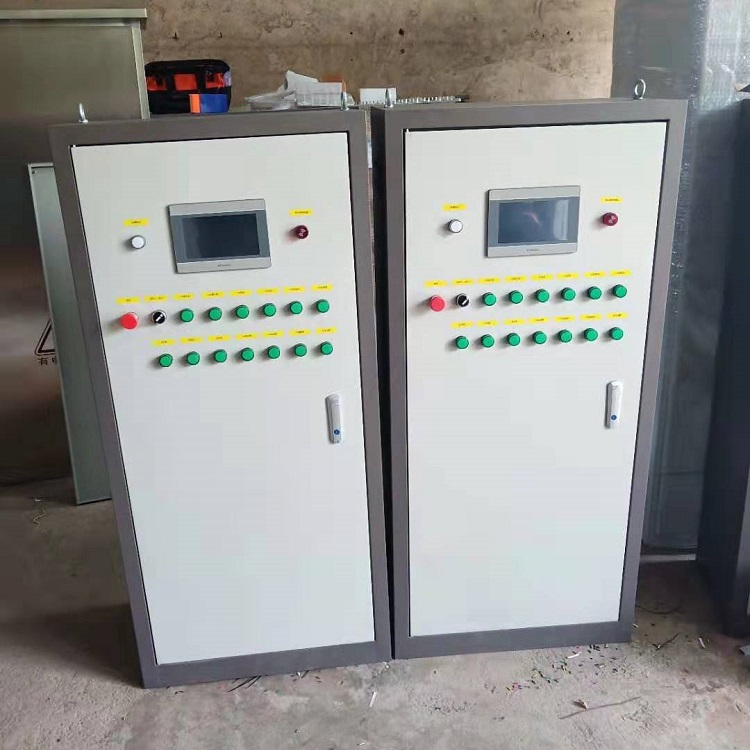
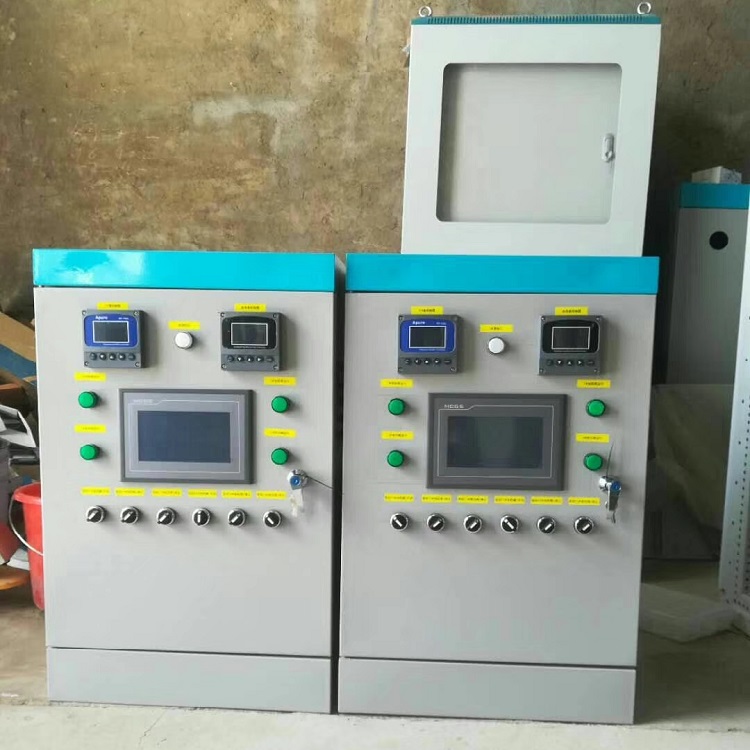
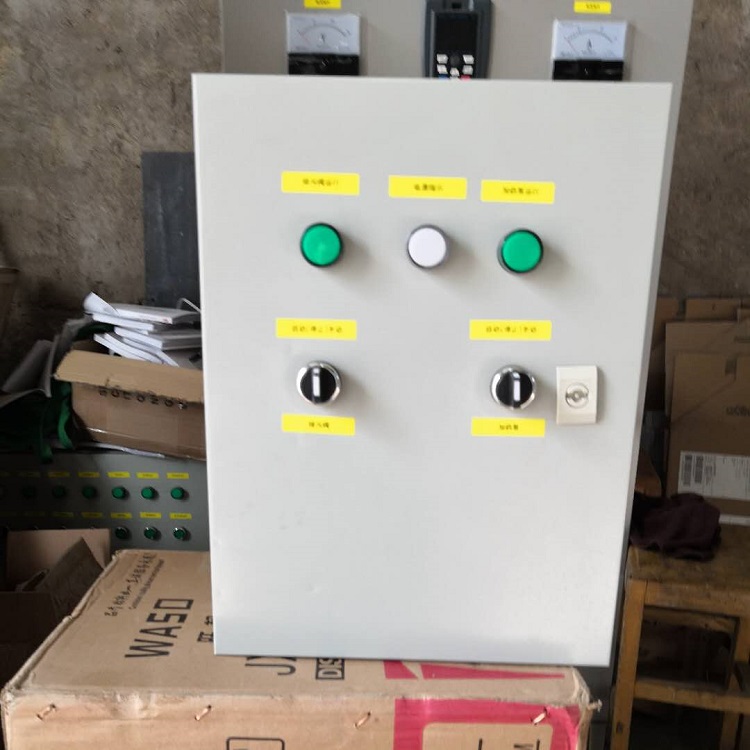
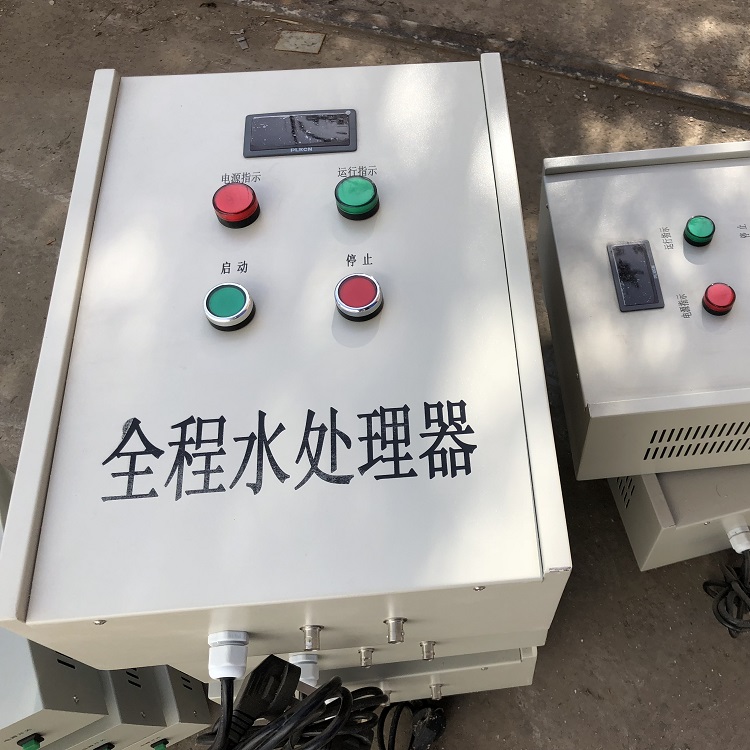
Principle of Operation for Water Storage Units:
Water storage and supply units, as the name implies, are mechanical equipment primarily designed for storing and supplying water. They typically consist of components such as pumps, water tanks, and control systems. When the water level falls below the set value, the control system activates the pump to draw water from the source and transport it to the tank for storage. Once the water level reaches the set upper limit, the pump ceases operation and awaits the next start. Additionally, the control system can adjust the pump's speed and operating time to achieve precise water volume control based on actual demand.
Water storage units have a wide range of applications across various fields. Here are some typical application scenarios:
1. City Water Supply System: The water storage and regulation unit is a crucial component of the city water supply system. It ensures a stable and sufficient water supply for urban residents even during peak usage periods by storing and adjusting water volumes.
2. In the industrial production sector: In industries such as chemical, textile, and paper production, water-treatment units provide a reliable water source for production lines. Additionally, they enable precise water volume control based on production demands, enhancing efficiency and product quality.
3. Agricultural Irrigation: In the fields of farmland irrigation and orchard watering, water storage and delivery units ensure stable and reliable water supply, safeguarding the normal growth of crops and stable yields.
4. Fire Suppression System: The water storage unit is a crucial component of the fire suppression system. In the event of a fire, it can quickly provide an adequate supply of fire-fighting water, offering strong support for extinguishing efforts.