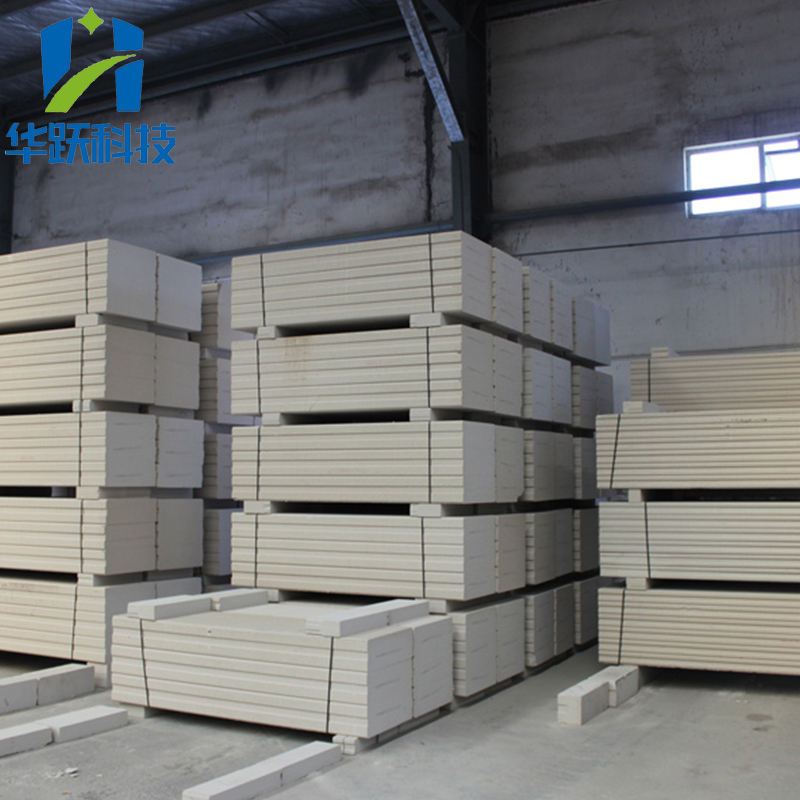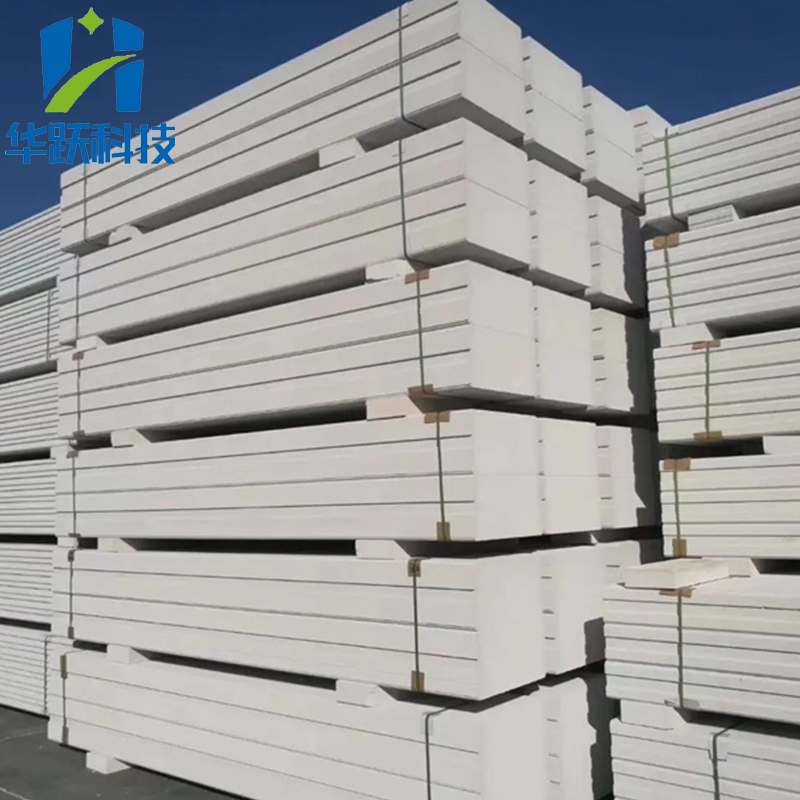











Treatment of the joints in ALC lightweight partition boards
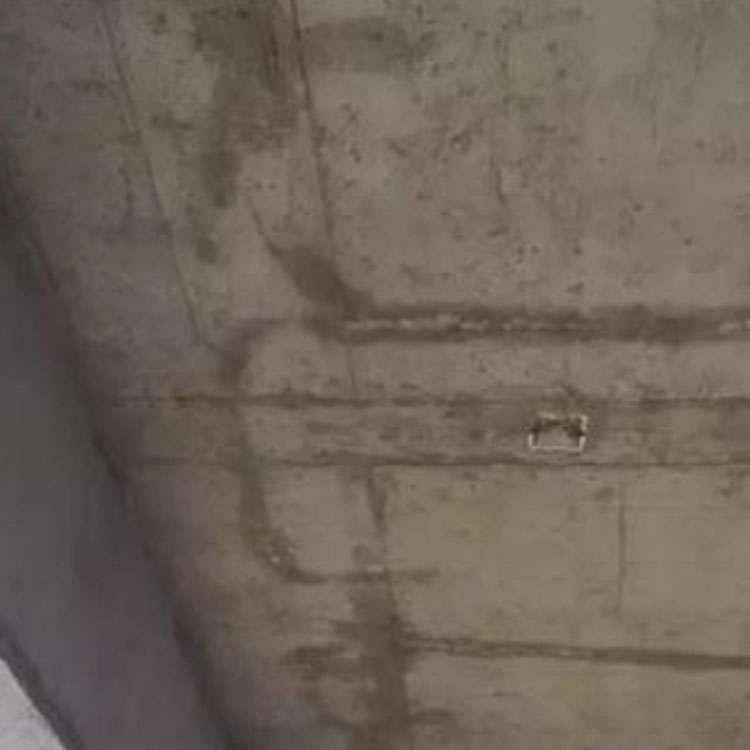
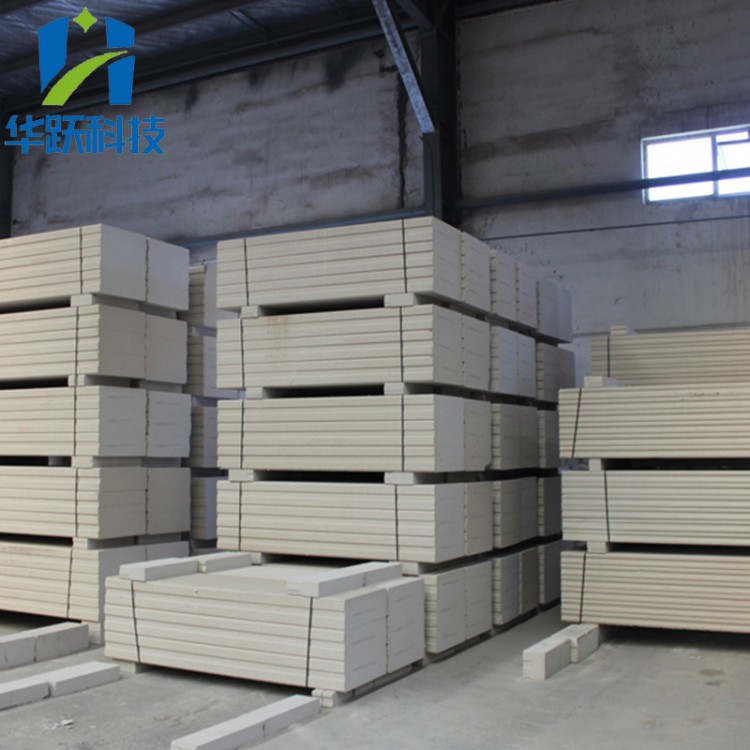
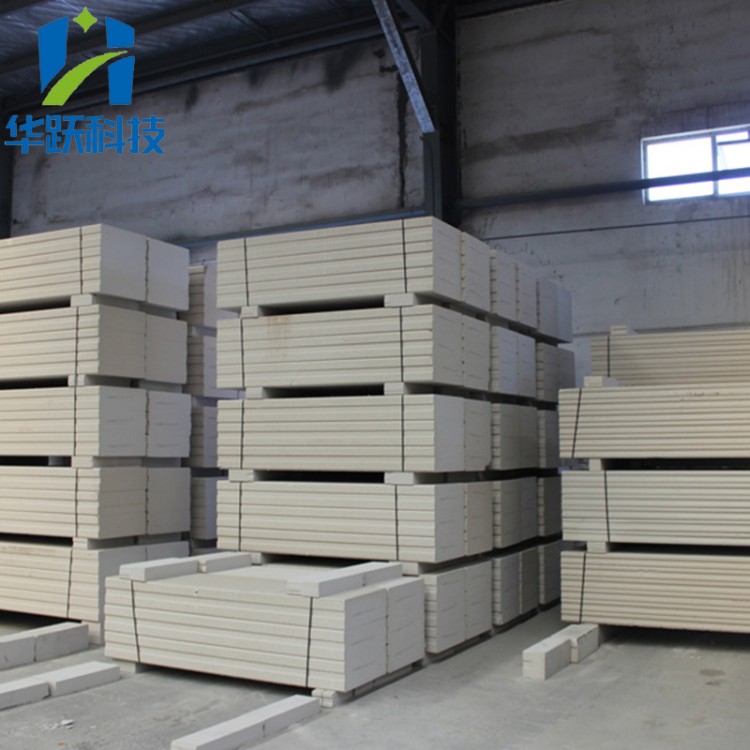
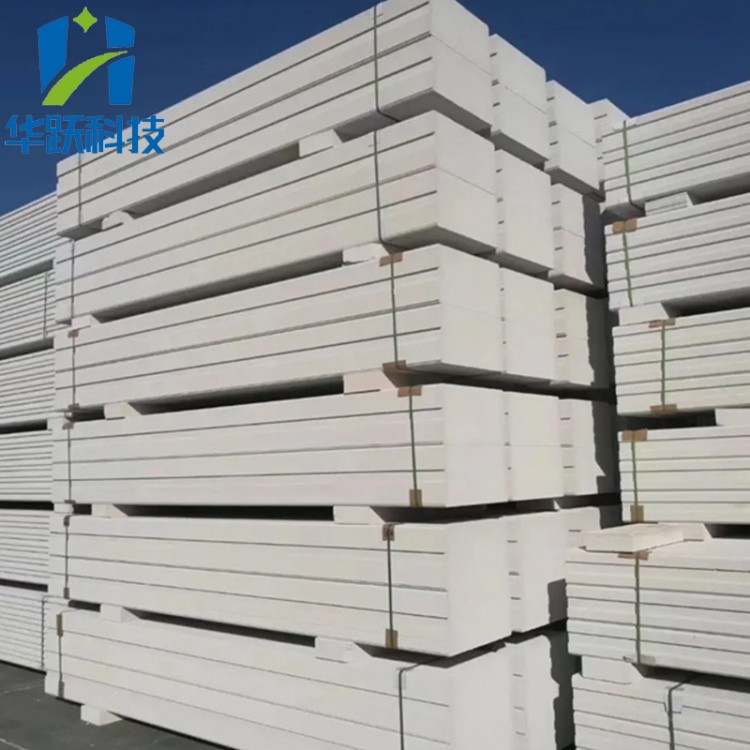
The connections between wall panels are rigid and elastic. Rigid connections join the panels as a single unit via grouting or welding, causing greater stress in the AL.C lightweight partition panels upon structural displacement, which can easily lead to cracking and deformation of the walls. Elastic connections, on the other hand, use elastic sealant or pads at the joints, allowing for minor relative displacement between the panels.
Filler plate gaps should be sealed with high-quality adhesive, as the lifespan of imported adhesives can be guaranteed for over 30 years.
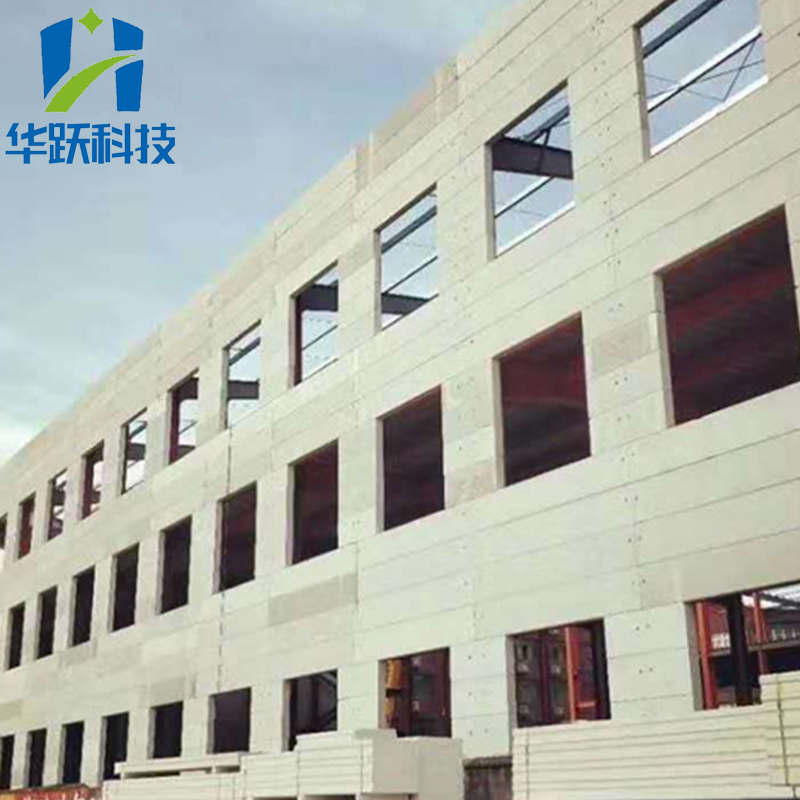
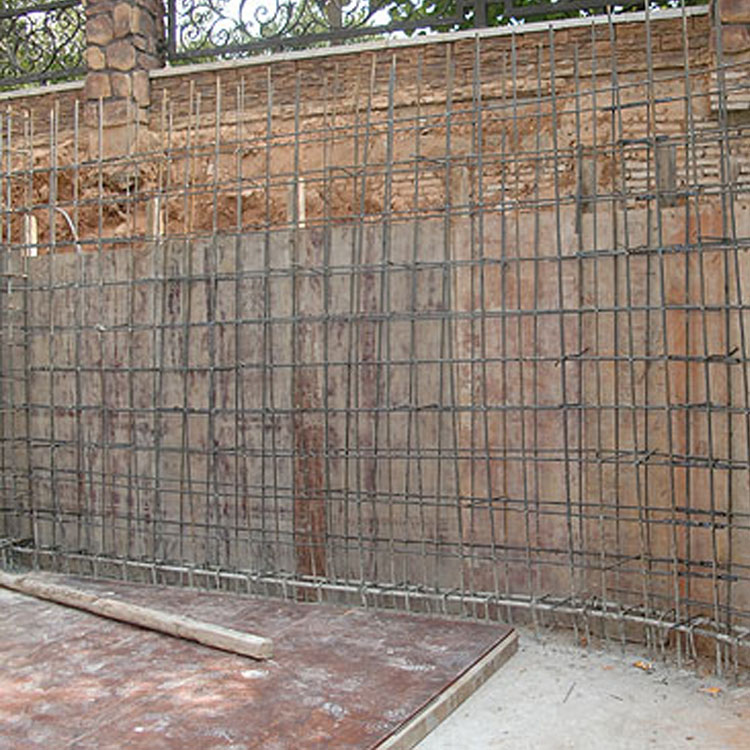
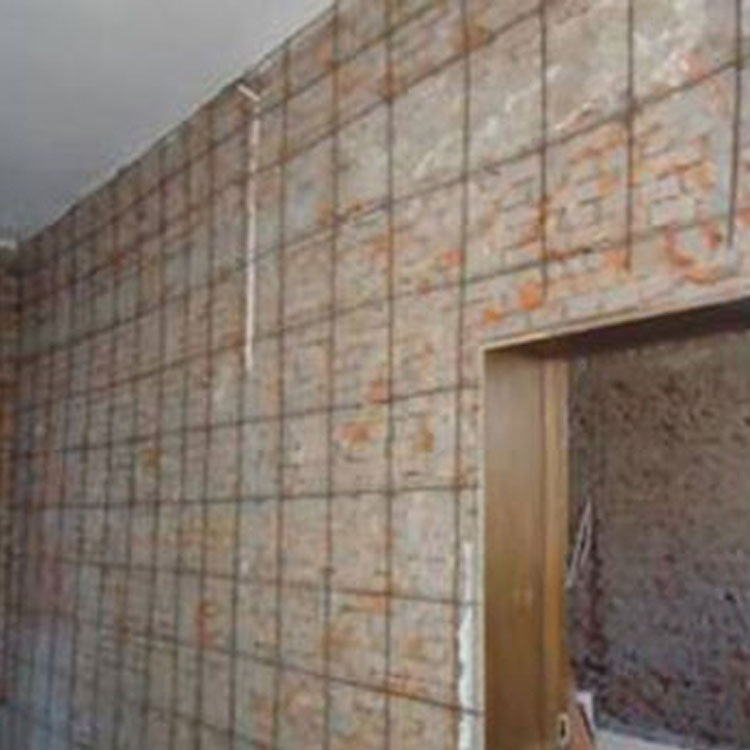
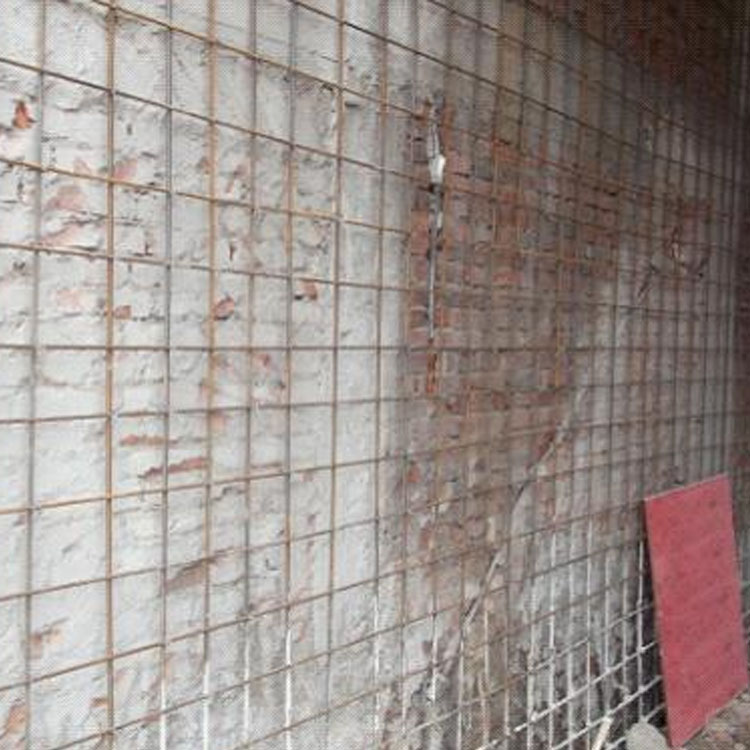
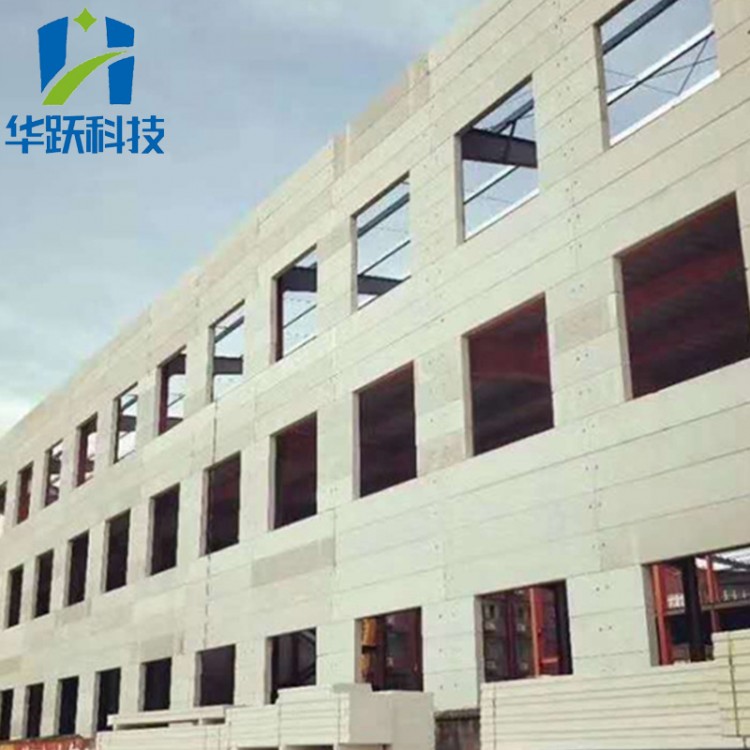
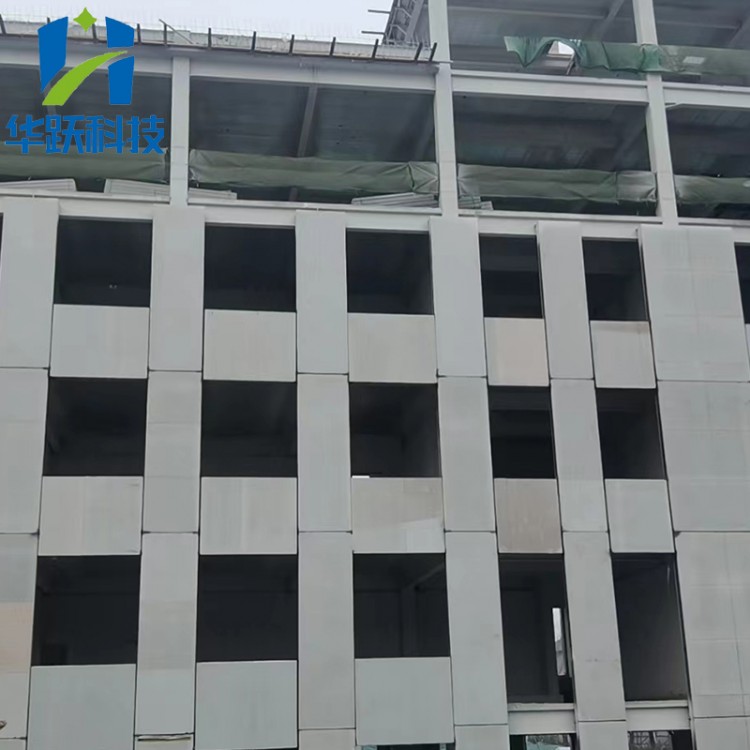
Additionally, prefabricated wall panels can be made in large board format, with pre-set openings for doors and windows to minimize on-site wet work and assembly labor. However, concentrated welding mesh treatment should be applied to the door and window openings. The steel frame of multi-story steel structural buildings is prefabricated within the panels, and the steel components are installed at the construction site in one lift, a practice that is highly recommended as it reduces the number of joints in the wall panels and addresses the fire protection issue of steel structures. The moisture-proof, sound-insulating, and fire-resistant properties of the ALC lightweight partition panels further highlight the advantages of steel structural buildings, promoting the development of the steel structural building system.