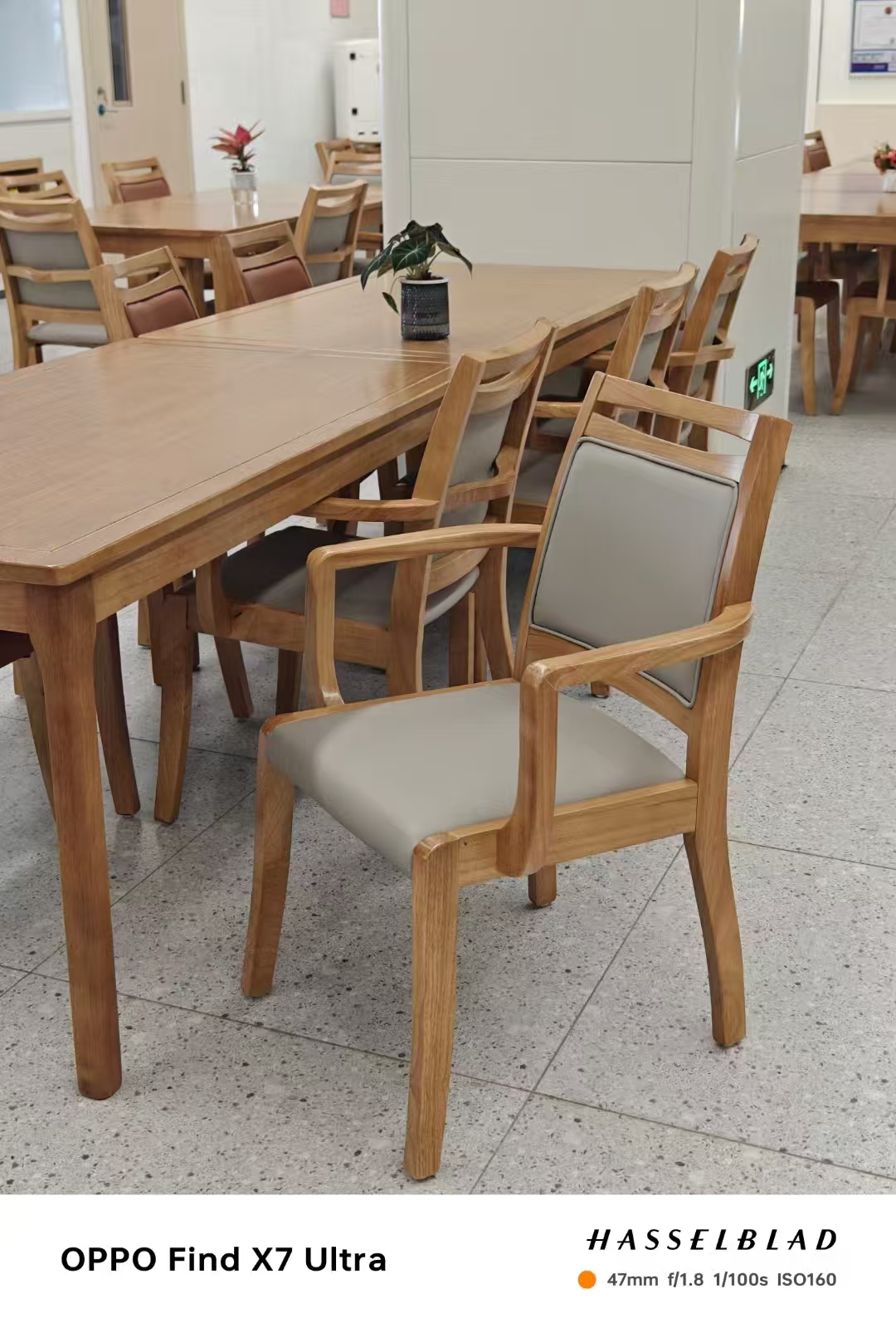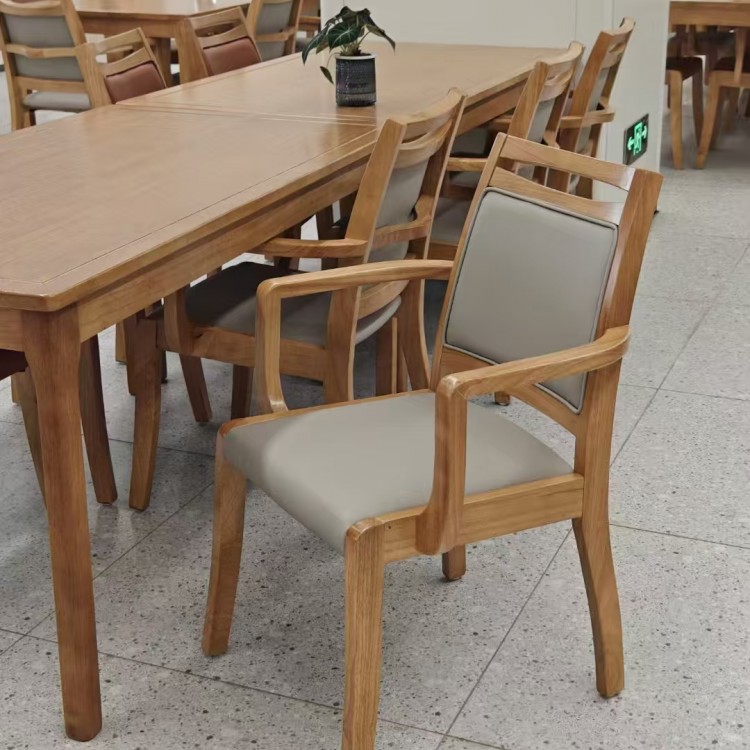








Wooden display cabinets are one of the key profit-making and survival foundations for manufacturing enterprises, a fact well-known since the 1980s. Some coastal furniture companies in China leveraged the unique astronomical advantages of trading ports to first capture the favor of international clothing display cabinet manufacturers, cash registers, shoe store display racks, and investors. As a result, these enterprises, from the outset of their startups, completed the original accumulation of the business and secured the priority development rights in the Chinese wooden display cabinet property sector through the 0EH consumption method. Solid wood jewelry display cabinet manufacturing and panel-type jewelry display cabinet manufacturing each have their unique characteristics and pros and cons. Firstly, solid wood jewelry display cabinet manufacturing refers to the creation of cabinets using pure solid wood, meaning all materials are natural wood without any artificial board used; cabinets, cabinet designs, and Hefei cabinets. Currently, there is also a type of faux solid wood jewelry display cabinet manufacturing that combines solid wood with artificial boards, where side panels, tops, bottoms, and partitions are made of particleboard and medium-density fiberboard, while doors and drawers are made of solid wood. Panel-type jewelry display cabinet manufacturing involves using particleboard or medium-density fiberboard for surface veneering or painting with various colors (cabinets, jewelry cabinets). Currently, the market predominantly offers panel-type jewelry display cabinets with wood grain仿真 veneers, which are very realistic, with good luster and texture. The choice of paint luster is usually not premeditated; the choice of luster for wooden display cabinets involves matte, semi-matte, and glossy finishes. Many users only realize their need for props after the paint is applied, asking: "Why doesn't my paint look as bright as others'? In reality, if the right luster paint was chosen initially, this issue would not have arisen. Paint is categorized by luster into: high gloss (also called shiny), semi-matte, and matte (also called full matte) finishes. The unit of measurement for paint luster is degrees. Tianshuo high gloss is ≥90 degrees, 50 degrees ≤ semi-matte ≤ 70 degrees, and matte ≤ 30 degrees. Occasionally, luster is also expressed in fractions, with high gloss being nine-tenths, semi-matte being five-tenths or six-tenths, and matte being three-tenths. The difference in formula between glossy and matte paints is significant; matte paints contain matte powder (also called dulling powder) to create a diffused reflection on the paint surface, achieving the effect of dullness. Display cabinets and their materials, as well as their pros and cons, are essential for brand product sales. To establish a brand image and leave consumers with a positive visual impression of the brand, enterprises need to customize display cabinets for their products.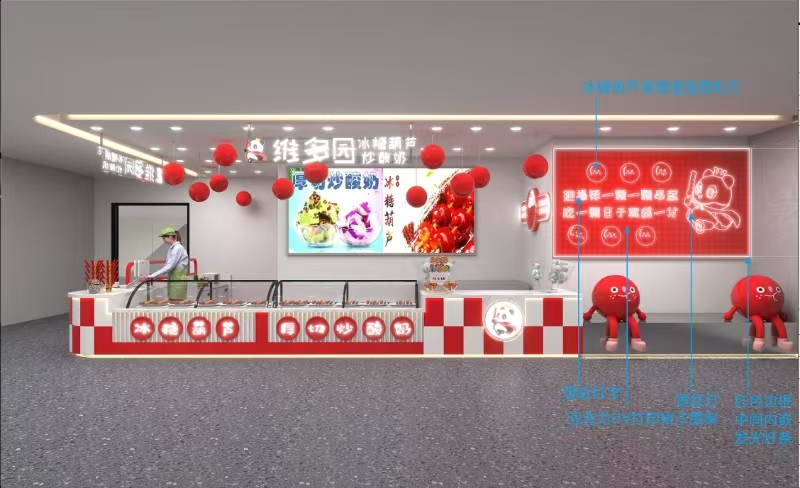
WeChat Official Account

Scan to follow Official Account