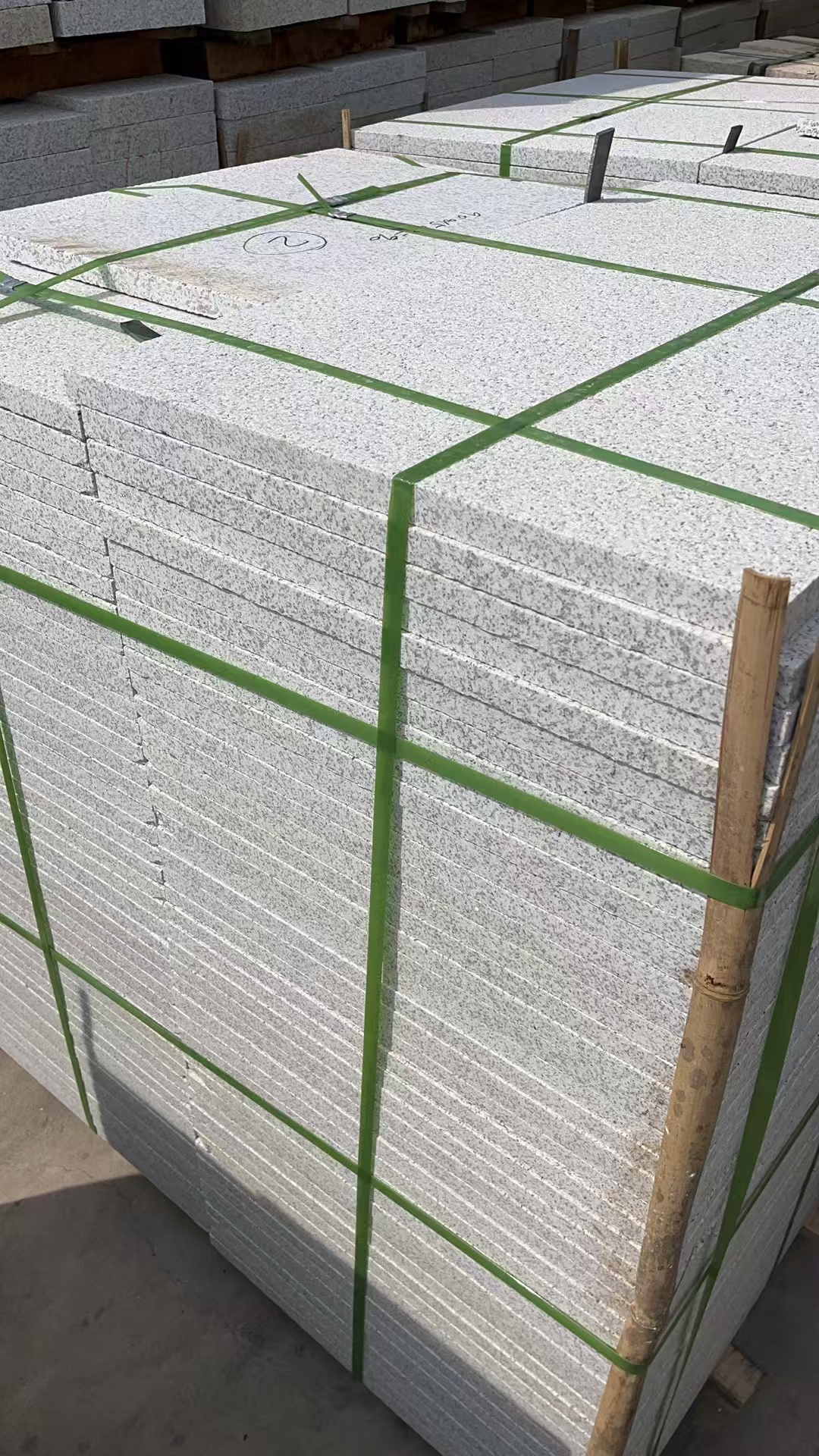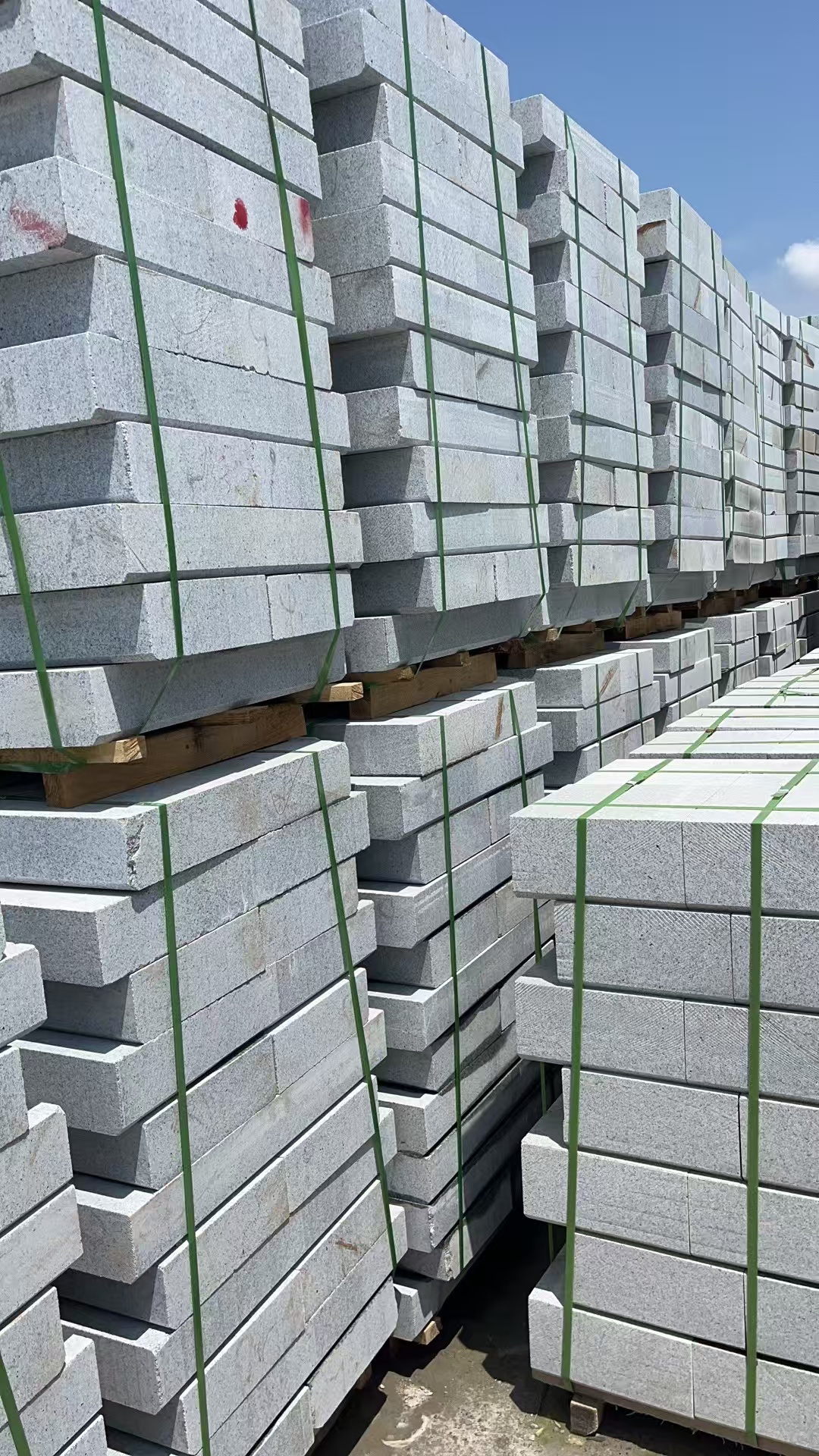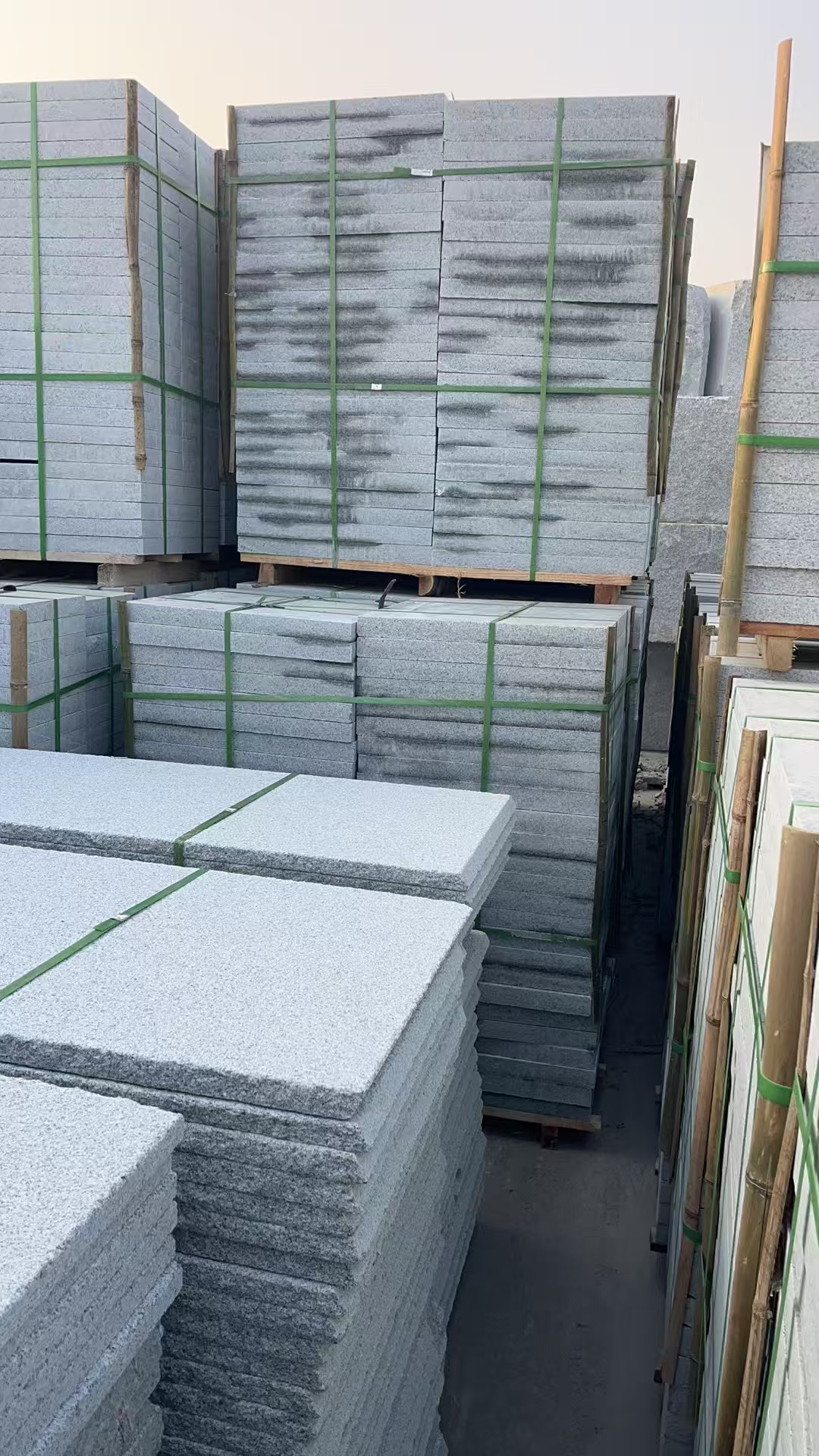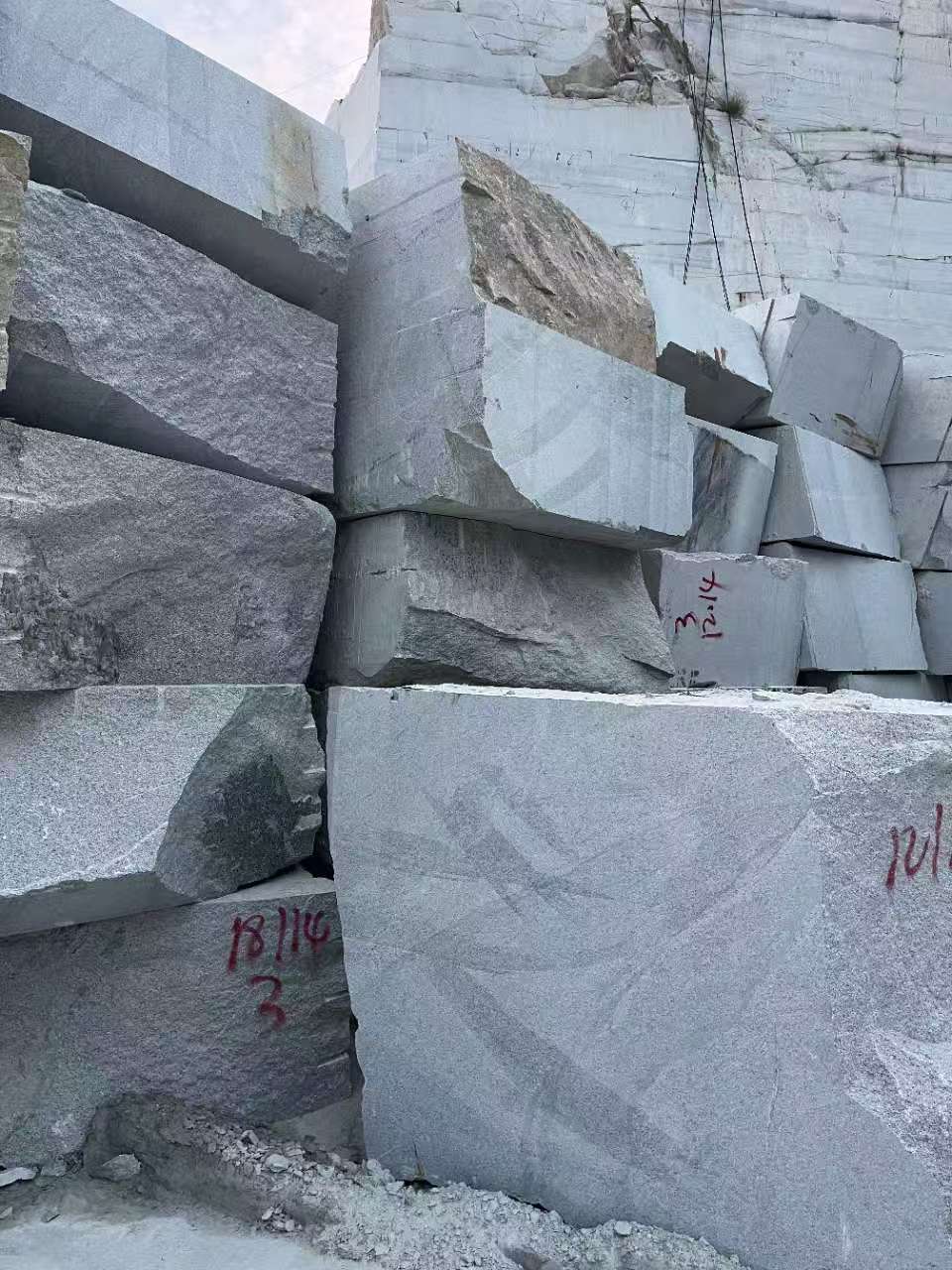







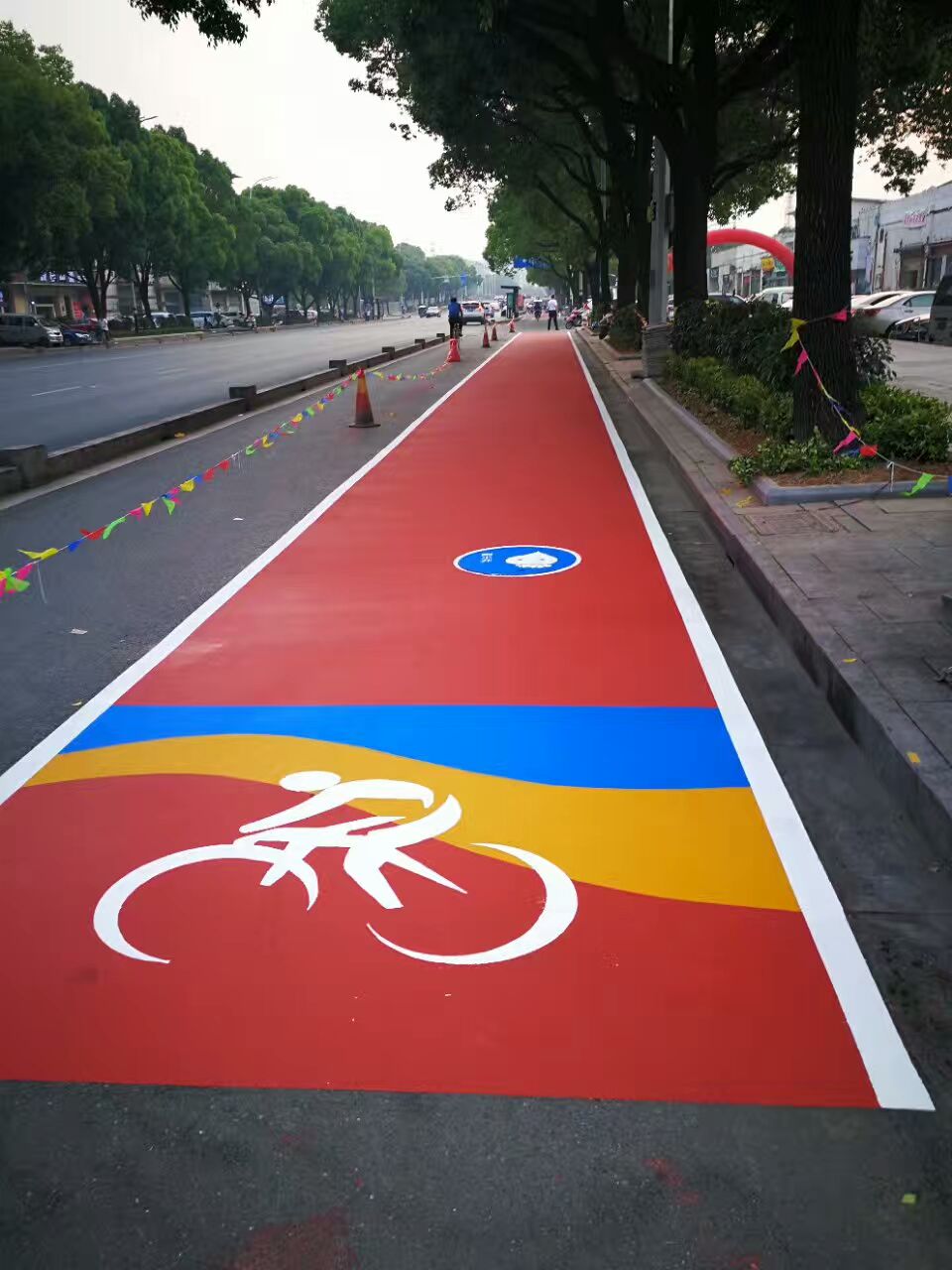
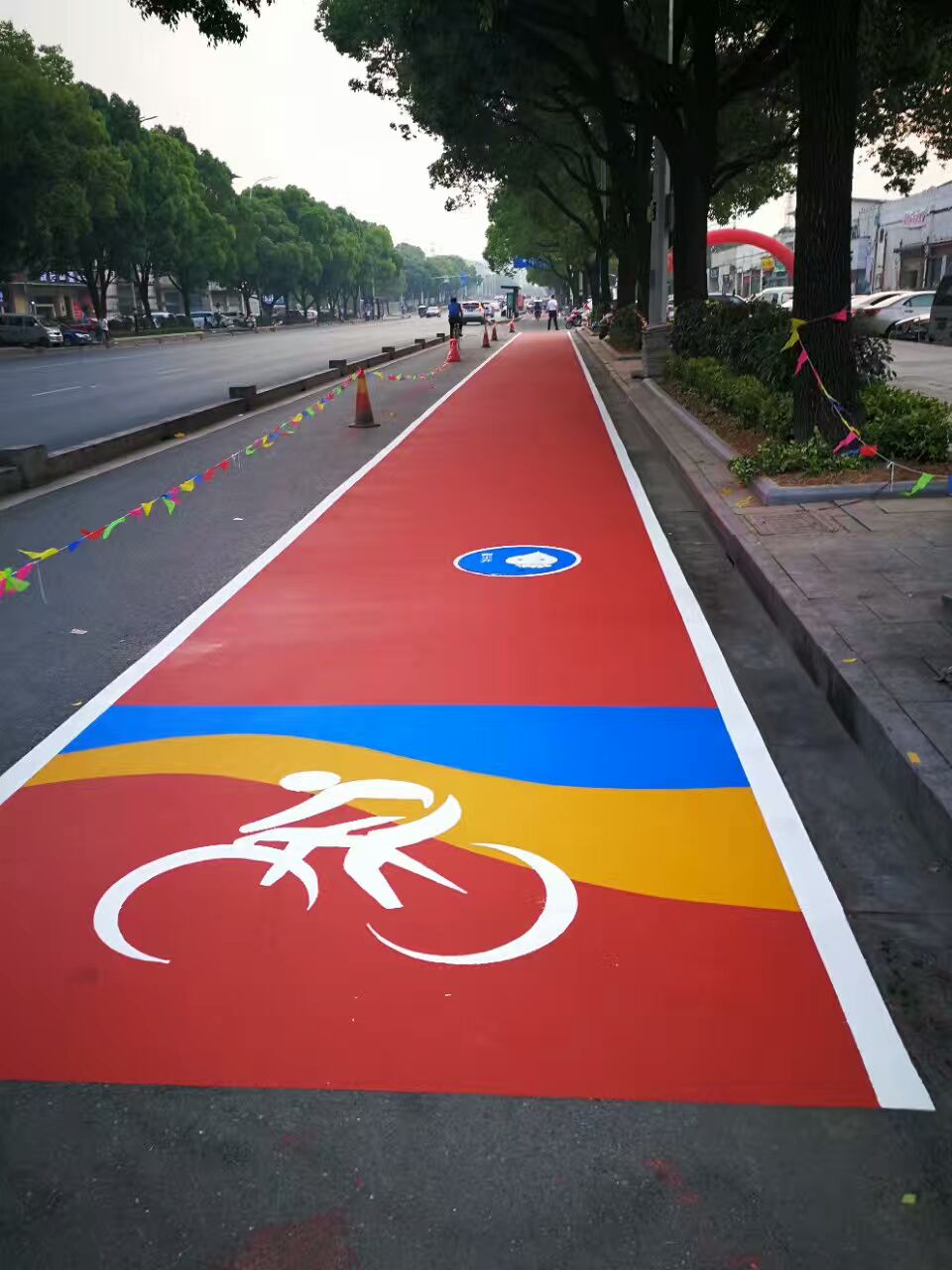
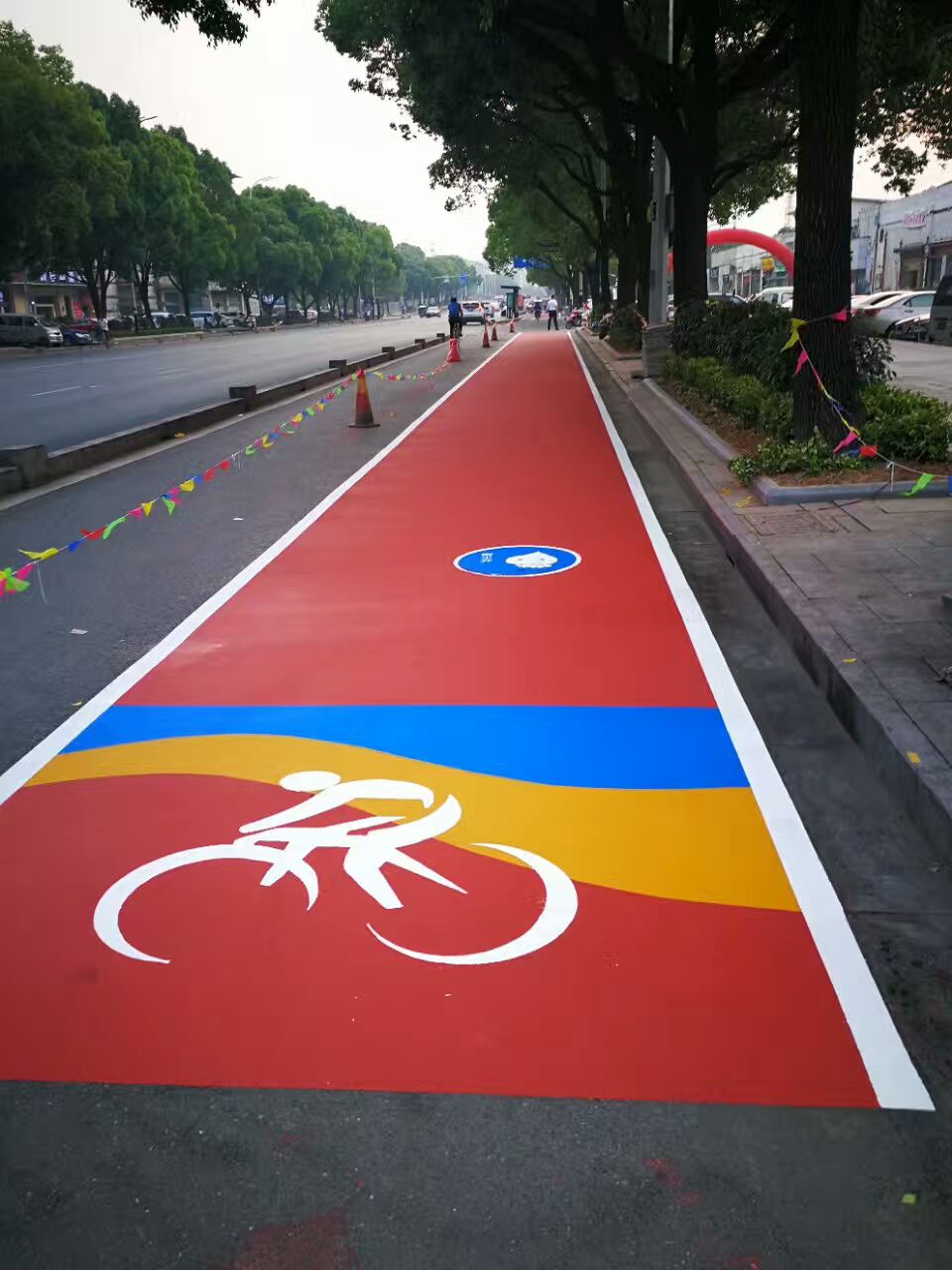
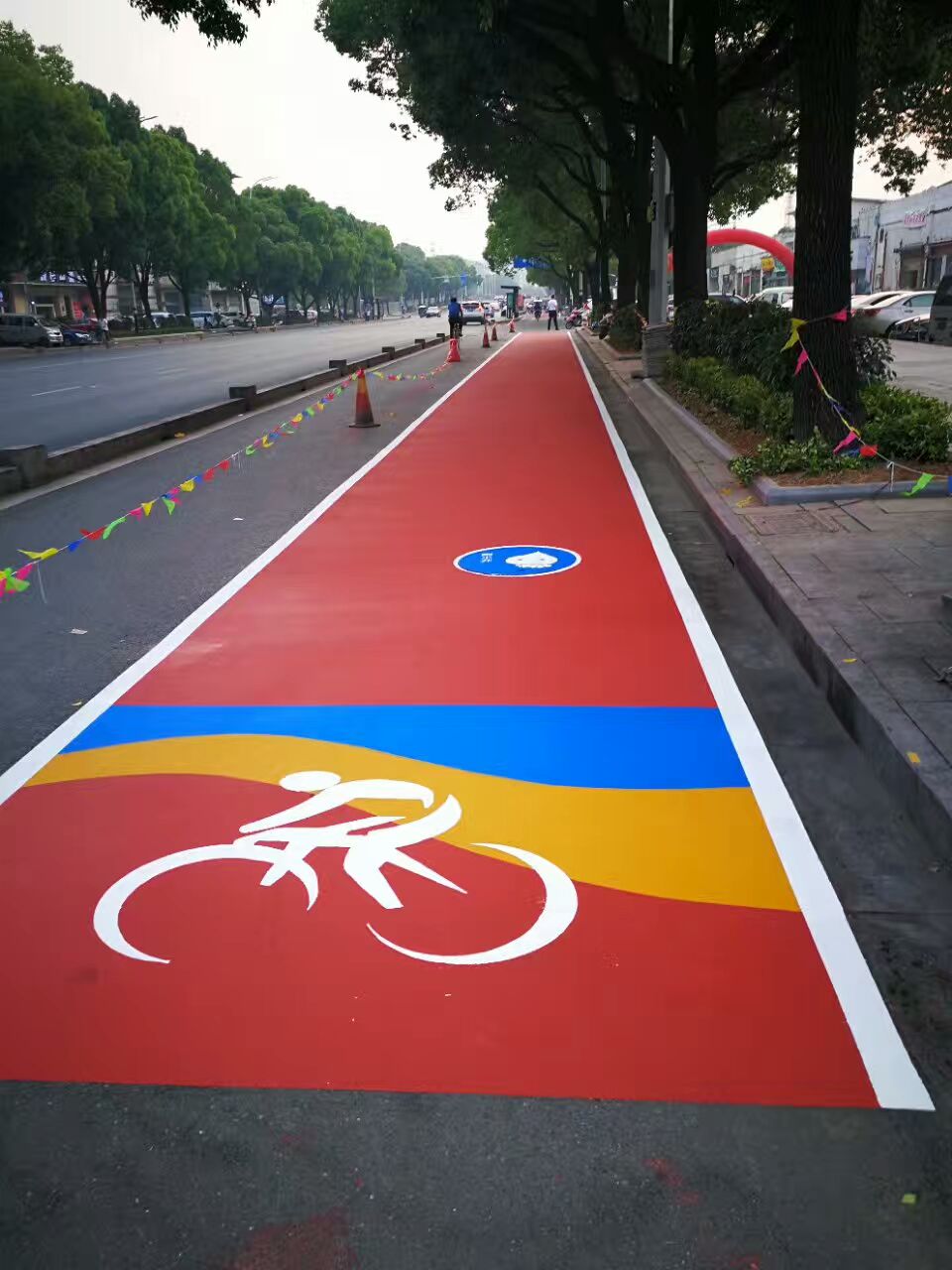
Porous concrete and sand-free concrete are made by uniformly mixing aggregates, binders, additives, cement, and water to form road surfaces. They offer higher strength and durability than traditional concrete, meeting the requirements for structural mechanical properties, functionality, and service life. They also harmonize with the natural environment, reducing the burden on the Earth and ecological systems, and enabling the recyclable use of non-renewable resources. Additionally, they provide excellent usability, creating a gentle, comfortable, and convenient living environment for humans.

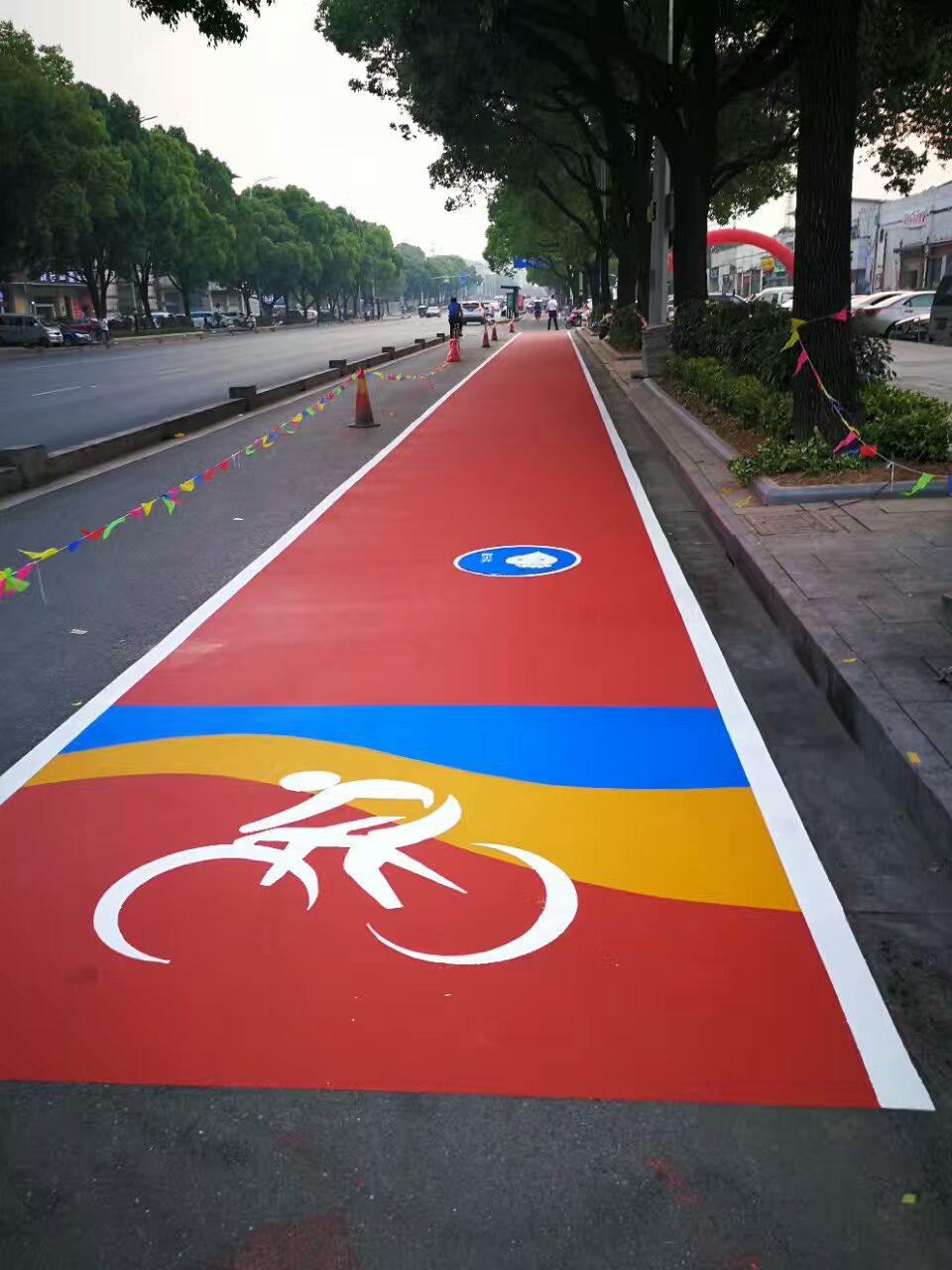
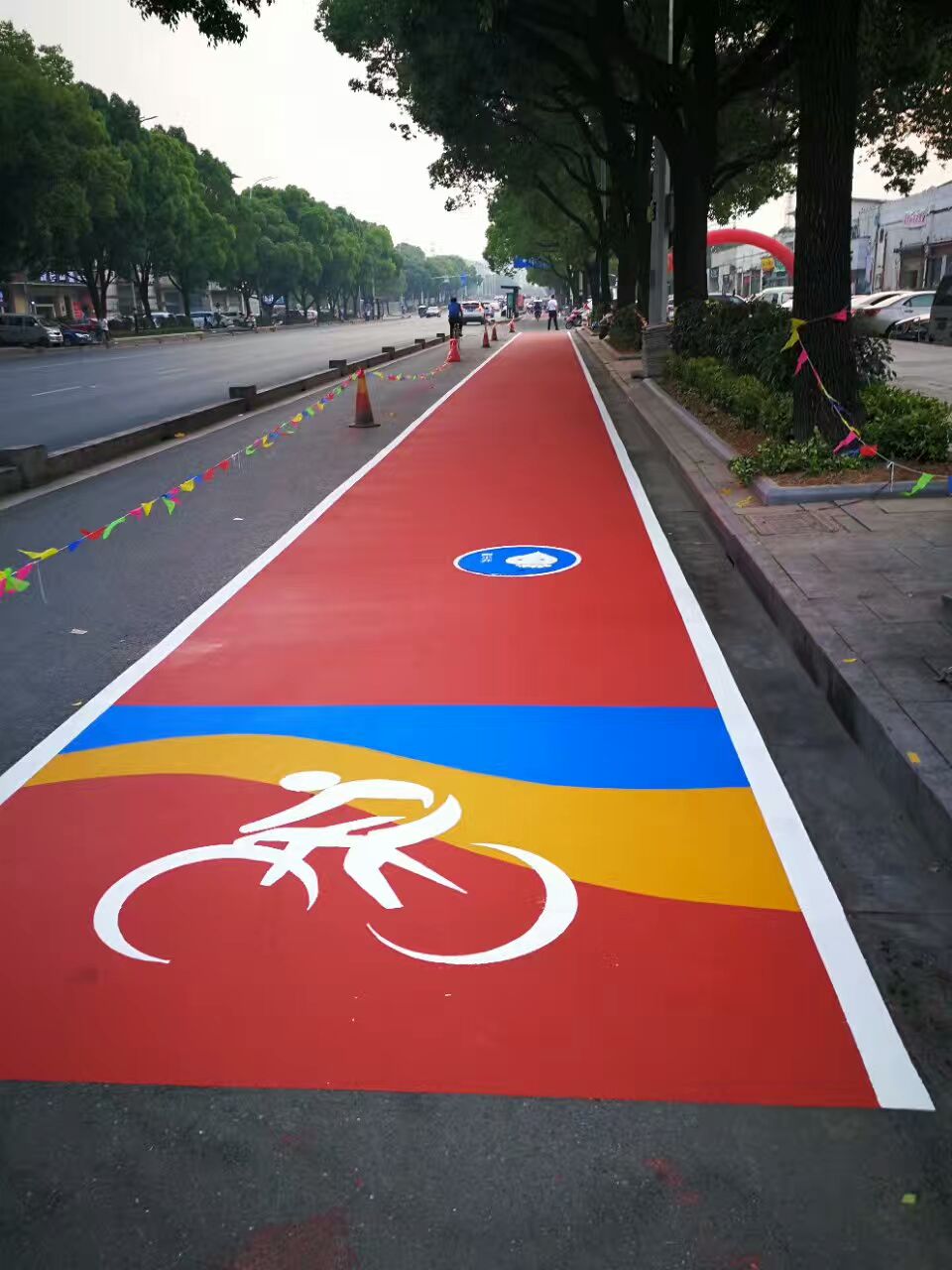
Permeable concrete flooring is a new type of eco-friendly surface, boasting approximately 20% porosity. During rain, it quickly replenishes urban groundwater resources, absorbs noise generated by vehicle traffic, reduces ground surface reflection of solar heat, lowers ground temperatures, and mitigates the "heat island effect." Colorful permeable flooring also provides filtering, preventing heavy metals from automotive and industrial emissions, tire wear, and industrial dust from directly flowing into rivers.

Permeable concrete reinforcing agent is a new type of green and environmentally friendly material that participates in the cement hydration reaction to form a high polymer cement hydration body. It increases the thickness of the paste on the stone surface, significantly enhancing the compressive and bonding strength of the cement hydration body, and greatly improves the concrete's frost-thaw resistance, durability, and weather resistance. The inorganic color powder range is comprehensive, with wide applications, vibrant colors, strong coloring power, high hiding rate, good dispersibility, and excellent weather resistance.