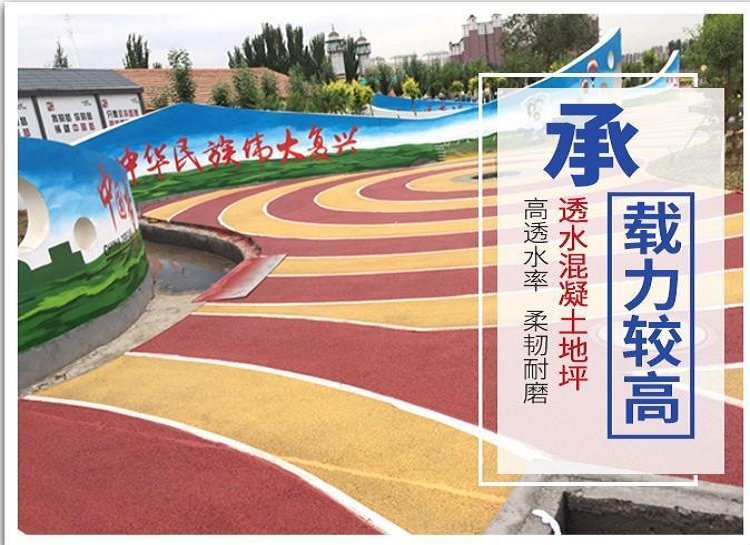









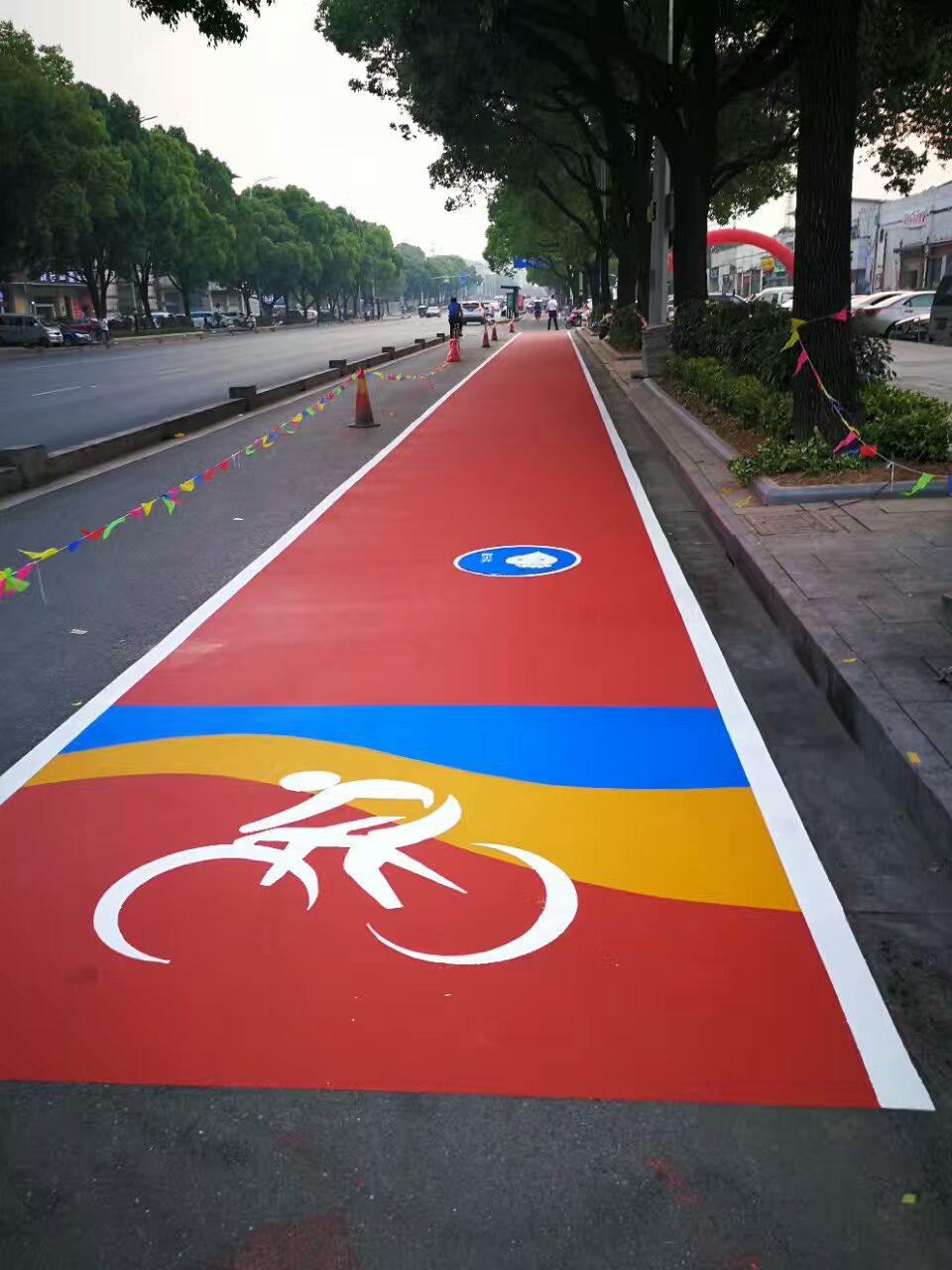
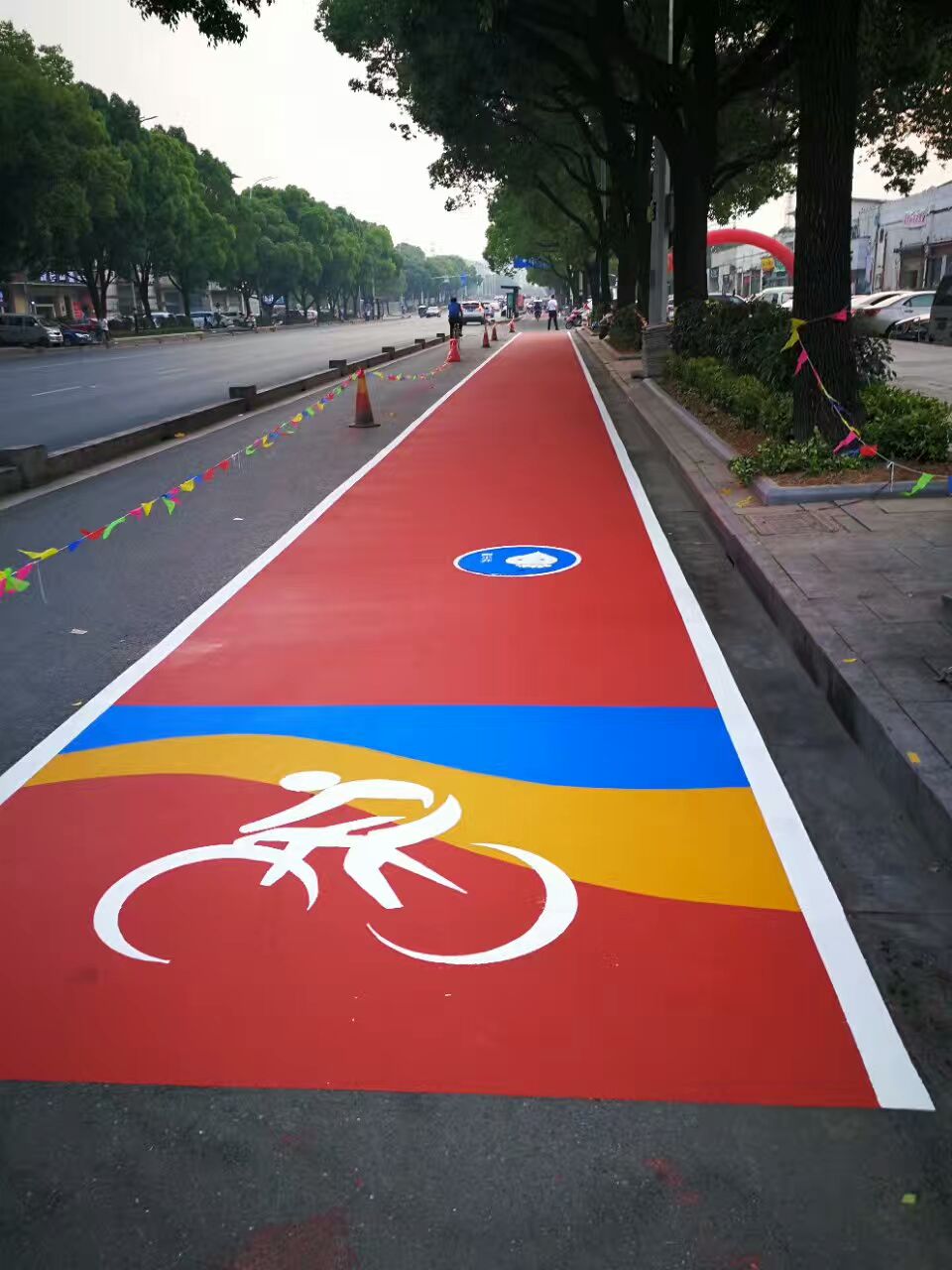
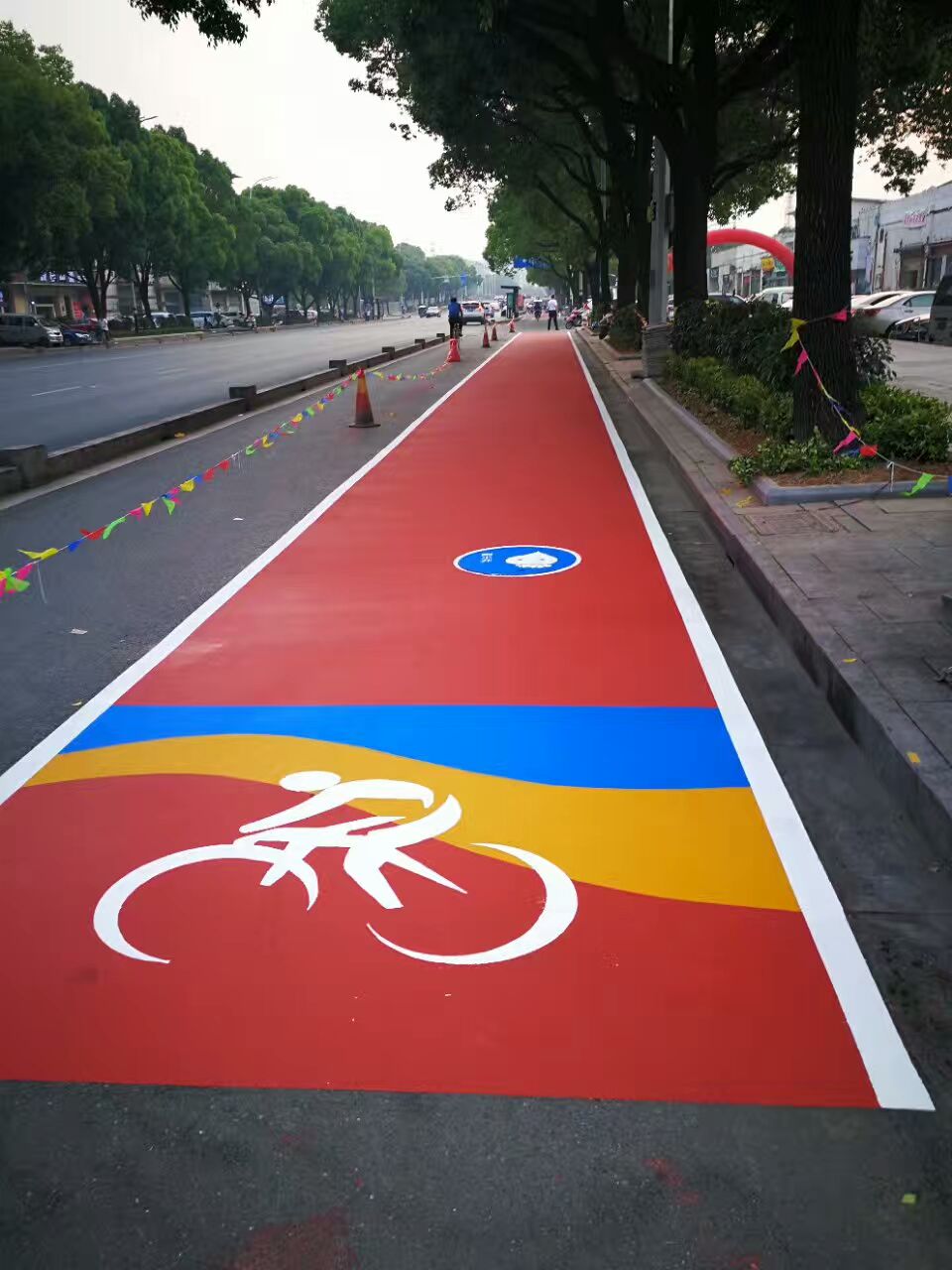
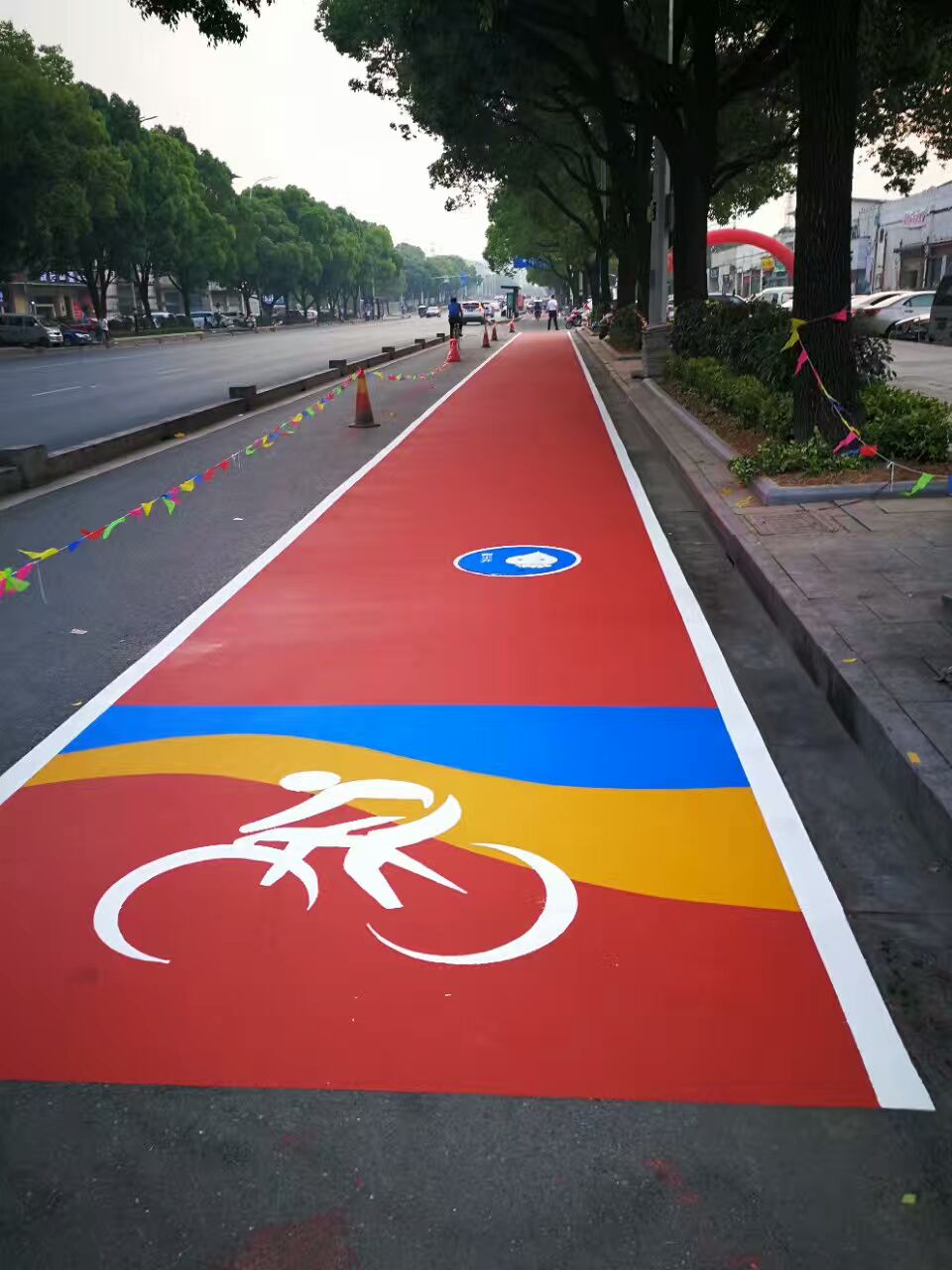
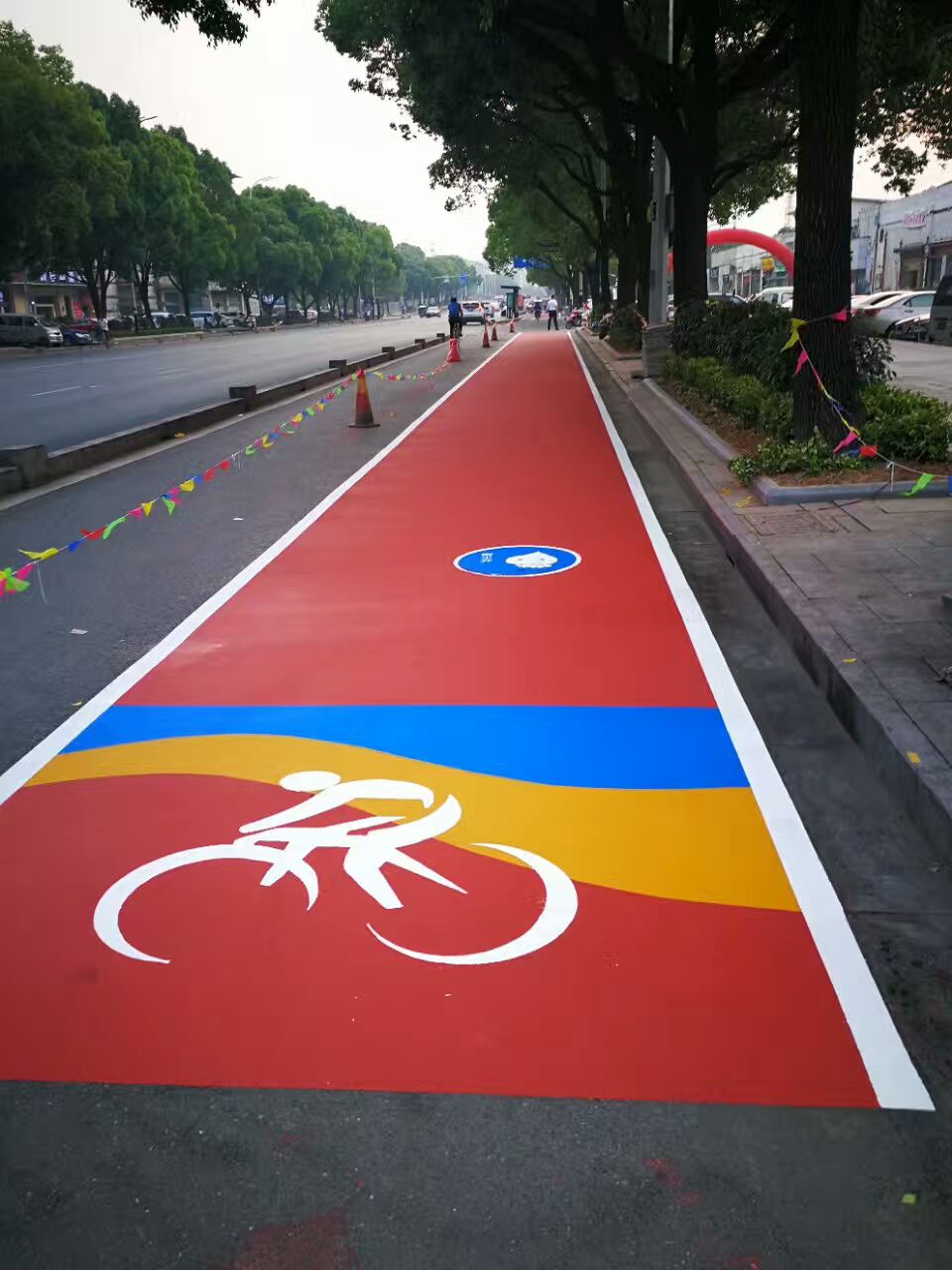
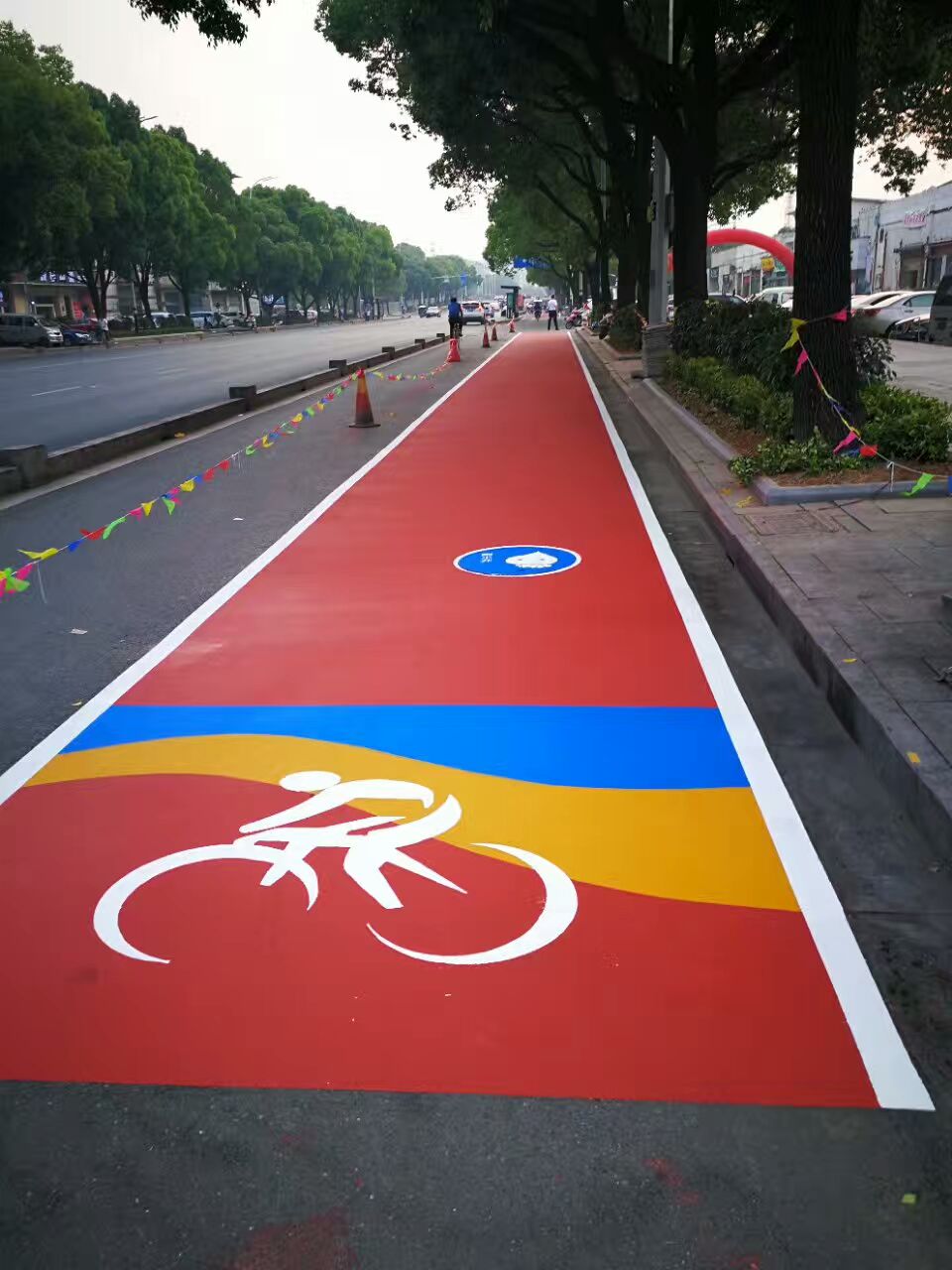
Porous paving has superior frost-thaw resistance compared to standard concrete surfaces, as it won't crack due to frost-thaw effects, thanks to its larger void structure.

Generally, before construction, aggregates are selected based on the road's construction requirements and strength specifications to determine the mix ratio of permeable concrete, thereby controlling the quantity of early-stage material procurement. The required materials include high-strength adhesive for floors, high-grade cement, colored polished stone powder, specialized reinforcing agent for aggregates, water, surface colored retardant, and transparent dust-sealing agent.

Detailed construction steps for permeable concrete with exposed aggregates: mixing, pouring, vibration, rolling, cleaning, and maintenance, comprising 6 steps.

1. [Mixing] Pour the specified amount of aggregate, cement, additive, and water into the mixer and mix until well blended. To ensure the cement slurry evenly covers the aggregates, use a forced-action mixer. Aim for a mixing time of over 5 minutes. When adding materials, first place the cement, admixture, and coarse aggregates, then add half the water volume and mix for 30 seconds; subsequently, add additives (such as admixtures, pigments, etc.) and mix for 60 seconds; finally, add the remaining water and mix for 120 seconds before discharging.
Aggregate surface requires an ordinary permeable subbase first, with the surface layer mixed using natural colored stone chips.
2. [Pouring] When the concrete mixing is completed and ready for paving, water should be used to keep the subgrade moist, which helps to increase the bonding strength between aggregates. Check for evenness; unevenness can cause the permeable layer to crack. After the permeable sub-layer is done, proceed with the construction of the exposed aggregate surface.
3. [Vibration] After spreading, use a low-frequency flat vibrator to gently vibrate the permeable concrete layer. Do not use a high-frequency vibrator, as it may compress the permeable concrete too densely, affecting its permeability. It may also cause the cement slurry to detach from the aggregate surface, impacting the permeable road's performance.
4. [Roll Compaction] Use a light roller compactor or solid steel pipe to compact and flatten. Consider the weather temperature and the consistency during mixing for multiple rolling passes. Ensure the roller is kept clean to prevent sticking with sticky aggregates.
5. [Cleaning] Master the initial setting condition; apply a moderate amount of setting agent when initial setting occurs. It should be applied in moderate, even quantities, covering the entire area without excess. After application, immediately cover with plastic film and then place colored stripe cloth on top. Cleaning of the exposed aggregate surface should be conducted within 6-12 hours; the timing depends on the temperature and the concrete's setting status.
6、【Maintenance】Due to its pores, permeable concrete dries quickly and evaporates water rapidly, so it requires timely maintenance. Cover the surface with plastic film completely, and start watering the maintenance after one day. Be cautious not to use a water gun to directly spray the concrete surface. The maintenance period should be no less than seven days, and pedestrians are prohibited.

In海绵城市建设, exposed aggregate permeable concrete is a commonly used material. This type of concrete not only supplements groundwater resources but also effectively reduces urban noise and enhances the beauty of the environment.