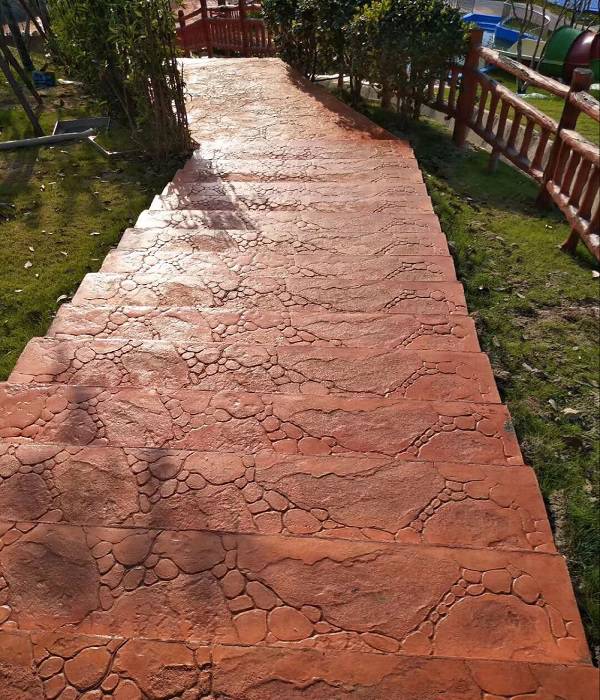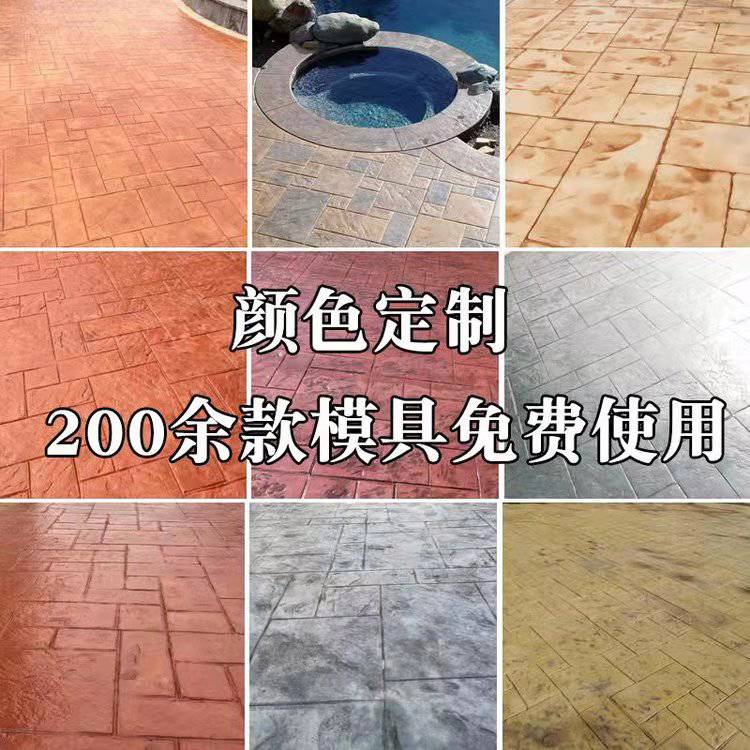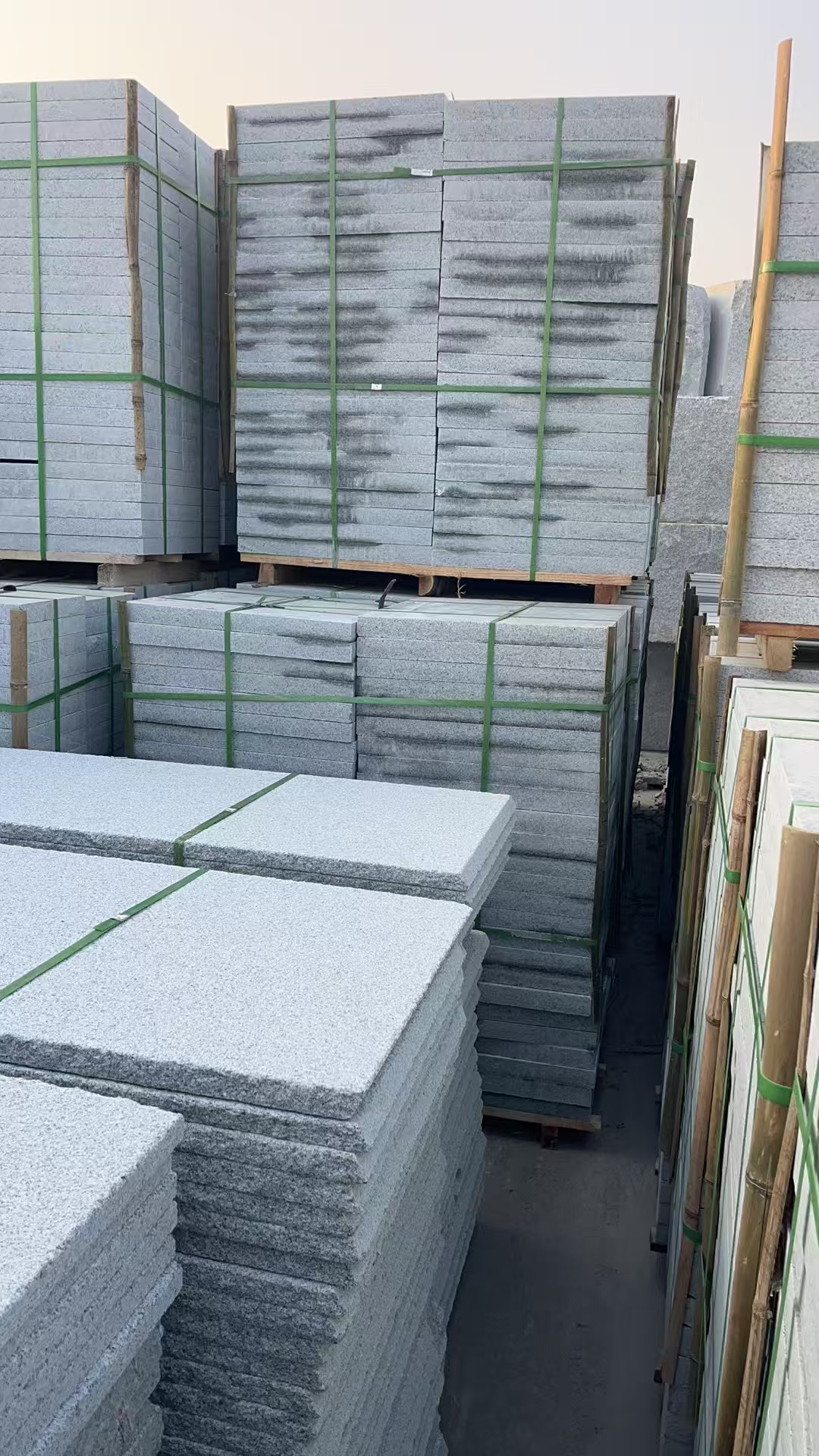
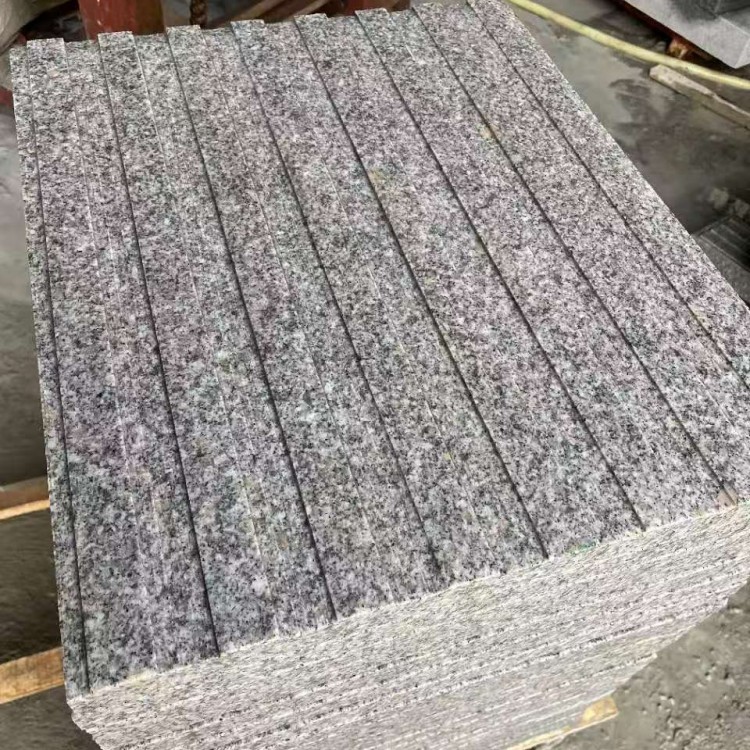







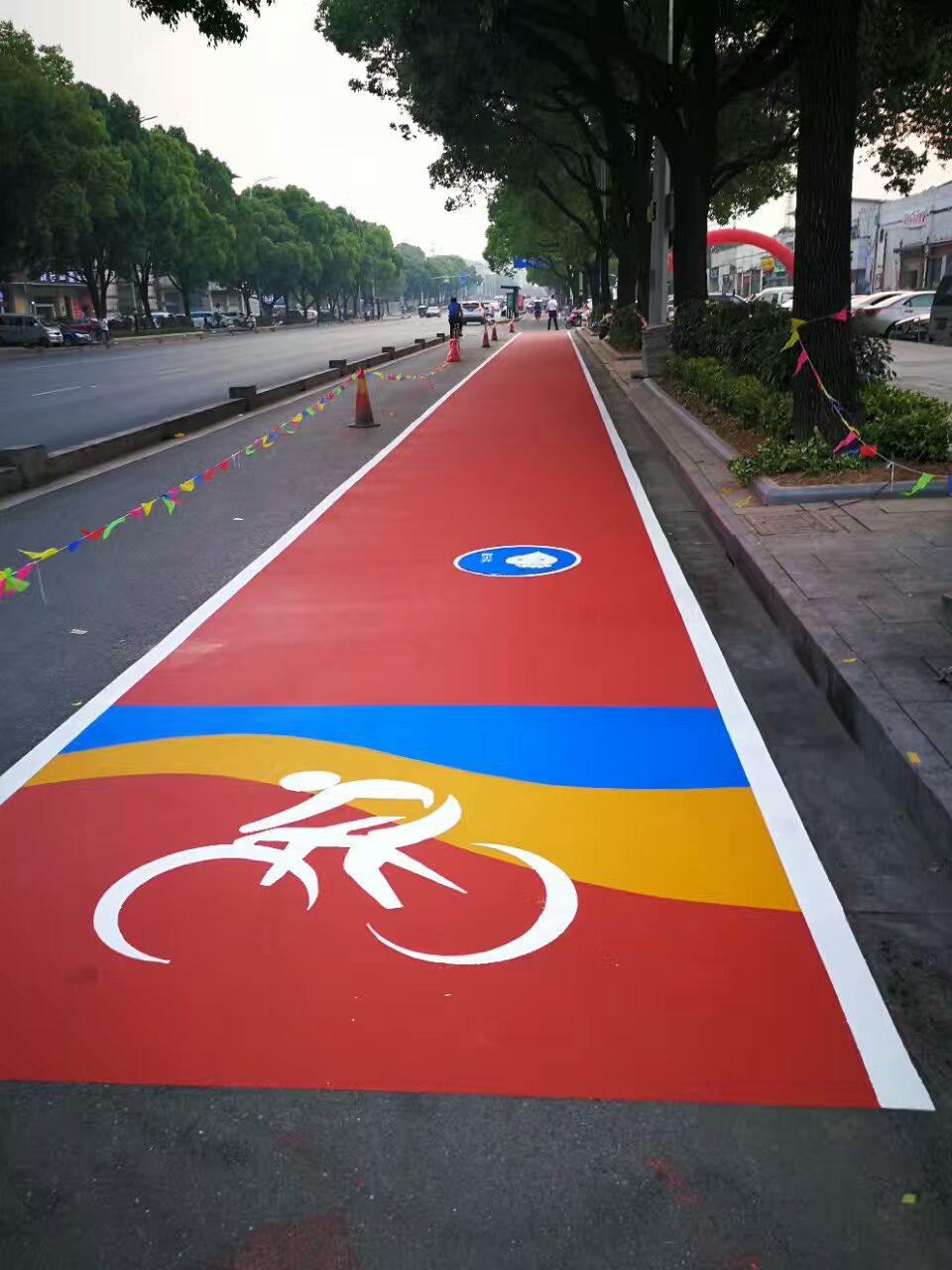
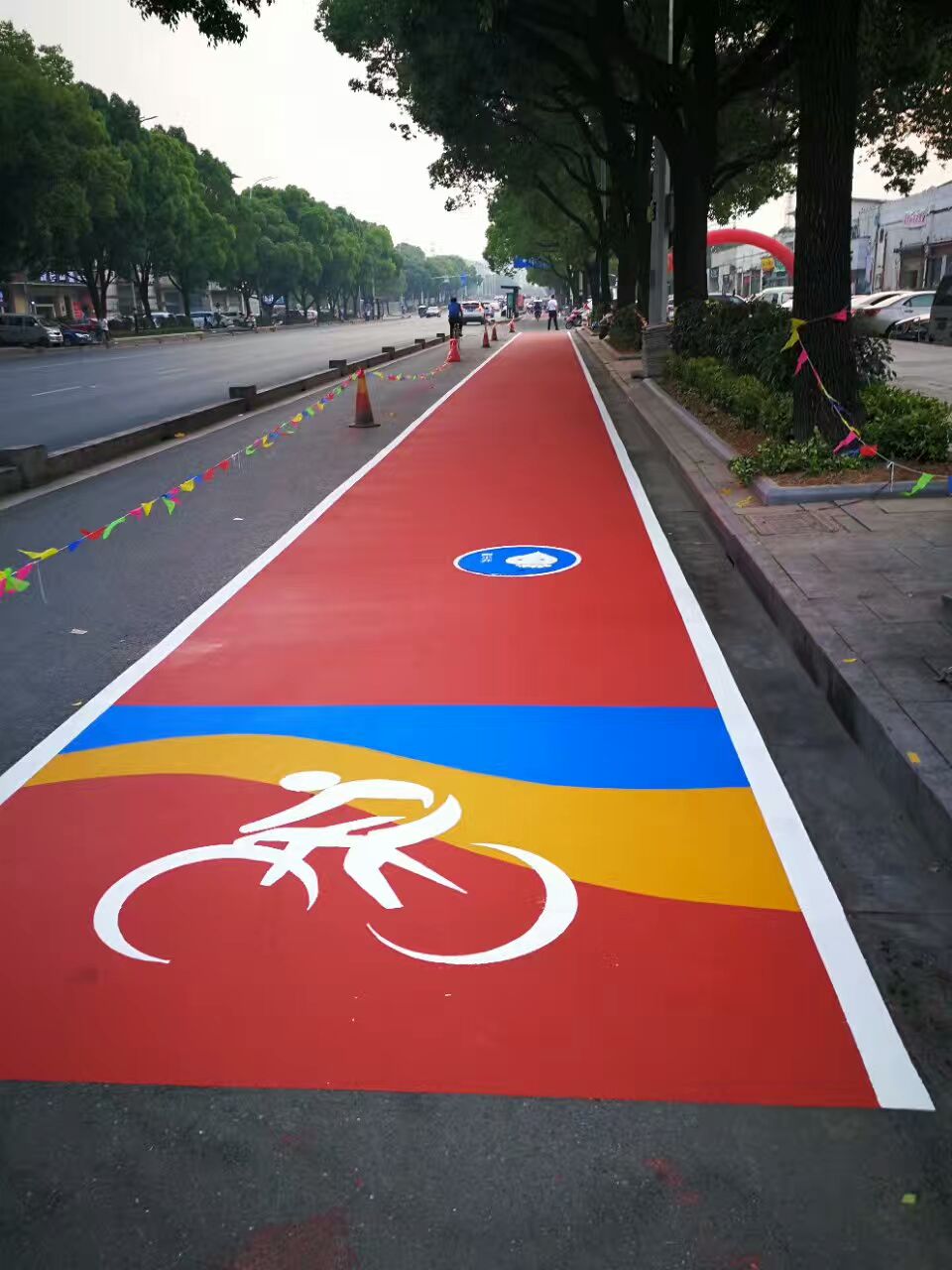
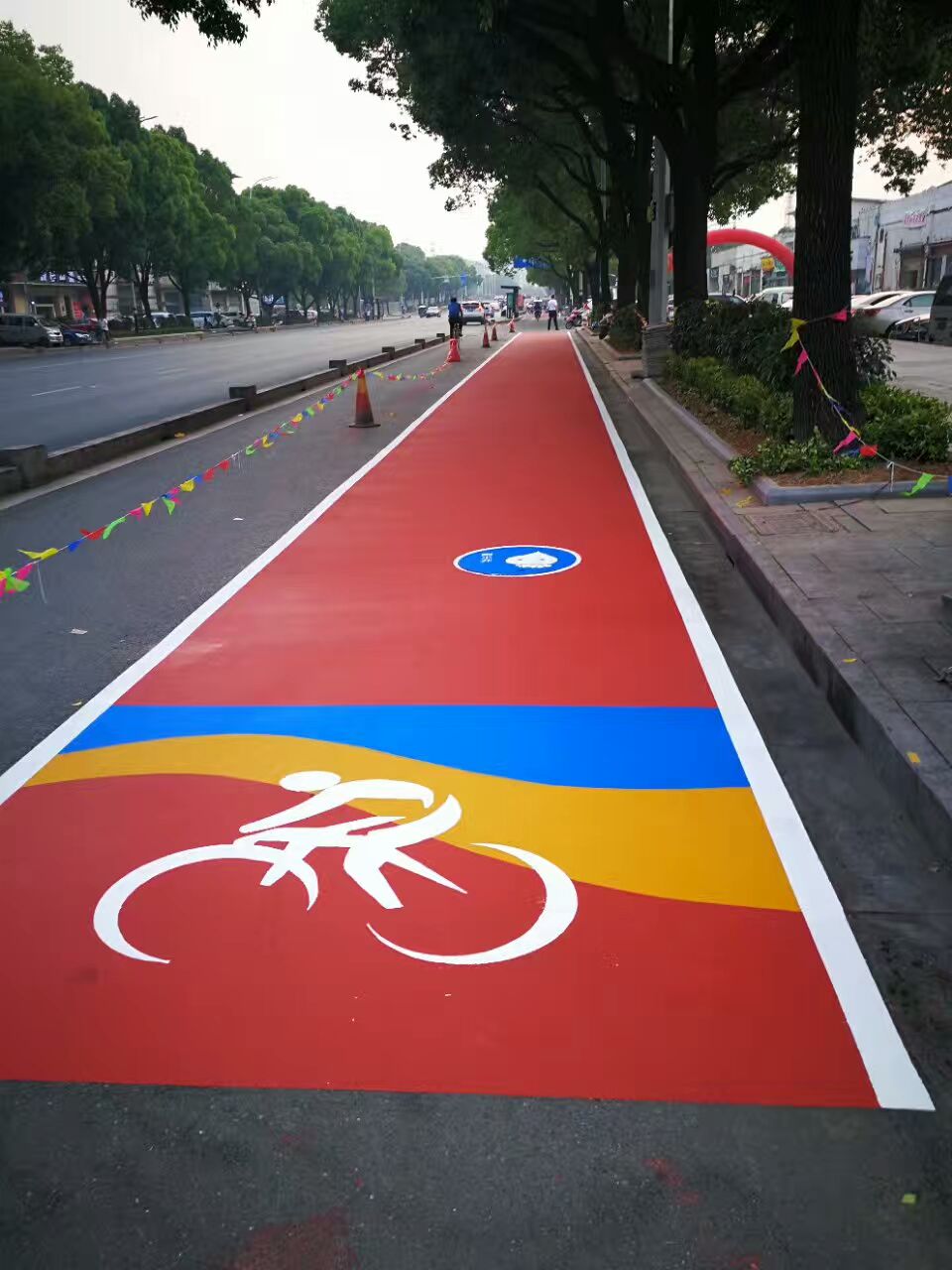
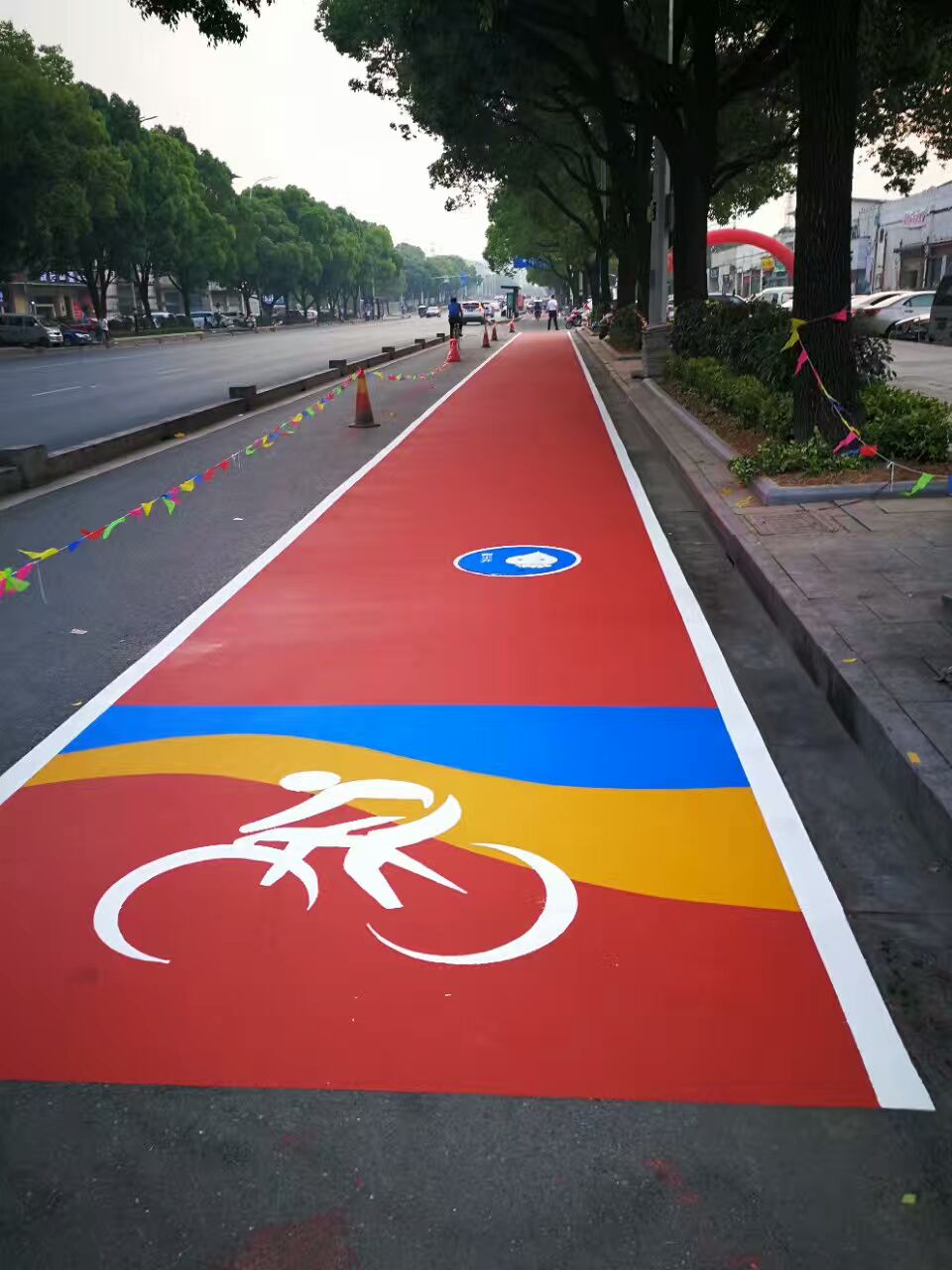
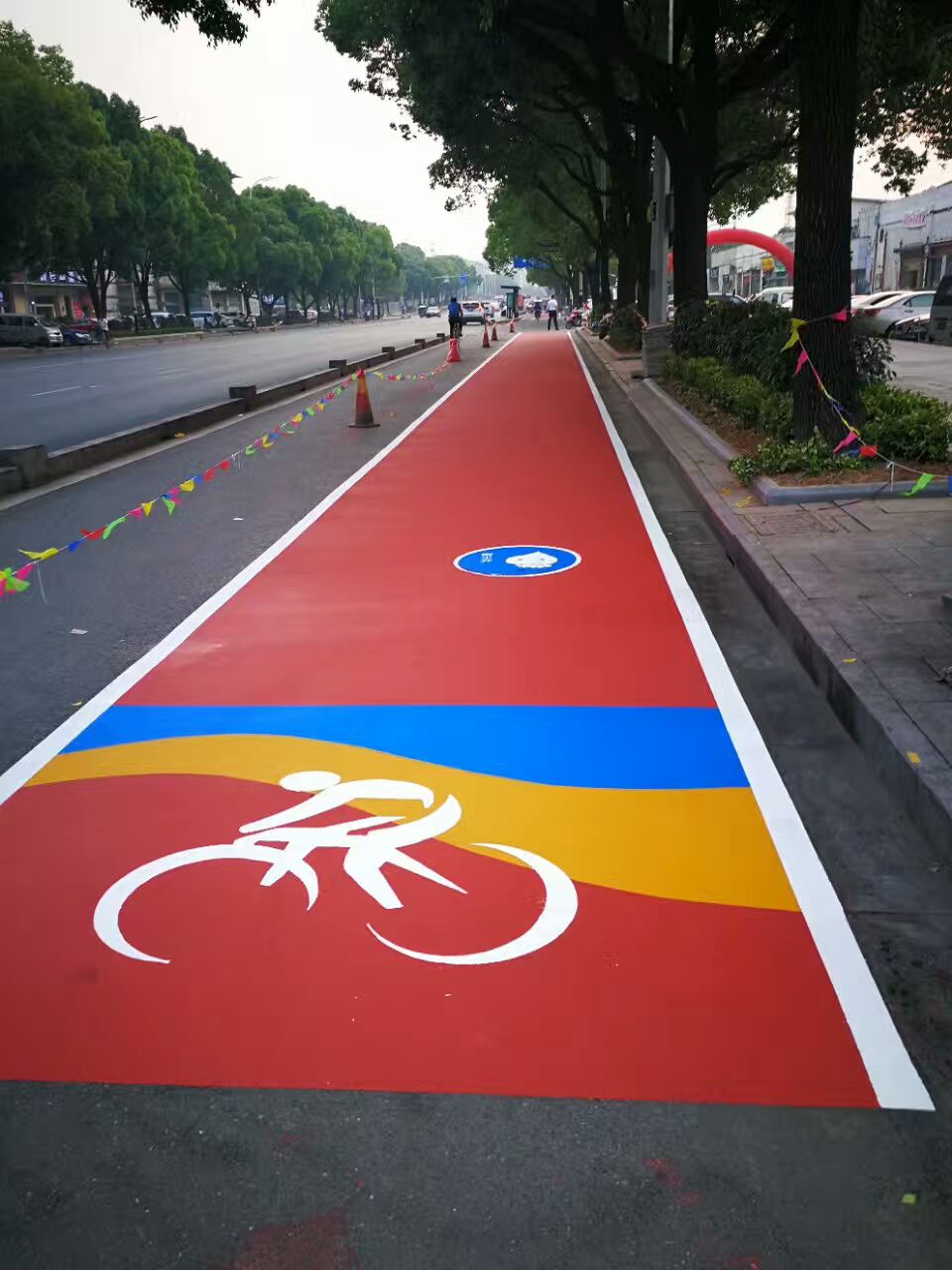
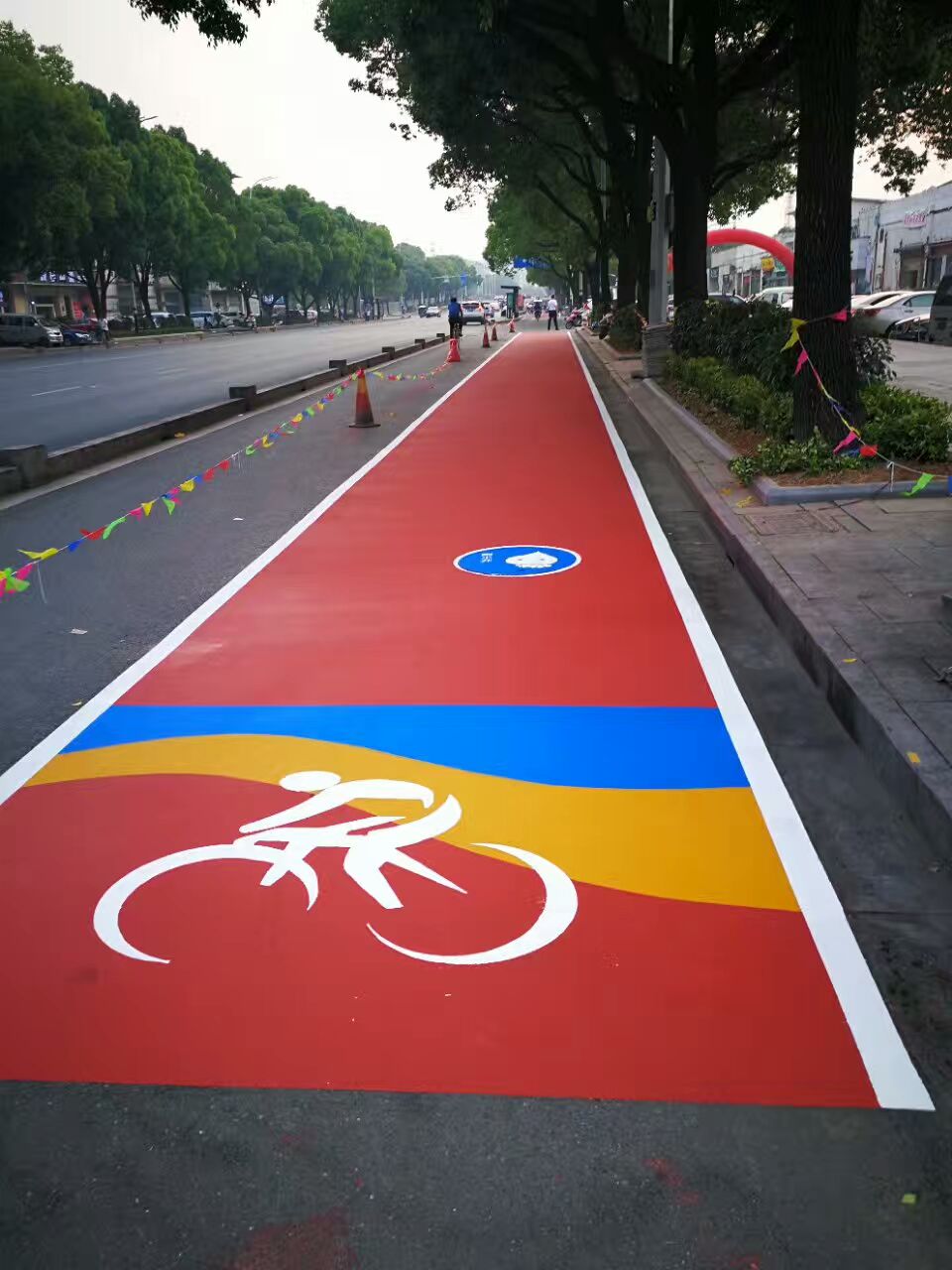
Artistic embossed paving can realistically replicate the texture, pattern, and color of various ground materials directly on the concrete surface. Its hardness is identical to that of concrete, primarily depending on the concrete grade and thickness. Not only does it enhance the physical properties of the concrete surface such as compressive, flexural, and wear resistance, but it also presents effects resembling natural granite, marble, split stone, volcanic rock, slate, wood grain boards, and brickstone.
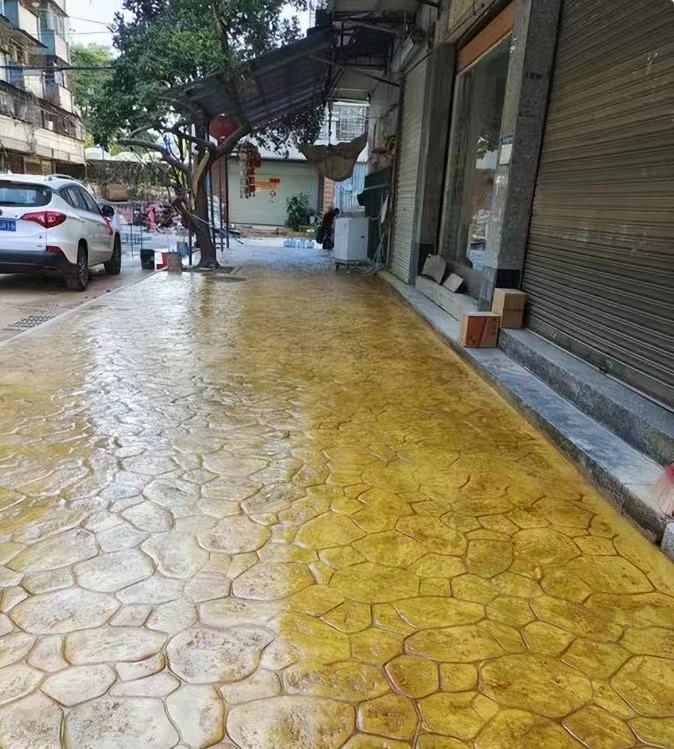
The raw materials for embossed paving include the following three types:
Color Reinforced Material: Made primarily of natural, environmentally friendly mineral aggregates and high-strength, wear-resistant cementitious materials.
Color Release Agent: A superfine colored powder primarily used in the construction of artistic flooring systems to act as a separator between molds and concrete. Additionally, the remaining color release agent on the surface after washing can reflect the depth and color of the texture.
Sealant: The embossed artistic floor is colored and strengthened on the laid concrete surface after the water on the surface has evaporated. This is done by sprinkling colored reinforcing agent (dry powder) onto the concrete surface and then using a special tool to blend the colored reinforcing agent into the concrete surface. Once the surface moisture and luster have disappeared, uniformly sprinkle colored demolding and curing agent (dry powder), and immediately press the selected mold onto the concrete surface to achieve various design styles, textures, and colors, resembling the texture of natural materials.
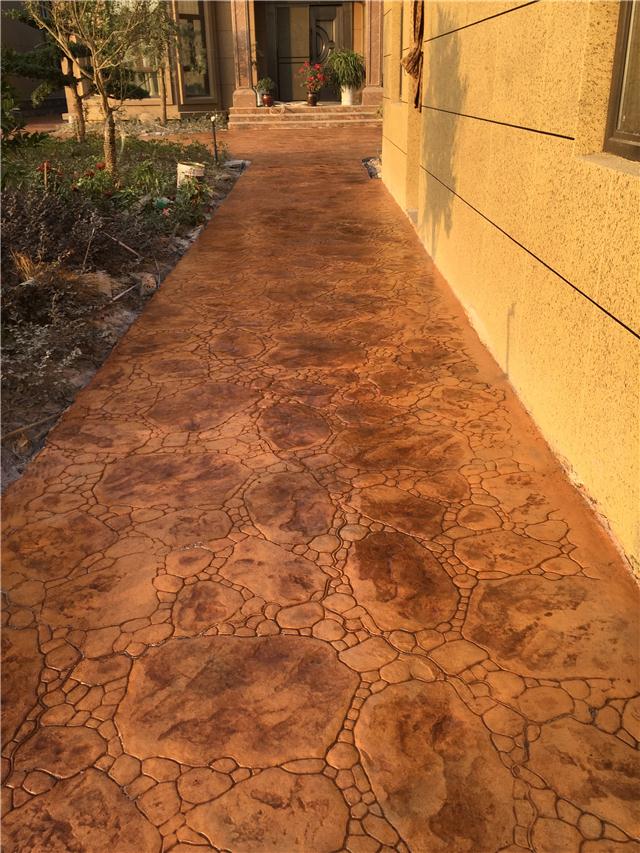
Application Range of Embossed Pavement:
1. Municipal Engineering: Streets, sidewalks, road medians, themed parks, cultural squares, landscaping projects.
2. Commercial: Office buildings, hotels, restaurants, bars, large shopping malls, convention centers, supermarkets, shops, parking lots.
3. Residential: Apartments, villas, residential complexes, courtyards, gardens.
4. Entertainment Venues: Parks, Amusement Parks, Water Feature Pools, Swimming Pools.
5. Other: Industrial factories, schools, kindergartens, bus stop systems, and interior and exterior decorations of buildings.
Stamped concrete is a surface finish achieved by撒彩色复合粉剂 onto freshly poured concrete and then pressing molds into it to create various textures. The resulting look is comparable to granite, marble, slate, wood, and bricks, offering an artistic expression unattainable with traditional materials, giving designers ample room for imagination. It also boasts properties not found in plain concrete, such as corrosion resistance, slip resistance, and wear resistance. The product has gained widespread recognition in both domestic and international markets for its unique artistry, extensive color and style options, low cost, high performance, and environmental friendliness.