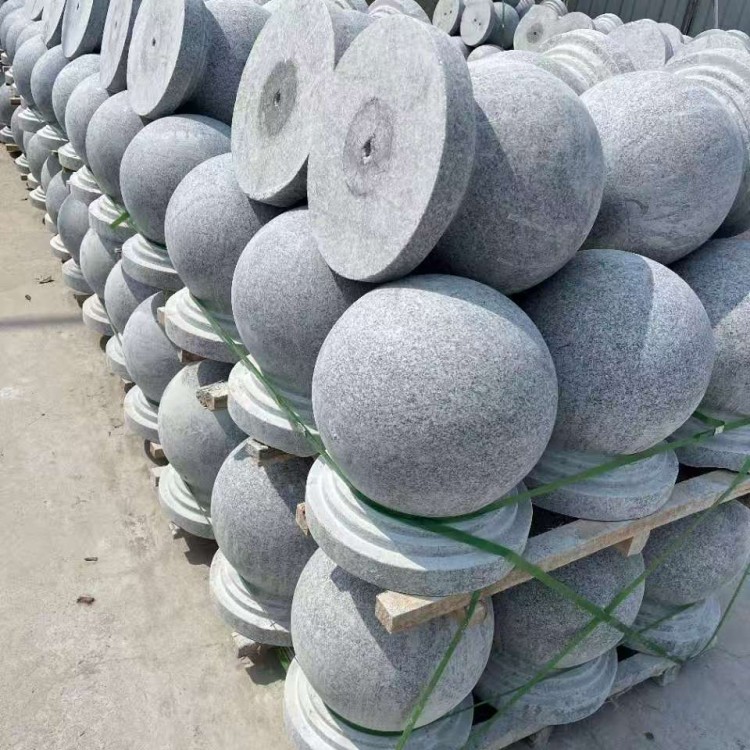
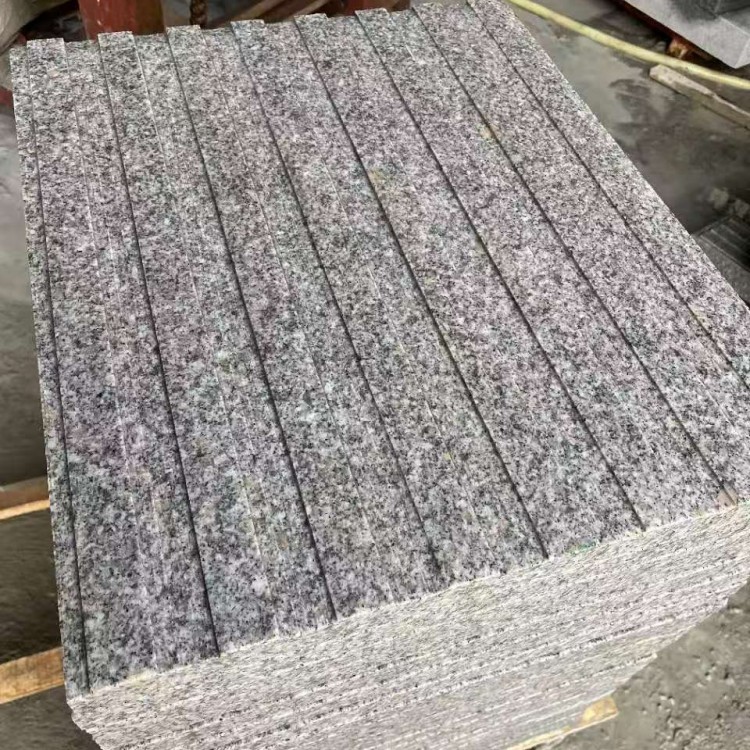













Polished stone, with its high durability, cleanliness, design versatility, non-flammability, and glossy, vibrant color, is widely used for ground covering in both public and private spaces. Polished stone is a construction technique that has gained popularity in recent years, involving the mixing of natural river or sea pebbles or gravel with cement in a proportionate manner, applying it to the base, leveling it with heavy machinery, and then treating the surface adhesive to reveal the natural stone texture.

Due to the diverse colors and shapes of its raw materials, it can be used to create various patterns and designs, suitable for both indoor decoration and outdoor landscaping. Some large-area exterior wall finishes also use water-washed stone, exuding a natural and simple feel.

Washed Stone Precautions:
1. Pay attention to the content of washed stone; too little affects the appearance, and too much can lead to poor adhesion. For particles ranging from 3-5mm, an ideal content per square meter is 18-20kg.
2. Mix gravel and cement thoroughly before adding water. Clean any debris from the concrete sublayer before laying to prevent loose gravel from detaching and cracking during installation.
3. The interface between the washed stone surface layer and other paving materials can be connected with copper strips or PE separator strips to ensure the integrity of the washed stone edge line.
4. When flattening, use a trowel to gently tap and smooth the mixed paste repeatedly to ensure thorough adhesion between the paste and the base, for even stone distribution. Outdoor construction temperatures should not be below 4°C, as this affects adhesion and curing, making it prone to peeling off.
5. Clean the surface with a sponge promptly when it's semi-dry, and repair the stone granules.
6. Ensure timely protection of finished products. Once completely dry, apply water-based resin to achieve waterproof, stain-resistant, and brightening effects.

Water-washed stone is a very popular and visually appealing decorative material for building and architecture. Typically, it is made from very natural stones, which are processed through a series of techniques to enhance their overall aesthetic appeal, earning it widespread praise.