






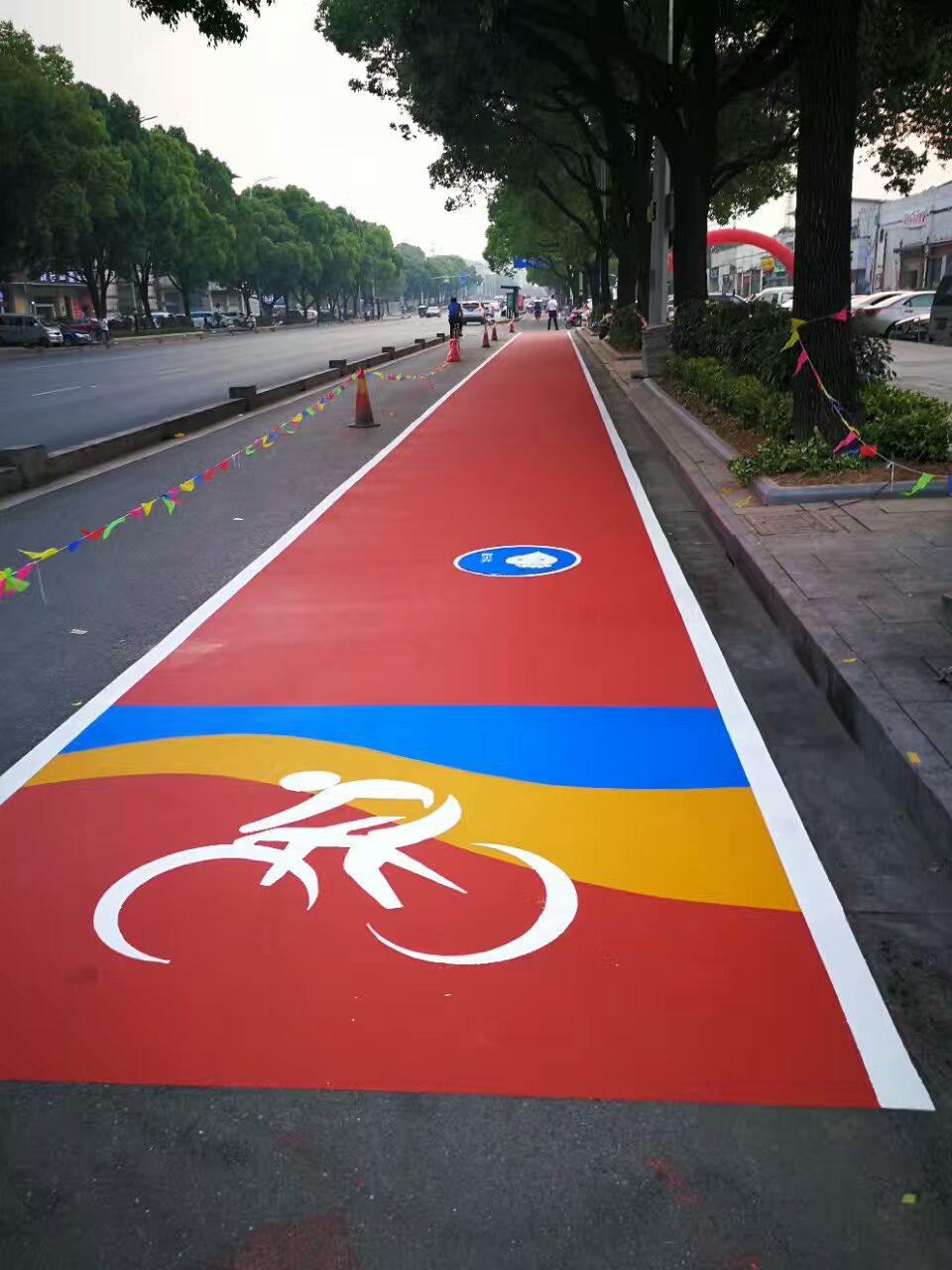
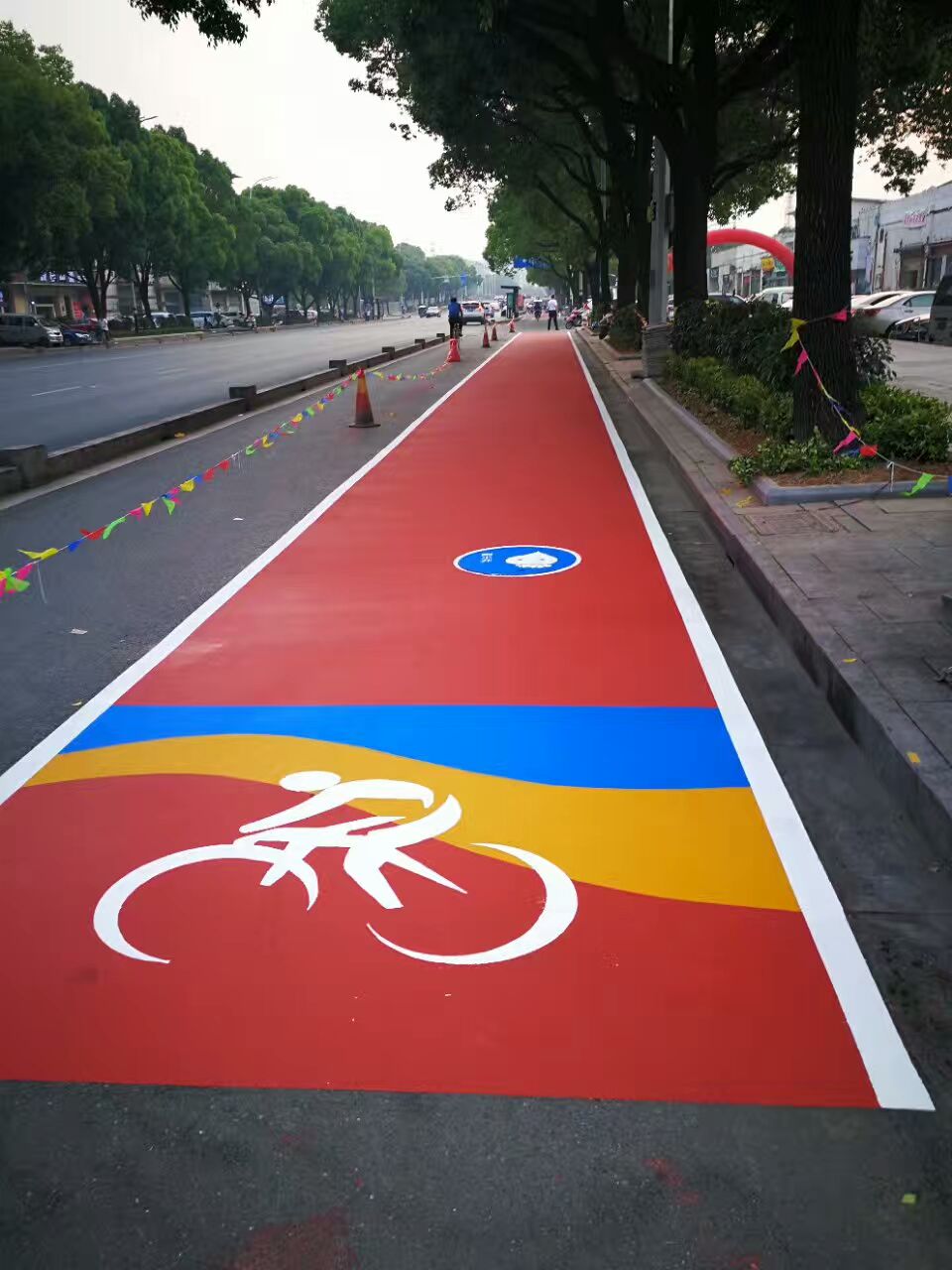
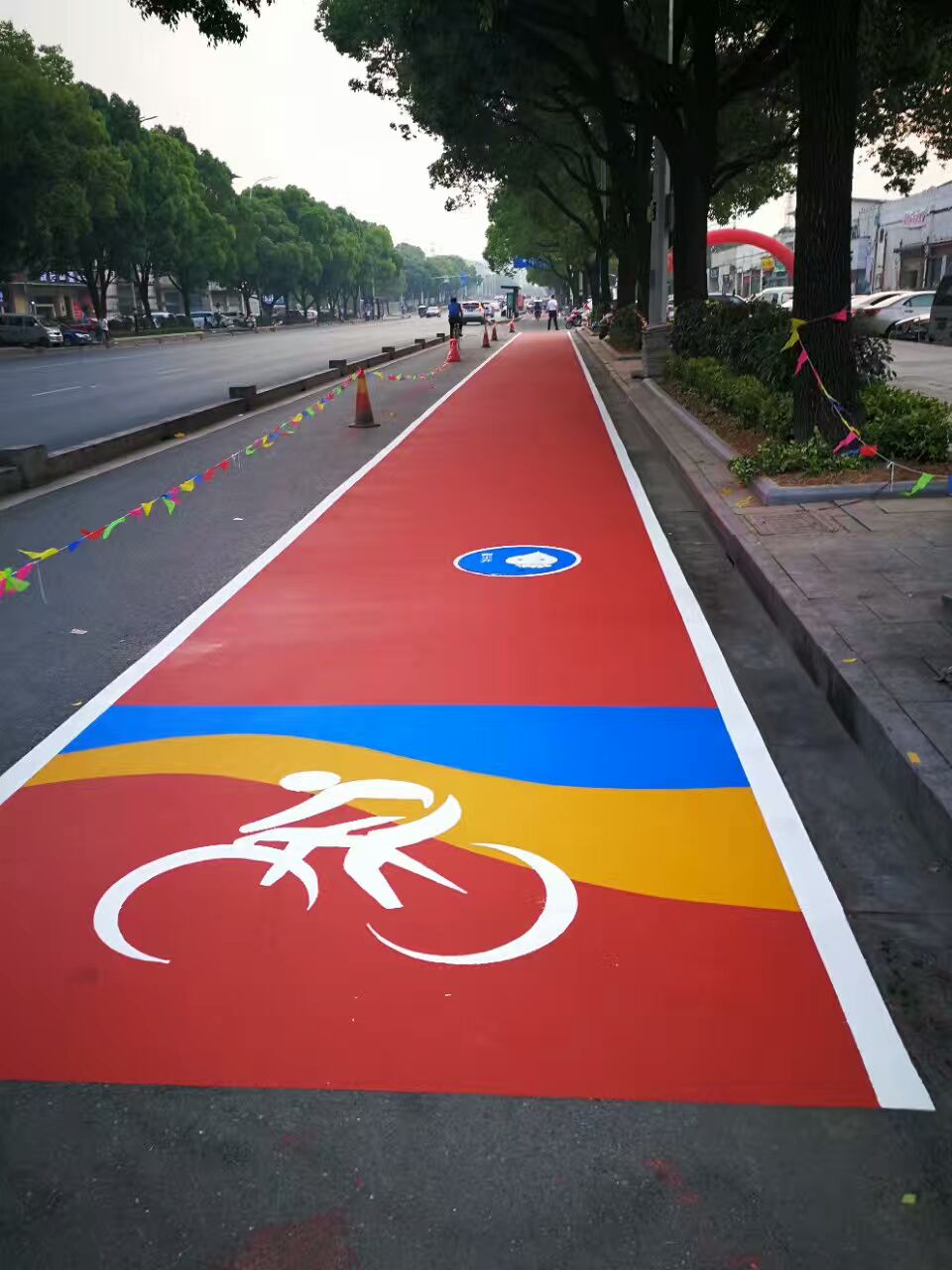
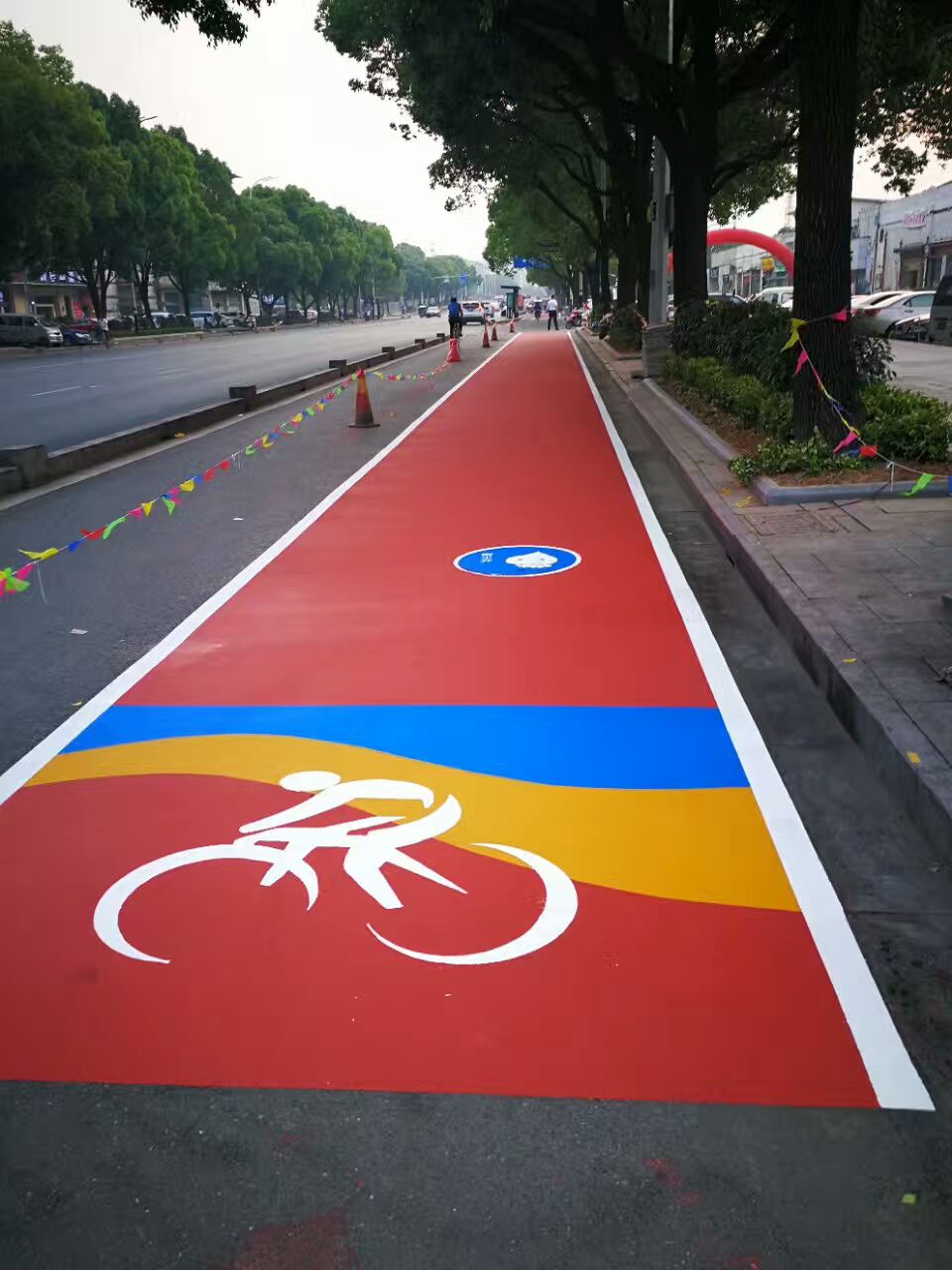
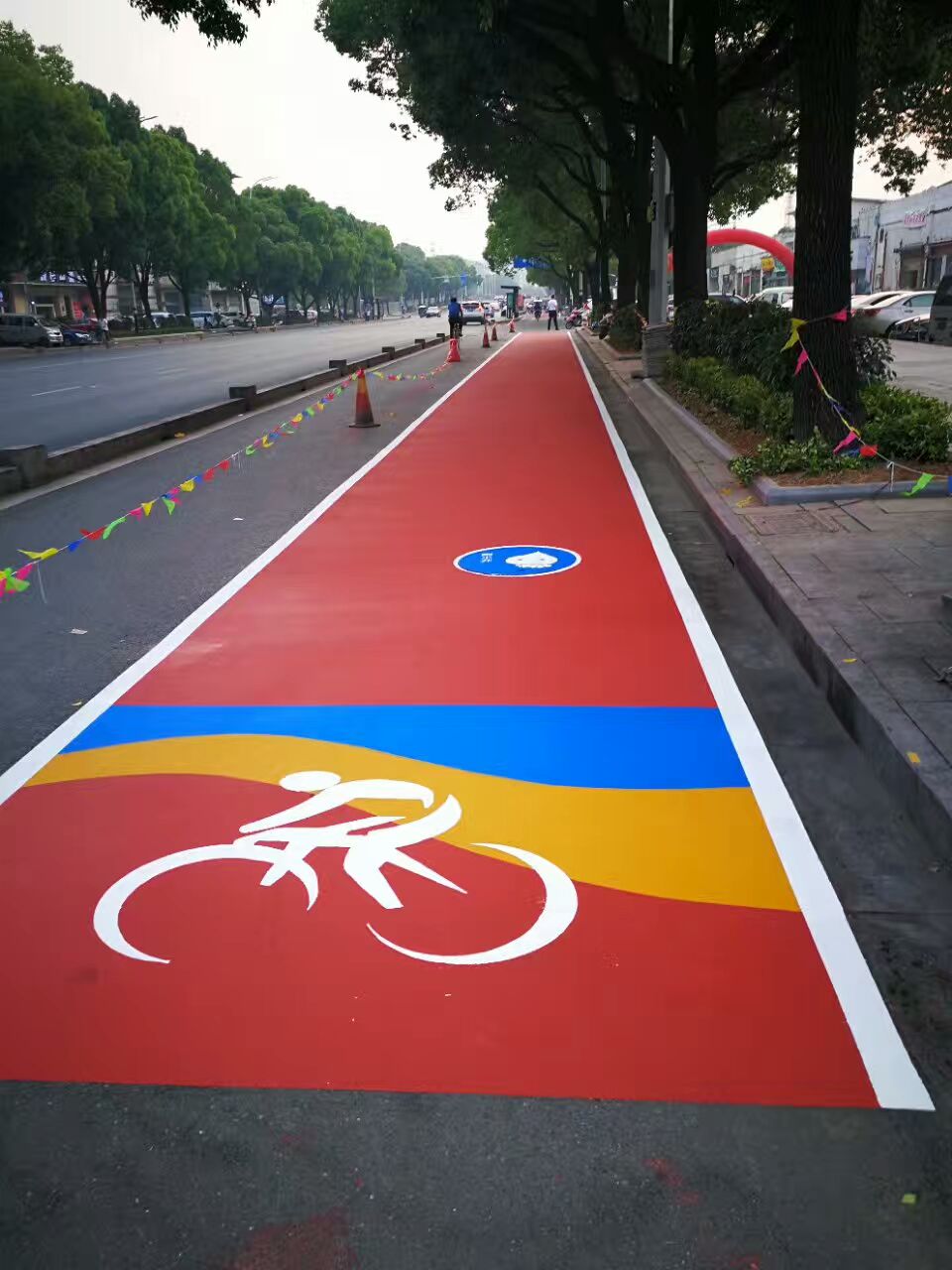
Porous concrete paving is a lightweight, fine aggregate-free concrete mix composed of cement, special additives, aggregates, and water in a specific ratio. It is superior, ecological, and environmentally friendly compared to other paving materials, belonging to the fully permeable type. Its features include: permeability, water retention, and breathability.

Porous concrete, as an environmentally friendly load-reducing concrete, not only boasts excellent permeability and sufficient rainwater collection, but also provides functions such as noise absorption and reduction, flood resistance, and alleviation of urban "heat island effect."

The permeable pavement structure, from top to bottom, is as follows: compacted natural soil, graded crushed stone, and 60~120mm permeable concrete.Porous concrete construction mainly includes: laying, shaping, surface treatment, and joint treatment.1) Laying: Can be done by machine or manual methods.2) Molding: Construction can be carried out using flat vibrators, vibration leveling rollers, manual push-pull rollers, and vibration leveling beams.3) Surface Treatment: Primarily to enhance the aesthetic appearance, involves trimming or cleaning the surface of the formed permeable concrete.4) The joint setting of permeable concrete pavement is similar to that of normal concrete, with contraction joints evenly spaced, not exceeding a distance of 6 meters.

Porous pavement, as a new environmentally friendly and ecological road material, is highly suitable for use in urban garden roads, offering excellent overall benefits. Clearly, the permeable concrete surface brings a positive ecological impact to urban garden areas, serving as a crucial foundation for maintaining ecological良性 circulation. It is imperative to vigorously promote the application of permeable concrete in urban gardens. The comprehensive benefits it yields can be considered as one of the control indicators for urban construction, holding significant importance for the maintenance of urban construction, especially urban garden construction.

Porous pavement materials are eco-friendly, highly permeable materials used in sponge city construction. They serve as a new paving method that can partially replace urban paved surfaces, effectively improving the urban ecosystem. These materials breathe life back into the city's surface, allow rainwater to seep into the ground, and effectively eliminate surface water accumulation, making them a green and environmentally friendly ground material.